Introduction: Two Worlds of Brilliance
When selecting the perfect gemstone for your jewelry collection, the comparison between Sapphire vs Mystic Topaz presents a fascinating study in contrasts. Sapphire stands as a testament to geological time, formed over millions of years deep within the earth's crust under intense heat and pressure, emerging as one of the most coveted precious gemstones in human history. In stark opposition, mystic topaz represents modern technological innovation, taking an abundant natural mineral and transforming it through scientific treatment into a kaleidoscope of iridescent colors that nature never intended.
The fundamental distinction between these stones extends far beyond their visual appearance, touching upon concepts of natural rarity versus treated affordability, and the traditional classification of precious vs semi-precious stones. This comprehensive guide serves engagement ring shoppers seeking lifetime durability, jewelry enthusiasts exploring affordable sapphire alternatives, and collectors understanding market dynamics. Whether you prioritize investment value and heirloom quality or desire a fashion-forward statement piece, understanding these distinct gemological profiles ensures you make an informed decision aligned with your lifestyle and budget.
What Is Sapphire? The Natural Precious Gem
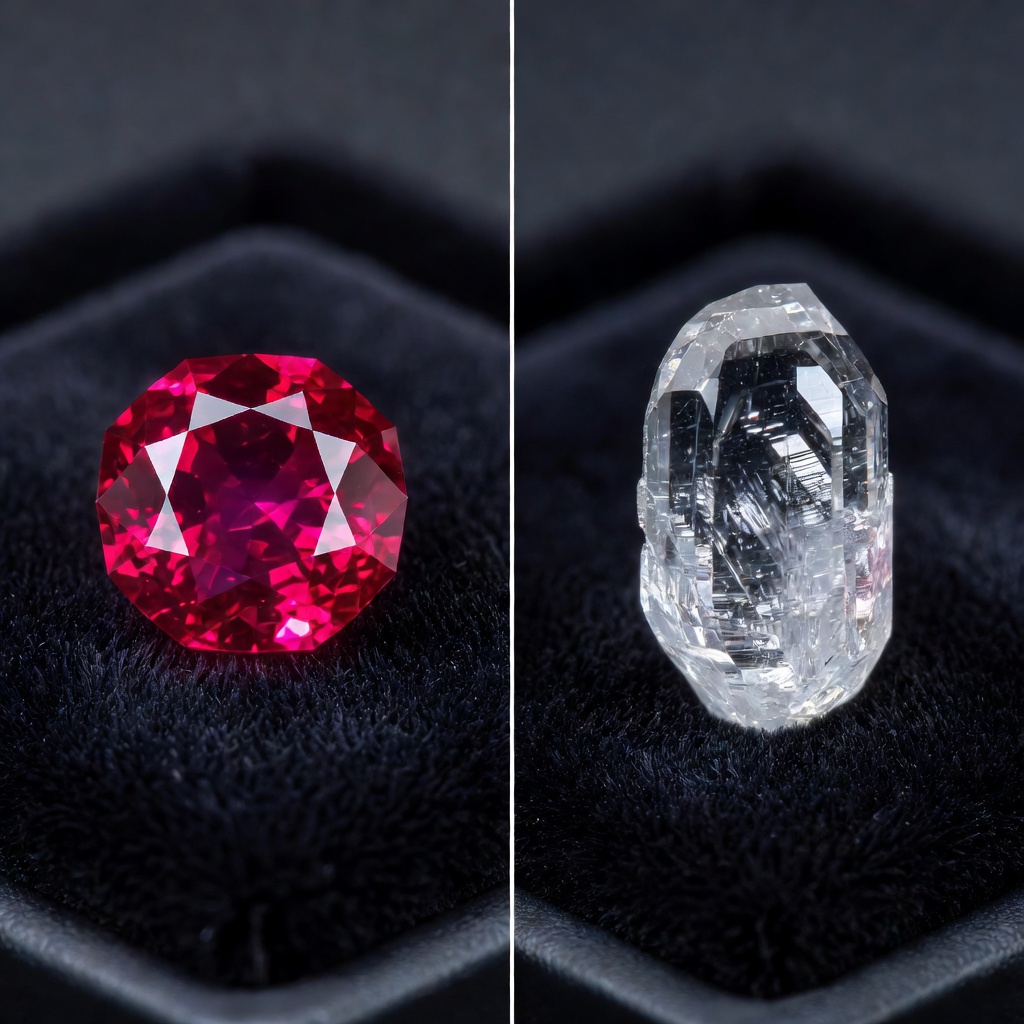
Sapphire gemstone belongs to the corundum family, a crystalline form of aluminum oxide (Al₂O₃) that forms under specific metamorphic conditions requiring temperatures exceeding 800 degrees Celsius and immense tectonic pressure. This geological rarity occurs primarily in marble and basalt deposits, where trace elements become incorporated into the crystal lattice during formation. The presence of iron and titanium creates the iconic velvet blue associated with Kashmir sapphires, while chromium produces the delicate pink hues and padparadscha variations that command premium prices at auction houses worldwide.
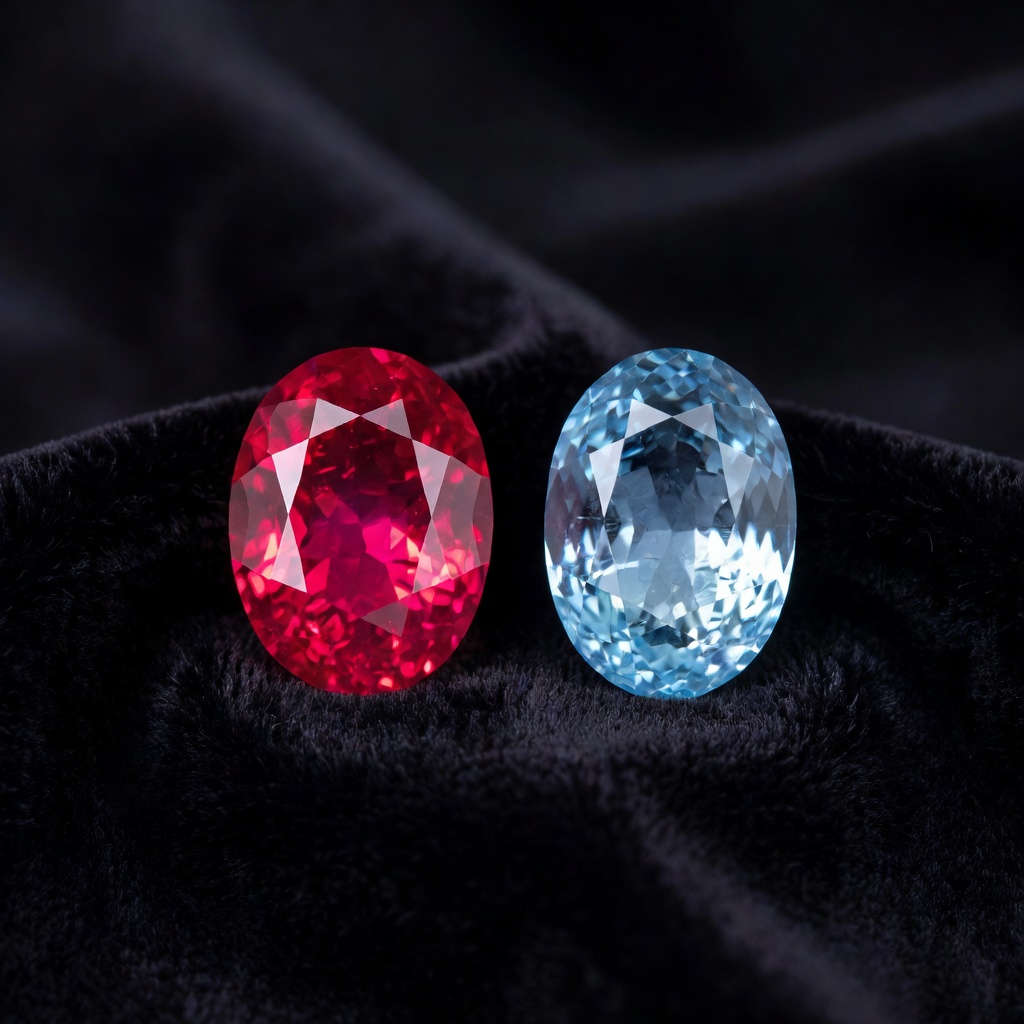
As a member of the prestigious "Big Four" alongside diamond, ruby, and emerald, sapphire maintains its status as a precious gemstone due to exceptional hardness, rarity, and centuries of cultural significance. Major mining operations span diverse global locations, each imparting distinct characteristics to their yield. Kashmir sapphires exhibit a milky, cornflower blue with exceptional velvety texture, while Burmese stones from Myanmar display vivid saturation with strong fluorescence. Sri Lankan (Ceylon) sapphires tend toward lighter, brighter blues with excellent clarity, and Montana deposits in the United States produce unique steely blue-green specimens increasingly popular among ethical jewelry consumers.
What Is Mystic Topaz? The Enhanced Beauty
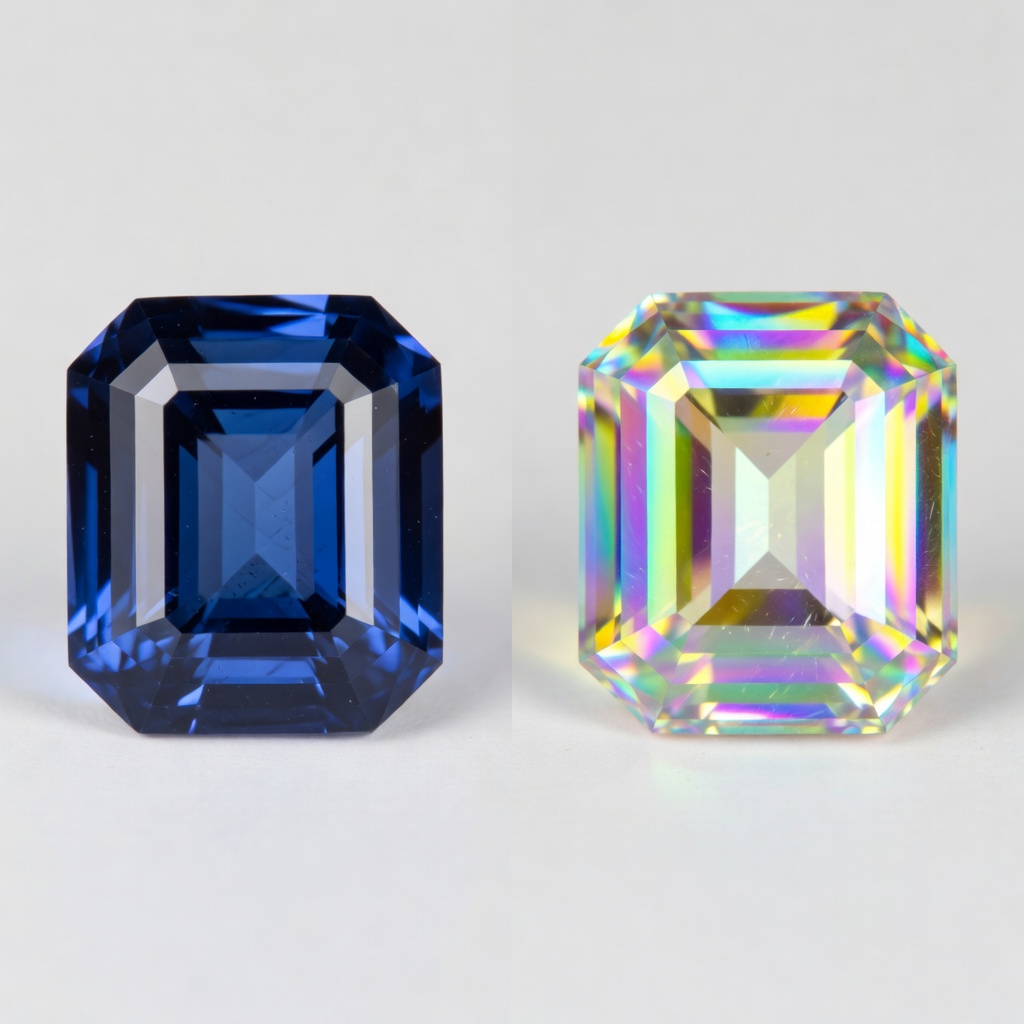
Mystic topaz begins its journey as natural colorless topaz, a silicate mineral abundant in pegmatite deposits across Brazil, Russia, and Nigeria, which explains its accessibility as a color enhanced topaz option for budget-conscious buyers. Unlike natural fancy color gemstones, mystic topaz undergoes a sophisticated treatment process called Physical Vapor Deposition (PVD), where the pavilion (bottom) facets receive a microscopic coating of titanium approximately 8-10 microns thick. This artificial layer creates a thin-film interference phenomenon, producing the characteristic rainbow iridescence that shifts between green, purple, pink, and blue depending on viewing angle and lighting conditions.
The semi-precious classification of mystic topaz stems directly from this treatment process, as industry standards require natural color and minimal enhancement for precious gemstone status. Identification professionals can immediately distinguish treated stones by examining the girdle or facet junctions, where the coating appears as a visible line rather than color distributed throughout the crystal structure. While the base material remains genuine topaz, the mystic treatment creates a surface-level optical effect that fundamentally differs from the inherent coloration found in natural sapphires, positioning this stone firmly in the fashion jewelry category rather than fine jewelry investment pieces.
Visual Comparison: Color, Clarity, and Light Performance
The visual distinction between these gemstones becomes immediately apparent when examining their optical properties and color origins. Natural sapphires display a sophisticated color spectrum ranging from deep midnight blue to delicate cornflower, with rare padparadscha specimens exhibiting the coveted pink-orange sunset hue. These colors emerge from within the crystal structure itself, often showing natural zoning, silk inclusions (rutile needles), and depth that creates a three-dimensional quality when viewed under magnification. High-quality sapphires possess a vitreous to adamantine luster that reflects light from deep within the stone, creating the "sleepiness" or velvety appearance prized by connoisseurs.
Mystic topaz presents an entirely different visual experience characterized by a metallic, almost holographic rainbow effect that covers the entire pavilion surface uniformly. Unlike sapphire's internal fire, mystic topaz relies on surface refraction, creating a prismatic display that appears simultaneously artificial and mesmerizing. The base material for mystic treatments typically starts as eye-clean or loupe-clean colorless topaz, meaning these stones rarely display the natural inclusions found in sapphires. However, this apparent "perfection" actually signals treatment, as completely flawless natural sapphires command extreme premiums and are exceedingly rare, whereas mystic topaz uses the clearest available rough to maximize the coating's reflective properties.
| Characteristic | Sapphire Gemstone | Mystic Topaz |
|---|---|---|
| Chemical Composition | Corundum (Al₂O₃) | Silicate Mineral (Al₂SiO₄(F,OH)₂) |
| Mohs Hardness | 9 (Excellent) | 8 (Good, but coating vulnerable) |
| Color Origin | Internal trace elements (natural) | Surface titanium coating (treated) |
| Price Range | $500 - $10,000+ per carat | $10 - $50 per carat |
| Durability Rating | Excellent for daily wear | Poor for rings, better for pendants |
| Investment Value | High appreciation potential | No resale value |
| Classification | Precious Gemstone | Treated Semi-Precious |
Durability and Hardness: The Mohs Scale Reality
Understanding gemstone durability requires examining both absolute hardness and practical wear resistance, where sapphire demonstrates superiority ranking 9 on the Mohs hardness scale, second only to diamond at 10. This exceptional hardness means sapphire resists scratching from everyday encounters with household dust (quartz, hardness 7), keys, and other jewelry items, maintaining its polish and facet edges for generations. Professional jewelers regularly encounter century-old sapphire rings showing minimal surface wear, testament to the mineral's suitability for heirloom-quality pieces subjected to daily activity.
While topaz registers 8 on the Mohs hardness scale, making it harder than quartz, mystic topaz presents a unique durability challenge because the titanium coating measures only 8-10 microns thick—thinner than a human hair. This surface layer scratches easily from normal wear, contact with cleaning chemicals, or even vigorous hand washing. Furthermore, both stones exhibit distinct toughness characteristics regarding breakage; sapphire possesses no cleavage planes but can chip along twinning planes if struck sharply, while topaz features perfect basal cleavage, making it prone to splitting if impacted along specific crystal axes. For daily wear applications, sapphire remains the unequivocal choice, while mystic topaz suits occasional wear pieces like pendants or earrings that receive minimal physical contact.
Price and Value: Investment vs Affordability
The economic disparity between these gemstones reflects fundamental differences in rarity, formation, and market perception, with natural sapphires commanding prices from $500 per carat for commercial quality to over $10,000 per carat for unheated Kashmir or Burmese specimens exhibiting exceptional color saturation. Treatment significantly affects valuation, as heat-only sapphires retain substantial value while beryllium-diffused stones trade at discounts. Origin certificates from laboratories like GIA or AGS become essential documentation for high-value purchases, verifying geographical source and treatment disclosure that directly impacts resale potential.
Mystic topaz offers an accessible entry point at $10-$50 per carat, positioning it as one of the most affordable sapphire alternatives for fashion-conscious consumers seeking colorful statement pieces without substantial investment. However, this affordability reflects the stone's lack of intrinsic value retention; unlike natural sapphires that appreciate 5-10% annually for fine specimens, mystic topaz possesses zero investment value and virtually no secondary market. The mass-production capability of the coating process means supply remains unlimited, while natural sapphire deposits deplete annually, driving long-term scarcity. For buyers prioritizing immediate aesthetic impact over legacy value, mystic topaz delivers visual drama at a fraction of the cost, though professionals caution against viewing these purchases as assets rather than consumable fashion accessories.
Symbolic Meaning and Birthstone Significance
Sapphire carries millennia of cultural weight, historically associated with wisdom, loyalty, and nobility across ancient Persian, Greek, and medieval European traditions. As the September birthstone and traditional gift for 45th wedding anniversaries, sapphire represents enduring commitment and mental clarity, with medieval clergy believing the stone symbolized heaven itself. The modern precedent set by Princess Diana's engagement ring—now worn by Catherine, Princess of Wales—cemented sapphire's status as a legitimate alternative to diamond for bridal jewelry, combining romantic symbolism with practical durability for lifetime wear.
Mystic topaz meaning remains largely modern and marketing-driven, with New Age associations linking the rainbow colors to chakra alignment and mystical energy, though these connections lack historical precedent in traditional gemology. While blue topaz naturally serves as a December birthstone, the mystic treatment voids this designation because birthstone lists specify natural varieties. The stone appeals to bohemian and contemporary fashion aesthetics rather than classical symbolism, making it ideal for self-expression pieces rather than commemorative jewelry marking significant life milestones. For consumers seeking stones with documented historical significance and traditional gifting protocols, sapphire provides established cultural frameworks, while mystic topaz offers personal, subjective appeal without ancestral heritage.
Care, Cleaning, and Maintenance Requirements
Maintaining sapphire jewelry requires minimal effort due to the stone's chemical stability and hardness, allowing owners to use ultrasonic cleaners and steam equipment safely, though warm soapy water with a soft brush remains the gentlest method for removing accumulated lotions and oils. Professional jewelers can repolish sapphires to remove surface scratches accumulated over decades, restoring original brilliance without compromising structural integrity. Storage recommendations suggest keeping sapphire pieces separate from softer gemstones to prevent accidental scratching, though sapphires themselves withstand contact with most other jewelry materials.
Mystic topaz demands significantly more cautious handling, as the coating scratches easily from abrasive cleaners, ultrasonic vibrations, and even some commercial jewelry dips containing harsh chemicals. Owners must restrict cleaning to mild soap and water with gentle wiping using a soft cloth, never using brushes that might abrade the titanium layer. The reality of recoating becomes inevitable, as normal wear gradually erodes the thin film, requiring professional reapplication every 2-5 years at costs ranging $30-$60 depending on stone size. Storage becomes critical, as the coated surface can scratch other jewelry pieces; dedicated soft pouches prevent contact damage. This maintenance burden makes mystic topaz less suitable for heirloom intentions, requiring ongoing investment to maintain appearance rather than the "set it and forget it" convenience of sapphire ownership.
Best Jewelry Applications for Each Stone
Sapphire's exceptional durability and classic aesthetic make it ideal for engagement rings, daily-wear earrings, tennis bracelets, and investment-grade pendants that transition seamlessly from office environments to formal occasions. The stone performs beautifully in any setting style, from delicate prong settings showcasing light performance to protective bezels for active lifestyles, with platinum and white gold enhancing blue varieties while yellow gold complements pink and padparadscha specimens. Vintage-inspired designs featuring milgrain details and filigree work particularly suit sapphire's romantic associations, while modern minimalist settings emphasize the gem's geometric precision.
Mystic topaz jewelry excels in statement pendants, cocktail rings reserved for special occasions, and fashion earrings where the stone receives minimal physical contact. Protective bezel settings become essential for mystic topaz rings, shielding the pavilion coating from impact and abrasion during wear, though even protective settings cannot prevent gradual coating degradation from normal atmospheric exposure. Design versatility leans toward modern, bohemian, and artistic expressions that embrace the stone's unconventional rainbow palette, often paired with silver or black rhodium settings that enhance the iridescent effect. Jewelry designers frequently use mystic topaz in cluster formations or halo designs where multiple stones create amplified color play, capitalizing on the affordable price point to create dramatic, large-scale pieces impossible with precious gemstone budgets.
Final Verdict: Which Gemstone Should You Choose?
Selecting between these stones ultimately depends on identifying your priorities regarding budget constraints, wear patterns, and long-term value expectations. Choose sapphire if your budget accommodates $500+ investments, you seek an heirloom piece appreciating over generations, require daily-wear durability without maintenance concerns, or value natural rarity and geological authenticity. The precious vs semi-precious stones distinction matters significantly for milestone purchases like engagement rings or anniversary gifts, where sapphire's documented durability and cultural significance provide security and meaning.
Opt for mystic topaz if your budget remains under $200, you desire the unique rainbow aesthetic for occasional wear, or you prefer experimental fashion jewelry that follows trends rather than setting timeless standards. Ethical considerations favor both stones differently: fair-trade sapphires support artisanal mining communities in Sri Lanka and Madagascar, while mystic topaz relies on treatment facilities with varying environmental controls regarding titanium deposition processes. Professional gemologists universally recommend sapphire for any jewelry intended to last decades, reserving mystic topaz for fun, fashionable pieces that celebrate current aesthetics without expectation of longevity. For the discerning buyer, sapphire represents a legacy purchase, while mystic topaz offers affordable immediacy—a distinction that defines whether you collect treasures or consume trends.
Which is harder, sapphire or mystic topaz?
Sapphire is significantly harder at 9 on the Mohs scale versus topaz's 8. However, the real issue is that mystic topaz has a microscopic surface coating that's extremely delicate and can scratch or wear off with normal use, while sapphire's hardness is intrinsic throughout the entire gemstone.
Is mystic topaz a real gemstone or completely fake?
Mystic topaz is a real topaz gemstone that has undergone a legitimate enhancement treatment. The base material is natural colorless topaz, but the rainbow colors are created through a modern coating process. It's considered a 'treated gemstone,' not a synthetic, but the treatment is not permanent.
Why is sapphire so much more expensive than mystic topaz?
Sapphire commands premium prices due to natural rarity, mining costs, precious gemstone status, and exceptional durability. Quality sapphires are rare geological treasures. Mystic topaz starts as abundant, inexpensive colorless topaz with a cheap coating process, mass-produced for the fashion jewelry market.
Can I wear mystic topaz in an engagement ring?
Gemologists strongly advise against mystic topaz for engagement rings. The coating scratches easily from daily wear, hand washing, and accidental bumps. The stone would require recoating within months. Sapphire is the professional recommendation for engagement rings due to its proven durability over decades.
Does mystic topaz lose its rainbow color over time?
Yes, mystic topaz will gradually lose its iridescent coating through normal wear, cleaning, and exposure to chemicals. The thin titanium layer scratches, chips, and wears away, revealing the clear topaz underneath. Recoating every 2-5 years is typically necessary to maintain appearance.
Are all sapphires blue, and how does color compare to mystic topaz?
Sapphires occur naturally in every color except red (which is ruby). Blue is simply the most famous. Mystic topaz displays a forced rainbow effect across the entire stone simultaneously. Sapphire's color comes from internal crystal structure, creating depth, while mystic's color is a surface-only optical illusion.
Which gemstone has better resale and investment value?
Natural sapphires have excellent resale value, often appreciating 5-10% annually for fine specimens. They are auction house staples and collector favorites. Mystic topaz has virtually zero resale value—it's considered costume jewelry with no investment potential or secondary market.
How can I tell if I'm buying real sapphire or mystic topaz?
Always request a certificate from GIA or AGS for sapphires over $500. Real sapphires show natural inclusions and color zoning under magnification. Mystic topaz has a metallic, oily sheen with unnatural rainbow effects. Price is the biggest clue—authentic sapphires under $100 per carat are highly suspicious.