Sapphire vs Moissanite: An Expert Introduction
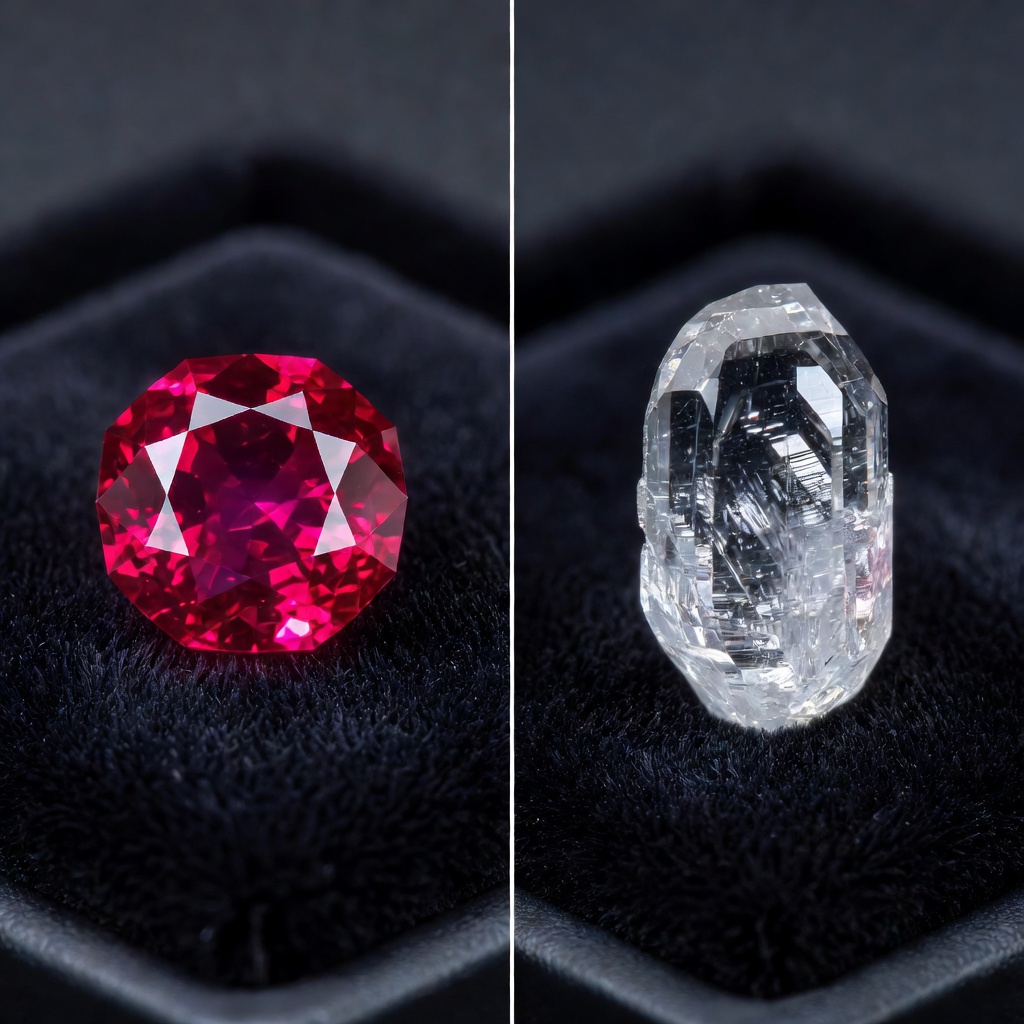
When selecting a center stone for fine jewelry or an engagement ring, discerning buyers increasingly find themselves weighing the timeless allure of sapphire against the modern brilliance of moissanite. Sapphire, a member of the corundum family, has captivated royalty and gem enthusiasts for millennia with its velvety depths and extraordinary hardness second only to diamond. This precious gemstone carries centuries of historical significance, having adorned the crowns of ancient kings and the engagement rings of contemporary celebrities alike.
Moissanite represents a distinctly modern alternative, originating from microscopic crystals discovered in a meteorite crater by Nobel Prize-winning chemist Henri Moissan in 1893. Today, virtually all moissanite available in jewelry is laboratory-created silicon carbide, engineered to deliver exceptional optical performance at a fraction of the cost of traditional precious gems. The comparison between sapphire vs moissanite has become increasingly relevant for budget-conscious luxury seekers who refuse to compromise on beauty or durability while navigating ethical sourcing concerns and diverse aesthetic preferences.
Origins and Chemical Composition: Natural vs Lab-Created
Understanding the fundamental molecular structure of these gemstones reveals why they behave so differently under light and wear. Sapphire consists of crystalline aluminum oxide (Al2O3) formed under intense heat and pressure deep within the Earth's crust over millions of years, though laboratories now replicate this process using hydrothermal or flux growth methods to create lab grown sapphire vs moissanite alternatives. Natural sapphires develop their characteristic colors through trace elements like iron and titanium creating blue hues, or chromium producing pink and red variations, with each geological formation telling a unique story of its origin.
Moissanite comprises silicon carbide (SiC), a compound rarely found in nature and previously limited to microscopic meteorite deposits before technological advances enabled gem-quality crystal growth. Modern laboratories utilize advanced thermal growing processes to create large, flawless moissanite crystals with optical properties that often exceed those of natural diamonds. When evaluating moissanite vs natural sapphire from an ethical perspective, both lab-created options eliminate mining concerns, though natural sapphire mining supports artisanal communities in Sri Lanka, Madagascar, and Kashmir while potentially carrying environmental disruption concerns.
Environmental Impact and Ethical Sourcing
The environmental footprint differs significantly between extraction and creation methods. Natural sapphire mining requires extensive earth removal, water usage, and energy consumption, though many modern operations emphasize sustainable practices and community reinvestment. Conversely, lab-grown sapphire and moissanite production requires substantial electricity for high-temperature crystal growth furnaces, but eliminates habitat destruction and questionable labor practices sometimes associated with mining operations. Consumers prioritizing ethical certainty often gravitate toward moissanite for its guaranteed conflict-free origins, while those supporting traditional mining economies may prefer certified natural sapphires from reputable sources.
Visual Appearance: Brilliance, Fire, and Color Dynamics
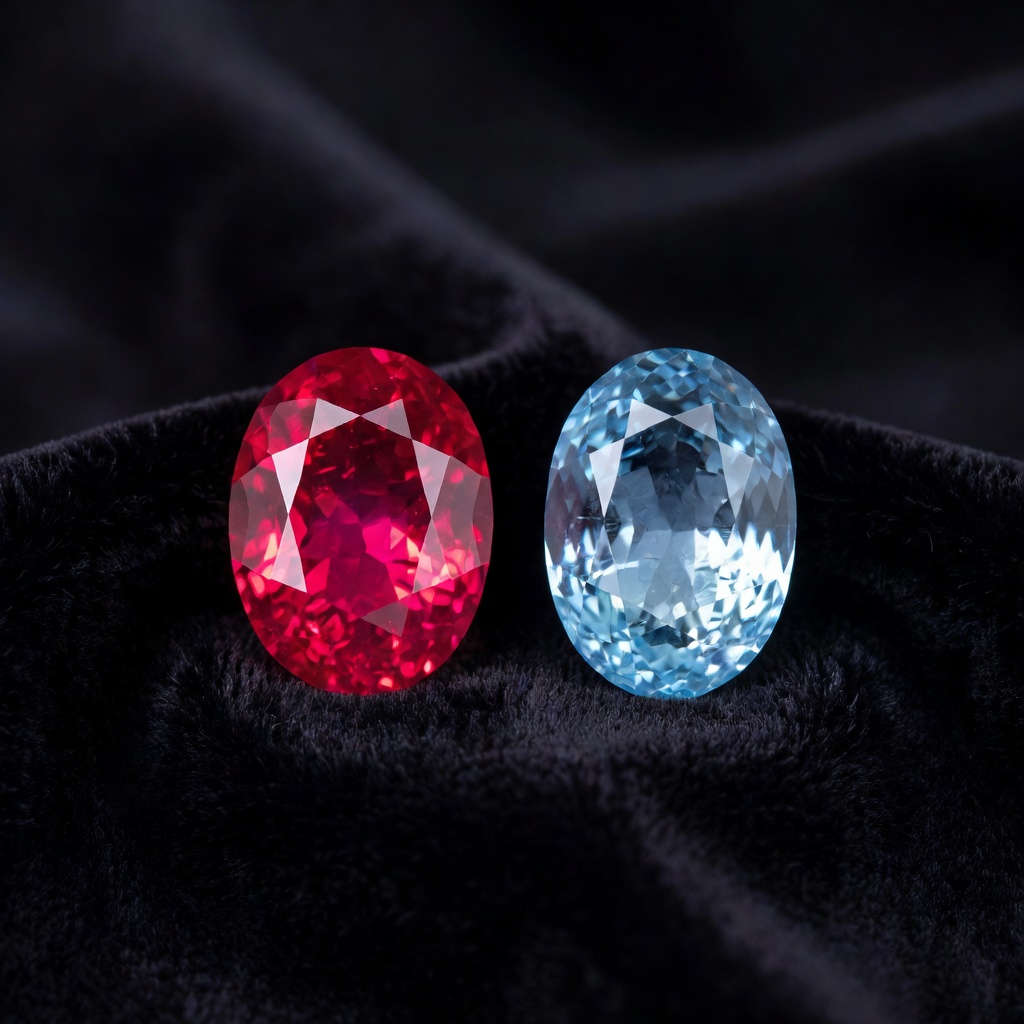
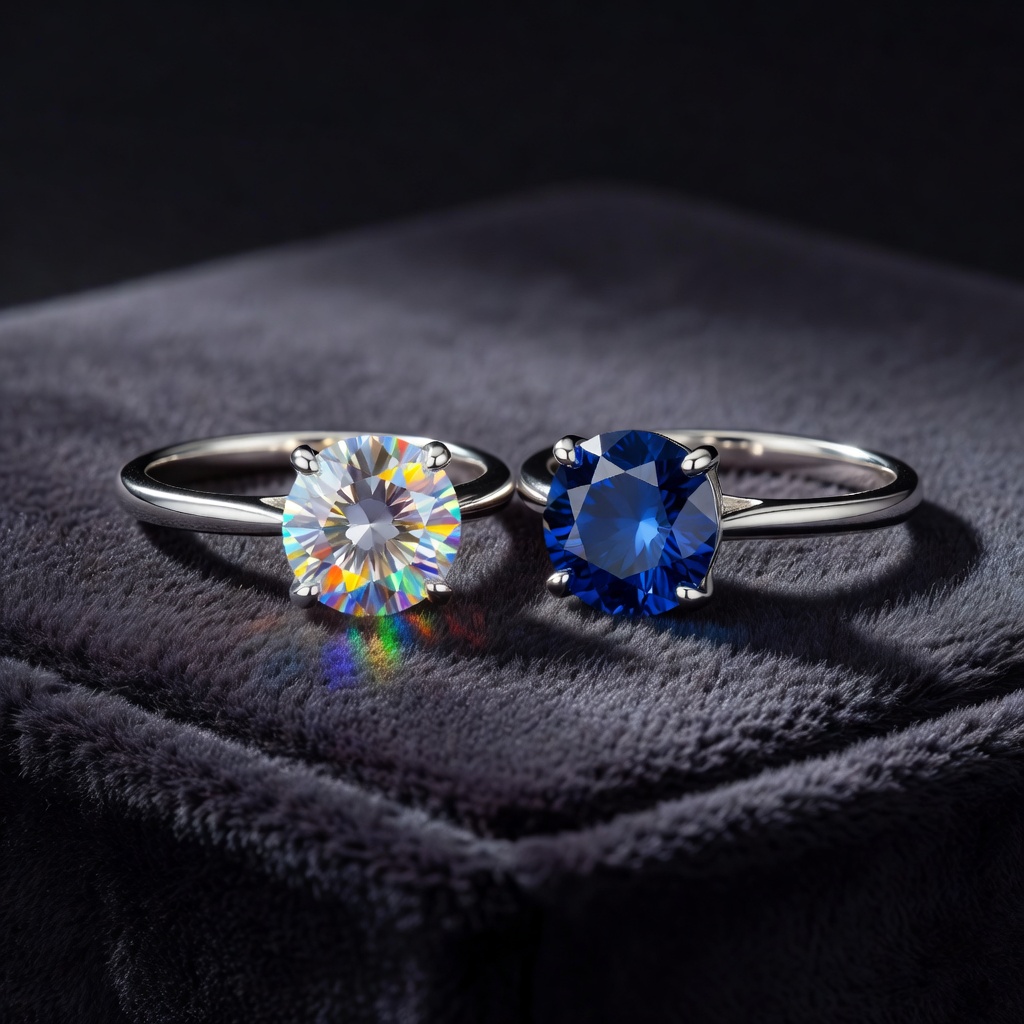
The optical performance gap between these gemstones becomes immediately apparent when viewed side by side under natural lighting. Moissanite possesses a remarkably high refractive index ranging from 2.65 to 2.69, creating intense brilliance that often exceeds that of diamonds and produces unmistakable rainbow flashes known as fire or dispersion. This optical property means that blue sapphire vs moissanite comparisons reveal fundamentally different visual experiences, with moissanite acting as a light source itself while sapphire absorbs and reflects light more subtly.
Sapphire exhibits a refractive index of 1.76 to 1.77, producing a more subdued, velvety glow that emphasizes depth and body color over explosive sparkle. When examining colored moissanite vs sapphire variations, the distinction becomes particularly pronounced; while treated blue moissanite displays electric, almost neon-like saturation with prismatic fire, natural blue sapphire offers deep, saturated color with a characteristic sleepy or velvety appearance caused by microscopic rutile inclusions. Under magnification, natural sapphires often reveal fascinating inclusion patterns like silk, fingerprints, or color zoning that gemologists use for identification, whereas moissanite typically appears internally flawless or contains distinctive needle-like inclusions when present.
Practical Viewing Characteristics
Practical observation reveals that moissanite's double refraction creates a doubling effect of facet lines when viewed through magnification, whereas sapphire's single refraction presents crisp, singular facet junctions. This optical distinction means that moissanite produces a disco-ball effect in direct sunlight that some find dazzling while others consider excessive, while sapphire maintains its composed elegance across varying lighting conditions. For buyers seeking a neutral, diamond-like appearance, colorless moissanite provides bright white brilliance, whereas even white sapphire appears somewhat milky or glassy in comparison.
Durability Battle: Mohs Hardness and Toughness
Durability considerations represent crucial factors for jewelry intended for daily wear, particularly engagement rings subjected to decades of continuous use. The hardness comparison gemstones scale places moissanite at 9.25 on the Mohs scale, while sapphire ranks at 9, with diamond holding the perfect 10 position. This numerical difference suggests similar scratch resistance, yet the distinction in toughness—the resistance to chipping, cracking, and breaking—reveals more significant performance variations between these materials.
Sapphire possesses excellent hardness but exhibits distinct cleavage planes along specific crystallographic directions, creating potential vulnerability points where the stone might fracture under sharp impact or extreme temperature changes. Moissanite lacks these cleavage planes entirely, displaying superior toughness that makes it less likely to chip during accidental impacts against hard surfaces. For active individuals or those working with their hands, this structural integrity offers peace of mind that sapphire cannot guarantee, despite both stones being suitable for everyday jewelry with proper care and protective settings.
Long-term Wear Resistance
Over decades of daily wear, both gemstones maintain their polish and resist scratching from common household materials, though moissanite's slightly superior hardness ensures it will scratch sapphire given direct contact. Professional jewelers note that sapphire engagement rings occasionally require repolishing to remove edge chips accumulated over years of wear, while moissanite rings typically maintain their original facet edges indefinitely. However, both materials far surpass softer alternatives like cubic zirconia (8-8.5) or tourmaline (7-7.5), ensuring heirloom-quality longevity when set in protective mountings.
Color Options: From Classic Blue to Fancy Hues
The color spectrum available in sapphire encompasses virtually every hue except true red, which would classify as ruby, another corundum variety. Natural sapphires range from velvety Kashmir blues and vivid Burmese cornflower shades to delicate padparadscha oranges, bubblegum pinks, sunshine yellows, and rare parti-colored stones displaying multiple colors simultaneously. This natural diversity allows collectors to find unique specimens with individual personality and geological provenance that cannot be exactly replicated.
Moissanite originally entered the market as a colorless diamond alternative, but manufacturers now offer treated fancy colors including canary yellow, teal, green, and blue moissanite vs sapphire alternatives. Colorless moissanite grades include the premium Forever One D-E-F colorless range and the more affordable near-colorless G-H-I options, providing consistency impossible to achieve with natural sapphires. While treated moissanite colors appear vivid and saturated, they lack the subtle variations and depth that make natural sapphire colors so captivating, though they offer budget-friendly access to bright colors without the premium pricing of rare natural specimens.
Color Consistency and Matching
Creating matched jewelry sets presents different challenges with each material. Natural sapphires require expert selection to ensure color harmony between multiple stones, as even stones from the same mining region display subtle variations in saturation and undertone. Lab-grown sapphires and moissanite offer superior color consistency, allowing brides to easily match engagement rings with wedding bands or create uniform eternity rings without the extensive searching required for natural sapphire matching. This predictability appeals to designers creating cohesive jewelry collections where uniformity enhances the overall aesthetic.
Price Comparison: Investment Value and Budget Considerations
The financial implications of choosing between these gemstones vary dramatically depending on origin, quality, and size preferences. Natural blue sapphires command significant premiums, with fine untreated Kashmir or Burmese stones reaching thousands of dollars per carat, while commercial-grade heated sapphires offer more accessible entry points. Lab-grown sapphires typically range from $50 to $300 per carat depending on color intensity, creating price overlap with premium moissanite, which generally costs between $300 and $600 per carat for colorless stones.
Investment potential differs substantially between these options, as high-quality natural sapphires, particularly untreated specimens with documented provenance, appreciate over time and maintain liquidity in the collector market. Moissanite, being manufactured with theoretically unlimited supply, functions as a consumable luxury good rather than an investment vehicle, similar to automobiles or electronics. Insurance valuations reflect this reality, with natural sapphires requiring professional appraisals and higher premium coverage, while moissanite replacements cost significantly less should loss or damage occur.
Budget Optimization Strategies
For buyers prioritizing size within budget constraints, moissanite enables purchasing substantially larger stones than sapphire alternatives at equivalent price points. A two-carat equivalent moissanite might cost $600, while a comparable natural sapphire could command $2,000 to $20,000 depending on quality and origin. Lab-grown sapphires bridge this gap, offering natural chemical composition and appearance at moissanite-comparable prices, though without the investment potential of earth-mined specimens. Couples should consider whether they view the purchase as a financial investment, an heirloom legacy, or simply a beautiful adornment when allocating their jewelry budget.
Engagement Ring Suitability: Settings and Style Compatibility
The choice between sapphire engagement ring vs moissanite centers significantly influences setting design, metal selection, and overall aesthetic direction. Moissanite performs brilliantly in modern brilliant cuts, particularly round, oval, and cushion shapes that maximize light return and fire, making it ideal for solitaire settings that showcase optical performance. The stone's durability supports delicate prong settings and tension mounts that might risk softer gemstones, while its colorless nature pairs elegantly with white metals like platinum and white gold.
Sapphire excels in vintage-inspired settings that complement its classic associations and rich color saturation. Deep blue sapphires create stunning contrast against warm metals like yellow or rose gold, enhancing the stone's velvety depths through complementary color theory. Art Deco halo settings, Edwardian filigree work, and Victorian-inspired designs particularly suit sapphire's historical associations, though modern minimalists increasingly choose sapphire in bezel settings for contemporary sophistication. The stone's hardness supports various cutting styles, though step cuts like emerald or Asscher shapes best showcase clarity and color while minimizing the windowing effect sometimes seen in lighter tones.
Practical Setting Considerations
Protective settings prove particularly important for sapphires given their cleavage vulnerability, with bezel or half-bezel mountings providing superior protection compared to exposed prong settings for active wearers. Moissanite's toughness allows for more daring contemporary designs including floating settings and ultra-thin bands that might compromise durability with other gemstones. When considering wedding band pairings, moissanite's neutral coloration offers unlimited matching possibilities, while blue sapphires require thoughtful coordination to avoid color clashes with band details or accent stones.
Daily Care and Long-term Maintenance Requirements
Maintaining the brilliance of these gemstones requires distinct approaches based on their structural properties and potential treatments. Moissanite tolerates ultrasonic cleaning and steam cleaning without risk, as its manufacturing process creates a stable, untreated crystal structure resistant to thermal shock. The material's hydrophobic nature actually repels oils and dirt better than diamond, meaning moissanite maintains its sparkle longer between cleanings and requires only mild soap and water for routine maintenance.
Sapphire care requires more nuanced attention, particularly for fracture-filled or heat-treated stones common in the market. While untreated sapphires withstand ultrasonic cleaning, fracture-filled specimens containing lead glass or cobalt-infused resins risk damage from heat and vibration, requiring gentle cleaning with soft brushes and mild detergent only. Natural sapphires attract more oil and dirt due to their surface structure, necessitating more frequent cleaning to maintain optimal appearance, though their hardness prevents scratching during normal cleaning procedures.
Professional Maintenance Schedules
Professional jewelers recommend annual inspections for sapphire rings to check for loose prongs that might allow the stone to take impact damage along vulnerable edges. Moissanite settings require less frequent professional attention, though annual cleaning and prong checks remain wise preventive measures. Over decades, both stones may accumulate microscopic scratches on facet junctions, with sapphire occasionally requiring professional repolishing to restore original luster, while moissanite typically maintains its original polish indefinitely under normal wear conditions.
Pros and Cons Summary: Side-by-Side Comparison
Evaluating sapphire vs moissanite requires balancing aesthetic preferences, lifestyle demands, and value priorities against the unique properties of each material. Moissanite delivers unparalleled brilliance and fire at accessible price points, offering ethical certainty and durability that exceeds virtually every natural gemstone except diamond. Its consistency ensures predictable quality without the inclusions or color variations that characterize natural stones, though some buyers miss the individuality and geological romance of earth-formed gems.
Sapphire carries prestige as a traditional precious gemstone with historical significance spanning royal regalia and religious artifacts across cultures. The depth of color, particularly in fine blue specimens, creates an emotional resonance that manufactured stones struggle to replicate, while natural rarity ensures lasting value for investment-grade pieces. However, the premium pricing of quality natural sapphires places them beyond many budgets, and their relative brittleness requires more careful handling than moissanite demands.
Comprehensive Comparison Table
| Characteristic | Moissanite | Sapphire |
|---|---|---|
| Mohs Hardness | 9.25 | 9.0 |
| Refractive Index | 2.65-2.69 | 1.76-1.77 |
| Fire/Dispersion | High (0.104) | Low (0.018) |
| Origin | Lab-created | Natural or Lab-grown |
| Color Range | Colorless to treated fancy colors | Natural spectrum (blue, pink, yellow, padparadscha) |
| Price per Carat | $300-$600 | $50-$20,000+ (depending on origin) |
| Toughness | Excellent (no cleavage) | Good (has cleavage planes) |
| Investment Value | Low (depreciating asset) | High for natural untreated stones |
| Brilliance | Exceptional (diamond-like) | Subtle, velvety |
| Ethical Sourcing | Guaranteed conflict-free | Variable (certification dependent) |
Lifestyle Matching Guide
Active individuals, healthcare workers, and those engaging in manual labor benefit most from moissanite's chip resistance and low maintenance requirements, while formal occasion wearers and collectors might prefer sapphire's distinguished presence and potential appreciation. Color enthusiasts seeking specific hues beyond colorless sparkle find greater variety in sapphire's natural palette, though moissanite offers vivid treated options for trend-conscious buyers. Ultimately, the choice reflects whether one prioritizes optical performance and practicality or traditional luxury and natural provenance.
Final Verdict: Which Gemstone Should You Choose?
The decision between sapphire vs moissanite ultimately hinges on three primary factors: budget constraints, aesthetic priorities, and ethical values. Buyers seeking maximum visual impact, worry-free durability, and budget efficiency should select moissanite, particularly for daily-wear engagement rings subjected to active lifestyles. Those valuing historical significance, natural rarity, and potential investment returns should invest in certified natural sapphires, accepting the premium pricing and care requirements as part of the ownership experience.
For specific scenarios, choose moissanite for gym enthusiasts, medical professionals, or anyone requiring hands-on durability without insurance anxiety. Select sapphire for milestone anniversary gifts, family heirlooms, or pieces intended as stores of value. Lab-grown sapphires offer a compelling middle ground for environmentally conscious buyers wanting natural chemical composition without mining concerns, though they lack the investment potential of earth-mined stones.
Essential Purchasing Recommendations
Regardless of choice, insist on reputable vendors providing detailed specifications and return policies. For moissanite, seek Charles & Colvard Forever One or equivalent high-grade silicon carbide with certification of color grade. For sapphires, demand laboratory reports from GIA, AGL, or Gubelin documenting origin, treatment status, and quality factors. Always examine stones under various lighting conditions before purchase, as moissanite's fire appears most intense in direct sunlight while sapphire's color shows best in diffused daylight. Finally, consider commissioning custom settings that protect your specific stone's vulnerabilities while showcasing its unique beauty.
Frequently Asked Questions
Which is better for an engagement ring, sapphire or moissanite?
The better choice depends on your priorities. Choose moissanite if you want maximum sparkle, diamond-like brilliance, and budget-friendly durability. Choose sapphire if you prefer rich color, natural gemstone prestige, and traditional symbolism. Both rank high on the Mohs hardness scale (9-9.25) and suit daily wear, but moissanite offers more fire while sapphire offers unique color depth.
Can you tell the difference between moissanite and sapphire with the naked eye?
Yes, easily. Even without magnification, moissanite displays intense rainbow flashes (fire) and double refraction, creating a disco-ball effect in sunlight. Sapphire exhibits more subtle, velvety sparkle with single refraction and deep body color. Blue sapphire looks distinctly blue, while colorless moissanite appears bright white with colorful sparkles that sapphire cannot produce.
Does moissanite or sapphire look more like a diamond?
Moissanite looks significantly more like a diamond than sapphire does. With its high refractive index and colorless options, moissanite was specifically engineered as a diamond simulant. Sapphire, being typically blue and with lower brilliance, looks distinctly different from diamonds unless you choose a white or colorless sapphire, which still lacks the fire of either moissanite or diamond.
Is moissanite cheaper than sapphire?
Generally yes, though it depends on the sapphire type. Moissanite costs significantly less than natural blue sapphires, which can command thousands per carat for fine quality. However, lab-grown sapphires are competitively priced with moissanite, sometimes even cheaper. Natural untreated sapphires remain the most expensive option, while moissanite offers consistent, affordable pricing across all sizes.
Which stone is more durable for daily wear?
Moissanite edges out sapphire slightly in durability. While sapphire ranks 9 and moissanite 9.25 on the Mohs hardness scale (both excellent), moissanite has better toughness—meaning it resists chipping and breaking better than sapphire. Sapphire has cleavage planes that can fracture under sharp impact, making moissanite the safer choice for active lifestyles or hands-on professions.
Can moissanite be blue like a sapphire?
Yes, manufacturers now offer treated blue moissanite that mimics sapphire color, though the appearance differs. Blue moissanite retains high brilliance and fire, creating a vivid, electric blue sparkle, whereas natural blue sapphire has a deeper, more velvety, subdued glow. The blue moissanite will also show rainbow flashes that blue sapphires lack, making them distinguishable side-by-side.
Do sapphires or moissanites hold their value better?
High-quality natural sapphires, particularly untreated Kashmir or Burmese stones, hold value and appreciate over time as rare collectibles. Moissanite, being lab-created with unlimited supply, has minimal resale value—similar to other lab-grown gems. Lab-created sapphires also lack resale value. If investment is a priority, choose natural, certified, untreated sapphires; if budget efficiency matters, moissanite offers better initial value despite poor resale.
Which gemstone is better for someone with an active lifestyle?
Moissanite is superior for active lifestyles. Its 9.25 Mohs hardness and exceptional toughness resist scratches and chips better than sapphire during sports, manual labor, or gym activities. While sapphire is durable, its cleavage vulnerability makes it riskier for high-impact situations. Moissanite also requires less careful cleaning and maintains its sparkle despite exposure to lotions, sweat, and environmental elements.