Sapphire vs London Blue Topaz: Understanding the Basics
Sapphire vs London Blue Topaz represent two distinct approaches to achieving captivating blue brilliance in fine jewelry, yet these popular gemstones originate from entirely different mineral families that fundamentally determine their performance characteristics. While sapphire belongs to the corundum family (aluminum oxide), London blue topaz is a silicate mineral, creating significant variations in durability, value retention, and long-term wearability that every informed buyer should understand before making a purchase decision. Many jewelry enthusiasts initially gravitate toward these stones because of their visual similarities under showcase lighting, but the disparity in pricing and structural integrity makes this blue gemstones comparison essential for matching the right stone to your specific lifestyle needs and budget constraints.
Color Depth and Hue: Distinguishing the Blues
When examining color characteristics, sapphire color grading emphasizes velvety royal blues and prized cornflower shades that often display subtle violet undertones caused by trace elements of iron and titanium within the crystal structure. These natural color variations create a depth and complexity that shifts subtly under different lighting conditions, with Kashmir sapphires exhibiting a distinctive milky quality and Ceylon stones showing brighter, more electric blue tones that collectors prize. In contrast, London blue topaz color derives from human intervention, starting as colorless or pale blue natural topaz that undergoes irradiation and heat treatment to achieve its signature inky blue-gray-green appearance reminiscent of stormy ocean depths. While London blue topaz exhibits remarkably uniform saturation without the color zoning often seen in natural sapphires, it lacks the internal fire and velvety depth that makes fine sapphires appear almost luminous from within, creating different aesthetic appeals for different tastes.
Mohs Hardness and Durability: Why the Numbers Matter
Understanding gemstone durability requires examining the Mohs hardness scale, where sapphire ranks an impressive 9—second only to diamond and sharing this distinction with its red corundum counterpart, ruby. This exceptional hardness makes sapphire virtually scratch-resistant and capable of withstanding decades of daily wear without showing surface damage, explaining its popularity for engagement rings and heirloom pieces that endure constant handling. London blue topaz, while still relatively hard at Mohs 8, possesses perfect basal cleavage, meaning the crystal structure has a distinct plane where it can split cleanly under impact or pressure, similar to how wood splits along the grain. This cleavage vulnerability means that despite respectable hardness, London blue topaz rings are significantly more prone to chipping, cracking, or breaking if struck against hard surfaces, requiring more protective settings and careful wear habits during activities like gardening, sports, or household chores.
Comparative Analysis: Sapphire vs London Blue Topaz
| Characteristic | Sapphire | London Blue Topaz |
|---|---|---|
| Mineral Family | Corundum (Aluminum Oxide) | Silicate (Aluminum Fluosilicate) |
| Mohs Hardness | 9 (Excellent) | 8 (Good) |
| Toughness | Very tough, resists chipping | Poor due to perfect cleavage |
| Color Origin | Natural (Iron & Titanium) | Treated (Irradiation & Heat) |
| Price Range | $800 - $15,000+ per carat | $50 - $500 per carat |
| Best Applications | Daily wear, engagement rings | Pendants, occasional wear |
| Investment Potential | High appreciation potential | Limited to no appreciation |
| Care Requirements | Ultrasonic safe | Avoid ultrasonic, impact |
Price and Value: Budget vs Investment Reality
The topaz vs sapphire price differential reflects fundamental market realities of rarity, demand, and long-term value retention that extend far beyond initial aesthetic appeal. Fine natural sapphires typically command between $800 to $15,000 or more per carat, with exceptional Kashmir or unheated Burmese stones reaching astronomical prices at auction, while London blue topaz offers accessible luxury at $50 to $500 per carat depending on size and quality. This significant price gap allows buyers to acquire substantially larger London blue topaz specimens for the same investment as a modest sapphire, making it attractive for fashion-forward statement pieces where impressive size matters more than provenance. However, when considering colored stone investment potential, sapphires demonstrate consistent historical appreciation, particularly untreated stones from prestigious origins, whereas London blue topaz remains a consumption purchase with minimal resale value and no significant collector market driving price increases over time.
Origins, Mining and Treatment Disclosure
Natural sapphire deposits span several geographic regions, with Sri Lanka (Ceylon), Madagascar, Myanmar (Burma), and the legendary Kashmir mines producing stones with distinct characteristics that influence both appearance and value in the global marketplace. Heat treatment represents the standard enhancement practice for sapphires, with approximately 95% of commercial stones undergoing controlled heating to improve color saturation and clarity—a practice accepted within the industry when properly disclosed to consumers. London blue topaz originates primarily from Brazil and Nigeria, where miners extract colorless or pale blue rough that laboratories subsequently irradiate and heat-treat to achieve the deep, steely blue tone consumers desire for contemporary jewelry designs. The Federal Trade Commission mandates explicit disclosure of these treatments, and reputable vendors provide certification documenting these processes, ensuring buyers understand they are purchasing treated gemstones rather than naturally occurring blue topaz, which is extremely rare and typically pale in color.
Jewelry Applications and Setting Recommendations
Sapphire jewelry excels in applications demanding maximum durability and daily wear, including engagement rings, tennis bracelets, eternity bands, and earrings that withstand constant exposure to bumps and abrasions during normal activities. Its superior hardness allows for versatile setting styles, from delicate prongs to tension settings, without requiring excessive protective measures beyond standard jewelry care and common-sense precautions. London blue topaz rings and pendants benefit significantly from protective design elements such as bezel settings, halo surrounds, or thicker prongs that shield the girdle edges from direct impact during accidental strikes against countertops or door frames. While both gemstones display stunning contrast against white gold and platinum settings that enhance their cool blue tones, London blue topaz finds its ideal application in pendants, brooches, and cocktail rings designed for occasional wear rather than daily heavy use, preserving their beauty for special occasions.
Investment Potential and Market Dynamics
Serious collectors and investors recognize that gemstone value extends far beyond initial beauty to encompass rarity, historical significance, and market demand trajectories that influence liquidity and appreciation. Unheated Kashmir sapphires and fine Ceylon blues have demonstrated remarkable appreciation over decades, with auction records regularly breaking previous highs as Asian markets drive increasing demand for these rare treasures that cannot be replicated. Conversely, London blue topaz remains abundant in the market, with treatment facilities capable of producing consistent supply to meet consumer demand, resulting in stable but non-appreciating value that depreciates similarly to fashion jewelry upon resale. While a sapphire purchase might require significant upfront capital, it functions as a portable store of wealth that can be passed through generations as a tangible asset, whereas London blue topaz serves primarily as an accessible entry point into colored gemstone jewelry without investment expectations or estate planning considerations.
Identification Guide for Buyers
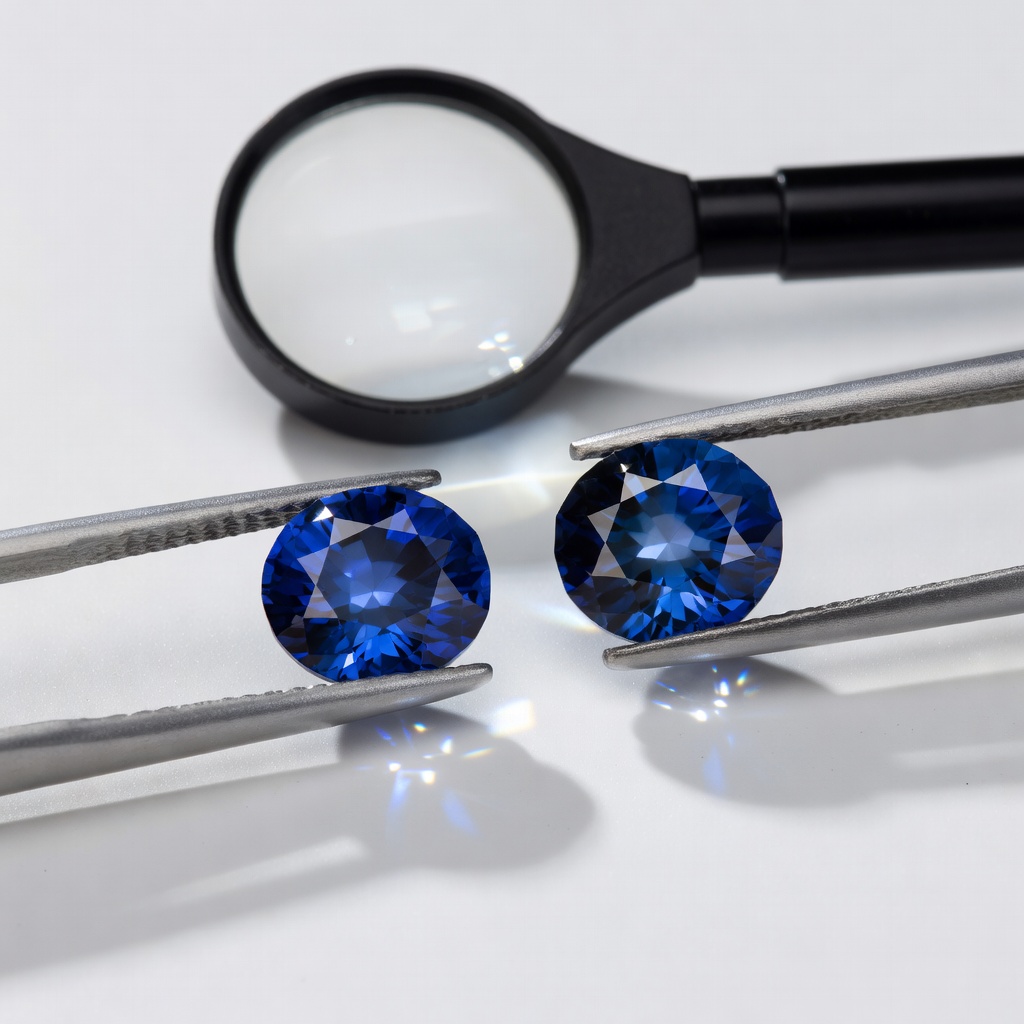
When you buy sapphire gemstone specimens or select London blue topaz, proper identification protects you from misrepresentation and ensures value for your investment in an industry where synthetics and simulants abound. Using a 10x jeweler's loupe, examine sapphires for characteristic silk inclusions—fine rutile needles that create a velvety appearance and indicate natural origin—while London blue topaz typically displays cleavage planes or flat, reflective internal surfaces resulting from its distinct crystal structure and formation process. Request GIA (Gemological Institute of America) or AGS (American Gem Society) certification for sapphires exceeding one carat, as these documents verify origin, treatment status, and authenticity using advanced spectroscopic analysis. For London blue topaz buying guide compliance, reputable dealers should provide origin reports confirming Brazilian or Nigerian source material and irradiation disclosure; beware of prices significantly below market rates, as these may indicate synthetic spinel substitutes, glass imitations, or undisclosed treatments that compromise value and durability.
Care, Cleaning and Long-Term Maintenance
Proper gemstone care ensures longevity for both varieties, though specific protocols differ due to their structural characteristics and treatment histories. Clean both gems using warm soapy water and a soft-bristled brush, avoiding harsh chemicals or steam cleaners that might affect treatments; while sapphires safely tolerate ultrasonic cleaning, this method poses risks for London blue topaz due to potential vibration damage along cleavage planes that could cause internal fracturing. Store these stones separately in soft cloth pouches or compartmentalized jewelry boxes, remembering that sapphire's superior hardness allows it to scratch virtually any other gemstone, including topaz, diamonds, and softer materials like opal or pearl. Schedule annual professional inspections with a qualified jeweler to check for loose prongs or setting wear, particularly crucial for London blue topaz rings where even minor setting compromise could lead to catastrophic stone loss given the material's brittleness and vulnerability to impact damage.
Final Verdict: Making the Right Choice
Making the final decision to choose blue gemstone jewelry requires honest assessment of your lifestyle, budget parameters, and long-term jewelry goals beyond immediate aesthetic attraction. Select sapphire when you seek an heirloom-quality piece capable of daily wear, appreciate the prestige of natural rarity, and view your purchase as a potential store of value that may appreciate over time while withstanding the rigors of constant use. Opt for London blue topaz when you desire impressive size and striking color on a moderate budget, plan to wear the piece occasionally rather than constantly, and prioritize immediate aesthetic impact over long-term investment returns or multi-generational durability. Both stones offer legitimate pathways to owning beautiful blue jewelry, but understanding that sapphire serves as a lifetime companion while London blue topaz functions as a fashionable accessory helps align expectations with reality for satisfying ownership experiences that match your personal needs.
Frequently Asked Questions
Which is more expensive: sapphire or London blue topaz?
Sapphires are significantly more expensive, ranging from $800 to $15,000+ per carat for fine quality, while London blue topaz costs $50-$500 per carat. The price difference reflects rarity, durability and market demand, with sapphires commanding premium prices due to their natural formation, superior hardness, and established collector markets. This substantial cost variation allows buyers to choose between investment-grade luxury and accessible fashion depending on their financial parameters and jewelry goals.
Can I use London blue topaz in an engagement ring?
Yes, but with caution. London blue topaz's Mohs 8 hardness and perfect cleavage make it vulnerable to chipping, particularly during activities where the hand might strike hard surfaces. Choose protective settings like bezels or halos that encircle the stone's vulnerable edges, and wear it for occasional use rather than daily heavy wear to preserve its beauty over time. Many couples successfully use London blue topaz for engagement rings by selecting protective designs and maintaining realistic expectations about the stone's limitations compared to harder alternatives like sapphire or diamond.
How can I tell the difference between sapphire and London blue topaz?
Use a jeweler's loupe: sapphires often show silk inclusions and color zoning where different shades of blue appear in bands or patches, while London blue topaz displays cleavage planes resembling flat mirrors and more uniform color throughout the stone. Professional gemological testing provides definitive identification through refractive index measurement and spectroscopic analysis that reveals the distinct chemical signatures of corundum versus silicate minerals. When in doubt, always request certification from recognized laboratories like GIA or AGS, as these documents definitively identify the species and variety of gemstone you are purchasing.
Is London blue topaz a natural or synthetic gemstone?
London blue topaz is natural colorless topaz that has been irradiated and heat-treated to achieve its signature deep blue-gray color; it is not synthetic, but rather enhanced natural material. The treatment is permanent and industry-standard, but must be disclosed by reputable sellers under Federal Trade Commission guidelines. This enhancement process transforms abundant, low-value colorless topaz into the desirable deep blue variety that consumers recognize, making it important to understand that the color is human-created even though the base material formed naturally within the earth.
Does sapphire fade over time like some gemstones?
High-quality sapphires are exceptionally stable and never fade under normal conditions. Their color remains permanent under normal light exposure and wear, resisting the UV damage that affects some colored stones like kunzite or amethyst. This stability contributes to their value as heirloom gemstones, ensuring that a sapphire purchased today will retain its vibrant blue intensity for future generations without requiring special storage away from sunlight or specific environmental controls.
Which gemstone is better for daily wear jewelry?
Sapphire is superior for daily wear due to its Mohs 9 hardness and excellent toughness. It resists scratching and chipping exceptionally well, making it ideal for rings and bracelets worn every day during work, exercise, and household activities. While London blue topaz can be worn regularly with proper care, it requires more mindfulness about impact and protective settings to prevent damage that could occur during normal daily activities.
Are these gemstones typically treated?
Yes. Most commercial sapphires undergo heat treatment to improve color and clarity, a practice accepted in the industry for centuries that mimics natural geological processes. All London blue topaz is irradiated and heated to achieve its characteristic color, as naturally occurring blue topaz is extremely rare and typically very pale. Reputable sellers must disclose these treatments, and certification documents them, ensuring transparency so buyers understand exactly what enhancements have been applied to their gemstones.
What causes the color difference between sapphire and London blue topaz?
Sapphire's blue comes from trace iron and titanium within the corundum crystal structure, elements that were incorporated during the stone's formation deep within the earth under high temperature and pressure conditions over millions of years. London blue topaz's color results from radiation treatment that creates color centers in the silicate mineral, producing its characteristic inky blue-gray hue that cannot occur naturally in such intense saturation. This fundamental difference—natural trace elements versus laboratory-induced color centers—explains both the price differential and the distinct visual characteristics that separate these two popular blue gemstones.