Introduction: The Battle of Royal Gems
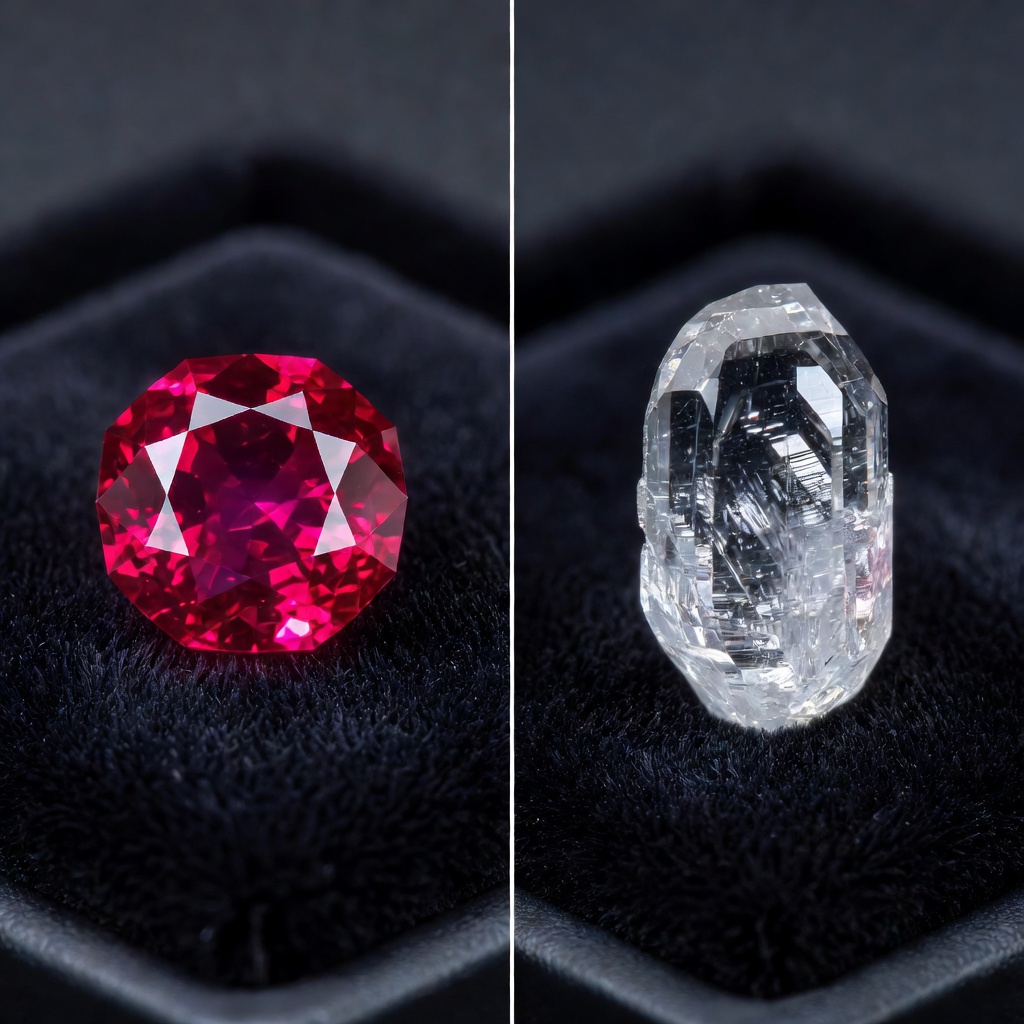
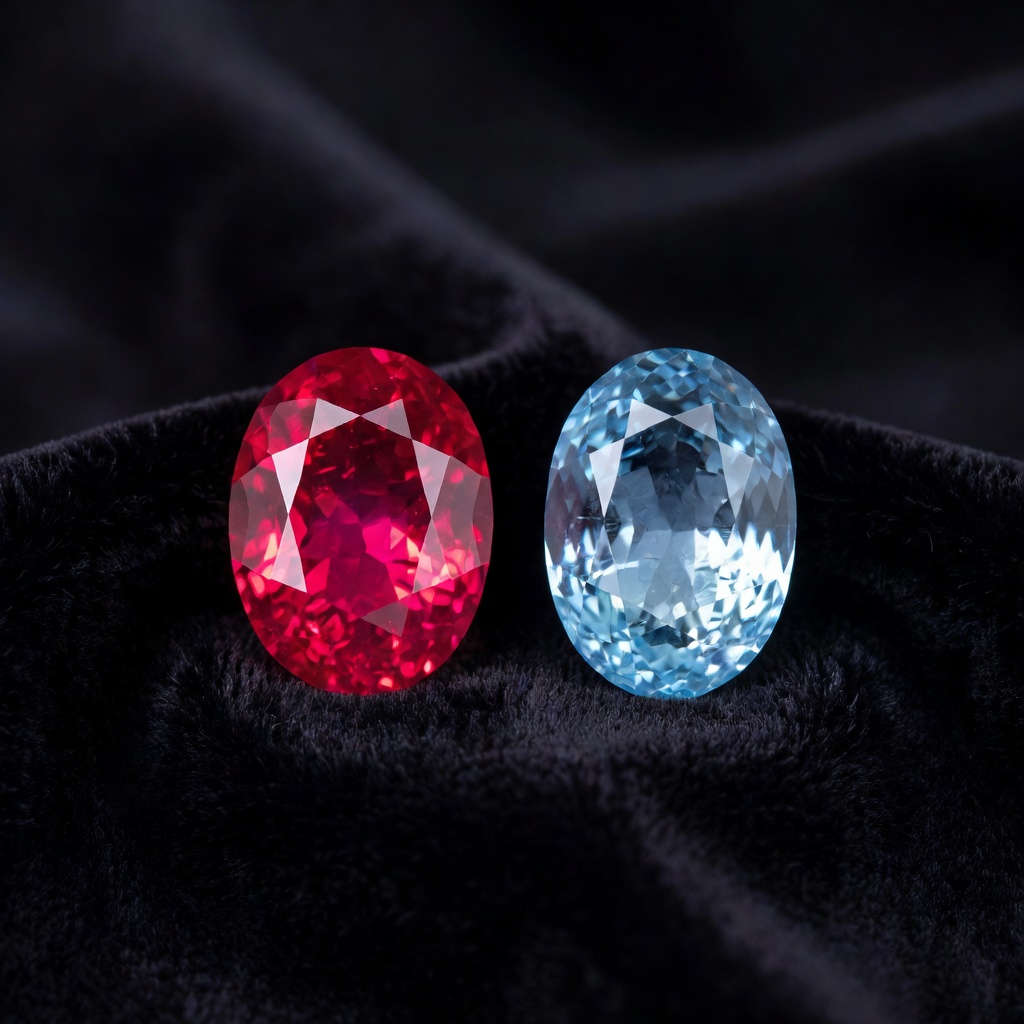
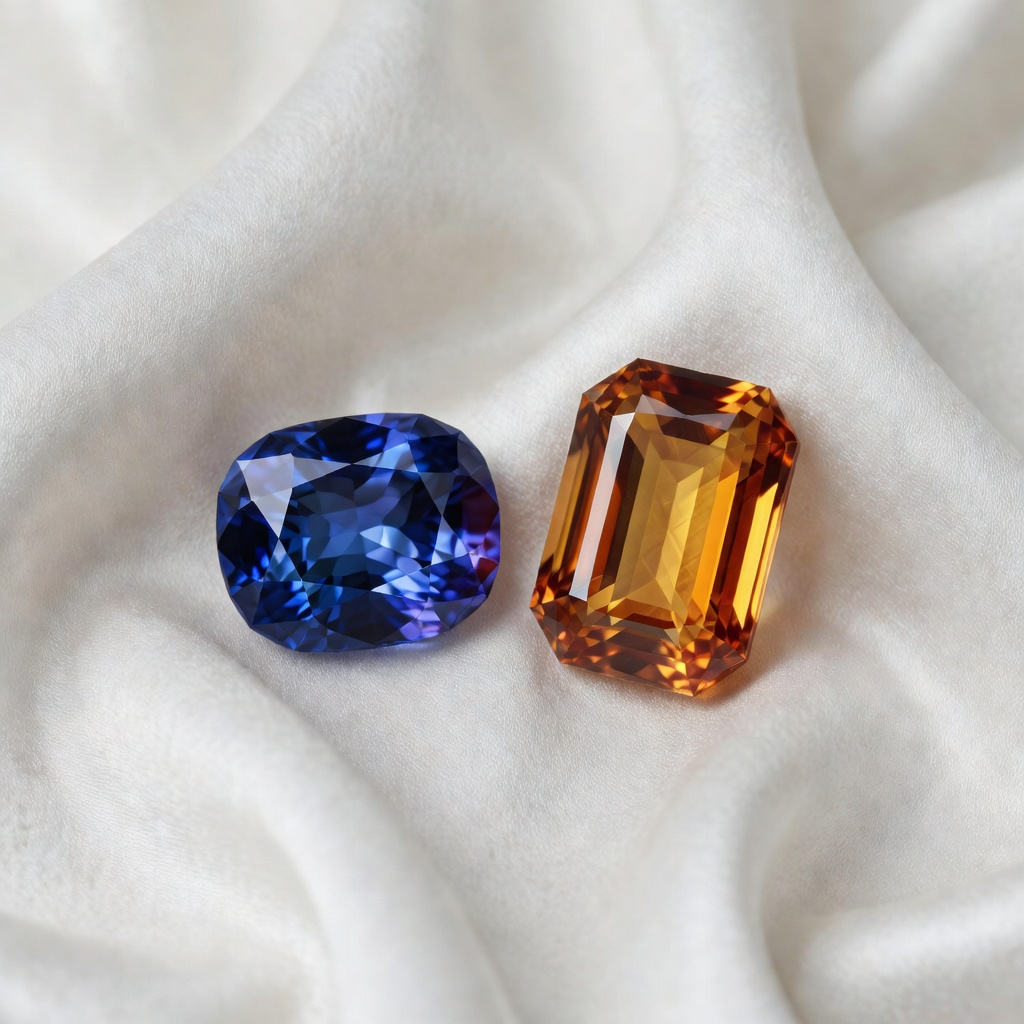
When discerning collectors evaluate a sapphire vs imperial topaz for their next significant jewelry acquisition, they enter a fascinating realm where ancient mineralogy meets modern luxury aesthetics. The comparison between these two prestigious gems often emerges because both represent the pinnacle of their respective mineral families, commanding attention at high-end auction houses and exclusive boutiques worldwide. While sapphire stands as the revered September birthstone associated with royalty and enduring love, imperial topaz serves as one of November's birthstones, specifically representing the rarest and most valuable variety within the topaz family.
Understanding the terminology proves crucial before making any investment decision. The designation "imperial" refers specifically to topaz displaying pinkish-orange to reddish-orange body color, often described as sunset or sherry hues, rather than the common blue or colorless topaz varieties found in mass-market jewelry. This distinction separates precious topaz from its commercial counterparts, creating a premium gemstone comparison that intrigues sophisticated buyers. Despite belonging to entirely different mineral families—sapphire being corundum and imperial topaz being a silicate mineral—these gems frequently compete for placement in high jewelry pieces due to their exceptional clarity, remarkable color intensity, and historical associations with wealth and power.
Geological Origins and Crystal Structure
The fundamental differences between these gems begin deep within the Earth's crust, where distinct geological processes create their unique crystalline structures. Sapphire belongs to the corundum family, composed of aluminum oxide (Al₂O₃) that forms under intense heat and pressure within metamorphic rocks such as marble and schist, as well as in certain igneous environments like pegmatites and syenites. This formation process typically occurs in regions experiencing significant tectonic activity, where the slow cooling of aluminum-rich minerals allows the development of hexagonal crystals that can grow to substantial sizes under optimal conditions.
Imperial topaz presents a fascinating contrast as an orthorhombic silicate mineral containing aluminum, fluorine, and hydroxyl ions, forming primarily in pegmatites and high-temperature quartz veins. The corundum vs orthorhombic crystals distinction manifests visibly in their optical properties and cutting requirements. While corundum crystallizes in the trigonal system creating hexagonal prisms, topaz's orthorhombic system produces prismatic crystals with a diamond-shaped cross-section and perfect basal cleavage.
Geographic sourcing further differentiates these gems, with Kashmir, Burma (Myanmar), and Ceylon (Sri Lanka) producing the most historically significant sapphires, while imperial topaz originates predominantly from Ouro Preto in Brazil's Minas Gerais region and historically from Russia's Ural Mountains. The Brazilian deposits, discovered in the 18th century, remain the primary source for gem-quality imperial topaz today, though Russian specimens from the 19th century command particular premiums among collectors due to their historical provenance and unique color characteristics.
Color Spectrum and Quality Grading
Color evaluation stands as perhaps the most subjective yet critical factor when comparing these magnificent gems, as each offers distinct aesthetic appeals that resonate with different collector preferences. Sapphires present an extraordinarily broad palette ranging from the coveted cornflower blue of Kashmir to padparadscha's delicate pink-orange blend, alongside fancy pinks, yellows, greens, and the rare color-change varieties. Gemological laboratories assess sapphire color based on hue, tone, and saturation, with particular emphasis on the balance between primary and secondary colors, noting that color zoning—uneven color distribution within the crystal—can significantly impact value and cutting decisions.
Imperial topaz commands attention through its specific sunset coloration that includes sherry orange, peach, pinkish-champagne, and reddish-orange tones without artificial treatment. The sherry topaz value escalates dramatically when specimens display the pure pinkish-orange to reddish-orange spectrum without brownish or yellowish modifiers, with the most prized stones showing a balance of pink and orange that seems to glow from within. Unlike sapphire, where certain treatments are accepted industry standards, true imperial topaz must display its color naturally; any indication of irradiation or heat treatment to induce orange hues immediately disqualifies a stone from carrying the prestigious "imperial" designation.
Market desirability follows different patterns for each gem, with blue sapphires commanding the highest per-carat prices in the corundum family, while imperial topaz derives its premium specifically from its unique color range rather than variety alone. Collectors seeking warm-toned gems often find imperial topaz offers an attractive alternative to padparadscha sapphire at more accessible price points, though the latter maintains higher investment liquidity and prestige in the secondary market.
Gemological Comparison Overview
| Characteristic | Sapphire (Corundum) | Imperial Topaz |
|---|---|---|
| Mineral Family | Corundum (Aluminum Oxide) | Silicate (Orthorhombic) |
| Crystal System | Trigonal (Hexagonal) | Orthorhombic |
| Mohs Hardness | 9 | 8 |
| Cleavage Quality | None (Conchoidal Fracture) | Perfect Basal Cleavage |
| Primary Colors | Blue, Pink, Yellow, Padparadscha | Sherry Orange, Peach, Pinkish-Champagne |
| Best Sources | Kashmir, Burma, Ceylon | Ouro Preto (Brazil), Ural Mountains |
| Common Treatments | Heat Treatment (Accepted) | None for True Imperial (Irradiation reduces value) |
| Investment Liquidity | High (Consistent Global Demand) | Moderate (Specialized Collector Market) |
| Ideal Settings | Versatile (Prong, Bezel, Tension) | Protective (Bezel, Halo, V-Prong) |
Durability Analysis: Hardness vs Toughness
Practical wearability considerations separate these gems significantly when planning for daily versus occasional jewelry use, despite both ranking high on the Mohs hardness scale. Sapphire registers 9 on the Mohs scale, making it the second-hardest natural gemstone after diamond, which theoretically suggests excellent durability for everyday wear. However, imperial topaz durability concerns arise not from its respectable 8 Mohs rating—which exceeds quartz and most dust particles—but from its internal crystal structure rather than surface hardness alone.
The critical distinction lies in toughness versus hardness, concepts often confused by jewelry enthusiasts. While sapphire lacks cleavage planes and fractures in a conchoidal pattern similar to glass, imperial topaz possesses perfect basal cleavage parallel to the base of its crystal structure. This means that while topaz resists scratching from daily contact, it remains vulnerable to chipping, splitting, or cleaving if struck along specific angles, particularly at the girdle or sharp corners of cut stones. A practical case study involves a 5-carat imperial topaz ring worn during athletic activities; despite no visible scratches after six months, a single impact against a metal door frame caused a clean split along the cleavage plane, rendering the stone unsalvageable.
For engagement rings or daily-wear jewelry, sapphire remains the unequivocal choice due to its combination of hardness and structural integrity. Imperial topaz requires protective settings such as bezels or halos that guard the girdle and corners, making it better suited for pendants, earrings, or cocktail rings reserved for special occasions. When selecting gemstone jewelry settings for imperial topaz, jewelers recommend avoiding high-profile prong settings that expose the stone to potential impact, instead opting for low-set designs that minimize cleavage risks.
Investment Potential and Market Value
Evaluating these gems as alternative investments requires understanding nuanced market dynamics that extend beyond simple carat weight calculations. Untreated Kashmir or Burma sapphires consistently command higher per-carat prices than most imperial topaz specimens, with exceptional Kashmir blues reaching six figures per carat at auction, while fine imperial topaz typically ranges from hundreds to low thousands per carat depending on size and color intensity. However, the imperial topaz investment narrative gains complexity when considering absolute rarity rather than price point alone.
High-quality imperial topaz exceeding 10 carats with unenhanced pinkish-orange coloration actually proves scarcer in nature than comparable commercial-grade sapphires, creating opportunities for astute collectors who recognize undervalued rarity. The challenge lies in market liquidity; while sapphires enjoy consistent global demand from collectors, investors, and jewelry houses, imperial topaz maintains a smaller, more specialized collector base primarily concentrated in European and Japanese markets. Treatment disclosure significantly impacts long-term value retention, as heated sapphires (an accepted practice) retain value better than irradiated topaz, which the market views unfavorably compared to natural color specimens.
Practical investment strategies suggest diversifying across both gems based on budget tiers. For portfolios under $50,000, exceptional imperial topaz offers greater rarity per dollar spent compared to mid-tier sapphires. Above this threshold, focusing on unheated Burma or Kashmir sapphires typically provides better capital preservation and liquidity. Auction records from the past decade demonstrate that while sapphire prices have appreciated steadily at 5-8% annually, exceptional imperial topaz specimens from the Ouro Preto mines have shown sporadic but dramatic price spikes when high-quality rough becomes scarce due to mining depletion.
Historical Significance and Symbolism
Cultural narratives surrounding these gems have shaped their desirability across millennia, with each carrying distinct mythological and historical weight that influences modern collecting trends. Sapphire's association with royalty, wisdom, and divine favor permeates ancient and medieval history, from the blue gem set in King Solomon's ring to the medieval belief that sapphires would protect kings from harm and envy. Ancient Persians believed the Earth rested on a giant sapphire, whose reflection colored the sky, while Catholic bishops adopted blue sapphires for ecclesiastical rings to symbolize heavenly blessings and spiritual purity.
The precious topaz meaning and its imperial designation originate from a specific historical moment in 19th-century Russia, when the Ural Mountains produced pinkish-orange crystals of exceptional quality. Czar Nicholas I declared that only the Russian Imperial family could possess and wear these finest specimens, creating an exclusivity that persists in the gem's nomenclature today. This imperial connection endowed the stone with associations of authority, power, and aristocratic privilege that distinguish it from common topaz varieties.
Modern metaphysical practitioners attribute distinct energetic properties to each stone, with sapphire associated with mental clarity, focus, and spiritual insight, making it popular among scholars and meditation practitioners. Imperial topaz connects to solar plexus and heart chakras, believed to enhance confidence, personal power, and manifestation abilities. While these properties remain subjective, they influence purchasing decisions in the holistic jewelry market, where imperial topaz commands premiums for its perceived ability to boost self-assurance and creative expression compared to sapphire's reputation for promoting wisdom and calm deliberation.
Jewelry Design Applications
Optimal utilization of these gems in fine jewelry requires understanding how their physical properties influence cutting styles, metal pairings, and protective considerations. Sapphires excel in virtually all cutting styles, from brilliant cuts that maximize scintillation to step cuts that emphasize color depth and clarity, due to their isotropic nature and lack of cleavage. Master cutters often choose oval, cushion, or round brilliant cuts for sapphires to maximize carat retention while optimizing light return, though emeralds cuts remain popular for showing off exceptional clarity in investment-grade stones.
Imperial topaz demands more strategic cutting decisions, with emerald cuts, cushions, and ovals predominating because these shapes minimize the risk of cleavage damage by avoiding sharp points and protecting the girdle area. The stone's perfect cleavage makes it unsuitable for high-relief carvings or intricate fantasy cuts that might create stress points. When considering blue sapphire vs precious topaz in design contexts, metal selection plays a crucial role in final aesthetic impact.
White metals such as platinum and white gold create striking contrast with blue sapphires, enhancing their cool tones and contemporary appeal, though yellow gold settings can warm up darker blue stones for vintage-inspired designs. Imperial topaz naturally pairs with warm metals like yellow gold or rose gold, which amplify its sunset and peach undertones, creating cohesive warm-toned compositions. However, white metals can provide striking contrast that makes the orange-pink tones appear more vivid by comparison. Setting requirements differ substantially; while sapphires tolerate versatile prong settings suitable for daily wear, imperial topaz demands protective bezels, halo surrounds, or V-prongs that secure the vulnerable girdle and corners.
Authentication and Certification Standards
Verifying authenticity and treatment status proves essential when acquiring either gem, as market practices vary significantly between these mineral types. Key gemological differences include refractive indices, with sapphire measuring 1.76-1.77 (birefringence 0.008) compared to imperial topaz at 1.61-1.64 (birefringence 0.010), allowing trained gemologists to distinguish them readily even when colors appear similar. Specific gravity provides another diagnostic tool, with sapphire at approximately 4.00 and topaz at 3.53, though these tests require loose stones or careful laboratory conditions.
Treatment detection methods have evolved significantly, with heat treatment in sapphires being so common that unheated specimens command substantial premiums and require specific certification. Spectroscopy and microscopic examination reveal heat-induced changes in silk inclusions and color zoning patterns. For imperial topaz, gemstone authentication focuses heavily on detecting irradiation treatments that create orange or pink colors in otherwise colorless or pale topaz, as natural imperial specimens must derive their color from natural trace elements and formation conditions rather than artificial enhancement.
When purchasing investment-grade specimens of either gemstone, certificates from prestigious laboratories such as GIA (Gemological Institute of America), AGL (American Gemological Laboratories), or SSEF (Swiss Gemmological Institute) provide essential documentation. These reports should specifically note origin for sapphires (Kashmir, Burma, Ceylon) and confirm natural color for imperial topaz. For high-value acquisitions exceeding $10,000, obtaining dual certifications or consulting independent gemologists provides additional security against treatments or synthetic substitutions that sophisticated laboratory processes can now create.
Final Decision: Lifestyle and Preference Factors
Selecting between these exceptional gems ultimately requires honest assessment of lifestyle, aesthetic preferences, and long-term ownership goals. Active lifestyle considerations heavily favor sapphire for pieces worn daily, particularly rings, as its superior toughness withstands the knocks and impacts associated with physical professions, sports, or hands-on activities. A case study involving a marine biologist illustrates this point: after destroying an imperial topaz engagement ring within months through accidental impacts against boat equipment, she replaced it with a blue sapphire that remained pristine through years of fieldwork and diving activities.
Color preference analysis reveals distinct collector personalities, with cool-toned aesthetic seekers gravitating toward sapphire's blue, teal, and violet ranges, while warm-toned collectors find imperial topaz's peach, sherry, and sunset hues irresistible. Budget optimization strategies suggest that buyers seeking the finest examples should consider that $5,000 might acquire a modest commercial sapphire but could purchase an exceptional, museum-quality imperial topaz specimen with outstanding color and clarity. Conversely, at the $50,000+ investment level, sapphires generally offer better liquidity and established appreciation curves.
For those choosing between sapphire and topaz for significant jewelry pieces, consider the wearing context: sapphire suits heirlooms intended for daily wear across generations, while imperial topaz excels in statement pieces, earrings, or pendants where its vulnerability matters less than its breathtaking color. Both gems reward educated buyers who prioritize certified natural specimens from reputable sources, ensuring that whether selecting the September or November birthstone, the acquisition provides lasting beauty and value.
Frequently Asked Questions
Is imperial topaz more rare than sapphire?
While sapphire is rarer than common blue topaz, high-quality imperial topaz (specifically the untreated pinkish-orange variety over 5 carats) is actually scarcer than commercial-grade sapphires. However, exceptional Kashmir or Burma sapphires remain the rarest and most valuable specimens overall in the fine gemstone market.
Can imperial topaz be worn every day like sapphire?
Imperial topaz requires more careful handling than sapphire due to its perfect cleavage, which makes it susceptible to chipping or splitting if struck. While sapphire (9 on the Mohs scale) is ideal for daily wear in rings, imperial topaz (8 on Mohs) is better suited for pendants, earrings, or occasional-wear rings with protective settings.
Why is imperial topaz called 'imperial'?
The name originated in 19th-century Russia when the Ural Mountains produced pinkish-orange topaz that was exclusively reserved for the Russian Imperial family. Today, the term 'imperial' specifically denotes topaz displaying reddish-orange to pinkish-orange body color without treatment, distinguishing it from common yellow or blue topaz varieties.
Which gemstone holds value better, sapphire or imperial topaz?
Untreated fine sapphires, particularly from Kashmir, Burma, or Ceylon, generally appreciate more consistently and hold liquidity better in the investment market. Imperial topaz, while valuable, has a smaller resale market and prices fluctuate more based on Brazilian mining output, though exceptional large specimens remain highly collectible.
Do sapphires and imperial topaz look similar to the untrained eye?
No, they are visually distinct. Sapphires typically exhibit deeper saturation with vitreous to adamantine luster and often display silk inclusions or color zoning. Imperial topaz shows a unique 'sherry' or sunset coloration with glassy luster and frequently appears eye-clean. Their crystal systems also create different optical properties and brilliance patterns.
Can heat treatment improve both sapphire and imperial topaz?
Heat treatment is common and accepted in the sapphire industry to improve color and clarity, with disclosure required. However, true imperial topaz derives its value specifically from being natural and untreated; any heat or irradiation treatment to create orange/pink colors in topaz is considered enhancement that significantly reduces value compared to natural imperial specimens.
What is the best jewelry metal for each gemstone?
White metals (platinum, white gold, silver) create striking contrast with blue sapphires, enhancing their cool tones. Imperial topaz pairs beautifully with warm metals like yellow gold or rose gold, which amplify its sunset and peach undertones. Both can work in either metal family depending on personal aesthetic preferences.