Introduction: Understanding Two Distinctive Red Gems
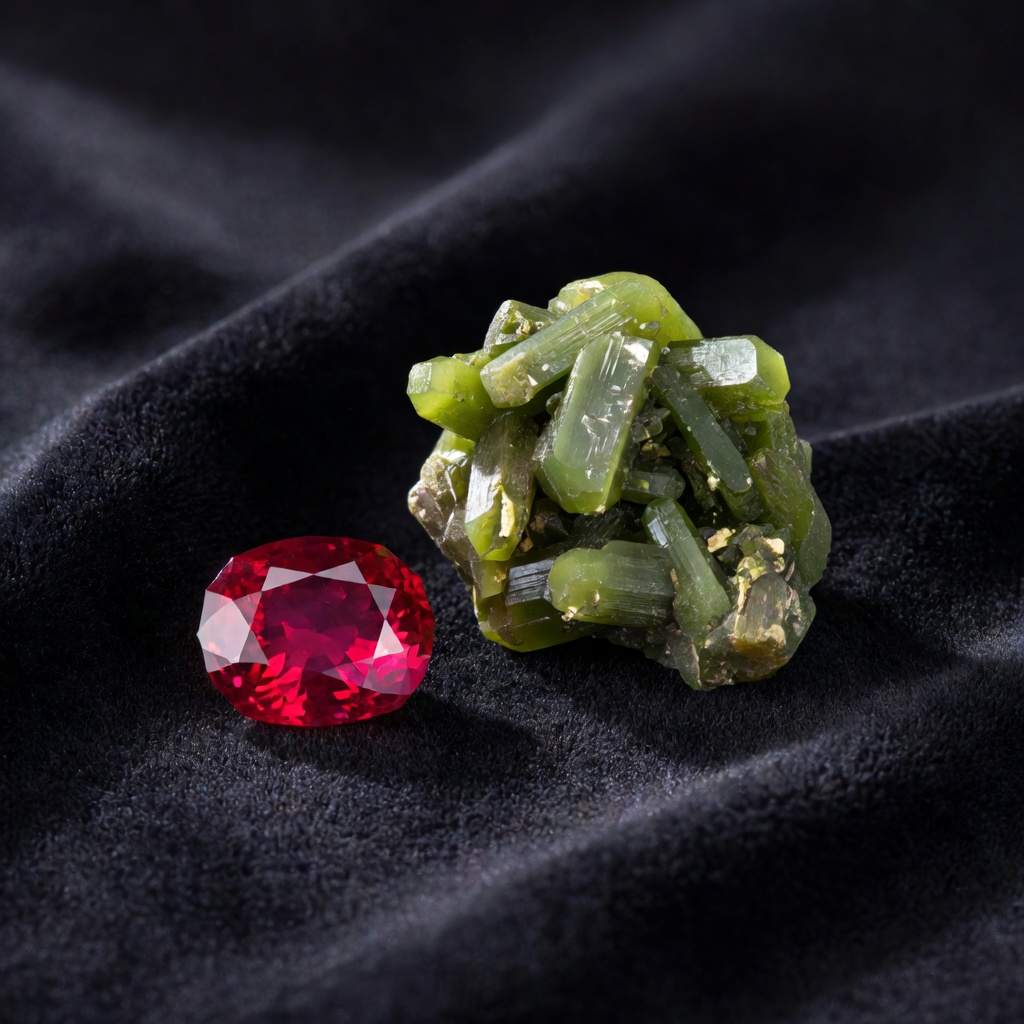
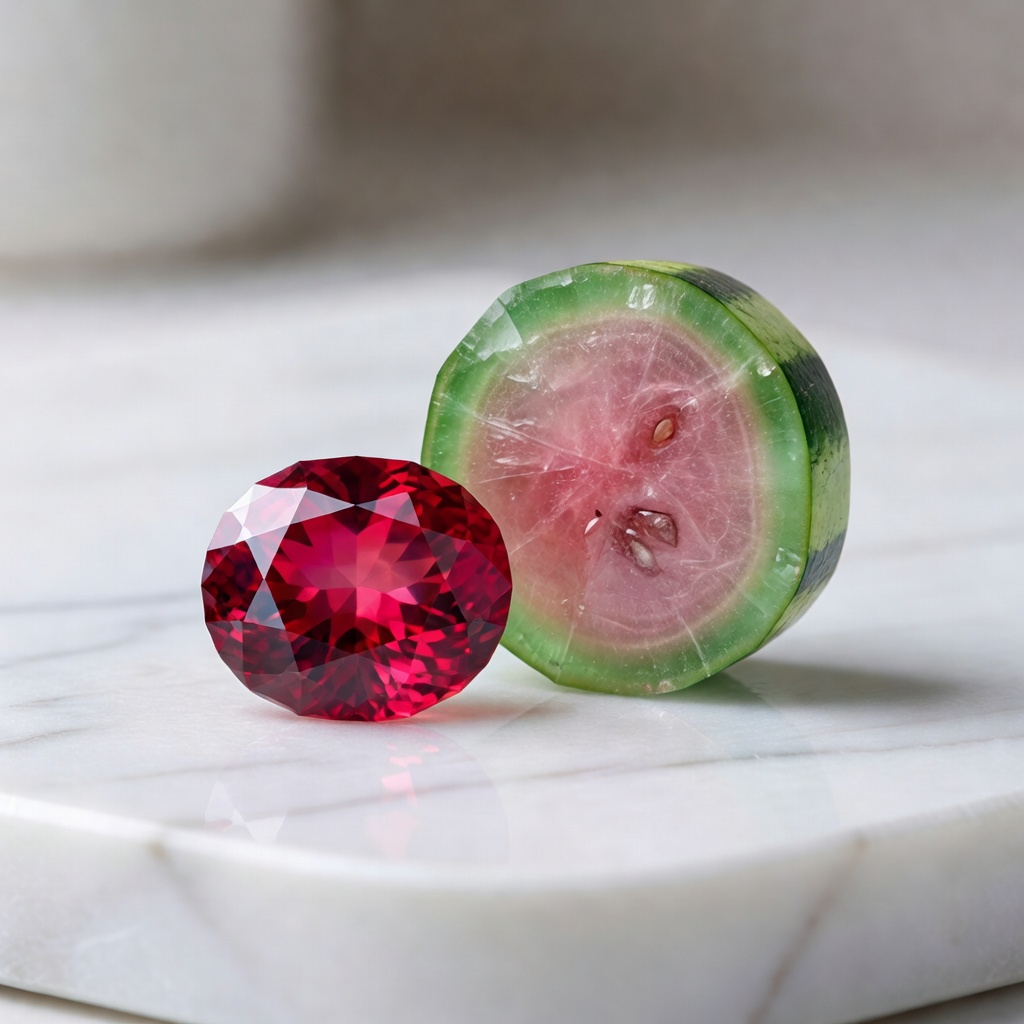
When exploring the vibrant world of colored gemstones, collectors and jewelry enthusiasts often find themselves comparing Ruby vs Watermelon Tourmaline, two stones that capture attention with their striking red and pink hues. Ruby represents the pinnacle of precious corundum, serving as the traditional July birthstone and commanding respect throughout history as the "King of Gems" among royalty and elite collectors. In contrast, Watermelon Tourmaline emerges as a rare elbaite variety that showcases nature's artistic capabilities through its distinctive bicolor zoning, featuring pink or red centers surrounded by green outer rims that resemble the familiar summer fruit. Both gemstones have experienced surging popularity in contemporary fine jewelry markets, with designers incorporating them into everything from avant-garde statement pieces to classic engagement ring settings, making the choice between these two distinctive red gems increasingly relevant for modern buyers seeking July birthstone alternatives.
Visual Characteristics and Color Analysis
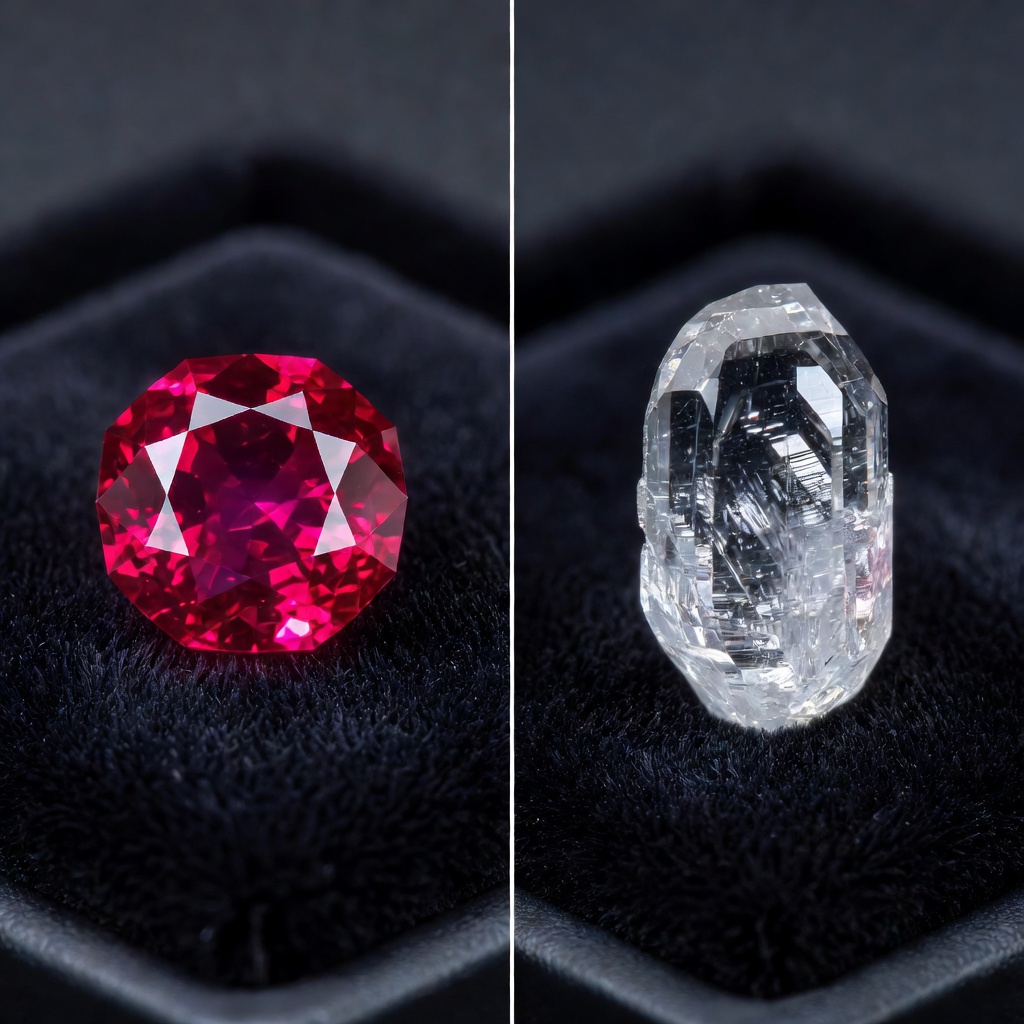
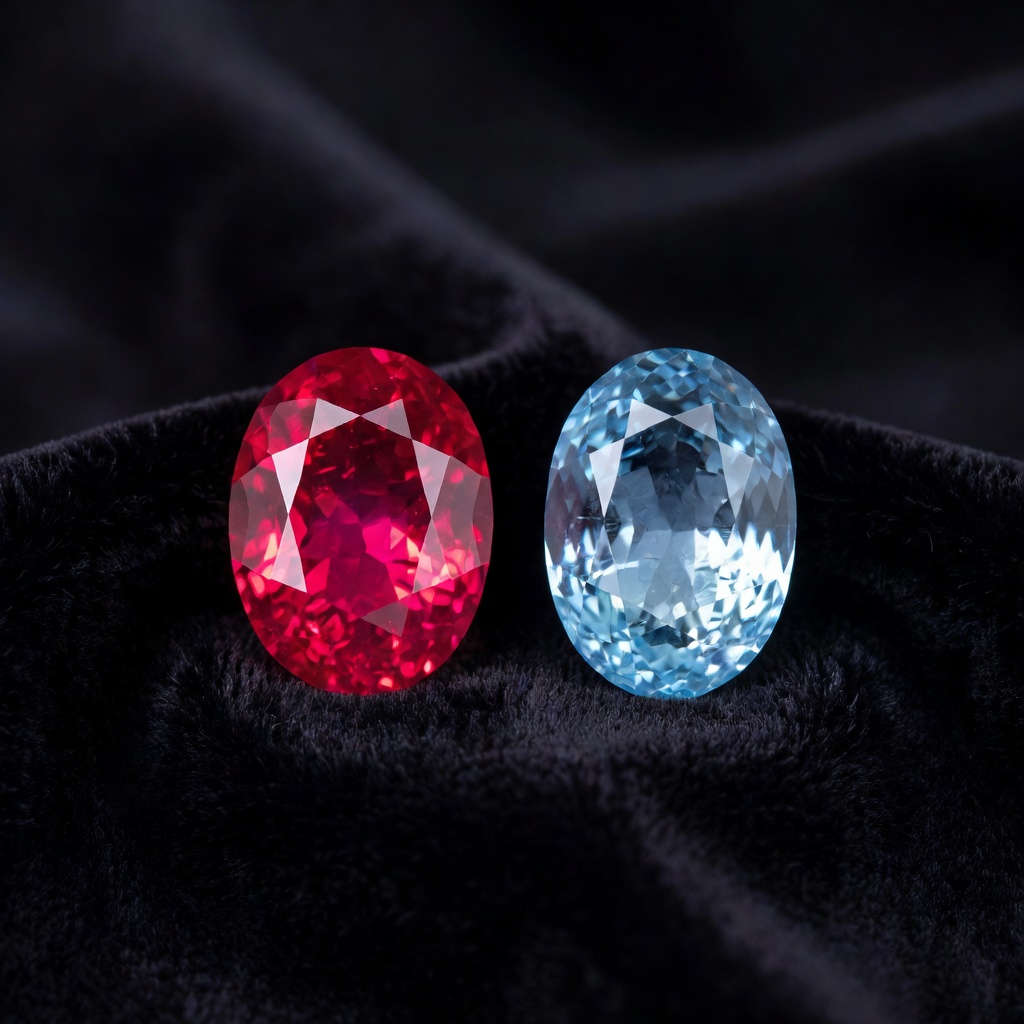
Understanding the visual distinctions between these gemstones requires careful examination of their optical properties and color presentations. Natural rubies exhibit pure red to pinkish-red hues, with the coveted "pigeon blood" red from Myanmar representing the most valuable and desirable color grade in the market. These stones display strong fluorescence under UV light, which contributes to their internal glow and vivid appearance under various lighting conditions. Meanwhile, Watermelon Tourmaline color zones create a mesmerizing visual effect through concentric layers, typically featuring a pink or red core encircled by a green outer rim, though some specimens may show additional color transitions. Unlike ruby's single refractive nature, tourmaline exhibits pleochroism, meaning it displays different colors when viewed from different angles, adding complexity to cutting decisions and final appearance. When conducting a pink red gemstone comparison, collectors should note that while ruby offers intense, saturated solid color, Watermelon Tourmaline provides unique bicolor visual interest that appeals to those seeking one-of-a-kind jewelry pieces.
Clarity and Cut Considerations
Ruby typically contains rutile needle inclusions known as silk, which can actually enhance value when they create asterism (star effects) in cabochon cuts, though transparent faceted stones command higher prices when eye-clean. Watermelon Tourmaline properties include natural inclusions and potential color zoning variations that require expert cutting to maximize the desired watermelon effect while maintaining structural integrity. Gem cutters often orient Watermelon Tourmaline slices perpendicular to the crystal's length to display the characteristic concentric rings, creating stunning centerpieces for pendants and brooches that showcase the stone's natural artistry.
Physical Properties and Durability Comparison
Durability considerations play a crucial role in determining which gemstone suits specific jewelry applications and lifestyle requirements. On the gemstone hardness comparison scale, ruby ranks 9 on the Mohs scale, making it second only to diamond and exceptionally resistant to scratching and surface wear during daily activities. Watermelon Tourmaline measures 7 to 7.5 on the Mohs scale, providing adequate hardness for jewelry use but requiring more careful handling to prevent surface abrasion over time. Beyond hardness, toughness—the resistance to breaking and chipping—differs significantly between these stones, with ruby exhibiting excellent toughness due to its corundum structure lacking cleavage planes. Watermelon Tourmaline possesses fair to good toughness but can be vulnerable to chipping along color zone boundaries or natural fractures, particularly in specimens with visible inclusions.
Heat Sensitivity and Professional Care
Both gemstones require specific precautions during jewelry repair and maintenance procedures to prevent thermal shock or structural damage. Ruby generally tolerates standard jewelry manufacturing processes including heat exposure during prong work, though extreme temperature changes should still be avoided to prevent potential fracturing in heavily included stones. Watermelon Tourmaline properties include higher sensitivity to heat and sudden temperature fluctuations, making it essential to inform jewelers about the stone's presence before any soldering or repair work begins. Professional jewelers should use protective heat shields or remove the stone entirely when working on settings containing tourmaline to prevent internal damage that could affect clarity and value.
Origins, Mining Locations and Rarity Factors
The geographical origins of these gemstones significantly influence their value, characteristics, and availability in the international market. Premium rubies primarily originate from Myanmar (formerly Burma), particularly the Mogok Valley, where stones exhibit the prized pigeon blood red color with strong fluorescence, while Mozambique has emerged as a major source of fine rubies with slightly different color characteristics. Thailand produces rubies with darker, more garnet-like tones often requiring heat treatment, whereas Watermelon Tourmaline deposits occur in diverse locations including Brazil (Minas Gerais), Afghanistan, Nigeria, and Madagascar. The rare gemstone origins story differs fundamentally between these materials, as ruby forms in metamorphic marble environments under high pressure and temperature conditions, while tourmaline crystallizes in pegmatites and hydrothermal veins where chemical variations create the distinct color zoning.
Geological Formation Distinctions
Corundum, the mineral family containing ruby, requires specific aluminum-rich environments with chromium traces to develop its characteristic red color, resulting in relatively limited geological formations worldwide. Tourmaline represents a complex borosilicate mineral group where elbaite varieties develop their multicolored appearance through fluctuating chemical conditions during crystal growth, with manganese creating pink centers and iron or chromium producing green outer zones. These different formation processes explain why fine rubies remain rarer than gem-quality tourmalines, though exceptional Watermelon specimens with distinct color separation and high clarity are considered rare within their own category.
Symbolism, History and Metaphysical Properties
Cultural significance and metaphysical associations have elevated both gemstones beyond mere decorative objects into powerful symbols worn for their purported energetic properties. Ruby carries millennia of historical weight, associated with passion, vitality, protection, and royalty across ancient civilizations from India to Burma, where warriors embedded rubies into their flesh for protection in battle and Chinese noblemen laid rubies beneath building foundations to ensure structural fortune. The Watermelon Tourmaline meaning centers on heart chakra activation, promoting love, inner peace, and emotional healing through its unique combination of pink and green energies, representing the balance between physical heart matters and spiritual growth. Modern crystal healing practitioners utilize ruby to stimulate life force energy and enhance courage, while employing Watermelon Tourmaline for emotional detoxification and resolving conflicts between heart and mind.
Contemporary Energy Work Applications
Practitioners of modern metaphysical traditions often recommend wearing ruby on the left hand to receive its energizing properties or placing it at the base chakra during meditation to ground spiritual energy into physical action. Watermelon Tourmaline finds particular favor in meditation practices focused on self-love and relationship healing, with practitioners suggesting placement over the heart center during Reiki sessions or crystal grid layouts designed for emotional balance. While scientific evidence does not support these metaphysical claims, the psychological impact of wearing meaningful gemstones continues to drive consumer preferences in both the spiritual and luxury jewelry markets.
Price, Value and Investment Potential
Financial considerations and investment potential vary dramatically between these two gemstones, requiring buyers to understand market dynamics and value factors before making significant purchases. Untreated rubies command premium prices ranging from $1,000 to over $30,000 per carat for exceptional Burmese specimens, with colored stone investment advisors consistently ranking fine rubies among the top appreciating colored gemstones alongside colored diamonds and Kashmir sapphires. Watermelon Tourmaline offers more accessible entry points for collectors, typically ranging from $100 to $1,000 per carat depending on color intensity, clarity, and the distinctness of the bicolor zoning, though exceptional museum-quality pieces may exceed these ranges. Investment grade considerations for both stones emphasize untreated status, with natural unheated rubies from prestigious origins appreciating steadily at auction houses like Christie's and Sotheby's, while high-quality Watermelon Tourmaline from depleted mines such as those in California's Pala district shows strong collector demand.
Market Trends and Resale Value
The bicolor tourmaline value proposition appeals to niche collectors who appreciate the stone's uniqueness, though resale markets remain more limited compared to the liquid international ruby trade. Ruby's established position as one of the "Big Three" colored gemstones (alongside sapphire and emerald) ensures consistent demand from high-end jewelry houses and private collectors, particularly for stones above five carats with documented Burmese origin. Watermelon Tourmaline attracts a different buyer demographic—those prioritizing individuality over traditional investment security—with values steadily increasing as mining yields decline and designer interest in bi-colored gemstones grows.
Jewelry Applications and Wearability Considerations
Selecting appropriate jewelry designs requires honest assessment of how the piece will be worn and the level of protection each gemstone requires. Ruby's superior hardness makes it ideal for durable gemstone jewelry including daily wear engagement rings, anniversary bands, and tennis bracelets that withstand the rigors of active lifestyles without showing significant wear. Watermelon Tourmaline properties suggest limiting this material to pendants, earrings, brooches, and occasional wear rings with protective settings such as bezels or halos that shield the girdle from direct impact. Metal pairing recommendations vary by stone, with ruby's intense red complementing both yellow gold traditional settings and modern platinum or white gold mountings, while Watermelon Tourmaline often benefits from rose gold settings that enhance the pink center or white metals that highlight the green outer rim.
Setting Styles and Design Compatibility
For ruby engagement rings, prong settings in platinum or 18k gold provide security while maximizing light return, though channel settings work well for wedding bands incorporating multiple smaller rubies. Watermelon Tourmaline slices and crystals lend themselves to artistic, nature-inspired designs where the stone's organic shape becomes the focal point, often set in creative bezel mountings that protect vulnerable edges while showcasing the distinctive color transition. Case studies from high-end designers like Irene Neuwirth and Paula Crevoshay demonstrate how Watermelon Tourmaline serves as centerpiece material for statement necklaces and cocktail rings, whereas ruby dominates the classic bridal and red carpet jewelry segments.
Buying Guide: How to Choose Between These Gems
Making an informed decision between these distinctive gemstones requires evaluating personal lifestyle, aesthetic preferences, and budget parameters. When determining how to choose gemstones for your collection, begin with a lifestyle assessment: if you lead an active lifestyle or seek an engagement ring for daily wear, ruby's durability makes it the pragmatic choice, while Watermelon Tourmaline suits those seeking special occasion pieces or artistic jewelry for social events. Budget considerations reveal that entry-level Watermelon Tourmaline offers significant visual impact at accessible price points, whereas Ruby gemstone buying guide principles suggest prioritizing origin documentation and treatment disclosure when allocating larger investment budgets. Personal style preferences ultimately drive the decision, with solid color intensity appealing to traditionalists drawn to ruby's classic elegance, while bicolor visual interest attracts contemporary collectors seeking conversation pieces that showcase geological uniqueness.
Maximizing Value Within Budget Brackets
For buyers with $500-$2,000 budgets, high-quality Watermelon Tourmaline specimens offer better value retention and visual uniqueness than commercial-grade heated rubies in smaller sizes. Those investing $5,000+ should prioritize untreated rubies with laboratory reports from GIA, SSEF, or AGL verifying Burmese or Mozambican origin, as these stones demonstrate consistent appreciation and heirloom quality. Consider purchasing loose stones rather than pre-mounted jewelry to verify quality characteristics personally, and always request magnification videos for Watermelon Tourmaline to confirm that color zones meet expectations and no surface-reaching fractures compromise durability.
Care, Cleaning and Maintenance Requirements
Proper maintenance ensures these gemstones retain their beauty and structural integrity across generations of wear. Safe gemstone care tips for both stones include cleaning with warm soapy water (mild dish detergent) and soft brushes to remove accumulated oils and debris, followed by thorough rinsing and drying with lint-free cloths. Ultrasonic and steam cleaning present significant risks for Watermelon Tourmaline due to potential liquid inclusions and thermal shock sensitivity, while rubies generally tolerate these methods unless heavily fractured or glass-filled (a treatment common in lower-quality commercial material). Storage techniques require separating these gemstones from harder materials like diamonds or even storing ruby and tourmaline pieces separately to prevent scratching, ideally in individual soft cloth pouches or compartmentalized jewelry boxes with padded dividers.
Professional Maintenance Schedules
Ruby jewelry worn daily, particularly rings, benefits from professional inspection every six months to check prong security and signs of wear, with professional cleaning recommended annually to restore brilliance to the stone's surface. Watermelon Tourmaline pieces require less frequent professional intervention but should be examined yearly for signs of loose settings or edge chipping, particularly in rings subjected to occasional wear. When traveling, pack Watermelon Tourmaline jewelry in rigid containers with cushioned interiors to prevent pressure damage, while ruby can travel in standard jewelry rolls though protection from other diamonds remains essential.
Detailed Comparison: Ruby vs Watermelon Tourmaline
| Characteristic | Ruby | Watermelon Tourmaline |
|---|---|---|
| Mohs Hardness | 9 (Excellent) | 7-7.5 (Good) |
| Color Characteristics | Solid red to pinkish-red, pigeon blood most valuable | Concentric bicolor zoning: pink/red center with green rim |
| Rarity | Extremely rare in fine quality, untreated specimens very rare | Rare within tourmaline family, gem-quality with distinct zoning uncommon |
| Price Range (Per Carat) | $1,000 - $30,000+ for fine untreated stones | $100 - $1,000+ depending on clarity and color contrast |
| Best Jewelry Uses | Daily wear rings, engagement rings, bracelets, active lifestyle | Pendants, earrings, occasional wear rings, statement pieces |
| Treatment Commonality | Heat treatment common; untreated commands premium | Rarely treated; may receive light oiling |
| Origin Prestige | Myanmar (Burma), Mozambique most valued | Brazil, Afghanistan, California (Pala) historically significant |
| Metaphysical Associations | Passion, vitality, protection, royal power | Heart chakra, emotional healing, love, inner peace |
| Cleaning Safety | Generally safe for ultrasonic/steam (if untreated) | Avoid ultrasonic/steam; warm soapy water only |
| Birthstone Association | July (traditional and modern) | October (shared with opal) |
Frequently Asked Questions
Which is more valuable, ruby or watermelon tourmaline?
Natural, high-quality rubies are significantly more valuable than Watermelon Tourmaline, often commanding prices 10-50 times higher per carat. Fine untreated Burmese rubies can exceed $30,000 per carat, while premium Watermelon Tourmalines typically range from $500-$1,500 per carat depending on color saturation and clarity.
Can watermelon tourmaline be used in engagement rings?
While Watermelon Tourmaline can be used in engagement rings, it requires protective settings like bezels or halos due to its 7-7.5 Mohs hardness rating. It's better suited for occasional wear rings or alternative bridal jewelry rather than daily wear solitaires, unlike ruby which is ideal for everyday engagement rings.
What makes watermelon tourmaline different from pink tourmaline?
Watermelon Tourmaline is specifically characterized by its concentric bicolor zoning featuring a pink or red center surrounded by a green outer rim, resembling the fruit. Pink tourmaline displays uniform pink coloration throughout without the distinctive green rind, making Watermelon varieties rarer and more visually unique.
Are rubies and watermelon tourmalines typically treated or enhanced?
Most rubies on the market undergo heat treatment to improve color and clarity, with untreated specimens commanding premium prices. Watermelon Tourmalines are rarely treated due to their delicate nature, though some may receive light oiling to improve clarity appearance. Always request certification for high-value purchases.
Which gemstone is rarer, ruby or watermelon tourmaline?
Fine-quality untreated rubies are rarer than Watermelon Tourmaline, particularly Burmese specimens. However, gem-quality Watermelon Tourmaline with distinct color separation and high clarity is considered rare within the tourmaline family, though generally more available than top-tier rubies.
Can you wear watermelon tourmaline every day?
Watermelon Tourmaline is not recommended for daily wear in rings or bracelets due to its moderate hardness (7-7.5) and potential for chipping along color zone boundaries. It's best reserved for earrings, pendants, or occasional wear rings. Ruby, with its 9/10 hardness, is far superior for daily wear jewelry.
Do both gemstones have the same birthstone month associations?
Ruby is the traditional July birthstone, while Tourmaline (including Watermelon variety) shares October birthstone status with Opal. Watermelon Tourmaline makes an excellent alternative birthstone gift for October birthdays, whereas Ruby is specifically associated with July and 15th/40th wedding anniversaries.
How can I tell the difference between ruby and pink tourmaline?
Key identification methods include checking for bicolor zoning (present in Watermelon Tourmaline, absent in Ruby), testing hardness (Ruby scratches tourmaline), and observing fluorescence (Rubies glow red under UV light while tourmaline shows weak fluorescence). Professional gemological testing using refractive index and specific gravity provides definitive identification.