Introduction to the Ruby vs Turquoise Debate
When exploring the fascinating world of colored gemstones, the comparison between ruby and turquoise presents one of the most striking contrasts in the jewelry industry. Ruby stands as one of the prestigious "big four" precious stones alongside diamond, sapphire, and emerald, commanding respect for its exceptional hardness and vivid color saturation. Turquoise, while classified among semi-precious stones, carries an equally rich heritage and devoted following, particularly among collectors who appreciate its distinctive matrix patterns and spiritual significance. These two gems are frequently compared despite their vastly different chemical compositions and market positions, primarily because they represent opposite ends of the gemstone spectrum regarding durability, color philosophy, and investment potential.
Understanding the nuances of the ruby vs turquoise comparison requires examining multiple decision factors that extend beyond mere aesthetics. Prospective buyers must consider their lifestyle demands, as one stone thrives under daily wear conditions while the other requires careful, occasional handling. Investment-minded collectors approach these gems with different expectations, recognizing that while rubies often appreciate significantly over decades, turquoise offers accessible entry points into fine jewelry collecting. Whether you are selecting a meaningful birthstone gift, an engagement ring centerpiece, or a signature fashion piece, knowing how these stones differ in formation, durability, and care requirements will guide you toward a choice that aligns with your practical needs and personal style preferences.
Geological Origins and Chemical Composition
The Formation of Rubies in Extreme Conditions
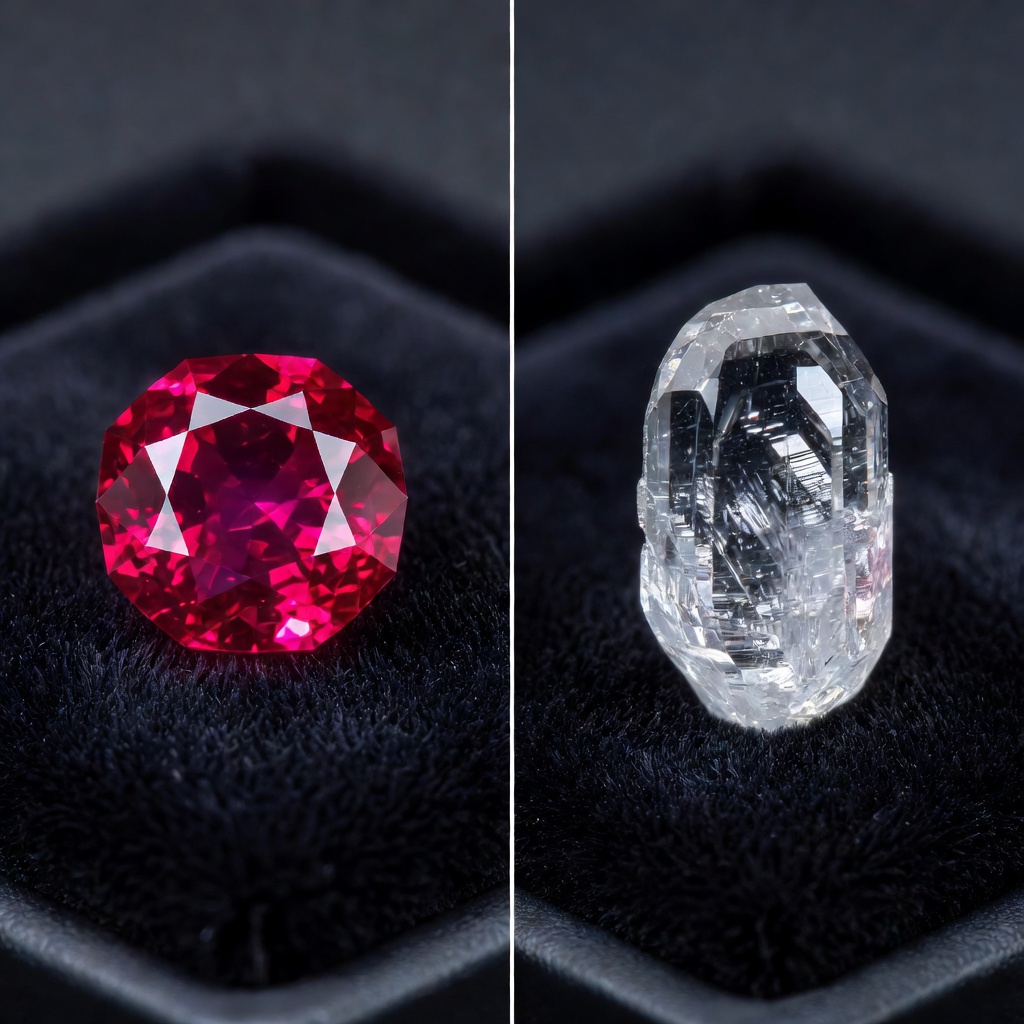
Rubies form as crystals of aluminum oxide, specifically belonging to the corundum mineral family that shares its chemical foundation with sapphires. These magnificent red gemstones develop deep within the Earth's crust under extraordinary metamorphic conditions, requiring temperatures exceeding 800 degrees Celsius and immense pressure over millions of years. The distinctive red coloration emerges when chromium ions replace aluminum within the crystal lattice, with higher chromium concentrations producing the coveted pigeon-blood red hues that command premium prices in international markets. Major ruby deposits occur in Myanmar's Mogok Valley, which has produced legendary stones for over 800 years, while modern significant sources include Thailand, Mozambique, Madagascar, and Vietnam, each yielding gems with slightly different color characteristics and inclusion patterns.
Turquoise as a Phosphate Mineral in Arid Environments
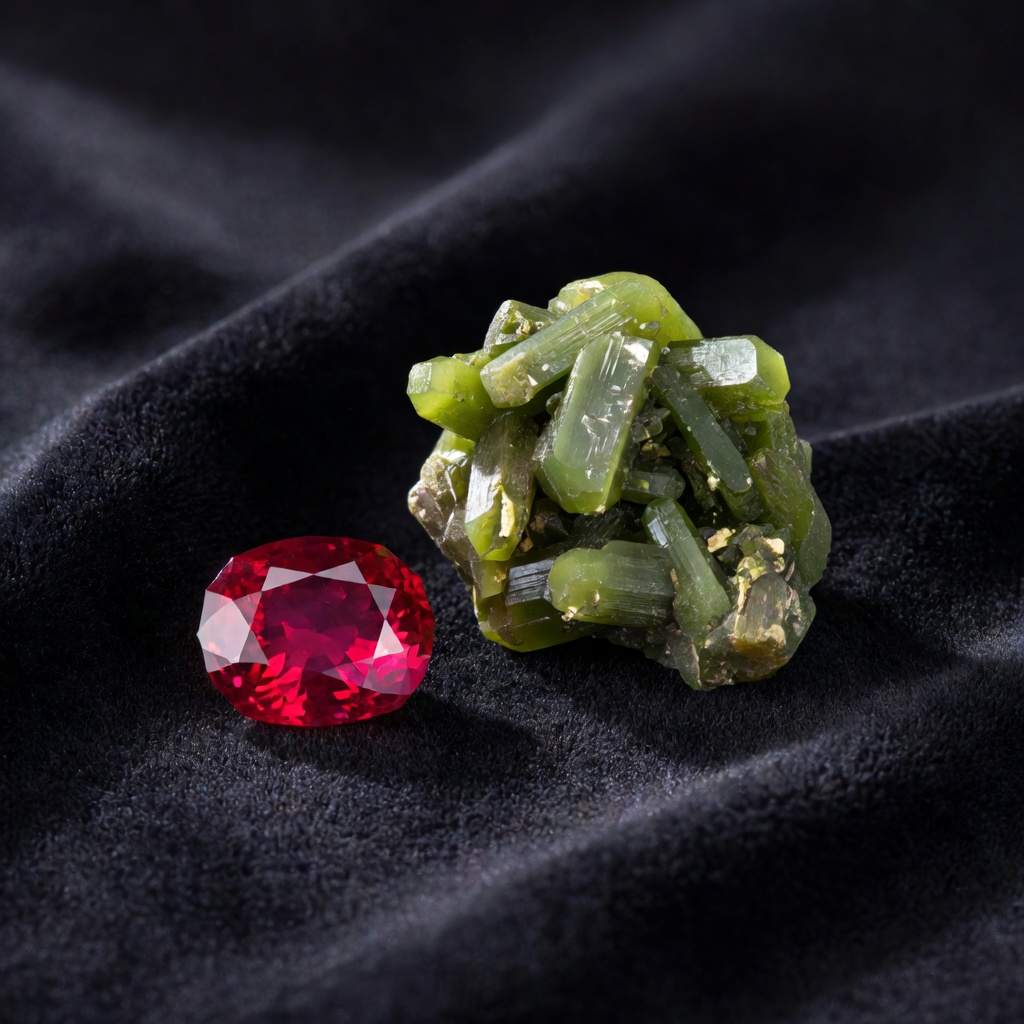
Unlike the igneous and metamorphic origins of corundum, turquoise forms as a hydrated phosphate of copper and aluminum through entirely different geological processes in arid, copper-rich environments. This semi-precious gem develops when acidic solutions containing copper and aluminum percolate through rock fractures and voids, gradually precipitating into masses or nodules over thousands of years. The presence of copper creates the characteristic blue tones, while iron content shifts the color toward greenish hues, resulting in the broad spectrum from sky blue to deep teal found in quality specimens. Premier mining locations include the historic Nishapur mines of Iran, which have produced the finest Persian turquoise for millennia, alongside significant deposits in Arizona's Sleeping Beauty mine, Nevada's various claims, and the Tibetan plateau, each source imparting unique matrix patterns and color densities to the finished stones.
Physical Properties and Durability Face-Off
Gemstone Hardness Comparison on the Mohs Scale
The disparity in physical durability between these two gems becomes immediately apparent when examining their positions on the Mohs hardness scale, the standard measurement of mineral resistance to scratching. Ruby ranks an impressive 9 on this scale, making it second only to diamond in hardness among naturally occurring gems and rendering it exceptionally suitable for daily wear jewelry including engagement rings and bracelets. Turquoise occupies a much softer position at 5 to 6 on the Mohs scale, comparable to ordinary glass or a steel knife blade, which means it can be scratched by many common materials including household dust particles containing silica. This significant hardness differential fundamentally dictates their appropriate jewelry applications, with ruby tolerating the bumps and abrasions of active lifestyles while turquoise demands protective settings and careful handling to maintain its polished surface.
Toughness and Resistance to Damage
Beyond simple hardness, gemstone toughness—the resistance to breaking, chipping, or cracking under impact—reveals additional critical differences between these materials. Ruby exhibits excellent tenacity due to its crystalline structure and lack of cleavage planes, meaning it resists fracturing even when subjected to sharp blows or sudden temperature changes. Turquoise presents a more fragile profile, often displaying conchoidal fracture patterns and variable toughness depending on its formation density; high-grade natural turquoise can be reasonably tough, but lower-grade material or stones with extensive matrix veining may chip easily upon impact. Furthermore, turquoise possesses inherent porosity that makes it susceptible to discoloration from absorption of oils, cosmetics, and cleaning chemicals, whereas ruby's non-porous crystalline structure generally remains stable and unaffected by normal environmental exposures.
Color Characteristics and Visual Identification
The Red Spectrum of Ruby: From Pigeon-Blood to Pink
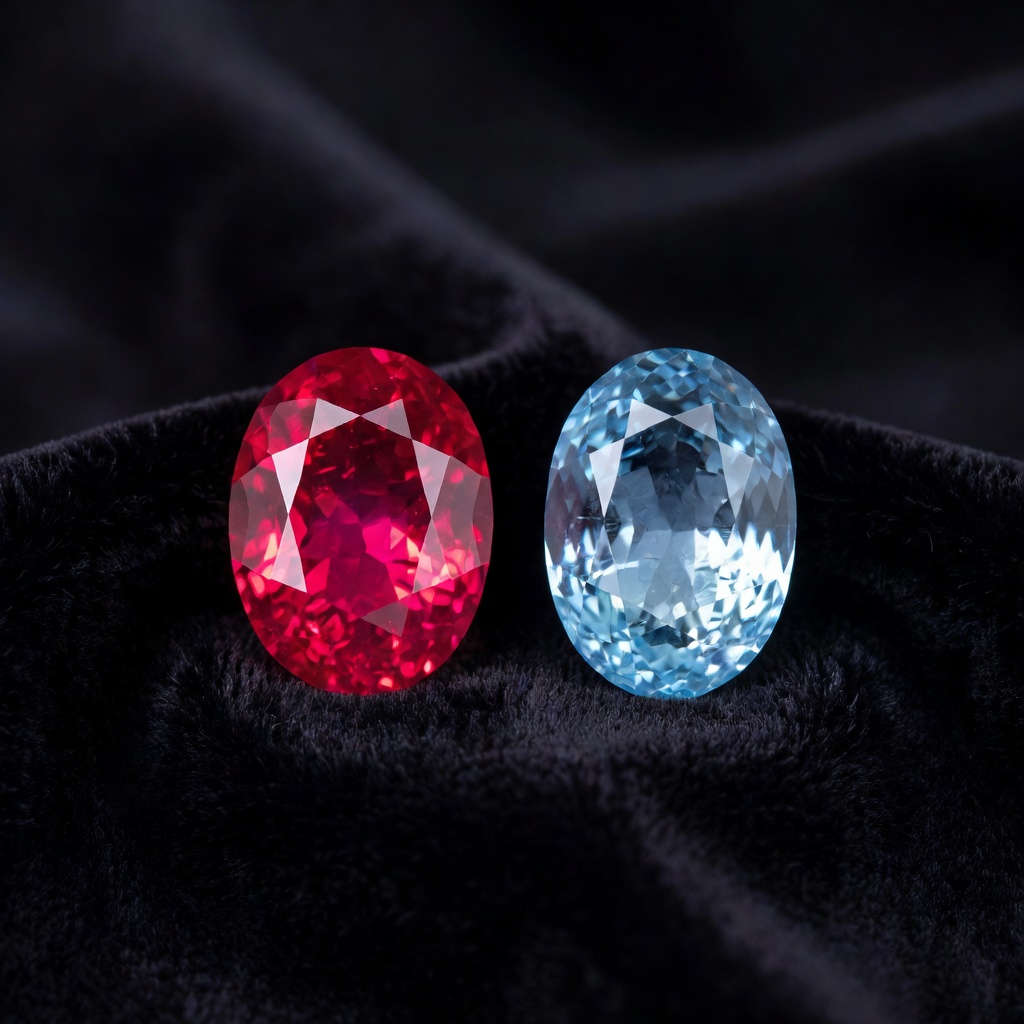
Rubies display a remarkable range within the red color family, though gemological purists reserve the name "ruby" strictly for red corundum, with pinkish stones technically classified as pink sapphires. The most valuable rubies exhibit the legendary pigeon-blood red—a pure, vivid red with a hint of blue that appears to glow from within, primarily found in Burmese mines. Thai rubies often trend toward darker, garnet-like reds with brownish undertones, while African stones from Mozambique frequently present brighter, more open colors with slight orange or pink modifiers. Clarity characteristics in rubies typically include rutile inclusions known as "silk," which, when fine and evenly distributed, can actually enhance value by creating the desirable asterism (star effect) in cabochon-cut stones or proving the gem's natural, unheated origin.
Turquoise Matrix Patterns and Color Variations
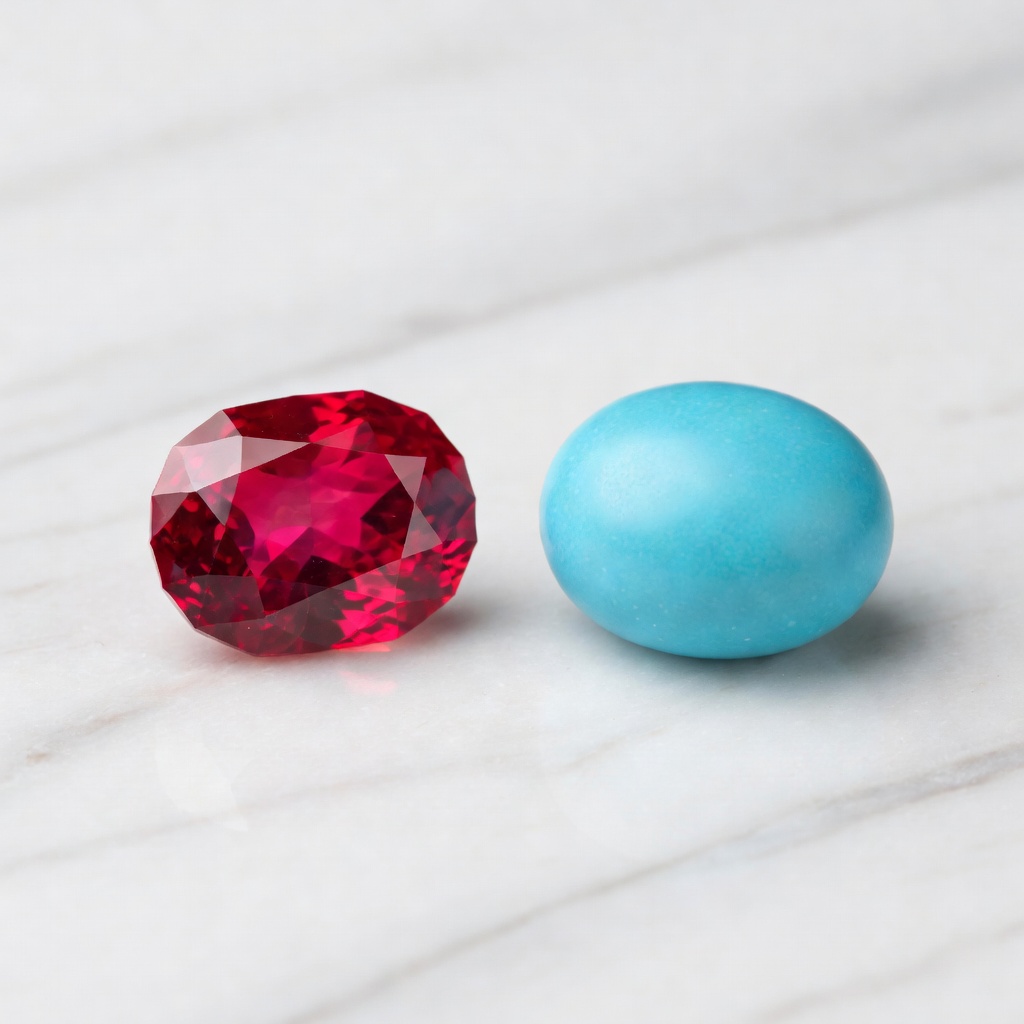
Turquoise offers a completely different visual experience, ranging from the intense robin's egg blue of high-grade Persian material to the blue-green and green shades characteristic of American Southwest deposits. Unlike the transparency potential found in fine rubies, turquoise is inherently opaque, with its beauty expressed through color consistency, density, and the distinctive matrix patterns formed by the host rock inclusions. These matrix patterns—often appearing as spiderweb veining, dendritic formations, or blotchy patches in colors ranging from black to gold to brown—serve as fingerprints identifying specific mines and adding artistic character to cabochon cuts. Collectors particularly prize "spiderweb turquoise" featuring intricate black webbing against intense blue backgrounds, while "clear" turquoise without matrix commands premium prices in Persian markets, demonstrating how inclusion patterns function as beauty factors rather than detractions in this unique gemstone.
Cultural Significance and Symbolism Through History
Ruby: The Stone of Kings and Passion
Throughout Asian and European history, rubies have maintained associations with passion, protection, and royal authority that elevate them beyond mere decorative objects. Ancient Burmese warriors believed that inserting rubies into their flesh made them invincible in battle, while Hindu traditions considered the ruby (ratnaraj, or "king of precious stones") as the most powerful of all gems, capable of ensuring peace with enemies and safeguarding physical health. European royalty adorned crowns and scepters with large rubies, believing the stones darkened in color when danger approached their owners, serving as warning systems against treachery. In modern metaphysical practices, ruby continues to symbolize vitality, confidence, and life force energy, often recommended for those seeking to overcome lethargy or establish stronger personal boundaries in professional and romantic relationships.
Turquoise: Sacred Protection Across Civilizations
Turquoise carries equally profound but distinctly different cultural weight, particularly within Native American, Persian, and ancient Egyptian civilizations where it functioned as a protective talisman and spiritual bridge between earth and sky. The Navajo, Zuni, and Pueblo peoples of the American Southwest have utilized turquoise in ceremonial jewelry for over a thousand years, believing the stone connects the wearer to the spirit world while providing protection during travel and hunting. Persian culture treasured turquoise as a symbol of heaven on earth, adorning palace domes, mosques, and the bridles of horses to ward off evil eyes and ensure safe passage. Ancient Egyptians mined turquoise in the Sinai Peninsula over 6,000 years ago, famously including scarab beetles and jewelry in King Tutankhamun's tomb, while modern crystal healers attribute communication enhancement, emotional healing, and throat chakra activation to this calming blue stone.
Jewelry Applications and Setting Considerations
Ruby's Versatility in Fine Jewelry Design
The exceptional hardness and durability of ruby make it an ideal candidate for virtually any jewelry application, including pieces designed for constant daily contact with hard surfaces. Engagement rings featuring ruby center stones have gained significant popularity among couples seeking alternatives to diamonds, as the gem's 9 Mohs hardness rating ensures it will resist scratching and maintain brilliance through decades of household activities, gardening, and professional work. Ruby performs beautifully in various setting styles, from delicate prong settings that maximize light return to secure bezel designs that protect the girdle from chipping. When selecting metals, white gold and platinum provide striking contrast that emphasizes the gem's red intensity, while yellow gold creates warm, classic combinations reminiscent of Victorian and Edwardian-era jewelry, and rose gold offers contemporary romantic appeal that softens the stone's bold presence.
Turquoise Settings for Protection and Style
Turquoise demands more thoughtful jewelry planning due to its softer nature and chemical sensitivity, typically performing best in earrings, pendants, and brooches that experience minimal physical contact compared to rings and bracelets. When set in rings, turquoise requires protective bezel settings that wrap the stone's edges in metal guards, preventing direct impacts that could chip the material during hand-intensive activities. The gem's porous nature necessitates settings that minimize exposure to skin oils and cosmetic products, making earrings and collar-length necklaces ideal choices that reduce contact with perfumes and lotions. Metal pairings for turquoise traditionally favor silver, which complements the stone's cool blue tones in Southwestern and bohemian aesthetic traditions, though yellow gold creates sophisticated contrast in Persian-inspired designs and modern luxury pieces, elevating the semi-precious material through association with precious metals.
Market Value, Pricing, and Investment Potential
Ruby Valuation: Color, Origin, and Treatment Factors
The financial gap between these two gemstones becomes starkly apparent when examining price-per-carat analyses in current markets, with fine rubies commanding thousands of dollars per carat and occasionally exceeding diamond prices for exceptional specimens. Unheated Burmese rubies over five carats with pigeon-blood coloration can fetch $100,000 or more per carat at international auctions, while even commercial-quality heated rubies from Mozambique or Thailand typically range from $500 to $5,000 per carat depending on color saturation and clarity. Investment potential favors rubies strongly, as historically significant stones appreciate reliably over decades, though buyers must carefully evaluate treatment disclosures—unheated natural rubies carry substantial premiums over heat-treated or glass-filled stones, and origin documentation from Myanmar, though complicated by trade restrictions, significantly impacts valuation in collector circles.
Turquoise Pricing: Natural vs. Stabilized Markets
High-grade turquoise occupies a more accessible price tier, with exceptional natural material ranging from $50 to $500 per carat, though rare specimens from depleted mines like Sleeping Beauty can command higher premiums among collectors. The turquoise market divides sharply between natural, untreated stones and stabilized material (where resins harden porous lower-grade turquoise), with natural stones holding value significantly better over time. Valuation factors emphasize provenance: Persian turquoise from Nishapur maintains classic status, American material from specific mines (particularly those now closed like Sleeping Beauty or Lander Blue) achieves collector premiums based on rarity, and matrix patterns significantly influence pricing, with intricate spiderweb formations often valued above clear material in Southwestern markets. While turquoise rarely appreciates like precious gems, vintage pieces from renowned Native American artisans or historical Persian jewelry can achieve substantial resale values based on craftsmanship and cultural significance rather than raw material worth.
| Characteristic | Ruby | Turquoise |
|---|---|---|
| Chemical Composition | Aluminum Oxide (Corundum) | Hydrated Copper Aluminum Phosphate |
| Mohs Hardness | 9 (Excellent) | 5-6 (Soft) |
| Primary Colors | Red to Pinkish-Red | Sky Blue to Green-Blue |
| Transparency | Transparent to Translucent | Opaque |
| Durability for Daily Wear | Excellent - Suitable for Rings | Poor - Best for Occasional Wear |
| Typical Price Range | $500-$100,000+ per carat | $10-$500 per carat |
| Birthstone Month | July | December |
| Best Jewelry Applications | Engagement Rings, Bracelets, Earrings | Earrings, Pendants, Brooches |
| Cleaning Methods | Ultrasonic, Steam, Warm Soapy Water | Damp Cloth Only - No Chemicals |
| Investment Potential | High - Appreciates Over Time | Moderate - Stable Value |
Birthstone Connections and Astrological Associations
July Birthstone vs December Birthstone Traditions
Ruby serves as the traditional birthstone for July, sharing this summer month with the zodiac signs Cancer and Leo, and representing the height of summer's passionate, fiery energy in birthstone symbolism. Those born in July traditionally receive ruby jewelry to commemorate their birth month, with the stone believed to amplify the natural leadership qualities and emotional depth associated with these zodiac signs. Turquoise functions as one of three December birthstones alongside tanzanite and zircon, offering December-born individuals a cooling blue alternative to the month's other offerings, and associates particularly with the Sagittarius zodiac sign through its connections to travel, protection, and spiritual exploration. The contrast between July birthstone vs December birthstone selections highlights the seasonal opposition of these gems—ruby capturing midsummer heat and intensity while turquoise embodies winter's cool tranquility and protective shelter.
Anniversary Symbolism and Milestone Gifts
Beyond monthly birthstones, both gems carry significant anniversary designations that influence gift-giving traditions and long-term jewelry purchases. Ruby traditionally represents both the 15th and 40th wedding anniversaries, marking the transition from early marriage into established partnership and later celebrating the rare achievement of four decades together, with the stone's durability metaphorically representing the strength of long-lasting love. Turquoise commemorates the 11th wedding anniversary, symbolizing the resilience and adaptability required to maintain marriage through its second decade, while also serving as the modern alternative for the 5th anniversary in some contemporary gift guides. When selecting anniversary jewelry, these traditional associations provide meaningful frameworks for couples who appreciate the symbolic resonance of gemstones with their relationship timeline, whether choosing a ruby eternity band for a 40th celebration or turquoise cufflinks for an 11th anniversary gift.
Care, Cleaning, and Maintenance Requirements
Ruby Maintenance: Resilient and Low-Maintenance
Ruby's exceptional hardness translates directly into straightforward maintenance protocols that accommodate busy lifestyles without requiring specialized cleaning products or excessive precautions. Owners can safely clean ruby jewelry using warm soapy water and a soft brush to remove accumulated lotions and skin oils, or utilize professional ultrasonic cleaners and steam cleaning equipment without risking damage to the stone's surface or structure. The gem's chemical stability means it resists damage from brief exposures to household cleaners, though prolonged contact with harsh chemicals should still be avoided to protect the metal settings. Storage requirements remain simple: while rubies should be kept separate from softer gems to prevent scratching others, they require no special humidity controls or protective barriers beyond standard jewelry boxes with individual compartments.
Turquoise Care: Gentle Handling and Chemical Avoidance
Turquoise demands significantly more attentive care due to its porosity and softness, requiring owners to adopt specific protocols to prevent the discoloration and structural damage that can permanently diminish the stone's beauty. Clean turquoise jewelry only by wiping gently with a soft, damp cloth free of soaps, detergents, or cleaning chemicals, as the porous stone can absorb liquids that cause permanent staining or alter its color chemistry over time. Never expose turquoise to ultrasonic cleaners, steam equipment, or prolonged sunlight, as heat and vibration can cause cracking or dehydration that changes the stone's color from vibrant blue to dull green. Storage solutions must include separate soft pouches or individual compartments, as storing turquoise alongside harder gems—particularly diamonds, sapphires, or rubies—guarantees surface scratching, while keeping turquoise away from direct contact with skin oils by storing pendants in closed boxes rather than hanging displays helps preserve the polish and matrix clarity.
Making the Final Decision: Which Stone Suits You?
Lifestyle Assessment and Wear Patterns
Selecting between ruby and turquoise ultimately requires honest evaluation of your daily activities, wardrobe habits, and willingness to follow specialized care protocols. Active individuals who work with their hands, engage in sports, or prefer wearing the same jewelry pieces daily without removal should gravitate toward ruby, as its durability accommodates physical lifestyles without constant worry about damage during gym sessions, cooking, or gardening. Turquoise suits collectors who appreciate ritualistic jewelry wearing—selecting specific pieces for special occasions, removing jewelry before showering or sleeping, and maintaining mindful awareness of their accessories throughout the day. Consider your professional environment as well: ruby projects authority and traditional luxury appropriate for corporate settings and formal events, while turquoise conveys creative individuality and bohemian sophistication suitable for artistic fields, casual workplaces, and weekend socializing.
Budget Considerations and Long-Term Value
Financial planning plays a crucial role in the decision-making process, with rubies requiring significantly higher initial investment but offering superior long-term value retention and potential appreciation, making them suitable for significant commemorative purchases like engagement rings or major anniversary gifts. Turquoise provides an accessible entry point for younger collectors or those building jewelry wardrobes on modest budgets, allowing acquisition of substantial, visually striking pieces without the five-figure investments required for fine rubies. When calculating total cost of ownership, factor in potential repair or replacement costs: turquoise may require professional re-polishing or replacement due to wear over decades, while ruby typically maintains its condition indefinitely with basic care. For investment-minded buyers, prioritize certified natural rubies from reputable origins, while turquoise collectors should focus on documented natural material from closed mines or renowned Native American artisans to maximize resale potential.
Color Philosophy and Wardrobe Coordination
Your existing wardrobe and personal color preferences should guide the final selection, as these stones create dramatically different visual statements and coordinate with different color palettes. Ruby offers bold, warm statements that complement neutral wardrobes of black, white, and navy while creating striking contrast against green and purple garments; the red gemstone serves as a power color that draws attention and signifies confidence in professional and romantic contexts. Turquoise provides cool, calming accents that pair exceptionally well with earth tones, coral, yellow, and other warm colors through complementary color theory, excelling in layered bohemian looks or Southwestern-inspired aesthetics. Consider your metal preferences as well: if you primarily wear silver jewelry, turquoise offers more cohesive styling options, while those with extensive yellow gold collections may find ruby integrates more seamlessly into existing rotation, though both gems can be adapted to various metal colors through thoughtful custom design.
Frequently Asked Questions
Which is more expensive, ruby or turquoise?
High-quality rubies are significantly more expensive than turquoise, often commanding thousands of dollars per carat for fine specimens. While premium natural turquoise from specific mines can be valuable, it generally remains more affordable than ruby, which is considered one of the 'big four' precious gemstones alongside diamond, sapphire, and emerald.
Can you wear ruby and turquoise jewelry together?
Yes, ruby and turquoise create a striking complementary color combination when styled thoughtfully. However, store them separately as ruby's hardness (9 on Mohs scale) can easily scratch turquoise (5-6). When wearing together, ensure they don't touch in multi-gemstone settings to prevent damage to the softer turquoise.
Is ruby harder than turquoise?
Absolutely. Ruby ranks 9 on the Mohs hardness scale, making it one of the hardest gemstones suitable for daily wear. Turquoise ranks only 5-6, making it relatively soft and prone to scratching, chipping, and damage from chemicals. This significant hardness difference dictates their appropriate jewelry applications.
Which is better for an engagement ring, ruby or turquoise?
Ruby is the superior choice for engagement rings due to its exceptional hardness (9 Mohs) and durability for daily wear. Turquoise is too soft (5-6 Mohs) and porous for constant exposure to hands-on activities, cleaning chemicals, and impacts. If you love blue stones, consider blue sapphire as a more durable alternative to turquoise for engagement jewelry.
How do I clean ruby vs turquoise jewelry differently?
Clean rubies using warm soapy water, ultrasonic cleaners, or steam cleaning safely. Turquoise requires extreme gentleness—only wipe with a soft, damp cloth without soap or chemicals, as it is porous and can absorb liquids causing discoloration. Never use ultrasonic cleaners or steam on turquoise, and avoid exposure to cosmetics and perfumes.
Are ruby and turquoise both considered birthstones?
Yes, but for different months. Ruby is the traditional birthstone for July, while turquoise is one of the birthstones for December (along with tanzanite and zircon). Ruby represents the zodiac signs Cancer and Leo, whereas turquoise is associated with Sagittarius and carries significance as an 11th anniversary gift.
What is the difference between precious and semi-precious regarding these stones?
Ruby is classified as a 'precious' gemstone due to its exceptional hardness, rarity, and historical value. Turquoise is technically classified as 'semi-precious,' though this term is becoming outdated in the gem trade. While high-quality natural turquoise can be valuable, rubies consistently command higher prices and greater investment status in the jewelry market.
Do ruby and turquoise have different cultural meanings?
Yes, they carry distinct symbolism. Rubies historically represent passion, protection, vitality, and royalty across Asian and European cultures. Turquoise symbolizes healing, protection, communication, and spiritual attunement in Native American, Persian, and ancient Egyptian traditions. Both were worn by royalty but served different spiritual and protective purposes.