Understanding Ruby vs Tourmaline
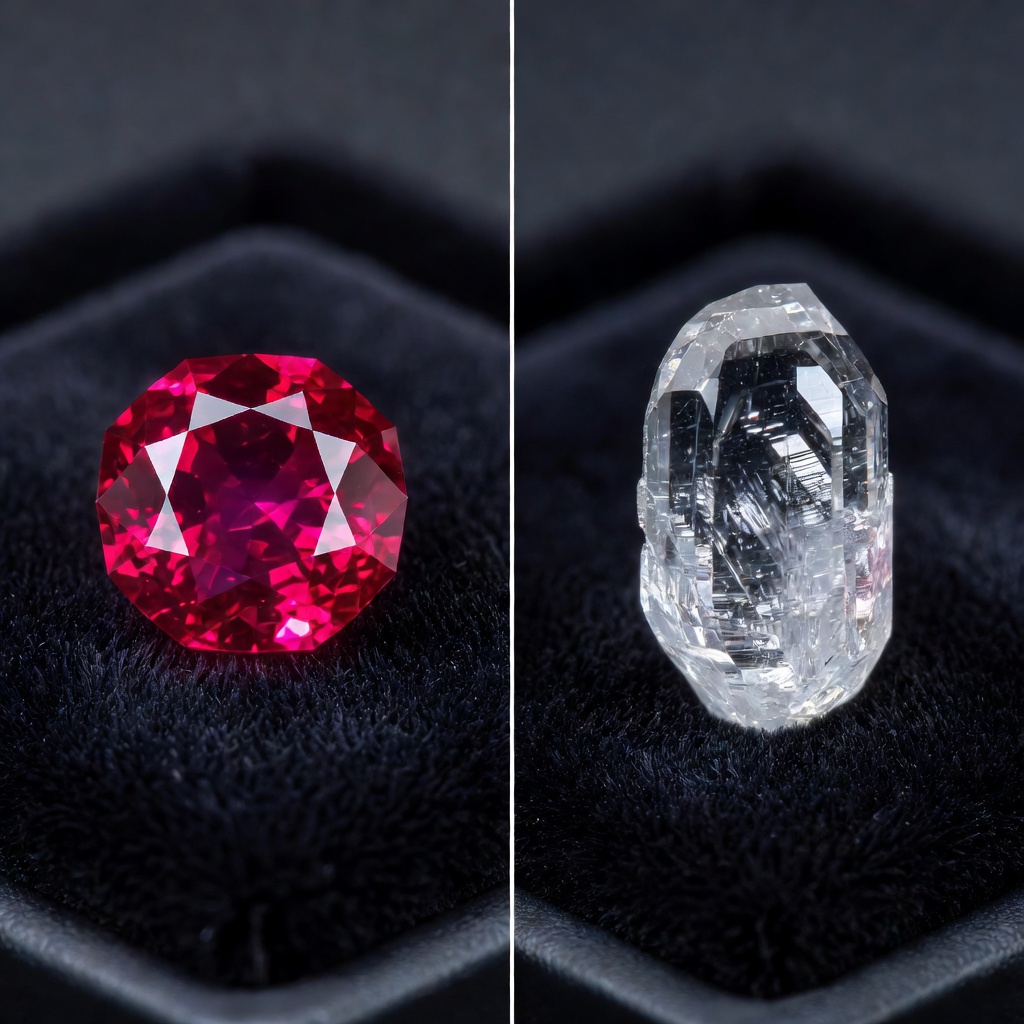
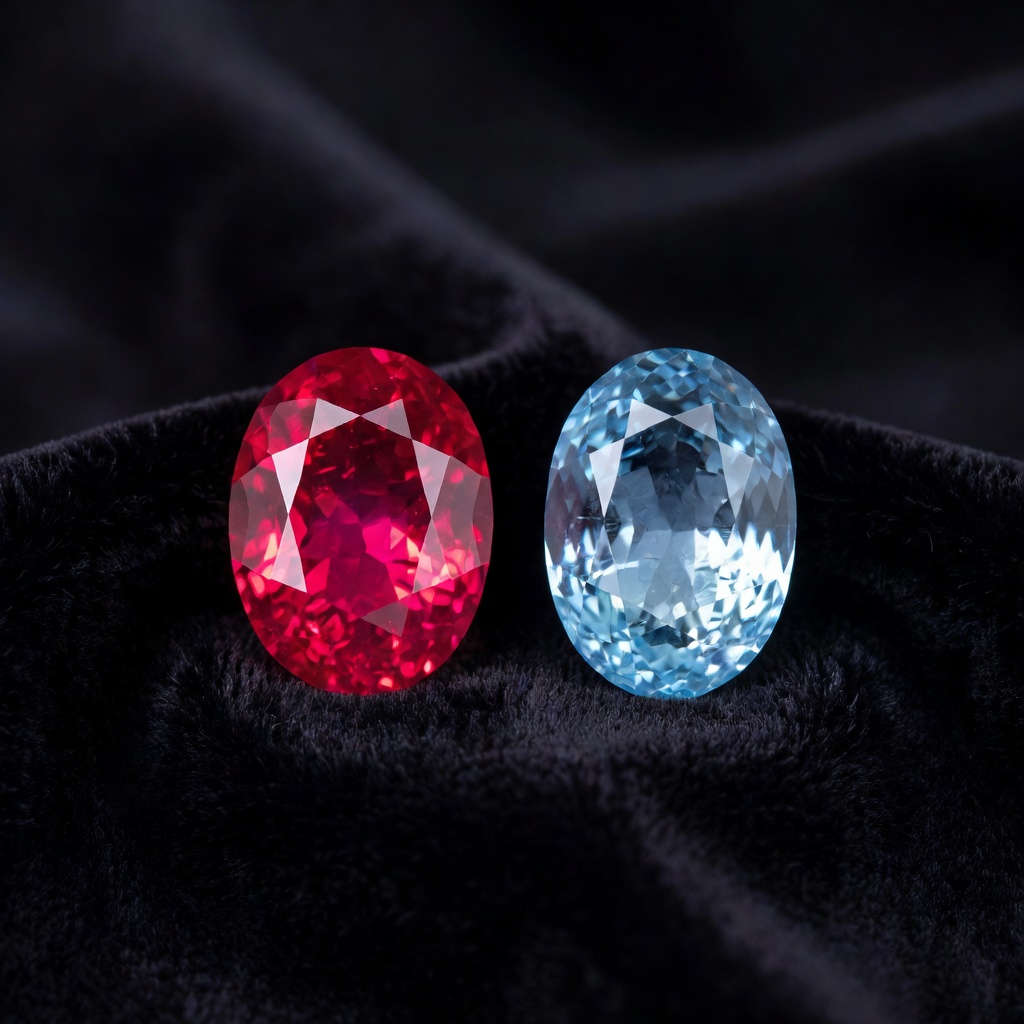
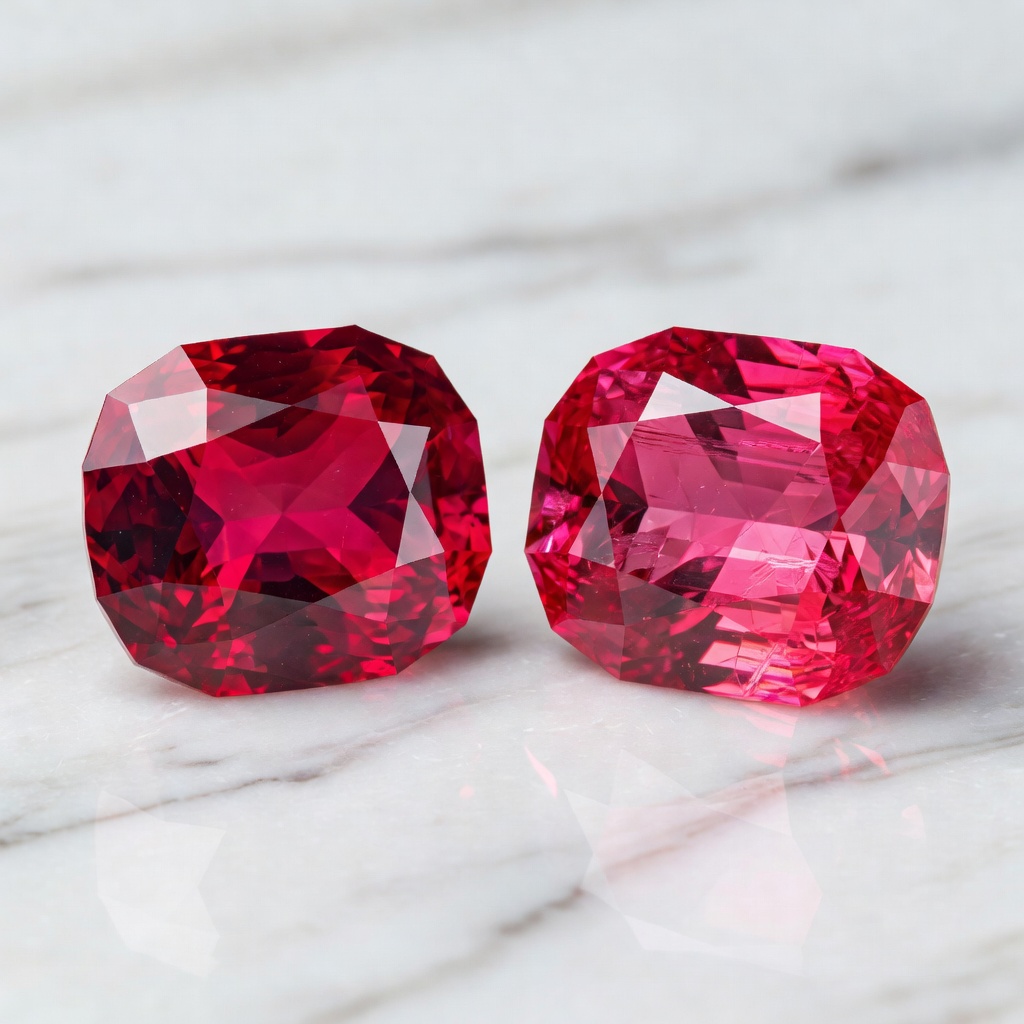
When selecting the perfect red gemstone for fine jewelry, collectors and enthusiasts frequently find themselves weighing the merits of ruby versus tourmaline. Both stones captivate with rich crimson hues that symbolize passion, power, and romance, yet they occupy distinctly different positions in the gemstone hierarchy. Ruby, historically revered as the "King of Gems," has adorned the crowns of monarchs and the fingers of Hollywood royalty for millennia, while tourmaline—specifically the red variety known as rubellite—offers a more accessible entry point into the world of precious red stones without sacrificing visual impact. The confusion between these two minerals is understandable, particularly when high-quality rubellite displays saturation levels that rival lower-grade rubies, creating a genuine dilemma for buyers seeking that coveted scarlet glow.
The distinction between ruby and red tourmaline extends far beyond mere aesthetic preferences, encompassing fundamental differences in chemical composition, durability, and long-term value retention. While both gemstones can appear remarkably similar to the untrained eye, particularly in certain lighting conditions, their performance characteristics diverge significantly when subjected to daily wear or investment scrutiny. Understanding these nuances enables buyers to make informed decisions that align with their lifestyle requirements, budget constraints, and aesthetic desires, ensuring that the chosen gemstone provides satisfaction for generations rather than becoming a source of regret.
Chemical Composition and Crystal Structure
The Corundum Foundation of Ruby
Ruby belongs to the corundum mineral family, chemically composed of aluminum oxide (Al₂O₃) that achieves its signature red color through the presence of chromium ions replacing aluminum in the crystal lattice. This substitution occurs during the metamorphic processes deep within the Earth's crust, where intense heat and pressure create the ideal conditions for corundum crystallization. The hexagonal (trigonal) crystal system of ruby produces barrel-shaped or pyramidal prisms that, when cut and polished, maximize light return through exceptional brilliance and fire. The concentration of chromium not only dictates the intensity of the red coloration but also contributes to ruby's characteristic fluorescence under ultraviolet light, a property that gemologists utilize for identification purposes.
Tourmaline's Complex Borosilicate Nature
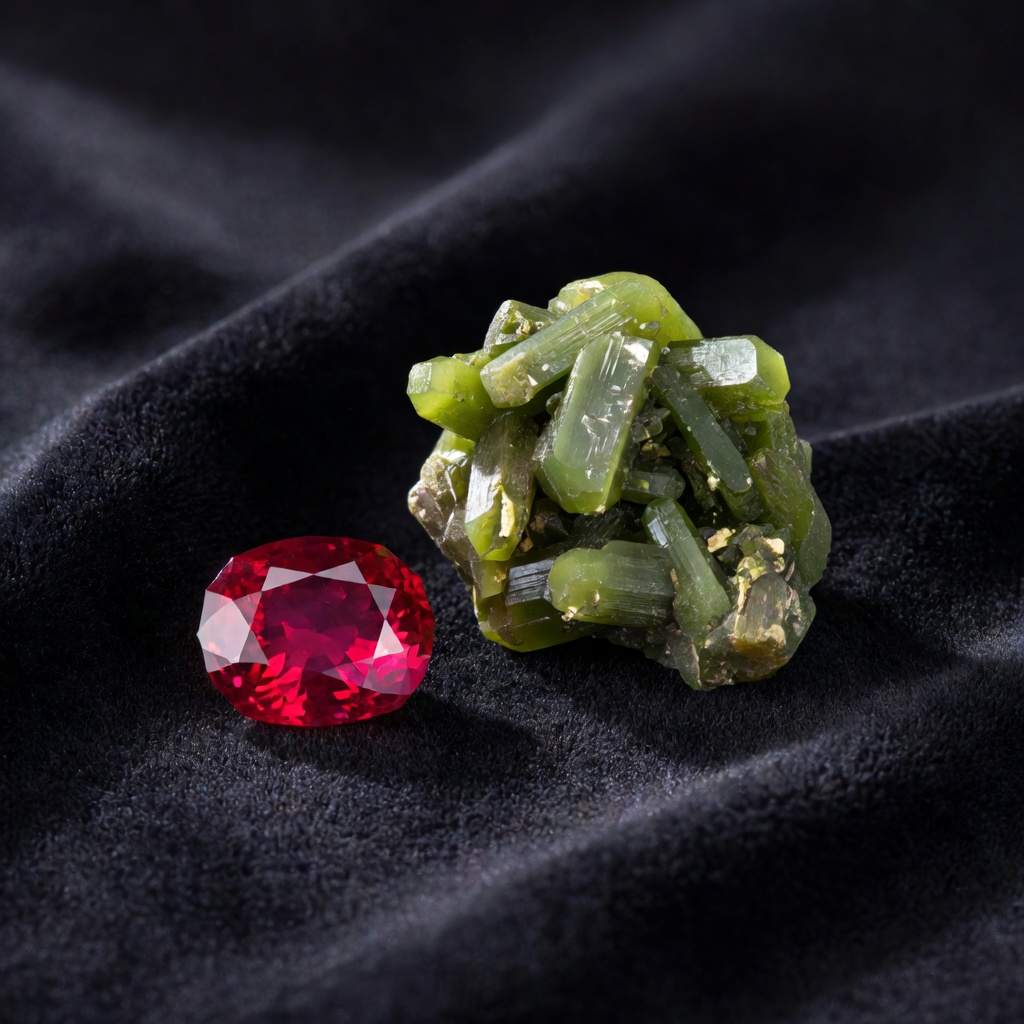
In stark contrast to ruby's relatively simple chemical formula, tourmaline represents one of the most chemically complex mineral groups in the gemstone world, classified as a borosilicate with the general formula XY₃Z₆(T₆O₁₈)(BO₃)₃V₃W, where various elements can occupy the X, Y, and Z positions. Red tourmaline, or rubellite, specifically derives its color from manganese and sometimes lithium within this complex structure, resulting in crystals that form in the hexagonal crystal system with distinctive triangular cross-sections and rounded crystal faces. This chemical complexity means that tourmaline crystals often contain numerous inclusions and growth tubes, creating unique internal landscapes that differ markedly from the silk inclusions commonly found in rubies. The formation of tourmaline occurs primarily in pegmatite deposits and metamorphic limestones, geological environments distinct from the marble-hosted deposits that typically yield fine rubies.
Color Variations and Quality Grading
The Prestige of Pigeon Blood Ruby
The pinnacle of ruby color evaluation centers on the coveted "pigeon blood" designation, a term historically describing the most vivid, saturated red stones exhibiting a slight blue undertone that enhances depth without diminishing intensity. Burmese rubies from the Mogok region traditionally set the standard for this color grade, displaying a fluorescent quality that makes the stone appear almost internally illuminated. Gemological laboratories assess ruby color based on three primary criteria: hue (the basic color), saturation (the intensity or purity of the color), and tone (the lightness or darkness), with the finest specimens maintaining a medium-dark tone with vivid saturation that avoids the pitfalls of appearing too brown, too pink, or too purple.
Rubellite's Color-Shifting Characteristics
Red tourmaline presents unique grading challenges due to its pronounced pleochroism, the optical phenomenon where the gemstone displays different colors when viewed from different angles—typically showing brownish-red, orange-red, or purplish-red depending on the crystal orientation. Unlike ruby, which maintains relatively consistent coloration under various lighting conditions, high-quality rubellite undergoes a noticeable color shift between daylight (appearing more pinkish or purplish-red) and incandescent lighting (deepening to a rich red). This chameleon-like quality necessitates careful cutting orientation to minimize the brownish tones often visible in the crystal's C-axis, with master cutters orienting the table perpendicular to the C-axis to maximize the desirable red face-up appearance.
Clarity and Saturation Standards
While ruby collectors historically accepted silk inclusions as evidence of natural origin and indicators of untreated status, modern markets increasingly demand eye-clean stones for high jewelry applications, with inclusions visible only under magnification commanding significant premiums. Tourmaline, conversely, typically contains more visible inclusions, including thread-like cavities filled with liquid or gas, and collectors generally show greater tolerance for these characteristics provided the color saturation remains strong. When evaluating saturation, rubies achieve maximum value at 80-90% saturation levels, whereas rubellite tourmalines with 70-80% saturation often provide the best balance of color intensity and affordability, particularly for stones exceeding three carats where ruby prices escalate exponentially.
Hardness, Durability, and Wearability
Mohs Scale Comparison and Daily Wear Implications
The practical differences between ruby and tourmaline become immediately apparent when examining their respective positions on the Mohs hardness scale, the standard measure of a mineral's resistance to scratching. Ruby ranks 9 on this scale, second only to diamond, granting it exceptional resistance to surface abrasion and making it suitable for daily wear in engagement rings, bracelets, and other high-contact jewelry pieces. Tourmaline, ranking 7 to 7.5, while certainly hard enough for jewelry use, requires more cautious handling as it can be scratched by harder materials including quartz dust commonly found in household environments, potentially dulling the polish over years of continuous wear.
Toughness and Resistance to Damage
Beyond hardness, toughness—the measure of a gemstone's resistance to breaking, chipping, or cracking—plays a crucial role in determining suitable applications for each stone. Ruby exhibits excellent toughness due to its lack of cleavage planes, meaning it lacks natural directions of weakness along which the crystal might split under impact, though heavily included stones or those with surface-reaching fractures require protective settings regardless. Tourmaline possesses moderate toughness but features poor cleavage in one direction, making it more susceptible to damage from sharp blows or extreme temperature changes, characteristics that jewelry designers must account for when creating settings for active wearers.
| Characteristic | Ruby (Corundum) | Red Tourmaline (Rubellite) |
|---|---|---|
| Chemical Composition | Aluminum Oxide (Al₂O₃) with Chromium | Complex Borosilicate with Manganese |
| Mohs Hardness | 9 | 7 - 7.5 |
| Crystal System | Trigonal (Hexagonal) | Trigonal (Hexagonal) |
| Refractive Index | 1.762 - 1.770 | 1.614 - 1.666 |
| Specific Gravity | 3.99 - 4.01 | 3.01 - 3.11 |
| Color Range | Red, Purplish-Red, Pinkish-Red | Pink-Red, Purplish-Red, Brownish-Red |
| Price Range (High Quality) | $5,000 - $100,000+ per carat | $500 - $2,000+ per carat |
| Best Jewelry Applications | Engagement rings, Daily wear pieces | Pendants, Earrings, Occasional wear rings |
| Ultraviolet Fluorescence | Strong red fluorescence | Weak to none |
| Care Requirements | Ultrasonic cleaning usually safe | Avoid ultrasonic, steam, and heat |
Origins, Mining, and Ethical Considerations
Geographic Sources of Fine Rubies
The geographic provenance of a ruby significantly influences both its market value and its color characteristics, with Myanmar (formerly Burma) maintaining its centuries-old reputation as the source of the world's most coveted stones from the Mogok and Mong Hsu regions. Thai rubies, primarily from the Chanthaburi and Trat provinces, typically exhibit darker, more garnet-like tones with higher iron content that suppresses fluorescence, while Mozambican rubies discovered in the Montepuez region have emerged as significant competitors to Burmese material, often displaying exceptional clarity and vivid red hues without the traditional premium associated with Burmese origins. Each mining locality imparts distinct trace element signatures detectable through advanced spectroscopic analysis, allowing laboratories to determine origin with increasing accuracy for disclosure and valuation purposes.
Tourmaline Deposits Across the Globe
Brazil dominates the tourmaline market, particularly the state of Minas Gerais, which produces the majority of the world's fine rubellite specimens from pegmatite mines like the famous Jonas and Cruzeiro mines. African deposits in Nigeria, Madagascar, and Mozambique yield significant quantities of red tourmaline, often with slightly different color profiles—Nigerian material frequently showing purer red tones while Madagascar produces stones with distinctive pinkish undertones. Afghan and Pakistani sources, particularly the Paprok mine in the Nuristan region, intermittently produce exceptional rubellite crystals with unique color zoning patterns that appeal to collectors seeking distinctive specimens rather than standardized commercial material.
Ethical Sourcing and Traceability
The ruby trade has faced intense scrutiny regarding ethical mining practices, particularly in Myanmar where military junta involvement in gemstone extraction has prompted sanctions and consumer boycotts from conscientious buyers, leading to increased demand for traceable Mozambican or Thai alternatives with documented chain-of-custody certification. Tourmaline mining generally involves fewer geopolitical concerns, though artisanal mining operations in Africa and South America require careful monitoring for fair labor practices and environmental impact mitigation. Leading jewelry houses now prioritize partnerships with mines offering fair wages, safe working conditions, and environmental restoration programs, with blockchain technology increasingly employed to provide consumers with immutable records of their gemstone's journey from mine to market.
Price, Rarity, and Investment Potential
Market Value Analysis per Carat
The financial disparity between fine rubies and red tourmalines reflects their relative rarity and market positioning, with untreated Burmese pigeon blood rubies commanding prices exceeding $10,000 per carat for stones over one carat, and exceptional specimens over five carats potentially reaching six figures per carat at auction. Heat-treated rubies from Mozambique or Thailand offer more accessible entry points, typically ranging from $1,000 to $5,000 per carat for high-quality material, while commercial-grade rubies with visible inclusions may sell for $100-$500 per carat. Premium rubellite tourmalines, by comparison, generally trade between $500 and $2,000 per carat for fine specimens, with only the rarest, largest, and most vividly colored stones approaching the lower price ranges of high-quality rubies, creating distinct market segments despite visual similarities.
Rarity Factors and Long-Term Investment
Investment-grade rubies represent genuine rarity in the gemstone world, with gem-quality crystals over three carats constituting less than 0.1% of global production, and untreated Burmese material becoming increasingly scarce as traditional mines approach exhaustion. This scarcity has driven consistent price appreciation, with top-tier rubies outperforming many traditional investments over the past two decades. Tourmaline, while certainly collectible, does not possess the same investment-grade rarity, as larger crystals are more commonly recovered and the market lacks the historical auction presence that establishes ruby as a portable store of wealth. However, exceptional rubellite specimens with unique color properties or provenance may appreciate steadily, particularly as consumer awareness of this alternative red gemstone increases among younger buyers seeking distinctive pieces outside the traditional ruby market.
Jewelry Design Applications and Settings
Metal Pairings and Color Enhancement
The interaction between metal settings and red gemstones creates distinct aesthetic outcomes that designers carefully consider when crafting pieces featuring either ruby or tourmaline. Yellow and rose gold settings complement rubies by enhancing their warmth and creating a cohesive, traditional appearance reminiscent of Victorian and Edwardian eras, while white gold or platinum settings provide contemporary contrast that makes the red appear more vivid through optical isolation. Red tourmaline benefits particularly from yellow gold settings, which help neutralize any purplish or pinkish undertones that might detract from the desired red appearance, whereas white metals can sometimes emphasize the color shifts that distinguish tourmaline from ruby, making the stone appear more pink than intended under certain lighting conditions.
Protective Settings for Softer Stones
Jewelry designers employ specific strategies to maximize the longevity of tourmaline given its softer nature and cleavage vulnerabilities, often selecting bezel settings or partial bezels that provide physical protection to the girdle and pavilion while still allowing light entry. For rings intended for daily wear, rubies tolerate prong settings exceptionally well, with six-prong arrangements securing the stone while minimizing metal coverage to showcase brilliance. Tourmaline rings designed for occasional wear might feature protective V-prongs at the corners or halo settings where diamond melee provides a buffer against direct impact, whereas earrings and pendants—experiencing less mechanical stress—allow for more delicate prong work or tension settings that showcase the tourmaline's unique pleochroic qualities.
Design Eras and Aesthetic Preferences
Historical jewelry periods reveal distinct preferences that inform contemporary design choices, with Art Deco pieces (1920s-1930s) frequently featuring Burmese rubies in geometric, architectural settings that emphasized the stone's prestige and association with luxury. Mid-century modern designs often incorporated tourmaline as a more affordable alternative that allowed for larger, bolder statement pieces without prohibitive costs, resulting in substantial cocktail rings and brooches that celebrated the stone's size rather than attempting to mimic ruby. Current trends show a resurgence of interest in tourmaline for alternative engagement rings among couples prioritizing uniqueness over traditional status symbols, while ruby maintains its dominance in high jewelry creations where historical significance and investment value complement aesthetic considerations.
Identification Methods and Authentication
Visual Inspection Techniques
Initial differentiation between ruby and red tourmaline relies on careful observation of optical characteristics visible to the trained naked eye or through basic magnification. Ruby typically displays silk inclusions—fine rutile needles arranged in intersecting patterns that create a soft, velvety appearance in fine stones, or distinct growth zoning visible under magnification. Tourmaline reveals its identity through thread-like liquid inclusions resembling tiny comets, growth tubes running parallel to the C-axis, and pronounced pleochroism visible when rotating the stone, which shows color variation from pinkish-red to brownish-red depending on viewing angle. Additionally, ruby exhibits strong red fluorescence under long-wave ultraviolet light, glowing brilliantly in darkened conditions, while rubellite shows weak to no reaction, providing a quick field test for preliminary identification.
Advanced Gemological Testing
Definitive identification requires precise measurement of optical properties using refractometers and specific gravity testing. Ruby possesses a higher refractive index (1.762-1.770) compared to tourmaline (1.614-1.666), resulting in greater brilliance and a more pronounced "life" when viewed under direct lighting, while tourmaline's birefringence (double refraction) creates a doubling of back facets visible under magnification that ruby lacks. Specific gravity testing provides conclusive separation, with ruby sinking faster in heavy liquids due to its density of 3.99-4.01 compared to tourmaline's 3.01-3.11. Spectroscopic analysis reveals chromium absorption lines in ruby versus manganese-dominated spectra in rubellite, allowing laboratories to issue definitive reports regarding species identification.
When to Seek Professional Certification
Given the significant price differential between these gemstones, professional certification from recognized laboratories such as GIA (Gemological Institute of America), AGL (American Gemological Laboratories), or SSEF (Swiss Gemmological Institute) becomes essential for purchases exceeding $1,000 or when origin claims affect valuation. Certification documents should specifically state whether the ruby has undergone heat treatment—a common and accepted practice that improves clarity and color—or if it remains unheated, significantly affecting value. For tourmaline, while treatments are less common, certification confirms the absence of artificial color enhancement through irradiation or the identification of composite stones assembled from multiple crystal sections, ensuring buyers understand exactly what they are acquiring.
Care, Cleaning, and Maintenance Requirements
Cleaning Protocols for Each Gemstone
Proper cleaning techniques vary significantly between these minerals due to their differing hardness and inclusion contents. Ruby generally tolerates ultrasonic cleaning devices and steam cleaners, provided the stone lacks significant fractures or has not been fracture-filled—a treatment sometimes applied to low-quality material that can be damaged by heat and vibration. Tourmaline requires gentler treatment: warm water with mild soap and a soft brush represents the safest cleaning method, as ultrasonic vibrations can exacerbate existing cleavage planes or loosen stones from their settings, while steam cleaning risks thermal shock that might cause internal fracturing. For both stones, avoiding exposure to harsh chemicals, including chlorine bleach and hydrofluoric acid found in some cleaning products, prevents surface etching or degradation of polish.
Storage and Protection Strategies
Storage practices should account for the hardness differential between these gemstones to prevent accidental damage. Ruby should be stored separately from other jewelry or wrapped in soft cloth to prevent it from scratching softer stones including tourmaline, gold, and silver. Tourmaline pieces require individual soft pouches or compartmentalized jewelry boxes that prevent contact with harder materials including ruby, sapphire, diamond, and even dust particles that might accumulate and cause abrasion over time. When traveling, both stones benefit from rigid, padded containers that prevent movement and impact, though tourmaline particularly requires cushioning to protect against the sharp blows that might induce cleavage failure.
Professional Maintenance Schedules
Heirloom jewelry featuring either gemstone benefits from annual professional inspections by qualified jewelers who can check for loose prongs, worn settings, and signs of impact damage before stones become lost or further damaged. For ruby engagement rings subjected to daily wear, biannual prong tightening and deep cleaning maintain both security and brilliance, while tourmaline pieces worn less frequently might require only yearly assessment unless visible damage appears. Professional repolishing services can restore luster to abraded facet junctions on tourmaline, though this process removes minimal material and should be undertaken only when necessary, whereas ruby's superior hardness typically maintains polish for decades with proper care.
Making Your Final Decision: Which Gemstone Is Right for You?
Budget Optimization and Value Considerations
Selecting between ruby and tourmaline requires honest assessment of financial parameters alongside aesthetic desires, as both stones offer compelling value propositions at different price points. Buyers with budgets under $2,000 per carat will find significantly larger, cleaner tourmalines available compared to rubies, which at this price point typically show visible inclusions or require smaller carat weights to maintain quality. Those viewing their purchase as a long-term investment or family heirloom might prioritize ruby despite higher initial costs, recognizing that fine untreated rubies appreciate more reliably and carry greater prestige for future generations. Alternatively, allocating savings from choosing tourmaline toward superior metalwork or complementary accent stones can create a more impressive overall piece than compromising on ruby quality to meet budget constraints.
Lifestyle Compatibility Assessment
Practical lifestyle factors should heavily influence this decision, particularly regarding the intended wear frequency and the wearer's daily activities. Active individuals, healthcare professionals, or those working with their hands benefit from ruby's superior durability in engagement rings or daily-wear bands, as the stone resists the scratching and chipping inevitable in high-contact professions. Tourmaline suits collectors who appreciate variety and change, those seeking statement pieces for special occasions rather than daily wear, or individuals working in environments where gemstone contact with hard surfaces remains minimal. Consider also the emotional significance: those seeking traditional symbols of eternal love and royal heritage gravitate naturally toward ruby, while free spirits valuing individuality and creative expression often find tourmaline's unique optical properties more aligned with personal identity.
Personal Style and Symbolic Meaning
Beyond practical considerations, the choice between these red gemstones ultimately reflects personal aesthetic philosophy and the symbolic narrative one wishes their jewelry to convey. Ruby carries millennia of accumulated meaning—representing passion, protection, and prosperity across countless cultures—making it ideal for those who value historical continuity and traditional luxury signifiers. Tourmaline offers a more contemporary, eclectic story, associated with artistic inspiration, emotional healing, and humanitarian love, appealing to wearers who position themselves as forward-thinking and distinctive. When possible, examining both stones side-by-side under various lighting conditions provides the definitive test: some individuals find themselves irresistibly drawn to ruby's depth and fluorescence, while others prefer tourmaline's complex color shifts and larger attainable sizes, confirming that the "right" choice is ultimately the one that resonates most profoundly with the individual wearer.
Frequently Asked Questions About Ruby vs Tourmaline
Which is more valuable, ruby or tourmaline?
Natural rubies, especially Burmese pigeon blood specimens, are significantly more valuable than tourmalines. High-quality rubies can command prices exceeding $10,000 per carat, while even premium rubellite tourmalines typically range from $500-$2,000 per carat depending on size and clarity.
Can red tourmaline look exactly like ruby?
While high-quality rubellite (red tourmaline) can closely resemble ruby in color, trained gemologists can distinguish them by optical properties. Rubellite often shows more purple or pink undertones and exhibits pleochroism (color changes when viewed from different angles), whereas ruby maintains a pure red or slightly purplish-red consistently.
Is red tourmaline the same as ruby?
No, they are completely different minerals. Ruby is corundum (aluminum oxide) and ranks 9 on the Mohs hardness scale, while red tourmaline (rubellite) is a complex borosilicate mineral ranking 7-7.5. They differ in chemical composition, crystal structure, hardness, and optical properties.
Which is better for an engagement ring, ruby or tourmaline?
Ruby is generally better suited for daily-wear engagement rings due to its superior hardness (9 vs 7-7.5) and excellent toughness. Tourmaline requires more protective settings and careful wear to prevent scratching or chipping over decades of daily use.
How can I tell ruby from tourmaline at home?
Simple observations include checking for inclusions (rubies often show silk inclusions, tourmalines show tube-like inclusions), testing reaction to UV light (ruby fluoresces red), and observing color consistency (tourmaline shows pleochroism). However, definitive identification requires a gemologist's refractive index testing.
Does rubellite tourmaline have the same meaning as ruby?
While both are associated with love and passion, ruby traditionally symbolizes nobility, purity, and passion, and is considered the 'King of Gems.' Tourmaline represents creativity, inspiration, and humanitarian love. Ruby carries stronger historical prestige, while tourmaline offers unique individuality.
Which gemstone is rarer, ruby or red tourmaline?
Fine-quality rubies are significantly rarer than red tourmalines. Gem-quality rubies over 5 carats are extremely rare and command premium prices, whereas larger red tourmaline crystals are more commonly found, though high-color specimens with minimal inclusions remain uncommon.