Introduction: Understanding These Distinctive Gemstones
When exploring the fascinating world of colored gemstones, the comparison between Ruby and Tiger's Eye presents a compelling study in contrasts that appeals to vastly different sensibilities and budgets. Ruby, a precious red corundum gemstone, has captivated royalty and collectors for millennia with its intense pigeon blood red hues and exceptional rarity, serving as the celebrated July birthstone and symbolizing passionate devotion across cultures. In stark contrast, Tiger's Eye emerges as a mesmerizing chatoyant quartz variety that captivates with its distinctive silky luster and moving bands of golden-brown color, offering an accessible entry point into gemstone collecting without compromising visual impact. Understanding the nuanced differences between these stones helps jewelry enthusiasts make informed decisions based on lifestyle requirements, aesthetic preferences, and investment goals, whether seeking the timeless elegance of precious gems or the earthy sophistication of semi-precious alternatives.
Physical Characteristics and Visual Distinction
The Allure of Red Corundum Gemstone
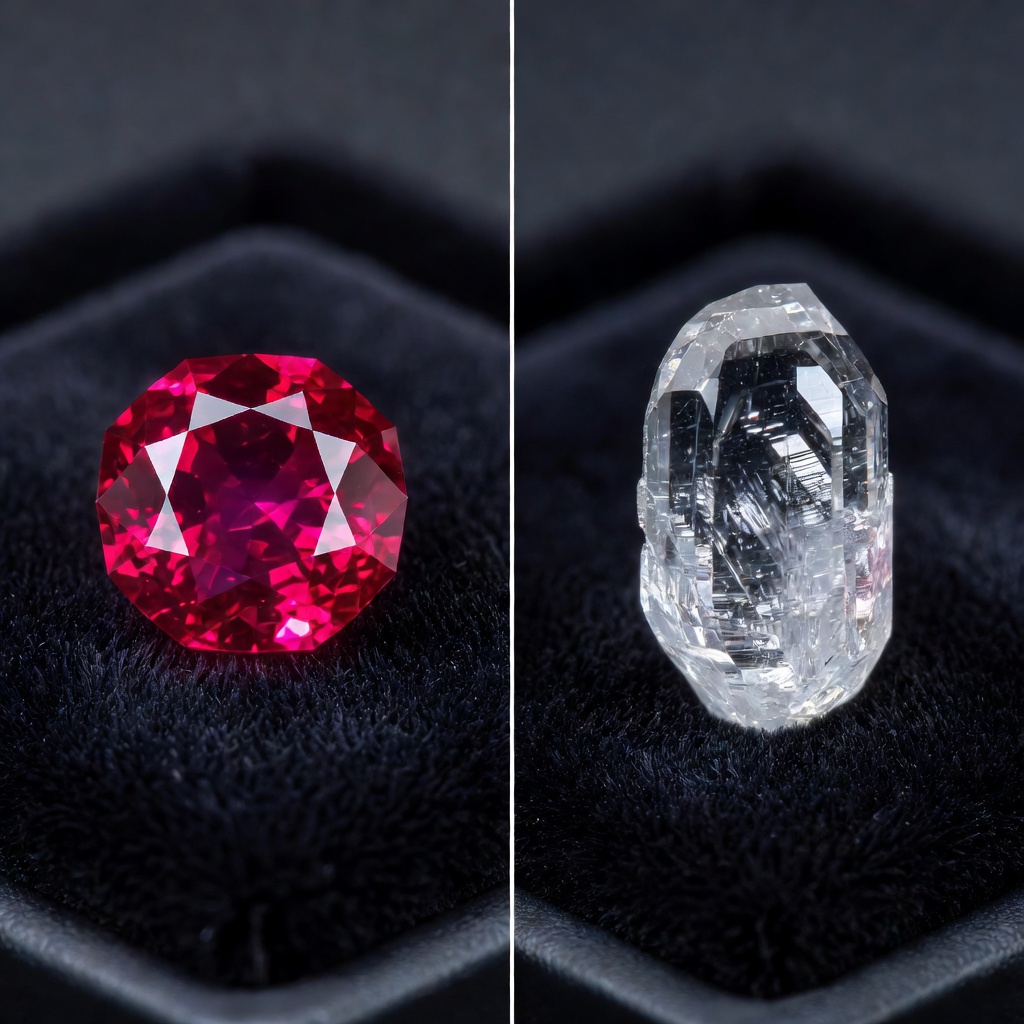
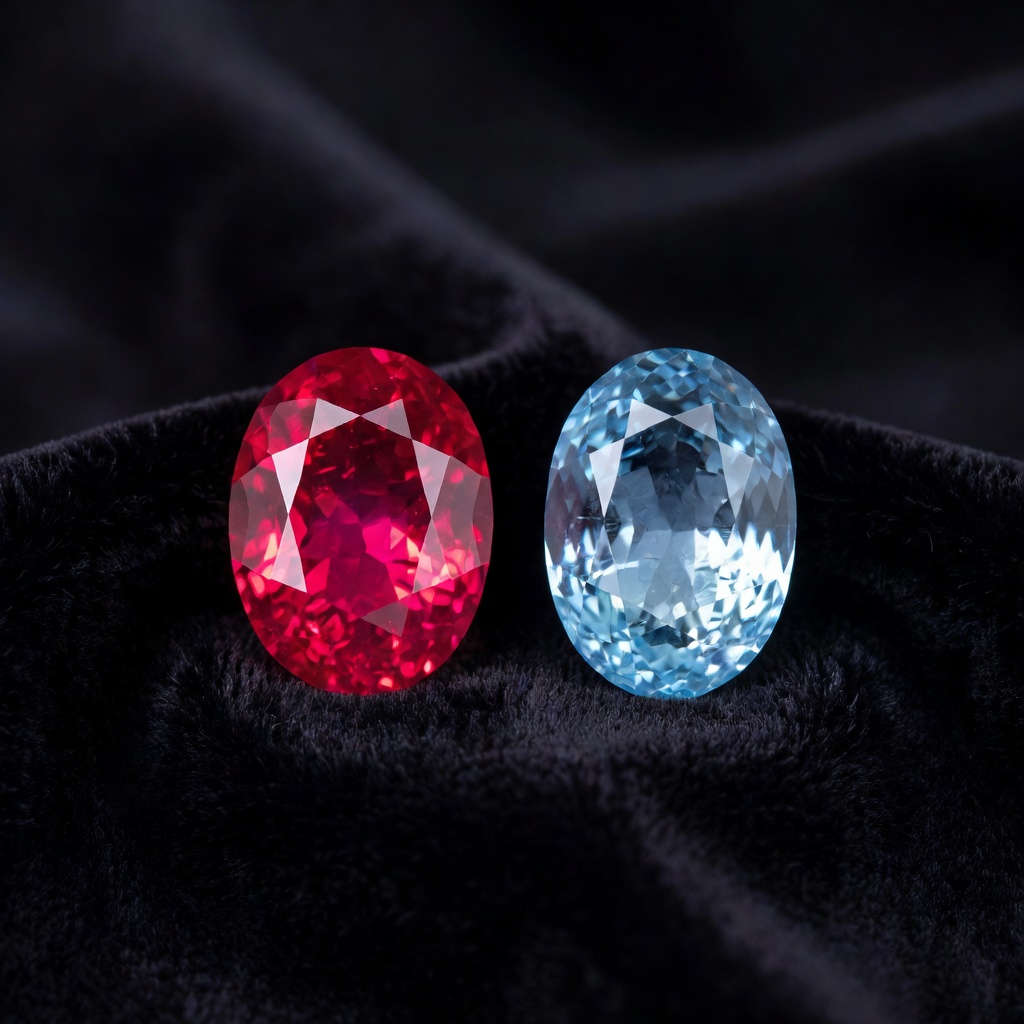
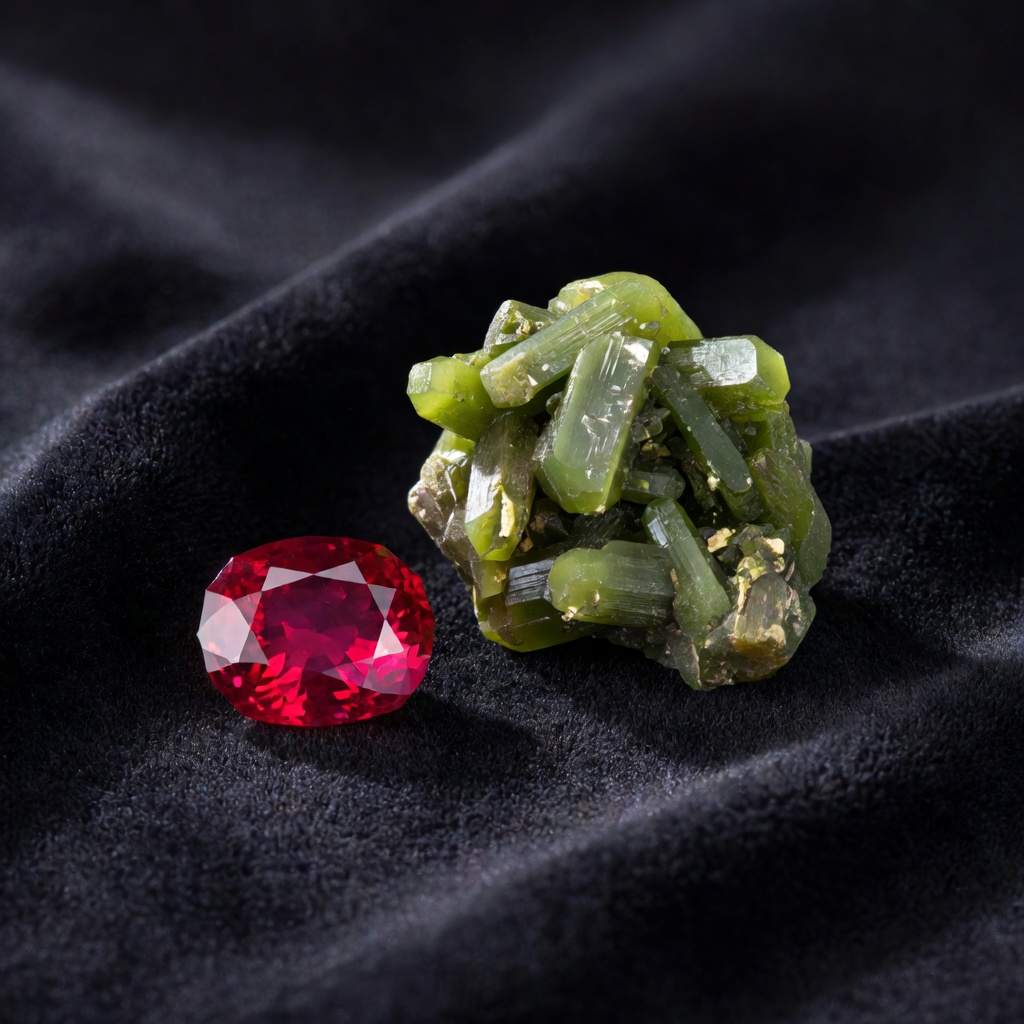
Ruby represents the pinnacle of red gemstones, displaying a color spectrum that ranges from the highly coveted pigeon blood red to softer pinkish-red hues that still maintain the stone's characteristic intensity. As a variety of corundum, Ruby owes its vivid coloration to chromium impurities within its aluminum oxide crystal structure, with the finest specimens exhibiting a fluorescence that appears to glow from within under natural daylight. High-quality Rubies typically demonstrate excellent transparency, though natural inclusions such as rutile needles—often called silk—can actually enhance value when they create asterism (the star effect) rather than detracting from clarity. When selecting Ruby jewelry, examine the stone under various lighting conditions, as true high-grade red corundum gemstone will maintain its saturated color without appearing too dark or brownish, unlike lower-quality specimens that may appear muddy or opaque.
The Chatoyancy Effect of Tiger's Eye
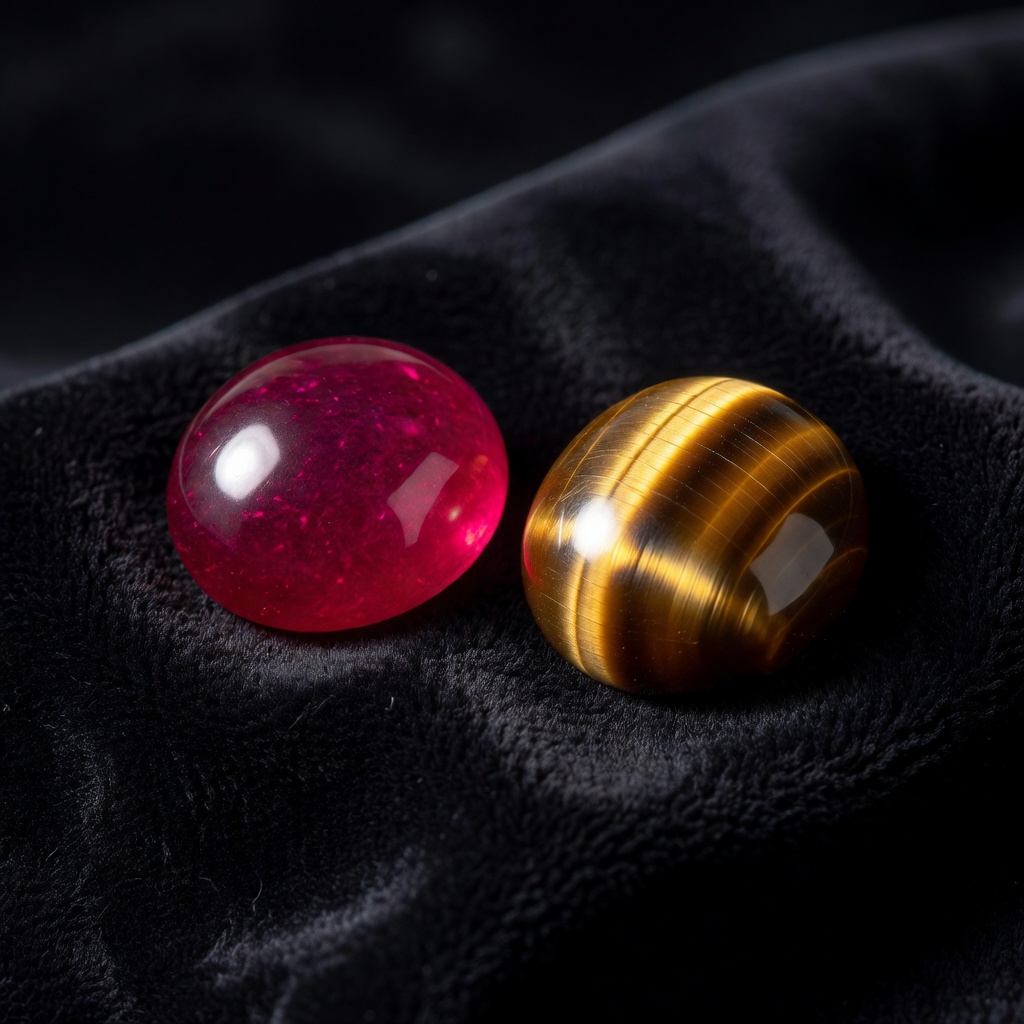
Tiger's Eye distinguishes itself immediately through its remarkable chatoyancy effect, an optical phenomenon where fibrous inclusions create a single moving band of light that resembles the slit pupil of a feline eye when the stone is rotated. This silky, lustrous appearance results from the parallel arrangement of altered amphibole fibers that have been replaced by silica and iron oxide during the stone's formation, creating layers that reflect light in a distinctive banded pattern. Unlike Ruby's transparent to translucent nature, Tiger's Eye typically presents as opaque with rich golden-brown to reddish-brown base colors, occasionally displaying blue Hawk's Eye or red variations depending on oxidation states during formation. Jewelry designers often cabochon cut Tiger's Eye to maximize this chatoyant display, ensuring the dome-shaped surface captures and reflects light optimally from any viewing angle.
Crystal Structure and Composition Differences
Examining these stones at the molecular level reveals fundamental differences that influence their durability, appearance, and value in the marketplace. Ruby crystallizes in the hexagonal system, forming trigonal crystals that can grow quite large under ideal geological conditions, with its corundum structure providing exceptional hardness and chemical stability that resists weathering and erosion. Tiger's Eye, conversely, belongs to the trigonal crystal system as a macrocrystalline quartz, yet its unique pseudomorph structure means it retains the fibrous texture of its original crocidolite (blue asbestos) host material even after silica replacement occurs. These structural distinctions explain why Ruby can accept brilliant faceting with sharp, precise edges that maintain their polish indefinitely, while Tiger's Eye requires domed cabochon cuts to showcase its optical effects and protect its relatively softer surface from abrasion.
Hardness, Durability and Everyday Wearability
Gemstone Hardness Comparison on the Mohs Scale
Understanding the Mohs scale of mineral hardness proves essential when selecting jewelry intended for daily wear, as this measurement directly correlates with a stone's resistance to scratching and surface damage. Ruby ranks impressively at 9 on the Mohs scale, making it second only to diamond in hardness and exceptionally resistant to scratches from dust particles, metal contacts, and everyday impacts that might damage lesser stones. Tiger's Eye occupies the 6.5 to 7 range on the Mohs scale, which, while sufficiently hard for jewelry use, renders it susceptible to scratching from harder materials including quartz dust, steel files, and even prolonged contact with other gemstones stored improperly. For active individuals or those seeking engagement rings that withstand decades of continuous wear, this gemstone hardness comparison clearly favors Ruby as the superior choice for high-impact jewelry pieces.
Toughness and Fracture Resistance Factors
While hardness measures scratch resistance, toughness—the ability to resist breaking, chipping, or cracking—depends on a mineral's internal structure and cleavage planes, creating different durability profiles for these two stones. Ruby possesses no cleavage planes, meaning it does not have natural lines of weakness along which it might split, though it can fracture conchoidally under severe impact; high-quality specimens with minimal inclusions demonstrate excellent toughness suitable for rings and bracelets subjected to daily knocks. Tiger's Eye, despite its lower hardness, actually exhibits good toughness due to its fibrous, interlocking microstructure that resembles asbestos fibers bound within silica, making it resistant to shattering even when dropped, though its surface remains vulnerable to scratches and abrasions. When setting Tiger's Eye in rings, jewelers often recommend protective bezel settings rather than prong settings to shield the stone's surface from direct contact with hard surfaces during daily activities.
Suitability Assessment for Different Jewelry Types
Selecting the appropriate stone for specific jewelry applications requires balancing aesthetic preferences with practical durability considerations based on how the piece will be worn. Ruby excels in engagement rings, wedding bands, and tennis bracelets that experience constant exposure to potential impacts, maintaining their polish and structural integrity through decades of daily wear without requiring special precautions beyond normal jewelry care. Tiger's Eye performs admirably in pendants, earrings, and brooches that receive less physical contact, though it can serve in rings and bracelets for individuals with desk-based lifestyles who rarely engage in manual labor or sports while wearing jewelry. For men's jewelry, Tiger's Eye offers particular appeal in cufflinks and tie tacks where its earthy aesthetics complement business attire while avoiding the high replacement costs associated with damaged precious stones.
| Characteristic | Ruby | Tiger's Eye |
|---|---|---|
| Chemical Composition | Aluminum Oxide (Al₂O₃) with Chromium | Silicon Dioxide (SiO₂) - Pseudomorphous Quartz |
| Mohs Hardness | 9 (Excellent) | 6.5 - 7 (Good) |
| Color Range | Pigeon Blood Red to Pinkish-Red | Golden-Brown to Reddish-Brown |
| Crystal System | Hexagonal (Trigonal) | Trigonal |
| Optical Effect | Transparency with Possible Asterism | Chatoyancy (Cat's Eye Effect) |
| Price per Carat | $100 - $15,000+ (depending on quality) | $1 - $10 (generally affordable) |
| Classification | Precious Gemstone | Semi-Precious Gemstone |
| Best Jewelry Applications | Engagement Rings, Daily Wear Pieces | Pendants, Statement Rings, Cufflinks |
| Primary Chakra Association | Root Chakra (Muladhara) | Solar Plexus Chakra (Manipura) |
Geological Origins and Formation Processes
Ruby Formation in Extreme Environments
The creation of natural Ruby requires specific geological conditions that occur rarely in Earth's crust, contributing significantly to the stone's status as one of the four precious gemstones alongside diamond, emerald, and sapphire. Most commercial Rubies form within metamorphic marble deposits when aluminum-rich rocks undergo intense heat and pressure while interacting with chromium-bearing fluids, a process that typically occurs at depths of 5 to 25 kilometers where temperatures exceed 800 degrees Celsius. Secondary deposits in basalt environments, such as those found in Thailand and Cambodia, produce Rubies with higher iron content that typically appear darker and less fluorescent than their marble-hosted counterparts from Myanmar or Afghanistan. Gemologists can often determine a Ruby's geographic origin through trace element analysis, as Burmese stones typically contain higher chromium and lower iron levels compared to African specimens from Mozambique or Madagascar, creating distinct color profiles that influence market valuations.
The Pseudomorph Transformation of Tiger's Eye
Tiger's Eye represents a fascinating geological phenomenon known as pseudomorphism, where one mineral replaces another while retaining the original mineral's external crystal form and fibrous structure. The process begins with blue asbestos (crocidolite) fibers that become embedded in silica-rich solutions deep within the earth; over millions of years, iron oxide from the weathering of surrounding rocks infiltrates these fibers, oxidizing them from blue to golden-brown while silica gradually replaces the asbestos composition entirely. This transformation preserves the parallel fiber alignment necessary for chatoyancy while eliminating the hazardous asbestos content, creating a stone that displays the visual characteristics of its dangerous predecessor while being safe for jewelry use. Major deposits occur within South African iron formations and Australian banded ironstone belts, where ancient geological conditions facilitated this complete mineral replacement on a commercial scale.
Primary Mining Locations and Ethical Considerations
Modern Ruby mining concentrates in specific geographic regions that have supplied royal courts and jewelry markets for centuries, with Myanmar's Mogok Stone Tract historically producing the finest pigeon blood specimens prized by gem connoisseurs worldwide. Contemporary production has shifted significantly toward Mozambique's Montepuez mines and Madagascar deposits, which now supply the majority of commercial-quality stones while Burmese Rubies face trade restrictions in many markets due to political concerns. Tiger's Eye mining operates primarily in South Africa's Northern Cape Province and Western Australian regions, where open-pit mining techniques extract the stone from banded iron formations with relatively low environmental impact compared to precious gemstone mining. When purchasing either stone, consumers should request documentation regarding ethical sourcing practices, as Ruby mining in particular has faced scrutiny regarding labor practices and environmental degradation in certain regions, while Tiger's Eye generally presents fewer ethical sourcing concerns due to its abundance and industrial mining methods.
Metaphysical Properties and Symbolic Meanings
Ruby: The Stone of Passion and Vitality
Throughout history, Ruby has maintained associations with passion, vitality, and courageous leadership that transcend cultural boundaries, appearing in the breastplates of ancient Hebrew high priests and the armor of Burmese warriors who believed the stone rendered them invincible in battle. Crystal healing properties attributed to Ruby focus primarily on stimulating the Root Chakra, grounding spiritual energy into physical action while enhancing life force, sexual vitality, and the courage to pursue one's deepest desires without fear or hesitation. The July birthstone carries particular significance for those born under summer skies, traditionally believed to amplify energy levels, improve circulation, and protect against negative intentions or psychic attacks through its intense red vibration. Meditators often place Ruby at the base of the spine during root chakra work, reporting enhanced feelings of safety, stability, and physical vitality, while business leaders historically carried the stone to enhance decision-making confidence and maintain energy during challenging negotiations.
Tiger's Eye: Confidence and Mental Clarity
Tiger's Eye resonates with solar plexus energy, serving as a powerful ally for those seeking enhanced confidence, mental clarity, and the practical grounding necessary to transform ambitious ideas into tangible reality. Unlike Ruby's stimulating fire energy, this chatoyant quartz offers protective, balancing vibrations that help integrate spiritual insights with physical world actions, making it particularly valuable for entrepreneurs, students, and anyone facing important decisions requiring both intuition and logic. Crystal practitioners recommend Tiger's Eye for enhancing willpower, self-confidence, and the ability to recognize one's internal resources, often suggesting the stone for public speakers or performers who need to project authority while remaining grounded and authentic. The stone's historical use extends to Roman soldiers who wore Tiger's Eye into battle for protection and clear sight during conflict, while Eastern traditions associate it with the bold, courageous energy of the tiger itself.
Historical Lore and Cultural Significance
Ancient civilizations developed elaborate mythologies surrounding both stones that continue influencing their symbolic meanings in contemporary crystal healing practices and jewelry design choices. Hindu texts referred to Ruby as "ratnaraj" or the king of precious stones, believing that offering Rubies to the god Krishna ensured rebirth as an emperor, while European medieval royalty wore the stone to secure health, wealth, wisdom, and success in love affairs. Tiger's Eye maintained equally powerful associations in African traditions, where the stone was used in shamanic rituals to provide insight during spiritual journeys, and in ancient Egypt, where it was incorporated into the eyes of deity statues to represent divine vision and protection. Understanding these deep cultural roots helps modern collectors appreciate why Ruby remains the traditional choice for 40th wedding anniversary gifts symbolizing enduring passion, while Tiger's Eye serves as a meaningful graduation or career-change gift representing the courage to embrace new challenges.
Jewelry Applications and Design Versatility
Ruby in Fine Jewelry and Royal Settings
Ruby's status as a precious gemstone establishes it firmly within the realm of fine jewelry, where it commands center stage in engagement rings, coronation regalia, and high-fashion statement pieces designed for red carpet appearances and formal occasions. The stone's exceptional hardness allows jewelers to employ intricate faceting styles including the traditional oval and cushion cuts that maximize color saturation, or the calibré cuts used in Art Deco designs where multiple stones fit together creating continuous rivers of red. Royal collections worldwide feature prominent Rubies, from the Burmese Ruby tiara owned by Queen Elizabeth II to Elizabeth Taylor's legendary ruby and diamond necklace by Cartier, establishing the stone as the ultimate expression of luxury and romantic commitment. When designing with Ruby, master jewelers typically pair the stone with platinum or high-karat yellow gold settings; platinum enhances the stone's cool, bluish-red tones while yellow gold warms the overall appearance and complements stones with slightly orange undertones.
Tiger's Eye in Contemporary and Men's Jewelry
Tiger's Eye has experienced a significant renaissance in contemporary jewelry design, particularly within bohemian, artisan, and men's collections where its organic appearance and affordable price point allow for bold, substantial pieces without prohibitive costs. Designers frequently incorporate Tiger's Eye into statement rings featuring heavy silver or bronze settings, leather cord necklaces with large focal beads, and cuff bracelets that showcase the stone's chatoyant bands across wide surfaces. The stone's earthy palette pairs exceptionally well with sterling silver, oxidized metals, and copper accents that enhance its natural warmth, while modern minimalist designers use faceted Tiger's Eye beads in geometric arrangements that contrast the stone's organic origins with contemporary architectural aesthetics. For men's jewelry specifically, Tiger's Eye offers a sophisticated alternative to traditional diamonds or onyx, providing visual interest through its shifting light effects while maintaining a masculine, grounded aesthetic suitable for both casual and business environments.
Metal Pairing and Setting Recommendations
Selecting appropriate metals and settings for these stones requires understanding how different materials interact with each stone's color properties and durability requirements. Ruby achieves maximum visual impact when set in 18k yellow gold, which amplifies the stone's warmth and creates a classic, regal appearance, though platinum and white gold settings provide contemporary contrast that makes vivid red stones appear even more saturated by comparison. Tiger's Eye benefits from warmer metal tones including yellow gold, rose gold, copper, and bronze, which harmonize with the stone's golden-brown base colors, though sterling silver offers an excellent affordable option that highlights the contrast between cool metal and warm stone. From a practical standpoint, Ruby's durability accommodates delicate prong settings that maximize light exposure, while Tiger's Eye requires protective bezel or flush settings that shield the softer stone's surface from scratches while securely holding the typically cabochon-cut gem in place.
Price, Value and Investment Considerations
Understanding Precious vs Semi-Precious Stones Classification
The distinction between precious and semi-precious stones reflects historical rarity and market values rather than inherent beauty, placing Ruby firmly in the precious category alongside diamond, emerald, and sapphire due to its exceptional hardness, rarity, and centuries of royal associations. This classification significantly impacts pricing structures, with natural Rubies commanding anywhere from several hundred dollars per carat for commercial quality heated stones to tens of thousands per carat for untreated, vividly saturated pigeon blood specimens from renowned localities like Myanmar's Mogok mines. Tiger's Eye, classified as semi-precious due to its relative abundance and the widespread availability of high-quality material, maintains accessible price points typically ranging from one to ten dollars per carat, making it an excellent choice for fashion jewelry and entry-level collections. Understanding these market distinctions helps collectors allocate budgets appropriately, recognizing that while both stones offer beauty, only Ruby traditionally serves as a store of value or investment vehicle within the gemstone market.
Price Per Carat Analysis and Quality Factors
Ruby pricing follows a non-linear scale where quality increases exponentially affect value, with untreated stones over five carats representing extreme rarities that may command prices exceeding $100,000 per carat for exceptional specimens. The "four Cs" of colored stones—color, clarity, cut, and carat weight—apply particularly stringently to Ruby, where the presence of the coveted pigeon blood red color without brown or orange modifiers can increase value tenfold compared to slightly darker or lighter stones of similar size. Tiger's Eye pricing remains remarkably stable regardless of size, with value determined primarily by the strength and sharpness of the chatoyant band rather than carat weight, meaning a fifty-carat cabochon might cost only slightly more than a ten-carat stone of similar quality. For budget-conscious buyers seeking large, impressive center stones, Tiger's Eye provides the opportunity to wear substantial jewelry pieces without the five-figure investments required for similarly sized Rubies, though these pieces should be viewed as fashion accessories rather than financial investments.
Long-Term Value Retention and Heirloom Potential
High-quality Rubies possess proven track records as investment vehicles and family heirlooms, with documented auction records showing consistent appreciation for fine, untreated specimens over decades, particularly as Myanmar mines deplete and African sources face production challenges. Historical sales at Christie's and Sotheby's demonstrate that important Rubies often outperform gold and stock markets during inflationary periods, with the record-setting "Sunrise Ruby" selling for over $30 million in 2015, establishing the stone's status as a legitimate alternative investment asset. Tiger's Eye, while lacking investment appreciation potential, offers sentimental value as heirloom jewelry when set in well-crafted, artistic designs that emphasize the stone's natural beauty, though collectors should recognize that these pieces typically depreciate like fashion jewelry rather than appreciating like precious gems. When building a jewelry collection with intergenerational transfer in mind, prioritize Ruby for pieces intended as stores of wealth, while selecting Tiger's Eye for personal enjoyment pieces where the focus remains on aesthetic pleasure rather than asset preservation.
Care, Cleaning and Maintenance Requirements
Safe Cleaning Methods for Both Stones
Maintaining the brilliance of both Ruby and Tiger's Eye requires understanding their different tolerances to cleaning methods, heat, and chemical exposure that could potentially damage their surfaces or structural integrity. For routine cleaning, both stones respond well to warm water mixed with mild dish soap and a soft-bristled brush, gently scrubbing away accumulated oils and dirt from setting crevices without risking mechanical damage to the gems themselves. Ruby's exceptional hardness allows for more aggressive cleaning methods including steam cleaning and ultrasonic baths when the stone is untreated and free of significant inclusions, though filled or heavily included stones should avoid these methods to prevent damage to fracture-filling materials. Tiger's Eye requires more delicate handling; never subject this chatoyant quartz to ultrasonic cleaners or steam cleaning, as the heat and vibrations can loosen the fibrous structure or cause internal stress fractures that diminish the stone's chatoyancy and overall stability.
Storage Recommendations and Scratch Prevention
Proper storage practices prevent the accidental damage that occurs when harder stones scratch softer ones, a particularly important consideration given Ruby's position near the top of the Mohs hardness scale. Always store Ruby pieces separately from other jewelry, ideally in individual soft cloth pouches or compartmentalized boxes, as its hardness of 9 can easily scratch gold, silver, and virtually every other gemstone including diamonds if stored carelessly together. Tiger's Eye, while softer than Ruby, still exceeds the hardness of common jewelry metals and many organic gems, requiring its own protective storage to prevent surface scratches from harder materials like topaz, sapphire, and certainly Ruby itself. For travel, consider investing in hard-sided jewelry cases with padded interiors, and never toss loose Tiger's Eye beads or cabochons into cosmetic bags where they might contact keys, metal zippers, or other abrasive items that could mar the distinctive chatoyant surface.
Professional Maintenance and Treatments to Avoid
Regular professional inspection ensures that settings remain secure and stones maintain their optimal appearance, with different maintenance schedules recommended based on how frequently each piece is worn. Ruby jewelry worn daily, such as engagement rings, should undergo professional cleaning and prong inspection every six months to ensure the stone remains secure and free of accumulated grime that diminishes brilliance. Tiger's Eye pieces require less frequent professional intervention, though settings should be checked annually to ensure bezels remain tight around the cabochon, particularly for rings that experience regular impact. Be aware that many commercial Rubies undergo heat treatment to improve color and clarity, a stable and accepted practice that should be disclosed at purchase, while fracture-filled Rubies require extra caution as these treatments can be damaged by heat, ultrasonic cleaning, or exposure to harsh chemicals including chlorine and acids found in some household cleaners.
Final Verdict: Choosing Your Perfect Stone
Decision Matrix Based on Budget and Usage
Selecting between Ruby and Tiger's Eye ultimately requires honest assessment of budget constraints, intended usage patterns, and long-term ownership goals that extend beyond initial aesthetic appeal. If budget allows and the piece will see daily wear—such as an engagement ring or wedding band—Ruby's superior hardness, timeless prestige, and investment value justify the significant cost differential despite requiring careful budgeting or selection of smaller stones. For fashion jewelry, occasional wear pieces, or gifts where budget limitations prevent precious gemstone purchase, Tiger's Eye offers extraordinary visual impact and metaphysical properties at price points accessible to virtually every collector, allowing for larger, more dramatic designs without financial strain. Consider creating a mixed collection where Ruby serves as the cornerstone investment piece for special occasions while Tiger's Eye provides versatile, worry-free options for daily fashion expression and crystal healing work.
Lifestyle Considerations and Wear Patterns
Your daily activities and professional environment should heavily influence this decision, as active lifestyles, manual labor, or frequent sports participation create conditions where even Ruby might suffer damage, let alone the softer Tiger's Eye. Individuals working in healthcare, fitness instruction, or construction should remove all gemstone jewelry before activities, though Ruby withstands occasional impacts better than Tiger's Eye if forgetting to remove a ring occasionally. Office professionals and those with less physically demanding routines can confidently wear Tiger's Eye rings and bracelets without excessive concern, provided they remain mindful of desk edges, door handles, and other hard surfaces that might scratch the stone's surface. For frequent travelers, Ruby offers greater security as an investment that can be insured and traced, while Tiger's Eye provides peace of mind as an affordable accessory that can be replaced easily if lost or damaged during adventures.
Personal Style Alignment and Aesthetic Preferences
Beyond practical considerations, the choice between these stones reflects deep personal aesthetic values regarding color preferences, stylistic leanings toward classic versus natural aesthetics, and the symbolic meanings you wish to project through your jewelry choices. Ruby suits individuals drawn to classic elegance, royal associations, and the bold statement of precious red gems that command attention in boardrooms and ballrooms alike, particularly those with warm skin tones that harmonize with the stone's crimson fire. Tiger's Eye appeals to those with earthy, bohemian, or naturalistic sensibilities who appreciate organic textures, golden-brown color palettes, and the subtle mystery of chatoyant optical effects that change with movement and lighting. Ultimately, many collectors find room for both stones in their wardrobes, wearing Ruby for moments requiring authoritative elegance and Tiger's Eye for creative endeavors, grounding meditation practices, or casual weekends where relaxed sophistication takes precedence over formal luxury.
Is Ruby More Expensive Than Tiger's Eye?
Yes, Ruby is significantly more expensive than Tiger's Eye. Natural Rubies command prices from hundreds to thousands of dollars per carat depending on quality, while Tiger's Eye remains an affordable semi-precious stone typically costing only a few dollars per carat due to greater abundance.
Can Ruby and Tiger's Eye Be Worn Together in Jewelry?
Absolutely. Ruby and Tiger's Eye create striking complementary combinations, pairing Ruby's fiery red with Tiger's Eye's golden-brown earth tones. However, store them separately as Ruby's superior hardness (Mohs 9) can scratch Tiger's Eye (Mohs 6.5-7).
Which Stone Is Harder and More Durable for Daily Wear?
Ruby is substantially harder and more durable for daily wear with a Mohs hardness of 9 compared to Tiger's Eye at 6.5-7. Ruby resists scratching and chipping better, making it ideal for engagement rings, while Tiger's Eye requires more careful handling.
What Are the Spiritual Differences Between Ruby and Tiger's Eye?
Ruby stimulates passion, vitality, and courage while activating the Root Chakra. Tiger's Eye promotes confidence, mental clarity, and grounding while stimulating the Solar Plexus Chakra. Ruby energizes while Tiger's Eye balances and protects.
Is Tiger's Eye Considered a Precious Gemstone Like Ruby?
No, Tiger's Eye is classified as semi-precious, while Ruby is one of the four precious gemstones (along with Diamond, Emerald, and Sapphire). This distinction reflects Ruby's rarity, historical value, and superior hardness rather than beauty alone.
Which Gemstone Is Better for an Engagement Ring?
Ruby is generally better suited for engagement rings due to its exceptional hardness (9 on Mohs scale), durability for daily wear, and traditional association with eternal love. Tiger's Eye, while beautiful, is softer and better suited for occasional wear or protective jewelry.
How Do I Identify Genuine Ruby vs Tiger's Eye?
Genuine Ruby displays vivid red fluorescence under UV light and contains natural inclusions like rutile needles. Tiger's Eye shows distinctive chatoyancy—a moving silky band across the surface when rotated—and has a fibrous structure visible under magnification.
Do Both Stones Require Special Cleaning or Care?
Both can be cleaned with warm soapy water and soft brushes. Avoid ultrasonic cleaners and steam cleaning for Tiger's Eye as heat and vibrations can damage its structure. Ruby is more resilient but should still avoid harsh chemicals and extreme temperature changes.