Understanding Ruby and Sugilite
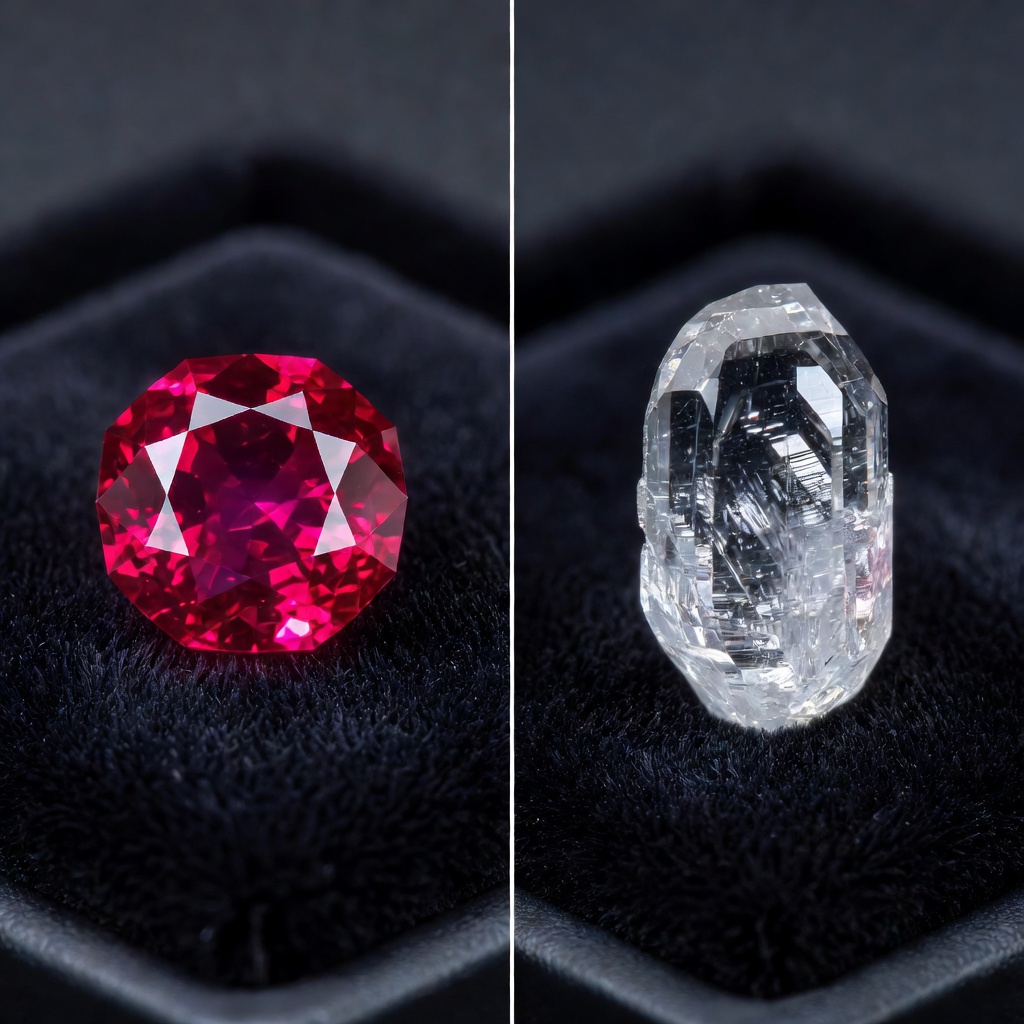
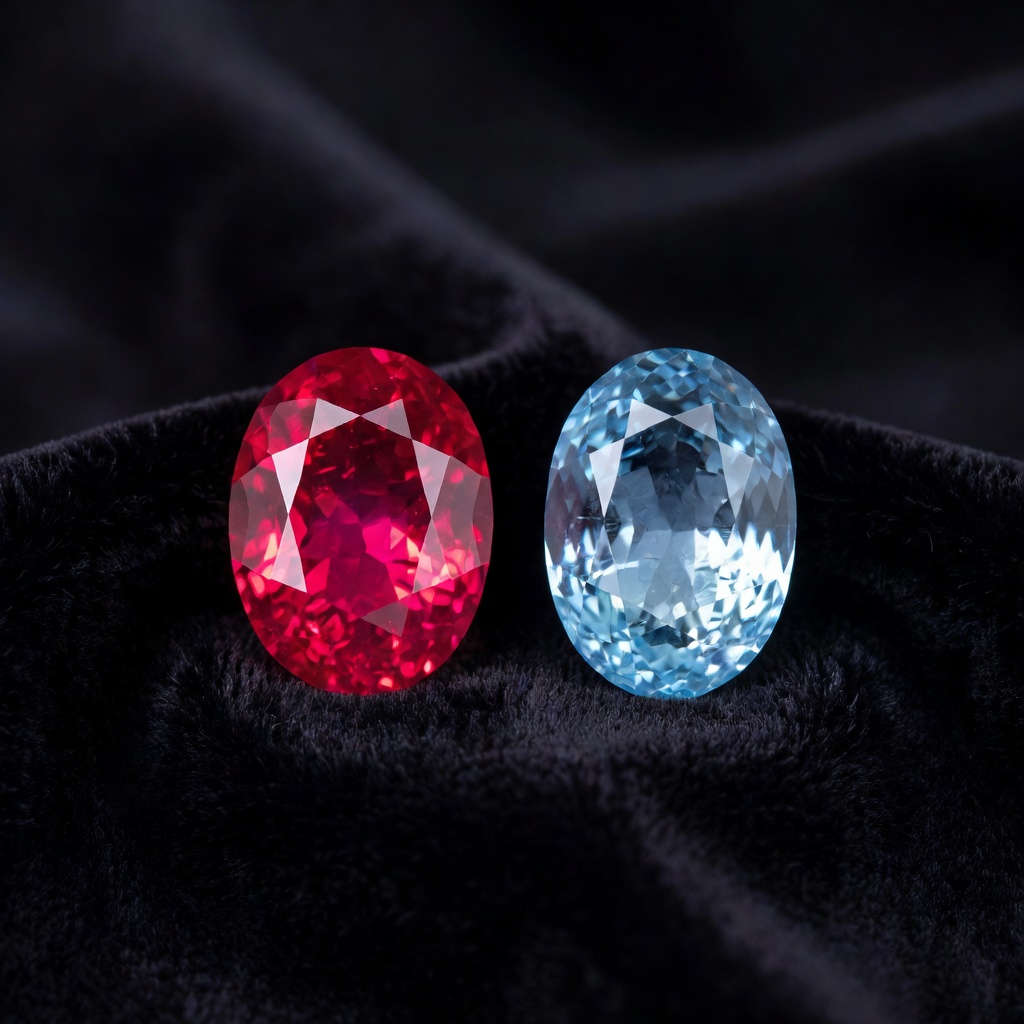
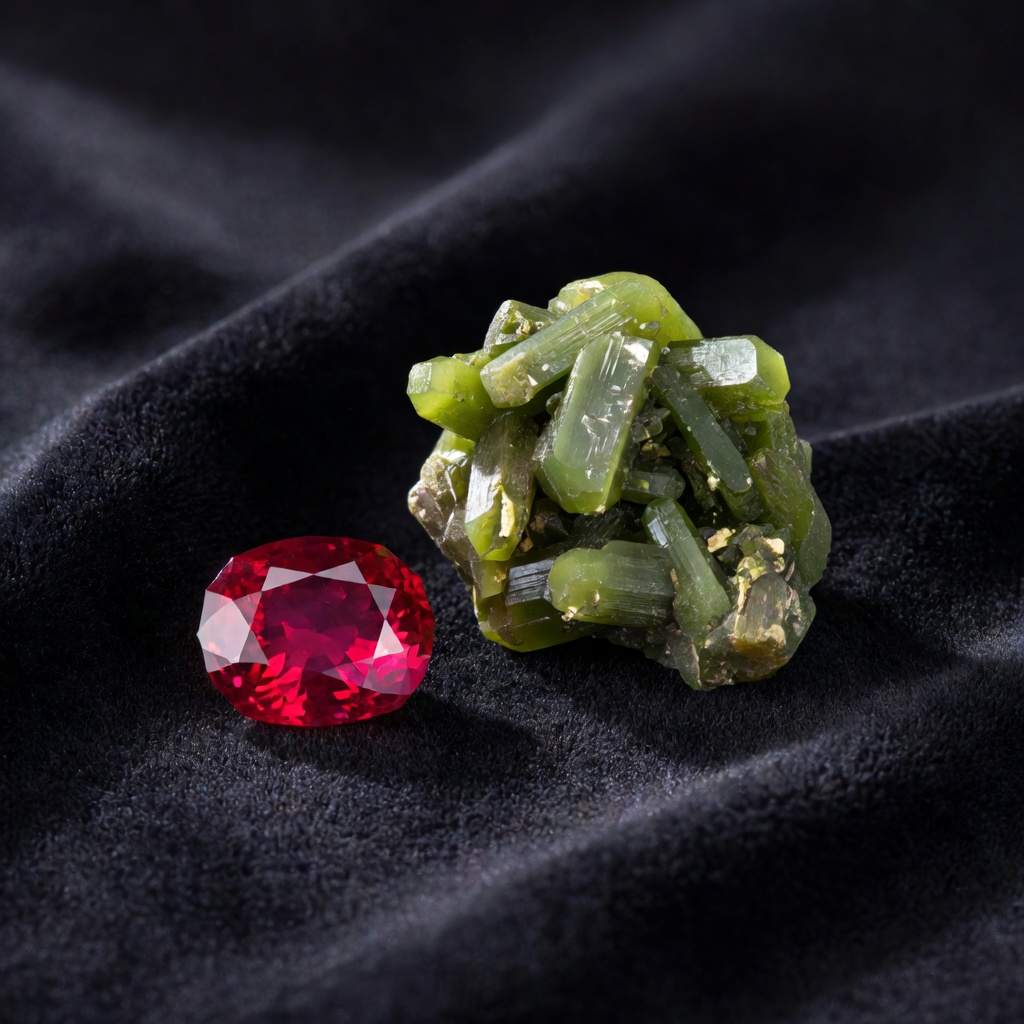
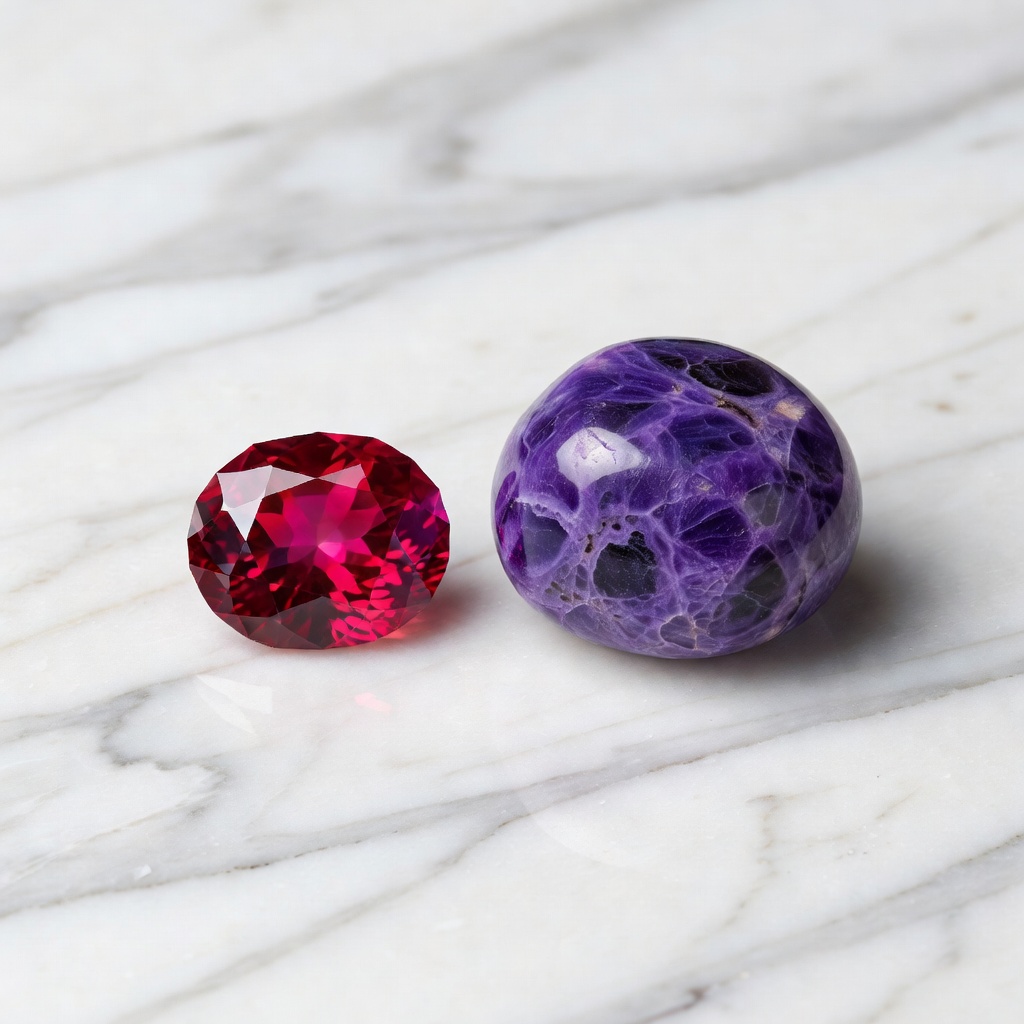
When collectors and jewelry enthusiasts explore the world of colored gemstones, the comparison of Ruby vs Sugilite presents a fascinating study in contrasts. Ruby stands as one of the cardinal precious gems, a variety of corundum celebrated for millennia for its intense pigeon blood red hues and exceptional durability that rivals diamond. In contrast, sugilite emerges as a relatively modern discovery among rare gemstones, a cyclosilicate mineral renowned for its captivating royal purple coloration and profound spiritual associations. Understanding the distinct characteristics, geological origins, and practical applications of these two stones empowers buyers to make informed decisions whether seeking investment-grade jewelry or meaningful healing crystals.
Geological Origins and Formation
The formation histories of ruby and sugilite reveal dramatically different geological processes that contribute to their unique identities. Ruby gemstone properties stem from its birth in high-pressure, low-silica metamorphic environments, particularly within marble and syenite rocks subjected to intense heat and tectonic forces. Myanmar (formerly Burma) produces the world's most coveted pigeon blood rubies, though significant deposits also exist in Thailand, Mozambique, Madagascar, and Sri Lanka, each location imparting subtle variations in color saturation and fluorescence.
Sugilite origin stories trace back to 1944 when Japanese petrologist Ken-ichi Sugi first identified the mineral on Iwagi Islet, though commercial quantities remained elusive until the 1979 discovery at South Africa's Wessels Mine in the Kalahari manganese fields. Unlike rubies that form in aluminum-rich environments, sugilite crystallizes exclusively in manganese-rich geological settings, resulting in its distinctive chemical composition of potassium sodium iron manganese silicate. This specific formation requirement explains why significant sugilite deposits remain extraordinarily limited compared to the more widespread occurrence of corundum.
Physical Properties and Durability
Examining the Corundum vs sugilite mineral comparison reveals fundamental differences that directly impact their practical applications in jewelry. Ruby, composed of aluminum oxide (Al2O3) with chromium impurities, crystallizes in the trigonal system and achieves a remarkable 9 on the Mohs hardness scale, making it second only to diamond in durability. This exceptional hardness allows rubies to withstand daily wear, resisting scratches from common environmental hazards and maintaining their polish indefinitely with proper care.
Sugilite hardness presents a more moderate rating of 6 to 6.5 on the Mohs scale, similar to quartz, requiring more thoughtful consideration regarding jewelry settings and wear patterns. Sugilite crystallizes in the hexagonal system and exhibits uneven to conchoidal fracture patterns that can make cutting and polishing challenging for lapidaries. While ruby typically displays conchoidal fracture with no cleavage planes (enhancing its toughness), sugilite's structural composition demands protective settings to prevent chipping or scratching during regular use.
Color Characteristics and Visual Appeal
The visual distinction between these gemstones represents perhaps their most immediately apparent difference, offering buyers a choice between classic elegance and exotic rarity. When examining Red vs purple gemstones, ruby occupies the pinnacle of red gem desirability, with colors ranging from the legendary pigeon blood red—characterized by pure red with a hint of blue—through pinkish-red and orange-red variants. This coloration results from chromium ions replacing aluminum in the crystal lattice, with the finest Burmese stones exhibiting strong red fluorescence under ultraviolet light that intensifies their face-up appearance.
Sugilite derives its distinctive palette from manganese content within its complex silicate structure, displaying shades from pale lilac and violet to deep magenta and the highly prized Royal azel sugilite specimens. Royal azel represents the premium grade of sugilite, characterized by intense translucent purple coloration without the black manganese oxide matrix that commonly veins through lower-grade opaque material. While rubies typically present as transparent to translucent with vitreous luster, sugilite ranges from opaque to translucent with a waxy to vitreous luster, often displaying fascinating patterns where purple sugilite mingles with black, yellow, or white accessory minerals.
| Property | Ruby (Corundum) | Sugilite (Cyclosilicate) |
|---|---|---|
| Mohs Hardness | 9 (Excellent) | 6-6.5 (Moderate) |
| Chemical Composition | Aluminum Oxide (Al2O3) | KNa2(Fe,Mn,Al)2Li3Si12O30 |
| Crystal System | Trigonal | Hexagonal |
| Primary Sources | Myanmar, Thailand, Mozambique | South Africa (Wessels Mine), Japan |
| Color Cause | Chromium impurities | Manganese ions |
| Transparency | Transparent to translucent | Opaque to translucent |
| Average Price Range | $1,000-$15,000+ per carat | $50-$500+ per carat |
| Best Jewelry Use | Engagement rings, bracelets, daily wear | Pendants, earrings, occasional wear |
| Common Treatments | Heat treatment common | Usually untreated/natural |
| Metaphysical Focus | Passion, vitality, root chakra | Spiritual protection, third eye |
Rarity, Availability and Ethical Sourcing
Both gemstones qualify as Rare gemstone comparison subjects, though their scarcity manifests through different mechanisms that affect market availability and pricing. Fine untreated Burmese rubies have achieved mythical status among collectors due to political instability, export restrictions, and the exhaustion of historically prolific mines, making top-color stones over five carats rarer than comparable diamonds. While rubies exist in various global localities, the specific combination of rich color, high clarity, and strong fluorescence characteristic of Mogok rubies remains exceptionally elusive.
Sugilite presents a different rarity paradigm, as gem-quality material derives predominantly from a single source—the Wessels Mine in South Africa—with limited secondary deposits providing only mineral specimens rather than jewelry-grade rough. This single-source dependency creates supply vulnerability; when mining operations face challenges or depletion, the market experiences immediate scarcity. Ethical sourcing considerations apply to both stones: ruby buyers should seek conflict-free certification and disclosure of heat treatment or fracture filling, while sugilite enthusiasts should verify that specimens come from licensed South African operations adhering to fair labor practices and environmental standards.
Value, Pricing and Investment Potential
Understanding the Sugilite vs Ruby differences in valuation requires examining market dynamics, treatment histories, and collector demand patterns. Fine untreated pigeon blood rubies from Myanmar command premium prices ranging from $1,000 to $15,000 or more per carat for exceptional stones, with record-breaking auction prices exceeding $1 million per carat for historically significant specimens. Heat-treated rubies from Mozambique or Madagascar offer more accessible entry points at $100-$1,000 per carat, though they lack the investment-grade appreciation potential of their untreated Burmese counterparts.
Quality sugilite typically ranges from $50 to $500 per carat, with Royal azel specimens—those exhibiting translucent, uniform purple without matrix—commanding the highest prices within that spectrum. While sugilite lacks the centuries-old investment pedigree of ruby, high-grade material has shown steady appreciation as mine production declines and collector awareness increases. Investment considerations should factor in treatment disclosure (natural sugilite holds value better than treated ruby of similar price), origin documentation, and the "four Cs" applied distinctly to each gem: for ruby, color saturation and fluorescence matter most, while for sugilite, intensity of purple and absence of matrix determine value.
Metaphysical Properties and Crystal Healing
Beyond their physical beauty, these gemstones offer distinctly different energetic signatures that appeal to spiritual practitioners and crystal healers. Sugilite healing crystal traditions celebrate this stone as a premier "love stone" and spiritual protector, believed to stimulate the third eye and crown chakras while creating an impenetrable shield of violet flame energy around the wearer. Practitioners utilize sugilite for dream work, lucid dreaming enhancement, and overcoming paranoia or PTSD, as its manganese content associates with neurological calming and emotional healing. The stone's gentle yet powerful vibration suits meditation practices aimed at spiritual channeling and accessing higher consciousness.
Ruby, conversely, activates the root chakra with fiery vitality, stimulating life force energy (prana or chi), passion, and courage. Crystal therapists prescribe ruby for combating exhaustion, enhancing motivation, and grounding spiritual energy into physical action. Where sugilite facilitates inward journeying and psychic protection, ruby encourages outward expression, leadership, and decisive action. Many healers recommend ruby for blood-related health concerns, adrenal support, and overcoming lethargy or depression, while suggesting sugilite for headaches, sleep disorders, and spiritual burnout. Combining both stones creates a balanced energy circuit connecting earthly vitality with cosmic awareness.
Jewelry Applications and Maintenance
Practical Gemstone jewelry care protocols diverge significantly between these stones due to their hardness differential and chemical sensitivities. Ruby's exceptional durability makes it suitable for any jewelry application, including high-impact pieces like engagement rings, tennis bracelets, and cuff bracelets that withstand daily knocks and abrasion. Untreated natural rubies tolerate ultrasonic cleaning and steam cleaning, though filled or heavily included stones require gentler treatment. When designing with ruby, jewelers need not worry about protective settings, allowing for prong-set solitaires and delicate pavé work that maximizes light return.
Sugilite demands more thoughtful jewelry design, thriving best in pendants, brooches, and earrings that avoid direct impact, or in rings featuring protective bezel settings that guard the stone's edges from scratching. Due to its 6-6.5 hardness, sugilite can be scratched by quartz dust common in household environments, steel, or harder gemstones. Cleaning requires only lukewarm water with mild soap and a soft brush; ultrasonic cleaners and steamers risk fracturing sugilite due to its potential inclusions and structural water content. Store sugilite jewelry separately from harder gems like diamonds, sapphires, or rubies to prevent surface scratching, and remove sugilite rings before activities involving manual labor or chemical exposure.
How to Choose Between Ruby and Sugilite
Selecting between these distinctive gems requires honest assessment of lifestyle needs, budget parameters, and aesthetic preferences. For individuals seeking Choosing gemstones for daily-wear bridal jewelry or heirloom pieces meant to withstand decades of continuous use, ruby's superior hardness and classic red elegance provide the obvious solution. Active professionals, outdoor enthusiasts, or those prone to knocking their hands against surfaces should prioritize ruby's durability over sugilite's unique coloration.
However, sugilite offers compelling advantages for collectors seeking unusual color in statement pieces or spiritual practitioners desiring specific metaphysical properties. If your budget accommodates $500-$2,000 for a striking pendant or ring worn on special occasions, sugilite provides rare purple beauty unavailable in other mainstream gems. Color psychology also plays a role: those drawn to traditional luxury, romantic symbolism, and energizing fire element energy gravitate toward ruby, while individuals seeking spiritual growth, uniqueness, and water/air element calming prefer sugilite's violet rays. Consider also your existing jewelry collection—ruby complements warm-toned metals and classic wardrobes, while sugilite pairs beautifully with white gold, silver, and contemporary or bohemian fashion sensibilities.
Making Your Gemstone Decision
The Ruby vs Sugilite comparison ultimately highlights two exceptional but fundamentally different paths in gemstone appreciation. Ruby represents the pinnacle of traditional gemology—an ancient, durable treasure whose red fire has symbolized power and passion across civilizations, commanding premium prices reflective of its rarity and desirability. Sugilite offers entry into the realm of modern mineralogical rarities, a stone whose limited geological occurrence and distinctive purple palette provide collectors with something truly unique at relatively accessible price points.
Your final decision should align with intended use: choose ruby for daily-wear investment jewelry, heirloom creation, or root chakra energy work requiring maximum durability. Select sugilite for spiritual practice, occasional wear statement pieces, or collecting rare color varieties unavailable in harder gemstones. Regardless of your choice, always purchase from reputable dealers who provide laboratory certification for rubies (disclosing treatments and origin) and authenticity guarantees for sugilite (verifying natural versus synthetic material). By understanding these gems' distinct properties and respecting their individual care requirements, you ensure decades of enjoyment whether you wear the fiery red of corundum or the royal purple of cyclosilicate.
Frequently Asked Questions
Which is more expensive, ruby or sugilite?
Fine quality rubies are significantly more expensive than sugilite, with premium untreated pigeon blood rubies commanding $1,000 to $15,000+ per carat, while high-grade sugilite typically ranges from $50 to $500 per carat depending on color intensity and translucency.
Can sugilite be worn as an engagement ring like ruby?
While ruby's hardness of 9 on the Mohs scale makes it excellent for daily-wear engagement rings, sugilite's 6-6.5 hardness requires protective bezel settings and is better suited for occasional wear or alternative jewelry like pendants and earrings to prevent scratching.
What causes the purple color in sugilite versus red in ruby?
Ruby's red color comes from chromium impurities replacing aluminum in the corundum crystal structure, while sugilite's distinctive purple results from manganese ions within its potassium sodium iron silicate chemical composition, often appearing as royal purple to violet shades.
Is sugilite as rare as high-quality ruby?
Both gemstones are considered rare, but in different ways: fine untreated Burmese rubies are extremely rare and valuable, while sugilite is geologically rare with limited deposits, primarily sourced from the Wessels Mine in South Africa, making quality specimens increasingly scarce.
Can you wear ruby and sugilite together in jewelry?
Yes, ruby and sugilite create a striking complementary color combination of red and purple that works beautifully in statement jewelry pieces, though designers should consider the hardness difference and protect the softer sugilite with appropriate settings when pairing these stones.
Which gemstone is better for healing and spiritual work?
Ruby excels in grounding, vitality, and root chakra work, promoting passion and life force energy, while sugilite specializes in spiritual protection, third eye activation, and emotional healing, making the choice dependent on whether you seek energizing (ruby) or calming spiritual (sugilite) properties.
How can I tell the difference between ruby and sugilite?
Ruby typically appears transparent to translucent with a glassy luster and red fluorescence under UV light, while sugilite is usually opaque to translucent with a waxy luster, often showing black matrix patterns, and lacks ruby's characteristic red fluorescence.
Does treated ruby have more value than natural sugilite?
Heat-treated rubies still generally command higher prices than sugilite due to ruby's overall market prestige and durability, though untreated natural sugilite can be more valuable than heavily treated or low-quality commercial rubies, particularly among crystal collectors seeking unenhanced specimens.