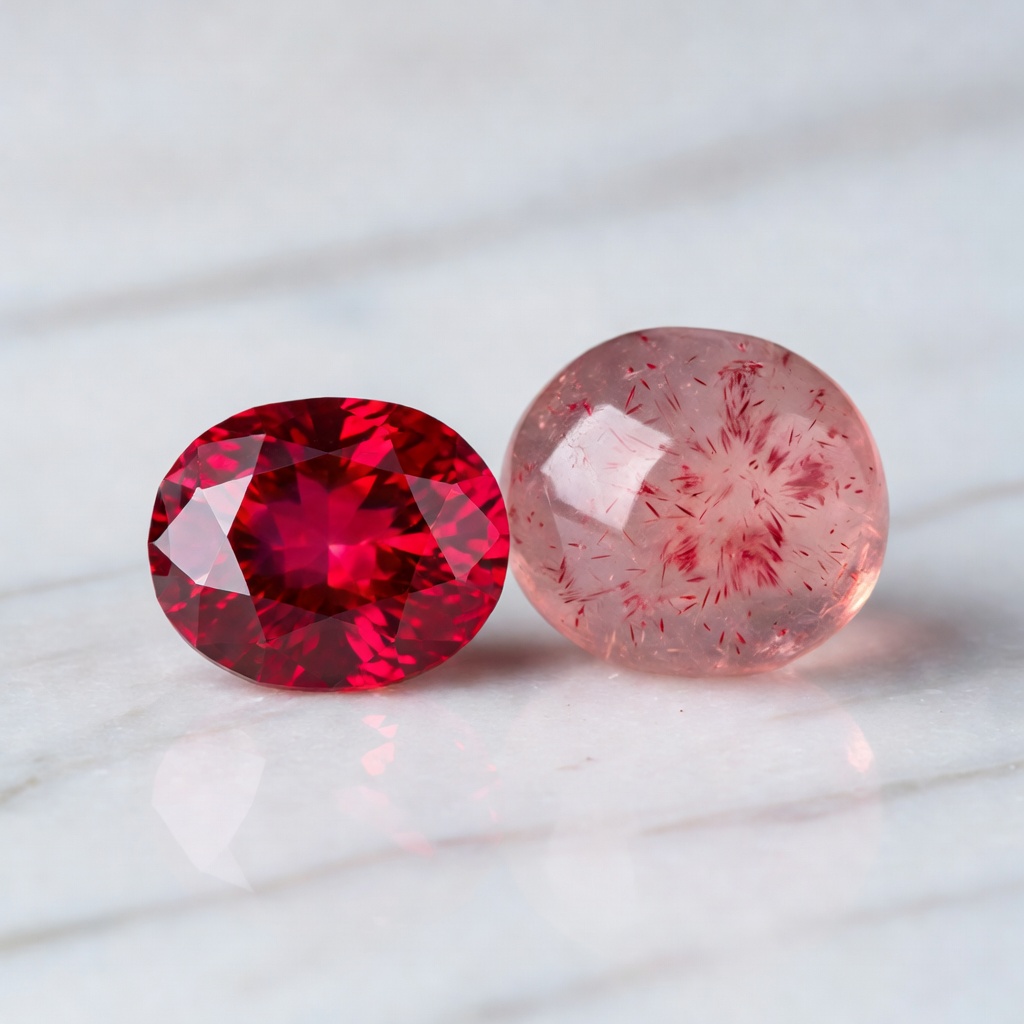
Understanding Ruby vs Strawberry Quartz: A Comprehensive Gemstone Guide
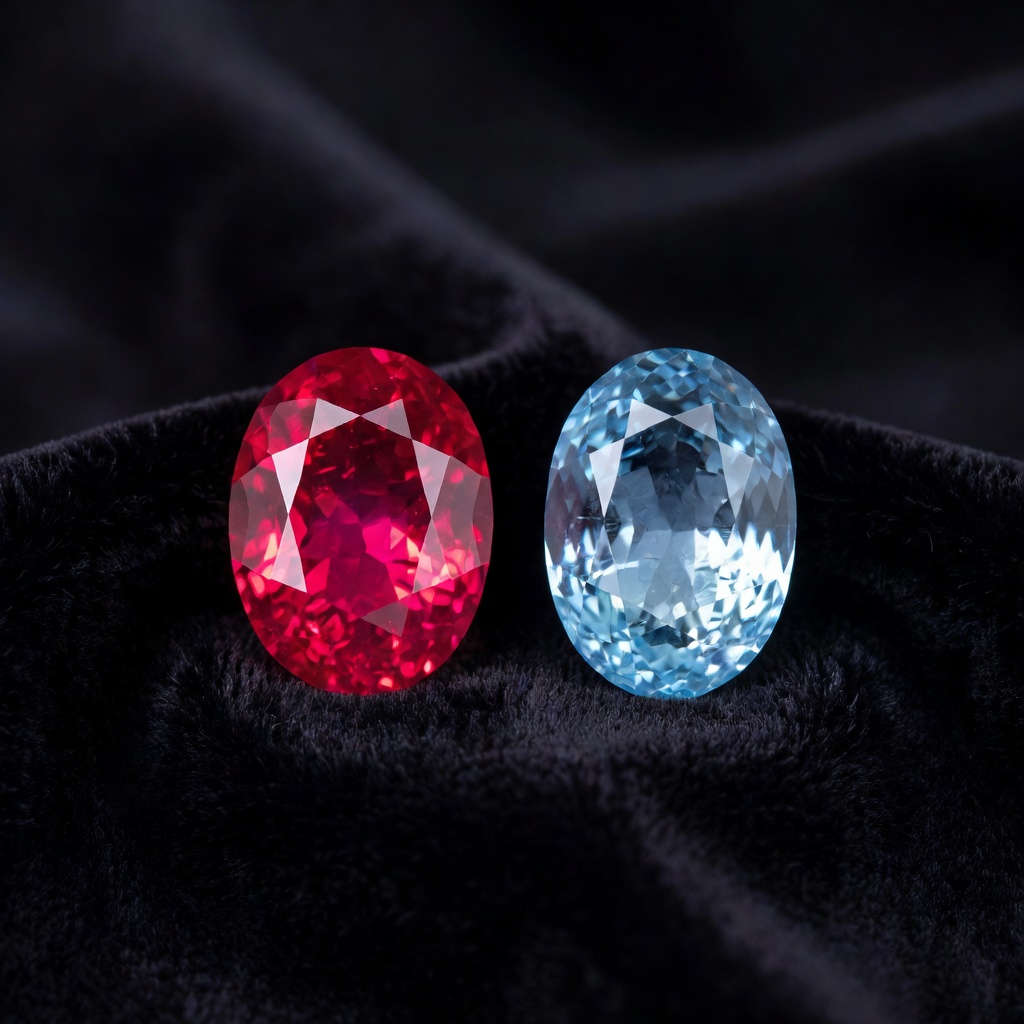
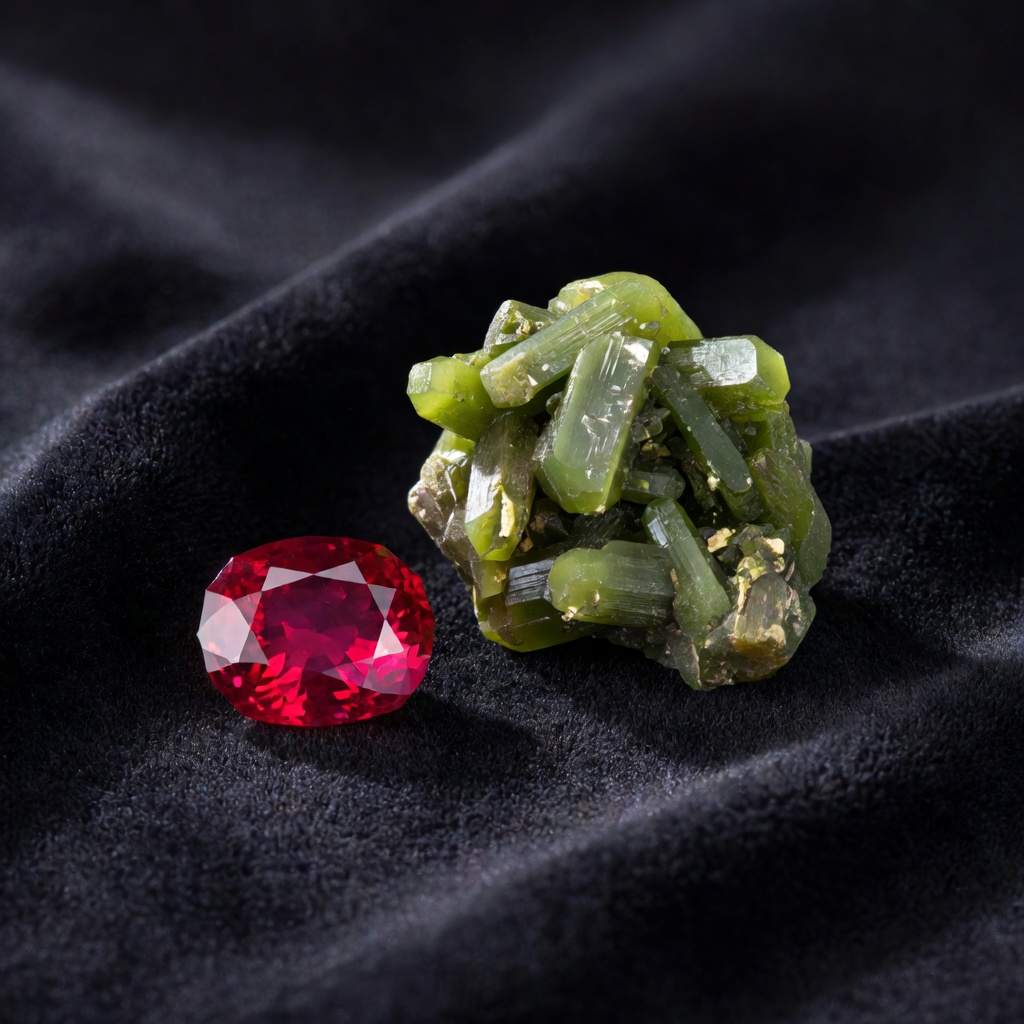
When exploring the captivating world of red gemstones, the comparison between Ruby vs Strawberry Quartz represents one of the most fascinating contrasts in the jewelry industry. Ruby stands as one of the "Big Four" precious gemstones, a variety of corundum that has adorned royal crowns and engagement rings for millennia, serving as the traditional July birthstone with unmatched historical prestige. In contrast, strawberry quartz emerges as a distinctive variety of silicon dioxide, characterized by its delicate pink hue and striking internal patterns created by iron oxide or goethite inclusions. Despite sharing a similar color palette ranging from deep crimson to soft pinkish-red, these stones occupy vastly different positions in the gemstone hierarchy, leading to frequent misconceptions about strawberry quartz being either a ruby simulant or a treated variety of corundum.
Chemical Composition and Crystal Structure
Understanding the fundamental mineral composition differences between these gemstones reveals why they behave so differently in jewelry applications. Ruby crystallizes in the trigonal system as aluminum oxide (Al₂O₃), with chromium ions substituting for aluminum to create its signature red coloration, forming under extreme heat and pressure over millions of years deep within the earth's crust. Strawberry quartz shares the trigonal crystal structure but belongs to the quartz family (SiO₂), where its distinctive appearance stems from included hematite, lepidocrocite, or goethite minerals rather than elemental substitution within the crystal lattice itself.
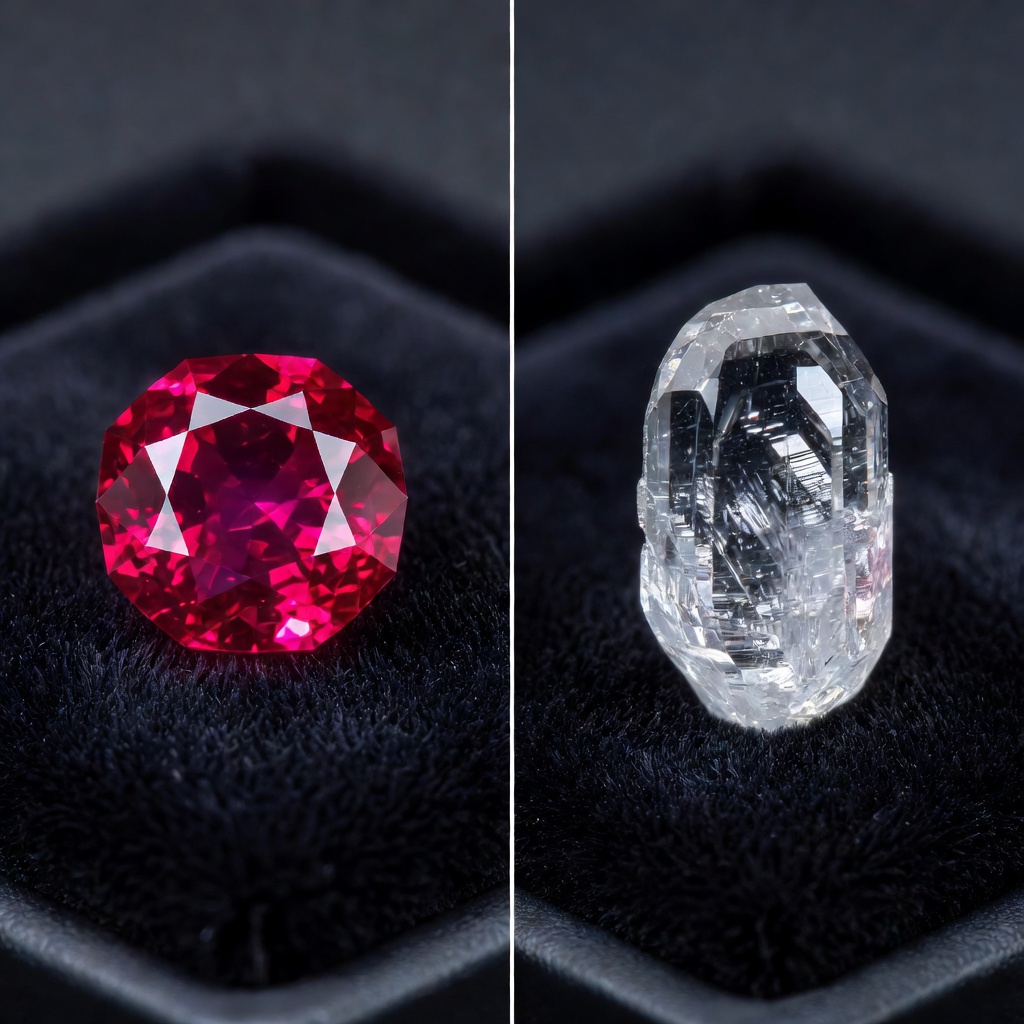
The formation processes create vastly different timelines and geological conditions for each stone. Natural rubies typically require metamorphic environments lasting hundreds of millions of years, often resulting in crystals with hexagonal barrels or pyramidal terminations. Strawberry quartz forms through hydrothermal processes or in pegmatites where iron-rich solutions penetrate clear quartz crystals, creating the characteristic red "needles" or "seeds" visible within the stone. For collectors examining rough specimens, ruby's six-sided crystal habit contrasts sharply with strawberry quartz's typical hexagonal prisms terminated by six-sided pyramids, though the inclusions in strawberry quartz often mask this geometry.
Visual Appearance: Color, Clarity, and Inclusions
The red gemstone comparison extends beyond mere color into the realms of transparency, luster, and internal characteristics that define each stone's unique beauty. High-quality rubies range from transparent to translucent, displaying a vitreous to sub-adamantine luster with color saturation spanning from the coveted "pigeon blood" red to lighter pinkish-red hues, with the most valuable stones exhibiting pure red with a hint of blue undertone. Strawberry quartz maintains a consistently translucent to semi-transparent quality, never achieving the glass-like clarity of fine ruby, instead showcasing a soft, milky pink base peppered with visible needle-like or platy red inclusions that create its namesake strawberry-seed appearance.
Inclusions serve as critical identification markers rather than flaws in both stones, though they indicate different quality parameters. Ruby's "silk" inclusions—tiny rutile needles—can actually enhance value when they create asterism (the star effect) in cabochon cuts, while heavy inclusions typically reduce transparency and value in faceted stones. In strawberry quartz, however, the strawberry quartz inclusions define the stone's identity and desirability; specimens lacking these distinctive red hematite needles are merely rose quartz or clear quartz. When selecting strawberry quartz, look for stones where the red inclusions are evenly distributed throughout the crystal rather than clustered in one area, as this creates the most aesthetically pleasing "strawberry" effect when light passes through the gemstone.
Durability Comparison: Mohs Hardness and Wearability
The ruby hardness Mohs scale rating of 9 places it second only to diamond in terms of everyday durability, making it an exceptional choice for jewelry subjected to constant wear and potential impact. This exceptional hardness stems from the strong aluminum-oxygen bonds in corundum's crystal structure, allowing ruby to resist scratching from nearly all other materials except diamond itself. For consumers considering engagement rings or daily-wear pieces, this durability translates to generations of wear without surface scratching or significant abrasion, explaining why antique ruby jewelry often appears nearly pristine despite centuries of use.
Strawberry quartz, ranking 7 on the Mohs scale, presents a more vulnerable option that requires thoughtful setting selection and wear patterns. While quartz resists scratching from materials like steel or glass, daily wear exposes it to harder particles including household dust (which contains silica), gradually creating a matte surface sheen over time through microscopic abrasion. Additionally, quartz's fracture resistance and toughness differ significantly from corundum; while ruby possesses excellent toughness resisting breakage, strawberry quartz exhibits conchoidal fracture patterns and potential weakness along cleavage planes, making it susceptible to chipping if struck against hard surfaces. For active lifestyles, consider bezel settings that protect the girdle edges of strawberry quartz, or reserve these stones for earrings and pendants where impact risk remains minimal.
Market Value and Investment Potential
Ruby maintains its position as one of the most valuable colored gemstones, with fine unheated Burmese specimens commanding prices exceeding $100,000 per carat for exceptional qualities, while commercial-grade rubies typically range from $100 to $10,000 per carat depending on color saturation, clarity, and treatment status. This valuation reflects not only rarity but centuries of cultural significance as a royal stone, with historical records showing rubies trading at premium values since ancient Sanskrit texts described them as "ratnaraj" or king of gems. Investment-grade rubies appreciate consistently, particularly those accompanied by laboratory reports confirming Burmese origin and absence of heat treatment, making them tangible assets comparable to fine art or rare coins.
Strawberry quartz offers an entirely different market proposition as an affordable ruby alternative, with prices typically ranging from $2 to $50 per carat for most jewelry-grade material, making it accessible for fashion jewelry and entry-level collections. Unlike ruby, strawberry quartz does not function as an investment vehicle; the stone's abundance and lack of historical prestige in high jewelry markets mean values remain stable but do not appreciate significantly. When purchasing strawberry quartz, focus budget on cut quality and inclusion pattern rather than carat weight, as a well-cut 5-carat stone with vivid strawberry-like inclusions provides better aesthetic value than a larger, poorly cut specimen with muddy coloration. This price differential allows designers to create statement pieces using larger strawberry quartz cabochons or beads that would be prohibitively expensive with ruby.
Geographic Origins and Ethical Sourcing
The journey from mine to market differs dramatically between these stones, with ruby mining historically associated with complex geopolitical and ethical challenges. Myanmar (Burma) produces the legendary "pigeon blood" rubies from the Mogok Stone Tract, though political sanctions and human rights concerns have complicated sourcing from this region; alternative sources include Mozambique's Montepuez mines, Thailand's Chanthaburi region, and Madagascar's deposits. Ethical gemstone sourcing for rubies requires diligence regarding treatment disclosures, as approximately 95% of commercial rubies undergo heat treatment to improve color and clarity, a permanent and accepted practice that must be disclosed but significantly affects valuation compared to unheated natural specimens.
Strawberry quartz primarily originates from Brazil's Minas Gerais region, Kazakhstan's quartz-rich deposits, and Madagascar, where mining operations typically occur on smaller scales with less environmental devastation than large-scale ruby extraction. However, buyers should verify that strawberry quartz is natural rather than dyed clear quartz or glass imitations, as the market sees significant treatment including pink dye injection to simulate the natural iron oxide inclusions. Reputable dealers should provide transparency regarding enhancement, while natural strawberry quartz from documented localities commands modest premiums over treated material. When building a conscious jewelry collection, consider that strawberry quartz mining generally involves fewer labor concerns than ruby extraction, though both benefit from purchasing through Fair Trade certified dealers who ensure miners receive living wages.
Symbolism, Birthstones, and Metaphysical Properties
Ruby's metaphysical heritage spans ancient civilizations, with Hindu traditions associating the stone with the sun and the base chakra, promoting vitality, courage, and passionate love while protecting against misfortune and illness. Medieval Europeans wore rubies to guarantee health, wealth, wisdom, and success in love, while Burmese warriors embedded rubies into their flesh to render them invincible in battle. As the primary July birthstone, ruby represents the intensity of mid-summer, offering those born in this month a gem that amplifies life force energy, stimulates the heart chakra, and encourages leadership qualities. However, this intensity proves too stimulating for some individuals, creating demand for gentler July birthstone options that maintain the red color association without the aggressive energetic vibration.
Strawberry quartz healing properties emerged more recently in crystal healing traditions, though the stone connects to universal love concepts found in rose quartz while adding specific dimensions of calming anxiety and healing relationship wounds. Practitioners recommend strawberry quartz for those recovering from emotional trauma or seeking to attract soul-mate connections, as the stone's energy is described as nurturing and soothing rather than stimulating. Unlike ruby's association with royal authority and personal power, strawberry quartz supports self-love and gentle emotional release, making it ideal for meditation practices focused on heart healing. For July-born individuals who find ruby's energy overwhelming, strawberry quartz offers an alternative that honors their birth month's color spectrum while providing metaphysical support aligned with modern wellness practices rather than ancient warrior traditions.
Jewelry Applications and Setting Recommendations
Ruby's versatility in fine jewelry spans from classic solitaire engagement rings to intricate Art Deco bracelets and contemporary pendant designs, with the stone's hardness supporting virtually any setting style including delicate prong work that exposes maximum surface area to light. High-end jewelry houses frequently pair rubies with yellow gold to enhance the stone's warm red undertones, though white gold and platinum settings create striking contrast that emphasizes the gem's vivid color saturation. For daily wear pieces such as ruby tennis bracelets or eternity bands, channel settings provide protection while allowing continuous lines of matched stones to display their uniform color, a crucial factor since rubies rarely match perfectly without expert curation.
Strawberry quartz finds its niche in bohemian-inspired jewelry, beaded bracelets, and cabochon rings where the stone's translucent quality and internal patterns create organic, naturalistic aesthetics. Unlike ruby, which performs best in open settings that maximize brilliance, strawberry quartz benefits from closed-back settings or shallow cabochon cuts that highlight the inclusion patterns resembling strawberry seeds suspended in pink jelly. Metal pairing recommendations favor rose gold, which harmonizes with the stone's pink base color, or antiqued silver that creates vintage-inspired looks complementing the stone's earthy appearance. When designing with strawberry quartz, consider bezel or flush settings that protect the relatively soft stone's edges, and avoid high-profile ring designs that expose the gem to impact during daily activities. Fashion-forward designers often combine strawberry quartz with other quartz varieties like amethyst or citrine to create affordable, colorful statement pieces impossible to replicate with precious gemstones alone.
Care Guidelines and Maintenance Requirements
Maintaining ruby jewelry requires understanding treatment history, as untreated or heat-only rubies generally tolerate ultrasonic cleaners and steam cleaning methods used by professional jewelers to remove accumulated dirt and skin oils from setting crevices. However, fracture-filled rubies containing glass or lead-glass residues to improve clarity require gentle cleaning only with warm soapy water and soft brushes, as ultrasonic vibrations can loosen fillings or cause damage. For home maintenance, soak ruby pieces in mild dish soap solution for 15 minutes, brush gently with a soft toothbrush around prongs, and rinse thoroughly to prevent soap residue from dulling the stone's brilliance. Store ruby jewelry separately from softer gemstones, as its hardness of 9 can scratch virtually any other jewelry material including gold and silver settings.
Quartz jewelry care demands more cautious protocols to preserve strawberry quartz's surface integrity and internal stability. Never subject strawberry quartz to ultrasonic cleaning, as the vibrations can exacerbate existing fractures or loosen inclusions within the crystal structure, potentially causing the stone to crack or cloud. Instead, clean strawberry quartz using only lukewarm water with a drop of mild phosphate-free soap, patting dry with a lint-free cloth rather than rubbing, which could create static attraction to dust particles. Storage recommendations include keeping strawberry quartz pieces in individual soft pouches away from harder gems like diamonds, sapphires, and rubies that could scratch its surface, while also preventing the quartz from scratching softer materials like opals or pearls. When traveling, wrap strawberry quartz jewelry in acid-free tissue before placing in compartmentalized jewelry cases to prevent contact with metal findings that might cause abrasion over time.
Making Your Choice: Luxury vs Accessibility
Navigating the decision between precious vs semi-precious gemstones ultimately depends on aligning your selection with budget parameters, lifestyle requirements, and aesthetic vision. If building a heirloom collection or commemorating significant milestones such as 40th wedding anniversaries (traditionally marked by ruby), investing in a certified natural ruby provides tangible value appreciation and timeless elegance that transcends fashion trends. Consider your daily activities: those with active lifestyles, manual occupations, or tendency toward knocking their hands against surfaces should prioritize ruby's durability, while those seeking occasional statement pieces for social events might find strawberry quartz's unique patterns more conversation-worthy despite requiring careful handling.
Aesthetic preferences play a crucial role in this red gemstone comparison, with ruby appealing to those drawn to classic deep red brilliance, fire, and the prestige associated with precious gems, while strawberry quartz attracts individuals who appreciate organic textures, metaphysical properties, and the whimsical beauty of natural inclusions. For fashion-forward consumers who change jewelry frequently to match trends, strawberry quartz offers the accessibility to own multiple pieces without significant investment, whereas ruby purchases typically involve careful consideration and long-term commitment. When choosing red gemstones for specific purposes, remember that ruby carries gravitas appropriate for executive boardrooms and formal occasions, while strawberry quartz suits creative environments, casual gatherings, and spiritual practices. Ultimately, many collectors find room for both in their wardrobes, using ruby for investment-grade heirlooms and strawberry quartz for expressive, contemporary designs that showcase nature's artistic inclusions.
Detailed Comparison: Ruby vs Strawberry Quartz
| Property | Ruby | Strawberry Quartz |
|---|---|---|
| Mineral Class | Precious Gemstone (Corundum) | Semi-Precious Gemstone (Quartz Variety) |
| Chemical Formula | Aluminum Oxide (Al₂O₃) with Chromium | Silicon Dioxide (SiO₂) with Iron Oxide Inclusions |
| Mohs Hardness | 9 (Excellent for daily wear) | 7 (Requires protective settings) |
| Color Range | Pigeon blood red to pinkish-red | Soft pink to reddish-pink with visible inclusions |
| Transparency | Transparent to translucent | Translucent to semi-transparent |
| Typical Inclusions | Rutile silk, fingerprint inclusions, color zoning | Hematite needles, goethite plates, iron oxide "seeds" |
| Price Range per Carat | $100 - $100,000+ (depending on quality) | $2 - $50 (fashion gemstone pricing) |
| Best Jewelry Use | Engagement rings, tennis bracelets, heirloom pieces | Pendants, earrings, beaded bracelets, occasional wear rings |
| Primary Origins | Myanmar, Mozambique, Thailand, Madagascar | Brazil, Kazakhstan, Madagascar |
| Treatment Commonality | Heat treatment (95% of market), fracture-filling | Often dyed or glass-filled; natural specimens rare |
| Metaphysical Associations | Passion, courage, vitality, royalty, protection | Universal love, anxiety relief, relationship healing |
| Care Requirements | Ultrasonic safe (if untreated), steam cleaning acceptable | Mild soap and water only; avoid ultrasound and heat |
Frequently Asked Questions
Is strawberry quartz a type of ruby or the same mineral?
No, strawberry quartz and ruby are completely different minerals. Ruby is corundum (aluminum oxide) with a hardness of 9, while strawberry quartz is silicon dioxide (quartz) with iron oxide inclusions and a hardness of 7. They share no chemical relationship despite both displaying red to pinkish-red colors.
Can strawberry quartz be used as an affordable alternative to ruby in jewelry?
Yes, strawberry quartz serves as an excellent budget-friendly alternative for those seeking red-pink gemstones without the high cost of ruby. However, it's not suitable for daily wear in rings due to lower hardness (7 vs 9), making it better suited for pendants, earrings, and occasional wear pieces.
How can I tell the difference between ruby and strawberry quartz at home?
The easiest home test is a hardness check: ruby (9) will scratch glass and quartz (7) easily, while strawberry quartz (7) will only scratch glass with difficulty and cannot scratch true ruby. Visually, strawberry quartz displays distinctive internal 'needles' or 'seeds' (inclusions), whereas high-quality rubies are typically cleaner with glass-like luster.
Does strawberry quartz have the same metaphysical properties as ruby?
While both stones associate with love and vitality, they differ metaphysically. Ruby traditionally amplifies passion, courage, and life force energy, often considered intense. Strawberry quartz is viewed as gentler, promoting self-love, calming anxiety, and healing emotional wounds through its nurturing frequency rather than stimulating energy.
Why is ruby so much more expensive than strawberry quartz?
Ruby commands higher prices due to its classification as a precious gemstone, extreme rarity in fine qualities (especially unheated), and centuries of cultural prestige as a royal stone. Strawberry quartz is a semi-precious variety of abundant quartz, with more accessible deposits and less demand in high jewelry markets, making it significantly more affordable.
Is strawberry quartz natural or is it man-made/treated?
Both natural and synthetic/treated strawberry quartz exist. Natural specimens contain genuine iron oxide or hematite inclusions. However, much commercial 'strawberry quartz' is actually clear quartz dyed pink or glass manufactured to mimic the appearance. Always request certification from reputable dealers when purchasing.
Which stone is better for an engagement ring: ruby or strawberry quartz?
Ruby is significantly better suited for engagement rings due to its exceptional hardness (9 on Mohs scale), resisting scratches from daily wear. Strawberry quartz (hardness 7) scratches relatively easily and may chip with impact. If choosing strawberry quartz for an engagement piece, select protective bezel settings and reserve for occasional wear only.
Can I wear ruby and strawberry quartz together in the same jewelry piece?
Yes, they can be worn together aesthetically, but care is required. Ruby's hardness (9) can scratch strawberry quartz (7) if they contact each other. In multi-stone settings, ensure adequate spacing or protective mounting to prevent the harder ruby from damaging the softer quartz over time.