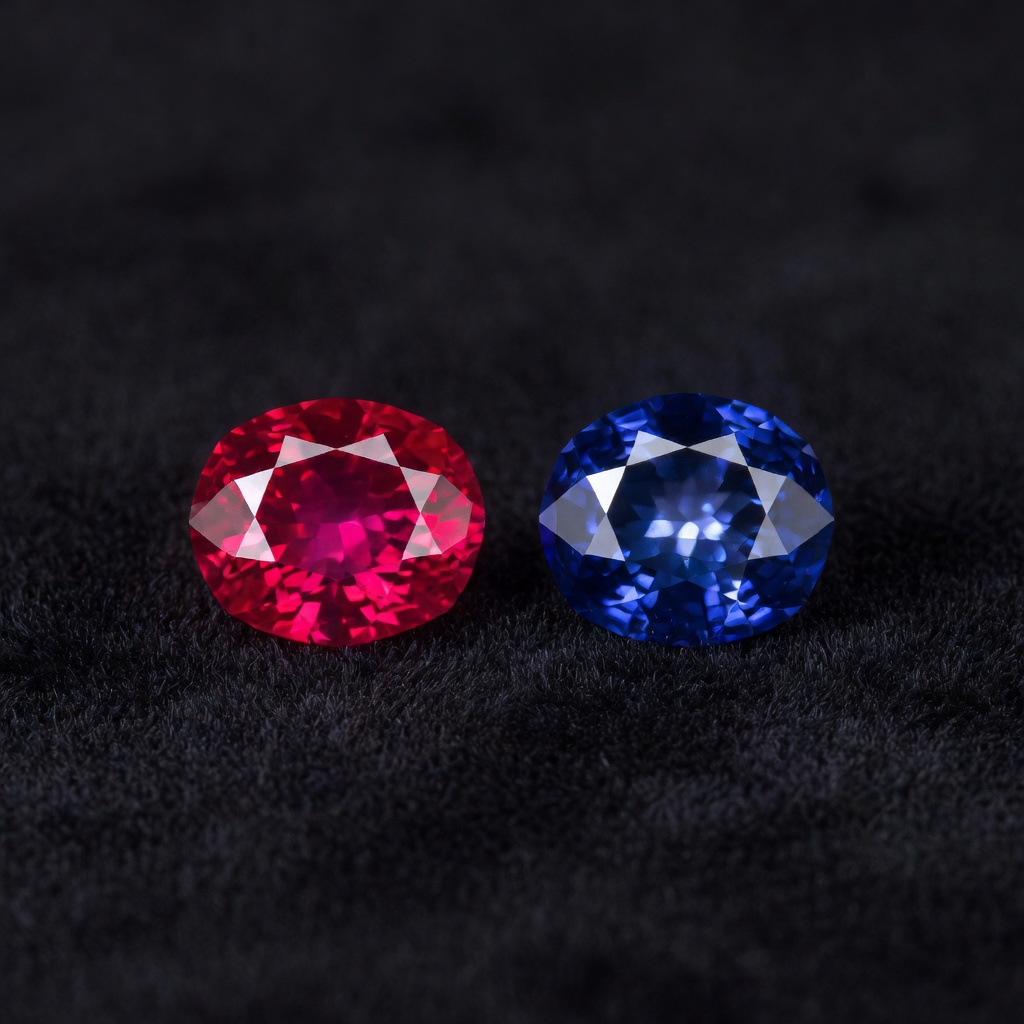
Understanding Corundum's Dual Personalities: Ruby vs Star Sapphire
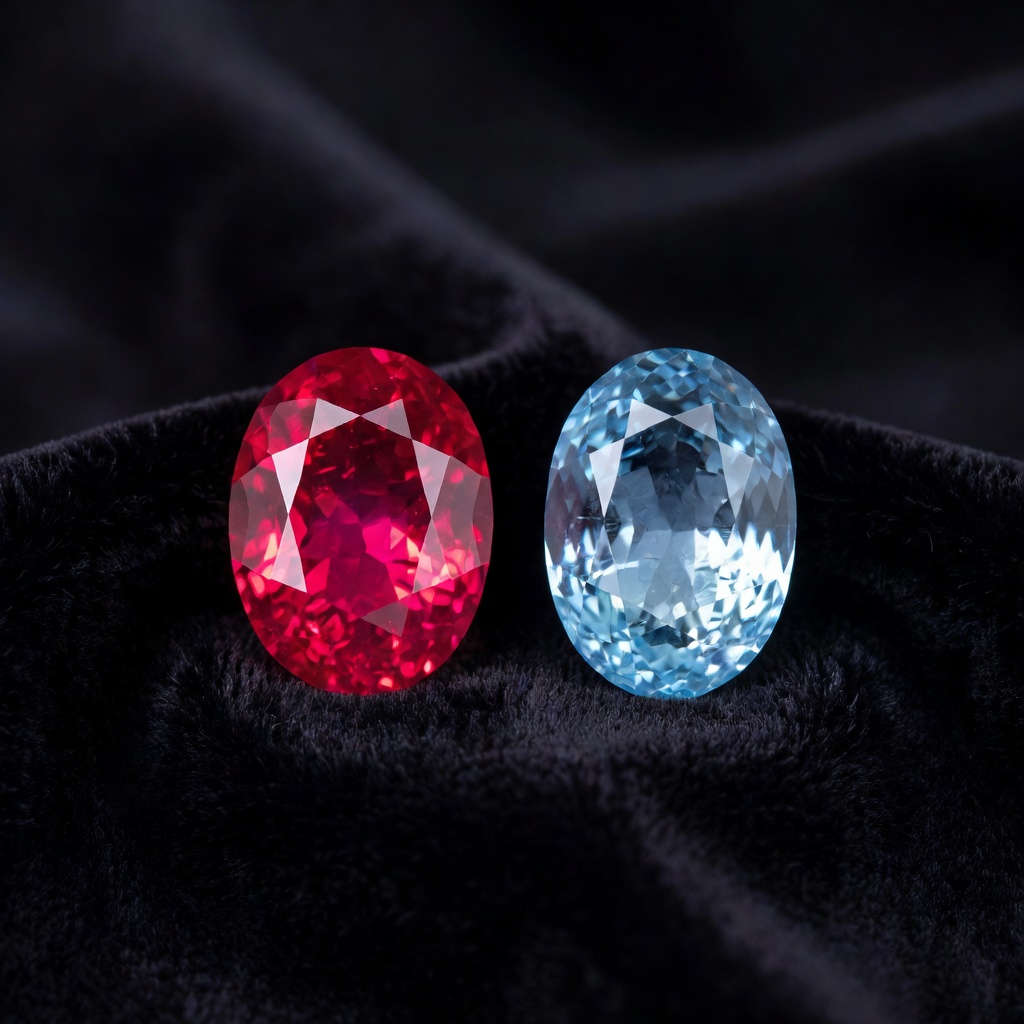
When exploring the fascinating world of precious gemstones, few comparisons intrigue collectors and jewelry enthusiasts quite like the distinction between ruby and star sapphire. Both gemstones belong to the corundum mineral family, which is essentially crystalline aluminum oxide that forms under extreme geological pressure and heat. While they share identical chemical compositions and crystal structures, nature has endowed them with dramatically different visual personalities that command distinct positions in the luxury jewelry market. Ruby represents the pinnacle of red gemstones, deriving its crimson hue from trace chromium elements, while star sapphire captivates with its mesmerizing six-rayed star phenomenon known as asterism, created by microscopic rutile inclusions arranged in precise geometric patterns.
The historical significance of both corundum gemstones stretches back thousands of years, with royal courts from ancient Burma to Victorian England treasuring these stones for their beauty and purported mystical properties. Rubies have adorned the crown jewels of monarchs worldwide, symbolizing passion, power, and protection, while star sapphires were once believed to ward off evil and bring guidance to ancient travelers who viewed them as protective talismans. Understanding the primary differences between these corundum varieties requires examining not just their chemical makeup but their optical phenomena, market valuation metrics, and suitability for different jewelry applications.
Formation and Origins: How Nature Creates These Treasures
Geological Conditions for Ruby Formation
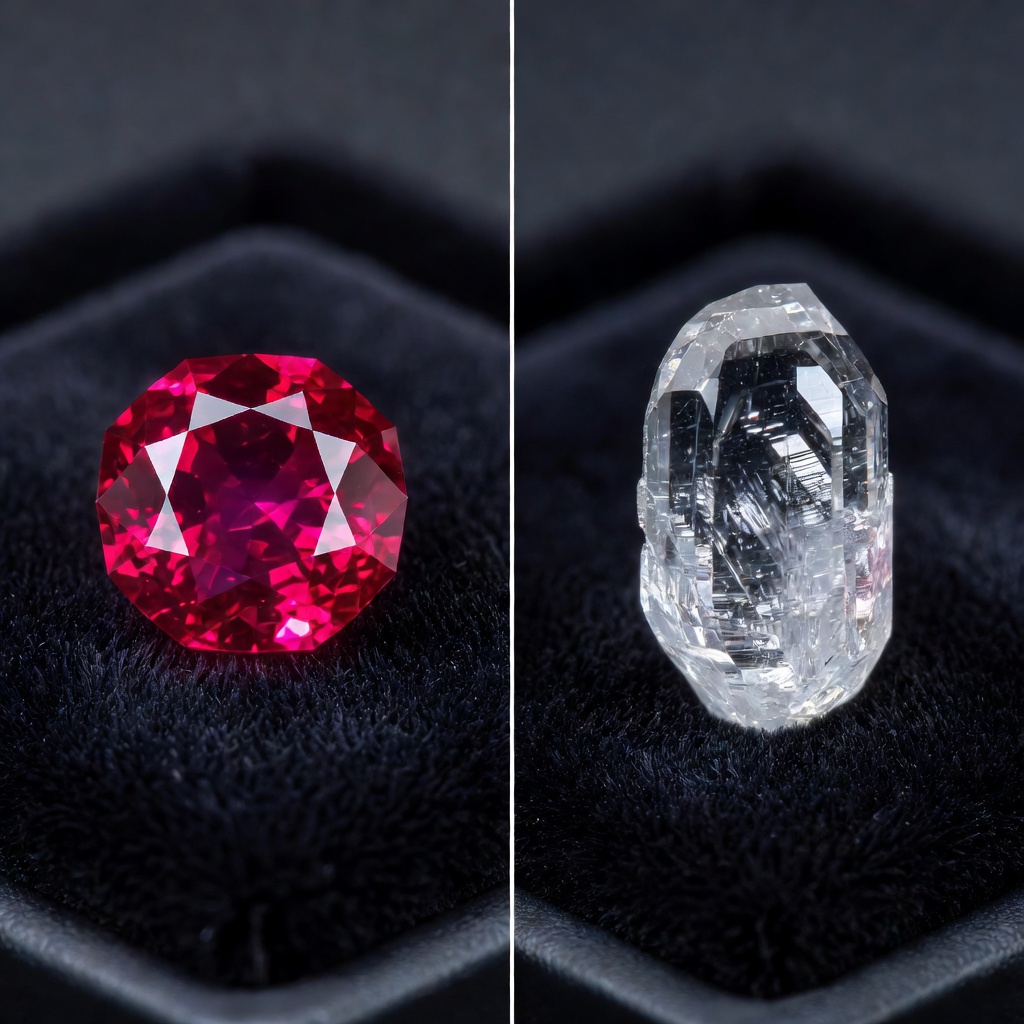
The creation of fine rubies demands specific geological conditions where aluminum oxide crystallizes in the presence of chromium impurities, which replace some aluminum atoms in the crystal lattice to produce the coveted red coloration. These formations typically occur in metamorphic rocks such as marble or basalt environments, where high pressure and temperature conditions allow corundum crystals to grow slowly over millions of years. The most prized specimens, particularly those from Myanmar's Mogok Valley, form in marble deposits that result in stones with exceptional fluorescence and the legendary "pigeon blood" red color that commands premium prices in international markets.
The Asterism Phenomenon in Sapphires
Star sapphires develop their distinctive optical effect through the inclusion of microscopic rutile needles composed of titanium dioxide, which align themselves in three specific directions at 60 and 120-degree angles within the corundum crystal structure. When these inclusions reach optimal density and the stone is cut as a cabochon with a domed top, light reflects off these needle bundles to create the six-rayed star that seems to float across the gemstone's surface as it moves. This phenomenon, known as asterism in sapphires, requires not just the presence of rutile but also precise cutting techniques to center the star on the dome's apex, ensuring the rays remain sharp and well-defined when viewed under direct light sources.
Global Mining Locations and Crystal Structures
Both gemstones emerge from similar geographic regions, with Myanmar, Sri Lanka, and Madagascar serving as the primary sources for high-quality specimens of each variety. Burmese deposits historically yielded the finest rubies with intense saturation and minimal violet secondary tones, while Sri Lankan (Ceylon) mines produce exceptional star sapphires with translucent body colors that enhance the visibility of the star effect. The critical difference in crystal structure lies in the inclusion patterns: rubies typically form with scattered rutile "silk" or fingerprint inclusions that can enhance color but often reduce clarity, whereas star sapphires require dense, parallel rutile arrays that would be considered detrimental in faceted stones but are essential for the asterism effect.
Visual Characteristics: Color Phenomena and Appearance
Ruby's Color Spectrum and Quality Indicators
Ruby gemstone properties center primarily on color evaluation, with the most valuable specimens displaying a pure, vibrant red to slightly purplish-red hue often described as "pigeon blood" in the trade. The color spectrum ranges from pinkish-red stones, which may be classified as pink sapphires depending on saturation levels in some markets, to deep crimson varieties that appear to glow from within due to chromium fluorescence under natural daylight. When selecting a ruby for jewelry, examine the stone under various lighting conditions, as the finest specimens maintain their red saturation under incandescent light where lesser stones may appear brownish or dull, a practical tip that has saved many collectors from purchasing stones that only appear vibrant in jewelry store lighting.
Star Sapphire Body Colors and Optical Effects
Star sapphires present a diverse palette of body colors including classic blue, velvety black, delicate pink, and smoky gray, with the blue variety being most recognized as the September birthstone. The sapphire asterism effect creates a six-rayed star that appears to glide across the dome surface as the stone moves, with the sharpest stars displaying rays that extend completely to the base of the cabochon without fading or breaking. Unlike the sparkle of faceted stones, star sapphires exhibit a subtle, mysterious luster that appeals to collectors seeking unique conversation pieces, with the finest specimens combining translucent body colors that allow light penetration with sharply defined stars that maintain their integrity under diffused lighting conditions.
Cutting Styles and Optical Phenomena Differences
The cutting approaches for these corundum varieties differ fundamentally due to their optical requirements, with rubies typically receiving precision faceting to maximize brilliance, fire, and color return through proper light refraction. Star sapphires, conversely, must be cut as cabochons—smooth, domed shapes without facets—to properly display the asterism effect, requiring the cutter to orient the rough crystal so the rutile needles align perpendicular to the base, positioning the star precisely at the dome's center. This distinction creates practical considerations for jewelry design: faceted rubies suit classic settings that allow light entry from multiple angles, while star sapphires require protective bezel settings that accommodate their dome shape while keeping the star visible from above.
Physical Properties and Durability
Hardness and Daily Wear Considerations
Both ruby and star sapphire rate 9 on the Mohs hardness scale, placing them just below diamond as the hardest natural materials available for jewelry, making them excellent choices for engagement rings and daily wear pieces that must resist scratching. This exceptional hardness stems from their corundum composition, where strong aluminum-oxygen bonds create a durable crystal lattice that withstands the abrasion encountered in everyday activities. However, hardness should not be confused with toughness—the resistance to breaking or chipping—where differences emerge between these gemstones due to their internal structures and cutting styles.
Toughness Variations and Structural Integrity
While rubies generally exhibit excellent toughness suitable for active lifestyles, star sapphires may present some vulnerabilities due to the dense rutile inclusions necessary for the asterism effect, which can create planes of weakness within the crystal structure. The cabochon cut commonly used for star sapphires, featuring a rounded dome top, also concentrates stress at the apex and edges, making these stones potentially more susceptible to damage from sharp impacts compared to faceted rubies with their distributed edges and pointed culets. For collectors considering these stones for rings, practical advice suggests choosing protective settings such as full bezels or half-bezels for star sapphires, while rubies can accommodate more delicate prong settings that showcase their faceted brilliance.
Thermal and Chemical Resistance Properties
Both varieties demonstrate excellent resistance to heat and common chemicals, allowing jewelers to use standard repair techniques including retipping prongs without risking thermal shock damage to the stones. They resist attack from acids and maintain their color stability under normal wearing conditions, though prolonged exposure to intense heat—such as that generated by jewelry steam cleaners held too close—can potentially damage certain treated stones. Their specific gravity ranges from 3.97 to 4.05, and both share similar refractive indices between 1.762 and 1.770, meaning they handle light similarly despite their different appearances, with these properties serving as identification markers for gemologists distinguishing natural corundum from synthetic alternatives.
Quality Grading: The 4Cs Applied Differently
Ruby Grading Standards and Color Evaluation
When assessing ruby quality, gemologists prioritize color saturation above all other factors, seeking stones with pure red hues that command premium pricing, particularly those from Burmese mines with the coveted pigeon blood designation. Clarity considerations for rubies tolerate some inclusions, as completely clean stones often indicate synthetic origin or excessive heat treatment, but eye-visible inclusions that reduce transparency or create durability issues significantly decrease value. The cut quality in rubies focuses on symmetry, proper depth percentages that prevent windowing (light leakage through the bottom), and table sizes that balance brilliance with color concentration, with oval and cushion cuts being particularly popular for maximizing color in rough material.
Star Sapphire Grading: The Three Essential Factors
Star sapphire value determination revolves around three critical factors: the sharpness and completeness of the six-rayed star, the attractiveness and evenness of the body color, and the precise centering of the star on the dome's apex. The star itself should appear crisp and silvery-white against the body color, with rays extending from edge to edge without fading, wobbling, or breaking when viewed under a single overhead light source. Unlike rubies where inclusions reduce value, star sapphires require those specific rutile inclusions to create the phenomenon, meaning clarity assessment focuses on whether additional inclusions interfere with the star's visibility or create unsightly dark spots within the stone.
| Characteristic | Ruby | Star Sapphire |
|---|---|---|
| Chemical Composition | Aluminum Oxide (Al₂O₃) with Chromium | Aluminum Oxide (Al₂O₃) with Titanium/Iron |
| Color Range | Red to Pinkish-Red (Pigeon Blood most valued) | Blue, Black, Pink, Gray, Purple |
| Hardness (Mohs Scale) | 9 | 9 |
| Optical Phenomenon | Brilliance and Fire through Faceting | Asterism (Six-Ray Star) |
| Standard Cut | Faceted (Oval, Cushion, Round) | Cabochon (High Dome) |
| Primary Valuation Factor | Color Saturation and Purity | Star Sharpness and Centering |
| Birthstone Month | July | September |
| Astrological Association | Sun (Surya) | Saturn (Shani) |
| Inclusion Tolerance | Minimal Eye-Visible Inclusions Preferred | Rutile Inclusions Required for Star |
| Price Range (High Quality) | $5,000 - $100,000+ per carat | $500 - $10,000+ per carat |
Size and Carat Weight Impact on Pricing
Both gemstones experience exponential price increases with size, but the rarity factors differ significantly between the varieties. Large, clean rubies over five carats with fine color represent extreme rarities that can command six-figure per-carat prices at auction, as the geological conditions rarely produce large crystals without fractures or zoning. Star sapphires, while more abundant in larger sizes, become exponentially rarer when the star maintains perfect centering and sharpness in stones exceeding ten carats, with the "Star of India" and similar museum-quality specimens demonstrating that exceptional star sapphires can achieve legendary status despite generally lower per-carat pricing than equivalent quality rubies.
Astrological Significance and Birthstone Connections
July Birthstone: Ruby's Solar Energy
As the July birthstone, ruby carries powerful associations with the Sun (Surya) in Vedic astrology, representing vitality, leadership, passion, and the life-giving force that drives ambition and confidence. Individuals born under the Leo zodiac sign traditionally benefit most from ruby's energizing properties, though Vedic practitioners may recommend this stone for those seeking to strengthen their solar positions in natal charts, particularly when facing challenges related to authority or self-esteem. Practical application of ruby in astrological contexts often involves setting the stone in gold and wearing it on the right hand's ring finger on Sunday mornings during specific lunar phases, though modern practitioners emphasize that the stone's beauty and durability make it suitable for daily wear regardless of metaphysical beliefs.
September Birthstone: Star Sapphire's Saturnine Wisdom
Star sapphire serves as the September birthstone and carries associations with Saturn (Shani) in Vedic traditions, embodying qualities of discipline, patience, protection, and structured wisdom that contrast with ruby's fiery energy. Capricorn and Aquarius natives typically resonate with star sapphire's calming, grounding vibrations, with the stone traditionally believed to protect against envy and negative energies while promoting mental clarity and spiritual insight. The asterism effect itself holds symbolic significance in many cultures, with the six rays representing faith, hope, destiny, karma, compassion, and love, making star sapphire popular among spiritual seekers who appreciate both its aesthetic uniqueness and its purported metaphysical protective qualities.
Energy Properties and Zodiac Suitability
When comparing the energetic profiles in this precious gemstone comparison, rubies stimulate the base chakra and enhance physical vitality, making them suitable for individuals seeking motivation, courage, and creative inspiration in their personal or professional lives. Star sapphires, conversely, activate the third eye and throat chakras, supporting communication, intuition, and meditative practices, with the star phenomenon serving as a visual reminder of cosmic connection and guidance. Case studies from gemstone therapy practitioners suggest that individuals experiencing burnout or excessive stress may benefit from star sapphire's cooling, stabilizing presence, while those facing creative blocks or leadership challenges might find ruby's warming, energizing influence more beneficial for achieving their goals.
Market Value and Investment Potential
Premium Pricing for Fine Burmese Rubies
In the current precious gemstone comparison market, fine untreated Burmese rubies consistently command higher per-carat prices than star sapphires, with exceptional pigeon blood specimens from the Mogok Valley regularly achieving auction prices exceeding $100,000 per carat for stones over five carats. The disparity in pricing reflects the extreme rarity of large, clean rubies with optimal color, as well as the historical prestige associated with these stones in Asian and Western markets alike. Investors considering ruby acquisitions should focus on untreated stones with documented Burmese or Mozambican origins, as heat-treated or fracture-filled stones, while beautiful for jewelry, do not appreciate at the same rates as natural specimens with certification from laboratories like GIA or Gübelin.
Star Sapphire Value Trends and Rarity Factors
While star sapphires generally occupy lower price brackets than equivalent-sized rubies, exceptional specimens with sharp, centered stars and vivid body colors—particularly the rare pink or purple varieties—can achieve significant value, sometimes exceeding $10,000 per carat for large, fine examples. The investment potential for star sapphires lies in their uniqueness: no two stones display identical star patterns or body color combinations, making them highly desirable for collectors seeking one-of-a-kind pieces rather than commodities. Market trends indicate growing interest in untreated star sapphires from Sri Lanka and Burma, with collectors particularly valuing stones where the star remains visible under ambient lighting rather than requiring direct spotlighting to display the asterism effect.
Liquidity and Collector Market Considerations
From an investment liquidity perspective, rubies offer more standardized markets with established auction channels and dealer networks that facilitate resale, whereas star sapphires appeal to a more specialized collector base that values uniqueness over standardization. Commercial-grade rubies in the one-to-three carat range provide accessible entry points for new collectors, typically ranging from $1,000 to $5,000 per carat, while commercial star sapphires offer even more accessible pricing from $100 to $1,000 per carat depending on star quality and body color. Serious investors should consider diversifying across both varieties, acquiring fine rubies for their appreciation potential while adding exceptional star sapphires for portfolio stability and aesthetic diversity.
Care, Maintenance, and Wearability
Cleaning Methods and Ultrasonic Considerations
Both corundum gemstones tolerate standard jewelry cleaning methods, including ultrasonic cleaners and steam cleaning, though caution proves essential with star sapphires due to their internal rutile inclusions and cabochon shapes that may trap cleaning solutions beneath bezel settings. For routine maintenance, soak both varieties in warm water with mild dish soap for fifteen minutes, then gently scrub with a soft toothbrush to remove accumulated oils and debris from behind the stone and within setting prongs. Professional jewelers recommend avoiding harsh chemical cleaners or chlorine bleach, which can damage certain metal settings and potentially affect oil or glass fracture fillings sometimes found in lower-quality rubies, though natural, untreated stones remain chemically resistant.
Setting Recommendations and Protective Measures
When setting rubies for active lifestyles, consider bezel or half-bezel settings that protect the girdle edges while allowing light to enter the crown facets, particularly important for stones with thin girdles or included areas near the perimeter. Star sapphires require specific considerations due to their dome shape: the setting must accommodate the curved cabochon while positioning the stone low enough to prevent the dome from catching on clothing or receiving direct impacts, with full bezel settings offering optimal protection for daily wear. Case studies from jewelry repair shops indicate that star sapphires in high-profile prong settings suffer more frequent damage than those in protective bezels, suggesting that collectors choose lower-profile designs for rings intended for regular wear while reserving elaborate settings for pendant or brooch applications.
Storage and Professional Maintenance Schedules
Store both ruby and star sapphire jewelry separately from softer gemstones like opal, pearl, or turquoise, as the hardness of corundum can scratch these materials, and keep pieces in individual soft cloth pouches or compartmentalized jewelry boxes to prevent scratching between stones. Due to star sapphires' dome shapes rubbing against metal or other gemstones during storage, inspect these pieces quarterly for surface scratches that might dull the star's appearance, scheduling professional polishing only when necessary as excessive re-polishing can alter the dome's curvature and affect the star's centering. Annual professional inspections ensure that settings remain secure, particularly for faceted rubies in prong settings where daily wear may loosen metal grips, preventing the heartbreaking loss of these valuable corundum gemstones.
Making Your Choice: Which Gemstone Suits You Best
Lifestyle and Activity Level Considerations
Active individuals who engage in manual work, sports, or frequent hand-washing should consider rubies set in protective bezels rather than star sapphires, as the flat table and angular facets of faceted rubies resist abrasion better than the curved dome of cabochon star sapphires, which can develop scratches that diffuse the star effect over time. Those seeking unique conversation pieces for special occasions or office wear may find star sapphires more intriguing, as the moving star phenomenon never fails to capture attention and spark discussion, whereas rubies, while beautiful, conform to more traditional expectations of precious gemstone appearance. Practical tip: if choosing a star sapphire for a ring, select a stone with a star that remains partially visible under office lighting rather than requiring direct spotlighting, ensuring you can enjoy the effect throughout your daily activities.
Aesthetic Preferences and Fashion Compatibility
Fashion-forward collectors who appreciate classic brilliance and fire will gravitate toward faceted rubies, which pair beautifully with diamond halos and platinum settings for timeless elegance suitable for both historical reproduction pieces and contemporary designs. Star sapphires appeal to those with bohemian, vintage, or artistic sensibilities, complementing yellow gold, rose gold, and antique-inspired mountings that enhance their mystical, Old World charm, with black star sapphires offering dramatic contrast for modern, minimalist jewelry designs. Budget optimization strategies suggest that collectors maximize visual impact by choosing slightly smaller rubies with exceptional color over larger stones with washed-out tones, while for star sapphires, prioritizing star sharpness over carat weight ensures satisfaction regardless of body color intensity.
Final Purchasing Checklist and Decision Framework
Before finalizing your precious gemstone comparison purchase, verify that rubies come with laboratory reports indicating origin and treatment status, as untreated Burmese or Mozambican stones command premiums worth the investment, while heat-treated stones should be priced accordingly and disclosed transparently by the seller. For star sapphires, examine the stone under multiple light sources to ensure the star remains centered and sharp, checking that the dome is symmetrical and the base sits flat without rocking, which indicates proper cutting technique. Whether choosing ruby or star sapphire, establish your primary purpose—daily wear jewelry, occasional statement pieces, or long-term investment—as this determination influences whether you prioritize durability and setting security (ruby) or uniqueness and phenomenon quality (star sapphire) in your final selection.
Frequently Asked Questions
Which is more expensive, ruby or star sapphire?
Fine quality untreated rubies, especially Burmese pigeon blood specimens, typically command higher per-carat prices than star sapphires. However, exceptional star sapphires with sharp, centered six-rayed stars and vivid body color can be quite valuable, sometimes exceeding lower-grade rubies.
Can a ruby display asterism like a star sapphire?
Yes, though extremely rare, star rubies do exist and display the same six-rayed star phenomenon caused by rutile needle inclusions. These are distinct from regular faceted rubies and are cut as cabochons to showcase the asterism effect, making them highly collectible.
Is star sapphire considered a real sapphire?
Absolutely. Star sapphire is 100% natural corundum (aluminum oxide), identical in chemical composition to regular sapphire and ruby. The only difference is the presence of microscopic rutile inclusions arranged in specific angles that create the star effect (asterism) when light hits the dome-shaped cabochon cut.
Which is better for astrological purposes, ruby or star sapphire?
It depends on your astrological needs. Ruby represents the Sun (Surya) and is recommended for Leo signs and those seeking leadership, confidence, and vitality. Star sapphire (associated with blue sapphire) represents Saturn (Shani) and suits Capricorn/Aquarius signs, bringing discipline and protection. Consult an astrologer for personalized recommendations.
Are both ruby and star sapphire durable enough for daily wear?
Both rate 9 on the Mohs hardness scale, making them excellent for daily wear jewelry. However, star sapphires are typically cut as cabochons (domed tops) which can scratch more easily than faceted surfaces, and their internal inclusions may create planes of weakness. Rubies are generally more durable for rough daily wear.
How can I tell if my ruby or star sapphire is natural versus synthetic?
Look for inclusions: natural rubies often have 'silk' (rutile needles), fingerprints, or crystal inclusions visible under magnification, while synthetics show curved growth lines or gas bubbles. For star sapphires, natural stars move smoothly with the light source and may have slight imperfections, whereas synthetic stars often appear too perfect and static. Always request a gemological certificate from GIA or similar labs.
What causes the star effect in star sapphires but not in most rubies?
The star effect (asterism) requires dense, parallel needle-like inclusions of rutile (titanium dioxide) arranged in three intersecting directions at 60-degree angles. While star rubies exist, the specific geological conditions creating this precise inclusion pattern are more common in sapphires. Most rubies form with scattered inclusions or different mineral compositions that don't produce the star phenomenon.
Can I wear ruby and star sapphire together?
In Vedic astrology, it's generally not recommended to wear ruby (Sun) and blue star sapphire (Saturn) together as these planets are considered astrological enemies that may create conflicting energies. However, from a purely fashion perspective, the combination of rich red and deep blue can be strikingly beautiful if designed thoughtfully by a jeweler.