The Unlikely Red Gem Comparison: Ruby Vs Sphalerite
When collectors and jewelry enthusiasts evaluate red gemstones, the conversation typically centers on rubies, garnets, or perhaps red spinel. Rarely does the discussion include sphalerite, a zinc sulfide crystal primarily known as an industrial mineral rather than a precious gem. Yet gem-quality red sphalerite represents one of the most fascinating alternatives to traditional red stones, offering optical properties that surpass even diamond while presenting challenges that make it suitable only for discerning collectors. Understanding the distinctions between these two red materials requires examining their fundamental differences in durability, origin, and visual performance. This comprehensive analysis explores why ruby remains the undisputed king of precious gems while red sphalerite occupies a unique niche for those seeking extraordinary optical fireworks.
Geological Origins and Chemical Composition
The fundamental distinction between ruby and sphalerite begins at the atomic level, where their divergent chemical structures dictate their physical properties and formation environments. Ruby consists of aluminum oxide (Al₂O₃) in the corundum family, forming under intense heat and pressure within metamorphic rocks such as marble and schist. Myanmar's Mogok Stone Tract and Mozambique's Montepuez deposits represent the most significant sources of gem-quality ruby, where geological conditions perfected over millions of years create the chromium-rich environment necessary for vivid red coloration.
In contrast, sphalerite constitutes zinc sulfide (ZnS), crystallizing within hydrothermal veins and contact metamorphic deposits where zinc-bearing fluids interact with host rocks. While sphalerite occurs globally as the primary ore of zinc, transparent crystals suitable for faceting remain extraordinarily rare. Notable deposits producing gem-quality red sphalerite include the Picos de Europa region in Spain, the Madan ore fields in Bulgaria, and select locations in Colorado and Tennessee within the United States. These specimens emerge from cavities within limestone and dolomite formations, often alongside galena and chalcopyrite.
Crystallographically, ruby belongs to the trigonal crystal system, forming hexagonal prisms with distinct growth patterns that sometimes trap rutile needles creating the coveted "silk" inclusions. Sphalerite crystallizes in the isometric (cubic) system, frequently developing tetrahedral and dodecahedral forms that maximize light return when properly oriented during cutting. This difference in crystal structure significantly impacts how lapidaries approach each material, with sphalerite requiring precise alignment to minimize cleavage risks while ruby offers more flexibility in cutting orientation.
Physical Properties and Durability Factors
The most critical practical difference between these red gemstones manifests in their hardness and durability, factors that fundamentally determine their suitability for jewelry applications. Ruby ranks 9 on the Mohs hardness scale, second only to diamond, making it extraordinarily resistant to scratching and abrasion during daily wear. This exceptional hardness stems from the strong aluminum-oxygen bonds within the corundum crystal lattice, allowing ruby to maintain its polish indefinitely even in rings and bracelets subjected to constant contact with hard surfaces.
Sphalerite presents a stark contrast with a Mohs hardness of only 3.5 to 4, comparable to fluorite or calcite. This relative softness means that red sphalerite gemstones scratch easily with common household dust (which often contains quartz particles ranking 7 on the Mohs scale) and can be damaged by accidental impacts against doorframes or countertops. Furthermore, sphalerite possesses perfect cleavage in six directions, creating planes of structural weakness where the crystal can split cleanly under pressure or temperature shock. Ruby exhibits only imperfect cleavage, making it significantly more resistant to breakage despite its brittleness.
| Property | Ruby (Corundum) | Red Sphalerite (Zinc Sulfide) |
|---|---|---|
| Chemical Formula | Al₂O₃ (Aluminum Oxide) | ZnS (Zinc Sulfide) |
| Mohs Hardness | 9 | 3.5-4 |
| Crystal System | Trigonal | Isometric (Cubic) |
| Cleavage | Imperfect | Perfect (6 directions) |
| Specific Gravity | 3.97-4.05 | 3.9-4.1 |
| Refractive Index | 1.762-1.770 | 2.37-2.43 |
| Dispersion | 0.018 | 0.156 |
Specific gravity measurements reveal interesting similarities despite their chemical differences, with both materials ranging between 3.9 and 4.1. However, the tactile experience differs significantly due to thermal conductivity; ruby feels cool to the touch and conducts heat efficiently, while sphalerite warms quickly against the skin. Jewelers must consider these physical limitations when designing settings, as sphalerite requires protective mounting that prevents edge contact, whereas ruby tolerates exposed prong settings and daily wear without concern for surface damage.
Color Variations and Visual Appeal
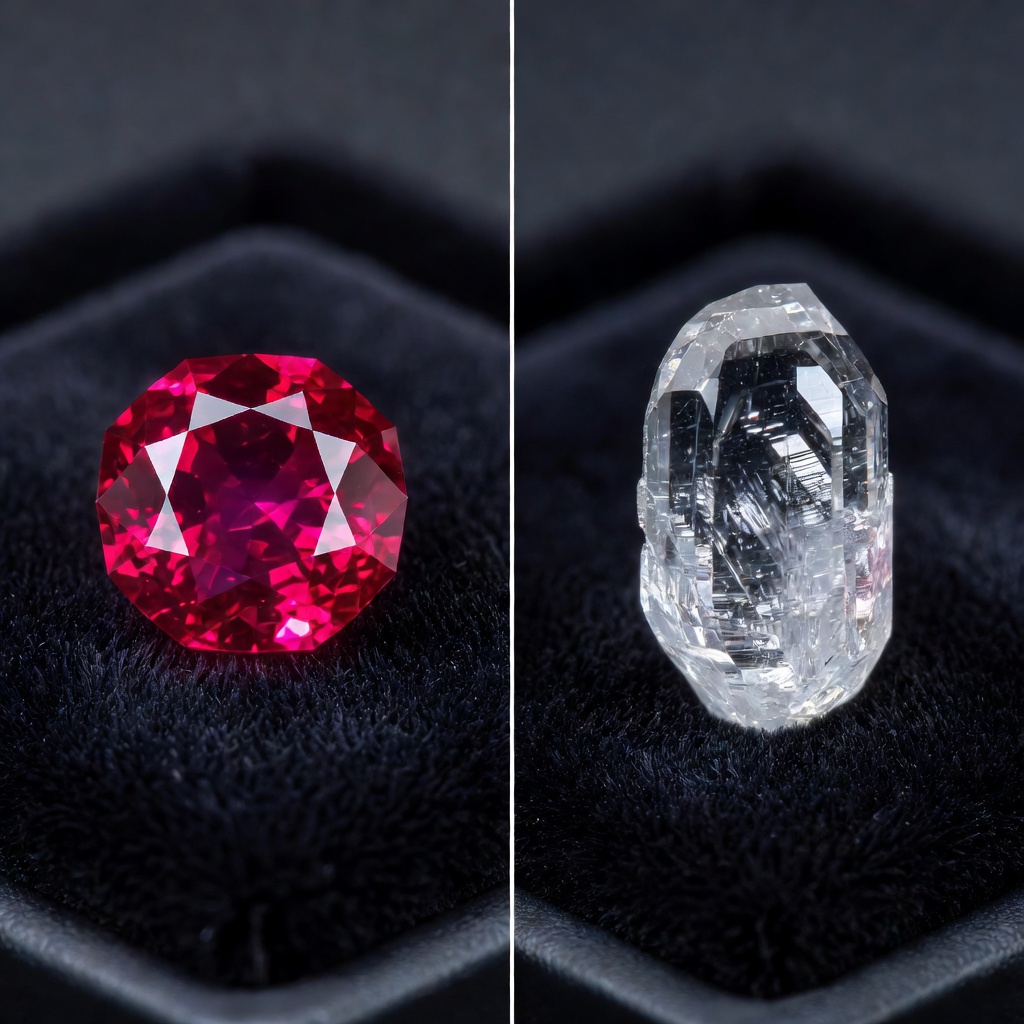
Color evaluation for red gemstones involves assessing hue, tone, and saturation, yet ruby and sphalerite occupy distinctly different positions on the red spectrum despite superficial similarities. The coveted pigeon blood ruby value derives from stones exhibiting a vivid, saturated red with a slight blue undertone that creates an almost glowing appearance under natural daylight. This specific coloration, originally defined by stones from Myanmar's Mogok mines but now also found in Mozambique deposits, commands premium prices exceeding $100,000 per carat for unheated specimens over five carats. The chromium content responsible for this color also produces strong red fluorescence under ultraviolet light, causing these rubies to appear internally illuminated.
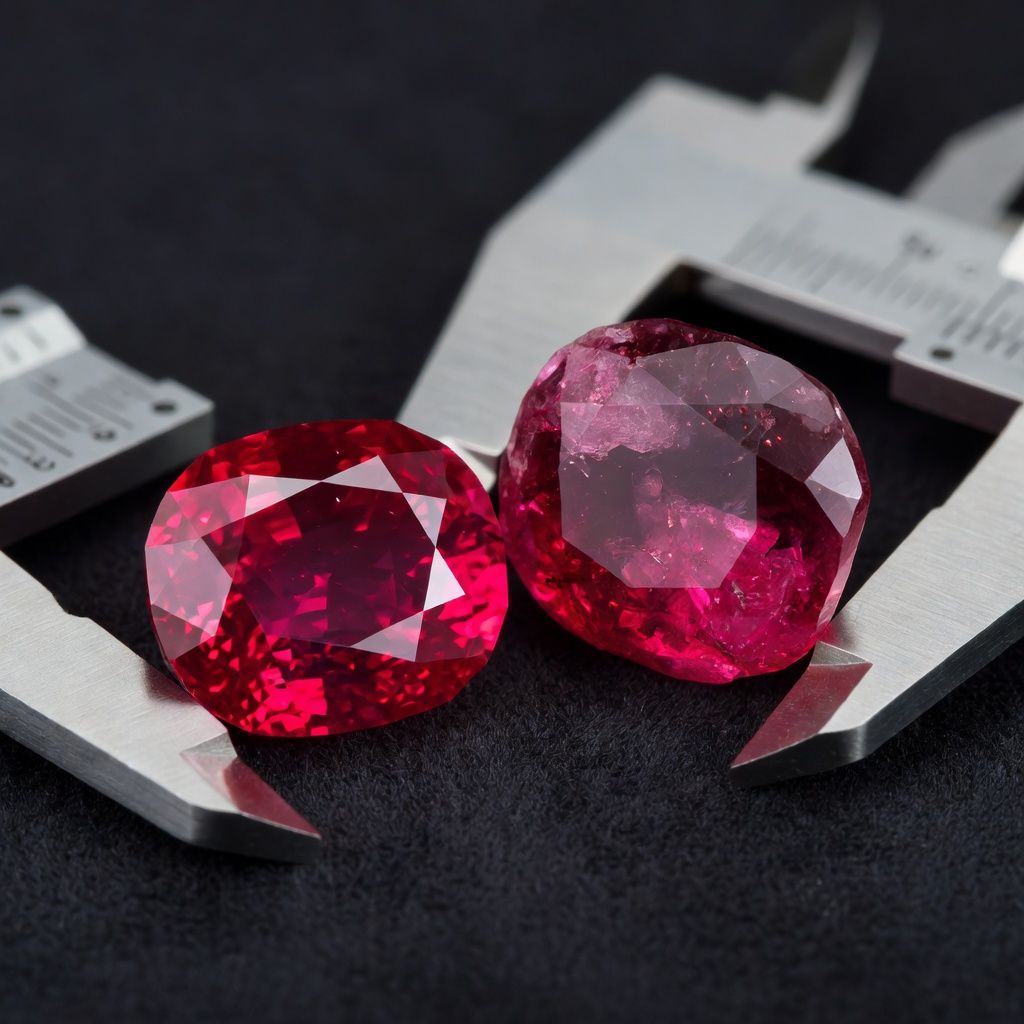
Red sphalerite gemstones typically display deeper, often brownish-red or orangish-red tones resulting from iron impurities or natural irradiation within the zinc sulfide crystal lattice. While occasionally achieving pure red hues, sphalerite generally lacks the electric vibrancy of fine ruby, instead offering a more subdued, velvety appearance reminiscent of red garnet or dark cherry. However, sphalerite frequently achieves exceptional clarity, with large clean crystals exceeding ten carats available to collectors, whereas fine rubies rarely exceed three carats without significant inclusions. This size availability allows sphalerite to deliver impressive visual presence despite its softer color palette.
Clarity characteristics further distinguish these materials, as ruby often contains silk inclusions that scatter light and create a soft, velvety appearance prized in Burmese stones. These rutile needles sometimes form asterism, creating six-rayed star rubies when cut en cabochon. Sphalerite typically forms with fewer internal characteristics, occasionally displaying cleavage planes or twinning patterns visible under magnification but rarely exhibiting the silk or crystal inclusions common in ruby. For collectors seeking flawless transparency in large sizes, red sphalerite offers opportunities unavailable in the ruby market, where eye-clean stones over two carats command extraordinary premiums.
Optical Performance: Brilliance and Fire
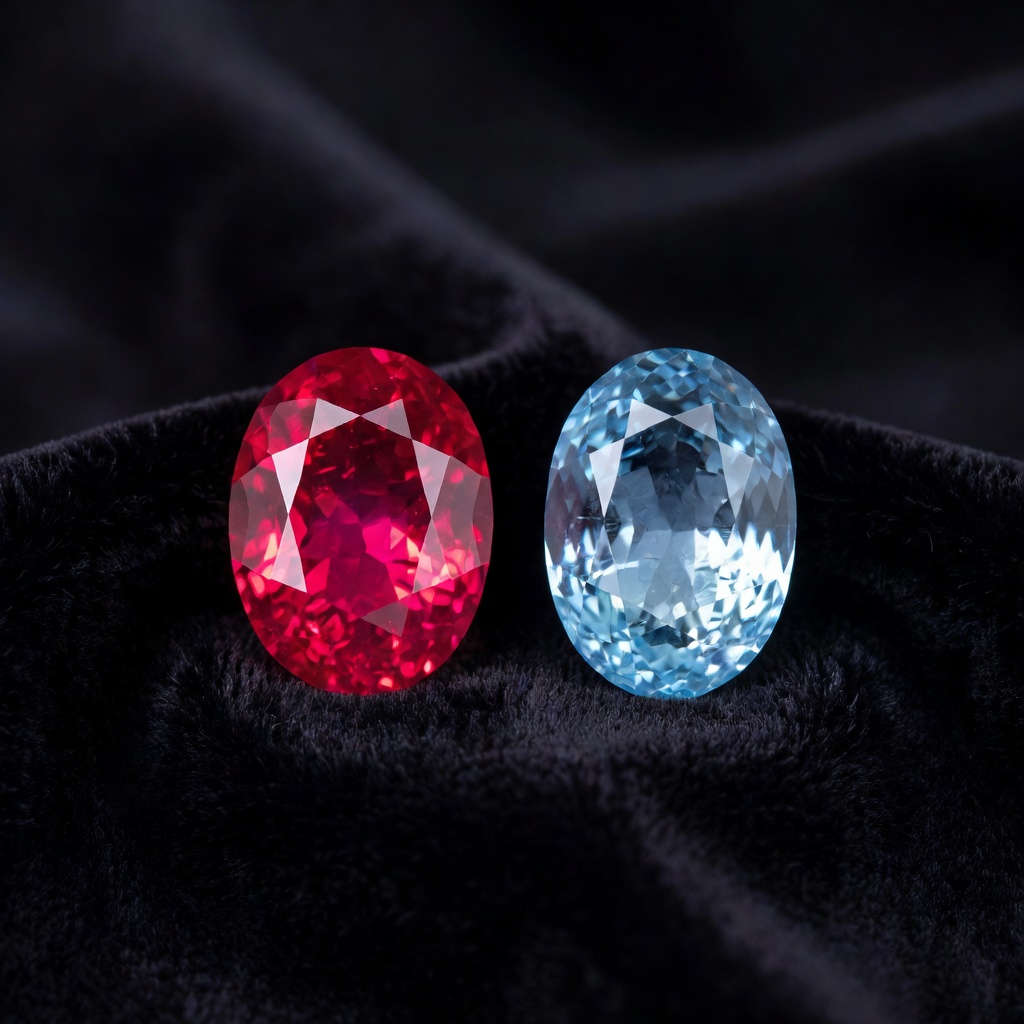
The optical behavior of these gemstones reveals perhaps the most dramatic contrast in the ruby vs sphalerite comparison, particularly regarding dispersion or "fire." Dispersion refers to a gemstone's ability to separate white light into spectral colors, creating rainbow flashes visible when the stone moves. Sphalerite possesses the highest dispersion of any commercially available gemstone at 0.156, more than triple that of diamond (0.044) and nearly nine times that of ruby (0.018). When faceted properly, red sphalerite produces intense spectral flashes of green, blue, and orange that contrast dramatically against its body color, creating a psychedelic display unmatched by any other red gemstone.
Ruby exhibits relatively low dispersion, producing instead a pure, saturated red brilliance without the colorful rainbow flashes characteristic of high-dispersion stones. This ruby brilliance results primarily from its refractive index of 1.76-1.77, which creates strong luster and light return but maintains color purity. The combination of high refractive index and low dispersion gives fine ruby its distinctive "pigeon's blood" glow—a deep, saturated red that appears to emanate from within the stone rather than reflecting rainbow colors.
Refractive index differences significantly impact how these stones interact with light, with sphalerite's exceptionally high RI of 2.37 creating a mirror-like adamantine to vitreous luster that approaches diamond's sparkle. Ruby maintains a vitreous (glassy) luster that, while attractive, lacks the liquid-metal reflectivity of sphalerite. Lapidaries cutting sphalerite must exercise extreme precision regarding pavilion angles, as the high refractive index causes light to bend sharply; incorrect angles result in windowing or light leakage. Ruby offers more forgiving cutting parameters, though optimal angles vary depending on whether the cutter prioritizes color saturation or brilliance. For collectors seeking gemstone dispersion fire above all other considerations, sphalerite represents the ultimate choice among red stones, while those preferring pure color purity gravitate toward ruby.
Jewelry Suitability and Wearability
Practical jewelry applications for these materials diverge dramatically based on their durability profiles, dictating appropriate settings and wearing occasions. Ruby excels in engagement rings, anniversary bands, and daily wear pieces where constant contact with hard surfaces occurs. Its 9 Mohs hardness ensures that rings worn for decades maintain their polish and facet integrity, while its toughness resists chipping despite daily impacts. Major jewelry houses including Cartier, Van Cleef & Arpels, and Harry Winston regularly feature Burmese and Mozambique rubies in high-jewelry rings and bracelets designed for regular wear, confident in the stone's ability to withstand generations of use.
Sphalerite jewelry durability concerns restrict its application to protective settings and occasional wear pieces. The mineral's perfect cleavage and softness make it unsuitable for rings or bracelets regardless of setting style, as even bezel-set stones risk cleavage damage from accidental blows. Instead, sphalerite finds appropriate use in pendants, earrings, and brooches where impact probability remains minimal. When set in jewelry, sphalerite requires bezel settings or protective halo designs that shield the girdle and pavilion from contact with hard surfaces. Some innovative designers create convertible sphalerite pendants that double as collector display pieces, allowing owners to enjoy the stone's extraordinary fire while minimizing wear risks.
Setting considerations extend beyond protection to thermal management, as sphalerite's zinc sulfide composition can react to heat during jewelry repair or cleaning. Ultrasonic cleaners and steam systems, safe for ruby, potentially damage sphalerite through thermal shock or vibration along cleavage planes. Jewelers working with sphalerite must use cold-setting techniques and avoid heat application during sizing or prong adjustment. For collectors seeking to wear red sphalerite gemstones, earrings represent the safest option, positioning the stone away from impact while allowing movement that showcases the stone's spectacular dispersion. Ruby, conversely, tolerates all standard jewelry manufacturing processes and cleaning methods, offering true everyday wearability that sphalerite cannot match.
Market Value, Rarity and Investment Potential
Price differentials between these red gemstones reflect their divergent positions within the gemological hierarchy, with ruby value establishing benchmarks among precious stones while sphalerite occupies a specialized collector niche. Fine unheated pigeon blood rubies from Myanmar command prices ranging from $10,000 to over $100,000 per carat for exceptional stones, with the record-setting "Sunrise Ruby" selling for over $1 million per carat in 2015. Mozambique rubies offer relatively accessible entry points at $1,000-$5,000 per carat for fine qualities, though prices escalate rapidly for unheated material over five carats. These valuations reflect ruby's historical status, exceptional durability, and consistent demand across global markets.
Rare red sphalerite represents a fractional investment by comparison, with faceted gems typically ranging from $50 to $500 per carat depending on size, clarity, and color intensity. While large, exceptional specimens may exceed $1,000 per carat, the market remains limited primarily to mineral collectors and gemological enthusiasts rather than mainstream jewelry buyers. This price differential stems partly from sphalerite's industrial abundance; while transparent red crystals remain rare, the mineral's ubiquitous presence as the primary zinc ore prevents scarcity-driven pricing.
Treatment disclosure significantly affects ruby pricing, as heat treatment to improve color and clarity represents standard practice for approximately 95% of commercial rubies. Unheated stones command 50-300% premiums depending on size and quality, requiring laboratory certification from GIA, SSEF, or Gübelin to verify natural status. Sphalerite rarely undergoes treatment, as heating risks damaging the stone along cleavage planes, and its color typically results from natural irradiation or iron content that cannot be easily enhanced. From an investment perspective, fine untreated rubies from established mines offer blue-chip stability with historical price appreciation averaging 5-8% annually, while sphalerite represents a speculative collectible with limited liquidity but potential appreciation among dispersion enthusiasts and mineral collectors seeking rare zinc sulfide crystal specimens.
Metaphysical Properties and Historical Significance
Cultural associations and metaphysical attributes further distinguish these materials, with ruby meaning deeply embedded in human history spanning millennia. Ancient Sanskrit texts referred to ruby as "ratnaraj" or "king of precious stones," believing the gem maintained health, wisdom, and success in love. Burmese warriors embedded rubies into their skin before battle, convinced the stones rendered them invulnerable, while Medieval Europeans associated ruby with Christ's passion and blood, incorporating the gem into royal regalia and religious artifacts. These historical associations with vitality, protection, and passion continue in contemporary crystal healing practices, where practitioners recommend ruby for stimulating life force energy, enhancing motivation, and balancing the root chakra.
Sphalerite healing properties center on grounding and discernment rather than the fiery passion associated with ruby. Crystal healers value sphalerite for its purported ability to enhance perception, distinguish truth from illusion, and ground spiritual energy into physical action. The mineral's zinc content associates it with immune system support and cellular regeneration in holistic practices. Historically, sphalerite remained unrecognized as a distinct mineral until the 18th century, previously confused with galena due to similar appearances. Its primary historical significance derives from industrial metallurgy as the chief ore of zinc, used for brass production and galvanization rather than adornment.
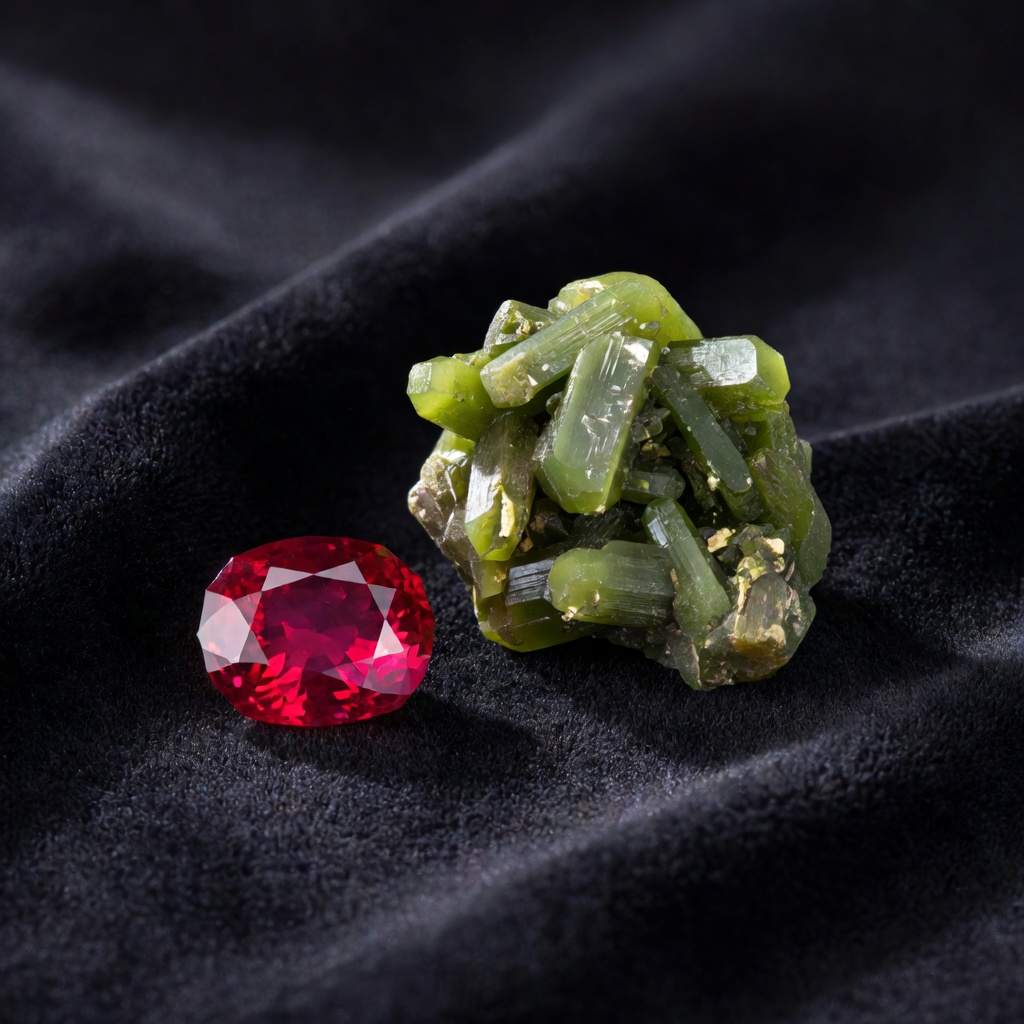
This historical divergence creates distinct collecting philosophies; ruby appeals to those drawn to royal heritage, ancient civilizations, and the romance of the Silk Road trade routes, while sphalerite attracts mineralogists fascinated by crystallography and industrial geology. Contemporary collectors sometimes pair both stones in display collections, contrasting ruby's imperial associations with sphalerite's scientific significance as a zinc sulfide crystal. The metaphysical practitioner might wear ruby jewelry daily for energy work while keeping sphalerite specimens on altars or desks for meditation and discernment practices, acknowledging each stone's distinct vibrational properties.
Final Verdict: Choosing Between Durability and Spectacle
Selecting between these red gemstones ultimately requires honest assessment of lifestyle, wearing habits, and collecting objectives. Active individuals seeking daily-wear jewelry should unquestionably choose ruby, accepting that while costs remain higher, the investment delivers generations of wear without special precautions. Those prioritizing optical fireworks and willing to treat their gemstones as occasional treasures may find red sphalerite more compelling, accepting the trade-off between spectacular visual performance and fragility. This decision matrix simplifies when considering primary use: engagement rings, anniversary gifts, and heirlooms demand ruby's durability, while artistic pendants and collector specimens suit sphalerite's unique properties.
Care and maintenance requirements reinforce these distinctions. Ruby maintenance involves standard jewelry care: occasional cleaning with mild soap and ultrasonic systems, secure storage separate from softer gems to prevent scratching other jewelry, and periodic prong inspection. Sphalerite demands meticulous care including storage in individual padded containers, cleaning only with soft brushes and room-temperature water, and avoidance of all chemical exposures including hairspray, perfume, and household cleaners that might attack the zinc sulfide composition or seep into cleavage planes.
Building a complementary collection featuring both stones offers the most satisfying approach for serious gem enthusiasts. A well-curated collection might include a fine Burmese ruby ring for daily wear alongside a spectacular red sphalerite pendant for special occasions, allowing the collector to enjoy both durability and dispersion. This strategy acknowledges that choosing gemstones need not be exclusive; rather, understanding the specific applications where each material excels enables collectors to appreciate ruby vs sphalerite not as competitors but as complementary expressions of geological diversity. The ruby satisfies the desire for timeless, wearable luxury, while sphalerite fulfills the collector's quest for optical perfection and mineralogical rarity.
Frequently Asked Questions
Is sphalerite harder than ruby?
No, sphalerite is significantly softer than ruby. Ruby ranks 9 on the Mohs hardness scale, making it one of the hardest gemstones suitable for daily wear. Sphalerite only ranks 3.5-4, similar to fluorite or calcite, making it too soft for rings and susceptible to scratching and abrasion.
Can sphalerite be worn daily like ruby?
Sphalerite is not recommended for daily wear jewelry like rings or bracelets due to its softness (3.5-4 Mohs) and perfect cleavage. It is best suited for occasional wear in protective settings like pendants or earrings, or kept as a collector's specimen. Ruby, however, is ideal for daily wear including engagement rings.
Which gemstone has more fire, ruby or sphalerite?
Sphalerite has significantly more fire (dispersion) than ruby. With a dispersion rating of 0.156, sphalerite exceeds even diamond (0.044) and creates intense rainbow flashes. Ruby has low dispersion (0.018), producing a more subtle, pure red brilliance without the colorful fire.
Why is ruby more expensive than red sphalerite?
Ruby commands higher prices due to its exceptional hardness (9 Mohs), historical prestige as a precious gem, and consistent demand for fine jewelry. While rare red sphalerite is collectible, its industrial abundance as the primary zinc ore and unsuitability for everyday jewelry limits its value compared to ruby.
How can you tell ruby and red sphalerite apart?
Visual identification relies on several factors: sphalerite exhibits much higher dispersion (rainbow fire) and adamantine luster compared to ruby's vitreous luster. Ruby often shows silk inclusions and strong red fluorescence under UV light. A hardness test (sphalerite scratches with a copper coin, ruby requires corundum) provides definitive separation.
Is sphalerite considered a real gemstone?
Yes, despite being the primary ore of zinc, transparent colored sphalerite crystals are considered genuine gemstones, particularly in shades of red, orange, and green. However, gem-quality sphalerite is rare due to the mineral's typically dark, opaque industrial form. When faceted, it is prized by collectors for its exceptional dispersion.
What causes the red color in both ruby and sphalerite?
Ruby's red color comes from chromium impurities replacing aluminum in the corundum crystal structure. In sphalerite, red and orange colors typically result from iron impurities or natural irradiation affecting the zinc sulfide crystal lattice. Both can produce vivid red hues, though ruby's color is generally more saturated and stable.
Which stone is better for investment purposes?
Ruby is generally the better investment due to its established market, historical price appreciation, and enduring demand for high-quality unheated stones from Myanmar or Mozambique. While rare facet-grade red sphalerite may appreciate among mineral collectors, it lacks the liquidity and broad market recognition of fine rubies.