Introduction to Ruby and Sodalite
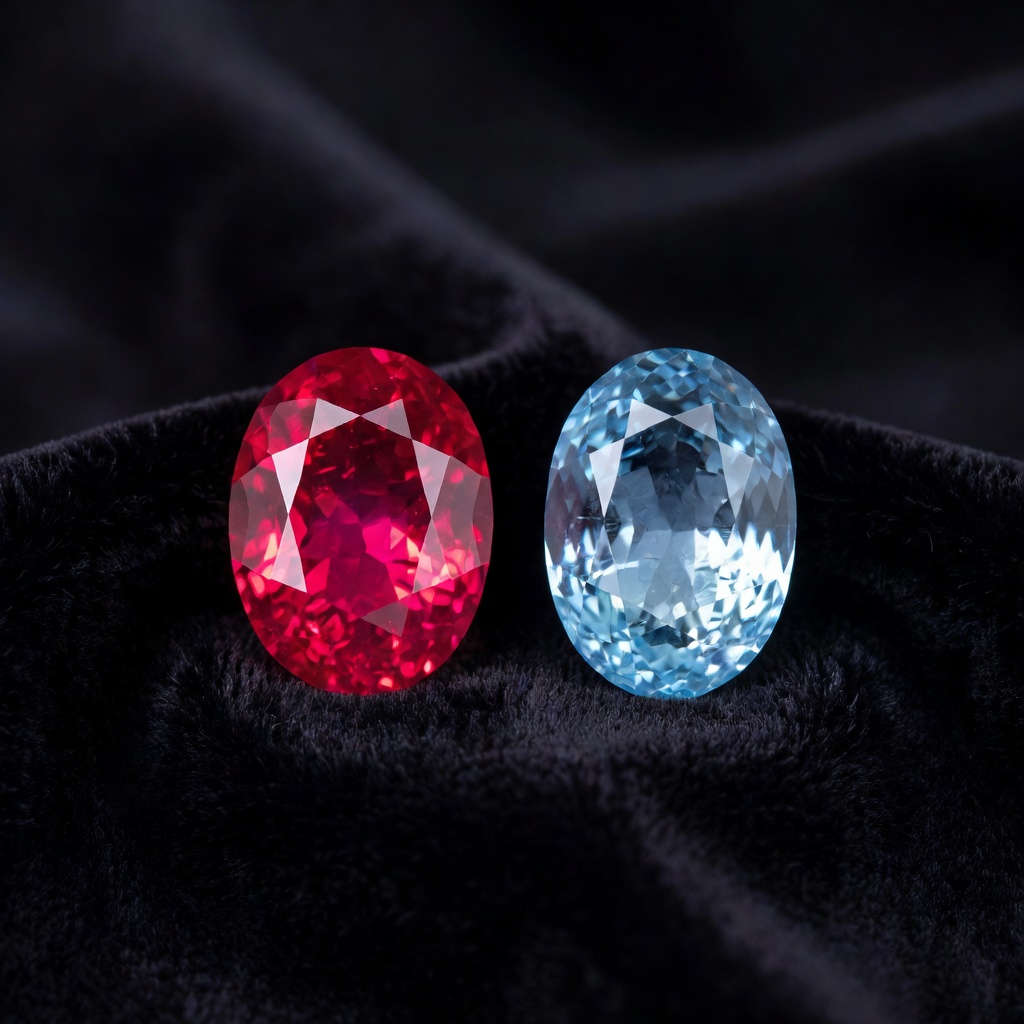
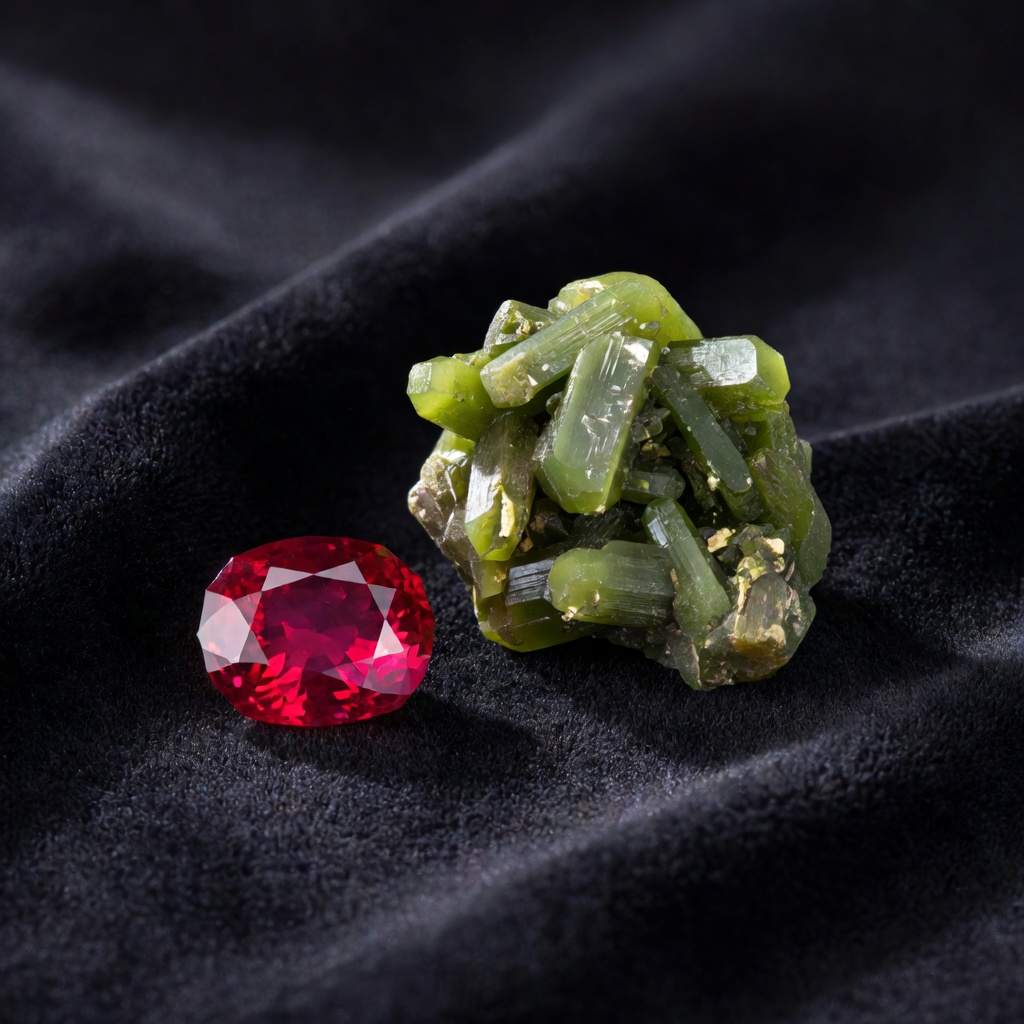
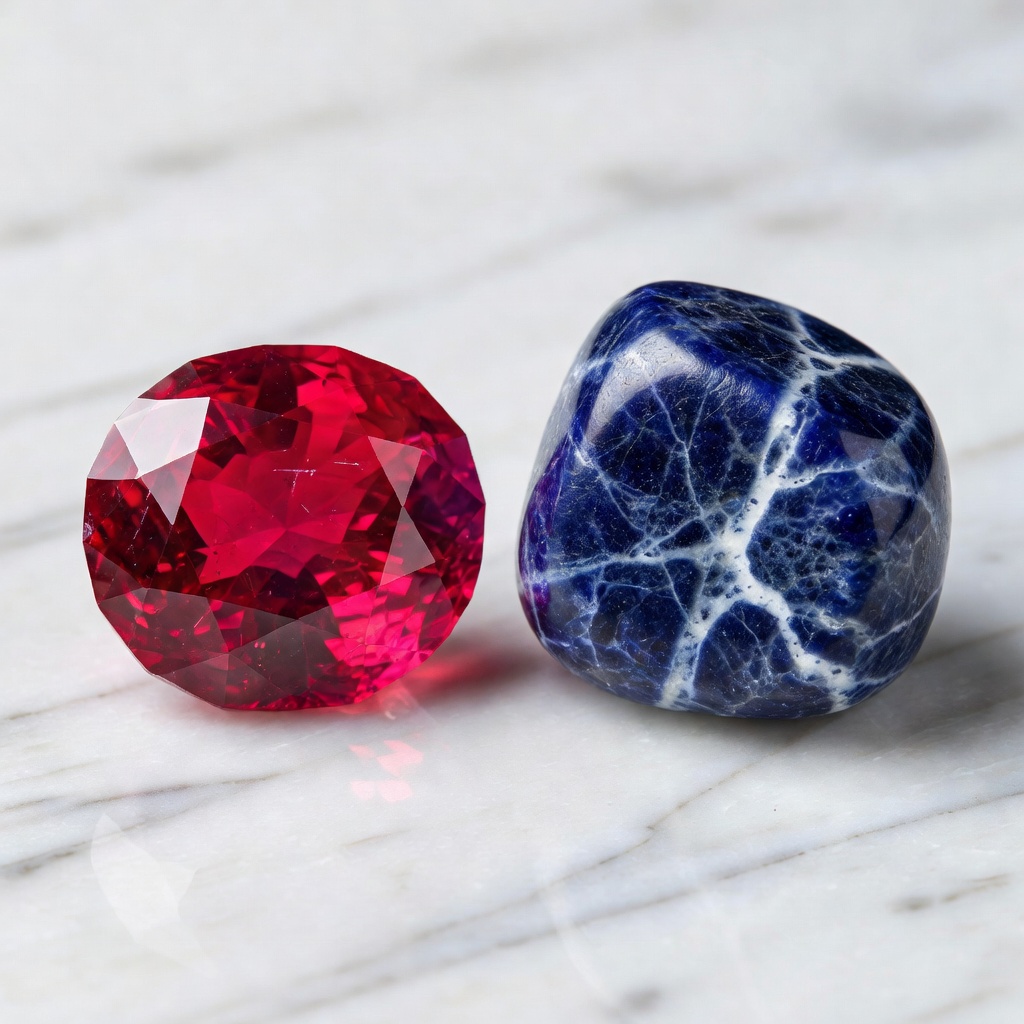
When exploring the fascinating world of colored gemstones, the comparison between Ruby vs Sodalite presents a striking study in contrasts that educates collectors about the vast spectrum of mineral beauty. The red ruby gemstone stands as one of the "big three" precious stones, commanding attention with its intense pigeon-blood red hues and exceptional rarity that has captivated royalty for millennia. In opposition, the blue sodalite crystal offers collectors an accessible entry into lapidary arts with its distinctive royal blue coloring and white veining patterns that resemble miniature abstract paintings frozen in mineral form.
Understanding the distinction between precious vs semi-precious gemstones becomes remarkably clear when examining these two minerals side by side, as they represent opposite ends of the value, durability, and rarity spectrum. While rubies form under extreme geological pressure over millions of years in specific marble deposits, sodalite crystallizes in igneous environments that are comparatively more common throughout the earth's crust. This comprehensive comparison will explore critical factors including geological formation, Mohs hardness ratings, market valuation, jewelry applications, and metaphysical associations to help you make informed decisions whether you are building a serious investment collection or seeking your first significant gemstone piece.
Geological Origins and Chemical Composition
Ruby Formation in Metamorphic Environments
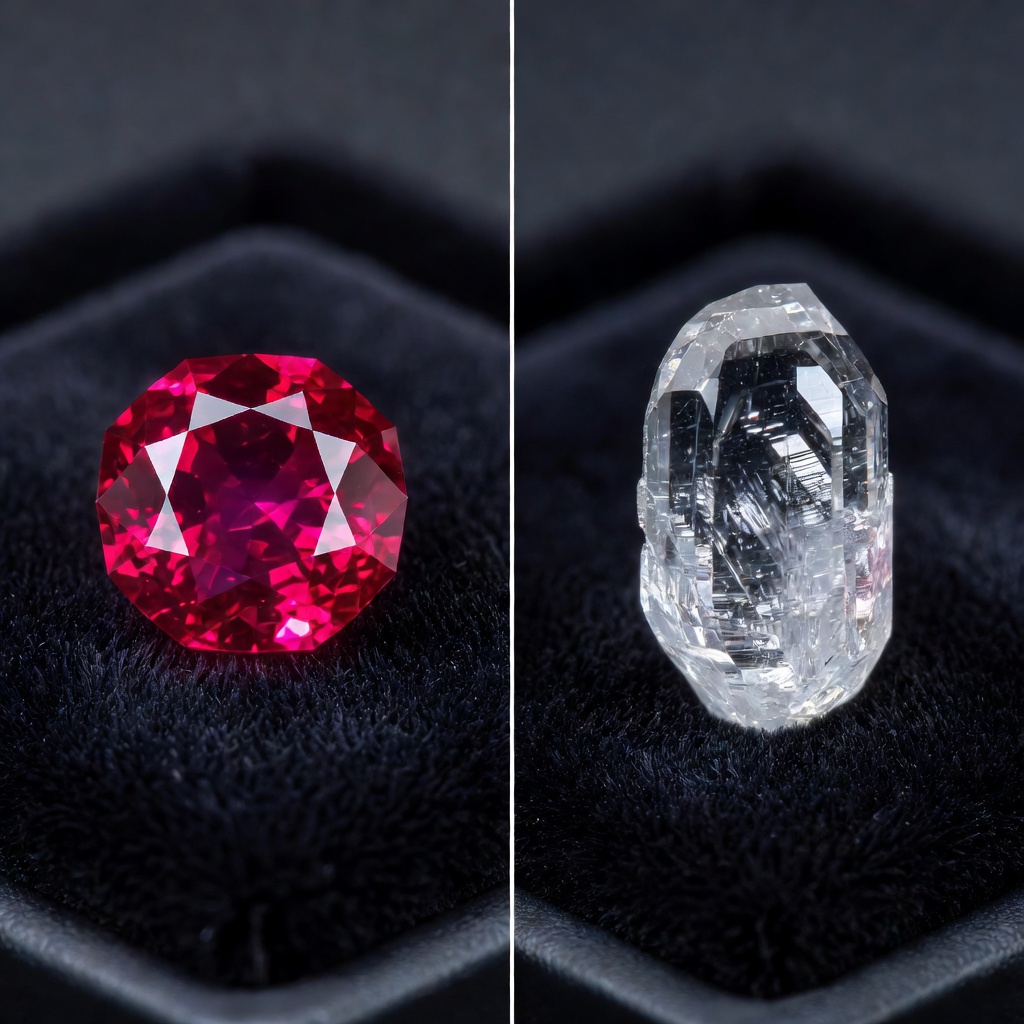
Rubies belong to the corundum mineral properties family, crystallizing from aluminum oxide (Al₂O₃) infused with trace chromium elements that produce their signature red coloration under extreme heat and pressure conditions. These precious gems typically form within metamorphic marble deposits or basaltic rocks where specific geological conditions—temperatures exceeding 800°C and significant tectonic pressure—allow aluminum and oxygen atoms to arrange into the trigonal crystal system. The most coveted Burmese rubies originate in the Mogok Stone Tract of Myanmar, where ancient marble beds subjected to regional metamorphism created the perfect chemical environment for chromium-rich corundum crystallization over 500 million years ago.
Sodalite Crystallization in Igneous Rocks
The blue sodalite crystal forms through entirely different geological processes, crystallizing from sodium-rich magmas in nepheline syenites and other silica-undersaturated igneous rocks as a feldspathoid mineral. Chemically classified as sodium aluminum silicate with chlorine (Na₈Al₆Si₆O₂₄Cl₂), sodalite develops its characteristic royal blue color from trace sulfur radicals trapped within the cubic crystal lattice structure during formation. Major mining operations extract sodalite from the Bancroft region of Ontario, Canada, where vast deposits were discovered in 1891, alongside significant sources in Brazil's Bahia state and Namibia's volcanically active regions that provide material for both ornamental carving and jewelry applications.
Physical Properties and Durability Comparison
Understanding the gemstone hardness scale proves essential when comparing these minerals, as ruby ranks 9.0 on the Mohs scale while sodalite measures only 5.5-6.0, creating dramatically different wearability profiles for jewelry applications. This significant hardness differential means that red ruby gemstone durability allows for daily wear in engagement rings and bracelets without scratching, whereas sodalite requires protective settings to prevent damage from everyday impacts and abrasion. Ruby's exceptional toughness—its resistance to breaking and chipping—stems from its trigonal crystal structure lacking cleavage planes, while sodalite's cubic structure presents perfect cleavage in three directions, making it prone to fracturing under stress.
| Property | Ruby (Corundum) | Sodalite |
|---|---|---|
| Mineral Class | Oxide (Corundum) | Feldspathoid |
| Mohs Hardness | 9.0 | 5.5-6.0 |
| Crystal System | Trigonal | Cubic |
| Specific Gravity | 3.97-4.05 | 2.14-2.40 |
| Toughness | Excellent | Fair to Good |
| Fracture | Conchoidal to Splintery | Conchoidal to Uneven |
| Price per Carat | $1,000-$100,000+ | $2-$50 |
| Primary Sources | Myanmar, Mozambique, Thailand | Canada, Brazil, Namibia |
Specific gravity measurements further distinguish these stones, with rubies feeling substantially heavier (3.97-4.05 density) than sodalite (2.14-2.40 density) when held in the hand, a diagnostic property gemologists use for identification. For jewelry designers, these physical differences dictate setting choices: rubies tolerate high-pressure prong settings and daily wear, while sodalite demands bezel settings or protective designs that shield the stone from direct impacts and scratches during wear.
Visual Characteristics and Color Variations
Ruby Color Spectrum and Optical Properties
The red ruby gemstone displays a color range from vivid pigeon-blood red—a pure red with subtle blue undertones—to pinkish-red and orangey-red variations, with the most valuable stones exhibiting strong fluorescence under ultraviolet light due to chromium content. Expert gemologists evaluate ruby color using three criteria: hue (the basic color), saturation (the intensity), and tone (the lightness or darkness), with medium-dark tones achieving maximum vividness commanding premium prices at auction. Clarity presents unique challenges in ruby evaluation, as eye-clean stones without visible inclusions are exceptionally rare and valuable, whereas most rubies contain rutile needle inclusions called "silk" that can actually enhance value when they create asterism (star effects) in cabochon-cut stones.
Sodalite Appearance and Inclusions
The blue sodalite crystal presents a distinctive visual signature characterized by rich royal blue to violet-blue body color, frequently interrupted by white calcite veining that creates striking geometric patterns resembling lightning bolts or river deltas across the stone's surface. Unlike the transparent to translucent nature of fine rubies, sodalite typically occurs opaque to translucent, occasionally displaying golden pyrite inclusions that sparkle against the blue background like stars in a night sky. Lapidary artists often exploit sodalite's natural patterns by cutting cabochons that showcase the white veining as landscape scenes, or fashioning beads and carvings that highlight the contrast between deep blue matrix and mineral inclusions, whereas rubies are typically faceted to maximize brilliance and light return.
Market Value and Investment Potential
When analyzing Ruby vs Sodalite value, the economic disparity between these stones illustrates the dramatic difference between precious vs semi-precious gemstones in the modern market, with untreated Burmese rubies fetching $1,000 to over $100,000 per carat depending on quality factors. Ruby valuation follows strict criteria where color saturation accounts for 50% of the stone's value, with untreated "pigeon blood" specimens from Myanmar commanding prices that rival or exceed diamonds on a per-carat basis at international auctions. In contrast, even high-quality sodalite rarely exceeds $50 per carat, with most specimens suitable for jewelry and carving available between $2-$20 per carat, making it an accessible option for beginning collectors and lapidary enthusiasts.
Investment potential diverges sharply between these minerals, as fine rubies historically appreciate in value during economic downturns, serving as portable stores of wealth similar to gold, while sodalite functions primarily as a decorative material without significant investment liquidity. Collectors seeking long-term value retention should prioritize untreated rubies with certification from laboratories like GIA or SSEF, documenting origin and treatment status, whereas sodalite purchases should focus on artistic merit and aesthetic appeal rather than appreciation potential. Case studies from Christie's and Sotheby's auction houses demonstrate that exceptional unheated rubies over five carats have achieved 200-300% value increases over decade-long holding periods, while sodalite values remain relatively stable, tracking inflation but rarely generating significant investment returns.
Jewelry Design Applications and Settings
Ruby Applications in Fine Jewelry
The exceptional hardness and brilliance of corundum make rubies ideal candidates for ruby jewelry buying guide recommendations including engagement rings, eternity bands, and high-impact statement pieces that withstand daily wear without losing luster. Jewelry designers frequently set rubies in platinum or 18k white gold to enhance the red color through complementary contrast, though yellow gold settings remain popular for vintage-inspired designs that evoke the Victorian and Edwardian eras. Prong settings work excellently for rubies due to their durability, allowing maximum light exposure to showcase brilliance, while channel settings protect the girdle edges in wedding bands and anniversary rings designed for continuous wear over decades.
Sodalite Setting Requirements and Care
Sodalite jewelry care necessitates protective design strategies, as the mineral's moderate hardness and perfect cleavage make it unsuitable for rings or bracelets subject to daily impact, instead favoring pendants, brooches, and earrings that minimize physical contact with hard surfaces. Bezel settings provide optimal protection for sodalite cabochons by wrapping the stone's edges in metal guards that prevent chipping, while wire-wrapped designs allow artists to create intricate pendants that showcase the stone's natural veining without drilling holes that might initiate fractures. Sterling silver pairs beautifully with sodalite's blue tones, offering an affordable metal option that complements the stone's accessible price point, though designers should advise clients to remove sodalite jewelry before physical activities, cleaning chores, or exposure to temperature extremes.
Mixed Gemstone Design Strategies
Contemporary jewelry artists increasingly combine ruby and sodalite in complementary designs that leverage the stark color contrast between passionate red and calming blue, creating pieces that balance physical vitality with mental clarity. When designing mixed-stone jewelry, place sodalite in protected upper positions or as accent stones while positioning rubies in areas that might encounter incidental contact, ensuring the harder stone protects the softer one rather than scratching it during wear. Successful case studies include pendant designs featuring central sodalite cabochons surrounded by ruby halos, where the bezel-set sodalite remains protected while the durable ruby accents add brilliance and value to the composition.
Metaphysical Properties and Spiritual Significance
The ruby birthstone meaning extends far beyond its July calendar designation, as crystal healers associate this red ruby gemstone with the Root Chakra (Muladhara), believing it stimulates life force energy, passion, and courageous leadership while dispelling fatigue and apathy. Traditional Ayurvedic practices held that wearing ruby on the left hand strengthened the heart and improved circulation, while modern crystal therapy practitioners recommend placing rubies at the base of the spine during meditation to ground spiritual energy and manifest physical vitality in challenging circumstances. Historical texts from ancient India describe rubies as "Ratnaraj" or "King of Precious Stones," believed to protect warriors in battle and bestow wisdom, health, and wealth upon their owners when worn with reverence.
Sodalite healing properties focus primarily on mental and communicative functions, with the blue sodalite crystal resonating with the Throat Chakra (Vishuddha) and Third Eye to enhance logical thinking, rational analysis, and truthful expression in verbal communication. Unlike ruby's stimulating energy, sodalite emits calming vibrations that reduce emotional panic and promote objectivity during stressful decision-making processes, making it popular among public speakers, writers, and students seeking mental clarity. Metaphysical practitioners often create crystal grids combining sodalite with lapis lazuli for enhanced intuition, or pair it with clear quartz to amplify its communicative properties during meditation sessions focused on resolving conflicts or expressing difficult truths.
Care, Cleaning, and Maintenance Requirements
Ruby Maintenance Protocols
Proper gemstone hardness scale maintenance for rubies involves understanding treatment status, as untreated stones safely tolerate ultrasonic cleaning devices that remove accumulated dirt from settings, while fracture-filled or lead glass-filled rubies require gentle cleaning to avoid damaging enhancement materials. Steam cleaning presents effective options for untreated natural rubies, though gemologists recommend avoiding sudden temperature changes that might stress inclusions within the stone, particularly for heavily included specimens or those with surface-reaching fractures. Store ruby jewelry separately in soft cloth pouches or individual compartments, as their Mohs 9.0 hardness allows them to scratch virtually every other gemstone in your collection, including sapphire, diamond, and all metal settings if tossed carelessly into a jewelry box.
Sodalite Preservation Techniques
Maintaining blue sodalite crystal care requires avoiding acidic cleaning solutions, ultrasonic devices, and steam cleaners entirely, as sodalite's composition reacts poorly to acids and thermal shock can cause internal fracturing along cleavage planes. Clean sodalite jewelry using only lukewarm water with mild dish soap and a soft microfiber cloth, gently wiping surface oils without soaking the stone, which might loosen adhesives in doublet or triplet constructions sometimes used with thinner sodalite specimens. Due to its relative softness, sodalite tolerates flexible storage arrangements, though wrapping pieces individually prevents scratching from harder materials like quartz or metal findings; professional inspection every 12-18 months ensures that protective settings remain secure and prevent stone loss.
How to Choose Between Ruby and Sodalite
Navigating the Ruby vs Sodalite buying guide requires honest assessment of budget constraints, as acquiring a investment-grade ruby demands capital comparable to purchasing real estate or fine art, while sodalite offers immediate accessibility for collectors with modest resources. Consider lifestyle factors rigorously: if you seek an engagement ring or daily-wear anniversary band, ruby's superior durability on the gemstone hardness scale makes it the only practical choice between these two options, whereas sodalite suits occasional statement pieces worn for specific events or spiritual practices. Color psychology plays a significant role in selection, with individuals drawn to ruby often seeking motivation, passion, and physical energy in their lives, while sodalite attracts those prioritizing communication skills, meditation practices, and mental tranquility.
When selecting precious vs semi-precious gemstones as gifts, rubies communicate profound romantic intention and significant financial investment appropriate for milestone anniversaries, July birthdays, or 40th wedding anniversary celebrations, while sodalite makes an excellent graduation gift symbolizing wisdom and clear communication for new professionals. For collectors building diversified portfolios, acquiring both stones serves different purposes: rubies function as inflation hedges and legacy assets transferable across generations, while sodalite provides aesthetic enjoyment and metaphysical benefits without requiring insurance riders or vault storage. First-time gemstone buyers should consult certified gemologists when considering ruby purchases over $5,000, requesting laboratory reports that confirm origin and treatment status, while sodalite purchases allow more casual acquisition through reputable mineral shows and lapidary shops.
Conclusion
The comparison of Ruby vs Sodalite ultimately reveals two distinct paths within gemology: one leading to rare, durable luxury assets commanding international markets, and another offering accessible beauty for artistic and spiritual exploration. While the red ruby gemstone represents geological rarity, extreme durability, and centuries of royal associations as a precious vs semi-precious gemstones benchmark, the blue sodalite crystal provides collectors with affordable access to stunning blue hues and unique patterning suitable for carvings and protective jewelry settings. Your selection between these stones should align with intended usage—daily wear demands ruby's Mohs 9.0 hardness, while meditation practices and artistic appreciation may find perfect expression in sodalite's calming energies.
Whether you invest in a Burmese pigeon-blood ruby as a generational asset or acquire a beautifully veined sodalite sphere for your meditation altar, both stones offer legitimate value within their respective categories of the mineral kingdom. We encourage prospective ruby buyers to seek consultation with Graduate Gemologists (GG) or certified appraisers before significant purchases, ensuring that treatment disclosures and origin documentation match investment expectations. By understanding the geological distinctions, durability differences, and market realities separating these red and blue beauties, you can build a collection that balances practical wearability with metaphysical significance and financial wisdom.
Frequently Asked Questions
Is ruby more expensive than sodalite?
Yes, ruby is significantly more expensive than sodalite. High-quality rubies can cost $1,000 to over $100,000 per carat depending on color and origin, while sodalite typically ranges from $2 to $50 per carat. Ruby is one of the 'big three' precious gemstones, whereas sodalite is classified as a semi-precious ornamental stone.
Can I wear sodalite every day like ruby?
No, sodalite is not recommended for daily wear in rings or bracelets. With a Mohs hardness of 5.5-6.0, sodalite can scratch easily and may fracture upon impact. Ruby, rated 9.0 on the Mohs scale, is extremely durable and suitable for everyday engagement rings and jewelry that withstands constant wear.
Which is better for engagement rings, ruby or sodalite?
Ruby is the superior choice for engagement rings due to its exceptional hardness (9.0 Mohs), brilliance, and durability. Sodalite is too soft and brittle for daily wear in rings, making it better suited for pendants, earrings, or occasional-use jewelry where it won't encounter hard knocks or abrasion.
Do ruby and sodalite have different chakra associations?
Yes, they align with different energy centers. Ruby is associated with the Root Chakra (Muladhara), promoting vitality, passion, and grounding. Sodalite connects with the Throat Chakra (Vishuddha) and Third Eye, enhancing communication, logic, and intuition. They can be worn together to balance physical energy with mental clarity.
How can I tell real ruby from sodalite visually?
Ruby displays red to pinkish-red colors with high brilliance and glass-like luster, often showing fluorescence under UV light. Sodalite is characteristically royal blue with white calcite veining, opaque to translucent, and lacks ruby's sparkle. Ruby is also much heavier and harder than sodalite.
Are both ruby and sodalite considered birthstones?
Only ruby is an official birthstone, representing July. Sodalite is not a traditional or modern birthstone, though it is sometimes associated with Sagittarius zodiac signs as an alternative stone. Sodalite is primarily recognized as a collector's mineral and healing crystal rather than a birthstone.
Which gemstone is rarer, ruby or sodalite?
Fine-quality rubies are far rarer than sodalite. Gem-quality rubies with vivid 'pigeon blood' color and no heat treatment are exceptionally rare and command premium prices. Sodalite is relatively abundant, with significant deposits in Canada, Brazil, and Namibia making it accessible to most collectors.
Can ruby and sodalite be worn together in jewelry?
Yes, ruby and sodalite create striking color contrasts when combined in jewelry designs. The combination of passionate red and calming blue offers aesthetic balance and complementary metaphysical properties. However, ensure sodalite is set protectively to prevent damage from the harder ruby or external impacts.