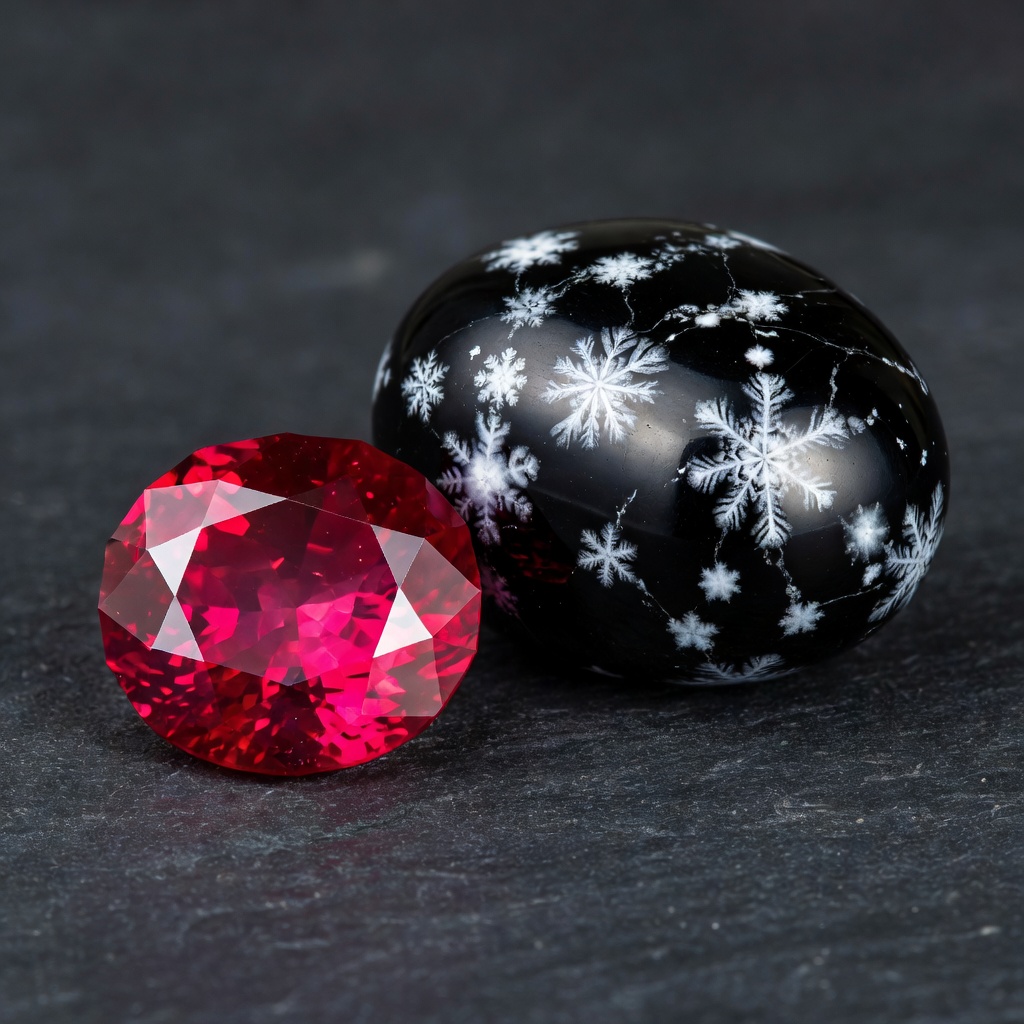
Fire and Ice in the Mineral Kingdom
When exploring the diverse world of gemstones, the comparison of Ruby vs Snowflake Obsidian presents a fascinating study in geological contrasts and practical applications. Ruby stands as one of the cardinal precious stones, a crystalline variety of corundum forged deep within the Earth under crushing metamorphic pressures and scorching temperatures over millions of years. In stark opposition, snowflake obsidian emerges as a captivating volcanic glass, born from the rapid cooling of felsic lava and displaying unique cristobalite inclusions that resemble delicate snowflakes frozen in midnight black glass. Understanding the fundamental differences between these two materials helps jewelry buyers and crystal enthusiasts appreciate the spectrum from precious corundum to semi-precious volcanic glass, enabling informed decisions based on durability requirements, aesthetic preferences, and energetic properties.
Geological Origins: Metamorphic Pressure vs Volcanic Fury
The formation of ruby requires millions of years of geological patience, occurring primarily within metamorphic marble and basalt rocks where aluminum and oxygen combine with trace chromium to create the signature red corundum crystals. These gems crystallize under extreme heat and pressure approximately 20 to 30 kilometers beneath Earth's surface, requiring specific tectonic conditions and the absence of silica that would otherwise form different minerals, making high-quality specimens genuinely rare geological treasures. Conversely, snowflake obsidian formation represents a moment of volcanic violence frozen in time, created when silica-rich felsic lava erupts and cools so rapidly that atoms cannot organize into crystalline structures, resulting in amorphous volcanic glass rather than mineral crystals.
The distinctive white "snowflake" patterns appear through a process called devitrification, where cristobalite crystals slowly form within the glass matrix over subsequent decades or centuries, creating beautiful radial clusters that contrast sharply against the black glass background. This timeline comparison illustrates the dramatic difference between Corundum vs volcanic glass: while ruby crystals grow incrementally over geological epochs under sustained heat and pressure, snowflake obsidian forms almost instantaneously as glass before slowly developing its characteristic patterns through secondary crystallization. Geologists value snowflake obsidian sites like those in Utah's Black Rock Desert or Oregon's Newberry Caldera as windows into recent volcanic activity, whereas ruby deposits in Myanmar's Mogok Stone Tract represent ancient metamorphic events spanning hundreds of millions of years.
Physical Properties and Durability Analysis
The Gemstone hardness comparison between these materials reveals dramatically different suitability for jewelry applications, with ruby ranking 9 on the Mohs hardness scale compared to snowflake obsidian's modest 5 to 5.5 rating. This significant hardness differential means ruby possesses exceptional scratch resistance, second only to diamond, allowing it to withstand decades of daily wear without showing surface damage, while obsidian can be scratched by common household items like steel knives, copper coins, or even vigorous contact with dust particles containing quartz. Ruby exhibits a specific gravity of 3.97 to 4.05, giving it substantial heft that feels luxurious in hand, whereas snowflake obsidian's lighter specific gravity of approximately 2.4 creates a noticeably different tactile experience despite similar visual sizes.
Furthermore, ruby's crystalline structure features no cleavage planes and displays conchoidal fracture when broken, contributing to its reputation as a tough gemstone suitable for intricate carving, while snowflake obsidian's glassy nature makes it brittle and prone to chipping along sharp edges. Practical implications for collectors include the necessity of protective settings for obsidian jewelry and the freedom to wear ruby pieces during active pursuits without fear of surface marring. Laboratory testing confirms that ruby can withstand industrial cutting and polishing processes that would shatter obsidian, explaining why rubies faceted into brilliant cuts maintain their polish indefinitely while obsidian remains primarily suited to cabochon cuts that minimize exposed edges.
Visual Characteristics and Identification Markers
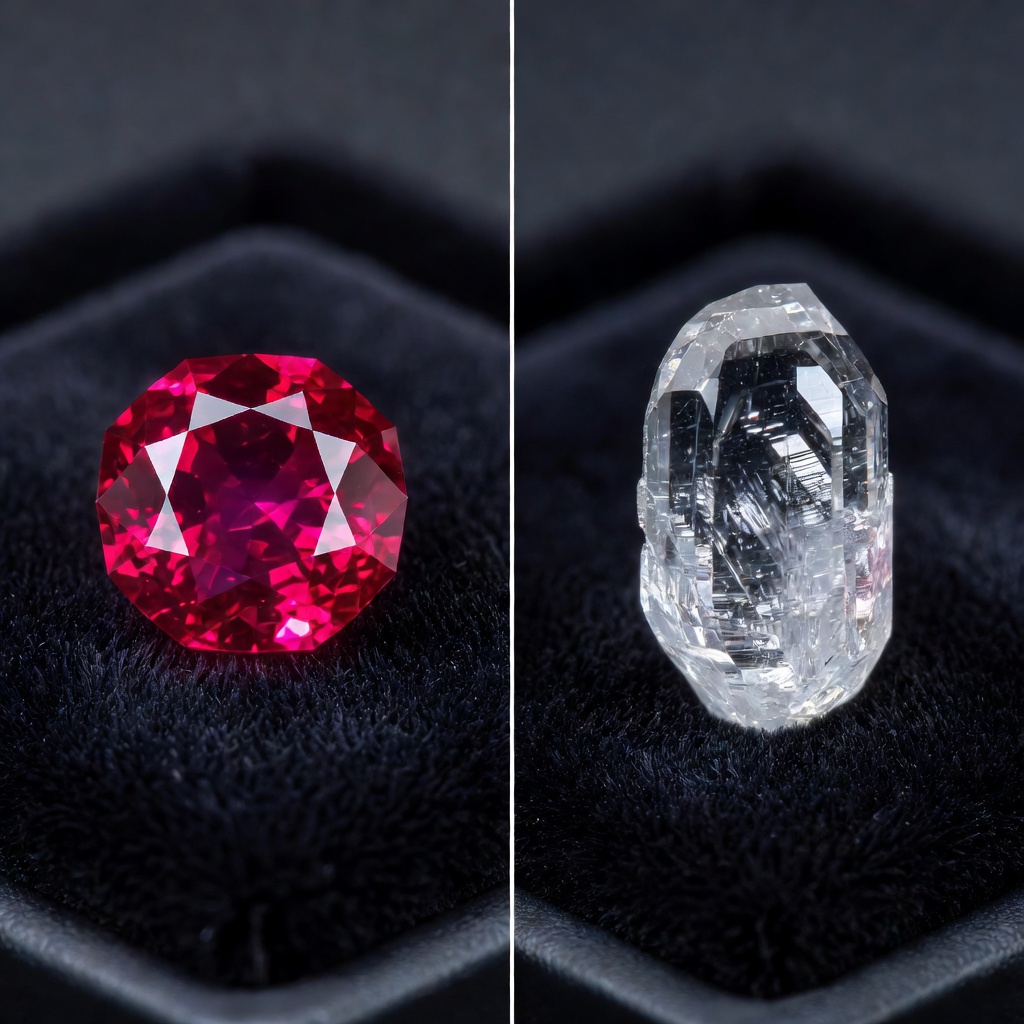
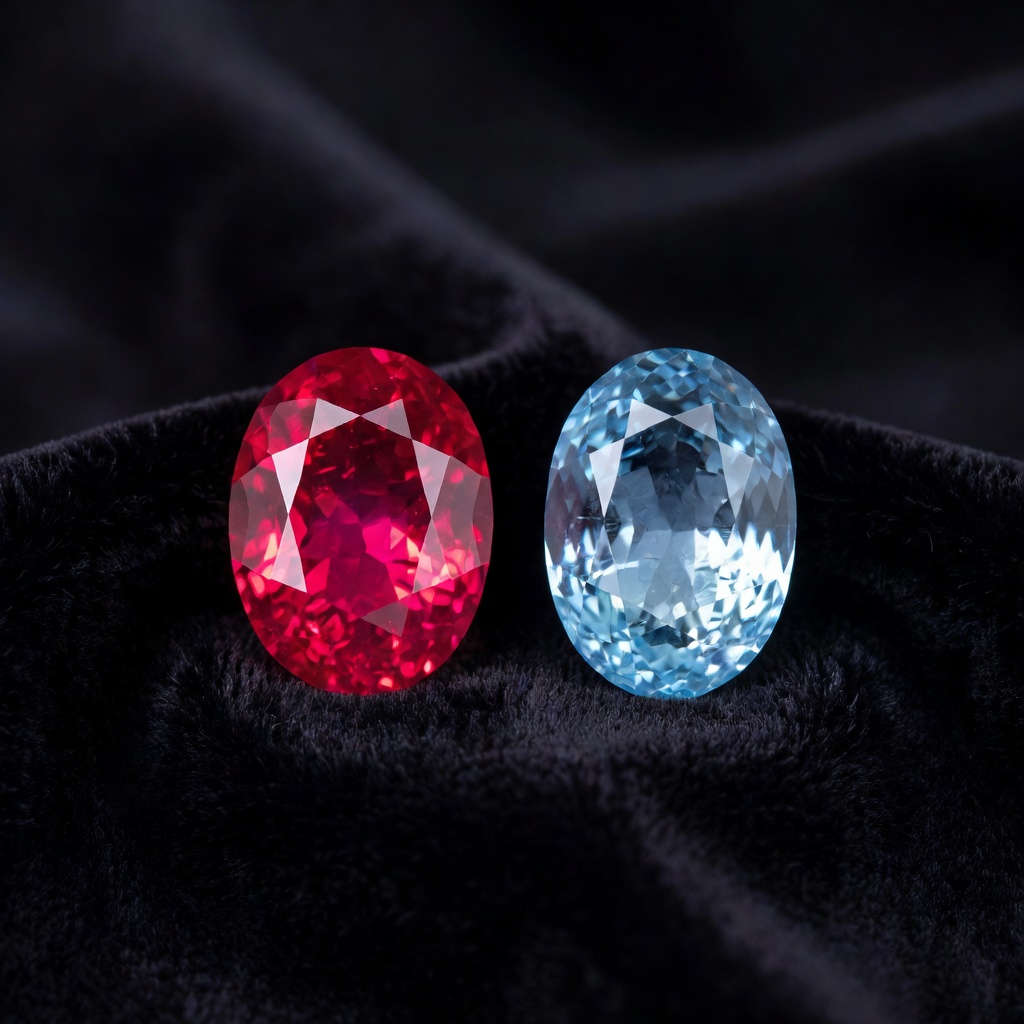
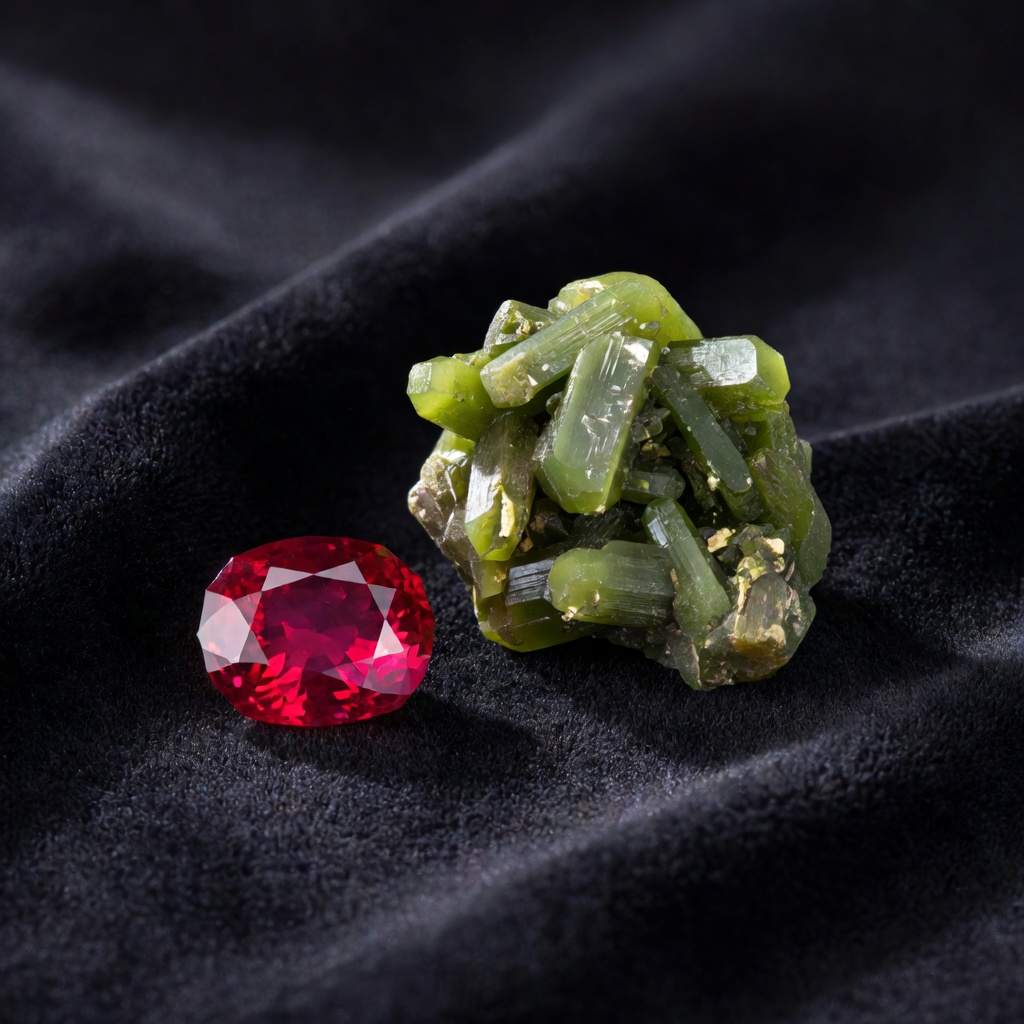
Distinguishing between Red crystal vs black crystal becomes immediately apparent upon visual inspection, as ruby presents in translucent to transparent forms displaying the coveted pigeon blood red hue caused by chromium impurities within the corundum lattice. Gemologists identify genuine rubies through diagnostic features including strong red fluorescence under long-wave ultraviolet light and pleochroism, where the stone shows different color intensities when viewed from various crystallographic directions, typically ranging from purplish-red to orange-red. High-quality rubies may also display silk inclusions—rutile needle clusters that create a soft glow and indicate untreated natural origins, whereas glass-filled or heat-treated stones require careful examination under magnification.
Snowflake obsidian, by contrast, remains completely opaque with a vitreous to greasy luster, presenting a jet-black volcanic glass matrix punctuated by grayish-white radial clusters of cristobalite crystals that create the distinctive snowflake patterns. These cristobalite inclusions form as spherulites radiating from central nucleation points, creating organic, flower-like designs that make each piece unique, unlike ruby's uniform coloration. Practical identification tips include checking for bubbles (indicating man-made glass) in obsidian imitations, and observing that genuine snowflake obsidian feels notably cooler to the touch than plastic simulants due to its thermal conductivity, while ruby's high refractive index creates brilliance that distinguishes it from red spinel or garnet substitutes.
Market Value, Rarity, and Investment Potential
The distinction between Precious vs semi-precious stones becomes starkly evident when examining market valuations, with fine Burmese rubies commanding prices exceeding $100,000 per carat for exceptional pigeon blood specimens, while African varieties from Mozambique offer more accessible entry points starting around $500 per carat for quality stones. Ruby pricing depends heavily on origin certification, clarity grades ranging from eye-clean to heavily included, and treatment status, with untreated natural rubies carrying significant premiums and heirloom investment potential due to their rarity and enduring durability. Auction houses regularly feature historic ruby pieces that appreciate over generations, particularly those with documented provenance from famous mines or royal collections.
Snowflake obsidian occupies the opposite end of the value spectrum as an abundant volcanic material found in locations like Utah, Oregon, and Iceland, typically retailing for $2 to $20 per carat depending on pattern quality and craftsmanship, making it an excellent choice for beginner collectors or those seeking spiritual tools without substantial financial investment. While ruby maintains liquidity as a hard asset comparable to colored diamonds, snowflake obsidian offers aesthetic and energetic value rather than financial appreciation, though artisan-crafted obsidian jewelry can achieve higher prices through exceptional metalwork or lapidary artistry. Case studies of estate sales demonstrate that vintage ruby rings consistently retain or exceed their original purchase prices when well-maintained, whereas obsidian pieces derive value primarily from their artistic or sentimental significance rather than material worth.
Comparative Analysis Table
| Property | Ruby | Snowflake Obsidian |
|---|---|---|
| Mohs Hardness | 9 (Excellent) | 5-5.5 (Moderate) |
| Chemical Composition | Corundum (Aluminum Oxide) | Volcanic Glass (SiO₂) |
| Formation Process | Metamorphic (millions of years) | Volcanic cooling (instant to centuries) |
| Transparency | Transparent to Translucent | Opaque |
| Primary Color | Red (pigeon blood to pink) | Black with white snowflake patterns |
| Crystal System | Hexagonal | Amorphous (glass) |
| Specific Gravity | 3.97-4.05 | ~2.4 |
| Market Value | $500-$100,000+ per carat | $2-$20 per carat |
| Daily Wear Suitability | Excellent for rings and bracelets | Poor; best for pendants/earrings |
| Metaphysical Association | Passion, vitality, courage | Grounding, balance, purification |
Metaphysical Properties and Crystal Healing Applications
Understanding Snowflake obsidian meaning within spiritual practices reveals its reputation as a stone of purity and balance, believed to provide grounding during times of transition while helping practitioners recognize and release negative thought patterns and emotional blockages. Crystal healers often utilize snowflake obsidian during meditation to foster a connection between the physical and spiritual realms, leveraging its composition of light (white cristobalite) within darkness (black glass) to symbolize the integration of opposites and the presence of hope during difficult periods. Practical applications include placing obsidian under pillows to prevent nightmares, carrying pieces during travel for protection, or using them in crystal grids to anchor chaotic energies during major life changes such as divorce, career transitions, or recovery from addiction.
Ruby gemstone properties, conversely, resonate powerfully with the root and heart chakras, stimulating vitality, passion, and courage while historically associated with blood circulation, life force energy, and the stimulation of sexual and creative energies. Ancient warriors embedded rubies into their armor believing the stones granted invincibility, while modern crystal practitioners recommend ruby for those recovering from exhaustion, depression, or lack of motivation, suggesting placement on the heart chakra during meditation to ignite enthusiasm for life. While snowflake obsidian offers calming, centering vibrations suitable for anxiety relief and shadow work, ruby provides fiery motivation and physical energization, making it ideal for entrepreneurs needing confidence boosts, performers requiring stage presence, or athletes seeking enhanced stamina and competitive drive.
Jewelry Design Considerations and Wearability
When designing jewelry around Mohs scale durability, ruby emerges as the superior candidate for daily-wear pieces including engagement rings, tennis bracelets, and heavy-use accessories that must withstand impacts, abrasion, and constant contact with environmental surfaces. Jewelry artisans frequently set rubies in protective gold or platinum bezel or prong settings, knowing the stone's hardness of 9 prevents scratching but may make it prone to chipping if struck at vulnerable angles, though its toughness generally allows for versatile design options including intricate carvings and cabochons. Practical styling recommendations include pairing rubies with yellow gold to enhance their warmth, or with white metals for a contemporary look that emphasizes the stone's vivid color saturation.
Snowflake obsidian demands more careful consideration, with its 5-5.5 hardness and brittle nature limiting it primarily to pendants, earrings, brooches, and occasional-wear rings where impact risk remains minimal, typically paired with sterling silver, copper, or leather settings that complement its earthy aesthetic. Designers working with obsidian must avoid exposed edge designs that invite chipping, selecting thicker cabochons over thin slices, and ensuring bezels wrap fully around the stone's perimeter to provide structural support against fractures. Case studies from jewelry repair shops indicate that obsidian rings show chips and scratches within months of daily wear, whereas obsidian pendants maintained in protected settings can last decades with proper care, demonstrating the critical importance of matching stone selection to intended use.
Care, Cleaning, and Maintenance Protocols
Maintaining ruby jewelry proves relatively straightforward due to the stone's exceptional hardness and chemical stability, allowing owners to utilize ultrasonic cleaners and steam cleaning methods safely, though they should avoid exposing fracture-filled or heavily included stones to extreme thermal shock. Routine care involves warm soapy water and soft brush cleaning for most ruby pieces, with the assurance that this corundum variety resists etching from household chemicals, perfumes, and lotions better than most gemstones. Professional jewelers recommend annual inspections of ruby settings to ensure prongs remain tight, particularly for high-value heirloom pieces that may require tightening or re-tipping over decades of wear.
Snowflake obsidian requires significantly gentler handling as volcanic glass, demanding only lukewarm water with mild soap and soft cloth drying, while strictly prohibiting ultrasonic cleaners that can cause internal fracturing and thermal shock from sudden temperature changes that might crack the glass matrix. Storage solutions necessitate separate compartments or individual soft pouches for obsidian pieces to prevent contact with harder gemstones like ruby that would inevitably scratch the softer volcanic glass, and owners should remove obsidian jewelry before activities involving water temperature changes, such as washing hands with hot water after being in cold environments. Practical maintenance tips include checking obsidian cabochons regularly for developing hairline cracks and avoiding exposure to harsh acids or bases that could etch the glass surface over time.
Making Your Decision: Lifestyle and Intention Matching
Selecting between Ruby vs Snowflake Obsidian ultimately depends on honest assessment of lifestyle factors, budget parameters, and personal intentions, with active individuals, healthcare workers, or those seeking heirloom investment pieces gravitating naturally toward ruby's unparalleled durability and timeless precious status. Those pursuing spiritual development, shadow work, or seeking affordable statement jewelry for occasional wear may find snowflake obsidian's grounding energy and unique aesthetic perfectly aligned with their needs, particularly when budget constraints make precious corundum inaccessible. A practical case study suggests that nurses or construction workers should choose ruby for daily wear rings due to exposure to physical impacts and sanitizing chemicals, while yoga instructors or meditation practitioners might prefer obsidian pendants worn during spiritual practice but removed during physical activity.
Color psychology plays a significant role in the decision process, with ruby's stimulating red tones energizing warm skin tones and complementing formal wardrobes, while obsidian's neutral black-and-white palette offers versatile coordination with casual, bohemian, or gothic fashion aesthetics. Budget-conscious buyers should calculate value-per-dollar based on intended use frequency, recognizing that a $2,000 ruby ring worn daily for 50 years costs approximately 11 cents per day, while a $50 obsidian piece worn only for special occasions may offer better short-term value but lacks longevity. Ultimately, many collectors choose to own both stones, allocating ruby to high-impact jewelry like engagement rings and wedding bands while reserving snowflake obsidian for spiritual tools, artistic statement pieces, and gentle wear items that showcase its unique snowflake patterns without risking damage.
Frequently Asked Questions
Which is harder, ruby or snowflake obsidian?
Ruby ranks 9 on the Mohs hardness scale, making it one of the hardest gemstones suitable for daily wear, while snowflake obsidian ranks only 5-5.5, making it significantly softer and more prone to scratching and chipping.
Is ruby more expensive than snowflake obsidian?
Yes, high-quality rubies are precious gemstones that can command thousands of dollars per carat, especially Burmese varieties, while snowflake obsidian is an abundant, affordable semi-precious stone typically costing only a few dollars for cabochon pieces.
Can snowflake obsidian be worn every day?
Due to its relatively soft nature (5-5.5 Mohs) and brittleness, snowflake obsidian is not recommended for daily wear in rings or bracelets; it's better suited for protected settings like pendants and earrings or occasional wear pieces.
What are the metaphysical differences between ruby and snowflake obsidian?
Ruby stimulates passion, vitality, courage, and physical energy while activating the root and heart chakras, whereas snowflake obsidian provides grounding, emotional balance, and purification during times of change, helping to release negative patterns.
How can I tell real ruby from snowflake obsidian?
Rubies display pleochroism (appearing different colors from different angles), red fluorescence under UV light, and high refractive brilliance, while snowflake obsidian is opaque black with distinctive white gray cristobalite crystal inclusions resembling snowflakes.
Can I wear ruby and snowflake obsidian together?
Yes, these stones complement each other energetically—ruby provides fiery motivation and energy while snowflake obsidian offers grounding stability and calm, creating a balanced combination for meditation or jewelry layering.
Which stone is better for an engagement ring?
Ruby is the superior choice for engagement rings due to its exceptional hardness (9 Mohs), durability for daily wear, and traditional association with eternal love and passion, while snowflake obsidian is too fragile and soft for such demanding use.
Do both stones need special care?
Rubies are relatively low-maintenance and tolerate ultrasonic and steam cleaning, but snowflake obsidian requires gentle care—avoid ultrasonic cleaners, extreme temperature changes, and harsh chemicals that could damage its volcanic glass structure.