Understanding Ruby vs Smoky Quartz
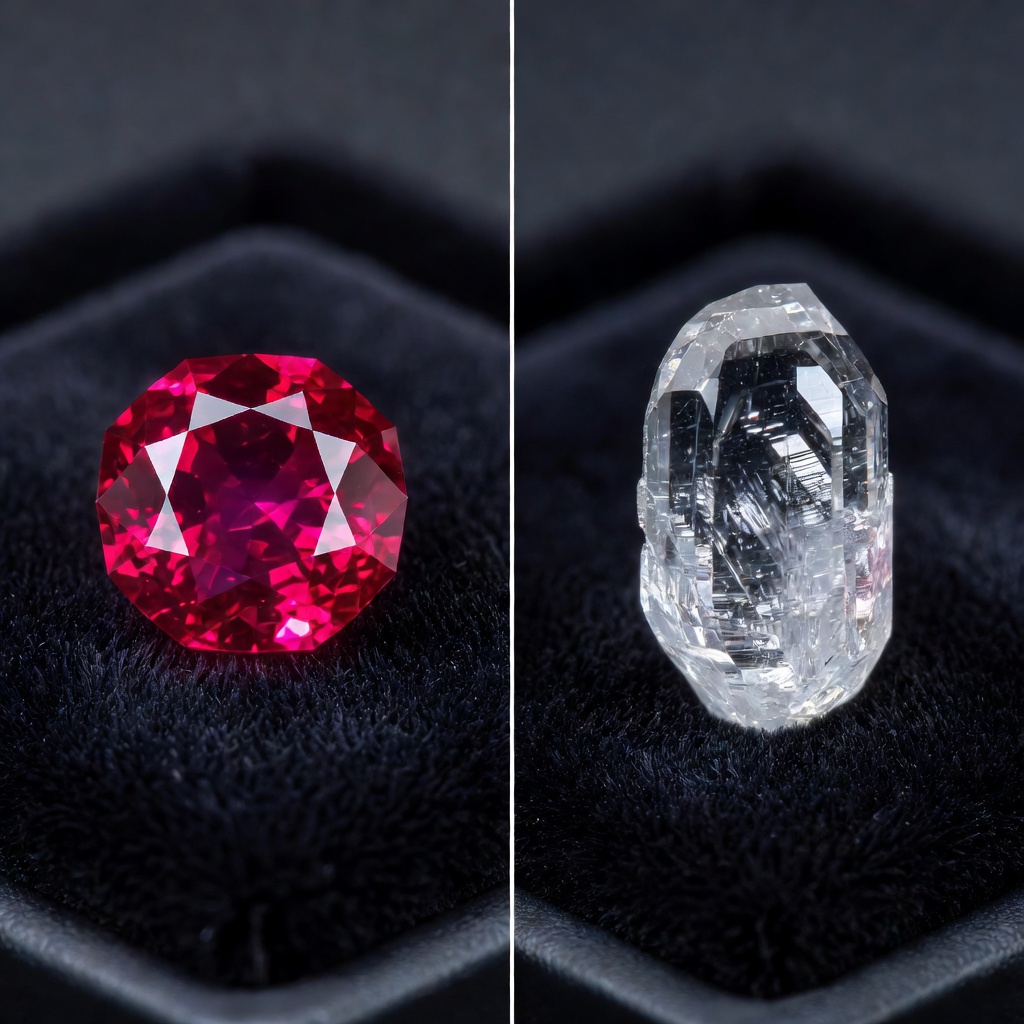
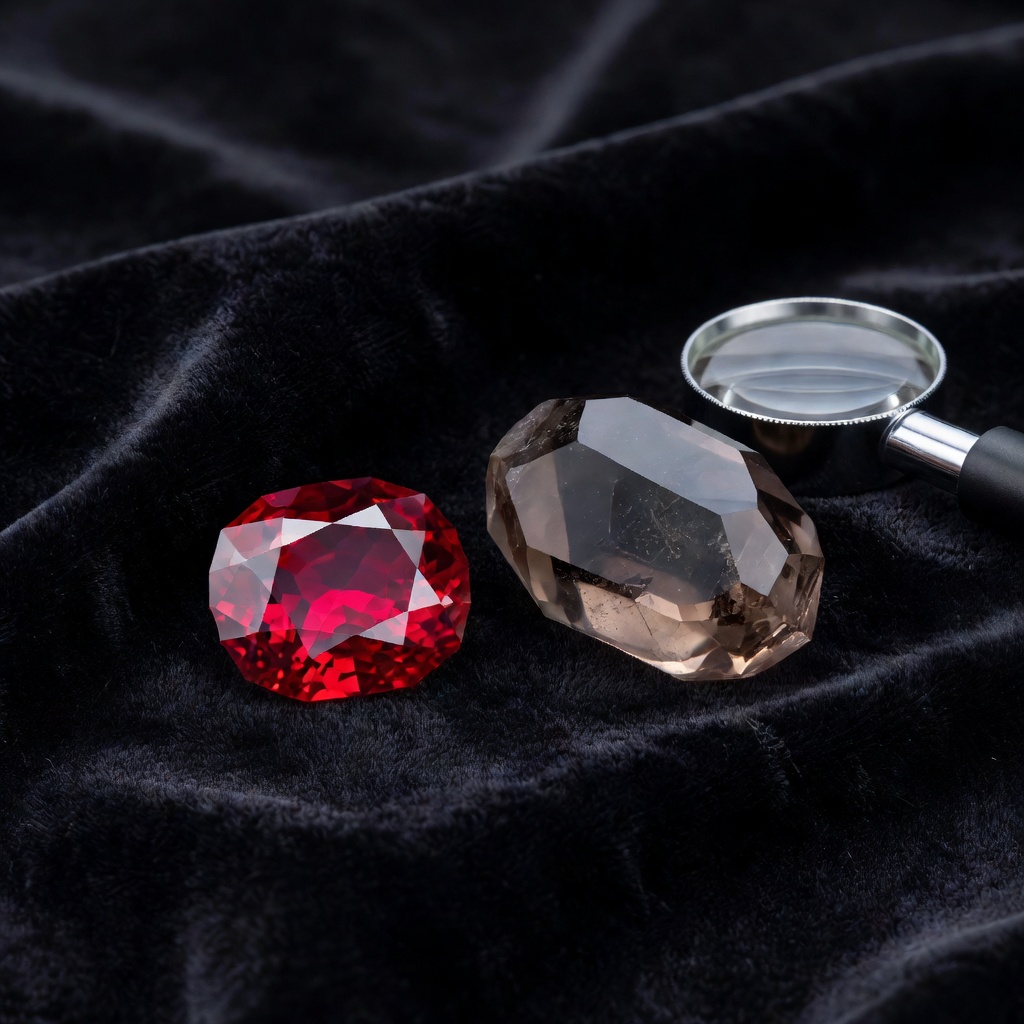
When exploring the fascinating world of gemstones, the comparison between Ruby vs Smoky Quartz represents one of the most striking contrasts between precious and semi-precious stones available in today's jewelry market. These two distinct mineral species occupy opposite ends of the value spectrum while offering unique aesthetic and practical benefits to collectors and jewelry enthusiasts. Ruby, a variety of corundum prized for its intense red fluorescence and exceptional hardness, stands as one of the traditional cardinal gems alongside diamond, sapphire, and emerald. Smoky Quartz, a silicon dioxide crystal known for its earthy brown tones and accessible price point, provides an attractive alternative for those seeking natural beauty without the premium investment required for precious stones.
Buyers frequently compare these gemstones despite their different value classes because both offer rich, warm color palettes that complement a wide range of skin tones and metal settings. The decision-making process involves careful consideration of budget constraints, durability requirements for intended wear, and the symbolic meaning each stone carries. Whether you are selecting an engagement ring meant to last generations or fashion jewelry for seasonal trends, understanding the fundamental differences between these minerals ensures you make an informed investment aligned with your lifestyle needs and aesthetic preferences.
Geological Origins and Mineral Composition
Ruby Formation as Corundum
Rubies form deep within the Earth's crust under extreme conditions of high pressure and temperature, specifically within metamorphic rocks such as marble or basalt. As a variety of corundum composed of aluminum oxide (Al₂O₃), rubies crystallize in the trigonal crystal system, with their distinctive red color resulting from the presence of chromium ions replacing aluminum in the crystal lattice. This substitution process requires specific geological conditions found primarily in collision zones between tectonic plates, where ancient limestone deposits undergo metamorphism. The most coveted specimens develop in Mogok, Myanmar, where marble-hosted rubies exhibit the legendary "pigeon blood" red coloration that commands premium prices in international markets.
Smoky Quartz Crystallization Process
Smoky Quartz represents a variety of macrocrystalline quartz formed from silicon dioxide (SiO₂) that undergoes natural irradiation over millions of years. The characteristic brown to gray coloration develops when aluminum-containing quartz crystals are exposed to natural radiation emanating from surrounding radioactive minerals in the host rock. Unlike rubies that require specific aluminum-rich environments, quartz forms abundantly in igneous, metamorphic, and sedimentary rocks worldwide, crystallizing in the hexagonal system. The depth of color in smoky quartz correlates directly with the duration and intensity of radiation exposure, ranging from light smoky gray specimens to deep chocolate brown and nearly black varieties known as morion quartz.
Primary Mining Locations and Sources
The geographic distribution of these gemstones reflects their distinct geological formation requirements, with rubies concentrating in specific metamorphic belts while smoky quartz appears globally. Myanmar (Burma) historically produces the finest rubies, particularly from the Mogok Stone Tract, though significant deposits also exist in Thailand, Madagascar, Mozambique, and Afghanistan. Conversely, Smoky Quartz occurs abundantly in Brazil's Minas Gerais region, the Cairngorm Mountains of Scotland, the Swiss Alps, and Colorado's Pikes Peak area in the United States. This difference in availability directly impacts market pricing, with ruby's geographic restriction contributing to its rarity and value compared to the widespread occurrence of quality smoky quartz specimens.
Physical Properties and Durability Analysis
Mohs Hardness Scale Comparison
The Gemstone Hardness Comparison between these minerals reveals significant implications for long-term wear and jewelry applications. Ruby registers 9 on the Mohs hardness scale, making it one of the hardest natural substances surpassed only by diamond, which means it resists scratching from daily contact with household dust, metal objects, and other environmental factors. Smoky Quartz measures 7 on the same scale, indicating moderate hardness that withstands normal wear but remains vulnerable to scratching from harder materials including topaz, spinel, and corundum varieties. For active individuals or those seeking heirloom-quality pieces, this two-point difference on the hardness scale translates to decades of maintained brilliance versus potential surface abrasion over time.
Crystal Structure and Optical Properties
Examining the Corundum vs Quartz Gemstones structural differences reveals why ruby exhibits superior optical characteristics and durability. Corundum crystallizes in the trigonal system with a specific gravity of 3.97-4.05, creating a denser, more refractive material that produces vivid brilliance and fire. Quartz belongs to the hexagonal crystal system with a lower specific gravity of 2.65, resulting in lighter stones with different refractive qualities. Ruby's doubly refractive nature creates pleochroism, showing different colors when viewed from different angles, typically ranging from orange-red to purplish-red, while smoky quartz remains singly refractive with consistent coloration regardless of viewing angle.
Toughness and Cleavage Evaluation
Ruby Durability extends beyond simple hardness to include toughness, which measures resistance to breaking and chipping. Despite their high hardness, rubies possess no cleavage planes, meaning they do not split easily along specific directions when struck, though they can fracture under extreme impact. Smoky quartz similarly lacks cleavage but demonstrates conchoidal fracture patterns when broken. However, quartz's lower hardness makes it more susceptible to chipping along edges and facet junctions during daily wear. When setting these stones, jewelers must consider these properties, using protective bezel settings for smoky quartz in rings while allowing rubies to showcase their brilliance in more exposed prong settings suitable for their superior toughness.
Color Variations and Visual Characteristics
Ruby Color Spectrum and Quality Indicators
Red Ruby Gemstone Properties center on color as the primary value determinant, with the most prized specimens displaying a pure, vibrant red to slightly purplish-red hue known in the trade as "pigeon blood." This specific color results from optimal chromium content combined with low iron levels, creating stones that appear to glow with internal fluorescence under daylight. Lower-quality rubies may exhibit pinkish-red, orangey-red, or deeply purplish tones, with saturation and tone significantly impacting market value. Under ultraviolet light, natural rubies typically display strong red fluorescence, a diagnostic feature that helps distinguish them from synthetic counterparts or red spinel simulants, while inclusions known as "silk" (rutile needles) can indicate natural origin and sometimes enhance value when creating star effects in asterism varieties.
Smoky Quartz Color Range and Clarity
Brown Quartz Crystal Meaning derives from the stone's diverse color palette spanning light smoky gray reminiscent of morning fog to deep chocolate brown and nearly opaque black varieties. Unlike rubies where inclusions often decrease value, smoky quartz typically appears eye-clean with excellent transparency, allowing cutters to fashion large, flawless specimens that would be prohibitively expensive in ruby. The color intensity varies based on radiation exposure levels during formation, with Brazilian specimens often showing lighter, more transparent smoky tones while Scottish Cairngorm crystals traditionally exhibit deeper, more intense brown coloration. This clarity advantage allows jewelry designers to utilize smoky quartz in bold, architectural cuts that maximize light reflection and stone size without the clarity constraints imposed by ruby's typical inclusion patterns.
Visual Impact and Aesthetic Applications
When comparing visual impact, rubies command attention through saturated color intensity and brilliance, requiring careful cutting to maximize red hue while minimizing extinction (dark areas within the stone). Smoky quartz offers subtle, sophisticated elegance that pairs exceptionally well with both casual and formal attire, providing a neutral earth tone that complements rather than dominates an ensemble. The typical clarity differences mean that while a high-quality ruby might display characteristic inclusions visible under magnification, a smoky quartz of similar price point will likely appear flawless to the naked eye, offering different aesthetic values depending on whether the wearer prioritizes rare color intensity or pristine clarity and size.
Market Value, Rarity and Investment Potential
Price Per Carat Analysis
The distinction between Precious vs Semi-Precious Stones becomes immediately apparent when examining price structures, with natural rubies commanding anywhere from $1,000 to over $100,000 per carat for exceptional Burmese specimens, while high-quality smoky quartz typically ranges from $2 to $50 per carat depending on size and cut quality. This dramatic price differential reflects ruby's scarcity, with fine untreated stones over five carats considered extremely rare museum-quality specimens. Smoky quartz affordability allows collectors to acquire impressive statement pieces weighing 20 carats or more for under $500, making it accessible for fashion jewelry and experimental designs where the risk of loss or damage remains low compared to investing in a precious ruby piece.
Factors Affecting Ruby Investment Value
Ruby Investment Value depends on several critical factors beyond simple carat weight, including geographic origin, treatment status, and certification by reputable gemological laboratories. Burmese rubies from the Mogok region historically command the highest premiums, though recent discoveries in Mozambique have introduced fine alternatives at slightly lower price points. Untreated, natural rubies appreciate significantly over time, often outperforming traditional financial investments during periods of economic stability. Treatments such as heat enhancement, while common and accepted in the trade, reduce investment potential compared to unheated specimens, requiring buyers to obtain certificates from laboratories like GIA, SSEF, or Gübelin verifying origin and treatment status before making significant purchases.
Investment Perspective and Market Stability
While smoky quartz offers minimal investment appreciation due to abundant supply, it provides excellent value retention for costume jewelry and fashion applications where the focus remains on design rather than material value. Collectors seeking both stones should allocate budget accordingly, reserving significant investment for certified, untreated rubies while utilizing smoky quartz for trendy, large-volume pieces where the stone's size and clarity create visual impact impossible to achieve with ruby at comparable cost. This dual approach allows jewelry enthusiasts to build collections spanning both investment-grade precious stones and accessible semi-precious alternatives suitable for daily wear without financial anxiety.
Jewelry Design Applications and Settings
Ruby Applications in Fine Jewelry
Ruby Jewelry Buying Guide recommendations emphasize this gemstone's exceptional suitability for engagement rings, anniversary bands, and heirloom pieces intended for daily wear across generations. The stone's 9/10 hardness rating ensures that facet edges remain sharp and polished surfaces resist abrasion even after decades of continuous wear, making it ideal for rings subjected to constant contact with hard surfaces. High jewelry houses frequently feature rubies in cocktail rings, pendant necklaces, and earrings where the vivid red color creates dramatic contrast against white diamonds or neutral metals. Prong settings work excellently with rubies due to their durability, though bezels provide additional protection for active wearers, particularly in solitaire engagement ring designs.
Smoky Quartz Versatility in Fashion Design
Smoky Quartz Ring Settings and design applications leverage the stone's affordability and clarity to create bold, architectural jewelry pieces impossible to replicate with precious stones. Designers frequently utilize smoky quartz in large cocktail rings featuring 10-carat center stones, beaded necklaces combining multiple strands of faceted beads, and statement earrings where substantial weight would make ruby prohibitively expensive. The neutral brown tone pairs exceptionally well with rose gold settings for warm, vintage-inspired aesthetics or sterling silver for contemporary, minimalist designs. Because the material cost remains low, jewelers can experiment with unconventional cuts including fantasy shapes, step cuts maximizing clarity, and mixed cuts combining brilliant and step facets without the financial risk associated with cutting expensive rough ruby material.
Metal Pairing and Design Recommendations
Yellow gold and platinum traditionally complement rubies, with yellow gold enhancing the warmth of Burmese stones while platinum provides cool contrast for Thai or African rubies with purplish undertones. For smoky quartz, rose gold emphasizes the stone's warm brown tones creating cohesive, earthy palettes, while oxidized silver or gunmetal finishes provide dramatic contrast for Gothic or industrial design aesthetics. When combining both stones in multi-gem pieces, designers must account for the hardness differential, ensuring protective settings prevent the ruby from scratching adjacent smoky quartz while maintaining aesthetic balance between the vivid red and subtle brown color palette.
Metaphysical Properties and Crystal Healing
Ruby's Energetic Associations
Ruby Crystal Energy traditions span centuries and cultures, with ancient Hindu texts referring to ruby as the "king of precious stones" associated with the Sun and qualities of passion, courage, and vital life force. Crystal healers attribute heart chakra activation properties to ruby, believing the stone stimulates blood circulation, enhances motivation, and promotes emotional warmth and enthusiasm for life. Medieval European royalty wore rubies as talismans against sadness, negative thoughts, and physical vulnerability, while modern practitioners use the stone to enhance leadership qualities, boost confidence, and reignite passion in relationships. The intense red frequency associates with root and heart chakra integration, creating grounding energy that simultaneously opens the heart to love and joy.
Smoky Quartz Grounding and Protective Qualities
Smoky Quartz Healing Benefits focus primarily on grounding, protection, and emotional stabilization, making it a staple in crystal healing collections for anxiety management and spiritual cleansing. Unlike ruby's stimulating energy, smoky quartz acts as an emotional anchor, helping individuals release negative patterns, alleviate depression, and transmute dense energy into lighter vibrations. The stone associates strongly with the root chakra, promoting physical survival instincts, practical manifestation, and connection to the earth's stabilizing energies. Many practitioners place smoky quartz near electronic devices to mitigate electromagnetic frequency (EMF) pollution, while others use it during meditation to facilitate deep grounding and connection to the physical body.
Complementary Use in Energy Work
Advanced crystal practitioners often combine these stones in healing grids or personal talismans to balance opposing energies, utilizing ruby's activating, passionate vibrations alongside smoky quartz's calming, stabilizing presence. This combination proves particularly effective for individuals seeking to manifest creative projects (ruby) while maintaining practical grounding and stress management (smoky quartz). Wearing ruby on the left hand to receive its energizing qualities while carrying smoky quartz in the right pocket for grounding creates a balanced energetic circuit, allowing the wearer to access passion and vitality without becoming overwhelmed or scattered.
Care, Cleaning and Maintenance Requirements
Safe Cleaning Methods for Rubies
How to Clean Ruby Gemstone effectively requires understanding treatment status, as methods vary between natural, heated, and fracture-filled stones. Untreated and heat-treated rubies tolerate ultrasonic cleaners and steam cleaning due to their exceptional hardness and lack of cleavage, though filled stones (those treated with lead glass or other substances to improve clarity) require gentle cleaning only with warm soapy water and soft brushes. For routine maintenance, soaking ruby jewelry in warm water with mild dish soap for 20 minutes followed by gentle scrubbing with a soft toothbrush removes accumulated oils and debris from setting crevices. Always rinse thoroughly and dry with lint-free cloths to prevent water spots, storing pieces separately to prevent scratching softer gemstones in your collection.
Smoky Quartz Sensitivity and Preservation
Smoky Quartz Care Tips must address the stone's photosensitivity, as prolonged exposure to direct sunlight can cause fading of the brown coloration, particularly in naturally irradiated specimens. Store smoky quartz jewelry in dark jewelry boxes or pouches when not worn, and avoid wearing smoky quartz rings during sunbathing or extended outdoor activities during peak sunlight hours. Clean smoky quartz using only warm soapy water and soft cloths, avoiding ultrasonic cleaners which can exacerbate existing fractures or inclusions, and never expose the stone to harsh chemicals including bleach, ammonia, or abrasive cleaners that may damage the surface polish.
Storage and Preventive Maintenance
When storing these gemstones together, always separate them to prevent the harder ruby (9) from scratching the softer smoky quartz (7). Utilize individual soft pouches or compartmentalized jewelry boxes with fabric-lined dividers. For heirloom ruby pieces, professional inspection every six months ensures prongs remain tight and settings secure, preventing loss of valuable stones. Smoky quartz requires less frequent professional maintenance but benefits from annual checks to ensure claw settings remain secure, particularly in rings subjected to daily wear where the softer material may show signs of abrasion at facet junctions over years of use.
Buyer's Decision Guide: Which Gemstone to Choose
Budget-Based Decision Matrix
Choosing Between Ruby and Quartz requires honest assessment of budget parameters and quality expectations across different price points. For budgets under $500, smoky quartz offers exceptional value, allowing acquisition of large, eye-clean stones in intricate designer settings impossible to achieve with ruby at this price point. Mid-range budgets ($1,000-$5,000) might accommodate small commercial-quality rubies (under 0.5 carats) with heat treatment, or substantial smoky quartz pieces with custom gold settings. Investment-grade budgets exceeding $10,000 open access to fine untreated rubies over one carat with certificates of authenticity, pieces that appreciate over time while serving as wearable assets. Consider allocating 80% of budget to the gemstone when purchasing ruby, whereas with smoky quartz, the setting and design work may command equal or greater investment than the stone itself.
Lifestyle and Wearability Considerations
Gemstone Buying Tips emphasize matching stone selection to lifestyle demands and intended usage frequency. Active professionals, healthcare workers, or individuals working with their hands should prioritize ruby for engagement rings or daily-wear pieces due to its scratch resistance and durability against impact. Smoky quartz suits occasional wear jewelry, pendants that remain protected under clothing, or earrings that avoid contact with hard surfaces. For travel jewelry, smoky quartz provides worry-free vacation wear where loss or theft would cause financial distress if ruby were worn, while ruby reserves itself for special occasions, business presentations, or evening events where its prestige and brilliance create appropriate impact.
Symbolic Meaning and Personal Intentions
Birthstone associations provide additional guidance, with ruby serving as the July birthstone and traditional 40th anniversary gift, while smoky quartz holds no specific birthstone designation but serves as an alternative for January (carnelian) or February (amethyst) seekers wanting grounding energy. Individuals seeking stones for passion, romantic love, or career advancement align naturally with ruby's energetic signature, while those processing grief, seeking anxiety relief, or requiring grounding during spiritual work gravitate toward smoky quartz. Anniversary celebrations marking major milestones warrant ruby's precious status and investment value, while smoky quartz suits "just because" gifts or self-purchase celebrations requiring beautiful adornment without symbolic pressure.
Comprehensive Comparison Overview
| Characteristic | Ruby (Corundum) | Smoky Quartz |
|---|---|---|
| Chemical Composition | Aluminum Oxide (Al₂O₃) | Silicon Dioxide (SiO₂) |
| Mohs Hardness | 9 (Excellent) | 7 (Good) |
| Crystal System | Trigonal | Hexagonal |
| Primary Color | Red to Pinkish-Red | Brown to Smoky Gray |
| Typical Clarity | Included (Silk, crystals) | Eye-clean to Transparent |
| Price Range (Per Carat) | $1,000 - $100,000+ | $2 - $50 |
| Rarity | Very Rare (High Quality) | Abundant |
| Best Jewelry Use | Engagement Rings, Heirlooms | Fashion Jewelry, Statement Pieces |
| Metaphysical Focus | Passion, Vitality, Heart Chakra | Grounding, Protection, Root Chakra |
| Maintenance Level | Low (Very Durable) | Moderate (Avoid Sun/Heat) |
Conclusion: Making Your Informed Selection
The Ruby vs Smoky Quartz Final Verdict ultimately depends on individual priorities regarding investment, durability, and aesthetic preferences rather than inherent superiority of one stone over the other. Rubies offer unmatched prestige, exceptional durability for daily wear, and significant investment potential, justifying their position among the world's most precious gemstones for those seeking heirloom-quality pieces that maintain value across generations. Smoky quartz provides accessible beauty, versatile design possibilities, and metaphysical grounding properties that serve contemporary jewelry needs without financial strain or anxiety about wear and tear.
Discerning collectors often benefit from owning both stones, reserving fine ruby pieces for significant life events, anniversaries, and professional occasions where precious materials communicate status and commitment, while utilizing smoky quartz for creative fashion expression, travel, and daily casual wear. Before finalizing any purchase, verify authenticity through reputable gemological certifications for ruby, ensuring disclosure of treatments and geographic origin, while confirming natural versus synthetic origins for smoky quartz to ensure fair pricing. By aligning your selection with lifestyle requirements, budget parameters, and personal energetic connections, you create a jewelry collection that serves both practical needs and deepest aesthetic desires.
Frequently Asked Questions
Is Ruby more expensive than Smoky Quartz?
Yes, Ruby is significantly more expensive than Smoky Quartz. Natural, high-quality rubies can command prices of thousands to tens of thousands of dollars per carat, while Smoky Quartz typically ranges from $2 to $50 per carat depending on size and quality, making it one of the most affordable gemstones available.
Can I wear Ruby and Smoky Quartz together in the same jewelry piece?
Yes, you can wear them together, but with caution. Due to Ruby's superior hardness (9 on Mohs scale) compared to Smoky Quartz (7), the ruby may scratch the quartz over time if they rub against each other. Ensure proper setting design that keeps the stones separated or use protective bezels.
Which is better for an engagement ring, Ruby or Smoky Quartz?
Ruby is generally better suited for engagement rings due to its exceptional hardness (9/10) which resists scratching from daily wear. Smoky Quartz, while beautiful, ranks at 7/10 and can accumulate scratches more easily over decades of constant wear, though it works well for occasional wear rings or pendants.
Do Ruby and Smoky Quartz have different metaphysical properties?
Yes, they serve different energetic purposes. Ruby is associated with passion, courage, heart healing, and stimulating life force energy (Chi). Smoky Quartz is prized for grounding, protection against electromagnetic frequencies, transmuting negative energy, and promoting emotional calmness and stability.
How can I tell the difference between a Ruby and Smoky Quartz?
Key identification methods include color (ruby is red/pink-red, smoky quartz is brown/gray), hardness testing (ruby scratches quartz but not vice versa), specific gravity (ruby is heavier), and refractive index. Additionally, rubies often show silk inclusions or fluorescence under UV light, while smoky quartz appears translucent to transparent in brown tones.
Is Smoky Quartz durable enough for daily wear compared to Ruby?
Smoky Quartz is moderately durable for daily wear but requires more care than Ruby. At 7 on the Mohs scale, it can withstand normal wear but may show scratches over years of constant use. Ruby's 9/10 hardness makes it one of the most durable gemstones, suitable for heirloom pieces meant to last generations without scratching.
Which gemstone is rarer, Ruby or Smoky Quartz?
High-quality natural Rubies are significantly rarer than Smoky Quartz. Fine, untreated rubies from Myanmar or Mozambique are among the rarest gemstones globally. Smoky Quartz is abundant in nature, found in numerous locations worldwide, making it a readily available and affordable semi-precious stone.
Can Smoky Quartz be treated or heated to look like Ruby?
No, Smoky Quartz cannot be treated to resemble Ruby because their fundamental chemical compositions differ (silicon dioxide vs aluminum oxide). While quartz can be heat-treated to change colors (like amethyst to citrine), it cannot achieve the deep red fluorescence and specific refractive qualities that characterize natural or even synthetic rubies.