Understanding Ruby vs Shell in Fine Jewelry
When selecting gemstones for fine jewelry, the comparison between ruby vs shell represents one of the most fascinating contrasts in the gemological world. Ruby stands as one of the four precious gemstones, a crystalline mineral formed from aluminum oxide deep within the earth's mantle under extreme geological conditions. Shell, encompassing materials like mother-of-pearl, abalone, and nacre, emerges as an organic gemstone created by living mollusks through biological processes. Jewelry buyers frequently evaluate these materials side by side when considering precious vs organic gemstones for their collections, weighing factors ranging from durability and investment potential to aesthetic appeal and symbolic meaning.
The distinction between these materials extends far beyond their visual differences, touching upon fundamental questions about how we value natural beauty. While rubies command attention with their intense red saturation and exceptional hardness, shell materials offer iridescent luminosity and organic warmth that mineral gemstones cannot replicate. Understanding the unique properties of corundum vs nacre enables collectors and casual buyers alike to make informed decisions that align with their lifestyle needs, budget constraints, and aesthetic preferences.
Geological Origins: Mineral Formation vs Biological Creation
The Crystalline Birth of Rubies
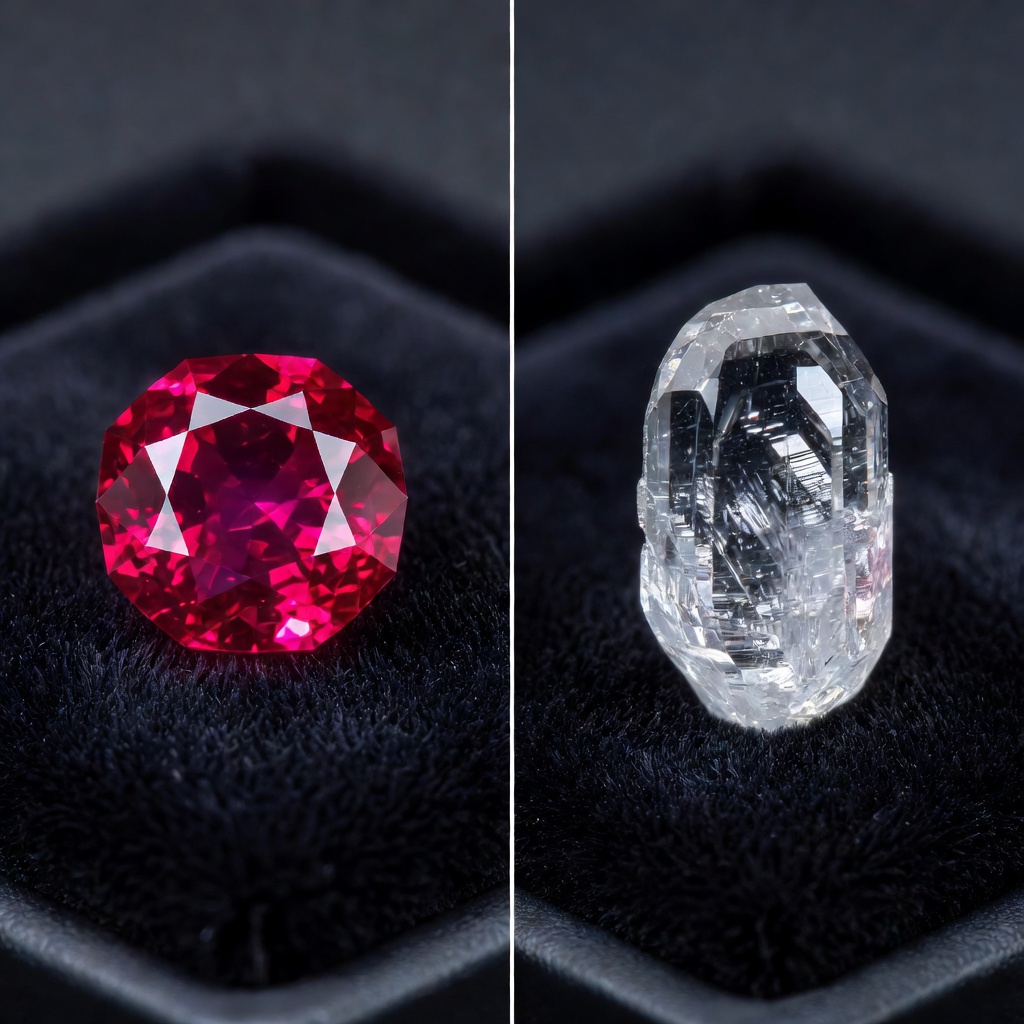
Rubies form through a complex geological process involving aluminum oxide crystallization under intense heat and pressure conditions typically found 20 to 40 kilometers beneath the earth's surface. These precious stones develop within metamorphic rocks such as marble or basalt, where the presence of chromium impurities creates the distinctive red coloration that defines high-quality specimens. The formation process requires specific environmental conditions including temperatures between 800 to 1,200 degrees Celsius and significant tectonic pressure, making viable ruby deposits exceedingly rare compared to other mineral formations.
Primary ruby mining operations concentrate in specific geographical regions renowned for producing exceptional corundum formation, with Myanmar's Mogok Valley historically yielding the finest pigeon blood rubies prized by collectors worldwide. Mozambique has emerged as a significant contemporary source, producing stones with remarkable clarity and color saturation that challenge traditional Burmese dominance. Other notable deposits exist in Thailand, Sri Lanka, and Madagascar, each imparting subtle geological signatures that experienced gemologists can identify through microscopic examination of inclusion patterns and trace element compositions.
The Organic Architecture of Shell Gemstones
Shell materials including mother-of-pearl and abalone originate through nacre formation, a biological process wherein mollusks secrete layers of calcium carbonate (aragonite) combined with conchiolin proteins to construct protective structures. Unlike the geological timescales required for ruby crystallization, which spans millions of years, shell development occurs within the lifespan of the host organism, though the most valuable specimens come from mature mollusks that have accumulated decades of nacre deposition. The intricate layer structure creates the interference patterns responsible for the characteristic iridescence that makes shell materials desirable for ornamental use.
Harvesting practices for shell materials vary significantly from mineral mining, involving sustainable aquaculture operations for farmed specimens or careful collection from marine environments for wild varieties. Abalone shell comes primarily from coastal waters off New Zealand, California, and Japan, where strict regulations protect wild populations while supporting commercial cultivation. Conch pearls and high-quality mother-of-pearl derive from the Caribbean and Pacific regions, where local economies depend on responsible harvesting techniques that preserve mollusk populations for future generations.
Durability and Hardness: Mohs Scale Reality Check
The practical distinction between ruby durability vs shell becomes immediately apparent when examining their respective positions on the Mohs hardness scale, the standard measurement of mineral resistance to scratching. Ruby ranks an impressive 9 on this scale, second only to diamond among naturally occurring gemstones, making it suitable for daily wear in engagement rings, bracelets, and other high-impact jewelry pieces. This exceptional hardness stems from the strong chemical bonds within the corundum crystal structure, which resist abrasion from everyday contact with household surfaces, clothing fasteners, and environmental particulates.
Shell materials present a dramatically different durability profile, ranking between 2.5 and 4 on the Mohs scale depending on the specific variety and density of nacre deposition. This relative softness means that shell cameo vs ruby jewelry requires fundamentally different design approaches, with shell pieces demanding protective settings such as bezels or recessed mounts that shield the material from direct impact. The organic composition of shell, while beautiful, lacks the fracture toughness of crystalline minerals, making it susceptible to chipping, cracking, and surface scratching from incidental contact with harder materials commonly encountered in daily life.
Impact resistance further differentiates these materials, as ruby's crystalline structure distributes force through defined cleavage planes, while shell's layered composition may delaminate or fracture along natural growth lines when subjected to sharp blows. For active individuals or those seeking heirloom pieces intended for daily wear across generations, this gemstone hardness comparison heavily favors ruby as the practical choice. However, shell remains viable for earrings, pendants, and brooches that experience minimal physical contact, provided owners understand the necessity of gentle handling and appropriate storage protocols.
Visual Characteristics: Color, Luster, and Light Play
The Chromatic Intensity of Rubies
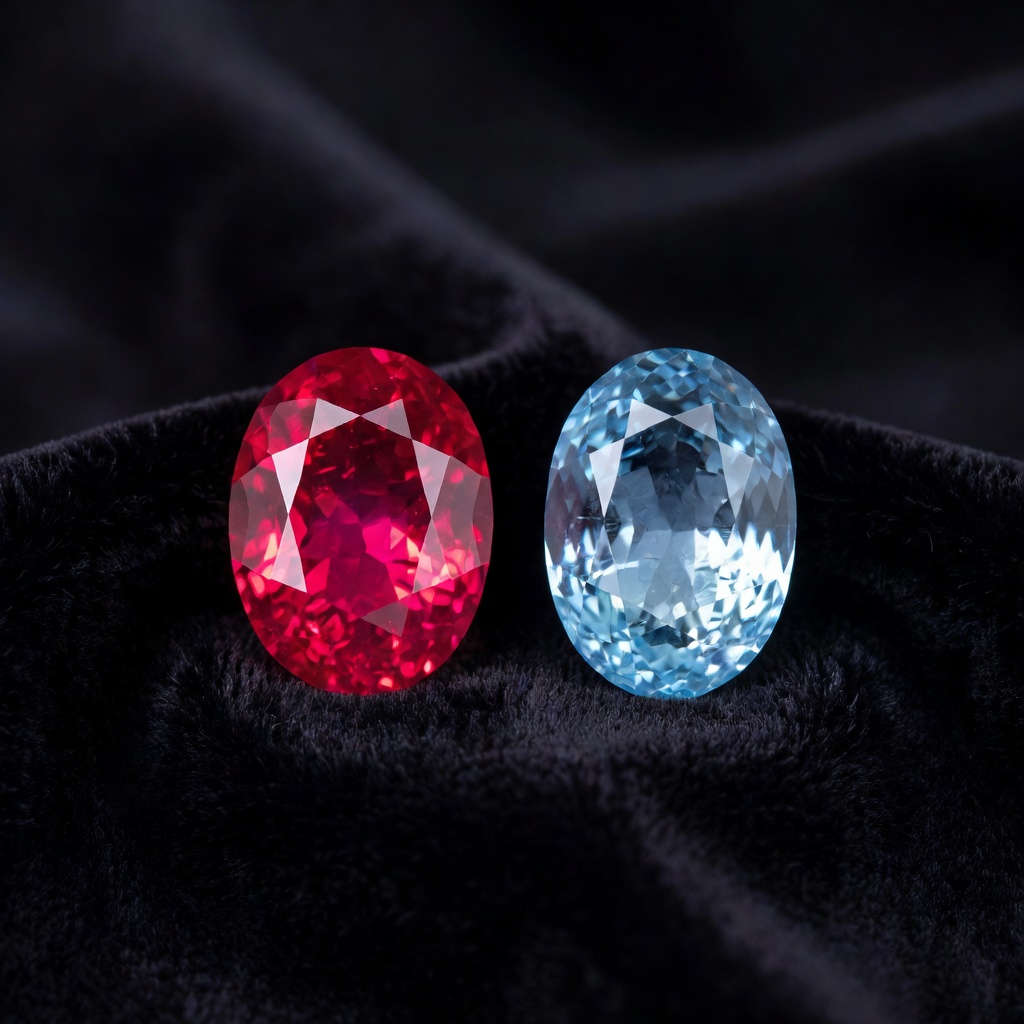
Rubies exhibit a color range from pinkish-red to deep crimson, with the most valuable pigeon blood ruby specimens displaying a pure, vibrant red with subtle blue undertones that enhance depth and saturation. Unlike shell materials, high-quality rubies possess transparency that allows light to penetrate the crystal structure, creating brilliance and fire through internal reflection and refraction. Certain rubies display asterism, a star effect caused by oriented rutile inclusions that reflect light in a six-rayed pattern across the domed surface of cabochon-cut stones, adding rarity and mystical appeal to specific specimens.
The Iridescent Beauty of Shell Materials
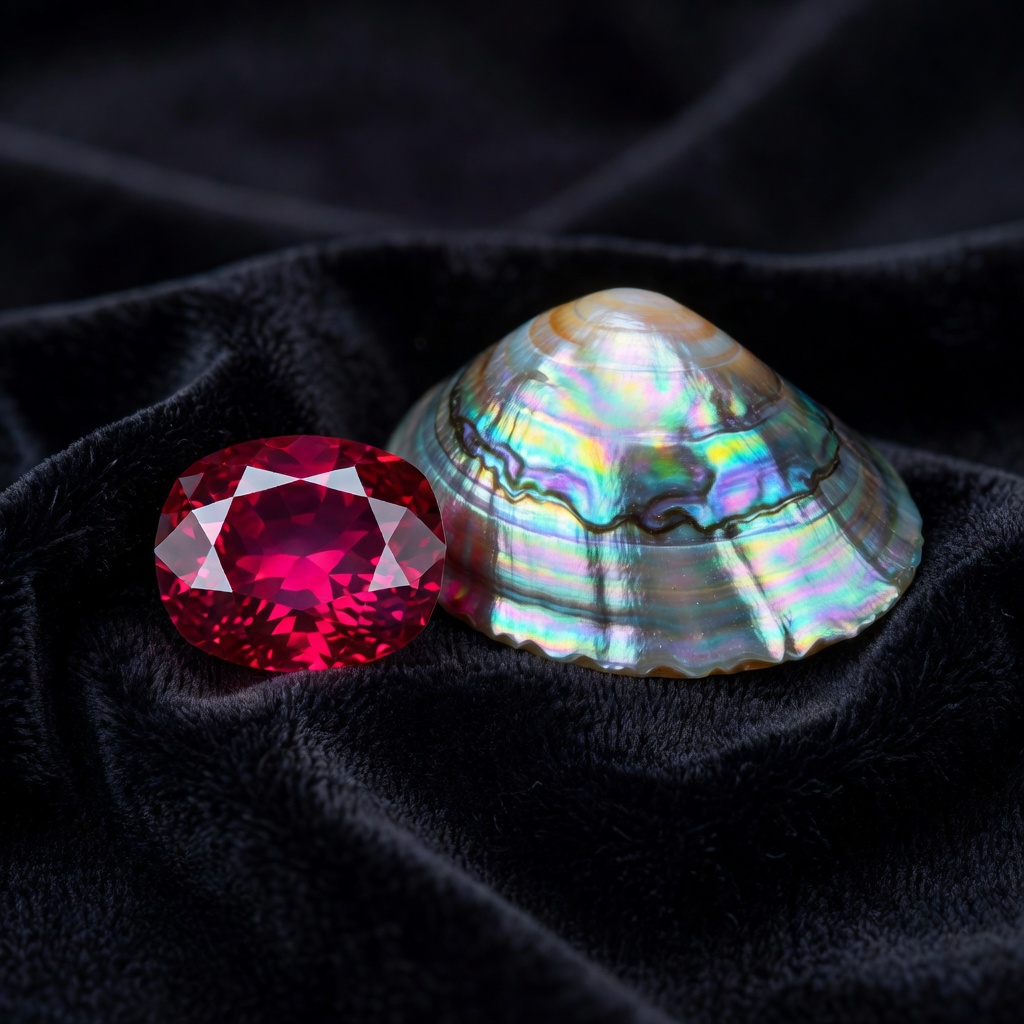
Shell gemstones offer a completely different visual experience characterized by mother of pearl luster and adularescence, the soft glow that seems to emanate from within the material's layered structure. Abalone shell displays particularly dramatic color play, exhibiting spectrum shifts from peacock green and blue to rose pink and gold depending on viewing angles and lighting conditions. Unlike the transparency prized in rubies, shell materials range from opaque to translucent, with their beauty deriving from surface reflection and interference patterns rather than internal light transmission.
Lighting conditions affect these materials distinctly, as rubies appear most vibrant under natural daylight or full-spectrum LED lighting that reveals their true color without the warm cast of incandescent bulbs that can mask subtle undertones. Shell materials, conversely, often display enhanced iridescence under diffused lighting that minimizes glare while highlighting the subtle color shifts within the nacre layers. When examining gemstone appearance for purchase decisions, consider that rubies maintain consistent coloration regardless of lighting, while shell exhibits dynamic visual properties that change throughout the day as ambient light shifts.
Jewelry Applications and Setting Requirements
Ruby's Versatility in High-Impact Designs
The exceptional hardness of ruby enables diverse ruby ring settings including prong-set solitaires that expose maximum surface area to light, channel-set bands that protect the girdle while creating continuous color, and tension settings that appear to suspend the stone between metal planes. Jewelers frequently incorporate rubies into tennis bracelets, cocktail rings, and statement necklaces designed for daily wear, confident that the material will withstand decades of regular use without significant wear. The stone's compatibility with various metals including platinum, white gold, yellow gold, and rose gold allows for versatile design aesthetics ranging from vintage Art Deco styles to contemporary minimalist settings.
Shell's Specialized Applications
Shell cameo jewelry represents one of the most traditional applications, with artisans carving raised relief images into the layered structure of conch or helmet shells to create portrait brooches and pendants that showcase the material's natural color banding. Inlay work represents another specialized technique wherein thin shell sheets are cut and fitted into metal channels or combined with other gemstones to create mosaic patterns that exploit the material's iridescence. Due to its relative softness, shell performs best in earrings and pendants that hang freely without contacting hard surfaces, or in rings designed for occasional wear rather than daily activities.
Metal compatibility considerations differ significantly between these materials, as shell's organic composition can react adversely with certain alloys or plating processes, requiring jewelers to use specific setting techniques that prevent chemical interaction. Bezel settings with protective rails prove essential for shell pieces, while rubies tolerate more exposed prong settings that maximize light entry. When commissioning custom gemstone jewelry styles, experienced designers often recommend combining both materials in complementary arrangements, using the harder ruby as a protective frame or accent surrounding a central shell element.
Investment Value and Market Pricing
The financial disparity between these materials becomes immediately apparent when examining ruby price per carat figures, particularly for untreated stones from prestigious origins. Fine Burmese rubies exceeding five carats with natural, unheated coloration can command prices exceeding $100,000 per carat at auction, rivaling high-quality diamonds in investment potential. Heat-treated rubies, while more affordable, still maintain significant value, with commercial-grade stones ranging from $500 to $5,000 per carat depending on color saturation, clarity, and cut quality. The rarity of large, inclusion-free natural rubies ensures consistent demand among collectors and investors seeking portable wealth storage.
Shell jewelry value operates on a completely different economic scale, with common mother-of-pearl elements adding minimal material cost to finished pieces, typically valued for their craftsmanship rather than raw material worth. However, exceptions exist in rare varieties such as conch pearls, which can fetch $4,000 to $15,000 per carat for fine specimens exhibiting strong flame structure and pink coloration. Antique shell cameos from the Victorian era or those carved by recognized masters can achieve significant premiums at auction, though these valuations depend heavily on artistic merit, historical provenance, and preservation condition rather than intrinsic material value.
Long-term gemstone investment considerations heavily favor ruby due to its durability and established market presence, allowing pieces to pass through generations without degradation. While certain shell varieties appreciate as collectible art objects, the organic nature of the material introduces preservation risks including dehydration, color fading, and structural deterioration that can diminish value over time. Investors seeking stable appreciation should prioritize certified natural rubies with documented origins, while shell acquisitions should be approached as decorative art purchases rather than financial instruments.
Care and Maintenance Protocols
Maintaining Ruby's Brilliance
Rubies tolerate more aggressive gemstone maintenance procedures than organic materials, with their chemical stability allowing cleaning through warm soapy water, soft brushes, and even ultrasonic cleaners when stones are free of significant fractures or oil treatments. Professional jewelers routinely steam-clean ruby jewelry to remove accumulated lotions and environmental residues that dull surface luster. However, stones treated with glass infilling or dyed enhancements require gentler care, as harsh cleaning methods can remove artificial colorants or damage fracture fillings that improve apparent clarity.
Preserving Shell's Delicate Beauty
Shell jewelry care demands meticulous attention to chemical exposure, as acids from perspiration, cosmetics, and household cleaners can etch nacre surfaces and destroy iridescence permanently. Owners should clean shell pieces only with soft, damp cloths and mild pH-neutral soaps, immediately drying with soft towels to prevent water spots or absorption that could cause delamination. Storage requires humidity-controlled environments to prevent dehydration cracking, with pieces wrapped in acid-free tissue or stored with silica gel packets to maintain stable moisture levels without promoting mold growth.
Home care protocols should include removing shell jewelry before swimming in chlorinated pools or salt water, applying cosmetics and perfumes before donning shell pieces, and avoiding temperature extremes that could cause thermal shock. Rubies, conversely, can withstand normal temperature variations and brief water exposure, though they should be stored separately from other gemstones to prevent them from scratching softer stones in a jewelry box. Understanding how to clean ruby versus shell materials ensures that both types of jewelry maintain their beauty through decades of ownership, though shell requires significantly more vigilant protection.
Cultural Significance and Symbolism
Throughout history, rubies have maintained associations with passion, protection, and vitality, serving as the July birthstone in modern Western traditions while holding sacred status in ancient Hindu, Burmese, and Chinese cultures. Burmese warriors implanted rubies beneath their skin before battle, believing the stones made them invulnerable to wounds, while medieval Europeans associated the gem with Christ's blood and royal authority. The ruby birthstone meaning continues to resonate with contemporary wearers seeking stones that symbolize romantic love, courage, and prosperity, making them popular choices for anniversary gifts and milestone celebrations.
Shell symbolism traces back to humanity's earliest civilizations, with archaeological evidence showing that Neolithic communities valued shells as currency, fertility talismans, and connections to water deities. Aphrodite's birth from sea foam and her association with scallop shells established enduring connections between shell materials and feminine energy, beauty, and regeneration across Greek, Roman, and Renaissance cultural traditions. Indigenous Pacific cultures incorporated abalone shell into ceremonial regalia and divination practices, while Victorian mourning jewelry frequently featured carved shell cameos depicting allegorical figures representing memory and eternal love.
Religious and royal applications of both materials demonstrate their historical prestige, with the British Crown Jewels featuring the Black Prince's Ruby (actually a spinel) alongside countless Burmese rubies presented as diplomatic tribute. Shell decorated the thrones of Polynesian chiefs and the reliquaries of European saints, while mother-of-pearl inlay adorned Islamic prayer beads and Chinese scholar's objects. These parallel histories of reverence illustrate that while ruby vs shell occupy different material categories, both have served as powerful cultural signifiers representing humanity's relationship with natural beauty and supernatural beliefs.
Choosing Between Ruby and Shell for Your Collection
Practical lifestyle considerations should guide decisions regarding ruby vs shell for daily wear, as active professionals or parents of young children may find ruby's durability essential for worry-free wearing. Those seeking July birthstone alternatives to traditional ruby might consider red spinel or garnet for durability, or embrace shell's organic warmth for pieces reserved for special occasions. Budget-conscious buyers can achieve luxurious aesthetics through high-quality shell cameos or abalone inlay work at price points unattainable with precious rubies, allowing for larger statement pieces within modest investment parameters.
Collectors building comprehensive jewelry wardrobes often incorporate both materials strategically, selecting rubies for engagement rings, wedding bands, and daily-wear staples while reserving shell pieces for artistic statement items that showcase carving craftsmanship or unique natural patterns. Combining both materials in single designs creates compelling textural contrasts, with cabochon rubies framing carved shell centers or abalone inlay providing colorful backgrounds for ruby accents in brooches and pendants. When integrating these materials, designers must ensure protective separation to prevent the harder ruby from abrading the softer shell over time.
Ultimately, the choice between these materials reflects personal values regarding permanence versus organic beauty, investment potential versus artistic expression. Ruby offers generational durability and financial stability, while shell provides irreplaceable biological artistry that connects wearers directly to oceanic ecosystems. Neither material represents a compromise in quality when selected thoughtfully according to intended use, maintenance capabilities, and aesthetic preferences.
Ruby vs Shell Comparison Table
| Characteristic | Ruby | Shell (Mother-of-Pearl/Abalone) |
|---|---|---|
| Chemical Composition | Aluminum Oxide (Corundum) with Chromium | Calcium Carbonate (Aragonite) + Conchiolin |
| Mohs Hardness | 9 (Exceptionally Hard) | 2.5 - 4 (Soft to Moderate) |
| Formation Process | Geological: High-pressure metamorphism deep underground | Biological: Mollusk secretion over years |
| Primary Sources | Myanmar, Mozambique, Thailand, Sri Lanka | New Zealand, Japan, Caribbean, Pacific Islands |
| Best Jewelry Applications | Rings, bracelets, daily wear pieces | Earrings, pendants, cameos, inlay work |
| Price Range (High Quality) | $1,000 - $100,000+ per carat | $10 - $500+ per piece (except rare conch pearls) |
| Transparency | Transparent to Translucent | Opaque to Translucent |
| Visual Effect | Brilliance, Fire, potential Asterism | Iridescence, Chatoyancy, Adularescence |
| Cleaning Methods | Ultrasonic, steam, warm soapy water | Damp cloth only, no chemicals |
| Storage Requirements | Separate from other gems to prevent scratching | Humidity-controlled, away from sunlight |
| Investment Potential | High appreciation for fine natural stones | Limited to rare varieties/antique pieces |
| Symbolism | Passion, Vitality, Protection, Royalty | Fertility, Femininity, Ocean Connection, Calm |
| Setting Requirements | Prong, bezel, tension settings all suitable | Bezel or protective settings essential |
Frequently Asked Questions
Which is more durable for daily wear, ruby or shell?
Ruby is significantly more durable for daily wear, ranking 9 on the Mohs hardness scale compared to shell's 2.5-4 rating. While rubies can withstand the impacts of daily activities and are suitable for engagement rings, shell jewelry requires protective settings and is better reserved for occasional wear or pieces like earrings and pendants that face less physical contact.
Is ruby more expensive than shell gemstones?
Yes, high-quality rubies are generally much more expensive than shell materials. Fine untreated rubies can command thousands of dollars per carat, especially Burmese pigeon blood varieties, while even rare shell varieties like conch pearls or high-grade abalone are typically more affordable. However, antique shell cameos or rare natural pearls can still hold significant value depending on craftsmanship and rarity.
Can I clean shell jewelry the same way as ruby jewelry?
No, shell jewelry requires much gentler care than rubies. While rubies can tolerate warm soapy water and even ultrasonic cleaners (with caution), shell should only be cleaned with a soft, damp cloth and mild soap. Shell is vulnerable to acids, chemicals, and prolonged water exposure, which can damage its iridescent surface, whereas rubies are chemically stable and more resilient.
Are both ruby and shell considered real gemstones?
Yes, both are considered genuine gemstones, though they belong to different categories. Ruby is a precious mineral gemstone composed of corundum (aluminum oxide), while shell is classified as an organic gemstone derived from living organisms. Both are recognized by gemological institutes, but ruby is considered one of the 'big four' precious stones alongside diamond, sapphire, and emerald.
Can ruby and shell be combined in the same jewelry piece?
Absolutely, combining ruby and shell creates stunning contrast in jewelry design. The deep red transparency of ruby complements the iridescent, often white or pastel tones of mother-of-pearl or abalone shell beautifully. However, designers must consider the hardness difference—shell should be set to avoid contact with the harder ruby to prevent scratching, often using bezel settings or strategic placement.
Which gemstone has better investment potential, ruby or shell?
Rubies generally offer better long-term investment potential due to their rarity, durability, and consistent demand in the precious gem market. Fine untreated rubies from Myanmar or Mozambique appreciate reliably over time. While certain rare shell varieties like conch pearls or vintage cameos can be collectible, the organic nature and fragility of shell materials typically limit their investment appeal compared to mineral gemstones.
Do rubies and shells require different storage conditions?
Yes, they have distinct storage needs. Rubies should be stored separately from other gems to prevent them from scratching softer stones, but they are otherwise stable. Shell requires humidity-controlled storage to prevent dehydration and cracking, and should be kept away from direct sunlight that can fade its iridescence. Both should be stored in soft cloth pouches, but shell benefits from occasional light oiling to maintain luster.
How can I tell if a ruby or shell is natural versus synthetic or imitation?
Natural rubies typically contain visible inclusions (fingerprints, silk, crystals) under magnification, while synthetic rubies show curved growth lines or are inclusion-free. For shell, natural materials show organic texture and layered structure, whereas imitations like plastic feel warm to the touch and lack depth. Always request certification from reputable labs like GIA for high-value rubies, and examine shell for natural iridescence patterns that cannot be perfectly replicated.