Understanding Ruby vs Serpentine: A Comprehensive Gemstone Comparison
When exploring the vast world of colored gemstones, collectors and jewelry enthusiasts often encounter the striking contrast between precious rubies and the earthy serpentine stone. Ruby represents the pinnacle of precious gemstones, belonging to the corundum family as crystallized aluminum oxide and serving as the coveted July birthstone for those born in midsummer. In stark contrast, serpentine encompasses a broad group of hydrous magnesium silicate minerals that have carved their niche in ornamental carvings and spiritual practices rather than high jewelry. While these stones occupy vastly different positions in the gemological hierarchy, comparing them reveals important insights about durability, value, and appropriate applications in jewelry design. This comprehensive analysis examines why one stone commands thousands per carat while the other offers accessible beauty, exploring the key differentiators of hardness, value propositions, and intended use cases that separate these fascinating minerals.
Chemical Composition and Mineral Classification
The fundamental distinction between these gemstones begins at the molecular level, where their chemical architectures dictate their optical properties and market status. Ruby gemstone properties stem from its identity as corundum, specifically aluminum oxide (Al2O3) infused with trace amounts of chromium that create its signature red coloration, with higher chromium concentrations producing the most vivid pigeon blood varieties. Serpentine mineral composition presents a more complex picture, represented by the generalized formula (Mg,Fe)3Si2O5(OH)4, indicating a hydrous magnesium iron silicate structure that readily accepts substitutions and variations, resulting in several distinct mineral species within the group including antigorite, lizardite, and chrysotile.
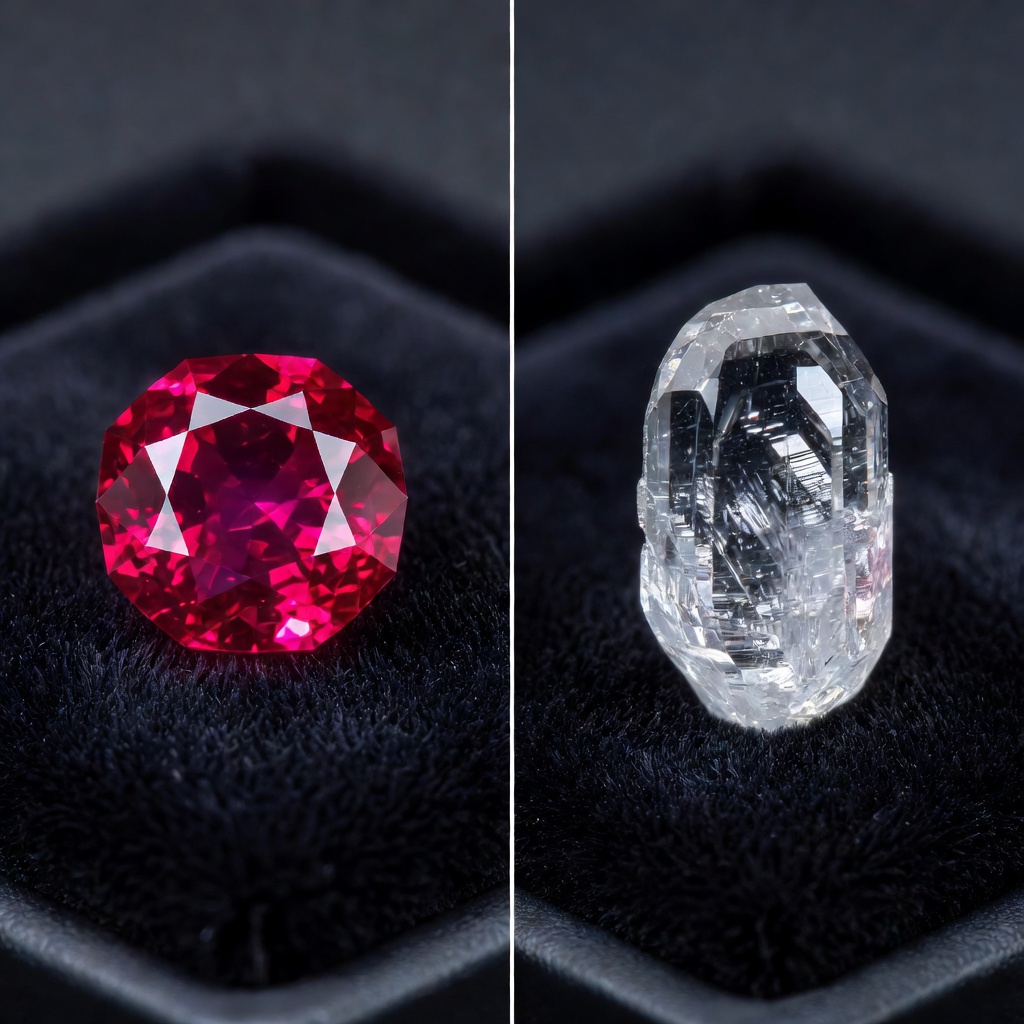
Crystallographically, these stones inhabit different structural universes that influence their physical behaviors. Ruby crystallizes in the trigonal system, forming hexagonal prisms with terminated points that allow for exceptional light performance and brilliance when properly cut. Serpentine minerals typically form in the monoclinic or orthorhombic systems, often appearing massive or fibrous rather than as distinct crystals, which contributes to its characteristic waxy luster and carving-friendly texture. This distinction between precious gemstones (ruby) and ornamental stones (serpentine) reflects not merely aesthetic preferences but fundamental differences in atomic arrangement, chemical purity, and the geological conditions required for their formation, with rubies requiring high-pressure, high-temperature metamorphic environments while serpentine forms through the serpentinization of ultramafic rocks at lower temperatures.
Hardness, Durability and Wearability
Practical jewelry applications depend heavily on a gemstone's ability to resist scratching, chipping, and environmental wear, creating a dramatic divergence between these two materials. Ruby hardness Mohs scale placement at 9 positions it as one of the hardest natural substances, second only to diamond, making it exceptionally suitable for daily wear in engagement rings, bracelets, and other pieces that endure regular impact and abrasion. Serpentine hardness varies considerably across its mineral group, ranging from 2.5 to 5.5 on the Mohs scale, placing softer varieties near the hardness of a fingernail and harder types comparable to window glass, necessitating protective settings and careful handling to prevent surface damage.
The fracture characteristics and toughness of these materials further illuminate their suitability for different jewelry applications. Rubies possess excellent toughness despite their hardness, resisting breakage through a combination of strong atomic bonding and the absence of cleavage planes, though they may still chip if struck sharply against hard surfaces. Serpentine, while sometimes exhibiting flexibility in thin sheets, generally demonstrates poor toughness and brittle fracture tendencies, making it vulnerable to cracking under impact or thermal shock. For consumers considering Corundum vs serpentine for active lifestyles, ruby offers peace of mind for pieces worn during exercise, household chores, or professional activities, whereas serpentine demands reservation for occasional wear, protected settings like pendants that avoid direct contact, or artistic pieces where beauty supersedes durability requirements.
Visual Characteristics and Color Variations
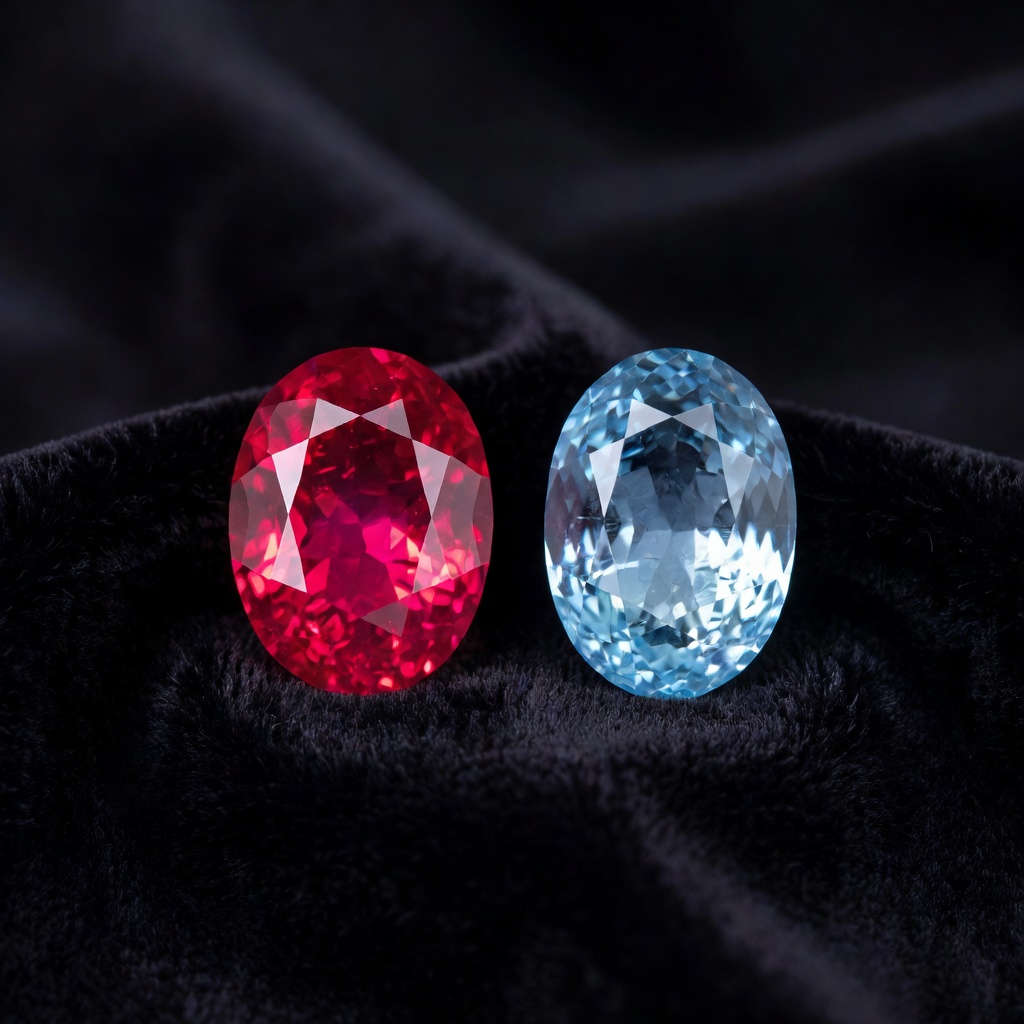
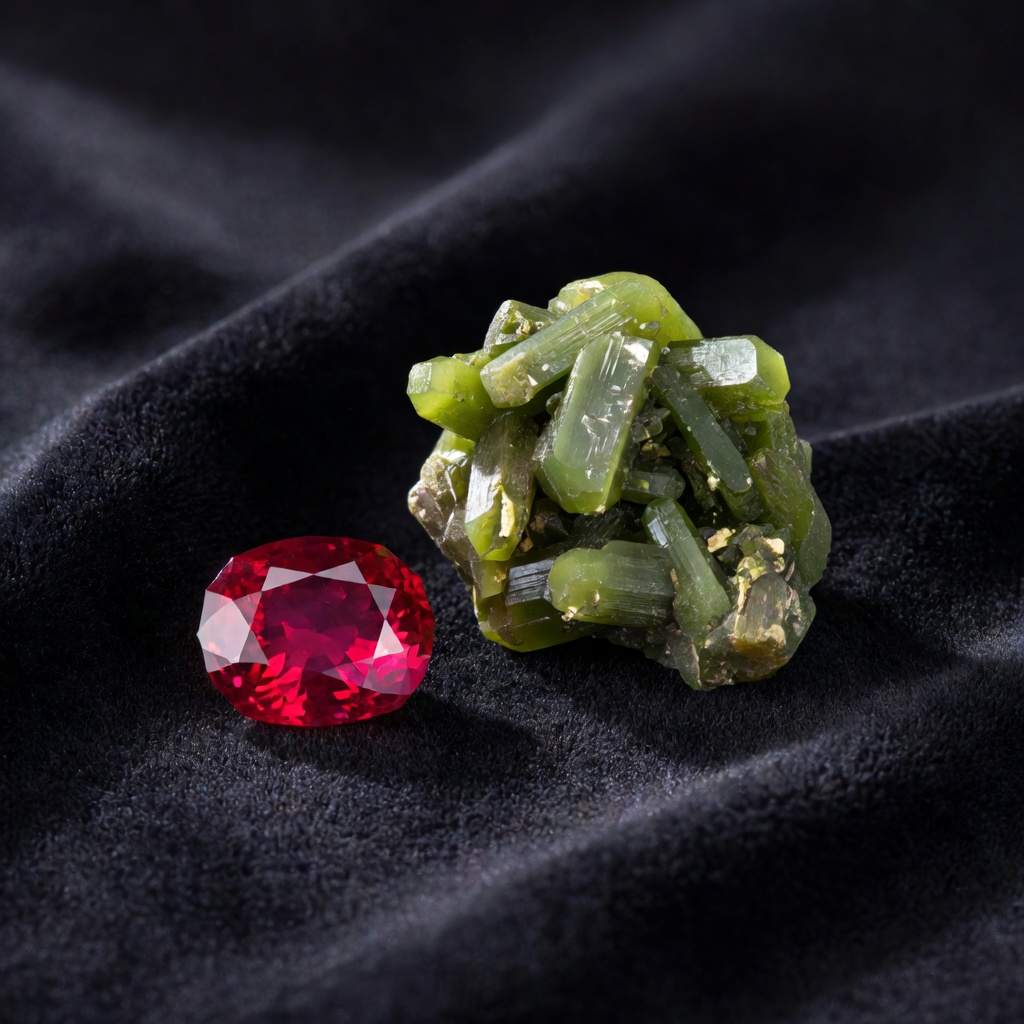
The aesthetic appeal of these stones diverges dramatically in terms of color palette, optical performance, and textural qualities that define their respective markets. Ruby gemstone properties include a spectrum ranging from pinkish-red through vivid crimson to the legendary pigeon blood red, with Burmese origins traditionally commanding premium prices for their pure red fluorescence under daylight, while Mozambique and Thai deposits offer slightly darker, more affordable alternatives with purplish or brownish undertones. Green serpentine jewelry dominates the market, though the material actually presents a remarkable color range including apple green, olive, yellowish-green, black, and even mottled patterns resembling snake skin—hence its name derived from the Latin "serpentinus" meaning serpent rock.
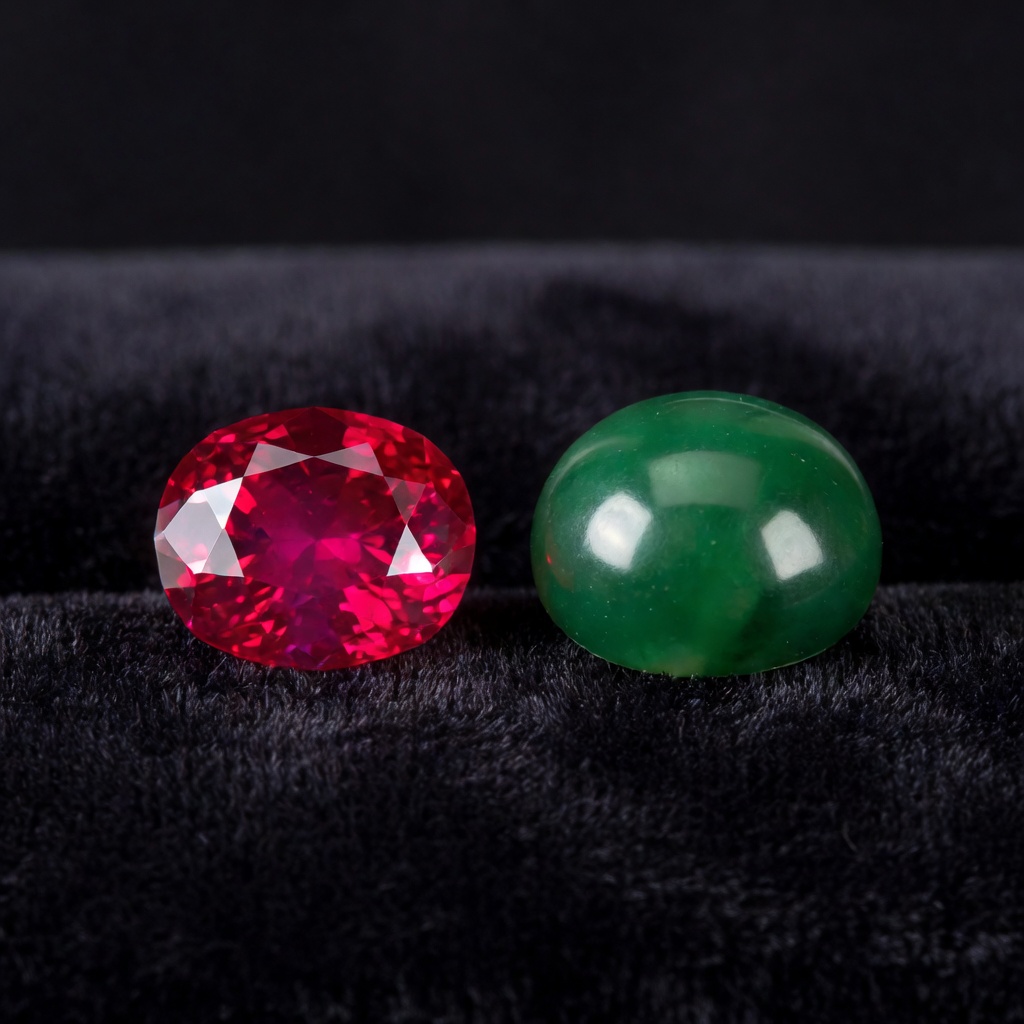
Transparency and luster create additional visual distinctions that experienced gemologists use for identification. Fine rubies typically achieve transparency to translucency, displaying vitreous to adamantine luster that creates the fiery brilliance and scintillation prized in high jewelry, particularly when cut in brilliant or step styles that maximize light return. Serpentine remains predominantly opaque to translucent at best, exhibiting a characteristic greasy or waxy luster that lacks the reflective brilliance of ruby but offers a soft, organic glow particularly suited to carved objects, cabochons, and beads. When examining specimens side by side, ruby presents as crystalline and gem-like with potential for eye-clean clarity, while serpentine offers an earthy, tactile quality often enhanced by natural veining, magnetic inclusions, or chatoyant effects in certain varieties like Williamsite serpentine.
Historical Significance and Cultural Meanings
Throughout human civilization, these stones have occupied distinct but equally fascinating positions in cultural narratives, spiritual practices, and regal symbolism. Ruby earned its title as the "King of Gems" in ancient India, where Sanskrit texts referred to it as "ratnaraj," and Burmese warriors inserted rubies into their flesh before battle, believing the stones made them invulnerable to harm. The stone's association with blood, fire, and royal power permeated European courts, where rubies adorned crown jewels and signet rings, while Biblical texts referenced ruby as the most precious of the twelve stones in the High Priest's breastplate. As the July birthstone, ruby continues to symbolize passion, protection, and prosperity for those born in the height of summer, maintaining its status as a traditional gift for 15th and 40th wedding anniversaries.
Serpentine stone meaning traces equally ancient roots through civilizations that valued its workability and perceived mystical properties. The Maori people of New Zealand treasure pounamu (a nephrite jade often confused with serpentine but geologically distinct, though serpentine occurs in similar cultural contexts), carving intricate talismans and weapons from green stone believed to possess spiritual essence and ancestral connections. Ancient civilizations from Mesopotamia to Mesoamerica utilized serpentine for sacred carvings, seals, and architectural elements, attributing to it protective qualities against venom and dark magic. Metaphysically, ruby resonates with the root chakra, believed to stimulate vital life force, enhance courage, and attract romantic love through its intense red energy. Conversely, serpentine associates with the Kundalini awakening process, thought to clear blocked energy channels, facilitate meditation, and support emotional cleansing through its connection to the heart chakra, making it popular among crystal healers despite its lack of precious gemstone status.
Market Value and Investment Considerations
The economic disparity between these materials reflects their relative rarity, durability, and cultural demand within the global gemstone marketplace. Precious vs semi-precious stones distinction becomes immediately apparent when examining pricing structures: fine untreated rubies from Myanmar can command $1,000 to $15,000 or more per carat for exceptional specimens over five carats, while even commercial-quality heated rubies typically range from $100 to $1,500 per carat depending on color saturation and clarity. Serpentine occupies the accessible end of the market, with quality specimens suitable for jewelry typically ranging from $1 to $50 per carat, with rare translucent varieties or those exhibiting chatoyancy commanding slightly higher prices but rarely exceeding $100 per carat even for exceptional pieces.
Investment potential diverges accordingly, with rubies representing legitimate appreciating assets when purchased wisely, particularly untreated stones from prestigious localities like Mogok, Myanmar, or recent high-quality discoveries in Mozambique that have gained collector attention. The rarity of natural, unheated rubies over ten carats places them in the category of portable wealth similar to fine diamonds or colored diamonds. Serpentine functions primarily as a decorative or collector's stone for mineral enthusiasts rather than an investment vehicle, though antique serpentine carvings or historically significant pieces may carry premium values based on artistry and provenance rather than material worth. When assessing ruby value, critical factors include origin documentation (with Burmese stones commanding premiums), heat treatment disclosure (affecting value by 30-50%), and the presence of glass filling or fracture filling which dramatically reduces desirability among serious collectors. Serpentine purchases require less rigorous authentication but should include verification of asbestos-free status, particularly avoiding chrysotile varieties unsuitable for jewelry.
Jewelry Applications and Design Considerations
The divergent physical properties of these stones dictate distinct approaches to jewelry design, setting techniques, and metal pairings that optimize their respective beauties while ensuring longevity. Ruby jewelry settings in fine jewelry typically feature secure prong or bezel settings in platinum or high-karat gold, allowing maximum light exposure for the stone's brilliance while providing protection for daily wear engagement rings, eternity bands, tennis bracelets, and statement pendants that withstand active lifestyles. High jewelry houses like Cartier, Van Cleef & Arpels, and contemporary designers frequently feature untreated Burmese rubies as centerpieces in important pieces, accenting them with diamonds to enhance their red fluorescence and creating heirlooms intended for generational transfer.
Green serpentine jewelry requires more protective design strategies that acknowledge the stone's softness and potential for chemical sensitivity. Bezel settings prove essential for serpentine rings, wrapping the stone's perimeter in metal to shield edges from impact, while pendants and earrings offer safer applications than bracelets or rings that encounter hard surfaces during wear. Serpentine excels in carved applications—cameos, intaglios, beads, and fetish carvings—where lapidary artists exploit its softness to create intricate relief work impossible in harder materials. Metal pairing suggestions reflect value hierarchies: rubies traditionally pair with yellow gold to warm their red tones or white metals for contemporary contrast, while serpentine often finds harmony with sterling silver, copper, or bronze settings that complement its earthy green tones without overshadowing the modest material with excessively expensive mountings. For designers creating Corundum vs serpentine pieces, ruby demands settings that secure investment-grade stones, whereas serpentine invites artistic, organic settings that embrace its natural, untamed character.
Identification, Treatments and Authentication
Distinguishing between these materials requires understanding their treatment histories and optical characteristics, particularly as simulants and enhanced stones circulate in the marketplace. Common ruby treatments include high-temperature heat treatment (accepted industry standard that improves color and clarity), glass filling of surface-reaching fractures (a more invasive treatment requiring disclosure), and diffusion processes that create shallow color layers. These treatments significantly affect value and care requirements, with glass-filled rubies requiring gentle cleaning only and avoiding ultrasonic or steam cleaning that might remove filling materials. Certification from reputable laboratories like GIA (Gemological Institute of America) or AGL (American Gemological Laboratories) proves essential for significant ruby purchases, documenting origin, treatment status, and authenticity.
Serpentine enhancements typically involve waxing or oiling to improve surface luster and mask microscopic porosity, treatments that require less disclosure but affect care instructions. Visual identification tips help consumers distinguish these stones even without laboratory equipment: rubies display pleochroism, showing different colors (typically orange-red and purplish-red) when viewed from different crystallographic directions, while serpentine maintains relatively uniform coloration regardless of viewing angle. Under magnification, rubies may reveal characteristic mineral inclusions like rutile needles (silk), calcite crystals, or color zoning, whereas serpentine shows fibrous structures, magnetite inclusions, or serpentine-specific textures. When learning how to identify ruby vs serpentine, remember that ruby feels cold to the touch, heavy for its size (specific gravity 3.9-4.1), and exhibits brilliant reflections, while serpentine feels warmer, lighter (specific gravity 2.5-2.6), and displays subdued, waxy reflections even when polished to high standards.
Care, Cleaning and Maintenance Requirements
Proper maintenance protocols reflect the hardness differences and chemical sensitivities that distinguish these materials, ensuring longevity for heirloom pieces and costume jewelry alike. Ruby vs Serpentine maintenance begins with understanding that untreated or heat-only treated rubies tolerate ultrasonic cleaning and steam cleaning (with caution regarding filled fractures), though warm soapy water with a soft brush remains the safest universal method for removing accumulated oils and debris. Rubies resist most household chemicals but should avoid prolonged exposure to harsh acids or abrasives that might pit metal settings or damage fracture fillings; storing ruby pieces separately in soft pouches prevents scratching of other jewelry, as ruby's hardness 9 rating means it scratches virtually every other gemstone.
Serpentine demands significantly more delicate handling due to its hydrous composition and relative softness. Owners must avoid ultrasonic cleaners entirely, as the vibrations can cause internal fracturing or loosen protective wax coatings, and should never expose serpentine to acids, bleach, or prolonged water immersion that might dissolve surface treatments or alter the stone's chemistry. Cleaning requires only a soft, damp cloth with mild soap if necessary, followed by immediate drying with a soft towel. Storage recommendations emphasize keeping serpentine pieces in individual soft cloth pouches away from harder gemstones that might scratch their surfaces, and avoiding temperature extremes or sudden thermal shocks that could cause cracking. Professional maintenance schedules suggest annual inspection of ruby settings for prong wear, while serpentine pieces benefit from periodic re-polishing or re-waxing by lapidaries to restore luster lost to surface wear, particularly for frequently worn items like rings or bracelets.
Final Verdict: Choosing Between Ruby and Serpentine
Selecting between these stones ultimately depends on aligning material properties with personal values, lifestyle requirements, and budgetary constraints rather than inherent superiority of one over the other. For those prioritizing heirloom investment and daily durability, ruby offers unparalleled performance as a precious gemstone that appreciates over time while withstanding the rigors of constant wear, making it ideal for engagement rings, professional jewelry, and legacy pieces intended to commemorate significant milestones. The July birthstone connection adds sentimental value for summer babies, while the stone's association with passion and protection resonates with those seeking symbolic significance alongside material beauty.
Conversely, serpentine appeals to collectors of organic aesthetics, spiritual practitioners drawn to its Kundalini associations, and jewelry enthusiasts seeking accessible entry points into gemstone collecting without significant financial outlay. Its suitability for intricate carvings and statement pieces makes it perfect for artistic expression and occasional wear accessories that showcase lapidary artistry rather than geological rarity. When building a diverse gemstone collection, incorporating both stones allows collectors to appreciate the full spectrum of mineralogy—from the crystalline perfection and fire of corundum to the earthy, tactile warmth of magnesium silicates. Whether choosing the king of gems for its eternal brilliance or the serpent stone for its ancient wisdom and accessible beauty, understanding these materials' distinct characteristics ensures satisfying purchases that serve their intended purposes for years to come.
Ruby vs Serpentine: Detailed Comparison
| Characteristic | Ruby | Serpentine |
|---|---|---|
| Chemical Composition | Aluminum Oxide (Al2O3) with chromium | Hydrous Magnesium Silicate (Mg,Fe)3Si2O5(OH)4 |
| Hardness (Mohs Scale) | 9 (Excellent for daily wear) | 2.5-5.5 (Requires protection) |
| Crystal System | Trigonal | Monoclinic or Orthorhombic |
| Primary Colors | Red, Pinkish-Red, Pigeon Blood | Green (apple, olive), Black, Yellow, Mottled |
| Transparency | Transparent to Translucent | Opaque to Translucent |
| Luster | Vitreous to Adamantine (brilliant) | Greasy to Waxy |
| Market Value | $100-$15,000+ per carat | $1-$50 per carat |
| Classification | Precious Gemstone | Ornamental/Semi-Precious Stone |
| Durability | Excellent toughness, no cleavage | Brittle, poor impact resistance |
| Best Jewelry Use | Engagement rings, daily wear | Pendants, carvings, occasional wear |
| Cleaning Method | Ultrasonic safe (if untreated), warm soapy water | Soft damp cloth only, no ultrasonic |
| Metaphysical Association | Vitality, passion, root chakra | Kundalini awakening, heart chakra |
| Birthstone Status | July Birthstone | Alternative healing stone |
Frequently Asked Questions
Is serpentine as valuable as ruby?
No, serpentine is significantly less valuable than ruby. While high-quality rubies can command $1,000 to $15,000+ per carat, serpentine typically ranges from $1 to $50 per carat. Ruby is classified as a precious gemstone, whereas serpentine is considered an ornamental or semi-precious stone.
Can serpentine be used in engagement rings like ruby?
Serpentine is generally not recommended for engagement rings due to its softness (2.5-5.5 on the Mohs scale) and susceptibility to scratching and breaking. Ruby, with a hardness of 9, is excellent for daily-wear engagement rings and symbolizes eternal love and passion.
What is the main difference between ruby and serpentine?
The primary difference lies in their mineral composition and hardness. Ruby is corundum (aluminum oxide), a precious gemstone ranking 9 on the Mohs scale, while serpentine is a hydrous magnesium silicate mineral group that is softer and typically green. Rubies are transparent and brilliant, whereas serpentine is usually translucent to opaque with a waxy luster.
Is serpentine safe to wear, or does it contain asbestos?
Most serpentine used in jewelry (antigorite and lizardite varieties) is safe to wear and does not contain asbestos. However, chrysotile (white asbestos) is technically a serpentine mineral, so it's important to purchase from reputable dealers who verify their serpentine is asbestos-free and safe for skin contact.
Which stone is better for daily wear jewelry?
Ruby is far superior for daily wear due to its exceptional hardness (9 on Mohs scale) and durability. Serpentine requires more careful handling and is better suited for pendants, earrings, or occasional wear pieces rather than rings or bracelets that face daily impact.
How can I tell ruby and serpentine apart visually?
Rubies typically display vitreous (glass-like) to adamantine brilliance, are often transparent to translucent, and show pleochroism (color changes when viewed from different angles). Serpentine has a greasy or waxy luster, is usually opaque to translucent, often shows mottled or patterned coloration, and lacks the fiery brilliance of ruby.
Do both stones have metaphysical or healing properties?
Yes, both carry distinct metaphysical associations. Ruby is associated with vitality, passion, courage, and the root chakra, believed to stimulate life force energy. Serpentine is associated with Kundalini awakening, emotional cleansing, and the heart chakra, thought to aid in meditation and spiritual exploration.
How should I clean ruby vs serpentine jewelry?
Rubies can typically be cleaned with warm soapy water and a soft brush; untreated stones may tolerate ultrasonic cleaners. Serpentine should only be cleaned with a soft, damp cloth and mild soap, avoiding ultrasonic cleaners, steam, and harsh chemicals that can damage its surface or remove protective wax coatings.