Why Compare Ruby and Seraphinite?
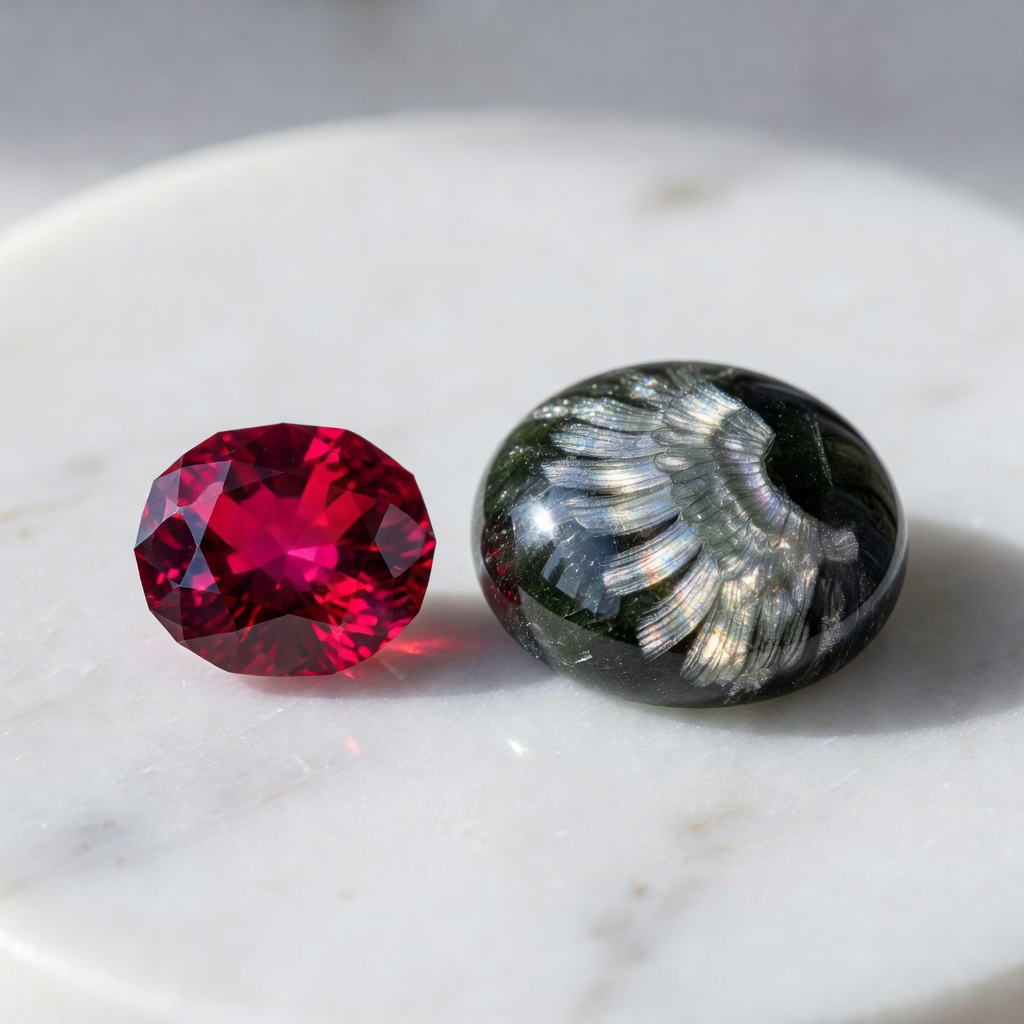
When exploring the vast world of gemstones, few comparisons illustrate the spectrum of mineral diversity quite like examining Ruby vs Seraphinite. Ruby stands as one of the most coveted precious gemstones, a variety of corundum renowned for its intense pigeon-blood red coloration and exceptional durability that rivals diamond. In stark contrast, Seraphinite emerges as a rare collector's mineral, a variety of clinochlore discovered primarily in Eastern Siberia, celebrated for its ethereal silvery feather patterns that resemble angel wings suspended in deep green stone. While both stones captivate collectors and spiritual practitioners alike, they serve fundamentally different purposes in jewelry design and metaphysical applications, differing dramatically in hardness, value, appearance, and energetic properties.
Understanding the distinctions between these two stones empowers collectors, jewelry designers, and spiritual seekers to make informed decisions aligned with their lifestyle needs and aesthetic preferences. Whether you seek a heirloom-quality gemstone capable of withstanding daily wear for generations, or a delicate spiritual tool for meditation and energy work, recognizing the unique attributes of each stone ensures satisfaction and appropriate care. This comprehensive comparison explores everything from geological formation to market valuation, providing actionable insights for selecting between the fiery endurance of Ruby and the delicate spiritual resonance of Seraphinite.
Geological Origins and Composition
The Ancient Fire of Ruby Formation
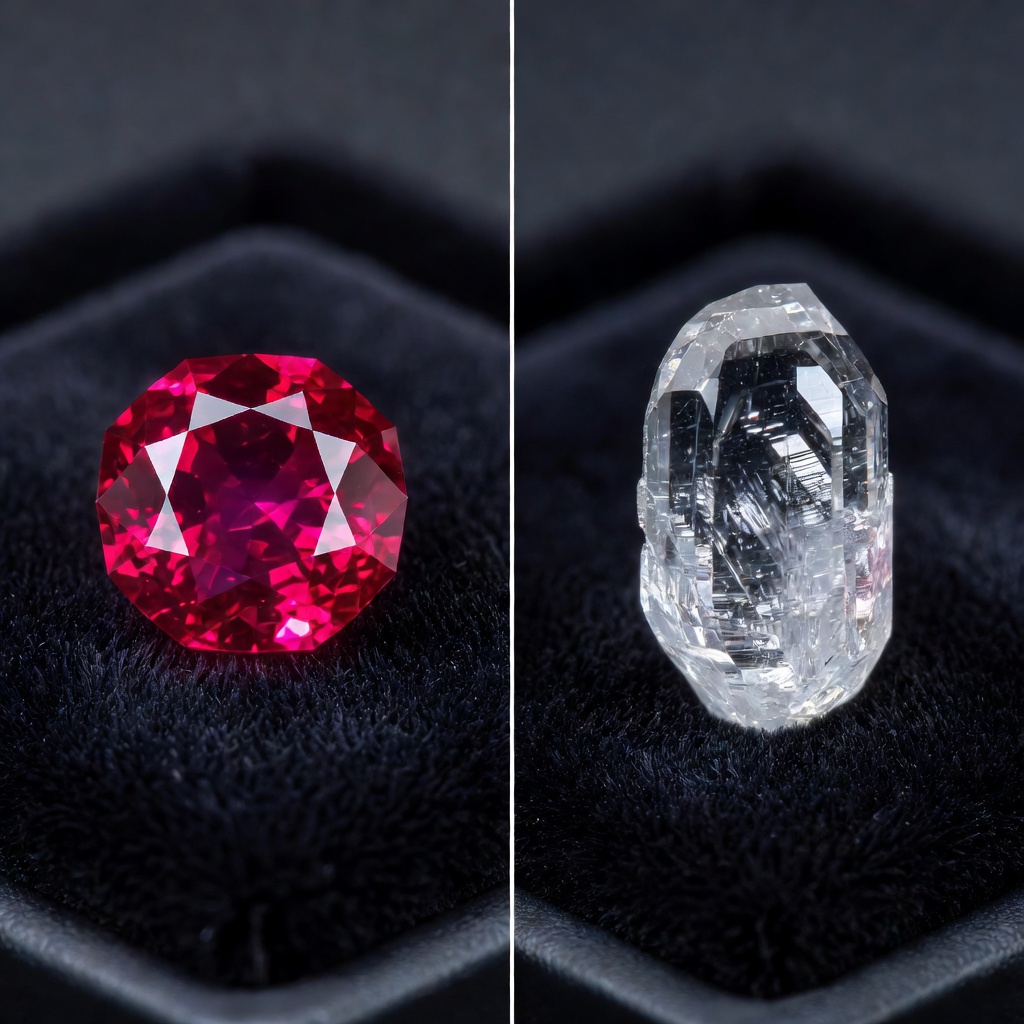
Rubies form deep within the Earth's crust under extreme heat and pressure, typically developing in metamorphic environments such as marble or basalt deposits that date back millions of years. As a variety of corundum composed primarily of aluminum oxide (Al₂O₃), Rubies owe their signature crimson color to trace amounts of chromium replacing aluminum in the crystal lattice, with higher chromium concentrations producing the most vivid red hues. The geological conditions required for Ruby formation are remarkably specific, requiring contact between limestone and granite intrusions that provide both the aluminum-rich environment and the chromium impurities necessary for color development.
The Siberian Mystery of Seraphinite
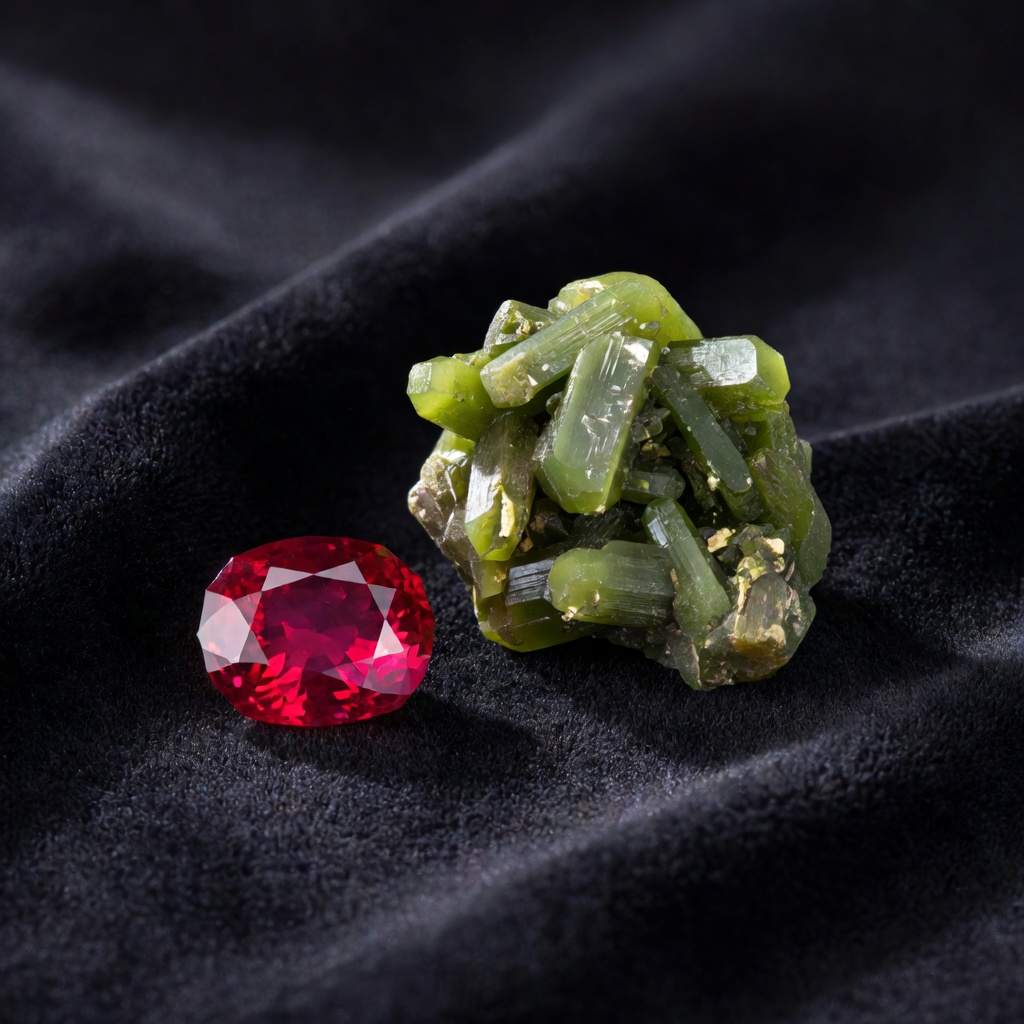
Seraphinite presents a fascinating case study in limited geological distribution, occurring almost exclusively in the Korshunovskoye iron deposit near Lake Baikal in Eastern Siberia, Russia. Unlike the aluminum-based corundum structure of Ruby, Seraphinite belongs to the chlorite group as a variety of clinochlore, a magnesium iron aluminum silicate hydroxide that forms in low to medium-grade metamorphic rocks. The stone's distinctive appearance results from mica inclusions—specifically parallel arrangements of clinoclore crystals—that create the chatoyant, feathery patterns resembling angel wings when polished and viewed from specific angles.
The stark contrast between Corundum vs clinochlore extends beyond chemical composition to formation environments; while Rubies form in high-pressure, high-temperature contact metamorphic zones globally, Seraphinite requires specific iron-rich skarn deposits that rarely produce gem-quality material suitable for lapidary work. This geological rarity means that while Rubies command premium prices due to gemological quality constraints, Seraphinite remains rare due to extreme geographic limitations, with mining operations producing limited quantities that rarely reach international markets in significant volumes.
Physical Properties and Durability Face-Off
Mohs Hardness and Daily Wear Reality
When conducting a Gemstone hardness comparison between these two minerals, the disparity becomes immediately apparent and critically important for practical applications. Ruby ranks 9 on the Mohs hardness scale, making it second only to diamond in natural mineral hardness and exceptionally suitable for daily wear in rings, bracelets, and other jewelry subject to regular impact. Conversely, Seraphinite measures merely 2 to 4 on the Mohs scale, comparable to materials like gypsum or fluorite, rendering it too soft for jewelry that might encounter bumps, scratches, or abrasion during normal activities.
Structural Integrity and Cleavage Patterns
Beyond surface hardness, internal structural characteristics dramatically affect each stone's durability in jewelry settings. Ruby exhibits no cleavage planes, meaning it does not split along specific crystallographic directions, though it can fracture under extreme impact due to its brittle tenacity. Seraphinite, however, possesses perfect cleavage in one direction, causing it to split easily along flat planes when struck or pressured, making it extraordinarily fragile for jewelry applications despite its captivating appearance.
| Characteristic | Ruby | Seraphinite |
|---|---|---|
| Mineral Family | Corundum (Aluminum Oxide) | Clinochlore (Chlorite Group) |
| Mohs Hardness | 9 (Excellent for daily wear) | 2-4 (Very soft, fragile) |
| Cleavage | None (fracture only) | Perfect in one direction |
| Specific Gravity | 3.97-4.05 (heavy, substantial feel) | 2.55-2.80 (lightweight) |
| Best Jewelry Applications | Rings, bracelets, earrings, necklaces | Pendants, earrings, brooches only |
| Price Range (per carat) | $1,000-$10,000+ (high quality) | $5-$50 (specimen quality) |
| Primary Chakra Association | Root and Heart | Heart, Crown, and Third Eye |
| Primary Source Localities | Myanmar, Thailand, Sri Lanka, Madagascar | Eastern Siberia, Russia (exclusive) |
Visual Characteristics and Color Analysis
The Ruby Spectrum: From Pink to Pigeon Blood
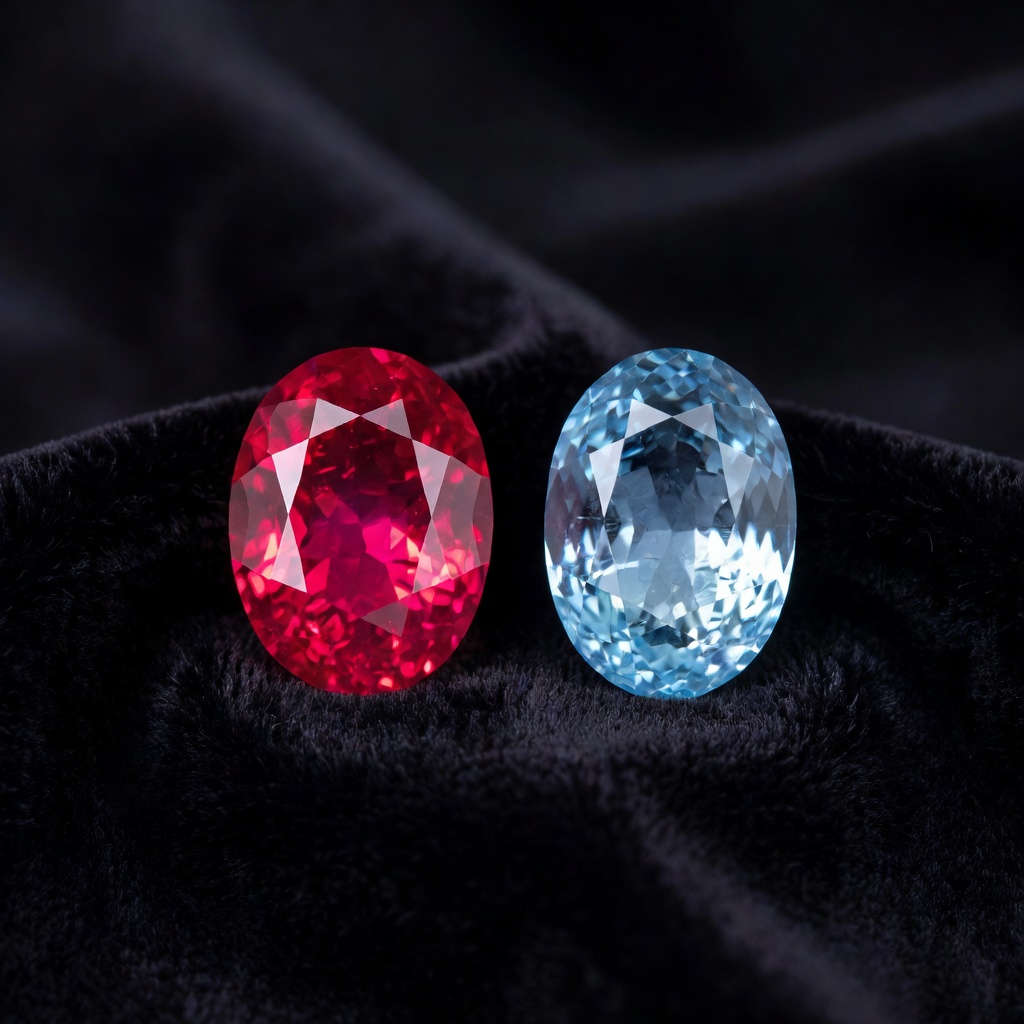
Ruby gemstone properties include a remarkable range of red hues spanning from pinkish-red and orange-red to the highly coveted "pigeon blood" red characterized by pure red with a hint of blue, considered the most valuable color variety. High-quality Rubies exhibit strong fluorescence under ultraviolet light, particularly those from Myanmar, causing them to glow with an internal fire that enhances their apparent brightness even in low-light conditions. Unlike many gemstones where absolute clarity represents the ideal, Rubies typically contain natural inclusions known as "silk"—rutile needle inclusions that can actually enhance value when they create asterism (star effects) or indicate untreated, natural origin.
Angel Wings in Stone: Decoding Seraphinite's Patterns
Seraphinite offers a completely different visual experience, presenting a deep forest green to blackish-green base color permeated by silvery, feather-like chatoyant patterns that shift and shimmer as the stone moves under light. These distinctive markings, which inspired the stone's name referencing the seraphim angels of biblical texts, result from mica inclusions aligned in parallel formations that reflect light in feathery, wing-like displays across the stone's surface. Unlike Rubies, which lapidaries typically facet to maximize brilliance and light return, Seraphinite almost always receives cabochon cuts—polished domes without facets—that best display the Angel wing stone benefits through continuous, flowing patterns visible across the curved surface.
Metaphysical Properties and Spiritual Meanings
Ruby: The Stone of Kings and Vital Life Force
Historically revered as the "Stone of Kings" and associated with nobility across countless civilizations, Ruby carries intense fire energy that stimulates the root chakra, promoting vitality, courage, passion, and grounded determination in those who work with it. Metaphysical practitioners utilize Ruby to enhance life force energy (chi or prana), overcome exhaustion and lethargy, and stimulate the heart toward passionate love and enthusiastic engagement with life's challenges. The stone's association with blood and the heart has made it a traditional talisman for maintaining physical vitality and cardiovascular health, while its red color spectrum connects deeply to the base chakra for grounding and survival instincts.
Seraphinite: Angelic Communication and Heart Healing
The Seraphinite crystal meaning centers on its reputation as the primary "Angel Stone," facilitating communication with higher realms, spiritual enlightenment, and connection to angelic guides through its gentle, high-vibrational energy that resonates primarily with the heart chakra. Unlike Ruby's stimulating fire energy, Seraphinite emits a soft, soothing frequency that promotes cellular regeneration, emotional healing, and the release of negative patterns stored in the heart space. Meditation practitioners often place Seraphinite over the heart or third eye chakras to access deeper states of consciousness, facilitate out-of-body experiences, and promote living from the heart with compassion and spiritual awareness.
Jewelry Applications and Design Suitability
Ruby's Versatility Across All Jewelry Categories
The exceptional hardness and durability of Ruby make it one of the most versatile gemstones for jewelry design, suitable for every application from daily-wear engagement rings and tennis bracelets to delicate earrings and statement necklaces that withstand generations of use. Jewelry designers exploit Ruby's ability to take high polish and maintain sharp facet edges, creating brilliant cuts that maximize light performance while tolerating prong settings, channel settings, and bezel mounts with equal success. For those seeking Red gemstone alternatives to diamonds for bridal jewelry, Rubies offer the rare combination of precious status, extreme durability, and romantic symbolism that makes them ideal for heirloom pieces intended to last centuries.
Seraphinite's Delicate Niche: Protective Settings Required
Seraphinite requires highly specialized jewelry considerations due to its fragility, limiting its appropriate use to pendants, earrings, and brooches where the stone receives minimal impact and abrasion during wear. Designers must employ protective bezel settings that wrap the stone's edges completely, preventing cleavage fractures from lateral pressure while avoiding prong settings that could snag or apply uneven pressure to the soft stone. Metal pairing recommendations differ significantly between these stones: Ruby traditionally pairs beautifully with yellow gold (enhancing its warm red tones) or platinum (providing modern contrast), while Seraphinite typically mounts in silver or white gold to enhance its cool green tones and silvery feather patterns.
Market Value, Pricing, and Investment Potential
The Ruby vs Seraphinite value comparison reveals one of the most dramatic price differentials in the gem market, reflecting their relative rarity, durability, and demand in high jewelry. Fine quality Rubies, particularly untreated specimens from Myanmar exceeding five carats with pigeon blood coloration, can command prices exceeding $100,000 per carat, rivaling or exceeding diamond values on the international market. Heat-treated Rubies, while more affordable, still maintain significant value ranging from $1,000 to $10,000 per carat depending on color saturation, clarity, and origin, with documented treatment history affecting collectibility among serious gem investors.
Seraphinite remains remarkably affordable despite its rarity, typically retailing between $5 and $50 per carat for cabochon specimens suitable for jewelry, primarily because its softness limits practical applications and thus suppresses demand from high-end jewelry markets. The stone rarely receives treatments due to its chemical sensitivity, meaning most available Seraphinite represents natural material, though its value derives more from mineral specimen collecting than gemstone investment. While Ruby represents a legitimate alternative investment vehicle with historically appreciating values, Seraphinite functions primarily as an accessible entry point for collectors interested in unique mineral aesthetics or spiritual practitioners seeking affordable energy tools rather than financial instruments.
Making Your Choice: Lifestyle and Intent Considerations
Selecting between these stones requires honest assessment of lifestyle factors, budget constraints, and intended use cases that extend beyond mere aesthetic preference. Active individuals with hands-on professions or hobbies should gravitate toward Ruby for any jewelry receiving regular wear, while those seeking spiritual meditation tools or occasional statement pieces might find Seraphinite's ethereal beauty perfectly suited to gentle handling and ceremonial use. This Ruby vs Seraphinite buying guide emphasizes that budget considerations involve long-term value analysis: Rubies require higher initial investment but offer multi-generational durability and potential appreciation, whereas Seraphinite provides immediate affordability but limited resale value and restricted wearability.
Aesthetic preferences also drive decision-making, with Ruby appealing to those drawn to classical elegance, fiery brilliance, and the prestige associated with precious gemstones, while Seraphinite attracts individuals favoring organic patterns, metaphysical properties, and conversation-starting uniqueness. Gift-giving occasions further inform selection, as Rubies traditionally celebrate July birthdays, 15th and 40th wedding anniversaries, and significant romantic milestones, while Seraphinite suits spiritual seekers, those undergoing healing processes, or collectors of rare mineral specimens regardless of traditional birthstone associations.
Care, Cleaning, and Maintenance Requirements
Ruby Maintenance: Resilient and Forgiving
Ruby's exceptional hardness translates to straightforward maintenance protocols that accommodate modern cleaning methods without risking damage to the stone. Owners can safely clean Ruby jewelry using warm soapy water and soft brushes, ultrasonic cleaners (provided the stone has no significant fractures or glass-filled cavities), or steam cleaning equipment available at professional jewelers. While Ruby tolerates these aggressive cleaning methods, storing pieces separately from softer gemstones prevents Ruby from scratching other jewelry items, though Ruby itself remains impervious to scratches from materials other than diamond or other Rubies.
Seraphinite Preservation: Extreme Gentleness Required
Maintaining Seraphinite demands meticulous attention and restrictive care protocols that reflect its delicate nature and chemical sensitivity. Owners must clean Seraphinite using only dry, soft cloths or slightly dampened cloths without submerging the stone in water, as liquid infiltration can weaken the stone or cause deterioration of any adhesive used in mounting. Chemical exposure including perfumes, lotions, cleaning agents, and even perspiration can damage Seraphinite's surface luster, necessitating removal before applying personal care products and immediate wiping after wear.
Proper Gemstone care tips for Seraphinite extend to storage requirements: the stone must reside in individual soft pouches or compartmentalized boxes isolated from other jewelry to prevent scratching from harder materials, and should rarely be handled to minimize oil transfer from skin and potential dropping. Unlike Ruby, which may require occasional professional re-polishing after decades of wear, Seraphinite should avoid professional cleaning processes entirely unless performed by specialists familiar with chlorite minerals, with owners accepting that this stone requires preservation rather than regular maintenance.
Frequently Asked Questions
Which is more valuable, Ruby or Seraphinite?
Ruby is significantly more valuable than Seraphinite. High-quality rubies can command prices exceeding $1,000 per carat, with rare pigeon blood specimens reaching tens of thousands per carat. Seraphinite typically ranges from $5-$50 per carat due to its softness and limited jewelry applications, making it more of a collector's mineral than a precious gemstone investment.
Can Seraphinite be worn every day like Ruby?
No, Seraphinite should not be worn daily. With a Mohs hardness of only 2-4 and perfect cleavage, Seraphinite is too soft and fragile for everyday wear. It scratches easily and can break from minor impacts. Ruby, ranking 9 on the Mohs scale, is excellent for daily wear including engagement rings and bracelets that receive regular contact.
What causes the angel wing patterns in Seraphinite?
The angel wing patterns in Seraphinite are caused by mica inclusions (specifically clinoclore crystals) that reflect light in a chatoyant, feathery pattern. These silvery, fibrous inclusions align in parallel formations across the dark green clinochlore base, creating the distinctive appearance of angel feathers or wings when polished.
Is Ruby better for engagement rings than Seraphinite?
Yes, Ruby is far superior for engagement rings. Its exceptional hardness (9 on Mohs scale) resists scratching and chipping from daily activities. Seraphinite is inappropriate for engagement rings due to its fragility (2-4 hardness) and would likely become damaged within weeks of regular wear. Ruby also symbolizes eternal passion and commitment, fitting the engagement tradition.
Do Ruby and Seraphinite have different chakra associations?
Yes, they align with different energy centers. Ruby primarily resonates with the Root (Muladhara) and Heart chakras, promoting vitality, grounding, and passionate love. Seraphinite strongly connects with the Heart chakra but also activates the Crown and Third Eye chakras, facilitating angelic communication, spiritual healing, and higher consciousness work.
Can you wear Ruby and Seraphinite together in the same jewelry piece?
While aesthetically striking, wearing them together requires caution. The extreme hardness difference means Ruby will scratch Seraphinite if they contact each other. If combined in a single piece, they need protective settings that prevent stone-to-stone contact. Many designers separate them with metal barriers or use them in different jewelry pieces worn simultaneously instead.
Which stone is rarer in nature?
Both are rare but in different ways. High-quality gem-grade Ruby is extremely rare, with fine specimens commanding premium prices due to limited supply of untreated stones. Seraphinite is geographically rare, found almost exclusively in the Korshunovskoye iron deposit in Eastern Siberia, Russia. However, Seraphinite deposits yield more material relative to demand than top-tier Ruby deposits.
How can I tell if my Ruby or Seraphinite is genuine?
For Ruby, look for natural inclusions (silk, crystals, fingerprints) under magnification—complete clarity often indicates glass or synthetic material. Real rubies also fluoresce red under UV light. For Seraphinite, authentic specimens show chatoyant silver patterns that shift when moved under light, and feel relatively light for their size. When in doubt, consult a certified gemologist for laboratory testing.