Introduction: Classic Elegance Meets Modern Edge
When selecting the perfect center stone for an engagement ring or statement jewelry piece, modern couples increasingly find themselves weighing the merits of traditional precious gems against contemporary alternatives. The debate between Ruby vs Salt and Pepper Diamond represents more than a simple aesthetic choice; it encapsulates a broader conversation about heritage versus innovation, perfection versus character, and conventional luxury versus accessible individuality. Rubies have commanded reverence for millennia as the "King of Gems," prized by royalty and collectors for their intense red hues and exceptional rarity, while salt and pepper diamonds have emerged as the darlings of the alternative bridal movement, celebrating the beauty of inclusions and cosmic uniqueness. Understanding these distinct gemstones requires examining not only their physical properties and visual impact but also the emotional resonance and lifestyle compatibility each offers to discerning jewelry enthusiasts.
The rise of Unique engagement ring gemstones reflects a significant shift in consumer values, with couples prioritizing personal expression over traditional expectations. Salt and pepper diamonds, also known as galaxy diamonds, challenge conventional diamond grading standards by transforming visible inclusions from flaws into features, creating stones that resemble star-filled night skies or stormy oceans. Meanwhile, rubies continue to captivate those drawn to timeless romance and the enduring symbolism of passionate red, offering a connection to ancient traditions and established investment markets. Whether you are drawn to the fiery intensity of corundum or the mysterious allure of included diamonds, this comprehensive guide will help you navigate the distinctive characteristics, practical considerations, and emotional significance of these remarkable stones.
Visual Characteristics: Fiery Red vs Galaxy Speckles
Understanding Ruby Color Grading and Fluorescence
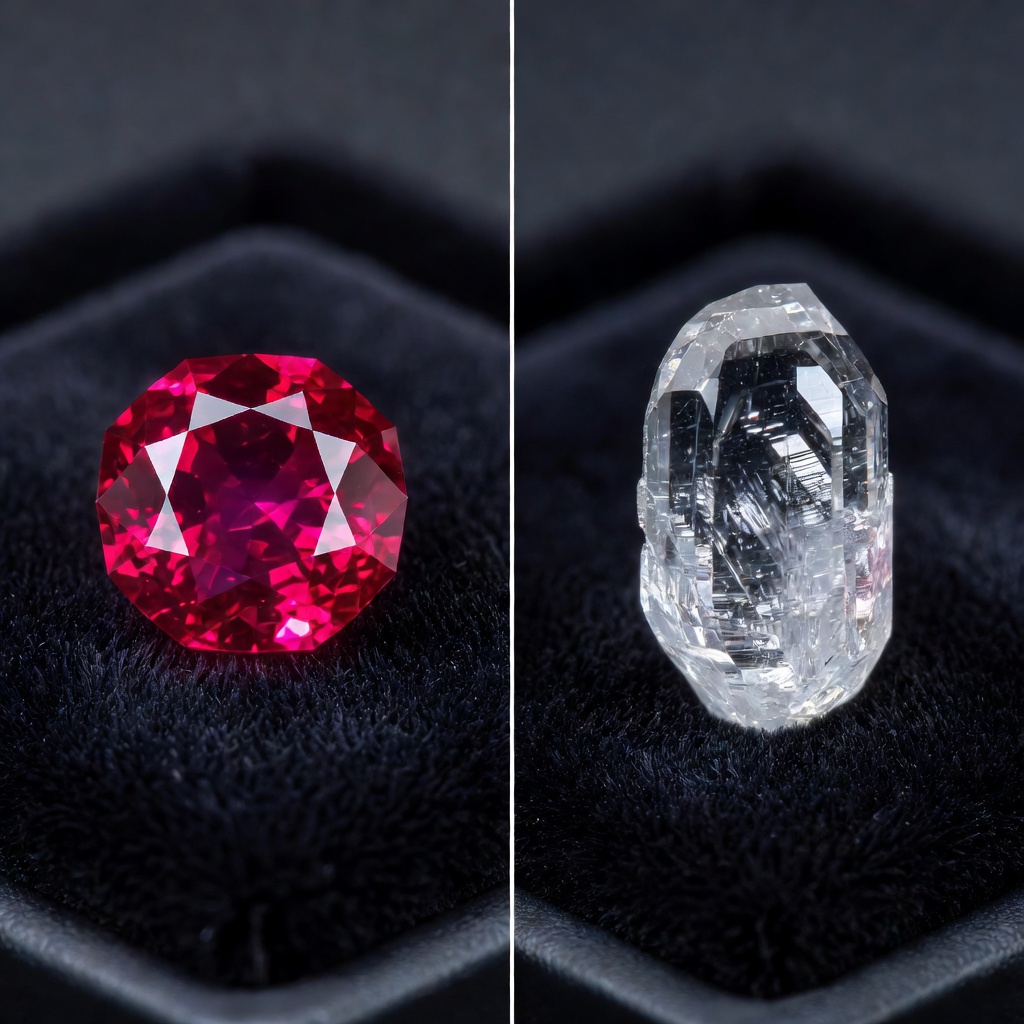
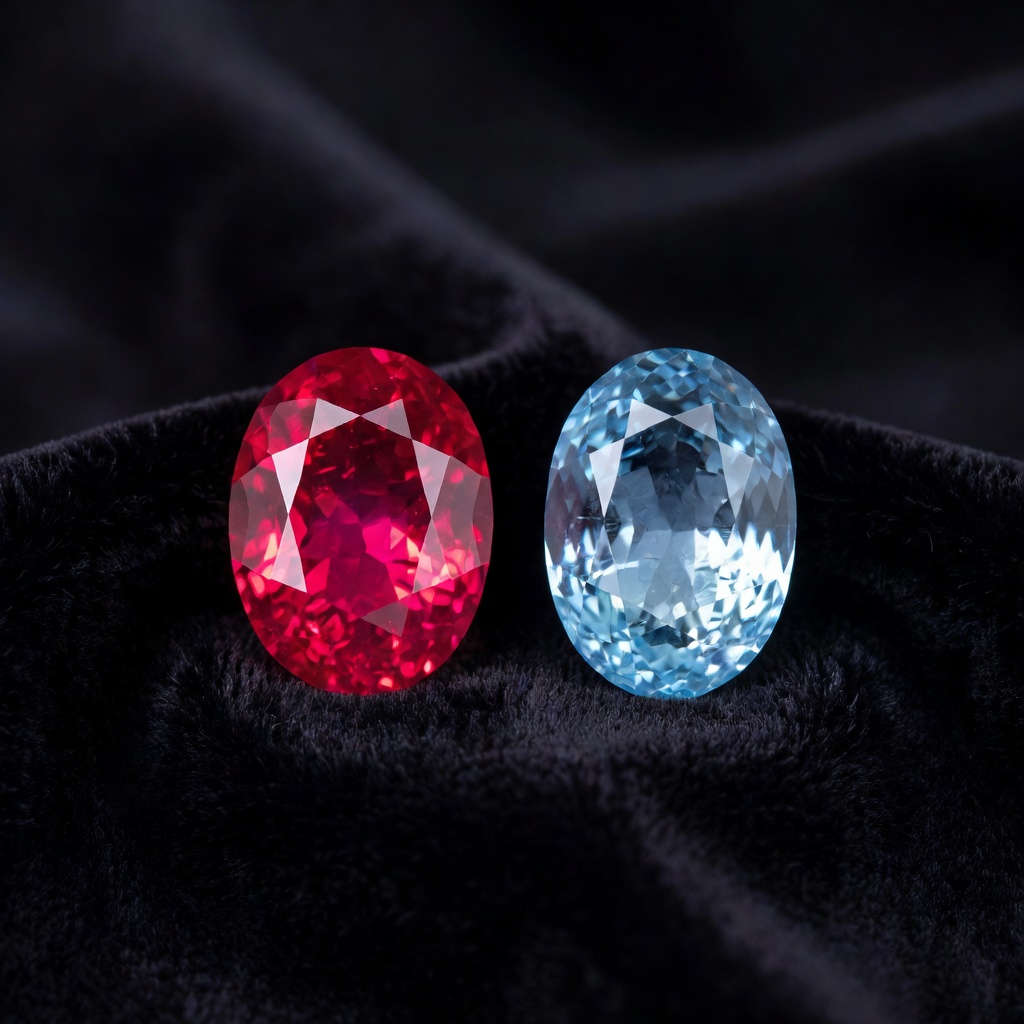
The visual impact of a high-quality ruby begins with its color saturation, which gemologists grade on a spectrum from light pinkish-red to the coveted "pigeon blood" red that commands premium prices. Pigeon blood rubies, primarily sourced from Myanmar (formerly Burma), exhibit a vivid, saturated red with a slight blue undertone that appears to glow from within, often enhanced by strong fluorescence under ultraviolet light that makes the stone appear internally illuminated. Vivid red and pinkish-red variations offer alternative aesthetic options, with Mozambique rubies frequently displaying a purer red without the blue modifier, while Thai rubies tend toward darker, garnet-like tones with less fluorescence. When evaluating Ruby gemstone characteristics, consider how lighting conditions affect appearance; natural daylight typically best showcases a ruby's true color, while incandescent lighting may emphasize any brown or purple secondary hues that detract from value.
Decoding Galaxy Patterns in Salt and Pepper Diamonds
Salt and pepper diamonds derive their distinctive appearance from a combination of black carbon inclusions (pepper) and white or gray internal feathers and clouds (salt), creating patterns that range from subtle mistiness to dramatic starfield effects. The Galaxy diamond meaning stems from these celestial patterns, where dense concentrations of black inclusions against translucent or opaque white backgrounds evoke images of distant galaxies, nebulae, and cosmic dust clouds suspended in crystalline matrices. Unlike traditional diamonds that undergo clarity enhancement or exclusion based on imperfections, these stones celebrate their internal landscape, with each gem presenting a completely unique constellation of markings that cannot be replicated or manufactured. Cutters often orient these diamonds specifically to showcase the most attractive inclusion patterns, positioning heavy "pepper" concentrations toward the center or arranging symmetrical salt formations that create visual harmony within the stone.
Cut Optimization Strategies for Distinctive Aesthetics
Traditional ruby cutting prioritizes color retention and weight preservation, with oval and cushion cuts dominating the market because these shapes maximize the depth of color while minimizing the windowing effect that can make lighter stones appear washed out. Master cutters often fashion rubies with deep pavilions and small tables to intensify the red body color, creating stones that appear to hold liquid fire within their crystalline structures. In contrast, Salt and pepper diamond vs ruby cutting philosophies diverge significantly, as these alternative diamonds frequently receive rose cuts, hexagonal shapes, or freeform silhouettes designed to emphasize their translucent windows and internal galaxy patterns rather than traditional brilliance. Rose cuts, with their flat bottoms and faceted domed tops, prove particularly popular for salt and pepper diamonds because they allow light to enter and interact with the inclusions, creating a soft, ethereal glow rather than the sharp sparkle associated with brilliant-cut white diamonds.
Durability and Hardness: Mohs Scale Reality Check
Corundum Composition and Ruby Toughness
Rubies rank nine on the Mohs hardness scale, making them second only to diamonds in scratch resistance and suitable for daily wear in engagement rings and heirloom jewelry. Composed of aluminum oxide (corundum) with chromium trace elements responsible for their red coloration, rubies possess excellent toughness—the resistance to breaking, chipping, or cracking—due to their hexagonal crystal structure and lack of cleavage planes. This structural integrity means that Precious vs alternative gemstones like rubies can withstand the accidental bumps and impacts common to active lifestyles without sustaining damage, though they may still scratch if stored improperly alongside harder diamonds. When considering Ruby gemstone characteristics for daily wear, note that while the stone resists scratching, its surface may develop a patina of tiny abrasions over decades, which professional repolishing can easily restore to original luster.
Inclusion Impact on Diamond Structural Integrity
While salt and pepper diamonds technically rank ten on the Mohs hardness scale, sharing the same chemical composition as traditional diamonds, their heavy inclusion content creates potential structural vulnerabilities that require careful consideration. The black carbon spots and white feathers characteristic of these stones can act as stress points within the crystalline lattice, potentially creating planes of weakness where the stone might chip if struck at specific angles, particularly near feather inclusions that reach the surface. Cleavage planes in diamonds, though present in all varieties regardless of clarity, become more concerning in salt and pepper stones when heavy inclusions align along these natural fracture directions, effectively creating pre-weakened areas within the gem. Practical assessment of Salt and pepper diamond vs ruby durability must acknowledge that while both stones suit daily wear, salt and pepper diamonds benefit from protective settings and slightly more mindful wearing habits to prevent damage to their distinctive internal landscapes.
Lifestyle Compatibility Assessment
Active individuals who engage in rock climbing, weightlifting, or manual labor may find rubies more forgiving of accidental impacts due to their superior toughness and lack of cleavage-related vulnerabilities. Professionals working in healthcare or food service should consider that salt and pepper diamonds' surface-reaching inclusions might trap bacteria or debris more readily than rubies, though both stones require regular cleaning to maintain hygiene and brilliance. For those seeking heirloom potential spanning multiple generations, rubies offer proven longevity with historical examples surviving centuries of wear in crown jewels and royal collections, while salt and pepper diamonds, though durable, represent a newer trend with less long-term wear data regarding how their distinctive inclusions might evolve or stabilize over century-scale timeframes. Consulting with a jeweler about your specific daily activities can help determine which stone's durability profile best matches your lifestyle requirements.
Symbolism and Emotional Significance
Historical Ruby Lore and Modern Romance
Rubies carry profound symbolic weight accumulated over more than two thousand years of human history, representing passion, protection, prosperity, and the vitality of the human heart across countless cultures and civilizations. Ancient Burmese warriors embedded rubies into their flesh before battle, believing the stones conferred invincibility, while Hindu texts described rubies as "ratnaraj" or the king of precious stones, associated with the sun and the power of life itself. In contemporary Western romance, the Red gemstone buying guide often emphasizes rubies as the ultimate expression of passionate love, with their blood-red color symbolizing the intensity of emotion and the physical heart, making them traditional gifts for 15th and 40th wedding anniversaries. Couples choosing rubies often identify with narratives of enduring legacy and timeless commitment, valuing the stone's connection to historical romance and its representation of wealth and status that transcends fleeting fashion trends.
Cosmic Connections and Contemporary Values
The Galaxy diamond meaning resonates deeply with modern spiritual seekers and non-traditional couples who view these stones as tangible representations of the universe's vastness and the beauty found within imperfection. Each salt and pepper diamond contains a unique map of inclusions that astronomers and poets alike compare to distant star systems, nebulae, and the primordial dust from which planets form, creating a cosmic connection that appeals to those who find meaning in celestial phenomena. Unlike the pursuit of flawless perfection that drives traditional diamond markets, salt and pepper diamonds celebrate authenticity and individuality, symbolizing relationships that embrace quirks, challenges, and unique characteristics rather than aspiring to impossible standards. This philosophical alignment with vulnerability and genuine self-expression makes these stones particularly meaningful for couples who prioritize personal truth over societal expectations, viewing their engagement ring as a reflection of their specific journey rather than a generic symbol.
Personality Alignment Considerations
Individuals drawn to rubies often exhibit classic, confident personalities who appreciate tradition, luxury, and bold statements, preferring to stand out through the undeniable richness of color and historical significance rather than avant-garde styling. Conversely, salt and pepper diamond enthusiasts typically identify as creative, introspective, or alternative thinkers who value subtlety, uniqueness, and conversation-starting jewelry that challenges conventional beauty standards. When evaluating Unique engagement ring gemstones for personality fit, consider whether you gravitate toward the extroverted, fiery energy of ruby red that demands attention and admiration, or the introverted, mysterious allure of galaxy patterns that reveal their secrets upon closer inspection. Many couples find that their stone choice reflects not only their aesthetic preferences but their relationship philosophy—whether they view their partnership as a passionate, burning flame or a vast, mysterious universe of shared discovery.
Price Analysis: Investment Value vs Affordable Luxury
Geographic Origin and Ruby Valuation
Ruby pricing follows complex hierarchies based primarily on geographic origin, with untreated Burmese rubies commanding the highest premiums ranging from $10,000 to over $100,000 per carat for exceptional pigeon blood specimens with verified Myanmar provenance. Mozambique rubies, which flooded the market in the early 21st century, offer more accessible entry points at $1,000 to $5,000 per carat for fine qualities, though they lack the investment prestige and historical significance of their Burmese counterparts. Treatment status significantly impacts value, with heat-treated rubies (the industry standard) costing substantially less than unheated stones, while fracture-filled or lead-glass-filled rubies represent budget options under $1,000 per carat that require careful disclosure and specialized care. When navigating Ruby vs Salt and Pepper Diamond price comparisons, consider that rubies function as traditional investments with established auction records and collector markets, whereas salt and pepper diamonds trade primarily in the consumer jewelry market without the same historical appreciation trajectories.
Salt and Pepper Diamond Market Positioning
Salt and pepper diamonds typically retail for 30% to 50% less than comparable white diamonds of the same carat weight, with prices ranging from $500 to $3,000 per carat depending on pattern density, overall transparency, and cut quality. Stones exhibiting dramatic "galaxy" patterns with dense black carbon spots suspended in translucent white matrices command premium prices within the salt and pepper category, while milky or predominantly white "salt-only" stones offer budget-friendly options for those seeking the diamond designation without traditional clarity standards. Unlike rubies, where size dramatically increases price per carat in exponential jumps, salt and pepper diamonds maintain relatively linear pricing scales, making larger statement stones more accessible to budget-conscious buyers seeking impressive visual presence. The Precious vs alternative gemstones market dynamic reveals that while salt and pepper diamonds offer immediate affordability and distinctive aesthetics, they lack the established resale markets and auction house recognition that support ruby investment values.
Long-term Investment Perspectives
High-quality untreated rubies, particularly those over three carats with pigeon blood coloration, have demonstrated consistent appreciation over decades, with rare specimens occasionally outperforming traditional investment vehicles during economic volatility. Salt and pepper diamonds, while maintaining stable retail values for custom jewelry pieces, do not currently function as investment assets, with resale values typically recovering only 20% to 40% of original purchase price compared to 60% to 80% for fine rubies. Market trends indicate growing acceptance of alternative diamonds among younger consumers, potentially stabilizing their value proposition, though they remain unlikely to achieve the collectible status of precious colored gemstones. When budgeting for an engagement ring, consider whether you prioritize the potential asset appreciation of a ruby or the immediate cost savings and distinctive character of a salt and pepper diamond, recognizing that both represent valid but different economic philosophies.
| Characteristic | Ruby | Salt and Pepper Diamond |
|---|---|---|
| Mohs Hardness | 9 (Excellent scratch resistance) | 10 (Maximum hardness, but structural weaknesses possible) |
| Price Range (Per Carat) | $1,000 - $15,000+ (Burmese untreated up to $100,000+) | $500 - $3,000 (depending on pattern uniqueness) |
| Primary Visual Appeal | Intense red color saturation, fluorescence, pigeon blood hues | Galaxy-like inclusions, black carbon spots, celestial patterns |
| Symbolism | Passion, protection, wealth, eternal love, royalty | Imperfection acceptance, individuality, cosmic connection, authenticity |
| Investment Potential | High (established auction records, historical appreciation) | Limited (consumer market only, lower resale values) |
| Optimal Cuts | Oval, cushion, emerald cuts (color retention) | Rose cuts, hexagonal, freeform (pattern enhancement) |
| Daily Wear Suitability | Excellent (superior toughness, no cleavage planes) | Good (hard but potentially fragile along inclusions) |
| Maintenance Requirements | Heat sensitive, avoid ultrasonic for treated stones | Gentle cleaning needed for inclusion crevices |
Engagement Ring Settings and Style Compatibility
Protective and Enhancing Ruby Mountings
Selecting appropriate settings for rubies requires balancing protection with light exposure, as these stones require illumination to display their color but benefit from secure mounting due to their value and daily wear exposure. Yellow gold settings enhance the warmth of rubies with orange or pinkish undertones, creating a cohesive warm glow that amplifies the stone's fire, while platinum or white gold settings provide striking contrast that makes vivid red pigeon blood stones appear even more intense by neutralizing surrounding metal reflections. Bezel settings offer superior protection for ruby corners and edges, preventing chipping during active wear, while halo designs featuring colorless diamonds create dramatic size amplification and add scintillation that complements the ruby's more subdued glow. For those consulting a Red gemstone buying guide regarding setting choices, consider that vintage-inspired milgrain details and intricate filigree work particularly complement rubies' historical associations, creating rings that reference Art Deco or Victorian aesthetics while maintaining contemporary wearability.
Showcasing Salt and Pepper Diamond Character
Salt and pepper diamonds demand setting strategies that maximize visibility of their internal patterns while providing structural support for stones that may contain surface-reaching inclusions. Open gallery designs and elevated prong settings allow light to penetrate through the translucent portions of these diamonds, illuminating the galaxy patterns and creating depth that closed settings would obscure. Vintage-inspired claw prongs in yellow or rose gold provide warm contrast against the grayscale tones of salt and pepper diamonds, while black rhodium plating offers a modern, edgy aesthetic that makes the black carbon inclusions appear to float within the metal itself. When exploring Unique engagement ring gemstones like salt and pepper diamonds, consider asymmetric or east-west orientations that break traditional silhouettes, or hexagonal bezels that echo the geometric cuts frequently chosen for these alternative stones.
Metal Selection Psychology
The choice between traditional platinum and white gold versus trendy rose gold and mixed metal applications significantly impacts the final aesthetic when pairing metals with these distinctive gemstones. Platinum provides a neutral, prestigious backdrop that allows rubies to speak for themselves through color alone, appealing to classic sensibilities, while rose gold creates romantic, vintage-inspired contexts that soften the intensity of vivid red rubies for a more feminine presentation. Salt and pepper diamonds paired with black rhodium or oxidized silver settings embrace a gothic, celestial aesthetic that emphasizes their cosmic patterns, whereas yellow gold settings warm the grayscale tones, creating a softer, more approachable appearance that bridges traditional and alternative styling. Mixed metal designs featuring both white and yellow gold elements can successfully bridge the aesthetic gap when considering Ruby vs Salt and Pepper Diamond combinations in two-stone or three-stone rings, creating visual harmony between warm and cool tones.
Maintenance Requirements and Longevity
Ruby Care Protocols and Heat Sensitivity
Maintaining ruby brilliance requires understanding the specific vulnerabilities associated with both natural stones and treated enhancements commonly found in the market. While rubies resist scratching and chemical exposure effectively, they exhibit heat sensitivity that makes them unsuitable for steam cleaning or exposure to high temperatures that might affect fracture fillings or alter color in treated stones. Cleaning rubies safely involves soaking in warm water with mild dish soap followed by gentle brushing with a soft toothbrush, avoiding ultrasonic cleaners entirely for fracture-filled stones as the vibrations may dislodge glass fillings or expand existing feathers. When examining Ruby gemstone characteristics for maintenance purposes, note that untreated stones tolerate ultrasonic cleaning, though professional inspection remains essential to check for loose settings or developing chips along girdle edges that might compromise the stone's security.
Cleaning Techniques for Included Diamonds
Salt and pepper diamonds require specialized cleaning approaches that address their unique topography without damaging the internal features that provide their character. The crevices and surface-reaching inclusions characteristic of these stones can trap lotions, oils, and debris, dulling their appearance more quickly than high-clarity diamonds, necessitating gentle cleaning with soft brushes and mild soap to prevent buildup in these microscopic valleys. Harsh chemicals including chlorine bleach, ammonia, and abrasive cleaners may affect the appearance of black carbon inclusions over time or damage the stone's polish, making gentle dish soap and warm water the safest routine maintenance option. Understanding Salt and pepper diamond vs ruby maintenance differences proves crucial for longevity; while rubies tolerate most chemical exposures, salt and pepper diamonds benefit from immediate rinsing after exposure to substances that might settle into their inclusion patterns.
Insurance and Professional Maintenance Schedules
Both gemstone types require comprehensive insurance coverage, though appraisers approach valuation differently for these distinct categories. Rubies demand documentation of origin, treatment status, and color grade from recognized laboratories like GIA or SSEF to ensure accurate replacement value, with appraisals recommended every three to five years as market values for fine untreated stones continue appreciating. Salt and pepper diamonds, while more affordable initially, still warrant insurance coverage based on replacement cost rather than resale value, with photographs proving essential documentation given the unique patterns that cannot be exactly replicated if loss occurs. Professional inspections every six months allow jewelers to check prong tightness, especially important for salt and pepper diamonds with surface-reaching inclusions that might create stress points in mounting, and to repolish ruby surfaces if microscopic abrasions accumulate from daily wear.
Making Your Decision: Lifestyle and Personal Style Factors
When Traditional Luxury Calls
Choose a ruby if you gravitate toward established luxury markets, value the historical significance of your jewelry, and desire a colored gemstone with proven investment potential and auction house recognition. Rubies suit individuals who prefer bold, unambiguous statements of romance and passion, who appreciate the extroverted energy of vivid red, and who want their engagement ring to connect with centuries of royal tradition and symbolic meaning. Those with active lifestyles who rarely remove their rings will benefit from ruby's superior toughness and resistance to chipping, while collectors or those viewing jewelry as transferable assets should prioritize untreated Burmese or high-quality Mozambique stones for their appreciation potential. If your personal style embraces classic elegance, formal sophistication, and the warm glow of precious colored gemstones that reference historical glamour, ruby represents the definitive choice in the Ruby vs Salt and Pepper Diamond debate.
Embracing Alternative Aesthetics
Select a salt and pepper diamond if you identify with non-traditional values, celebrate individuality and imperfection, and seek a distinctive aesthetic that challenges conventional jewelry norms while maintaining diamond status. These stones appeal to creative professionals, spiritual seekers drawn to cosmic symbolism, and couples who view their relationship as uniquely patterned rather than traditionally "flawless" or perfect. Budget-conscious buyers seeking larger carat weights without sacrificing visual impact will find salt and pepper diamonds offer exceptional value, allowing for substantial center stones or elaborate custom designs at accessible price points. If you prefer neutral color palettes, appreciate the subtle glow of translucent stones over brilliant sparkle, and want a conversation piece that reflects contemporary design sensibilities rather than historical precedent, salt and pepper diamonds provide the perfect medium for personal expression.
Creative Combination Approaches
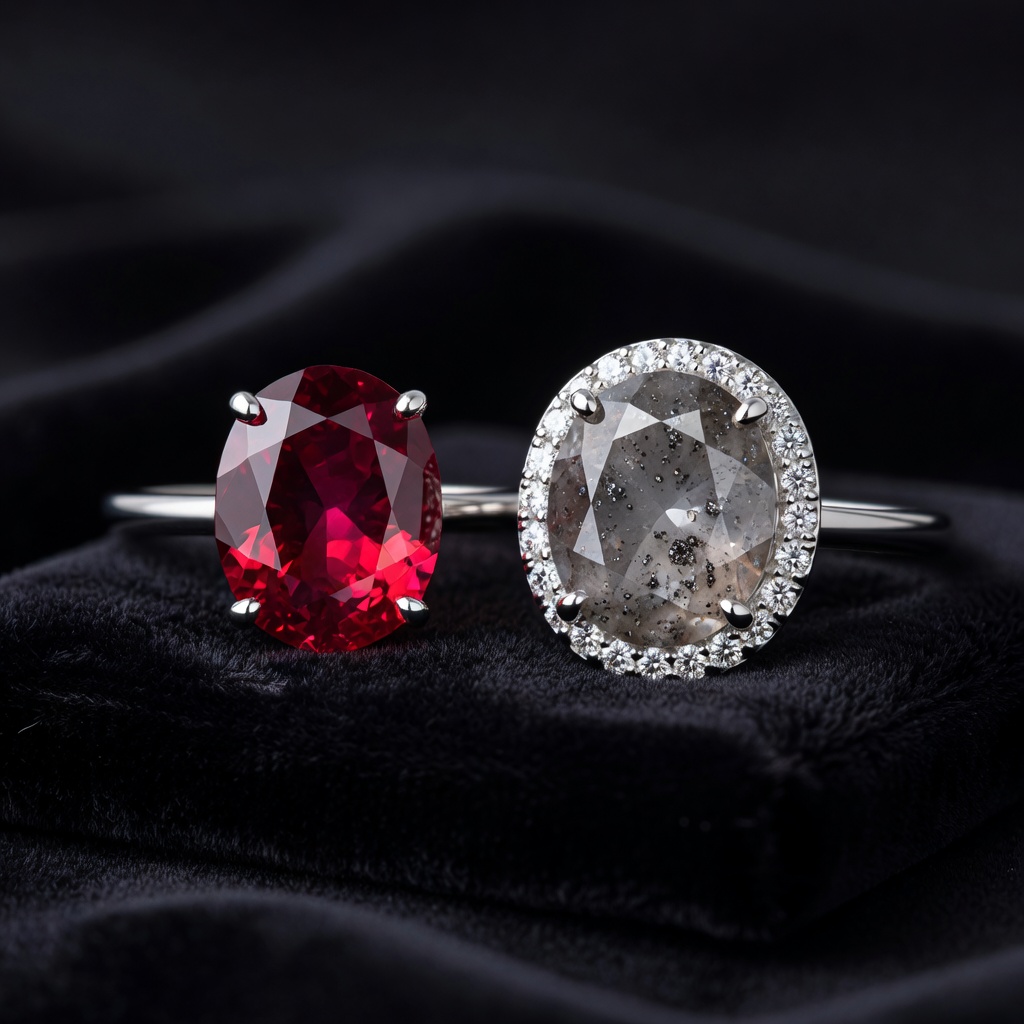
For couples torn between these distinctive aesthetics, hybrid designs incorporating both rubies and salt and pepper diamonds create compelling visual narratives that bridge classic and contemporary worlds. Toi-et-moi (two-stone) rings featuring a ruby and salt and pepper diamond side by side symbolize the union of passion and cosmic mystery, while three-stone designs with a central ruby flanked by salt and pepper diamonds create dramatic contrast between vivid color and neutral galaxy patterns. Eternity bands alternating between small rubies and salt and pepper diamonds offer wearable art that showcases both gemstones' unique characteristics without requiring a single dominant center stone. When designing Unique engagement ring gemstones combinations, work with jewelers experienced in asymmetrical or avant-garde settings who can balance the visual weight of intense red against grayscale galaxy patterns while ensuring protective mounting for both stone types.
Conclusion: Embracing Your Perfect Stone
The journey through Ruby vs Salt and Pepper Diamond selection ultimately reveals not just differences in chemical composition and visual appearance, but fundamental distinctions in philosophy, values, and aesthetic priorities. Rubies offer a connection to timeless luxury, passionate romance, and tangible asset value, providing the wearer with a piece of geological and cultural history that has adorned royalty and symbolized undying love for millennia. Salt and pepper diamonds challenge us to find beauty in the unexpected, to celebrate the cosmic accidents that create unique patterns, and to embrace jewelry as personal expression rather than conformity to traditional standards of perfection. Both stones represent valid, beautiful choices for engagement rings and fine jewelry, with the "right" selection depending entirely on which narrative resonates with your personal story and lifestyle requirements.
When weighing Precious vs alternative gemstones, remember that trends come and go, but the daily experience of wearing your chosen stone—glancing at it during difficult meetings, showing it to friends, passing it to future generations—depends on genuine connection rather than market value or social media popularity. Visit jewelers to examine these stones in person whenever possible, noting how rubies transform under different lighting conditions and how salt and pepper diamonds reveal new details with each angle change. Whether you choose the fiery heart of a pigeon blood ruby or the mysterious cosmos of a galaxy diamond, your selection becomes a talisman of your specific moment in time, a crystallized representation of your unique love story that transcends comparison charts and price guides to become irreplaceably yours.
Frequently Asked Questions
Which is more expensive, ruby or salt and pepper diamond?
High-quality rubies are generally more expensive than salt and pepper diamonds. Fine Burmese rubies can cost $10,000-$15,000 per carat, while salt and pepper diamonds typically range from $500-$3,000 per carat. However, untreated rubies with secondary hues or salt and pepper diamonds with exceptionally rare galaxy patterns may narrow this price gap.
Are salt and pepper diamonds real diamonds?
Yes, salt and pepper diamonds are 100% natural diamonds with visible inclusions (black carbon spots and white feathers) that create their distinctive speckled appearance. Unlike traditional diamonds that are valued for clarity, these stones embrace their internal characteristics, making each one completely unique while maintaining the same chemical composition and hardness as clear diamonds.
Do salt and pepper diamonds sparkle like traditional diamonds?
Salt and pepper diamonds sparkle differently than traditional diamonds due to their inclusions scattering light. They typically exhibit a softer, more subdued brilliance or 'galaxy glow' rather than intense fire and scintillation. Rose cuts are particularly popular for these stones as they emphasize their unique internal landscape over traditional sparkle.
Which stone is better for daily wear, ruby or salt and pepper diamond?
Rubies are generally better for daily wear due to their excellent toughness (9 Mohs hardness) and resistance to chipping, despite being slightly softer than diamonds. Salt and pepper diamonds, while harder (10 Mohs), may have structural weaknesses along inclusion lines that could make them more susceptible to damage if struck, requiring slightly more careful wear.
What does a ruby symbolize compared to a salt and pepper diamond?
Rubies symbolize passionate love, protection, courage, and prosperity with over 2,000 years of historical significance across cultures. Salt and pepper diamonds represent embracing imperfection, individuality, cosmic mystery, and modern non-traditional values. Rubies speak to timeless romance, while salt and pepper diamonds appeal to those who see beauty in uniqueness and authenticity.
Can you pair rubies and salt and pepper diamonds in one jewelry piece?
Absolutely. Combining rubies and salt and pepper diamonds creates stunning contrast between vivid red color and neutral greyscale galaxy patterns. Popular designs include toi-et-moi rings, three-stone settings with the ruby as center stone, or eternity bands alternating between the two gems. The combination bridges classic and contemporary aesthetics beautifully.
How do I know if a salt and pepper diamond is good quality?
Quality salt and pepper diamonds should have evenly distributed inclusions that create an appealing pattern rather than cloudy obscurity. Look for stones with good polish and symmetry, minimal surface-reaching inclusions that could affect durability, and patterns that appeal to your personal taste—whether that's heavy 'galaxy' speckling or lighter 'salt-only' haziness. Always purchase from reputable jewelers who disclose any treatments.