Understanding Ruby and Rubellite: A Comprehensive Guide to These Crimson Gems
When shopping for vibrant red gemstones, many collectors and jewelry enthusiasts encounter the Ruby vs Rubellite dilemma, often struggling to distinguish between these visually similar yet fundamentally different stones. While both gems display captivating red hues that have captivated humanity for centuries, they belong to entirely different mineral families with distinct physical properties, value propositions, and care requirements. Understanding the critical differences between these gemstones is essential for making informed purchasing decisions, whether you are selecting an engagement ring meant for daily wear or building a serious gemstone investment portfolio. This comprehensive guide explores the geological origins, visual characteristics, durability factors, and market values that separate ruby—the king of precious gems—from rubellite, the prized red variety of tourmaline.
Chemical Composition and Mineral Family Differences
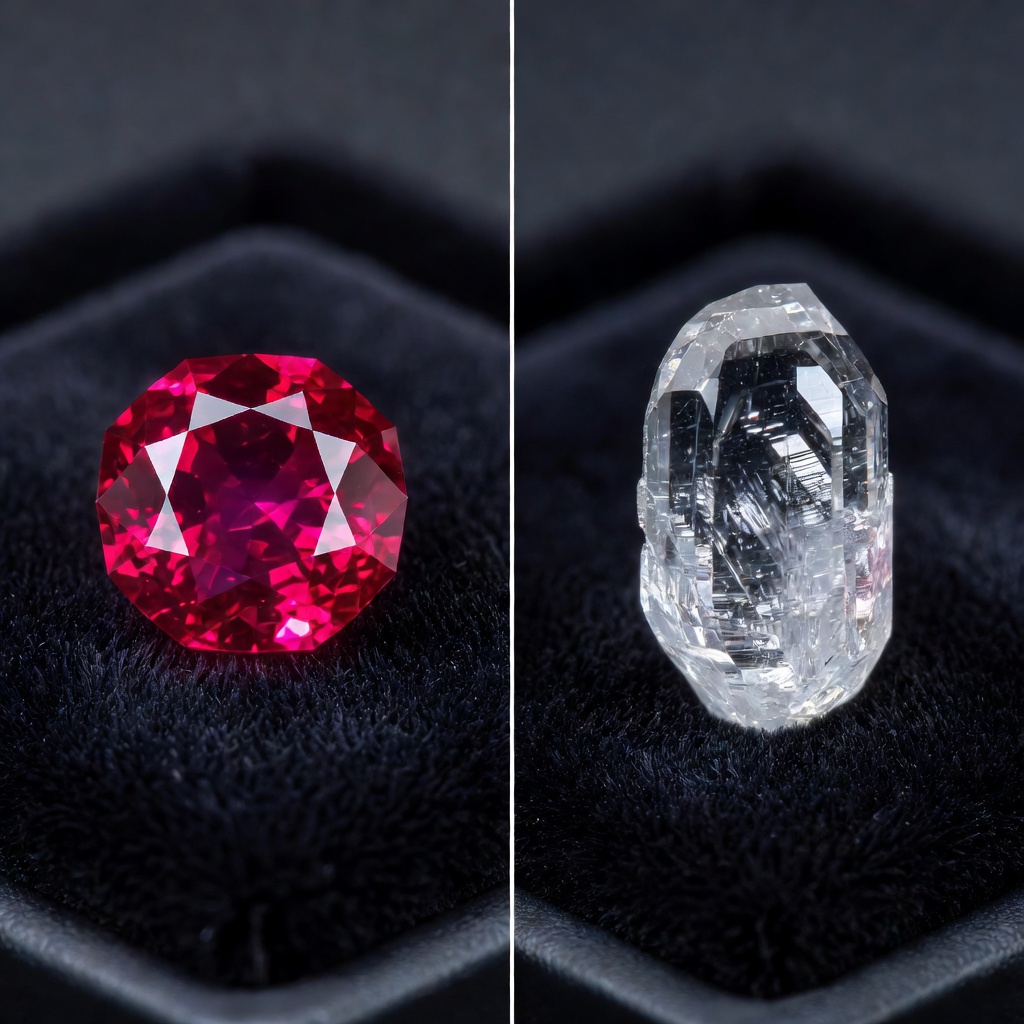
Ruby represents the red variety of corundum, a crystalline form of aluminum oxide (Al₂O₃) that ranks among the hardest natural substances known to man. The distinctive crimson coloration emerges when chromium ions replace aluminum atoms within the crystal lattice, with higher chromium concentrations producing the coveted "pigeon blood" red that commands premium prices in international markets. Geologically, rubies typically form within metamorphic rocks such as marble or basalt, requiring specific conditions of high temperature and pressure deep within the Earth's crust, often associated with mountain-building processes in regions like Myanmar, Mozambique, and Madagascar.
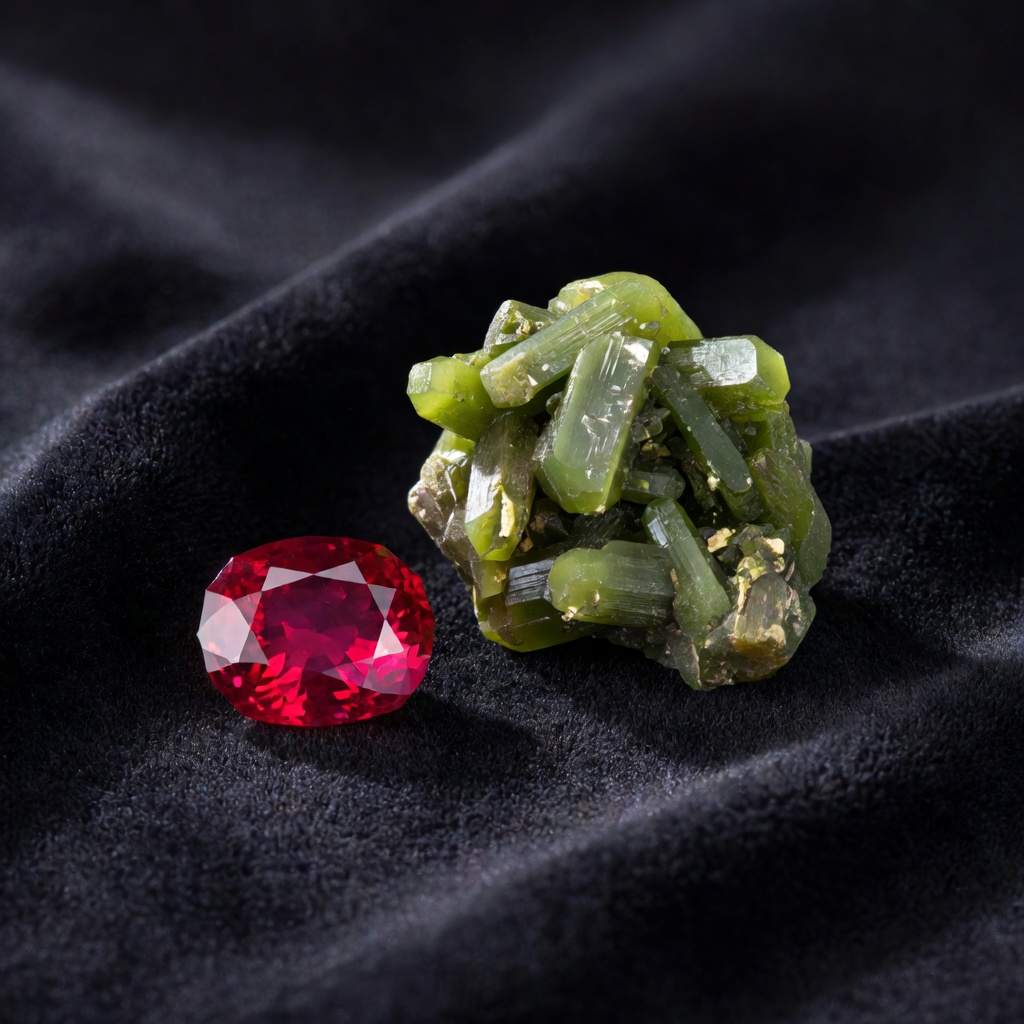
In stark contrast, rubellite belongs to the complex tourmaline group, specifically the elbaite species, characterized by a sophisticated borosilicate chemical structure containing aluminum, boron, and varying amounts of sodium, lithium, and manganese. The pink to red coloration in rubellite results primarily from manganese ions (Mn²⁺ and Mn³⁺) within the crystal structure, sometimes enhanced through natural irradiation processes during formation. Unlike rubies, rubellites crystallize within pegmatite veins and hydrothermal deposits, forming in environments rich in lithium and boron that allow for the growth of large, often inclusion-filled crystals suitable for substantial statement jewelry pieces.
Color Variations and Visual Identification
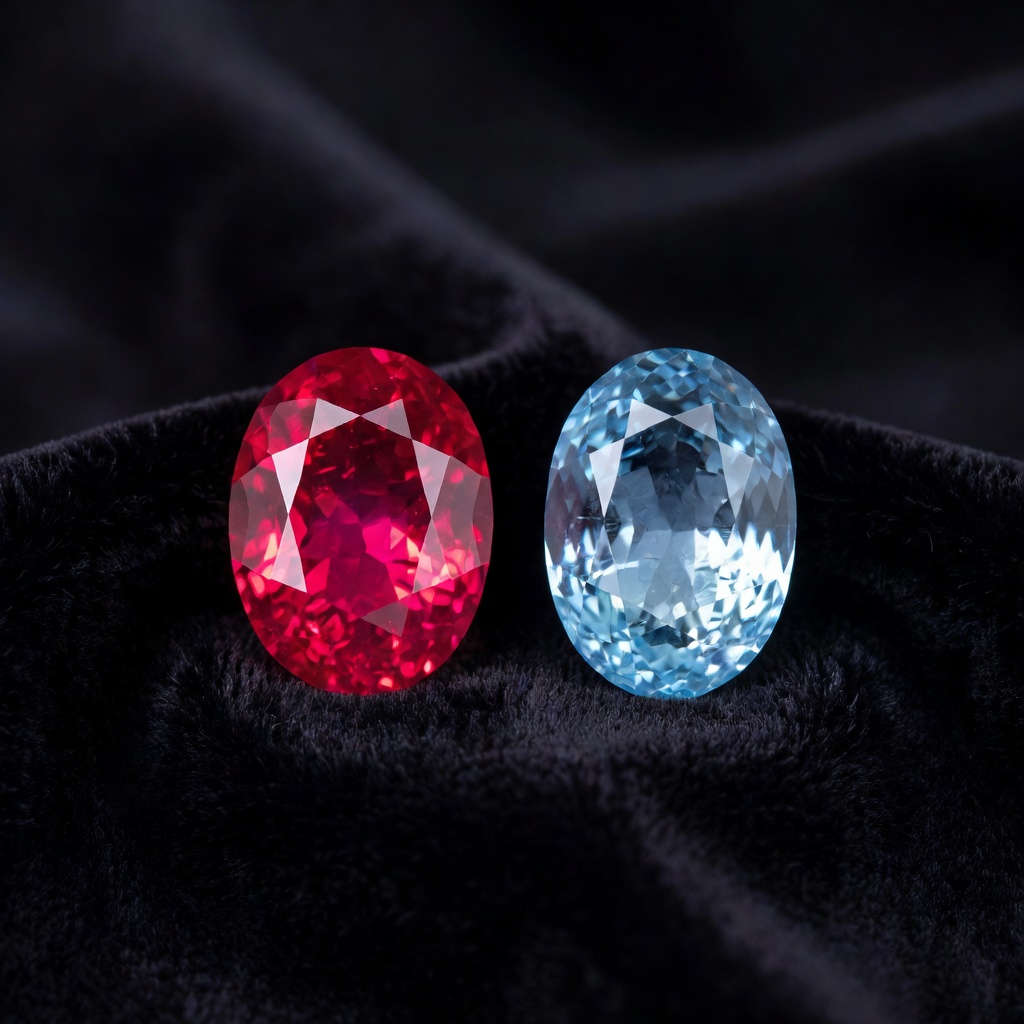
The most striking visual distinction in the Red tourmaline vs ruby comparison lies in their color nuances and optical behaviors under various lighting conditions. True rubies, particularly those from Burma's Mogok Valley, exhibit an intense, saturated red often described as "pigeon blood"—a pure red with subtle blue undertones that glows with exceptional brilliance under both natural and artificial light. This color consistency remains stable regardless of viewing angle, maintaining its saturation and tone when rotated in the hand or set within jewelry mountings.
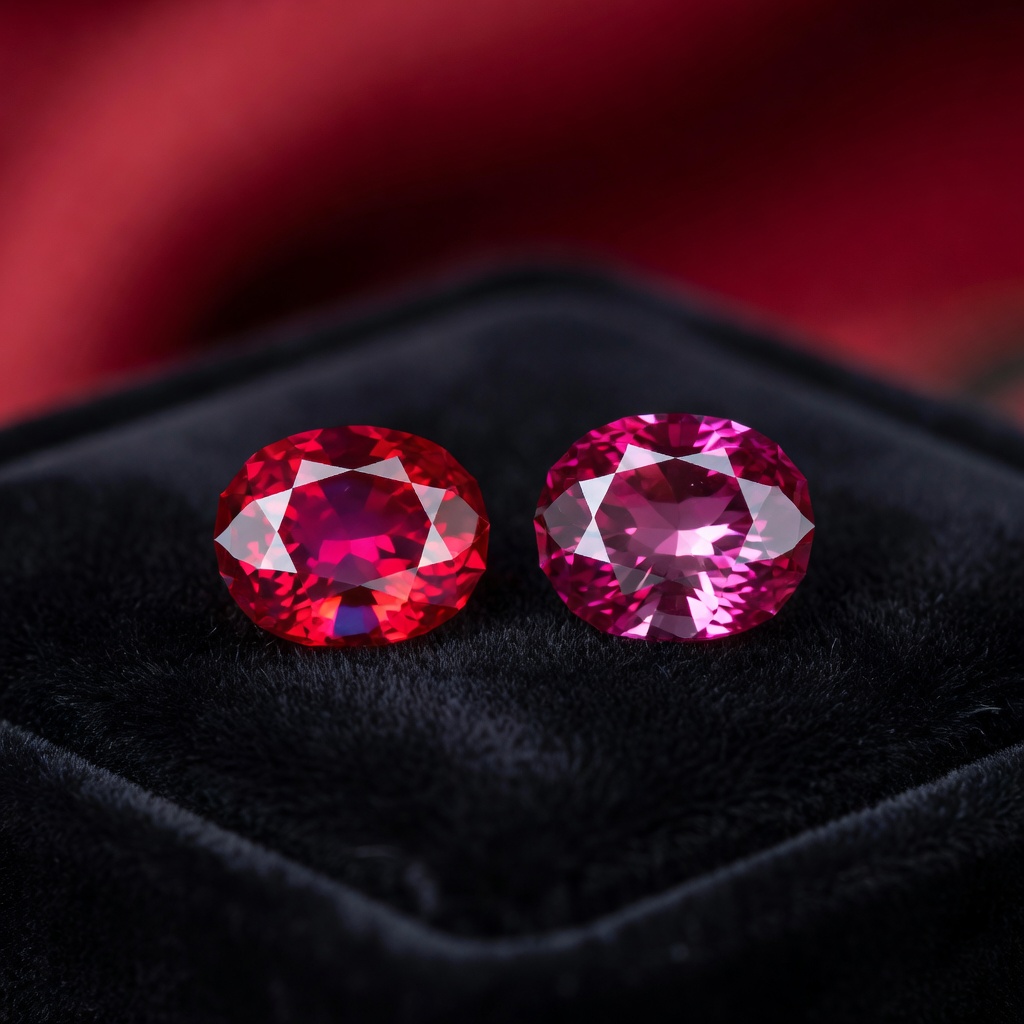
Rubellite, conversely, displays a broader spectrum ranging from hot pink and raspberry to deep purplish-red and brownish-red tones, rarely achieving the pure red saturation of fine ruby. Perhaps the most diagnostic visual feature distinguishing these gems is pleochroism—a phenomenon where rubellite shows different colors when viewed from different crystallographic directions, typically appearing pinkish-red when viewed from one angle and brownish or orangey-red from another. Gemologists utilize this property for identification, though consumers can observe this effect by rotating a loose stone under daylight: if the color shifts noticeably between pink and red tones, you are likely examining rubellite rather than ruby.
Durability, Hardness, and Daily Wear Considerations
When evaluating gemstones for jewelry applications, the Corundum vs tourmaline hardness differential presents crucial practical implications for long-term wear and maintenance. Ruby boasts a Mohs hardness of 9, making it second only to diamond in scratch resistance and suitable for daily wear in engagement rings, bracelets, and other high-impact jewelry pieces. This exceptional hardness translates to excellent longevity, with antique ruby jewelry often displaying minimal surface wear even after centuries of use, provided the stones were properly set and cared for.
Rubellite durability concerns arise from its significantly lower Mohs hardness of 7 to 7.5, which places it in the same category as quartz and means it can be scratched by harder materials including dust particles containing silica. More critically, tourmaline exhibits distinct cleavage properties and sensitivity to thermal shock, meaning rapid temperature changes—such as moving from a hot car interior to air conditioning or exposure to steam cleaning—can cause internal fracturing or cracking. For practical jewelry selection, this means rubellite requires protective settings such as bezels or halo designs for rings, whereas rubies can safely withstand prong settings and daily impacts without significant risk of damage.
| Characteristic | Ruby (Corundum) | Rubellite (Tourmaline) |
|---|---|---|
| Chemical Composition | Aluminum Oxide (Al₂O₃) | Complex Borosilicate |
| Mohs Hardness | 9 | 7 - 7.5 |
| Toughness | Excellent (no cleavage) | Good to Fair (cleavage present) |
| Specific Gravity | 3.97 - 4.05 | 3.02 - 3.26 |
| Refractive Index | 1.762 - 1.770 | 1.624 - 1.644 |
| Color Cause | Chromium (Cr³⁺) | Manganese (Mn²⁺/Mn³⁺) |
| Pleochroism | None to weak | Strong (pink/red to brown) |
| Common Treatments | Heat treatment, flux healing | Heat treatment, irradiation |
| Price Range (per carat) | $1,000 - $100,000+ | $400 - $2,000 |
| Heat Sensitivity | Resistant | Sensitive (avoid steam) |
| Light Stability | Permanent | May fade in prolonged sunlight |
Clarity Characteristics and Typical Inclusions
Examining internal characteristics provides another reliable method for distinguishing between these red gemstones while offering insights into their authenticity and value. Rubies frequently contain rutile needle inclusions known as "silk"—fine, intersecting lines that scatter light within the stone. In moderate amounts, this silk actually enhances a ruby's appearance by diffusing light and creating the soft, glowing "sleepy" effect associated with premium Burmese stones. However, heavy silk reduces transparency and brilliance, requiring skilled cutters to orient the stone to minimize visible inclusions while maximizing color saturation.
Rubellite typically displays different inclusion patterns, most notably liquid-filled growth tubes, two-phase inclusions, and fingerprint patterns that reflect its formation in hydrothermal environments. While eye-clean rubellites exist and command higher prices, the market generally accepts more visible inclusions in tourmaline than in ruby, particularly in larger stones where the color impact outweighs clarity concerns. When considering Ruby gemstone investment potential, collectors should note that untreated rubies with minimal silk and high transparency represent the rarest and most valuable category, whereas rubellite valuations prioritize color intensity over flawless clarity, making exceptional color saturation in included stones still desirable for jewelry purposes.
Price, Value, and Investment Potential
The economic disparity between these gemstones reflects their relative rarity, cultural significance, and market positioning within the jewelry industry. Untreated Burmese rubies displaying the coveted pigeon blood coloration routinely command prices exceeding $10,000 per carat for fine qualities, with exceptional stones from historic mines reaching $100,000 or more per carat at international auction houses. This pricing structure reflects ruby's status as one of the "Big Three" colored gemstones alongside emerald and sapphire, supported by consistent demand from collectors, investors, and luxury jewelry houses worldwide.
Rubellite tourmaline value operates within a more accessible range, typically spanning $400 to $2,000 per carat for fine qualities, though exceptional large stones with intense saturation may occasionally exceed these figures. While rubellite represents the most valuable variety within the tourmaline family, it remains classified as a semi-precious stone, lacking the liquidity and appreciation stability of precious ruby. For investors building long-term portfolios, rubies offer superior store-of-value characteristics and historical price appreciation, particularly untreated stones with documented Burmese or Mozambican origins. However, rubellite presents an attractive entry point for collectors seeking large, colorful stones without the six-figure price tags associated with equivalent-sized rubies, offering aesthetic impact at fraction of the cost.
Common Treatments and Enhancements
Understanding treatment histories proves essential when comparing Red tourmaline vs ruby, as both gemstones commonly undergo enhancement processes that significantly affect value and care requirements. Heat treatment represents the standard enhancement for rubies, with approximately 95% of commercial rubies undergoing controlled heating to improve color saturation and dissolve rutile silk inclusions. While heated rubies remain valuable, untreated natural specimens command substantial premiums—often ten to twenty times the price of heated equivalents—making laboratory certification crucial for high-value purchases.
Lower-quality rubies sometimes undergo fracture-filling treatments using lead glass or oil to mask surface-reaching inclusions, significantly compromising durability and requiring special care to avoid heat and ultrasonic cleaning. Rubellite treatments typically involve heat treatment or irradiation to intensify pink-red colors, with irradiated stones potentially exhibiting color instability when exposed to heat or prolonged sunlight. Reputable laboratories such as GIA (Gemological Institute of America) or AGL (American Gemological Laboratories) provide detailed reports disclosing these treatments, which buyers should insist upon for any significant purchase. When examining certification documents, look for notations such as "no indications of heating" for rubies or "indications of heating/irradiation" for tourmalines to understand exactly what you are purchasing.
Choosing the Right Stone for Your Jewelry
Selecting between these gemstones requires honest assessment of intended use, lifestyle factors, and aesthetic preferences. For engagement rings and daily-wear pieces subjected to constant impact and exposure, ruby's superior hardness and toughness make it the unequivocal choice, capable of withstanding decades of wear without significant degradation. Consider a classic solitaire or three-stone setting in 18k yellow gold to complement the warm red tones of a Burmese ruby, or opt for platinum to enhance the cooler undertones of Mozambique material.
Rubellite excels in fashion jewelry, statement pendants, and earrings where size and color impact matter more than absolute durability. A Pink red tourmaline gemstone offers an affordable way to wear impressive 5-10 carat stones that would cost hundreds of thousands if rendered in ruby quality. For October birthdays seeking a red birthstone alternative to opal, rubellite provides a meaningful connection while offering greater durability than opal. When setting rubellite, choose protective bezel settings for rings or consider using the stone in pendants and earrings where impact risk remains minimal. White gold or platinum settings typically enhance rubellite's pinkish undertones, while rose gold can emphasize its warmer red aspects.
Care, Maintenance, and Longevity
Proper maintenance protocols differ significantly between these stones due to their distinct physical properties and sensitivities. Both gems tolerate cleaning with warm soapy water and a soft brush, but rubellite requires avoidance of steam cleaners, ultrasonic devices, and sudden temperature changes that could induce thermal shock fractures. When cleaning ruby jewelry, ultrasonic cleaning remains generally safe for untreated stones, though fracture-filled rubies require gentle hand-cleaning only to prevent damage to filling materials.
Rubellite durability concerns extend to light sensitivity, as prolonged exposure to direct sunlight or UV radiation can cause color fading in manganese-rich specimens, particularly those that have undergone irradiation treatments. Store rubellite jewelry in opaque boxes away from windows, and remove rubellite rings before swimming in chlorinated pools or hot tubs, as chemical exposure may affect the stone's surface. For long-term storage, keep these gemstones separated from harder materials like diamonds or sapphires that could scratch rubellite's surface, and consider professional inspection every two years to check for loose settings or developing fractures, particularly in heavily included stones.
Frequently Asked Questions
Is rubellite the same as ruby?
No, rubellite and ruby are completely different gemstones. Ruby is the red variety of corundum (aluminum oxide), while rubellite is the red/pink variety of tourmaline. They differ significantly in chemical composition, hardness, durability, and value, with rubies being one of the 'Big Three' precious gemstones.
Which is more expensive, ruby or rubellite?
Rubies are significantly more expensive than rubellites. High-quality untreated Burmese rubies can command $10,000 to $100,000+ per carat, while premium rubellites typically range from $400 to $2,000 per carat. However, large clean rubellites can be more affordable than small high-grade rubies.
How can I tell a ruby from a rubellite without lab equipment?
You can observe pleochroism—rubellite shows different colors (pink and red) when viewed from different angles, while ruby remains uniformly red. Additionally, rubies are harder (9 on Mohs scale) and won't scratch as easily as rubellite (7-7.5). Ruby often shows silk inclusions, while rubellite typically displays tubular growth patterns.
Is rubellite durable enough for an engagement ring?
While rubellite can be used for engagement rings, it requires more care than ruby due to its lower hardness (7-7.5) and sensitivity to thermal shock. It's better suited for protected settings like bezels or occasional wear rings. Ruby, with a hardness of 9, is far superior for daily-wear engagement rings.
Do rubellites fade in sunlight?
Yes, some rubellites can fade or change color when exposed to prolonged sunlight or heat due to their manganese content. This is particularly true for stones that have been irradiated to enhance color. Rubies are generally color-stable and do not fade under normal light exposure.
What causes the red color in rubies versus rubellites?
Ruby's red color comes from chromium (Cr³⁺) replacing aluminum in the corundum crystal structure. Rubellite's pink to red coloration results from manganese (Mn²⁺ and Mn³⁺) and sometimes lithium within the complex tourmaline crystal structure, sometimes combined with irradiation treatments.
Are both ruby and rubellite considered birthstones?
Yes, but for different months. Ruby is the traditional birthstone for July, while tourmaline (including rubellite) is one of the birthstones for October. This makes rubellite an excellent alternative for October birthdays seeking a red gemstone option.
Which gemstone is better for investment purposes?
Ruby is generally considered the better investment due to its established precious gemstone status, historical price appreciation, and limited supply of high-quality untreated stones. While fine rubellites hold value, they lack the liquidity and appreciation trajectory of premium rubies from Burma or Mozambique.