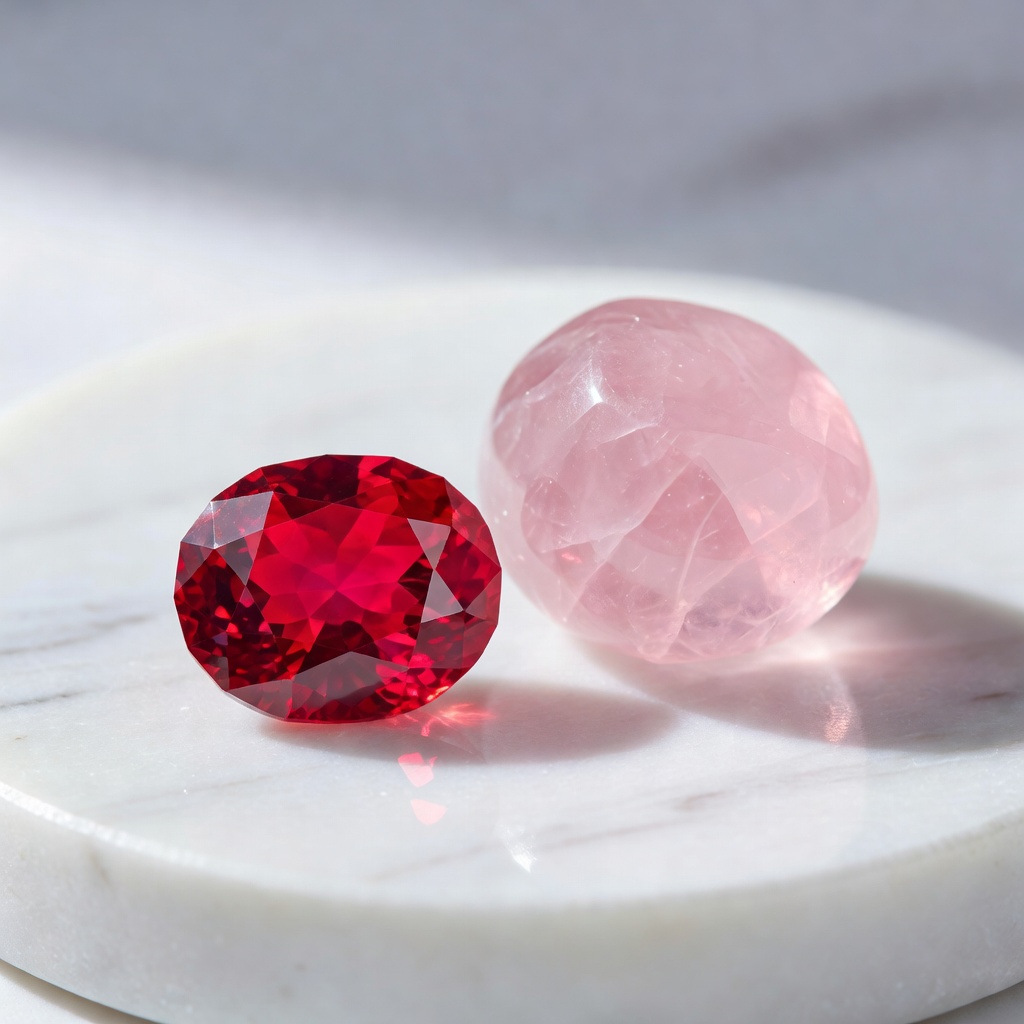
Understanding These Distinctive Red and Pink Gems
When exploring the world of red and pink gemstones, the comparison of ruby vs rose quartz frequently arises among collectors, jewelry enthusiasts, and spiritual practitioners. Ruby stands as one of the four precious gemstones, a variety of corundum prized for its intense pigeon-blood red color and exceptional durability that has adorned royalty for millennia. In contrast, rose quartz represents the gentle side of the gem world, a silicon dioxide crystal beloved for its soft pink hue and accessible price point that makes it a staple in crystal healing collections worldwide. While both stones occupy the red-to-pink color spectrum, creating occasional confusion among novice buyers, they represent entirely different mineral families with distinct physical properties, value propositions, and metaphysical applications that cater to vastly different needs and preferences.
This comprehensive gemstone comparison delves deep into the chemical compositions, visual characteristics, market values, and spiritual properties that separate these two popular stones. Whether you are selecting an engagement ring, building an investment portfolio, or seeking specific energetic support, understanding the fundamental distinctions between ruby and rose quartz ensures you make an informed decision aligned with your practical requirements and personal resonance. From the dangerous mines of Myanmar to the abundant pegmatite deposits of Brazil, we explore every facet of these remarkable crystals to help you appreciate their unique places in both the geological and metaphysical realms.
Chemical Composition and Physical Properties
The differences between ruby and rose quartz begin at the molecular level, where these stones exhibit completely distinct chemical structures and physical characteristics. Ruby consists of aluminum oxide (Al₂O₃) with trace amounts of chromium replacing aluminum atoms in the crystal lattice, which creates the stone's signature red color through a process of selective light absorption. This corundum family membership places ruby among the hardest natural substances on earth, ranking 9 on the Mohs hardness scale, just below diamond. The trigonal crystal system of ruby forms hexagonal prisms with distinctive barrel-shaped crystals that terminate in flat basal planes, contributing to the gem's exceptional durability and brilliance when cut.
Rose quartz, conversely, belongs to the quartz family with a chemical formula of silicon dioxide (SiO₂), where its characteristic pink color derives from microscopic inclusions of manganese, titanium, or the mineral dumortierite within the crystal structure. These inclusions scatter light differently than ruby's chromium-based chromophores, resulting in the milky, translucent appearance typical of rose quartz specimens. With a gemstone hardness rating of 7 on the Mohs scale, rose quartz possesses adequate hardness for jewelry use but remains significantly softer than ruby, making it susceptible to scratching from harder materials and everyday wear. The hexagonal crystal system of quartz typically forms six-sided prisms with pyramidal terminations, though rose quartz often occurs in massive formations rather than distinct crystals, further distinguishing it from ruby's crystalline habits.
Practical Implications of Hardness Differences
These hardness disparities create vastly different practical applications for each stone in daily life and jewelry design. Ruby's exceptional hardness allows it to maintain a polish indefinitely, resisting scratches from dust particles (which typically contain quartz at 7 hardness) that would gradually dull softer stones. Professional gemologists utilize this hardness differential during identification, as ruby will easily scratch glass and rose quartz, while rose quartz cannot scratch ruby but will scratch materials like feldspar or apatite. When building a gemstone collection, these physical properties determine not only the longevity of your investment but also the settings and wearing conditions appropriate for each stone.
Visual Characteristics and Color Analysis
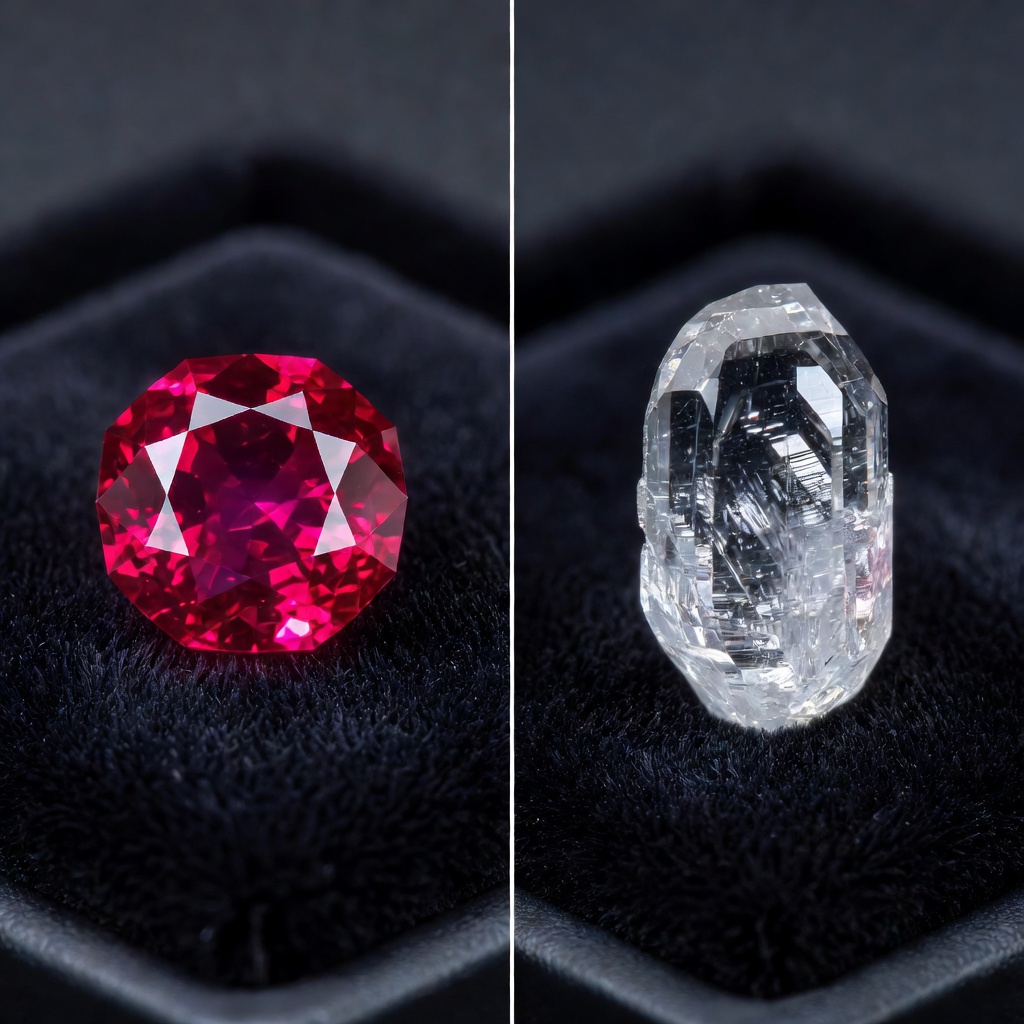
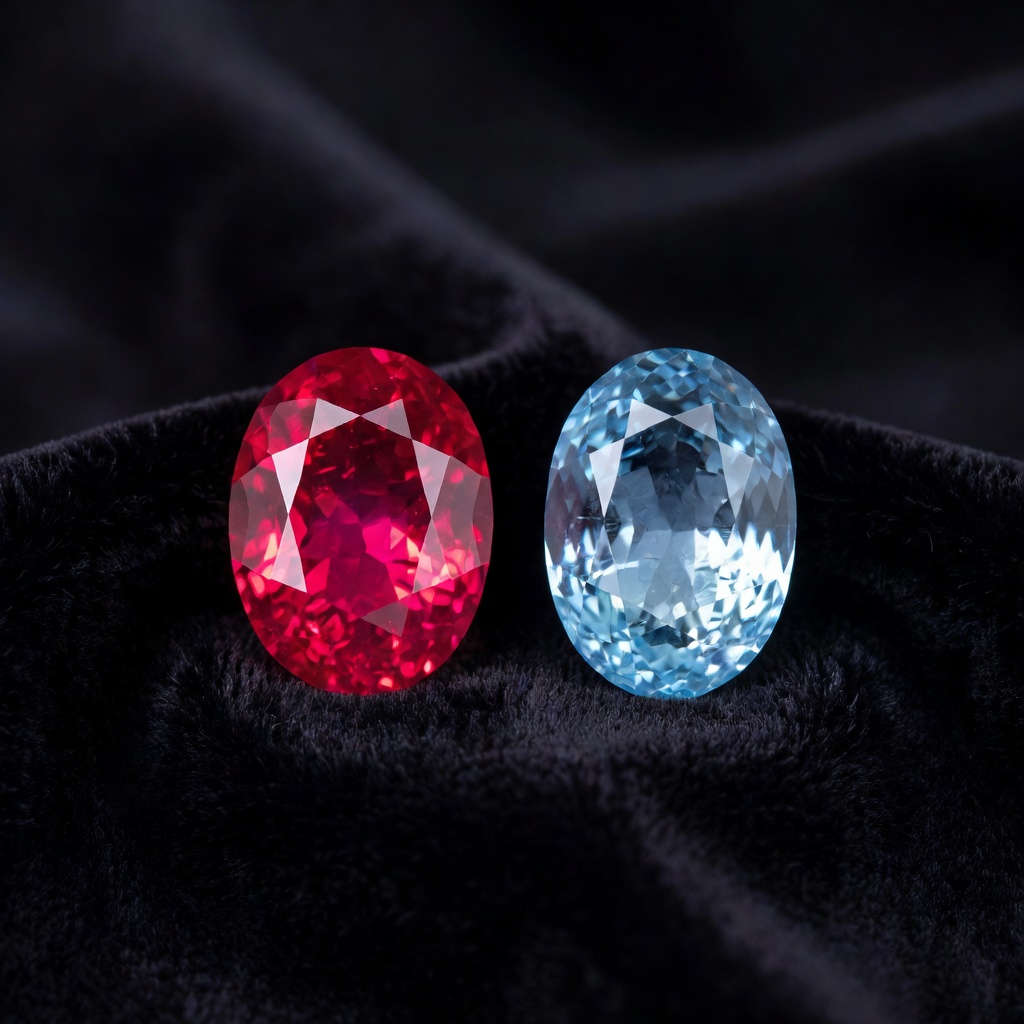
Distinguishing between ruby vs pink quartz color requires understanding the intensity, saturation, and optical properties unique to each mineral family. Fine rubies exhibit intense red to slightly purplish-red hues with high transparency and a vitreous luster that creates a "pigeon's blood" appearance prized by connoisseurs, particularly in specimens from Myanmar's Mogok Valley. The red ruby stone properties include strong fluorescence under ultraviolet light due to chromium content, causing some Burmese rubies to appear to glow from within with an inner fire that no other red gemstone can replicate. Additionally, ruby displays pleochroism, showing different colors—typically orange-red and purplish-red—when viewed from different angles, a property cutters must consider to orient the stone for maximum color impact.
Rose quartz presents a completely different visual experience, displaying soft pastel pink to rose-red tones that rarely achieve the saturation or intensity of fine ruby. Unlike ruby's transparency, rose quartz typically ranges from translucent to opaque with a milky, cloudy appearance caused by the microscopic mineral inclusions that create its color. This quartz variety lacks pleochroism, maintaining uniform color regardless of viewing angle, and typically shows a vitreous to waxy luster rather than ruby's brilliant sparkle. Both stones, however, can exhibit asterism—the star effect caused by needle-like inclusions—but star rubies display sharp, well-defined six-rayed stars against a deep red background, while star rose quartz shows softer, more diffuse stars against a pale pink backdrop, with the ruby stars commanding exponentially higher prices due to rarity and beauty.
Identification Tips for Consumers
When examining loose stones or jewelry pieces, look for ruby's characteristic brilliance and transparency compared to rose quartz's softer, more diffuse appearance. Hold the stone against printed text; ruby's transparency may allow you to read through the stone (depending on cut and inclusions), while rose quartz typically obscures text completely due to its milky nature. Under magnification, rose quartz often reveals characteristic "turbid" appearances or rutile needle inclusions, whereas ruby might show silk inclusions (rutile needles), fingerprint inclusions, or crystal inclusions depending on origin and treatment status.
Rarity, Value and Investment Potential
The ruby vs pink quartz value comparison reveals one of the most dramatic price differentials in the gemstone market, reflecting fundamental differences in rarity, durability, and desirability. Natural rubies command prices ranging from $1,000 per carat for commercial-quality heated stones to over $1,000,000 per carat for exceptional untreated Burmese specimens exceeding five carats with pigeon-blood color. This valuation places ruby firmly in the category of precious vs semi-precious gemstones, alongside diamond, emerald, and sapphire, with untreated Burmese rubies appreciating consistently as investment vehicles comparable to fine art or rare wines. Factors affecting ruby value include geographic origin (Myanmar commanding premiums over Mozambique or Thailand), the presence of heat treatment (untreated stones worth 3-5 times more than heated equivalents), clarity characteristics, and the specific saturation of red without excessive purple or orange modifiers.
Rose quartz, conversely, represents accessibility in the gem world, with prices typically ranging from $2 to $50 per carat depending on color intensity, clarity, and whether the specimen displays asterism or gem-quality transparency. Unlike ruby, rose quartz occurs in massive deposits worldwide, with Brazil alone producing sufficient material to supply global demand indefinitely. While star rose quartz or rare transparent crystals (pink quartz) may command higher prices than common massive material, even these exceptional specimens rarely exceed a few hundred dollars for large, fine pieces. From an investment perspective, rose quartz functions primarily as a decorative or collectible material rather than a financial investment, with prices remaining stable due to abundant supply rather than appreciating like rare precious gems.
Gemstone Comparison Table
| Characteristic | Ruby (Precious) | Rose Quartz (Semi-Precious) |
|---|---|---|
| Chemical Composition | Aluminum Oxide (Al₂O₃) with Chromium | Silicon Dioxide (SiO₂) with Manganese/Titanium |
| Mohs Hardness | 9 (Exceptionally Hard) | 7 (Moderately Hard) |
| Color Range | Intense Red to Purplish-Red (Pigeon's Blood) | Soft Pastel Pink to Rose-Red (Milky) |
| Transparency | Transparent to Translucent | Translucent to Opaque |
| Price Range (Per Carat) | $1,000 - $1,000,000+ | $2 - $50 |
| Rarity | Extremely Rare (Gem-Quality) | Abundant Worldwide |
| Primary Sources | Myanmar, Mozambique, Thailand, Sri Lanka | Brazil, Madagascar, India, USA |
| Metaphysical Association | Root Chakra, Vitality, Courage, Protection | Heart Chakra, Love, Emotional Healing |
| Jewelry Suitability | Excellent for Daily Wear (Rings, Bracelets) | Best for Occasional Wear (Pendants, Earrings) |
| Investment Potential | High (Appreciating Asset) | Low (Decorative Material) |
Origins, Mining and Ethical Sourcing
Understanding ruby vs rose quartz origins reveals not only geological differences but also significant ethical considerations that conscious consumers must navigate when purchasing these stones. Primary ruby sources include Myanmar's Mogok and Mong Hsu regions, where gem-quality corundum forms in marble host rocks under specific temperature and pressure conditions unique to these ancient geological formations. Mozambique has emerged as a major producer of fine rubies in the Montepuez region, offering stones that rival Burmese material in color while presenting different ethical sourcing challenges. Thailand and Sri Lanka provide additional sources, with Thai rubies typically requiring heat treatment to improve color and clarity, while Sri Lankan stones often display pinkish tones rather than pure red. The mining of rubies frequently involves dangerous small-scale tunnel mining operations where workers face significant safety risks, including tunnel collapses and flooding, particularly in Myanmar's largely unregulated artisanal mining sectors.
Rose quartz mining presents a stark contrast in both scale and safety, with Brazil dominating global production through large-scale open-pit surface mining operations in Minas Gerais and other pegmatite-rich regions. Madagascar, India, and South Dakota (USA) provide additional sources where rose quartz occurs in massive granite pegmatites alongside other feldspar and mica minerals. Unlike ruby mining, rose quartz extraction generally involves safer surface operations using standard quarrying equipment, with fewer instances of dangerous deep tunneling or underwater mining that characterize Burmese ruby operations. The gemstone sourcing landscape for rose quartz remains relatively free from conflict concerns, while the ruby trade continues to grapple with issues of funding conflict, labor abuses, and environmental degradation in certain producing regions, making certification and provenance documentation crucial for ruby purchases.
Ensuring Ethical Purchases
When sourcing rubies, prioritize dealers who provide documentation from organizations like the Responsible Jewellery Council or those who specialize in traceable, artisanal-mined stones from cooperatives that ensure fair wages and safe conditions. For rose quartz, seek suppliers who practice sustainable mining restoration or who source from family-owned Brazilian operations with established environmental protection protocols. Both stones benefit from purchasing through established gemological laboratories or dealers who can verify origin claims and treatment status, ensuring your acquisition supports ethical practices rather than exploitative extraction methods.
Metaphysical Properties and Crystal Healing
The metaphysical distinction between these stones reflects their color energies and mineral compositions, with rose quartz healing properties centering on gentle, nurturing vibrations while ruby stimulates intense, active forces. Rose quartz operates primarily on the heart chakra, emitting soft, water-like energies that promote unconditional love, emotional healing, and self-acceptance through gentle dissolution of emotional wounds and resentments. Crystal healers recommend rose quartz for sleep enhancement, placing specimens under pillows to encourage peaceful dreams and emotional processing during rest, or wearing the stone over the heart center to attract romantic relationships and strengthen existing bonds through compassion and forgiveness. Historical lore associates rose quartz with Venus, the goddess of love and beauty, with ancient Egyptian and Roman civilizations using the stone in facial treatments and love rituals to maintain youthful appearance and attract admiration.
Ruby stimulates the root chakra with fiery, active energy that enhances vitality, passion, courage, and protection from negative energies or psychic attacks. Unlike rose quartz's passive reception of love, ruby actively generates energy, making it ideal for those needing motivation, leadership confidence, or physical stamina during demanding endeavors. Warriors and kings throughout history wore rubies into battle believing the stone would make them invincible, while modern practitioners use ruby to overcome exhaustion, lethargy, and lack of confidence in professional settings. The intensity difference proves significant: while rose quartz soothes anxiety and promotes rest, ruby energizes and activates, making the two stones complementary rather than interchangeable in crystal healing practices. Those seeking to balance passionate action with compassionate love might work with both stones simultaneously, using ruby for morning energy and rose quartz for evening relaxation.
Practical Applications in Daily Life
For career success and protection in competitive environments, carry a small ruby in your left pocket or wear ruby jewelry during important presentations to boost confidence and assertiveness. For relationship healing or self-love practices, create a rose quartz grid around your bedroom or meditate holding rose quartz to the heart center while practicing affirmations of worthiness and acceptance. When combining both energies, place ruby at the base of the spine and rose quartz at the heart during meditation to align passionate purpose with compassionate action, creating a balanced flow of energy through the chakra system.
Jewelry Applications and Daily Wearability
The ruby vs rose quartz jewelry comparison ultimately hinges on gemstone durability and practical wearability considerations that determine appropriate settings and usage patterns. Ruby's exceptional hardness of 9 Mohs makes it ideal for engagement rings, wedding bands, and daily wear pieces that withstand the inevitable bumps and scratches of active lifestyles, including manual work, sports, and frequent hand washing. Jewelry designers favor ruby for all setting types, including tension settings that expose the stone to potential impact, prong settings that maximize light return, and bezel settings that provide additional protection. The stone's durability ensures that heirloom-quality pieces can pass through generations without significant wear to the polish or facet edges, maintaining their brilliance indefinitely with minimal maintenance.
Rose quartz requires more careful consideration in jewelry design due to its 7 Mohs hardness and distinct cleavage planes that make it susceptible to chipping, cracking, and scratching under mechanical stress. While suitable for pendants, earrings, and brooches that experience minimal impact, rose quartz proves problematic for rings worn daily, particularly for individuals with active lifestyles or professions involving manual labor. When set in rings, rose quartz demands protective bezel settings rather than exposed prong settings, and wearers must remove the jewelry before activities that might expose the stone to sharp blows or abrasive surfaces. Style aesthetics also differ significantly: ruby conveys luxury, power, and classic elegance suitable for formal occasions and professional environments, while rose quartz offers bohemian, romantic, and feminine appeal perfect for casual wear, bridal shower gifts, and spiritual jewelry emphasizing gentle beauty over conspicuous wealth.
Setting Recommendations and Style Guide
For ruby engagement rings, consider classic solitaire settings in platinum or white gold that highlight the stone's intense color, or vintage-inspired halo designs that protect the center stone while maximizing brilliance. Rose quartz works beautifully in wire-wrapped pendants, rose gold settings that complement its pink tones, or beaded bracelets where the stone receives protection from surrounding materials. When designing custom pieces, specify protective bezels for rose quartz ring designs, and consider cabochon cuts rather than faceted styles for rose quartz to minimize vulnerable edge exposure while showcasing the stone's milky, lunar beauty.
Care, Cleaning and Maintenance Requirements
Proper gemstone care requires understanding the specific vulnerabilities and stability characteristics that differentiate ruby vs rose quartz maintenance protocols. Ruby generally tolerates mechanical cleaning methods, with untreated stones safely cleaned in ultrasonic cleaners and steam cleaners used by professional jewelers to remove accumulated dirt and skin oils from setting crevices. However, heavily included rubies or those with fractures filled with glass or lead-based compounds (a common treatment for low-quality material) should avoid ultrasonic vibrations that might expand existing fractures. Ruby maintains color stability under normal lighting conditions, though prolonged exposure to intense sunlight or high heat should be avoided to prevent potential color shifts in certain treated stones. Store ruby jewelry separately from other pieces, as its hardness of 9 can scratch virtually any other gemstone in your collection, including sapphire, spinel, and certainly softer materials like rose quartz.
Rose quartz demands gentler care protocols due to its lower hardness and sensitivity to environmental factors. Never expose rose quartz to ultrasonic cleaners, steam, or harsh chemical solvents including bleach, ammonia, or acidic cleaning solutions that might attack the stone's surface or dissolve cementing materials in assembled doublets. Clean rose quartz using only lukewarm water with mild soap and a soft cloth or brush, drying immediately to prevent water spots on the surface. Critically, rose quartz fades when exposed to prolonged direct sunlight, with specimens left in windowsills gradually losing their pink coloration over months or years due to UV radiation effects on the manganese inclusions responsible for color. Some commercial rose quartz undergoes dye treatment to enhance pale colors, and these stones may lose color entirely when exposed to sunlight, heat, or chemical cleaning agents. Store rose quartz separately from harder stones, preferably in soft cloth pouches, to prevent scratching from diamonds, rubies, sapphires, or even dust particles that might settle on the surface.
Maintenance Schedules and Professional Care
Schedule professional inspection and cleaning for ruby jewelry annually to check for loose prongs or setting wear that might risk stone loss, particularly for pieces worn daily like engagement rings. For rose quartz jewelry, inspect settings quarterly for signs of loosening or damage to protective bezels, and limit professional cleaning to gentle steam or soap-and-water methods only. When traveling, pack ruby and rose quartz in separate compartments of your jewelry roll, using the ruby's hardness advantage to protect it from external scratches while shielding the rose quartz from contact with the ruby or other hard materials.
How to Choose: Decision Making Guide
When choosing between ruby and rose quartz, establish clear parameters based on budget constraints, lifestyle factors, color preferences, and intention setting to guide your gemstone buying guide decisions effectively. Budget considerations present the most immediate filter: allocate funds for ruby when making significant investment purchases, celebrating major milestones like 40th wedding anniversaries (ruby anniversary), or acquiring heirloom-quality pieces intended to appreciate in value over decades. Choose rose quartz when seeking affordable beauty for fashion jewelry, starter crystal collections, or gifts where generous size matters more than precious status, as $500 might purchase a modest ruby or a spectacular 50-carat rose quartz statement piece. For engagement rings or daily wear jewelry, prioritize ruby's durability unless the recipient specifically prefers rose quartz and commits to careful wearing habits and protective settings.
Lifestyle factors significantly influence practical selection, with active individuals, healthcare workers, athletes, or parents of young children benefiting from ruby's resilience against impact and abrasion. Those with gentle lifestyles, office environments, or spiritual practices emphasizing meditation and energy work might find rose quartz perfectly suitable for their needs, particularly if they enjoy changing jewelry frequently to match outfits or moods. Color preference plays a crucial role: select ruby when drawn to intense, passionate reds that command attention and convey confidence, power, and luxury; choose rose quartz when attracted to soft, romantic pinks that suggest gentleness, nurturing energy, and approachable femininity. Finally, consider intention setting—select ruby for career advancement, protection during travel, vitality enhancement, or passion cultivation; select rose quartz for relationship healing, self-love practices, emotional trauma recovery, or creating peaceful home environments.
Case Study: The Executive's Choice
Consider the example of a corporate executive seeking a power stone for boardroom confidence: she selects a three-carat Burmese ruby set in platinum for her right-hand ring, providing daily wear durability and the psychological boost of wearing a six-figure gemstone that communicates success and decisiveness. Conversely, a yoga instructor building a healing crystal toolkit might invest $200 in a large rose quartz sphere for her meditation space, a rose quartz mala for prayer practice, and rose quartz earrings for gentle daily wear, achieving greater variety and specific energetic support within the same budget that would purchase only a small commercial ruby.
Conclusion: Appreciating Two Unique Gemstone Worlds
The ruby vs rose quartz conclusion ultimately recognizes that these stones occupy distinct niches in the mineral kingdom, with the former representing the pinnacle of precious gemstone rarity and the latter embodying accessible beauty and gentle healing energy. While ruby commands attention as a hard, expensive, rare corundum suitable for generational investment pieces and daily wear heirlooms, rose quartz offers democratic accessibility as a soft, affordable, abundant quartz variety perfect for spiritual practice and fashion expression. Neither stone replaces the other; instead, they complement each other within a well-rounded collection, with ruby providing the fire and protection of active energy while rose quartz supplies the water-like flow of compassionate healing.
Your final selection depends entirely on individual needs, budgetary realities, and personal resonance with each stone's unique vibration. For those building serious gemstone portfolios or seeking lifetime engagement rings, ruby stands as the clear choice despite its significant cost. For crystal healers, bohemian fashion enthusiasts, or those seeking meaningful gifts without substantial investment, rose quartz delivers exceptional value and beauty. We encourage collectors to view both stones as complementary additions to their jewelry boxes and crystal collections, allowing the passionate red of ruby and the gentle pink of rose quartz to serve different purposes in your aesthetic and spiritual life. By understanding their distinct properties, you honor each stone for its specific gifts rather than forcing inappropriate comparisons between incomparable mineral treasures.
Frequently Asked Questions
Is rose quartz just a cheaper version of ruby?
No, rose quartz is not a cheaper ruby. They are completely different minerals—ruby is corundum (aluminum oxide) while rose quartz is silicon dioxide. Rose quartz is naturally pink due to mineral inclusions, not chromium like ruby, and belongs to an entirely different gemstone family with distinct physical and metaphysical properties.
How can I tell the difference between ruby and rose quartz at home?
You can perform a hardness test: ruby (Mohs 9) will scratch glass and rose quartz (Mohs 7), while rose quartz cannot scratch ruby. Additionally, ruby is typically transparent to translucent with intense red color, whereas rose quartz is usually translucent to opaque with a milky, soft pink appearance. Ruby also feels heavier due to higher specific gravity.
Why is ruby thousands of dollars more expensive than rose quartz?
Ruby commands higher prices due to extreme rarity of gem-quality specimens, exceptional hardness (9 on Mohs scale) suitable for daily wear, and high demand for its intense red color. Rose quartz is abundant worldwide, relatively soft (7 Mohs), and commonly available in large quantities, making it an affordable semi-precious stone accessible to most budgets.
Can I wear ruby and rose quartz together in jewelry?
Yes, ruby and rose quartz can be worn together and create beautiful contrasting jewelry designs. The combination balances ruby's intense fire energy with rose quartz's gentle love vibrations. However, store them separately to prevent the harder ruby from scratching the softer rose quartz, and consider protective settings for the quartz in combined pieces.
Which stone is better for an engagement ring: ruby or rose quartz?
Ruby is significantly better for engagement rings due to its exceptional hardness (9 Mohs) that withstands daily wear, while rose quartz (7 Mohs) is too soft and prone to scratching, chipping, and cleavage damage for everyday ring wear. Rose quartz works better for occasional wear pieces like pendants or earrings rather than hands-on daily jewelry.
Do ruby and rose quartz have similar healing properties since both are red/pink?
While both relate to love and heart matters, their healing properties differ significantly. Ruby stimulates passion, vitality, and courage with intense root chakra energy, promoting motivation and protection. Rose quartz focuses on gentle emotional healing, self-love, and heart chakra opening with calming, nurturing vibrations. Ruby energizes while rose quartz soothes.
Can rose quartz be treated or dyed to look like a ruby?
Rose quartz cannot be practically treated to mimic high-quality ruby due to fundamental differences in crystal structure, transparency, and refractive index. While low-quality corundum can be heated or glass-filled to imitate fine ruby, rose quartz lacks the brilliance, hardness, and crystal clarity necessary to convincingly substitute for ruby in fine jewelry.
Which is rarer: a high-quality Burmese ruby or star rose quartz?
Fine untreated Burmese rubies are among the rarest gemstones on earth, with prices exceeding diamonds per carat for exceptional specimens. While star rose quartz displaying distinct asterism is less common than regular rose quartz, it remains abundant compared to precious rubies. Even rare star rose quartz specimens cost significantly less than medium-quality rubies.