Understanding These Precious Red Gems
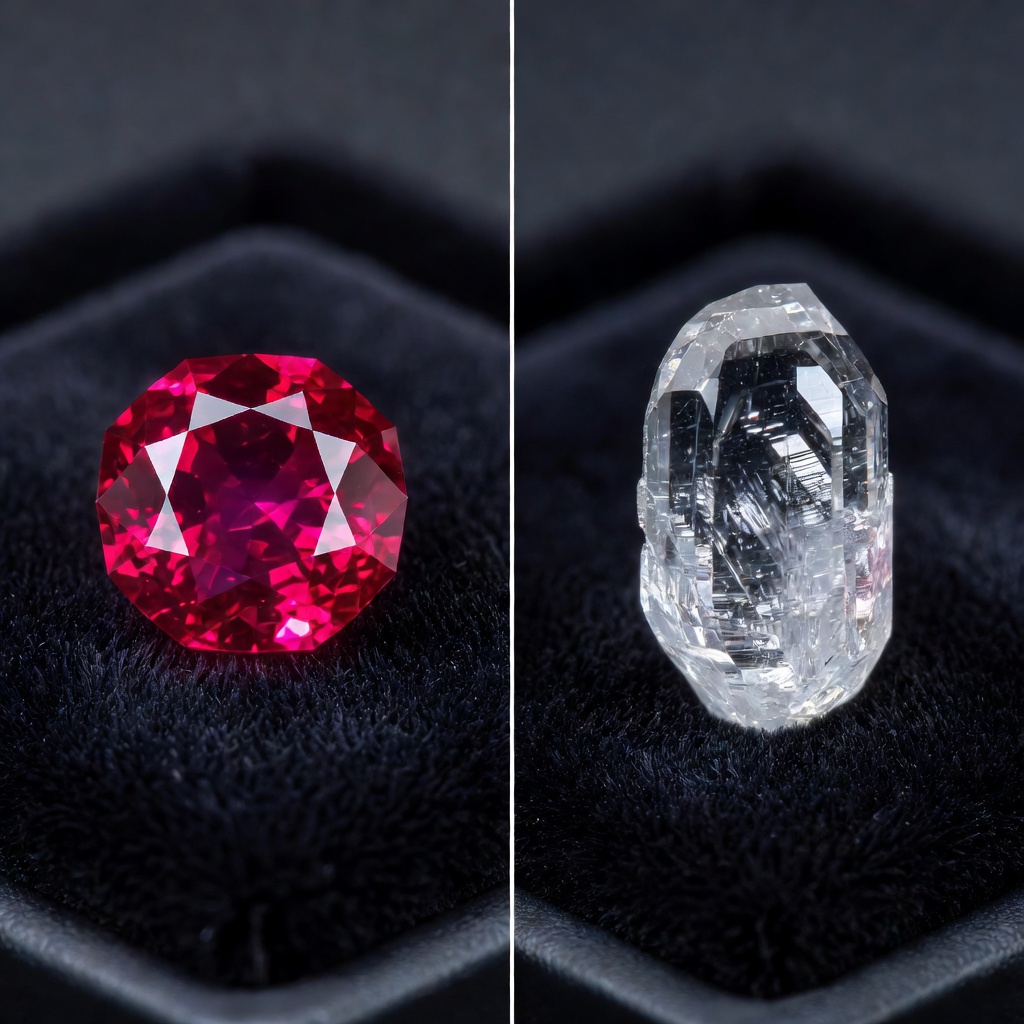
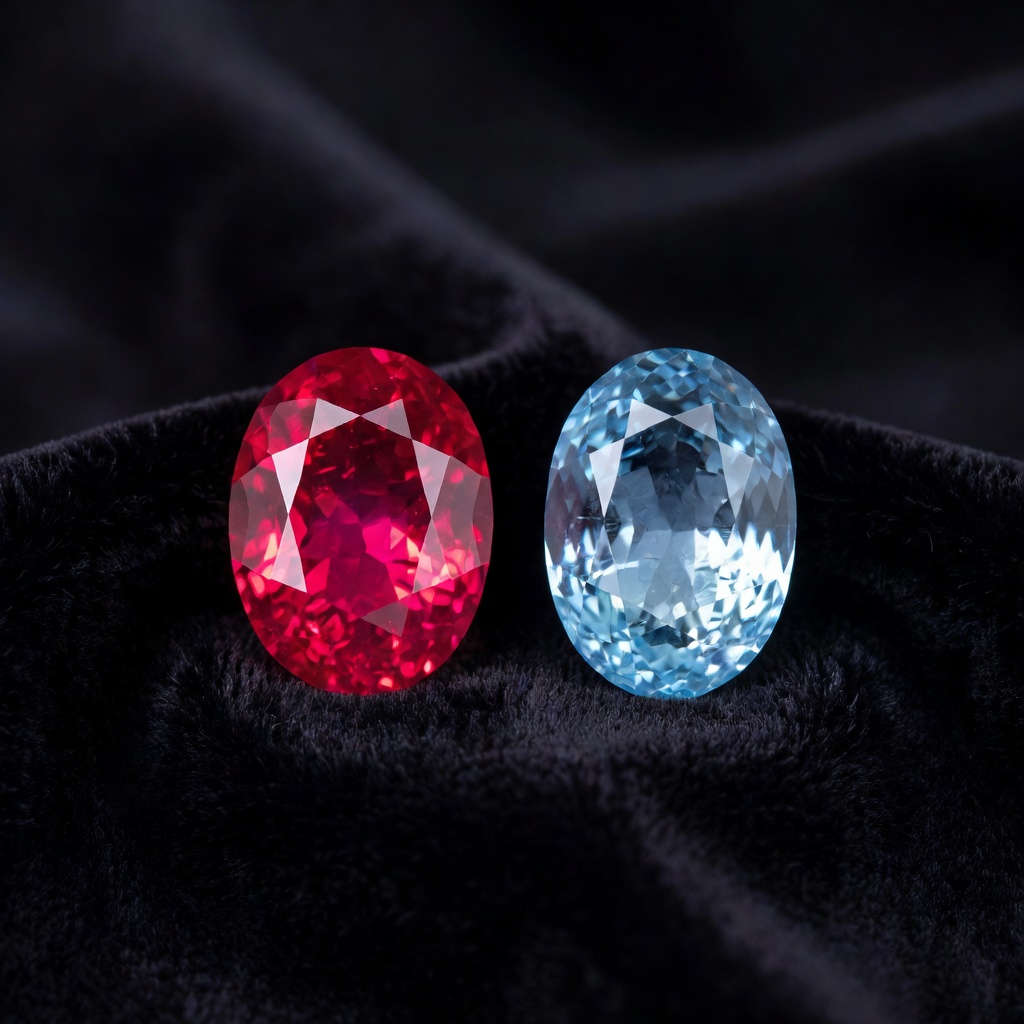
When shopping for vibrant red gemstones, collectors and jewelry enthusiasts often find themselves debating the merits of Ruby vs Rhodolite Garnet. Both stones captivate with their rich crimson hues, yet they represent distinctly different mineral families with unique characteristics that impact their durability, value, and ideal applications. Ruby, a variety of corundum composed of aluminum oxide, has commanded royal admiration for millennia, while rhodolite garnet, specifically a blend of pyrope and almandine species, offers a compelling alternative that bridges the gap between precious and semi-precious categories.
The confusion between these two gems stems primarily from their overlapping color palettes, ranging from deep purplish-red to vibrant raspberry tones. However, beneath their similar appearances lie significant differences in chemical composition, geological formation, and market value that every informed buyer should understand. Whether you are seeking a July birthstone alternative or simply drawn to the allure of red gemstones, understanding the distinctions between corundum vs garnet will empower you to make a purchase that aligns with your aesthetic preferences, lifestyle needs, and budget constraints.
Geological Origins and Composition
The fundamental differences between these red beauties begin deep within the Earth’s crust, where distinct geological processes create their unique crystalline structures. Rubies form primarily in metamorphic environments, particularly within marble deposits that have undergone intense heat and pressure over millions of years. The presence of trace chromium elements within the aluminum oxide crystal lattice produces ruby’s signature red coloration, with higher chromium concentrations yielding the coveted "pigeon blood" red that commands premium prices in international markets. Major ruby deposits exist in Myanmar’s Mogok Valley, Mozambique’s Montepuez mines, and increasingly in Madagascar and Vietnam.
Conversely, rhodolite garnet emerges from ultramafic igneous rocks rich in magnesium and iron. This pyrope almandine garnet hybrid derives its name from the Greek word "rhodon," meaning rose-like, referencing its distinctive pinkish-red to purplish-red coloration. Unlike ruby’s singular chemical composition, rhodolite represents a solid solution series between pyrope (magnesium aluminum silicate) and almandine (iron aluminum silicate), typically containing a 2:1 mixture of pyrope to almandine. Significant rhodolite deposits occur in Tanzania’s Umba Valley, Sri Lanka’s alluvial gravels, and North Carolina’s Cowee Valley, where water-worn crystals exhibit exceptional clarity and color consistency.
Trace Elements and Color Chemistry
While chromium serves as the primary chromophore in rubies, occasionally accompanied by vanadium or iron that modifies the red hue toward pink or purple, rhodolite’s color depends on the iron-magnesium ratio within its crystal structure. Higher iron content pushes the color toward deeper red tones, while magnesium dominance creates the lighter, more raspberry-pink varieties that closely resemble pink sapphires. This chemical diversity means that rhodolite offers a broader spectrum of red variations than ruby, which maintains stricter color boundaries within the corundum family.
Color Variations and Visual Identification
Distinguishing between these gemstones requires careful observation of their color subtleties and optical properties under various lighting conditions. Fine rubies display a pure, vivid red often described as "pigeon blood," though the spectrum extends from orange-red to deep purplish-red depending on the geological source. Burmese rubies typically exhibit a fluorescent red with a slight blue undertone that intensifies under natural daylight, while Mozambique stones often present a darker, more garnet-like appearance that can confuse novice buyers. Under ultraviolet light, natural rubies display strong red fluorescence due to chromium content, a diagnostic feature that separates them from garnet varieties.
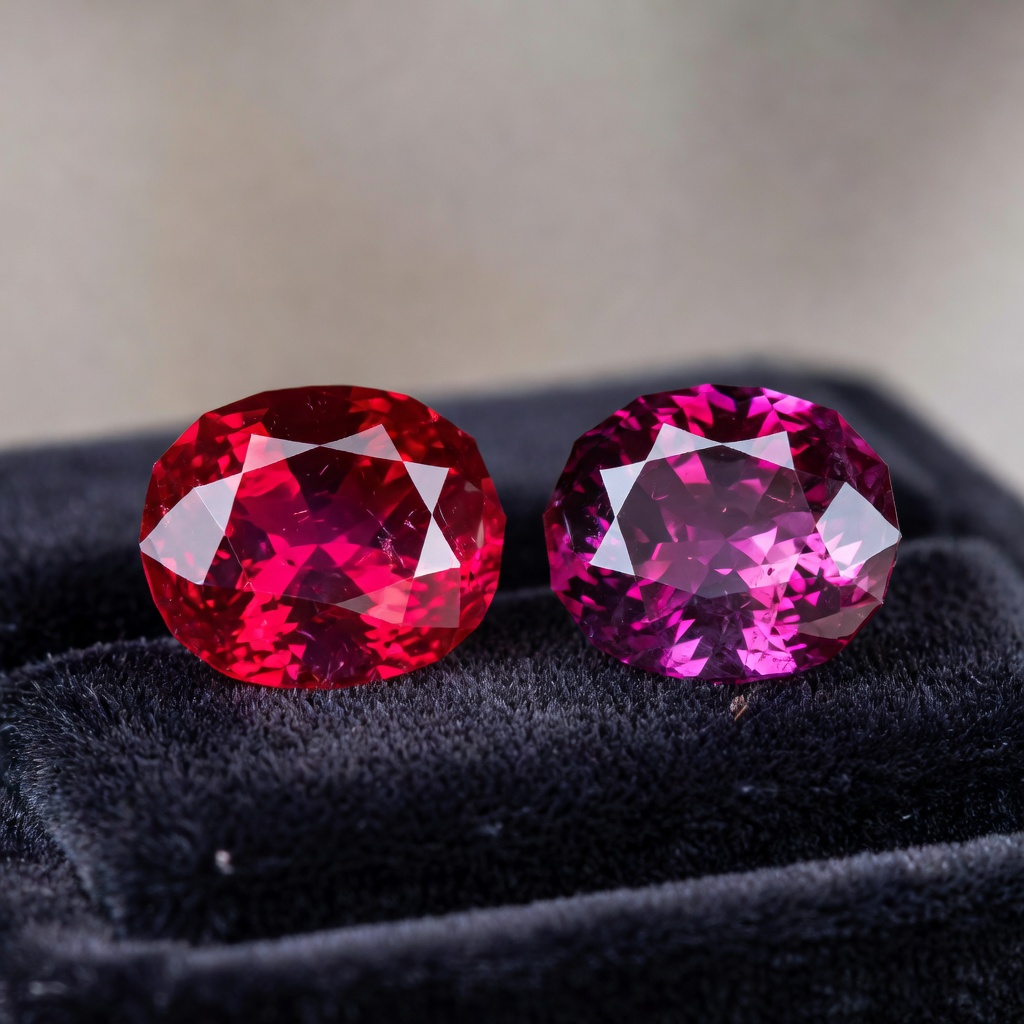
Rhodolite garnet occupies a unique position in the red gemstone comparison, characterized by its distinctive raspberry-red to purplish-red hues that lack the orange undertones found in hessonite or the brownish tints of spessartine garnets. Unlike rubies, rhodolites do not fluoresce under UV light, presenting instead a subtle, velvety luster that many collectors find equally appealing. The stone exhibits a color shift phenomenon under incandescent versus fluorescent lighting, often appearing more purple in artificial light and brighter red in natural sunlight, though this effect remains less pronounced than in alexandrite or color-change garnets.
Practical Identification Tips
When examining loose stones, place both gems against a white background under natural daylight. Rubies typically show a more saturated, primary red with potential blue flashes, while rhodolites display a softer, more pastel red with distinct purple or pink secondary tones. Hold the stones at arm’s length; rubies often appear to "glow" with an inner fire, particularly stones from classical Burmese mines, whereas rhodolites present a more subdued, wine-like depth of color that shifts subtly with viewing angle.
Hardness, Durability, and Wearability
For consumers evaluating red stone buying guide recommendations, hardness ratings significantly impact long-term wearability and maintenance requirements. Ruby ranks 9 on the Mohs hardness scale, placing it second only to diamond and moissanite in terms of scratch resistance. This exceptional hardness, combined with good toughness (resistance to breaking), makes ruby an ideal candidate for daily wear jewelry including engagement rings, bracelets, and pieces subject to frequent impact. The absence of cleavage planes in corundum means rubies resist fracturing along specific directions, though they can still chip if struck forcefully against hard surfaces.
Rhodolite garnet presents a more moderate hardness profile, rating between 7 and 7.5 on the Mohs scale. While sufficiently hard for jewelry use, this rating places rhodolite in a category where dust particles (which contain quartz at 7 Mohs) can potentially scratch the surface over years of continuous wear. Additionally, garnet species exhibit distinct cleavage in some varieties, though rhodolite’s pyrope-almandine composition generally demonstrates fair to good toughness. For active individuals or those seeking heirloom-quality engagement pieces, these durability differences become crucial decision factors.
Setting Recommendations for Longevity
When designing jewelry featuring rhodolite vs ruby, consider protective settings that maximize the softer stone’s lifespan. Bezel settings, where metal surrounds the gem’s perimeter, offer superior protection for rhodolite rings compared to prong settings that leave edges exposed. For ruby, four or six-prong settings showcase the stone’s brilliance while providing adequate security given the gem’s superior durability. Pavé bands featuring rhodolite should include higher metal walls between stones to prevent edge chipping during daily activities.
Clarity, Cut Quality, and Brilliance
Examination of internal characteristics reveals another layer of distinction between these red gemstones. Rubies frequently contain rutile silk—microscopic needle-like inclusions of titanium dioxide that intersect at 60 and 120 degrees. While historically considered flaws, these silk inclusions now indicate untreated status in high-value stones and can create desirable optical phenomena like asterism (star rubies) when properly oriented. However, heavily included rubies may appear translucent rather than transparent, affecting light performance and requiring shallow cutting angles to maximize brightness.
Rhodolite garnets typically present cleaner crystal structures, often appearing eye-clean (no visible inclusions to the unaided eye) even in larger carat weights. Common inclusions include liquid-filled cavities, crystal growth zoning, and occasionally apatite or zircon crystals, though these rarely impact the stone’s transparency significantly. This inherent clarity allows lapidaries to cut rhodolites with steeper pavilion angles that maximize brilliance and fire, creating lively, sparkling gems that sometimes outperform similarly priced rubies in terms of light return.
Cut Optimization Strategies
Rubies often receive mixed cuts or cushion cuts that minimize weight loss while preserving color saturation, as deep cutting can darken overly dense stones. Oval and emerald cuts remain popular for high-quality rubies, showcasing color while minimizing the appearance of inclusions. Rhodolites, benefiting from better clarity, frequently appear in brilliant cuts, trillions, and Portuguese cuts that maximize light dispersion. When selecting either stone, examine the gem face-up for windowing (see-through areas) or extinction (dark patches), which indicate suboptimal cutting proportions regardless of the material’s inherent quality.
Price, Value, and Investment Potential
The economic disparity between these gems represents one of the most significant factors in the red stone buying guide equation. Fine, untreated rubies from prestigious localities like Myanmar’s Mogok Stone Tract can command prices ranging from $1,000 to over $15,000 per carat for exceptional specimens, with record-breaking stones selling for millions at auction. Even heat-treated commercial-grade rubies typically cost $500 to $5,000 per carat depending on size and color quality. This pricing reflects not only rarity—particularly for untreated stones over three carats—but also centuries of cultural significance and sustained demand from collectors and investors.
Pyrope almandine garnet varieties like rhodolite offer a dramatically different value proposition, with high-quality stones typically ranging from $20 to $200 per carat. This affordability stems from greater abundance in nature and the absence of treatment premiums, allowing buyers to acquire substantial, eye-clean stones for the cost of a modest ruby accent. While rhodolite does not traditionally appreciate as an investment vehicle like fine ruby, it provides exceptional value for fashion jewelry, cocktail rings, and statement pieces where size and visual impact outweigh concerns about resale value.
Value Retention Considerations
When building a jewelry collection with investment potential, prioritize untreated rubies with documented provenance from Myanmar, Mozambique, or Tanzania, ensuring certificates from respected laboratories like GIA or Gübelin. For rhodolite, focus on acquiring large, exceptional specimens (over five carats) with unusual color purity or historical significance, as these occasionally attract collector interest. Remember that treatment status dramatically affects ruby value—untreated stones command 300-500% premiums over heat-treated equivalents—while rhodolite’s typically untreated status provides immediate transparency regarding authenticity.
Treatments and Enhancements
Understanding enhancement practices proves essential when navigating the red gemstone comparison market, as treatment status dramatically affects both value and care requirements. Approximately 90% of rubies on the market undergo heat treatment to improve color saturation and clarity, a permanent and widely accepted practice that mimics natural geological processes. High-temperature heating dissolves rutile silk and improves color uniformity, transforming pale or purple-tinged stones into marketable red gems. Reputable dealers disclose this treatment, though undisclosed heating remains a concern in international markets.
Lower-quality rubies may receive more invasive treatments including glass filling (fracture filling with lead glass), oiling, or diffusion treatments that introduce color-inducing elements into surface layers. These treatments require special care—ultrasonic cleaners and steam can remove oils or damage glass fillings—and significantly reduce value. In stark contrast, rhodolite garnets rarely receive treatments due to their naturally attractive color and clarity. The pyrope almandine garnet structure does not respond predictably to heating, and the stone’s affordability makes enhancement economically unjustifiable, meaning buyers typically acquire completely natural, untreated gems.
Verification and Certification
Always request gemological laboratory reports when purchasing significant rubies, specifically noting treatment comments. Look for "no indications of heating" for investment-grade pieces, or "heated" for acceptable commercial jewelry. For rhodolite, while certification remains less critical given the lower price point, a simple identification report confirming natural origin provides peace of mind. Be wary of rubies priced significantly below market rates, as these may represent composite stones (ruby-glass hybrids) or synthetic corundum that requires professional identification.
Jewelry Design Applications
The physical and optical properties of these gems dictate distinct approaches to jewelry design and metal selection. Ruby’s superior hardness and historical prestige make it the premier choice for July birthstone alternatives and heirloom-quality pieces including engagement rings, anniversary bands, and high-impact cocktail rings. The stone pairs magnificently with platinum and white gold, which enhance blue undertones in Burmese rubies, or with yellow gold that complements the warmer red tones of Mozambique and Thai stones. Prong settings in high-polish finishes maximize light entry, while vintage-inspired milgrain bezels protect edges while adding romantic character.
Rhodolite garnet excels in designs where size and color take precedence over absolute durability. Large cushion-cut rhodolites create stunning centerpieces in cocktail rings, though these pieces suit occasional wear rather than daily manual labor. The stone’s slightly purplish-red hue harmonizes beautifully with rose gold settings, creating cohesive warm tones, while white metals emphasize the gem’s pinker raspberry qualities. For daily wear, consider rhodolite in earrings, pendants, and brooches where impact risk remains minimal, or protect ring stones with halo settings where surrounding diamonds absorb potential blows.
Case Study: The Victorian Revival
Contemporary jewelry designers increasingly draw inspiration from Victorian and Edwardian eras when rhodolite garnet served as a popular ruby substitute among the middle class. Modern interpretations feature rhodolite in intricate filigree settings with seed pearl accents, capturing period aesthetics at accessible price points. One notable collection featured 5-carat cushion-cut rhodolites in oxidized silver settings, retailing under $500—an impossible price point for equivalent ruby jewelry. This approach allows fashion-forward consumers to embrace vintage styling without the insurance concerns associated with high-value ruby pieces.
How to Choose Between Ruby and Rhodolite Garnet
Selecting between Ruby vs Rhodolite Garnet ultimately depends on balancing budget constraints, lifestyle requirements, and aesthetic preferences. If you seek a daily-wear engagement ring or investment-grade heirloom, ruby’s superior hardness and historical appreciation potential justify the premium price despite the necessity of careful treatment verification. Consider your profession and hobbies—those working with their hands or engaging in sports should prioritize ruby’s durability or select protective settings for rhodolite that accommodate an active lifestyle.
For fashion jewelry, statement pieces, or gifts where size matters more than absolute durability, rhodolite offers extraordinary value. A 3-carat eye-clean rhodolite might cost $300-600, while a comparable quality ruby could demand $15,000-30,000. Color preference also plays a crucial role: purists seeking the quintessential rich red associated with passion and power will gravitate toward fine ruby, while those appreciating subtle complexity might prefer rhodolite’s raspberry-purple undertones that shift mysteriously under different lighting conditions. Consider also the ethical sourcing aspect—rhodolite’s lower price point often allows buyers to prioritize fair-trade or artisanal-mined stones without prohibitive cost increases.
Decision Framework for Buyers
Create a priority list before shopping: designate your maximum budget, intended wear frequency, and preferred color family. If budget exceeds $5,000 and you require daily durability, pursue certified rubies with documented treatment status. If budget ranges $200-2,000 and you desire a large, impressive center stone for occasional wear, explore high-quality rhodolites over five carats. For those specifically seeking July birthstone alternatives on a budget, rhodolite provides the red gem aesthetic while freeing resources for complementary diamonds or elaborate settings.
Making Your Red Gem Decision
Both ruby and rhodolite garnet offer legitimate pathways to owning beautiful red gemstone jewelry, each serving distinct niches within the market. Ruby stands supreme for those prioritizing durability, investment potential, and the prestige associated with one of the "big four" precious gems, provided you navigate the complex landscape of treatments and certifications. Rhodolite garnet rewards practical buyers with exceptional color, clarity, and size availability at price points accessible to most jewelry enthusiasts, making it an intelligent choice for fashion-forward pieces and experimental designs.
Regardless of your selection, proper care ensures longevity. Clean rubies using warm soapy water and soft brushes, avoiding ultrasonic cleaners if the stone shows indications of treatment. Store ruby jewelry separately to prevent scratching softer gems in your collection. For rhodolite, similar gentle cleaning suffices, though extra care regarding impact protection will preserve the stone’s polish over decades. By aligning your choice with your lifestyle, values, and aesthetic vision, you will acquire a red gemstone that brings sustained joy and beauty, whether it represents corundum’s crystalline perfection or garnet’s earthly abundance.
Comprehensive Comparison: Ruby vs Rhodolite Garnet
| Characteristic | Ruby (Corundum) | Rhodolite Garnet (Pyrope-Almandine) |
|---|---|---|
| Chemical Composition | Aluminum Oxide (Al₂O₃) with chromium traces | Magnesium-Iron Aluminum Silicate (solid solution) |
| Mohs Hardness | 9 (Excellent for daily wear) | 7 to 7.5 (Suitable with care) |
| Color Range | Pigeon blood red, pinkish-red to purplish-red | Raspberry-red, purplish-red to pinkish-red |
| UV Fluorescence | Strong red fluorescence | None to very weak |
| Typical Inclusions | Rutile silk, crystal inclusions, feathers | Liquid inclusions, growth zoning, rarely crystals |
| Common Treatments | Heat treatment (90% of market), glass filling, oiling | Usually untreated (98%+ of market) |
| Price per Carat | $1,000 - $15,000+ (fine untreated) | $20 - $200 (high quality) |
| Primary Sources | Myanmar, Mozambique, Madagascar, Thailand | Tanzania, Sri Lanka, India, North Carolina |
| Best Applications | Engagement rings, heirloom jewelry, daily wear | Cocktail rings, pendants, earrings, fashion pieces |
| Birthstone Status | July birthstone, 15th/40th anniversary | January birthstone (as garnet variety) |
| Refractive Index | 1.76 - 1.77 | 1.74 - 1.76 |
| Care Requirements | Avoid harsh chemicals if treated; ultrasonic OK for untreated | Avoid steam; protect from hard impacts |
Frequently Asked Questions
How can I tell a ruby apart from a rhodolite garnet without special equipment?
Rubies typically display a pure red to slightly purplish-red color with strong fluorescence under UV light, while rhodolites show a distinctive raspberry or purplish-red hue without fluorescence. Rubies also tend to have heavier inclusions (rutile silk), whereas rhodolites are often cleaner and display different fire patterns. When viewed in natural daylight, rubies often exhibit a more saturated primary red with potential blue flashes, while rhodolites present a softer, wine-like depth with distinct purple undertones.
Is rhodolite garnet valuable enough to serve as a ruby alternative?
While rhodolite garnet is significantly less expensive than fine ruby, it offers excellent value as a ruby alternative due to its brilliant color, high clarity, and natural untreated status. It provides the look of a precious red gem at 5-10% of the cost, making it ideal for fashion jewelry and budget-conscious buyers. The stone’s natural beauty and durability sufficient for most jewelry applications make it a legitimate choice rather than merely a substitute, particularly for those who appreciate its unique raspberry coloration.
Which stone is better for an engagement ring, ruby or rhodolite?
Ruby is superior for engagement rings due to its 9/10 Mohs hardness rating, resisting scratches from daily wear. Rhodolite (7-7.5 Mohs) requires protective settings like bezels or halos for daily wear, though it works beautifully for occasional wear rings or pendants/earrings. If choosing rhodolite for an engagement piece, select a low-profile setting that minimizes exposure to knocks and impacts, and consider it primarily for individuals with less active lifestyles or those willing to remove the ring during physical activities.
Do rhodolite garnets fade in sunlight like some other red gems?
Rhodolite garnets are generally stable in light and do not fade in sunlight, unlike some color-enhanced stones or kunzite. However, prolonged exposure to extreme heat should be avoided. Rubies are also light-stable, though heat-treated stones may show subtle changes over decades of intense UV exposure. Both stones rank among the most color-stable gems available, making them suitable for jewelry worn regularly in various lighting conditions without concerns about degradation of their visual appeal.
What is the typical price difference between ruby and rhodolite garnet per carat?
Fine untreated rubies can command $1,000 to $15,000+ per carat depending on origin and quality, while high-quality rhodolite garnets typically range from $20 to $200 per carat. Even treated commercial-grade rubies usually cost 3-5 times more than equivalent-sized rhodolites. This dramatic price differential allows buyers to acquire substantially larger rhodolite stones for the same investment, making them popular for statement cocktail rings and bold pendant designs where visual impact depends on carat weight.
Can rhodolite garnet be mistaken for ruby in antique jewelry?
Yes, particularly in Victorian and Edwardian jewelry where rhodolite was often used as a ruby substitute due to its similar color. Without laboratory testing, these stones can be confused, though rhodolite's slightly purplish undertone and different refractive index usually distinguish it to trained gemologists. Antique pieces described as "Bohemian ruby" or "Cape ruby" often actually contain garnet varieties including rhodolite, as these terms historically served as marketing descriptions rather than mineralogical classifications.
Are both stones considered birthstones?
Ruby is the official July birthstone and traditional 15th and 40th anniversary stone. Rhodolite garnet, as a variety of garnet, represents the January birthstone. While not traditionally associated with July, rhodolite serves as an affordable alternative for those wanting red birthstone jewelry without the ruby price tag. Some modern jewelry designers specifically market rhodolite as a "secondary July stone" for budget-conscious consumers who desire the red gem aesthetic associated with mid-summer birth celebrations.
Which gemstone offers better brilliance and sparkle?
Rubies typically exhibit higher brilliance due to their higher refractive index (1.76-1.77) compared to rhodolite's 1.74-1.76, though the difference is subtle. However, rhodolites often appear more brilliant to the naked eye because they frequently have better clarity and fewer inclusions than similarly priced rubies, allowing more light return. In practical terms, a $500 rhodolite often out-sparkles a $500 ruby because the ruby at that price point likely contains heavy inclusions that impede light transmission, while the rhodolite remains relatively eye-clean.