Ruby vs Pyrite: A Comprehensive Guide to These Distinctive Minerals
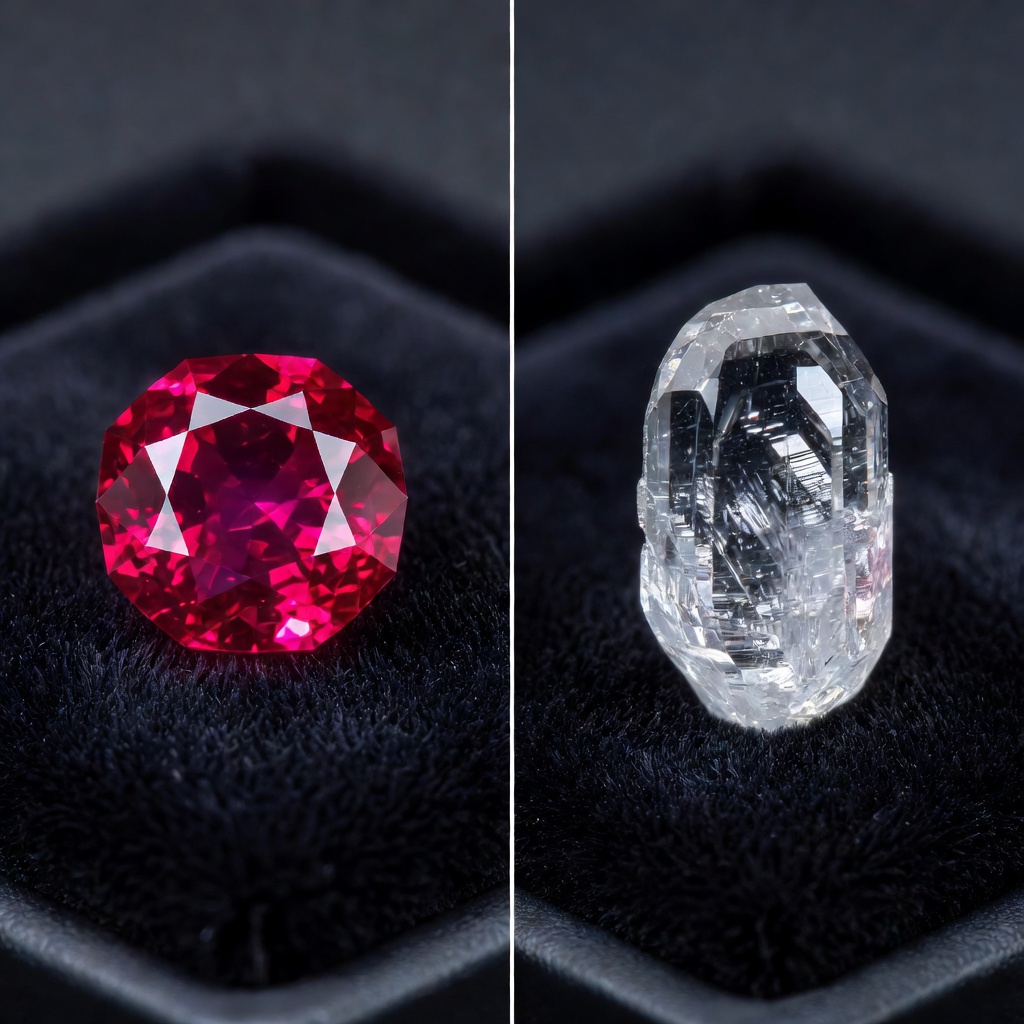
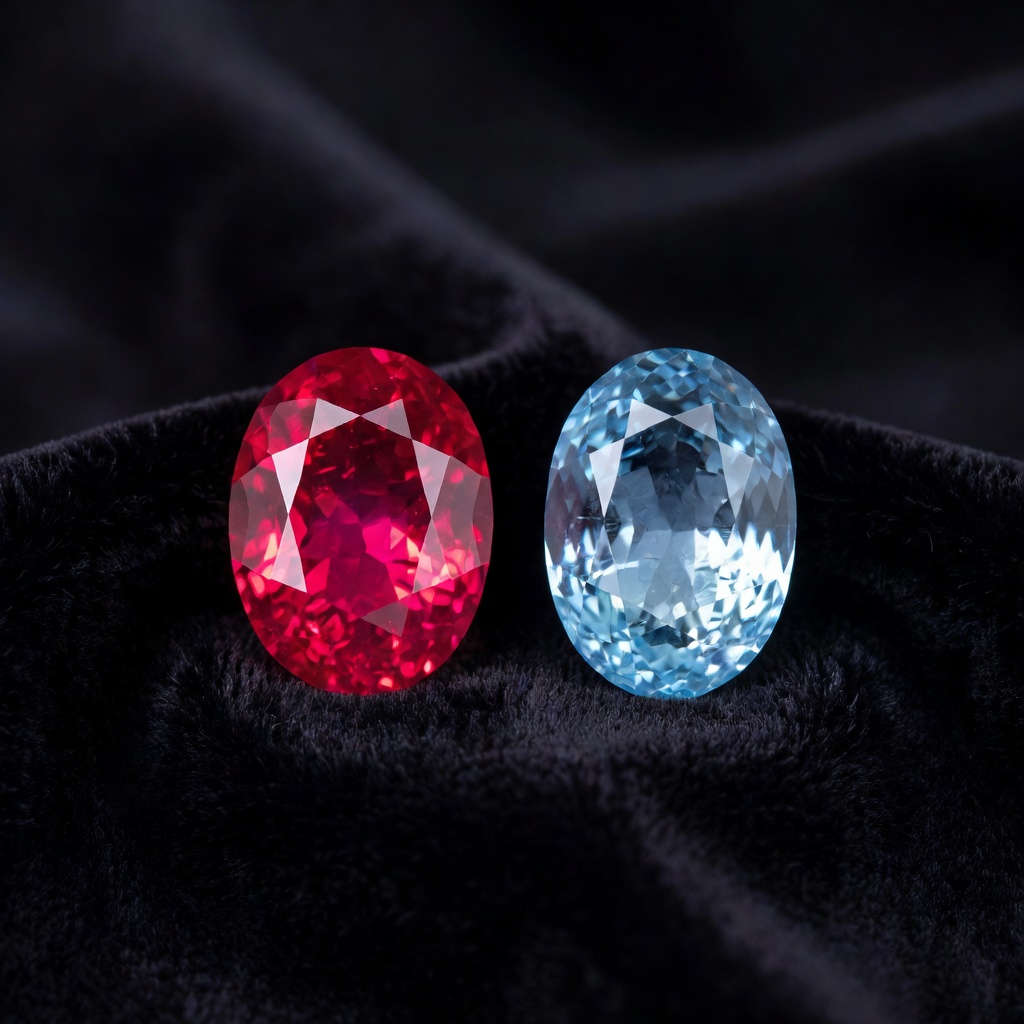
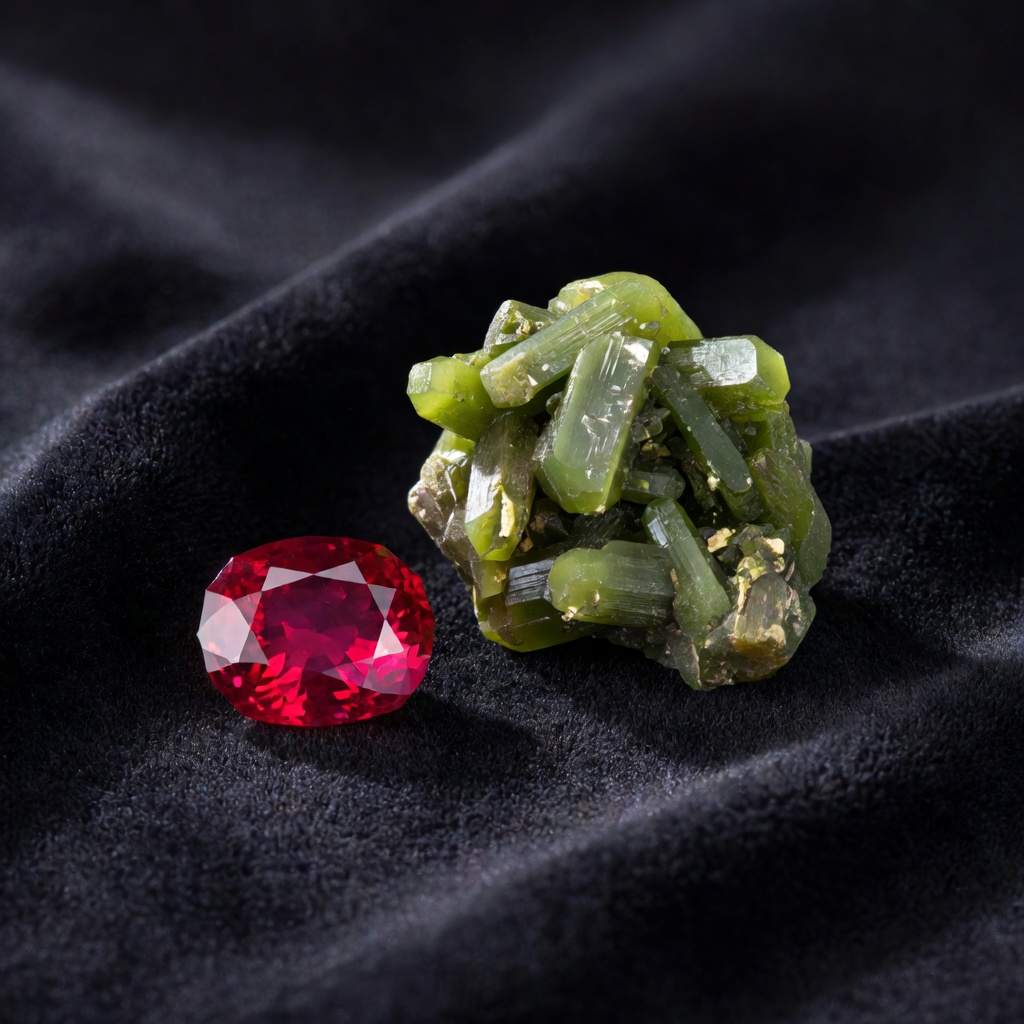
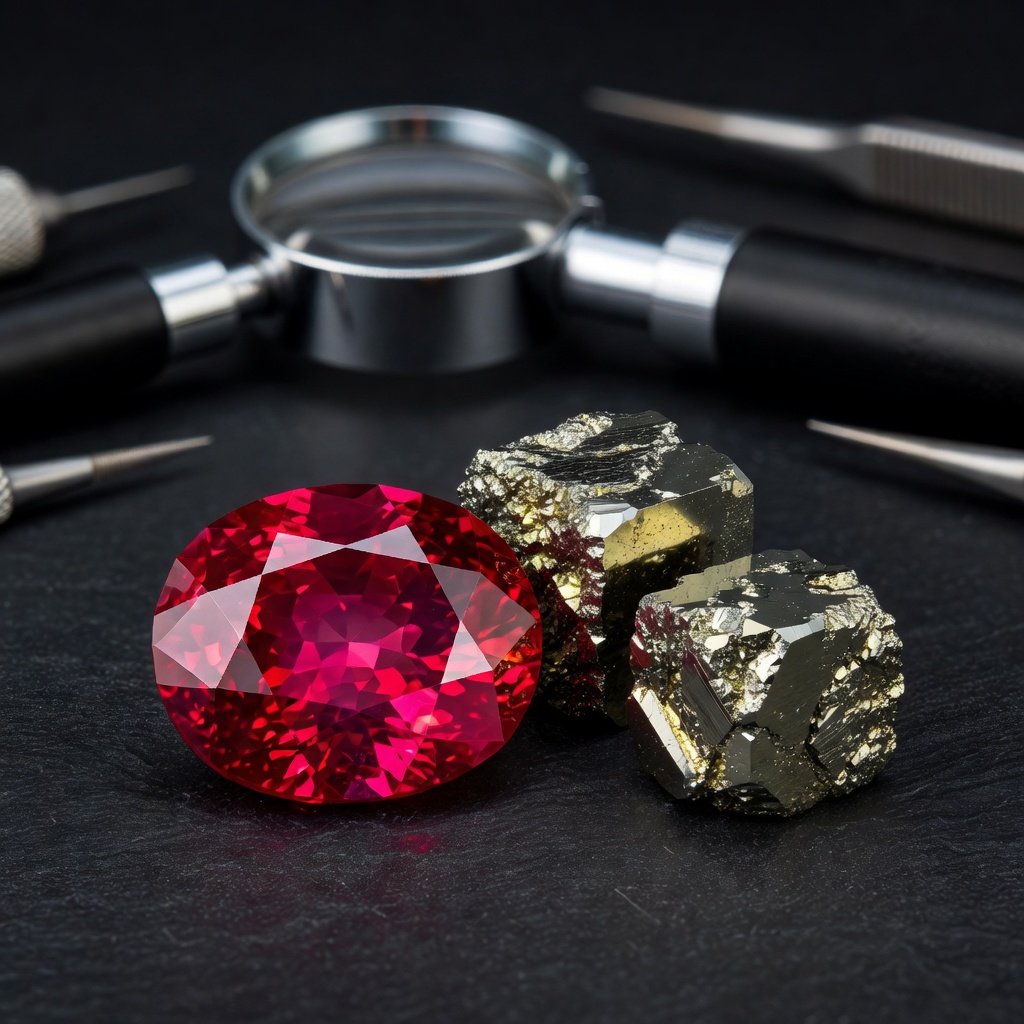
When exploring the fascinating world of gemstones and minerals, the comparison between Ruby vs Pyrite offers an excellent educational study in contrasts. While these two minerals might occasionally appear in similar rock matrices or confuse novice collectors, they represent entirely different categories of geological specimens. Ruby stands as one of the most precious gemstones in the world, belonging to the corundum family and celebrated for its intense red coloration caused by chromium impurities. Pyrite, commonly known as "fool's gold," presents as an iron sulfide mineral with a distinctive brassy yellow metallic luster that has captivated humans for centuries. Understanding the ruby and pyrite differences serves both practical and educational purposes, helping collectors, jewelers, and geology enthusiasts distinguish between precious gemstones and common mineral specimens.
Chemical Composition: Corundum vs Iron Sulfide
The fundamental distinction between these minerals begins at the molecular level, where corundum vs iron sulfide structures reveal completely different chemical identities. Ruby consists of aluminum oxide (Al₂O₃) with trace amounts of chromium that replace aluminum atoms in the crystal lattice, creating the characteristic red coloration that ranges from pinkish-red to deep pigeon blood red. This chemical structure places ruby in the trigonal crystal system, forming hexagonal prisms and barrel-shaped crystals when found in nature. The purity of the aluminum oxide structure, combined with the specific chromium content, determines the intensity and saturation of the red hue that makes fine rubies so valuable.
Pyrite operates under an entirely different chemical formula as iron disulfide (FeS₂), forming isometric cubic crystals with metallic bonding that gives the mineral its distinctive brassy appearance. The iron and sulfur atoms arrange themselves in a cubic structure that often creates perfect square faces and striated surfaces visible to the naked eye. Geologically, rubies form under high-pressure, high-temperature conditions in metamorphic rocks such as marble and certain igneous environments, typically requiring specific aluminum-rich host rocks. Pyrite, conversely, forms in sedimentary deposits, hydrothermal veins, and coal beds where sulfur-rich solutions interact with iron-bearing minerals at lower temperatures and pressures.
Physical Properties and Hardness Comparison
Understanding the mineral hardness comparison between these specimens reveals why one commands premium prices as jewelry while the other remains primarily a collector's item. Ruby ranks 9 on the Mohs hardness scale, making it the second-hardest natural gemstone after diamond and exceptionally resistant to scratching during daily wear. This remarkable hardness stems from the strong aluminum-oxygen bonds in the corundum structure, allowing ruby to scratch almost any other material while maintaining its polish indefinitely. Jewelers value this durability because it enables intricate cutting styles and ensures that heirloom pieces can survive generations of wear without significant surface damage.
Pyrite measures only 6 to 6.5 on the Mohs hardness scale, making it significantly softer and more brittle than ruby, with a tendency to fracture along specific cleavage planes or develop surface scratches with moderate contact. The mineral exhibits distinct cleavage in three directions and displays a conchoidal to uneven fracture pattern when broken, characteristics that make it challenging to cut and polish for jewelry purposes. Specific gravity measurements further differentiate these minerals, with ruby averaging 3.97-4.05 compared to pyrite's heavier 4.95-5.10 density, though this difference requires careful laboratory measurement to detect in small specimens.
Comprehensive Comparison Table
| Characteristic | Ruby (Corundum) | Pyrite (Iron Sulfide) |
|---|---|---|
| Chemical Formula | Al₂O₃ with Cr impurities | FeS₂ |
| Mohs Hardness | 9 | 6-6.5 |
| Crystal System | Trigonal (Hexagonal) | Isometric (Cubic) |
| Primary Color | Red to Pinkish-Red | Brassy Yellow to Gold |
| Luster | Vitreous to Adamantine | Metallic |
| Streak Color | White or Colorless | Greenish-Black to Brownish-Black |
| Specific Gravity | 3.97-4.05 | 4.95-5.10 |
| Cleavage | None (indistinct parting) | Distinct in three directions |
| Market Value | $1,000-$15,000+ per carat | $0.50-$500 per specimen |
| Jewelry Suitability | Excellent for daily wear | Poor (display/collectible only) |
| Care Requirements | Ultrasonic and steam safe | Keep dry; avoid all moisture |
Visual Identification: Color, Luster, and Streak Tests
Effective gemstone identification relies on careful observation of optical properties that immediately distinguish fools gold vs red ruby in most specimens. Ruby exhibits a range of red hues from pale pinkish-red to the highly prized "pigeon blood" red found primarily in Burmese mines, with the color resulting from chromium absorption of specific light wavelengths. The luster of fine rubies ranges from vitreous (glass-like) to adamantine (diamond-like), creating a bright, reflective surface that enhances the stone's brilliance when properly cut. Experienced gemologists also look for pleochroism in rubies, where the stone shows different color intensities when viewed from different angles, typically ranging from orange-red to purplish-red in natural specimens.
Pyrite presents a completely different visual profile with its pale brassy yellow to golden metallic appearance that inspired its "fool's gold" nickname during the California Gold Rush era. The metallic luster of pyrite creates a mirror-like surface on crystal faces, though this distinctive shine often dulls when exposed to moisture or handling over time. Diagnostic streak testing provides definitive separation between these minerals: when rubbed against unglazed porcelain, ruby leaves a white or colorless streak, while pyrite produces a characteristic greenish-black to brownish-black streak that confirms its iron sulfide composition. For field identification, pyrite's cubic crystal habit with striated faces contrasts sharply with ruby's hexagonal prism or barrel-shaped crystals, though rough specimens may require laboratory analysis for confirmation.
Value, Pricing, and Investment Potential
The ruby value vs pyrite price comparison illustrates the vast economic divide between precious gemstones and common mineral specimens in the collector market. Fine rubies are evaluated using the traditional 4Cs framework adapted from diamond grading: Color commands the highest premium, with untreated Burmese pigeon blood rubies fetching $10,000 to $15,000 per carat for exceptional specimens over five carats. Clarity presents unique challenges in ruby evaluation, as most natural rubies contain rutile needle inclusions (silk) that can either decrease value or, when properly oriented, create the rare star ruby phenomenon. Cut quality significantly impacts brilliance and value, with well-proportioned cushions and ovals commanding premiums over native cuts or poorly fashioned stones.
Pyrite pricing operates on entirely different economic principles, with value determined by crystal formation quality, size, locality rarity, and aesthetic presentation rather than carat weight. Museum-quality pyrite specimens with perfect cubic crystals from famous localities like Navajún, Spain, might command $200 to $500, while standard collector-grade material typically sells for $5 to $50 per specimen. From an investment perspective, untreated Burmese and Mozambique rubies have historically appreciated at rates comparable to blue sapphires and emeralds, maintaining liquidity in international markets during economic fluctuations. Pyrite, while affordable and accessible for beginning collectors, does not typically function as a financial investment vehicle, though rare formations or historical specimens may retain modest value within specialized mineral collecting communities.
Jewelry Applications and Wearability
Practical considerations regarding durability and aesthetics make ruby jewelry the superior choice for daily wear pieces, particularly engagement rings, wedding bands, and frequently worn earrings or pendants. The exceptional hardness of corundum allows ruby to resist scratching from everyday contact with household items, door handles, and other jewelry pieces, maintaining its polish for decades with minimal maintenance. High-quality rubies work beautifully in various setting styles, from delicate prong settings that maximize light exposure to protective bezel settings that secure the stone during active wear. When selecting ruby jewelry for daily use, consider stones with fewer surface-reaching inclusions, as these structural features could potentially weaken the stone under sharp impact despite the material's overall hardness.
Pyrite jewelry presents significant limitations that restrict its use to occasional wear or display pieces rather than daily adornment. The mineral's brittleness makes it susceptible to chipping along cleavage planes or fracturing under moderate impact, rendering it unsuitable for rings or bracelets that encounter regular bumps and knocks. Additionally, pyrite's tendency to oxidize when exposed to moisture, humidity, or skin acids can cause surface deterioration, discoloration, and potential skin irritation for sensitive wearers. If incorporating pyrite into jewelry designs, jewelers recommend protective bezel settings that cover the stone's edges, combined with designs that minimize skin contact and exposure to perspiration. Brooches, pendants worn over clothing, or occasional statement pieces represent the safest applications for pyrite in wearable art.
Care, Cleaning, and Long-term Maintenance
Proper gemstone care and maintenance protocols differ dramatically between these minerals due to their distinct chemical and physical properties. Ruby maintenance remains relatively straightforward due to the stone's exceptional hardness and lack of cleavage planes; ultrasonic cleaners and steam cleaning systems safely remove accumulated dirt and oils without risking damage to the stone. Warm water with mild dish soap and a soft brush effectively clean most ruby jewelry, though stones with significant surface-reaching fractures or glass-filled cavities require gentler treatment to avoid compromising any treatments. Store ruby jewelry separately from softer gemstones to prevent accidental scratching, and have prongs and settings checked annually by professional jewelers to ensure long-term security.
Pyrite maintenance demands meticulous attention to humidity control and moisture avoidance to prevent the destructive oxidation process that converts iron sulfide into iron sulfate and sulfuric acid. Never clean pyrite with water, ultrasonic devices, or steam, as moisture triggers immediate surface degradation and potential structural damage. Instead, use a soft, dry brush or compressed air to remove dust, storing specimens in airtight containers with silica gel packets to maintain low humidity environments. Display cases for pyrite should include humidity monitors, keeping relative humidity below 50% to prevent "pyrite disease"—the progressive deterioration that causes specimens to crumble into powder over time. If pyrite jewelry is worn, clean it immediately with a dry cloth after use to remove skin oils and perspiration, and consider applying a thin layer of mineral oil to create a temporary moisture barrier on display pieces.
Metaphysical Properties and Cultural Significance
Beyond their physical characteristics, both minerals carry rich cultural histories and metaphysical associations that influence their desirability among alternative healing practitioners and spiritual collectors. Ruby symbolism spans millennia and cultures, representing passion, vitality, courage, and romantic love across Hindu, Burmese, and Western traditions. As July's birthstone and the traditional gift for 15th and 40th wedding anniversaries, ruby carries established social significance that enhances its desirability for commemorative jewelry. Ancient warriors embedded rubies into their armor believing the stones granted invincibility in battle, while Eastern traditions associate rubies with the root chakra, believing the stone grounds energy and stimulates life force.
Pyrite metaphysical properties center on abundance, protection, and manifestation energy, with the mineral often used in feng shui practices to attract wealth and shield against negative environmental energies. Crystal healing practitioners place pyrite on solar plexus chakra points to boost confidence and mental clarity, though these practices require careful handling to prevent skin contact with oxidizing material. Historically, pyrite served practical functions beyond decoration: ancient civilizations used it to create sparks for fire-starting, and Victorian industrial applications utilized its sulfur content for acid production. While ruby adorned the crowns and regalia of royalty from India to Europe, pyrite filled equally important roles in the development of human technology and survival, creating distinct but equally valid cultural niches for these remarkable minerals.
Making Your Choice: Which Stone Is Right for You?
Navigating the Ruby vs Pyrite decision requires honest assessment of your intended use, budget constraints, and long-term expectations for these distinctive materials. For those seeking heirloom-quality jewelry that withstands daily wear, appreciates in financial value, and carries traditional romantic symbolism, ruby represents the clear and only appropriate choice between these two minerals. Consider rubies sourced from Myanmar (Burma), Mozambique, or Madagascar for the best combination of color quality and investment potential, always requesting laboratory certification to verify natural origin and disclosure of any heat treatments. When budgeting for ruby acquisitions, prioritize color saturation over size, as a smaller, intensely red stone typically outperforms a larger, washed-out pink specimen in both beauty and value retention.
Choose pyrite when your interests lean toward educational mineral collecting, metaphysical practices, or affordable aesthetic objects that require minimal handling. Exceptional pyrite specimens from specific localities like Navajún, Spain, or the Huanzala Mine in Peru offer striking cubic formations that display beautifully in mineral collections or as desktop conversation pieces. Before purchasing either mineral, verify seller reputation, request detailed photographs showing any damage or oxidation on pyrite specimens, and obtain independent laboratory reports for ruby purchases exceeding significant financial thresholds. Whether investing in a precious ruby engagement ring or acquiring a striking pyrite cube for your mineral cabinet, understanding these fundamental differences ensures satisfaction with your geological acquisition for years to come.
Frequently Asked Questions
Is pyrite as valuable as ruby?
No, pyrite is significantly less valuable than ruby. While high-quality rubies can command thousands of dollars per carat, especially Burmese pigeon blood specimens, pyrite is generally an affordable mineral specimen costing anywhere from a few dollars to a few hundred dollars for exceptional museum-quality crystals. Ruby is considered one of the 'big three' precious gemstones, whereas pyrite is a common collector's mineral.
Can pyrite be used in engagement rings like ruby?
Pyrite is not recommended for engagement rings or daily wear jewelry. With a Mohs hardness of only 6-6.5, pyrite is too soft and brittle to withstand daily wear, and it oxidizes when exposed to moisture and skin oils. Ruby, ranking 9 on the Mohs scale, is one of the best gemstones for engagement rings due to its exceptional durability and resistance to scratching.
Why is pyrite called 'fool's gold' and does it look like ruby?
Pyrite earned the nickname 'fool's gold' because its brassy yellow metallic luster resembles gold, not because it looks like ruby. Actually, ruby and pyrite look quite different—rubies are red with vitreous luster while pyrite is gold-colored with metallic luster. However, both can appear in similar rock matrices, leading to educational comparisons about mineral identification.
How can I test if my red stone is a ruby versus red pyrite or other minerals?
Perform a streak test: ruby leaves a white streak while pyrite leaves a greenish-black streak. Check hardness: ruby scratches glass easily (hardness 9) while pyrite (hardness 6-6.5) may struggle with some glass types. Ruby also shows pleochroism (different colors from different angles) and has a specific refractive index of 1.76-1.77, while pyrite is isotropic with metallic opacity.
Does pyrite contain any real gold?
Pure pyrite (FeS2) does not contain gold, though it is often found in the same geological deposits as gold. However, some pyrite specimens can contain trace amounts of gold within their crystal structure (invisible gold) or have microscopic gold inclusions, making them valuable to miners. This is why pyrite is sometimes called a 'pathfinder' mineral for gold prospectors.
Which is harder: ruby or pyrite?
Ruby is significantly harder than pyrite. Ruby ranks 9 on the Mohs hardness scale (second only to diamond at 10), making it extremely durable and suitable for daily wear. Pyrite ranks only 6-6.5 on the Mohs scale, making it susceptible to scratching and abrasion. This hardness difference is one of the primary reasons rubies are valued as precious gemstones while pyrite remains a collector's mineral.
Can you wear pyrite jewelry every day?
Daily wear of pyrite jewelry is not recommended. Pyrite is brittle, can crack under impact, and oxidizes when exposed to moisture, humidity, or perspiration, potentially causing skin irritation and damaging the stone's surface. If worn occasionally, pyrite should be set in protective settings and removed before washing hands, swimming, or exercising.
Is ruby worth the investment compared to buying pyrite specimens?
From an investment standpoint, high-quality rubies historically appreciate in value and maintain liquidity in the gemstone market, especially untreated Burmese or Mozambique stones. Pyrite, while affordable and beautiful for mineral collectors, does not typically appreciate significantly and has limited resale markets. Choose ruby for long-term investment and heirloom value; choose pyrite for affordable collecting and educational purposes.