Introduction to Ruby and Prehnite
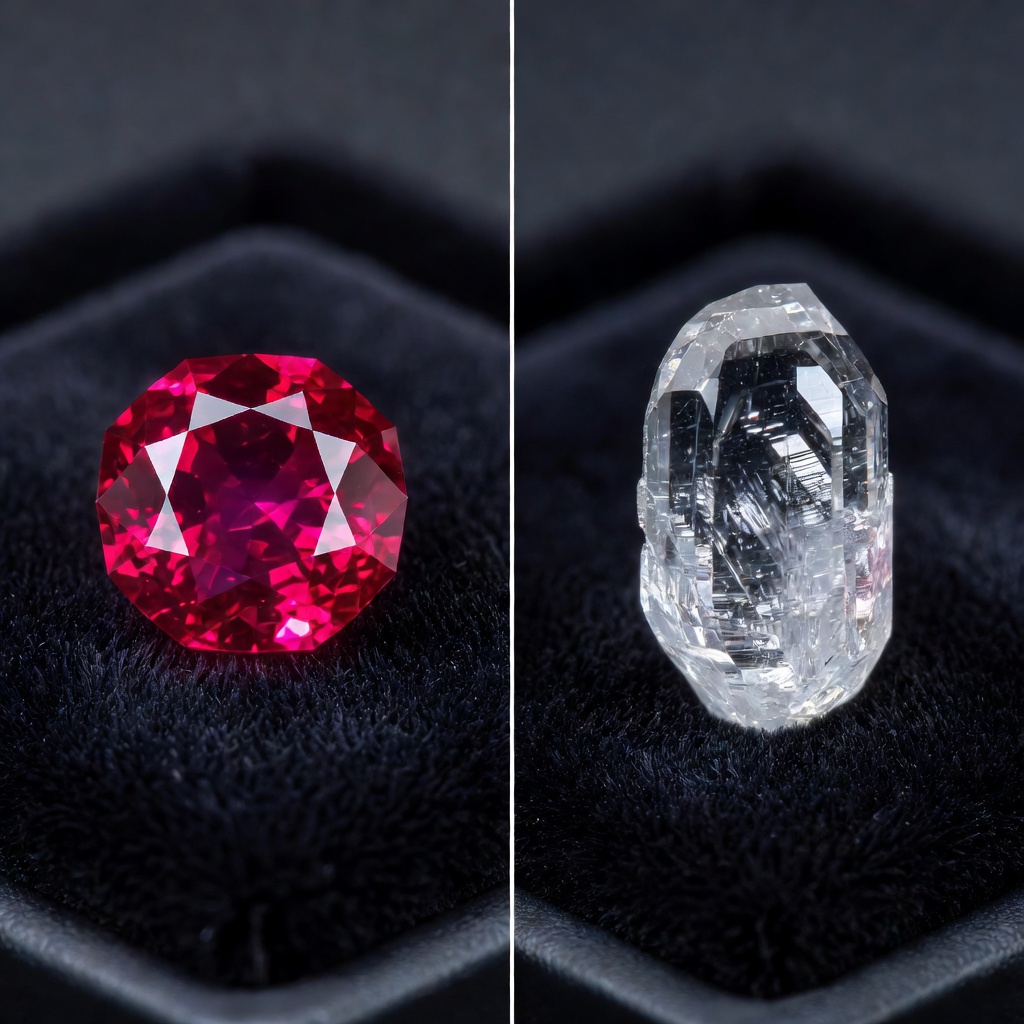
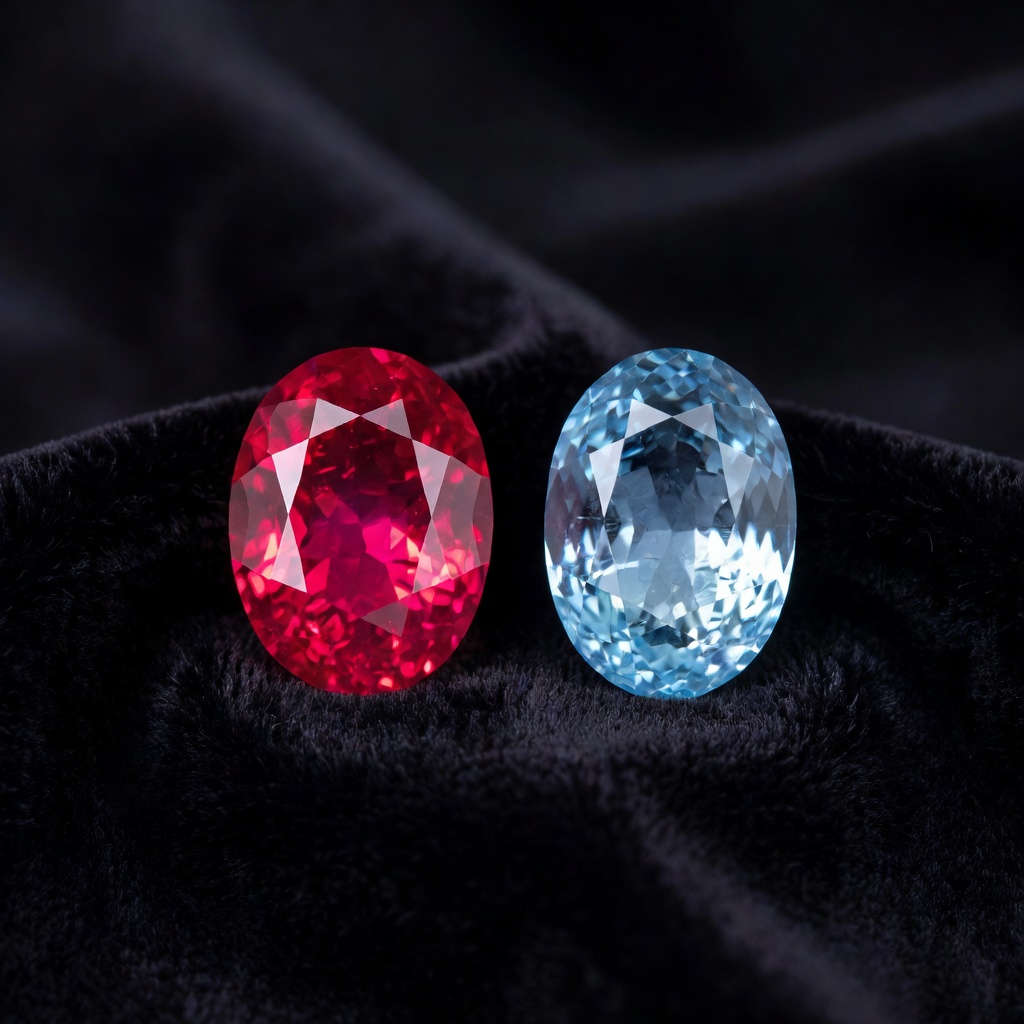
The comparison between ruby and prehnite represents one of the most striking contrasts in the gemstone world, pitting one of the most precious stones against a beloved semi-precious crystal. The red ruby gemstone stands as a member of the elite "big four" precious stones, belonging to the corundum family and commanding prices that reflect its rarity and cultural prestige across civilizations. In stark opposition, the green prehnite crystal offers an accessible entry point for collectors and jewelry enthusiasts, composed of calcium aluminum silicate and celebrated for its gentle, nature-inspired aesthetic rather than monetary value.
These two stones occupy opposite ends of the gemstone spectrum in nearly every measurable category, from geological formation to market valuation. While ruby has adorned the crowns of emperors and symbolized passion and power for millennia, prehnite has carved its niche among spiritual practitioners and those seeking subtle, organic beauty. Understanding the distinctions between these gems helps collectors make informed decisions whether they seek heirloom investment pieces or accessible spiritual tools.
Geological Origins and Chemical Composition
The fundamental differences between ruby and prehnite begin deep within the Earth, where divergent geological processes create these distinct minerals. Ruby forms as aluminum oxide (Al₂O₃) within the corundum family, crystallizing under extreme conditions in metamorphic rocks such as marble or basalt. These formations require high pressure and temperature conditions typically found in specific geological zones like the Mogok Stone Tract in Myanmar or the mines of Mozambique, where tectonic activity has created the perfect environment for chromium-rich corundum to develop its signature red hue.
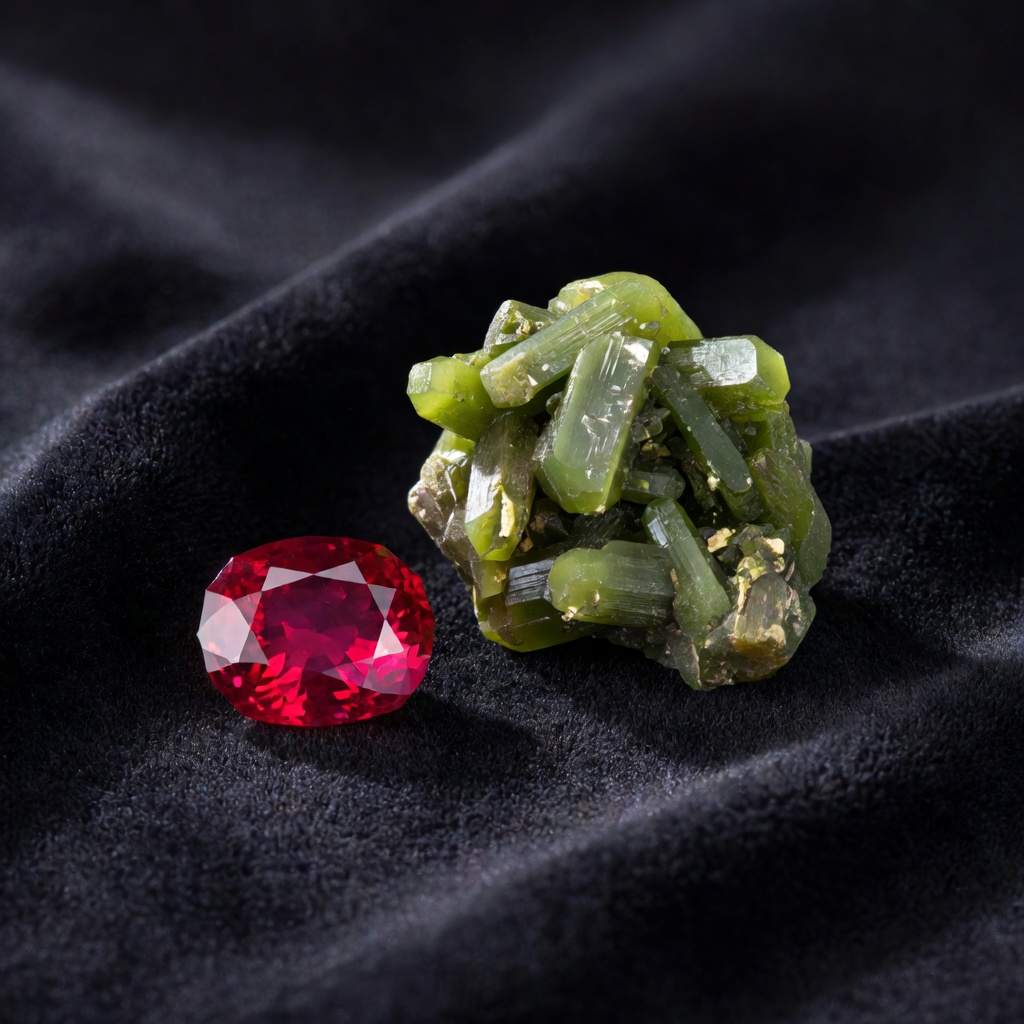
Prehnite, conversely, emerges through entirely different geological mechanisms as a secondary mineral forming in the cavities and vesicles of volcanic rocks. Through hydrothermal processes involving hot, mineral-rich water percolating through basalt and gabbro, calcium aluminum silicate precipitates into soft, often botryoidal formations. Notable deposits occur in the Karoo region of South Africa, the Jeffrey Mine in Quebec, Canada, and various locations throughout Australia, where ancient volcanic activity created the necessary conditions for this gentle green stone to form.
The corundum vs prehnite comparison extends to their crystalline architectures. Ruby crystallizes in the trigonal or hexagonal crystal system, forming barrel-shaped or pyramidal hexagonal prisms that contribute to its excellent optical properties and durability. Prehnite crystallizes in the orthorhombic system, typically forming tabular or pyramidal crystals that often appear in aggregates or radiating clusters, resulting in its characteristic milky or translucent appearance rather than the sharp brilliance associated with corundum varieties.
Visual Characteristics and Color Analysis
Distinguishing between these gemstones requires understanding their vastly different optical properties and color chemistry. The red ruby gemstone displays a spectrum of red hues ranging from the coveted "pigeon blood" red—characterized by vivid saturation with a hint of blue undertones—to pinkish-red and orange-red varieties. This coloration results from chromium impurities within the crystal lattice, with iron sometimes contributing to darker, more burgundy tones. High-quality rubies exhibit strong fluorescence under ultraviolet light, creating an internal glow that seems to illuminate the stone from within.
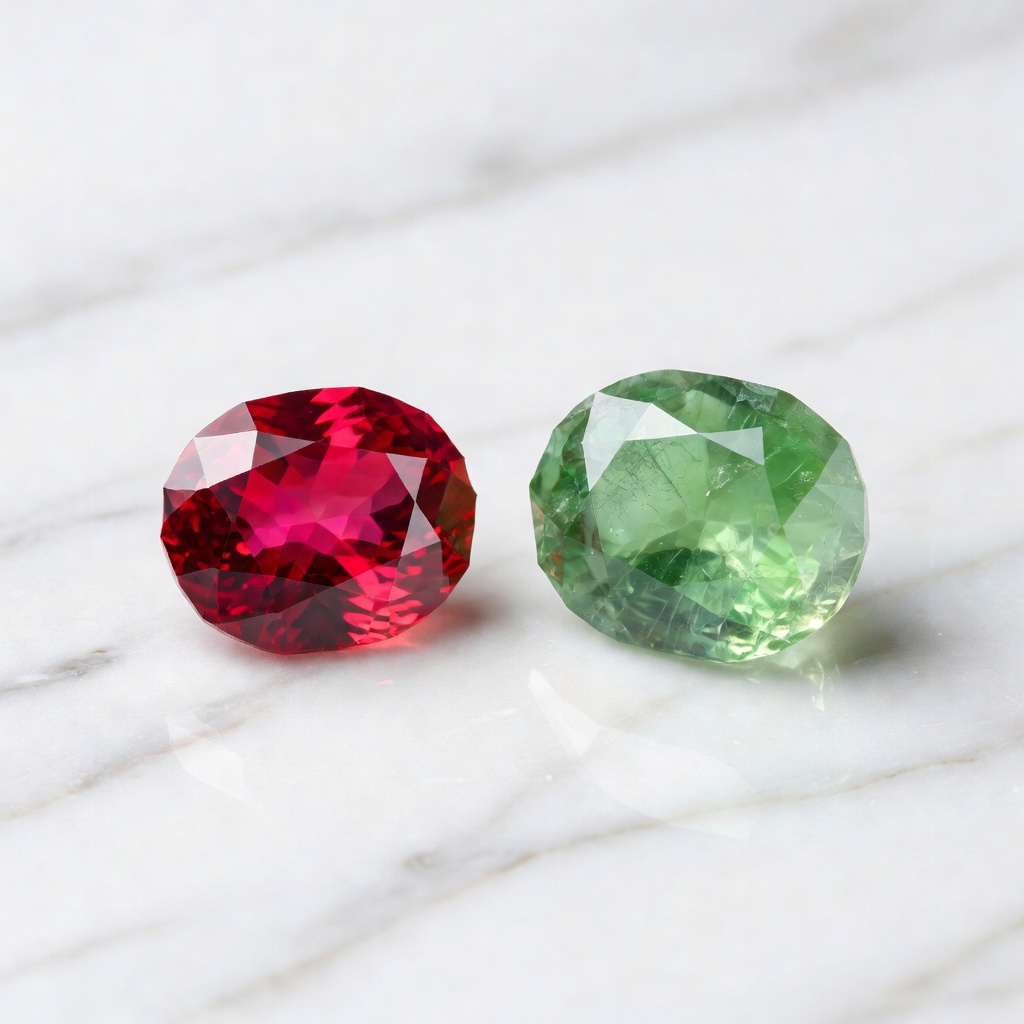
The green prehnite crystal presents a completely different visual palette, exhibiting pale green to yellow-green colors that evoke fresh spring foliage or pale jade. Its color derives from iron content within the calcium aluminum silicate composition, typically displaying apple-green, olive, or yellowish-green hues with a distinctive milky or translucent quality. Unlike ruby's vitreous luster and high refractive index that creates brilliant sparkle, prehnite possesses a vitreous to pearly luster that gives it a soft, glowing appearance reminiscent of moonlight through leaves.
Clarity characteristics further differentiate these stones. Rubies frequently contain rutile inclusions known as "silk," which can create asterism (the star effect) when properly oriented, or appear as fine needles that actually indicate authentic, untreated origin in some cases. Prehnite often displays distinctive inclusions such as epidote crystals, copper inclusions, or displays botryoidal (grape-like) formations that create interesting surface patterns. While ruby inclusions can affect transparency, prehnite's inclusions often enhance its organic, natural aesthetic appeal.
Durability and Hardness on the Mohs Scale
When selecting gemstones for jewelry, understanding the gemstone hardness comparison between these two minerals proves essential for predicting longevity and wearability. Ruby ranks 9 on the Mohs hardness scale, making it second only to diamond in terms of resistance to scratching and one of the most durable gemstones available for jewelry applications. This exceptional hardness allows ruby to withstand the daily rigors of constant wear, making it ideal for engagement rings, bracelets, and pieces that endure frequent impact and abrasion.
Prehnite ranks significantly lower at 6 to 6.5 on the Mohs scale, placing it in a category that requires protective settings and careful handling to prevent surface scratching and chipping. This hardness level is comparable to feldspar or quartz, meaning prehnite can be scratched by harder materials commonly found in everyday environments, including steel tools, harder gemstones, or even rough surfaces. For jewelry applications, this limitation necessitates bezel settings or protective designs that shield the stone from direct impact.
Beyond hardness, toughness—the resistance to breaking and chipping—varies significantly between these stones. Ruby possesses excellent toughness despite having potential cleavage planes, allowing it to survive occasional bumps and knocks without fracturing. Prehnite exhibits more brittle characteristics with perfect cleavage in one direction, making it prone to fracturing if struck sharply or exposed to sudden pressure changes. This brittleness factor makes prehnite unsuitable for rings worn during active work or sports, while ruby can confidently accompany the wearer through most daily activities.
Market Value, Rarity, and Investment Potential
The gemstone investment value disparity between ruby and prehnite reflects their relative rarity, cultural demand, and historical significance in luxury markets. High-quality rubies command premium prices starting at $1,000 per carat for fine commercial grades, with exceptional Burmese specimens from the Mogok region reaching tens of thousands of dollars per carat for unheated, pigeon blood red stones over five carats. This valuation places ruby firmly in the investment-grade category alongside diamonds, emeralds, and sapphires, with documented price appreciation over decades.
Prehnite remains remarkably accessible in the gemstone market, typically ranging from $2 to $50 per carat depending on clarity, cut quality, and the presence of desirable inclusions like epidote crystals or copper "sun" inclusions. Even rare transparent specimens suitable for faceting rarely exceed $100 per carat, making prehnite an excellent choice for fashion jewelry and spiritual collections rather than financial investment portfolios. The stone's abundance in nature and the discovery of significant deposits in recent decades has kept prices stable and affordable.
Treatment disclosure significantly affects long-term value retention between these gemstones. The ruby market accepts heat treatment as standard practice to enhance color and clarity, though unheated specimens command substantial premiums. Prehnite is rarely treated or enhanced, meaning buyers typically purchase the stone in its natural state, which simplifies valuation but also limits the extreme price variations seen in treated vs. untreated rubies. For collectors focused on gemstone investment value, ruby offers appreciation potential while prehnite provides affordable aesthetic enjoyment.
Comprehensive Comparison: Ruby vs Prehnite Specifications
| Characteristic | Ruby (Corundum) | Prehnite |
|---|---|---|
| Chemical Composition | Aluminum Oxide (Al₂O₃) with Chromium | Calcium Aluminum Silicate |
| Mohs Hardness | 9 (Excellent for daily wear) | 6-6.5 (Requires protection) |
| Crystal System | Trigonal/Hexagonal | Orthorhombic |
| Specific Gravity | 3.97-4.05 | 2.80-2.95 |
| Refractive Index | 1.762-1.770 | 1.611-1.632 |
| Primary Colors | Red to Pinkish-Red (Pigeon Blood to Rose) | Pale Green, Yellow-Green, Apple Green |
| Typical Clarity | Included (silk, rutile needles common) | Translucent to opaque (botryoidal forms) |
| Average Price per Carat | $1,000-$15,000+ (fine quality) | $2-$50 (commercial quality) |
| Best Jewelry Use | Engagement rings, bracelets, heavy-use items | Pendants, earrings, brooches, occasional wear |
| Common Treatments | Heat treatment (standard), glass-filling | Usually untreated/natural |
| Chakra Association | Root Chakra (Base) | Heart and Third Eye Chakras |
| Cleaning Methods | Ultrasonic, steam, warm soapy water | Lukewarm soapy water only |
Jewelry Applications and Setting Recommendations
The divergent physical properties of ruby and prehnite dictate distinctly different approaches to jewelry design and setting selection. Ruby excels in high-impact jewelry applications including engagement rings, tennis bracelets, cocktail rings, and daily wear pieces where durability and brilliance take precedence. Its high refractive index and hardness allow gem cutters to fashion brilliant cuts that maximize light return, while its toughness permits secure prong settings that expose maximum surface area to light without compromising structural integrity.
Prehnite works best in protective jewelry designs such as pendants, drop earrings, brooches, and statement necklaces where impact risk remains minimal and the stone receives protection from surrounding metalwork. When set in rings, prehnite requires bezel settings or flush settings that create a protective rim around the stone's edges, preventing chips and scratches during daily activities. Cabochon cuts often suit prehnite better than faceted designs, showcasing its milky translucency and unique inclusions while eliminating vulnerable pointed corners.
Metal pairing recommendations vary based on color complementation and setting requirements. Ruby traditionally pairs beautifully with yellow gold, which enhances its warmth and historical associations with royalty, or with platinum and white gold for modern settings that emphasize its vivid red color. Prehnite complements rose gold beautifully, creating a soft, romantic aesthetic, while sterling silver provides an affordable, cool-toned backdrop that highlights its green hues. For July birthstone alternatives, prehnite offers a fresh green option for those born in July who seek something different from the traditional red ruby, though it requires more careful handling than the durable birthstone.
Metaphysical Properties and Symbolic Meanings
Within crystal healing and metaphysical practices, these stones serve dramatically different energetic purposes despite both being valued for their spiritual properties. The healing crystal properties of ruby center on its association with the root chakra, where it stimulates vitality, passion, life force energy, and physical strength. Practitioners use ruby to boost confidence, enhance motivation, and provide protection against negative energies or psychic attacks. Its active, stimulating energy makes it ideal for those facing challenges requiring courage, leadership, or enhanced physical stamina.
Prehnite connects primarily to the heart chakra and third eye, historically known as the "stone of prophecy" and spiritual growth. Unlike ruby's activating energy, prehnite offers gentle, nurturing vibrations that promote calmness, inner peace, and enhanced intuition. Crystal healers recommend prehnite for meditation practices, stress relief, and developing precognitive abilities, as its energy supports quiet reflection rather than active manifestation. The stone is said to enhance memory and provide protection on the spiritual level through aura strengthening rather than the aggressive deflection associated with ruby.
The energy intensity difference makes these stones suitable for different times and purposes. Ruby provides active, stimulating energy appropriate for daytime wear, business negotiations, or physical activities requiring endurance. Prehnite offers soothing, restorative vibrations ideal for evening wear, meditation sessions, or periods of emotional healing and recuperation. Some practitioners create "gemstone protocols" using ruby for morning energy activation and prehnite for evening relaxation, though care should be taken when storing these stones together due to hardness differences.
Care, Cleaning, and Maintenance Requirements
Proper maintenance protocols differ significantly between these gemstones due to their varying durability and chemical sensitivities. Ruby tolerates most professional cleaning methods, including ultrasonic cleaners and steam cleaning, thanks to its high hardness and chemical stability. However, rubies with significant inclusions, fractures, or those that have undergone fracture-filling treatments require gentler treatment using warm soapy water and soft brushes. For routine home care, ruby jewelry benefits from occasional soaking in mild dish soap solution followed by gentle brushing with a soft toothbrush to remove accumulated oils and debris.
Prehnite requires significantly more delicate handling and restrictive cleaning protocols. Owners should clean prehnite jewelry using only lukewarm soapy water and soft brushes, avoiding ultrasonic cleaners entirely as the vibrations can cause existing fractures to spread or weaken the stone's structure. Harsh chemicals, including household cleaners, chlorine, and even some commercial jewelry cleaning solutions, can damage prehnite's surface or affect its luster. Sudden temperature changes pose particular risks for prehnite due to its cleavage properties, making it important to avoid wearing prehnite jewelry when moving between extreme temperatures, such as entering a sauna or stepping from heated interiors into freezing winter air.
Storage recommendations emphasize protecting prehnite from harder gemstones that might scratch its surface. Jewelers recommend storing prehnite pieces in individual soft pouches or lined jewelry boxes separate from diamonds, rubies, sapphires, and even quartz jewelry. Ruby, conversely, can be stored safely with most other jewelry pieces, though it should still be kept separate from diamonds to prevent mutual scratching. For travel, prehnite requires padded compartments and should never be packed in checked luggage where temperature fluctuations and rough handling might cause damage, while ruby travels securely in standard jewelry rolls or cases.
How to Choose Between Ruby and Prehnite
Selecting between these gemstones requires honest assessment of lifestyle, budget, and aesthetic preferences. For active individuals who engage in hands-on work, sports, or physical activities, ruby provides the durability necessary for daily wear without constant worry about damage. A case study involving a landscape architect who chose a ruby engagement ring demonstrates this practical consideration—after three years of daily wear including incidental contact with soil and tools, the ruby remained pristine while a colleague's prehnite ring showed significant surface scratching within six months of occasional weekend wear.
Budget analysis plays a crucial role in the decision-making process. Ruby represents a significant financial investment suitable for milestone celebrations, heirloom pieces, or assets intended to retain or appreciate in value over generations. A fine ruby purchased today for $5,000 may reasonably be expected to maintain or increase in value over decades, provided proper documentation of origin and treatment accompanies the stone. Prehnite offers accessible beauty for fashion jewelry, allowing collectors to own larger, visually impressive specimens without significant financial outlay, making it ideal for trend-responsive pieces or spiritual tools where energetic properties outweigh investment considerations.
Color preference decisions ultimately determine which stone resonates with the wearer's personal symbolism and aesthetic sensibilities. Ruby's fiery passion symbolism suits those drawn to bold statements, romantic intensity, and the historical gravitas of precious gemstones. Prehnite's serene, nature-connected aesthetic appeals to individuals seeking organic beauty, subtle elegance, and spiritual connection over conspicuous luxury. For those seeking July birthstone alternatives, the choice between these stones reflects whether one prioritizes the traditional red symbolism of July or wishes to explore the month's alternative associations with greenery and growth, keeping in mind that prehnite requires protective settings if worn as birthstone jewelry.
Frequently Asked Questions About Ruby vs Prehnite
Which is more valuable, ruby or prehnite?
Ruby is significantly more valuable than prehnite. As one of the 'big four' precious gemstones, high-quality rubies can cost thousands of dollars per carat, while prehnite, being a semi-precious stone, typically ranges from $2-$50 per carat depending on clarity and cut quality.
Can prehnite be worn every day like ruby?
Prehnite is not recommended for daily wear in rings or bracelets due to its 6-6.5 Mohs hardness rating, which makes it susceptible to scratching and chipping. Ruby, with a hardness of 9, is excellent for daily wear and can withstand the rigors of everyday activities without damage.
What causes the color differences between ruby and prehnite?
Ruby's red color comes from chromium impurities within the corundum crystal structure, with iron sometimes contributing to darker tones. Prehnite's green color results from iron content within its calcium aluminum silicate composition, typically displaying pale apple-green to yellowish-green hues.
Is prehnite a suitable alternative to ruby for July birthstone jewelry?
While prehnite offers a beautiful green alternative to ruby's red for July birthdays, it requires more careful handling due to lower hardness. For those seeking durability with a different color, spinel or sapphires make better alternatives, though prehnite works well for pendants and earrings where impact is minimal.
Do ruby and prehnite have different meanings in crystal healing?
Yes, they serve different energetic purposes. Ruby stimulates vitality, passion, and life force energy, often used to boost confidence and motivation. Prehnite promotes calmness, enhances intuition, and supports spiritual growth, making it ideal for meditation and stress relief rather than energy stimulation.
Which gemstone is better for an engagement ring?
Ruby is the superior choice for engagement rings due to its exceptional hardness (9 Mohs), brilliance, and durability for daily wear. Prehnite's softer nature (6-6.5 Mohs) makes it prone to scratching and damage over time, making it unsuitable for rings worn daily, though it can work for occasional wear or right-hand rings.
Can ruby and prehnite be worn together in the same jewelry piece?
While aesthetically striking due to the red-green complementary color contrast, wearing them together requires caution. Ruby's high hardness can scratch prehnite if they touch. If set together, ensure protective settings that prevent the stones from contacting each other, or use them in pieces where they remain separate, like drop earrings with ruby tops and prehnite bottoms.
How can I tell the difference between ruby and prehnite when shopping?
The most obvious difference is color—ruby ranges from pinkish-red to deep red, while prehnite is green to yellow-green. Ruby has higher brilliance and sparkle due to its refractive index, while prehnite has a softer, often milky or pearly appearance. Additionally, ruby feels heavier due to higher specific gravity (4.0) compared to prehnite (2.8-2.95).