Understanding Ruby vs Prasiolite: Fundamental Differences
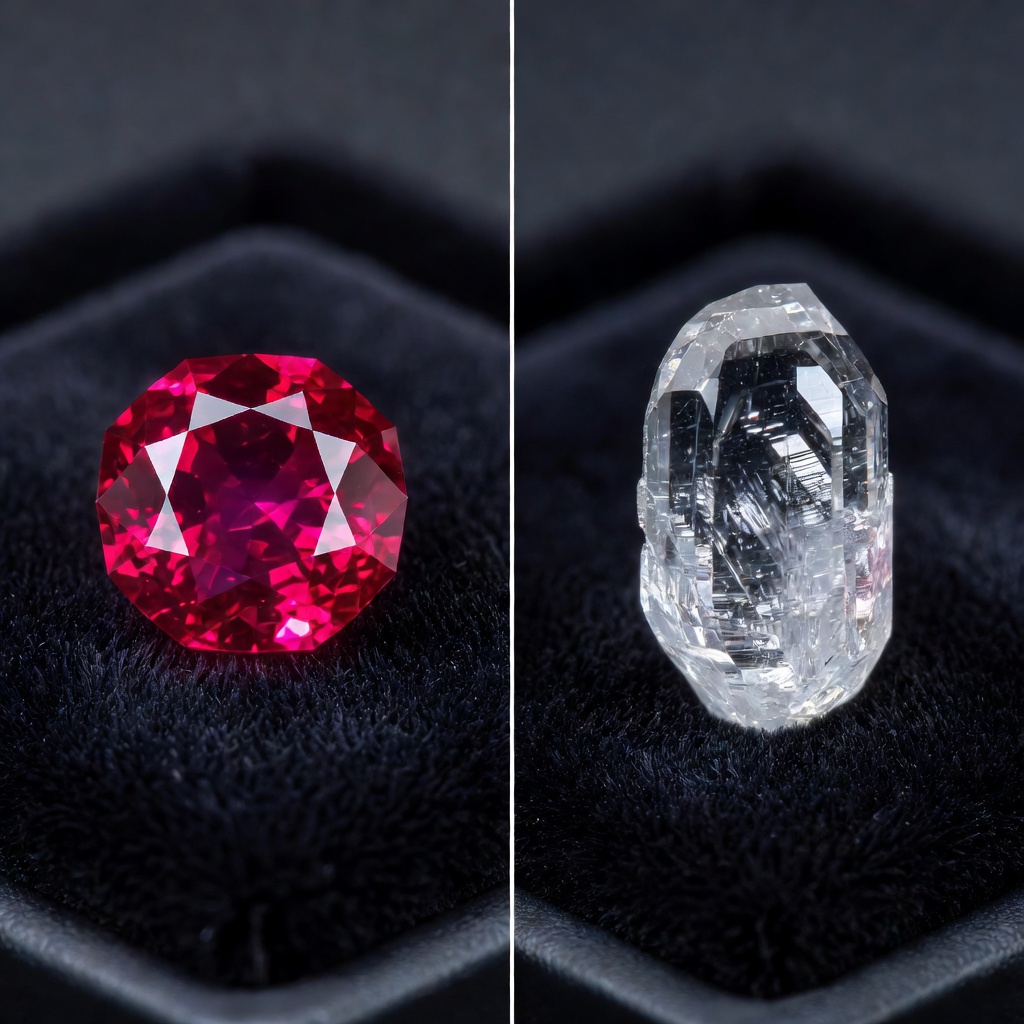
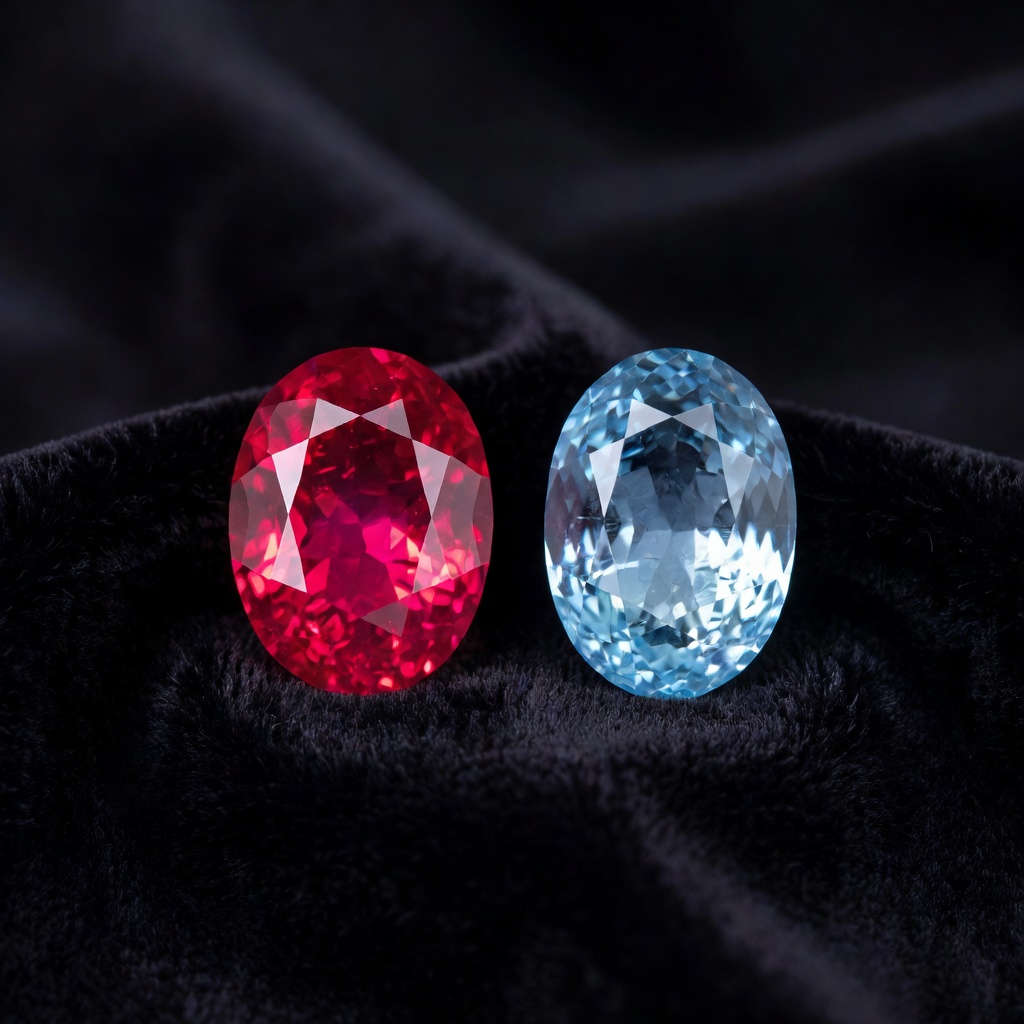
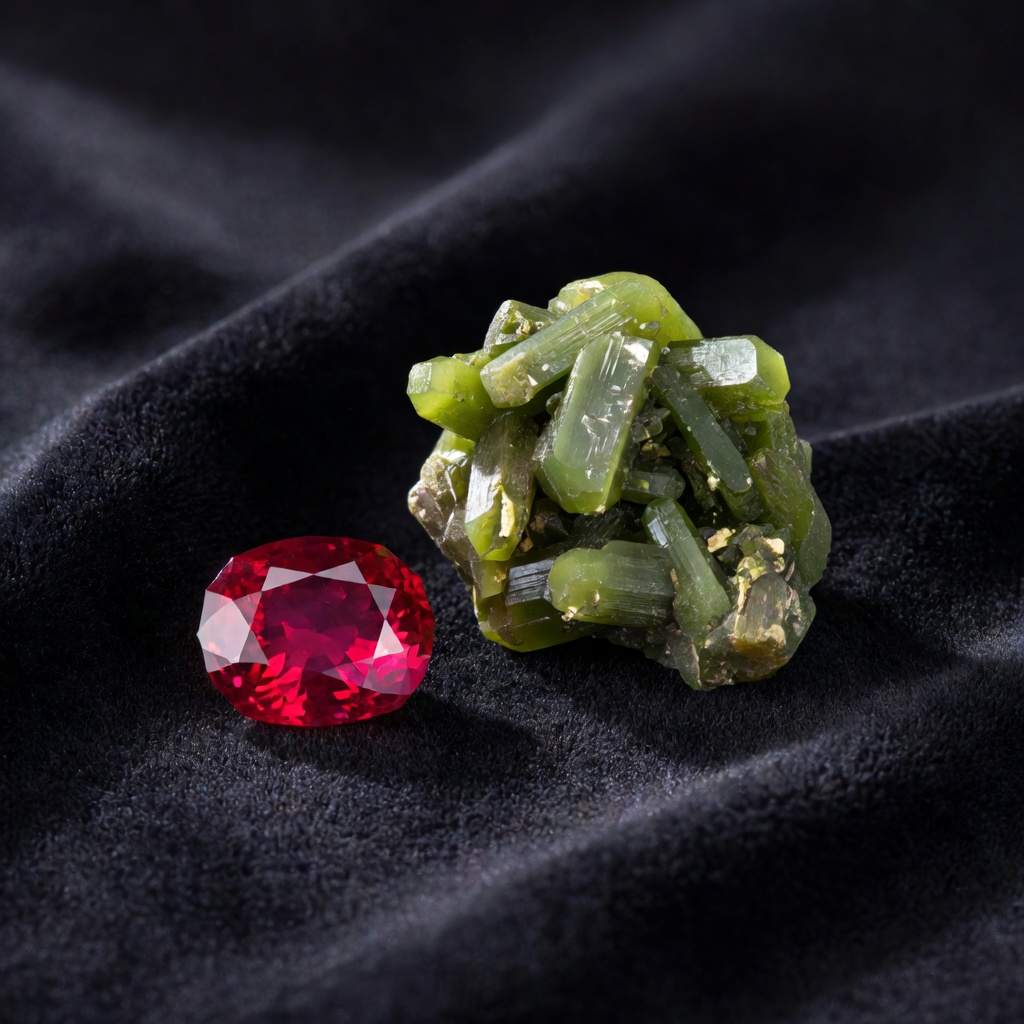
When exploring the captivating world of colored gemstones, the comparison between ruby and prasiolite presents a fascinating study in contrasts that spans chemistry, classification, and market dynamics. Ruby represents the pinnacle of precious gemstones as a variety of corundum composed primarily of aluminum oxide, while prasiolite belongs to the quartz family with a silicon dioxide composition that places it in the semi-precious category. This fundamental distinction creates a dramatic divergence in hardness, rarity, and value that every informed buyer must understand before making a purchase decision.
The classification of precious vs semi-precious stones has evolved significantly over centuries, with ruby maintaining its status as one of the "big four" alongside diamond, sapphire, and emerald. Prasiolite, despite its stunning mint-green aesthetic, remains accessible to collectors and jewelry enthusiasts due to its abundant quartz origins and the fact that most specimens undergo heat treatment to achieve their distinctive color. Understanding these classifications helps buyers align their expectations with market realities, recognizing that while both stones offer beauty, they serve fundamentally different roles in jewelry collections.
Perhaps the most striking difference lies in their formation stories: rubies crystallize naturally under extreme geological conditions over millions of years, whereas prasiolite begins life as purple amethyst before laboratory or natural heat treatment transforms it into green quartz. This distinction affects not only pricing but also the metaphysical associations and collector interest surrounding each stone. When examining Ruby vs Prasiolite for your next jewelry acquisition, consider whether you seek the timeless investment-grade rarity of corundum or the accessible, transformative energy of treated quartz.
Geological Origins and Formation Processes
The geological journey of a ruby begins deep within the Earth's crust where aluminum-rich rocks encounter specific combinations of heat, pressure, and trace chromium elements that produce the iconic red hue. Primary deposits form in two distinct environments: marble-hosted deposits found in regions like Myanmar's Mogok Valley and Mozambique's Montepuez district, and basalt-related deposits common in Thailand and Cambodia. These formation processes require temperatures exceeding 800°C and immense pressure over geological timescales, explaining why natural rubies command such premium prices in the gemstone market.
In contrast, prasiolite owes its existence to human intervention or rare natural heating events that transform purple amethyst into green quartz through careful thermal processing. The heat treated amethyst undergoes controlled heating between 250-450°C, which alters the oxidation states of iron impurities within the crystal structure, shifting the color from purple to the distinctive yellowish-green or mint tones prized by jewelry designers. Brazilian mines dominate the prasiolite market, particularly in the Rio Grande do Sul region, where amethyst deposits provide the raw material for this transformation.
Ethical disclosure remains paramount when purchasing either gemstone, as treatment history significantly impacts valuation. Reputable dealers must disclose whether a ruby has undergone heat enhancement (standard and accepted) versus lead-glass filling (less durable), while prasiolite sellers should clearly state the heat-treated nature of the stone. When sourcing natural ruby sources, insist upon certificates from recognized laboratories like GIA or AGL that document origin and treatment status, ensuring your investment aligns with disclosed specifications and market standards.
Physical Properties and Durability Analysis
Durability considerations separate these gemstones most dramatically for practical jewelry applications, making the Mohs hardness comparison between ruby and prasiolite essential knowledge for wearers. Ruby ranks 9 on the Mohs hardness scale, placing it second only to diamond and making it exceptionally resistant to scratching from daily wear encounters with household dust (which contains silica at hardness 7). Prasiolite, ranking 7 on the same scale, matches the hardness of dust particles, meaning it can scratch over time with regular exposure, particularly in ring settings that experience frequent contact with hard surfaces.
Beyond surface hardness, toughness—the resistance to chipping and breaking—favors ruby due to its lack of cleavage planes, allowing it to withstand significant impact without fracturing. Prasiolite, while reasonably tough compared to more brittle gemstones like emerald or opal, still presents risks for chipping along crystal planes when subjected to sharp blows or temperature shocks. For active individuals or those seeking everyday engagement rings, red ruby properties offer superior security against the accidental impacts that occur during cooking, sports, or manual labor.
Case studies from jewelry repair shops consistently demonstrate that prasiolite rings require more frequent polishing and occasional re-cutting after years of daily wear, whereas ruby heirlooms often maintain their original faceting for generations. When selecting between these stones for specific jewelry types, consider that ruby excels in bracelets and rings subjected to mechanical stress, while prasiolite performs admirably in earrings and pendants that remain relatively protected from physical impact. This durability differential directly influences long-term ownership costs and the practicality of passing jewelry down as family heirlooms.
Color Characteristics and Visual Appeal
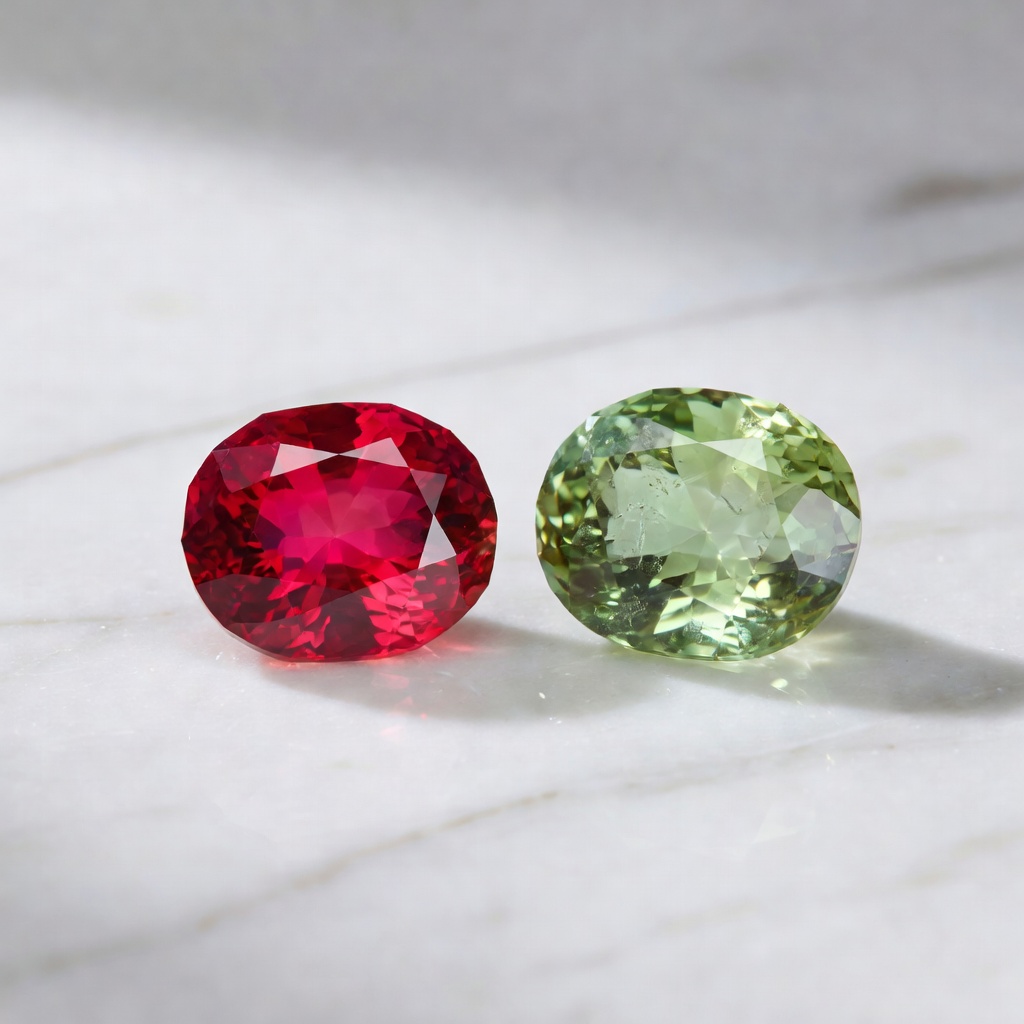
The visual language of these gemstones speaks through dramatically different color palettes that evoke distinct emotional responses and stylistic associations. Ruby presents a spectrum ranging from the coveted "pigeon blood" red—a vivid, pure red with subtle blue undertones exclusive to Myanmar specimens—to pinkish-red and orange-tinged varieties found in African deposits. The intensity of color in fine rubies results from chromium content and precise crystal lattice arrangements that absorb specific light wavelengths, creating the gem's characteristic fluorescence under daylight that seems to glow from within.
Prasiolite offers a cooler, more subdued aesthetic spanning mint green, olive green, and yellowish-green hues that complement modern minimalist jewelry designs. Unlike the consistently saturated color prized in rubies, green prasiolite meaning often associates with nature, growth, and renewal, making it particularly popular among younger demographics seeking alternatives to traditional gemstones. Clarity standards differ markedly between the two: while collectors accept included rubies as evidence of natural origin (provided inclusions don't compromise durability), prasiolite typically appears eye-clean with minimal visible inclusions due to the purifying effects of its heat treatment process.
Pleochroism—the display of different colors when viewed from different angles—affects both gemstones but manifests distinctly. Rubies may show orange-red or purplish-red depending on crystal orientation, requiring skilled cutters to align tables perpendicular to the c-axis for optimal color display. Prasiolite exhibits weaker pleochroism but demands similar attention to cut orientation to avoid yellowish windows or uneven color distribution. When examining either stone, rotate the gem under light to assess color consistency and pleochroic effects, ensuring the cut maximizes the stone's natural beauty rather than diminishing it through poor orientation.
Symbolism, Metaphysical Properties, and Cultural Significance
Throughout human history, rubies have maintained associations with power, protection, and passion that transcend cultural boundaries, earning recognition as the July birthstone ruby in modern Western traditions. Ancient Burmese warriors implanted rubies beneath their skin before battle, believing the stones rendered them invulnerable, while Hindu traditions classified ruby as the "king of precious stones" associated with the Sun and divine energy. These cultural narratives continue today, with ruby jewelry often marking 15th and 40th wedding anniversaries and serving as gifts expressing intense romantic devotion.
Prasiolite carries more contemporary metaphysical associations centered on transformation and heart chakra healing, reflecting its origin story of purple amethyst transformed through heat into green vitality. Crystal practitioners attribute green prasiolite meaning to prosperity manifestation, linking it to abundance and financial growth, while others emphasize its capacity to bridge the intellectual clarity of amethyst with the heart-centered compassion associated with green stones. Unlike ruby's aggressive protective energies, prasiolite offers gentler vibrations suited to meditation spaces and workplace environments where calming influence proves beneficial.
Astrological connections further differentiate these gems, with ruby traditionally associated with Leo and Capricorn zodiac signs, enhancing confidence and leadership qualities for those born under these constellations. Prasiolite resonates strongly with Scorpio, offering transformative energy that complements this sign's association with rebirth and regeneration. When selecting between these stones for personal wear or gifting, consider the recipient's birth month, zodiac sign, and personal spiritual practices, as these factors often influence the emotional connection and perceived value of the jewelry beyond its material worth.
Market Value, Pricing, and Investment Potential
The economic realities separating ruby from prasiolite create distinct market segments that cater to different buyer profiles and investment strategies. Fine untreated rubies command prices ranging from $1,000 per carat for commercial quality to over $100,000 per carat for exceptional Burmese specimens exceeding five carats with pigeon blood coloration. This pricing reflects genuine rarity, as less than one percent of mined rubies achieve gem quality without heat treatment, and large crystals remain extraordinarily scarce. Historical auction records, including the 2015 sale of the "Sunrise Ruby" for $30.3 million ($1.19 million per carat), demonstrate the investment-grade potential of top-tier rubies.
Prasiolite occupies the opposite end of the value spectrum, with prices typically ranging from $5 to $50 per carat depending on size, cut quality, and color saturation. This accessibility makes it an excellent entry point for collectors beginning their gemstone journey or fashion-conscious buyers seeking large statement pieces without substantial financial commitment. However, the gemstone buying guide principle of "buying the best you can afford" applies differently here; while investing in a high-quality ruby might appreciate significantly over decades, prasiolite should be purchased for immediate aesthetic pleasure rather than long-term financial return.
Heat treatment impacts valuation differently for each stone: in rubies, standard heat treatment that improves clarity and color is widely accepted and factored into pricing, whereas untreated specimens command premiums of 50-300% depending on quality. For prasiolite, the heat treatment is essentially universal and expected, meaning "untreated" prasiolite (extremely rare natural green quartz) carries little to no premium since the treatment is permanent and stable. When building a jewelry collection with investment intent, allocate budget toward certified, untreated rubies from reputable sources like Mozambique or Myanmar, while enjoying prasiolite for its decorative and spiritual qualities rather than portfolio diversification.
Jewelry Design Applications and Setting Recommendations
Practical jewelry design considerations must account for the distinct physical properties and value profiles of ruby versus prasiolite when creating wearable art. High-value rubies benefit from protective settings that secure the stone while maximizing light return; bezel settings offer excellent protection for daily wear, while halo designs amplify the visual impact of center stones through diamond accents. Prong settings, though popular for solitaire engagement rings, require careful maintenance when housing rubies to prevent snag-related loosening that could result in loss of valuable stones.
Prasiolite's affordability allows for more experimental cuts and settings that might prove prohibitively expensive with precious gemstones, including fantasy cuts, large cabochons, and intricate carvings. The gemstone buying guide for prasiolite suggests focusing on cut quality over carat weight, as skilled faceting can enhance the stone's natural brilliance and minimize the "window" effect common in lighter-colored quartz varieties. Fashion jewelry designers frequently pair prasiolite with amethyst in gradient designs that reference its purple origins, or set it in sterling silver for contemporary, affordable collections.
Metal selection significantly impacts the final aesthetic: yellow gold complements the warm red tones of ruby while referencing historical royal jewelry traditions, whereas white gold or platinum creates modern contrast that emphasizes the gem's vivid color. For prasiolite, white metals including silver, white gold, and platinum enhance the cool green tones, though rose gold offers an intriguing middle ground that softens the stone's appearance. When designing custom pieces, consider creating convertible jewelry—such as prasiolite pendants that detach from chains for use as brooches—maximizing versatility for stones that don't carry the security concerns of high-value rubies.
Care, Maintenance, and Longevity Considerations
Proper maintenance protocols differ significantly between these gemstones due to their varying hardness and sensitivity to environmental factors. Ruby's exceptional hardness makes it safe for ultrasonic cleaning in most cases, though stones with significant fractures or glass-filled cavities should avoid this method to prevent structural damage. Steam cleaning remains generally safe for natural rubies, though sudden temperature changes should be avoided to prevent thermal shock. For routine home care, warm soapy water with a soft brush effectively removes accumulated oils and debris without risking damage to the stone or setting.
Prasiolite requires more cautious handling due to its photosensitivity and relative softness compared to corundum. Prolonged exposure to direct sunlight or high heat sources can cause fading or color reversal toward its original purple amethyst state, necessitating storage in jewelry boxes away from windows and careful avoidance of tanning beds or saunas while wearing prasiolite pieces. Prasiolite care tips include removing rings before applying lotions or perfumes, as these can accumulate in facet junctions and require professional cleaning to restore brilliance.
Establishing regular maintenance schedules extends the lifespan of both gemstone types: inspect prong settings every six months for loose stones, particularly in ruby jewelry where replacement costs prove substantial, and have professional jewelers polish prasiolite annually to remove surface scratches that inevitably accumulate with wear. Consider purchasing separate insurance riders for high-value ruby pieces, documenting them with professional appraisals and photographs, while maintaining simpler care records for prasiolite collections. These preventive measures ensure that whether you own investment-grade rubies or fashionable prasiolite, your jewelry remains beautiful and secure for years of enjoyment.
Making Your Final Decision: Lifestyle and Budget Factors
Selecting between ruby and prasiolite ultimately requires honest assessment of your lifestyle, budget parameters, and jewelry wearing habits. Active professionals who use their hands frequently—such as healthcare workers, chefs, or construction professionals—should prioritize ruby for rings and bracelets due to its superior durability, while reserving prasiolite for earrings and necklaces that encounter less physical trauma. Budget allocation strategies suggest investing 70-80% of your gemstone budget into a signature ruby piece that serves as a family heirloom, while using prasiolite for trend-driven fashion jewelry that allows seasonal updates without financial strain.
Color psychology plays a significant role in satisfaction with your selection: rubies project confidence, authority, and romantic intensity, making them appropriate for leadership positions, formal occasions, and milestone celebrations. Prasiolite offers calming, approachable energy suitable for creative workplaces, casual social gatherings, and daily wear scenarios where subtle elegance proves more versatile than statement luxury. Consider your existing wardrobe palette—ruby pairs magnificently with black, navy, and gold tones, while prasiolite complements gray, white, and silver aesthetics prevalent in contemporary fashion.
Gifting considerations further differentiate these choices: a July birthstone ruby makes an unforgettable 40th anniversary gift or push present marking the birth of a child in July, carrying emotional weight that transcends its material value. Prasiolite serves beautifully as a "just because" gift or graduation present symbolizing transformation and new beginnings, particularly appropriate for young adults building their first professional wardrobes. When making your final decision, prioritize the stone that resonates with your personal narrative and practical needs rather than following trends, ensuring your jewelry remains a cherished possession rather than a maintenance burden.
Ruby vs Prasiolite: Comprehensive Comparison
| Characteristic | Ruby | Prasiolite |
|---|---|---|
| Chemical Composition | Aluminum Oxide (Corundum) | Silicon Dioxide (Quartz) |
| Mohs Hardness | 9 (Excellent for daily wear) | 7 (Suitable for occasional wear) |
| Classification | Precious Gemstone | Semi-Precious Gemstone |
| Primary Origin | Myanmar, Mozambique, Thailand | Brazil (heat-treated amethyst) |
| Color Range | Pigeon blood red to pinkish-red | Mint green to olive green |
| Price per Carat | $1,000 - $100,000+ | $5 - $50 |
| Treatment Status | Often heat-treated (disclosed) | Almost always heat-treated |
| Durability for Rings | Excellent (generational wear) | Fair (requires protective settings) |
| Best Metal Pairing | Yellow gold, Platinum | Sterling silver, White gold |
| Investment Potential | High appreciation potential | Minimal (purchase for enjoyment) |
Conclusion: Selecting Your Perfect Gemstone
The journey through Ruby vs Prasiolite reveals two gemstones that, despite their shared popularity in jewelry design, serve distinctly different purposes for collectors and wearers. Ruby stands as the choice for those seeking legacy pieces, investment-grade rarity, and the unmatched durability required for daily wear across generations. Its status among precious vs semi-precious stones reflects not merely geological rarity but centuries of cultural significance that continue to drive demand among discerning buyers worldwide.
Prasiolite offers an accessible entry into fine jewelry collecting, providing the beauty of colored gemstones without the anxiety of substantial financial investment or excessive maintenance concerns. Its heat treated amethyst origins create a sustainable, abundant supply that allows for creative jewelry design and personal expression without the constraints of extreme rarity pricing. When examining either stone in person, prioritize certification from recognized laboratories like GIA or AGL for rubies, verifying origin and treatment status, while ensuring prasiolite purchases come from reputable dealers who disclose treatment history transparently.
Ultimately, the ideal buyer profile for ruby includes those planning significant life events, building generational wealth through tangible assets, or seeking the July birthstone's passionate energy. Prasiolite suits fashion-forward individuals, spiritual practitioners drawn to its transformative properties, or budget-conscious buyers desiring large, eye-catching stones. Whichever path you choose, insist upon ethical sourcing practices, secure appropriate insurance for high-value rubies, and select settings that honor each stone's unique physical properties. By aligning your selection with your lifestyle needs, budget realities, and aesthetic preferences, you ensure that your gemstone jewelry brings lasting joy rather than unexpected complications.
Frequently Asked Questions
What is the main difference between ruby and prasiolite?
The primary difference is that ruby is a precious gemstone made of corundum (aluminum oxide) with a hardness of 9 on the Mohs scale, while prasiolite is a semi-precious variety of quartz (silicon dioxide) with a hardness of 7. Rubies are naturally formed under extreme geological conditions, whereas prasiolite is typically created by heat-treating purple amethyst to achieve its green color. This distinction affects their durability, value, and rarity significantly.
Is prasiolite more durable than ruby?
No, ruby is significantly more durable than prasiolite. Ruby ranks 9 on the Mohs hardness scale, making it second only to diamond and suitable for daily wear in engagement rings. Prasiolite ranks 7 on the Mohs scale, making it susceptible to scratching and chipping with daily wear. While prasiolite is suitable for earrings and pendants, rubies are better choices for rings and bracelets that experience frequent impact.
Why is ruby so much more expensive than prasiolite?
Ruby commands higher prices due to its rarity, status as one of the 'big four' precious gemstones, and exceptional hardness. High-quality untreated rubies are extremely rare, especially those over one carat with vivid red color. Prasiolite, being a treated form of abundant quartz, is readily available and easily produced. While fine rubies can cost thousands per carat, prasiolite typically ranges from $5-$50 per carat depending on size and quality.
Can prasiolite fade in sunlight like amethyst?
Yes, prasiolite can fade when exposed to prolonged direct sunlight or high heat, though it is generally more stable than its purple counterpart amethyst. The heat treatment that creates prasiolite from amethyst can reverse or alter if the stone is exposed to temperatures above 200°C or intense UV light over time. To preserve its color, store prasiolite jewelry away from windows and avoid wearing it during extended sun exposure.
Which is better for an engagement ring: ruby or prasiolite?
Ruby is generally the better choice for engagement rings due to its superior hardness (9 vs 7), excellent toughness, and resistance to scratching from daily wear. While prasiolite offers an affordable green alternative, its softer nature makes it prone to surface scratches and chips over decades of daily wear. If choosing prasiolite for an engagement ring, select a protective setting like a bezel and reserve it for occasional wear or less active lifestyles.
Is prasiolite a natural gemstone or treated?
Natural prasiolite is extremely rare; almost all prasiolite on the market is heat-treated amethyst. The treatment involves heating purple amethyst to temperatures between 250-450°C, which alters the iron impurities to produce the characteristic green color. This treatment is permanent and stable under normal conditions, but it should always be disclosed by sellers. Naturally occurring green quartz (prasiolite) without heat treatment is found in limited locations but is virtually indistinguishable from treated material.
What metals work best with ruby vs prasiolite jewelry?
Rubies traditionally pair beautifully with yellow gold, which complements their warm red tones and reflects historical royal jewelry designs, though white gold and platinum offer modern contrast. Prasiolite typically looks stunning in white metals like sterling silver, white gold, or platinum, which enhance its cool green tones. Rose gold can work with both, offering a contemporary middle ground that softens ruby's intensity or warms prasiolite's cool green.
How can I tell if my ruby or prasiolite is real?
For rubies, look for natural inclusions (fingerprints, needles, or crystals) under magnification, check for double refraction using a dichroscope (rubies show two colors), and verify certification from GIA or AGL. Glass imitations will show gas bubbles and single refraction. For prasiolite, check for natural inclusions typical of quartz, verify it doesn't scratch easily with a steel knife (hardness 7), and ensure the color is consistent throughout. Professional gemological testing is recommended for high-value purchases.