Introduction to Ruby vs Pietersite
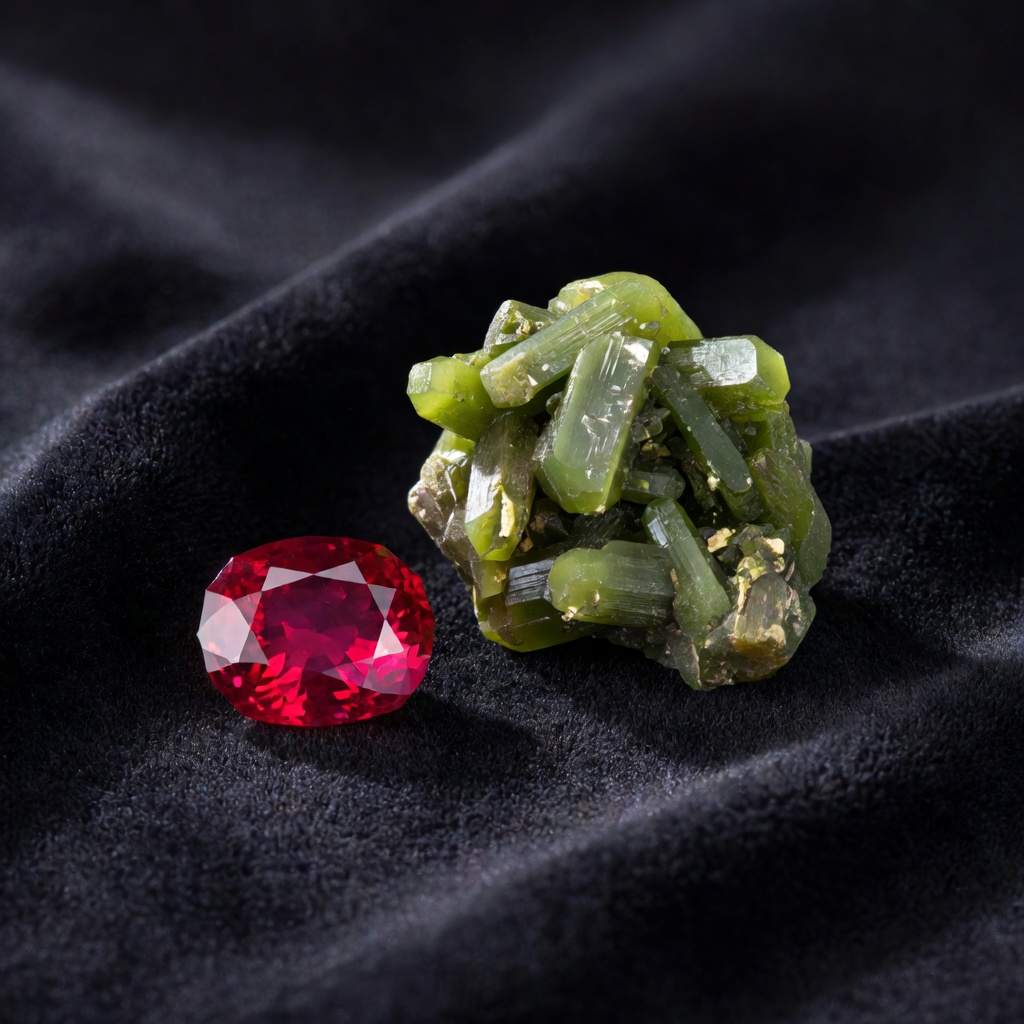
When collectors and jewelry enthusiasts explore the fascinating world of colored gemstones, the comparison between Ruby vs Pietersite often emerges as a compelling study in geological contrasts and aesthetic diversity. These two remarkable stones represent entirely different mineral species with distinct chemical compositions, yet both captivate admirers with their intense colors and unique optical characteristics that command attention in any jewelry collection. Ruby, a variety of red corundum gemstone, has reigned supreme as the "King of Gems" for millennia, prized by ancient royalty and modern collectors alike for its deep crimson fire and exceptional durability. In stark contrast, Pietersite, discovered in 1962 by Sid Pieters in Namibia, carries the evocative nickname referencing its tempest stone properties, displaying turbulent, storm-like patterns that seem to capture lightning within crystalline structure.
Despite their vastly different geological origins and market positions, jewelry enthusiasts frequently compare these stones when seeking bold, statement-making centerpieces that deviate from traditional diamond selections. While ruby offers timeless elegance and investment-grade prestige, pietersite provides an accessible entry into rare, chatoyant beauty that appeals to those drawn to organic, nature-inspired aesthetics. Understanding the fundamental differences between these gems—from formation processes to daily wear practicalities—enables collectors to make informed decisions that align with their lifestyle needs, budget parameters, and personal style preferences.
Origins and Geological Formation
The Formation of Red Corundum Gemstone Deposits
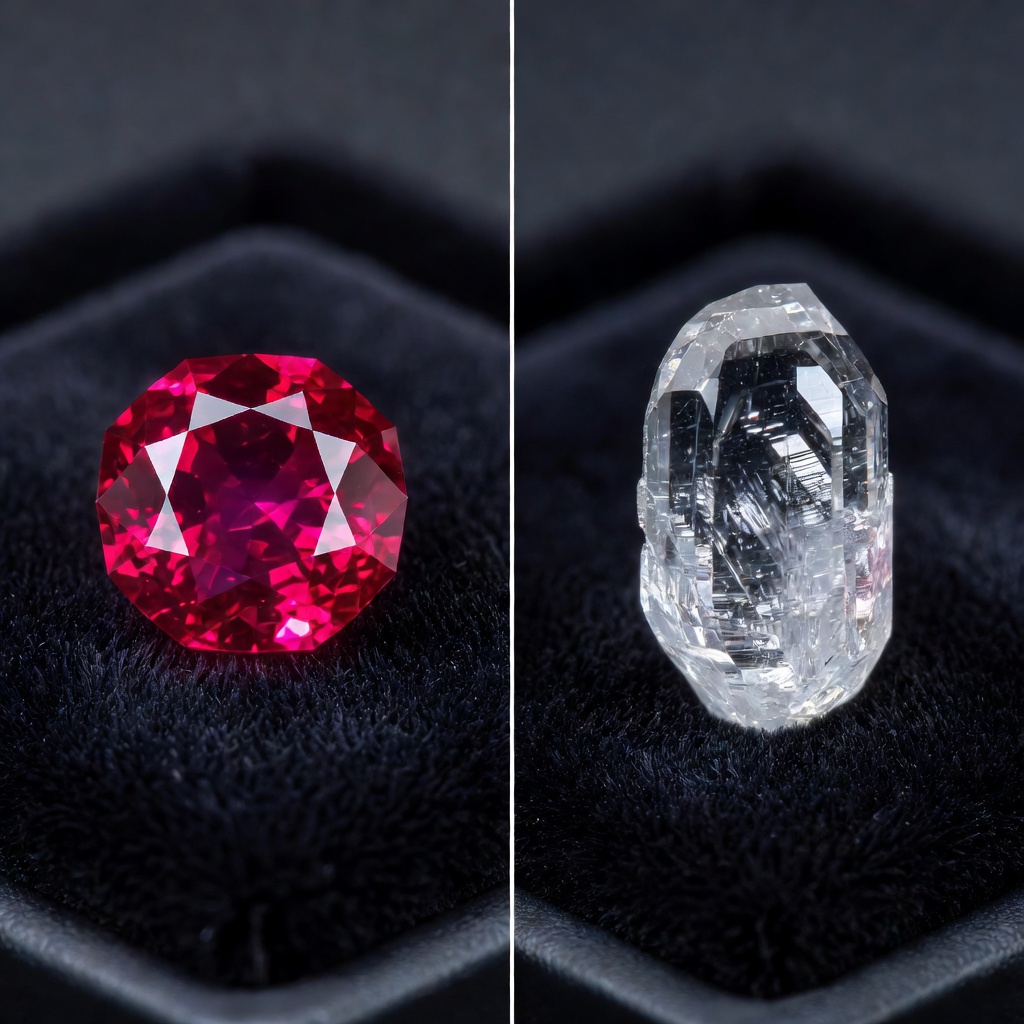
Rubies form through complex metamorphic processes occurring deep within the Earth's crust, typically developing in two distinct geological environments that influence their final characteristics and value. Marble-hosted deposits, most famously found in Myanmar's Mogok Valley, produce rubies with low iron content and exceptional fluorescence, resulting in the coveted "pigeon blood" red hue that commands premium prices at international auctions. Alternatively, basalt-related deposits in Mozambique, Madagascar, and Thailand create rubies with higher iron content, yielding stones with darker, more garnet-like tones that offer excellent value for jewelry applications despite lacking the neon glow of their Burmese counterparts.
The formation process requires specific conditions including the presence of aluminum oxide, chromium traces (which create the red color), and intense heat and pressure over millions of years. Mining operations in major ruby-producing regions range from traditional artisanal methods using basic tools to large-scale industrial operations, raising important ethical sourcing considerations regarding labor practices and environmental rehabilitation. Responsible collectors should seek stones accompanied by origin documentation and, when possible, certification from organizations promoting fair trade gemstone practices, particularly when purchasing Burmese material subject to international trade restrictions.
Discovering Tempest Stone Properties in Nature
Pietersite represents a fascinating geological rarity formed through the brecciation and folding of existing hawk's eye and tiger's eye deposits, creating the distinctive chatoyant tiger's eye phenomenon that appears to swirl like storm clouds across the stone's surface. Unlike standard tiger's eye, which displays linear chatoyancy, pietersite undergoes additional tectonic stress that shatters and re-cements the fibrous asbestos structures, resulting in multidirectional, tempestuous patterns unique to each specimen. The primary source for high-quality material remains Namibia, where the original discovery occurred, though Chinese deposits discovered later produce more abundant but generally less vividly colored material with predominant blue-gray rather than gold-blue combinations.
The extraction of pietersite requires careful artisanal mining techniques to preserve the delicate chatoyant structures that define the stone's value, as blasting or heavy machinery could fracture the fibrous inclusions responsible for its optical effects. Environmental considerations focus primarily on surface disturbance and dust management, as these deposits occur in relatively shallow, weathered zones rather than deep hard-rock mines. Collectors seeking the most valuable specimens should prioritize Namibian material, which typically displays richer golden flash against deep blue backgrounds, while Chinese pietersite offers affordable alternatives for those drawn to the stone's mystical appearance without investment-grade premiums.
Physical Properties and Durability
Mohs Hardness and Daily Wear Considerations
When evaluating gemstones for jewelry applications, understanding hardness and durability proves essential for predicting long-term performance and maintenance requirements. Ruby ranks 9 on the Mohs hardness scale, making it second only to diamond in scratch resistance and suitable for daily wear in engagement rings, bracelets, and other high-impact jewelry pieces that endure constant contact with hard surfaces. This exceptional hardness stems from the strong trigonal crystal structure of corundum, allowing ruby to maintain its polish and facet edges for generations even with minimal care, though the stone can still chip if struck against sharp edges or dropped on hard surfaces.
Pietersite presents a more moderate hardness rating of 6.5 to 7 on the Mohs scale, comparable to quartz and significantly softer than ruby, which influences its appropriate jewelry applications and care protocols. While suitable for pendants, earrings, and occasional-wear rings, pietersite requires protective settings and mindful wearing habits to prevent surface scratches from everyday encounters with household dust (which contains microscopic quartz particles), steel doorknobs, and other harder materials. Collectors should understand that while pietersite's hardness allows for cutting and polishing, its relative softness compared to precious gemstones necessitates more cautious handling to preserve the smooth surface necessary for optimal chatoyancy display.
Crystal Structure and Fracture Resistance
Beyond surface hardness, the internal crystal structure of these gemstones significantly impacts their toughness—the resistance to breaking, chipping, or cracking under impact. Ruby possesses a trigonal crystal system with no cleavage planes, meaning it does not split along predictable weak points, though it can exhibit conchoidal fractures when subjected to sharp blows; this structural integrity makes it ideal for intricate cutting styles including step cuts and sharp-cornered princess cuts that might compromise softer stones. The absence of cleavage combined with high hardness allows ruby to withstand the mechanical stresses of prong settings and daily wear without requiring excessive protective metalwork that might obscure the stone's beauty.
Pietersite belongs to the microcrystalline quartz family with a fibrous, aggregate structure composed of interlocking crocidolite fibers replaced by silica, creating unique durability characteristics distinct from both massive quartz and crystalline varieties. While the interlocking nature provides some resistance to breaking, the stone's fibrous structure can create planes of weakness where the chatoyant fibers meet at angles, potentially leading to chipping if struck along these natural junctions. Jewelry designers often recommend bezel settings or protective halo designs for pietersite rings to shield the edges from direct impact, whereas ruby settings can prioritize light return through elevated prong mountings that expose maximum surface area to illumination.
Color Variations and Visual Characteristics
The Spectrum of Red Corundum Gemstone
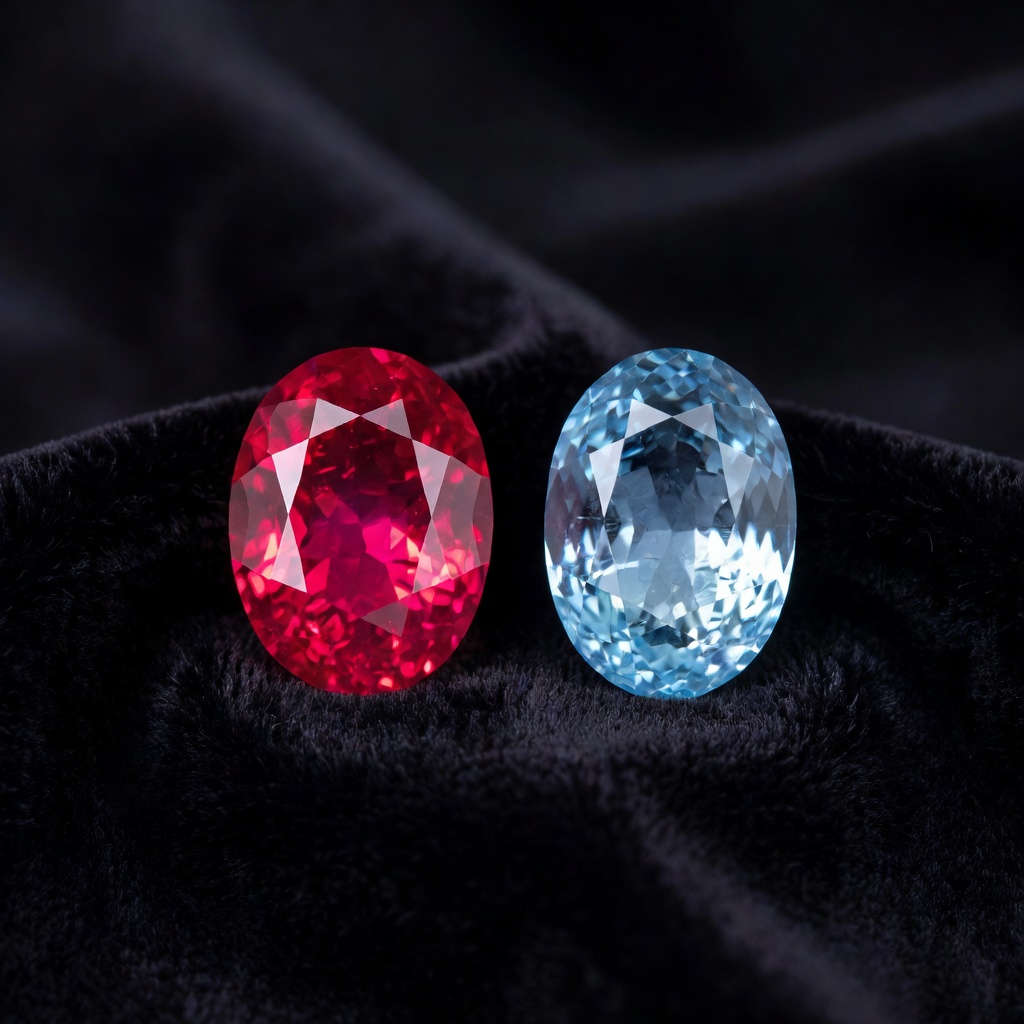
Ruby color evaluation follows strict gemological standards that distinguish true rubies from pink sapphires and determine value hierarchies within the red corundum category. The most prized specimens display "pigeon blood" red—a vivid, saturated pure red with a hint of blue that appears to glow from within due to chromium-induced fluorescence, particularly prized in stones from Myanmar's Mogok mines. Secondary hues ranging from orange-red (associated with Thai and Cambodian material) to purplish-red (common in African deposits) create diverse aesthetic options for collectors, with strong saturation and medium-dark tone generally commanding higher prices than lighter or overly dark specimens that appear brownish or black in low light.
Clarity standards for ruby differ significantly from those applied to diamonds, with the trade accepting certain inclusion types as evidence of natural origin and geographic provenance. Needle-like rutile inclusions, known as "silk," can create desirable asterism (star effects) when properly oriented, while also indicating that the stone has not been subjected to high-temperature heat treatment that dissolves these features. However, heavy inclusions that reduce transparency, create whitish clouds, or reach the surface (potentially compromising durability) significantly reduce value, making eye-clean rubies over one carat rare and expensive treasures that require careful examination under standardized lighting conditions.
Decoding Chatoyant Tiger's Eye Phenomena
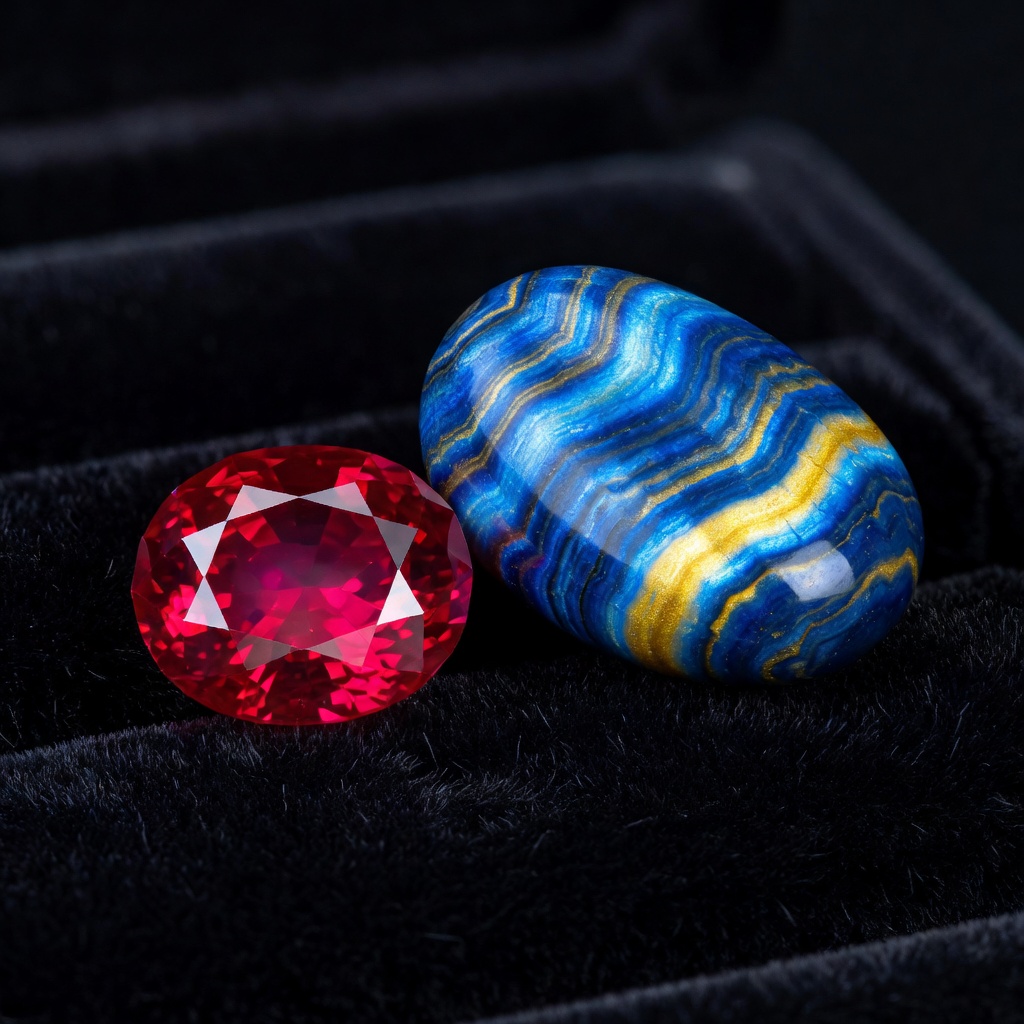
Pietersite distinguishes itself from all other gemstones through its remarkable chatoyancy—the optical phenomenon creating a luminous band of light that moves across the surface as the stone rotates, resembling the eye of a cat or, in pietersite's case, the shifting light of a stormy sky. Unlike standard tiger's eye that displays linear chatoyancy parallel to the fiber orientation, pietersite's chatoyant tiger's eye fibers have been shattered and re-cemented in multiple directions during formation, creating multidimensional flashes of gold, blue, and red that appear to swirl and lightning-bolt across the cabochon surface. This "tempest" effect proves most dramatic in high-domed cabochons cut to maximize the intersection of fibrous zones, with premium specimens displaying simultaneous blue and gold flashes from different viewing angles.
Color variations in pietersite range from dominant deep midnight blue (derived from crocidolite fibers) to rich golden brown (from oxidized tiger's eye components), with the rarest and most valuable material displaying bold contrasts between these hues within a single stone. Some specimens exhibit reddish or orange flashes where iron oxides have heavily influenced the replacement process, though pure red pietersite remains exceptionally rare and often commands prices approaching lower-grade precious gemstones. Unlike ruby, where transparency and clarity prove paramount, pietersite value depends entirely on the intensity and complexity of its chatoyant patterns, with opaque material often preferred if it displays dramatic storm-like optical effects that seem to move with a life of their own.
Value, Rarity, and Investment Potential
Market Analysis and Price Considerations
The financial landscape separating these gemstones reflects their distinct positions within the precious versus semi-precious hierarchy, with significant implications for collectors viewing purchases as long-term stores of value. Fine untreated Burmese rubies with pigeon blood coloration command prices ranging from $10,000 to over $100,000 per carat at auction, with record-breaking stones exceeding $1 million per carat, establishing ruby as a genuine alternative investment asset class alongside colored diamonds and emeralds. Even commercial-quality heated rubies from Mozambique or Madagascar typically range from $500 to $5,000 per carat depending on size and clarity, maintaining strong resale value through established auction houses and dealer networks.
Pietersite occupies a more accessible price bracket, with high-quality Namibian material featuring intense blue and gold chatoyancy ranging from $50 to $200 per carat for exceptional specimens, while Chinese material typically sells for $10 to $50 per carat depending on pattern complexity. While pietersite lacks the investment-grade liquidity and appreciation trajectory of fine ruby, rare large specimens (over 50 carats) with exceptional storm patterns have shown steady value increases as Namibian deposits become depleted, suggesting potential for specialized collector markets. Buyers should approach pietersite as a wearable art investment rather than a financial instrument, appreciating its aesthetic value while recognizing that liquidity and resale markets remain limited compared to established precious gemstones.
| Characteristic | Ruby (Red Corundum) | Pietersite (Tempest Stone) |
|---|---|---|
| Mohs Hardness | 9 (Excellent for daily wear) | 6.5-7 (Requires protective settings) |
| Primary Colors | Red to purplish-red (Pigeon blood most valued) | Blue, gold, brown with chatoyant flashes |
| Optical Phenomena | Pleochroism, asterism (star rubies) | Multidirectional chatoyancy (storm effect) |
| Price Range (per carat) | $500 - $100,000+ (untreated Burmese) | $10 - $200 (depending on origin and pattern) |
| Primary Sources | Myanmar, Mozambique, Madagascar | Namibia, China |
| Best Jewelry Use | Engagement rings, daily wear pieces | Pendants, earrings, occasional rings |
| Treatment Commonality | Often heat-treated (standard practice) | Rarely treated (natural color preferred) |
| Investment Liquidity | High (established auction markets) | Low (specialized collector markets) |
Long-term Investment Considerations
Investors considering gemstone investment portfolios should recognize that ruby offers established pathways to liquidity through major auction houses, certified dealer networks, and documented price appreciation histories spanning centuries of recorded sales. The rare blue gemstone market typically refers to sapphires, aquamarines, or paraiba tourmalines rather than pietersite, which remains categorized among collector stones rather than investment-grade assets, though exceptional Namibian specimens with documented provenance may appeal to niche mineral collectors. When acquiring ruby for investment purposes, prioritize untreated stones over one carat with GIA or SSEF certification verifying Burmese or high-quality Mozambique origin, as treated stones and small melee sizes rarely appreciate significantly regardless of beauty.
Pietersite collecting offers different rewards, focusing on aesthetic enjoyment and the satisfaction of owning a geological curiosity with limited global supply rather than financial returns. The closure of certain Namibian mining claims and increasing difficulty of exporting rough material suggests that fine pietersite may become progressively scarce, potentially supporting prices for top-tier specimens among dedicated collectors. However, unlike ruby, which benefits from standardized grading systems and international demand, pietersite valuation remains subjective, depending heavily on individual buyer appreciation for specific storm patterns and color combinations, making it unsuitable for investors seeking predictable returns or quick liquidation options.
Metaphysical Properties and Healing Benefits
Ruby as July Birthstone Alternative for Energy Work
As the traditional birthstone for July, ruby carries potent symbolic associations with vitality, passion, and life force energy that make it a powerful July birthstone alternative for those born under other months seeking its specific vibrational qualities. Crystal healers associate red corundum with the root chakra (Muladhara), believing it grounds spiritual energy into physical reality while stimulating the heart chakra to open emotional capacity and courageous love. Practitioners often recommend placing ruby directly on the skin over the heart during meditation to address lethargy, low motivation, or depression, as the stone's intense red frequency supposedly resonates with blood circulation and adrenal energy, providing natural stimulation without the crash associated with caffeine or artificial stimulants.
Historical texts from ancient India describe ruby as "ratnaraj" or king of gemstones, believed to protect warriors in battle by warning of danger through darkening color, while Medieval European royalty wore rubies to maintain health, wealth, and wisdom. Modern metaphysical practitioners create crystal grids combining ruby with clear quartz and carnelian to manifest career ambitions and romantic partnerships, leveraging the stone's reputation for attracting abundance and maintaining energy levels during demanding projects. Those working with ruby should cleanse it regularly under running water or with sage smoke, as the stone supposedly absorbs negative energies directed toward the wearer, potentially clouding its brilliance if maintenance is neglected.
Harnessing Tempest Stone Properties for Transformation
Pietersite earns its designation as the tempest stone properties carrier through associations with transformation, storm energy, and the "dark night of the soul" experiences that precede profound spiritual breakthroughs. Unlike ruby's grounding fire, pietersite connects primarily with the third eye and solar plexus chakras, believed to enhance clairvoyance, precognition, and the ability to navigate chaotic life changes with intuition rather than logic. Meditators often use pietersite to access the "akashic records" or collective unconscious, with the stone's swirling patterns serving as focal points for vision quests and shamanic journeying, particularly when seeking answers during periods of uncertainty or major life transitions.
The stone's chatoyant flashes are interpreted as lightning strikes of insight, making it valuable for therapists, counselors, and spiritual coaches working with clients undergoing rapid personal evolution. Crystal healing layouts often position pietersite at the third eye while placing grounding stones like hematite at the feet, creating an energetic conduit between higher guidance and physical reality. Unlike ruby, which builds energy over time, pietersite is often described as "disruptive" or "cleansing," potentially bringing hidden truths to surface awareness rapidly; practitioners recommend working with this stone during dedicated spiritual practices rather than wearing it continuously until accustomed to its intense vibrational frequency.
Jewelry Applications and Wearability
Protective Settings and Design Considerations
Practical jewelry design for these divergent gemstones requires distinctly different approaches to setting selection, metal choice, and wear scheduling based on their hardness differential and aesthetic characteristics. Ruby's exceptional durability allows for versatile setting styles including delicate four-prong solitaires that maximize light exposure, shared-prong eternity bands that withstand daily knocks against desks and countertops, and intricate vintage-inspired mountings with millegrain details that remain secure for decades. When designing ruby jewelry design pieces, jewelers can employ thin, elegant shanks and elevated gallery profiles that showcase the stone's brilliance without compromising structural integrity, making ruby ideal for engagement rings and heirloom pieces intended for daily wear across generations.
Pietersite demands more protective considerations, with bezel settings, partial bezels, or substantial halo designs recommended to shield the stone's edges from the chipping and scratching inevitable in ring applications. A pietersite pendant or pair of earrings actually showcases the stone's chatoyancy more effectively than rings, as these locations encounter less physical trauma while allowing observers to view the storm patterns at eye level rather than looking down at a hand. When set in rings for occasional wear, pietersite benefits from low-profile designs that nest the cabochon close to the finger, reducing the likelihood of catching the stone on clothing or door frames, with thick gauge metalwork providing additional shock absorption against accidental impacts.
Metal Pairings and Styling Applications
Color theory and aesthetic traditions inform optimal metal choices that enhance each gemstone's unique visual properties while accommodating different style sensibilities from classic elegance to bohemian expression. Ruby achieves maximum color saturation and warmth when set in yellow gold, which complements the red spectrum while providing a regal, vintage aesthetic favored in Indian bridal jewelry and Art Deco reproduction pieces; however, platinum and white gold settings offer modern contrast that makes the red appear more vivid through complementary color juxtaposition, particularly effective for Burmese stones with pinkish undertones. Rose gold creates a monochromatic, romantic effect with ruby that appeals to those seeking feminine, contemporary designs that soften the stone's traditional associations with power and authority.
Pietersite pairs exceptionally well with silver, white gold, and palladium, as cool white metals enhance the stone's blue flashes and stormy appearance without competing for attention, though yellow gold bezels can beautifully frame golden-hued specimens emphasizing the tiger's eye components. The stone's organic, asymmetrical patterns lend themselves to artisanal, hand-fabricated settings with textured metalwork, hammered finishes, and nature-inspired motifs like branches or waves that echo the tempestuous interior patterns. Styling recommendations suggest reserving ruby for formal occasions, business settings, and traditional elegance where its association with sophistication and luxury enhances professional or evening wear, while pietersite complements casual bohemian fashion, festival attire, and artistic expressions where its unique, one-of-a-kind patterns serve as conversation starters.
Care and Maintenance Requirements
Cleaning Protocols for Different Gemstone Types
Proper maintenance protocols differ significantly between these stones due to hardness variations, inclusion patterns, and sensitivity to thermal shock or chemical exposure. Ruby's durability permits ultrasonic cleaning in professional jewelry stores, steam cleaning to remove accumulated lotions and oils, and scrubbing with soft brushes and mild detergent solutions without risking surface damage, though stones with heavy inclusions or fractures should avoid ultrasonic vibrations that might exacerbate internal weaknesses. Home care for ruby jewelry involves simple soaking in warm water with gentle dish soap followed by drying with a lint-free cloth, with the stone's hardness resisting scratches from standard jewelry polishing cloths that might damage softer gems.
Pietersite requires considerably gentler handling, with strict prohibition against ultrasonic cleaners, steamers, or chemical dips that could loosen the cementing between fibrous structures or alter the surface polish necessary for optimal chatoyancy display. Owners should clean gemstone care guide recommended procedures limited to lukewarm water with mild soap applied with a soft microfiber cloth or natural bristle brush, immediately drying to prevent water spots from dulling the chatoyant effect. Chemical exposure presents particular risks for pietersite, as household cleaners, chlorine from swimming pools, and even prolonged contact with acidic perspiration can etch the quartz surface over time, necessitating removal before cleaning, swimming, or engaging in strenuous exercise.
Storage Solutions and Professional Maintenance
Storage strategies must account for the significant hardness differential between these gemstones to prevent accidental damage when pieces reside in shared jewelry boxes or travel cases. Ruby can safely contact most other gemstones except diamonds and moissanite, though storing ruby pieces separately prevents them from scratching softer jewelry items like gold, pearls, or opals that might share compartment space. Pietersite requires isolated storage in individual cloth pouches or lined compartments, as its 6.5-7 hardness makes it vulnerable to scratching from common jewelry box inhabitants including amethyst, tourmaline, and even household dust particles that settle on surfaces.
Professional maintenance schedules should include annual inspections for ruby jewelry to check prong tightness and ensure the stone remains secure, particularly for rings worn daily that experience micro-impacts that might loosen settings over time. Pietersite pieces benefit from professional repolishing every few years if worn regularly, as surface scratches eventually dull the chatoyant effect that defines the stone's beauty, with lapidaries specializing in cabochon stones able to restore the dome and polish without significantly reducing carat weight. Extreme heat exposure poses risks for both stones—ruby may undergo unwanted color changes if subjected to jeweler's torch heat during sizing, while pietersite can fracture due to thermal shock—requiring that repairs be performed by jewelers experienced with colored gemstones who use protective heat sinks and laser welding techniques.
How to Choose Between Ruby and Pietersite
Lifestyle Assessment and Personal Preferences
Selecting between Ruby vs Pietersite ultimately requires honest evaluation of lifestyle factors, aesthetic preferences, and intended use cases rather than simply comparing objective quality metrics. Active individuals with hands-on careers, sports enthusiasts, or those seeking an engagement ring or daily wear wedding band should prioritize ruby for its durability and timeless symbolism, accepting the higher price point as payment for longevity and traditional prestige. Conversely, those with extensive jewelry collections who rotate pieces regularly, artists and creative professionals seeking unique signature accessories, or spiritual practitioners drawn to tempest stone properties may find pietersite perfectly suited to occasional wear and meditation practices despite its relative softness.
Budget considerations play crucial roles in decision-making, with ruby requiring significant investment for eye-clean, vividly colored specimens while pietersite offers dramatic visual impact at accessible price points suitable for emerging collectors. Aesthetic preferences between classic and contemporary styles heavily influence selection: ruby satisfies those drawn to royal traditions, Valentine's Day romance, and the psychology of red as a power color, while pietersite appeals to individuals who value uniqueness, geological oddities, and the metaphysical associations with transformation and storm energy. Consider also the recipient's existing jewelry collection—those with extensive diamond and sapphire pieces might appreciate ruby's compatibility, while those favoring artisan silver and organic designs might never wear a formal ruby piece despite its objective value.
Frequently Asked Questions
Is Pietersite as valuable as Ruby?
No, rubies are precious gemstones that typically command significantly higher prices, especially Burmese pigeon blood varieties that can cost thousands per carat. Pietersite is considered a semi-precious stone, though high-quality Namibian specimens with intense chatoyancy can be valuable among collectors, generally ranging from $10-$100 per carat depending on quality.
Can I wear Pietersite every day like Ruby?
Ruby is much better suited for daily wear due to its Mohs hardness of 9, making it extremely scratch-resistant. Pietersite, ranking 6.5-7 on the Mohs scale, is softer and more prone to scratching and chipping. If worn daily, pietersite requires protective settings like bezels and should be removed during physical activities, whereas ruby can withstand daily wear with minimal concern.
Which gemstone is better for an engagement ring, Ruby or Pietersite?
Ruby is the superior choice for engagement rings due to its exceptional durability (9/10 hardness), timeless symbolism of eternal love, and ability to withstand daily wear for decades. Pietersite is better suited for occasional wear rings or pendant necklaces because of its relative softness and striking appearance that doesn't require constant exposure to potential impacts.
What causes Pietersite's storm-like appearance compared to Ruby's clarity?
Pietersite's storm-like chatoyancy results from fibrous crocidolite (blue asbestos) inclusions that have been partially replaced by quartz and folded during geological processes, creating swirling patterns of light. Ruby's appearance comes from chromium impurities in corundum causing red fluorescence, with clarity ranging from transparent to included, but lacking the fibrous cat's eye effect unless specifically cut as star rubies.
Are both Ruby and Pietersite typically treated or enhanced?
Most rubies on the market undergo heat treatment to improve color and clarity, which is an accepted industry standard that should be disclosed. Pietersite is rarely treated or enhanced because its natural chatoyancy and color are its main attractions, though some lower-grade material might be dyed. Always request certification for high-value rubies and origin disclosure for pietersite.
Which stone has stronger metaphysical properties?
Neither is objectively stronger; they serve different spiritual purposes. Ruby is associated with grounding life force energy, passion, courage, and physical vitality, making it ideal for those seeking motivation and heart-centered power. Pietersite is known as the 'Tempest Stone' for its ability to activate the third eye, enhance clairvoyance, and facilitate transformation through 'stormy' life changes. Choose based on your specific spiritual needs.
Is Ruby only red while Pietersite is only blue?
While true rubies are strictly red (pink corundum is classified as sapphire), they can range from orange-red to purplish-red. Pietersite actually occurs in multiple colors including dominant blue (from crocidolite), gold and brown (from tiger's eye), and rare red varieties. The most prized pietersite displays a mix of blue and gold 'storm' patterns.
Where should I buy authentic Ruby vs Pietersite?
Purchase rubies from certified gem dealers offering GIA or AGL certification that confirms origin and treatment status, with reputable sources being Burma (Myanmar), Mozambique, or Madagascar. For pietersite, seek reputable crystal shops or gemstone dealers who can verify whether the stone is Namibian (more valuable and rare) or Chinese (more common), and who provide detailed photographs showing the chatoyant effect.