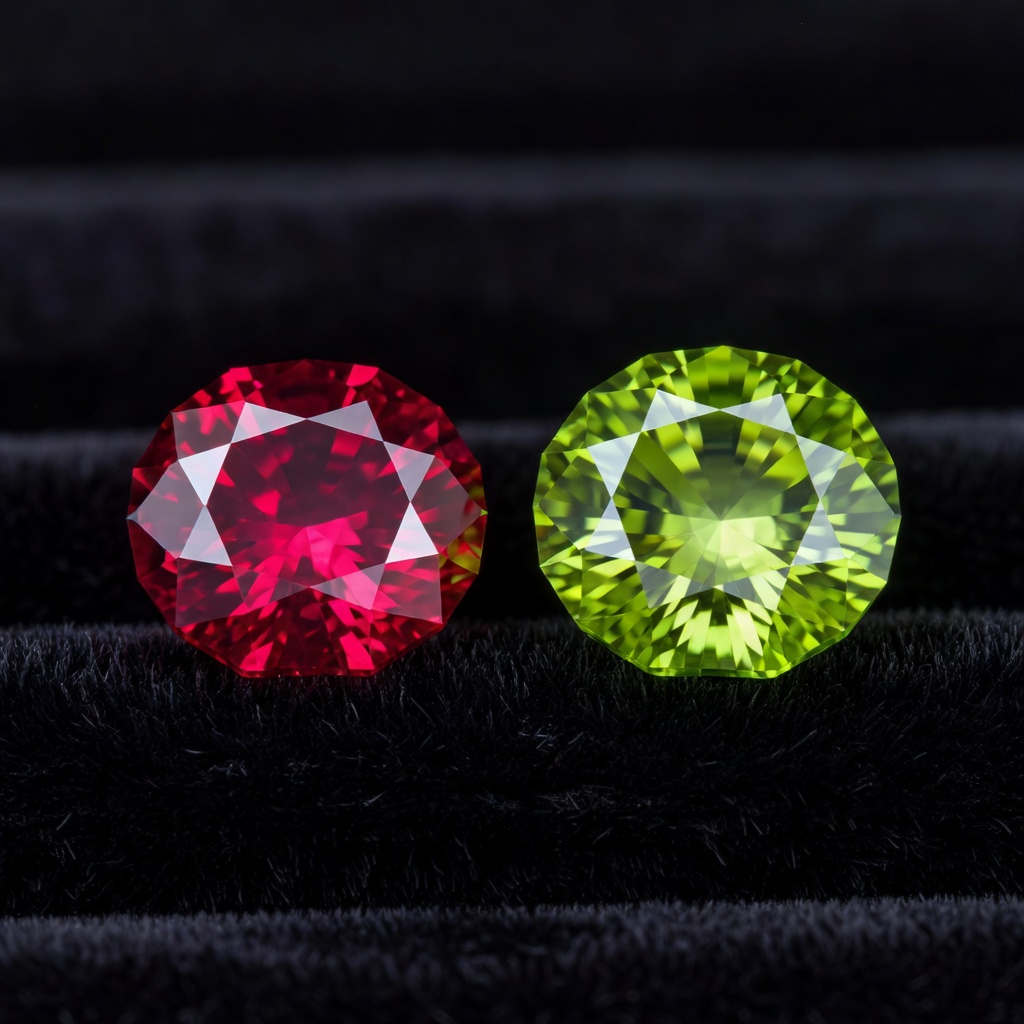
Introduction: Understanding the Ruby vs Peridot Debate
When selecting the perfect colored gemstone for jewelry, the Ruby vs Peridot comparison frequently emerges as a compelling choice for collectors and fashion enthusiasts alike. These two vibrant stones represent opposite ends of the color spectrum—fiery crimson and fresh lime green—yet share the distinction of being consecutive birthstones that have captivated human imagination for millennia. Whether you are drawn to the regal intensity of July's ruby or the verdant glow of August's peridot, understanding the fundamental differences between these gems will help you make an informed decision that aligns with your lifestyle, budget, and aesthetic preferences.
The Ruby vs Peridot comparison extends beyond mere color preference into the realm of mineralogy, durability, and investment potential. While ruby belongs to the corundum family and ranks among the "precious four" gemstones alongside diamond, emerald, and sapphire, peridot represents the olivine mineral group and occupies the semi-precious category. This distinction affects everything from daily wear practicality to long-term value retention, making it essential to evaluate factors such as hardness, clarity characteristics, and setting requirements before committing to a purchase.
Geological Origins: Corundum vs Olivine Formation
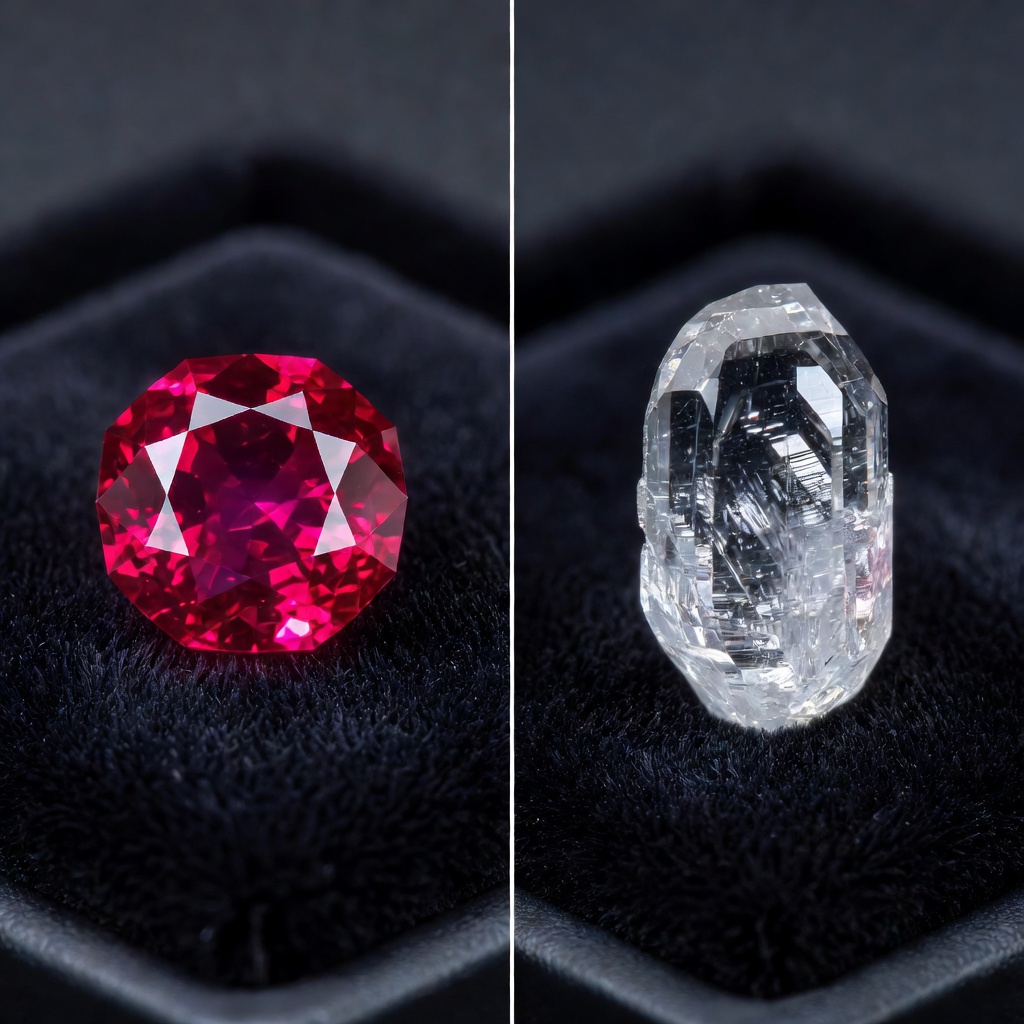
The fundamental differences between these gemstones begin deep within the Earth's crust, where distinct geological processes create corundum vs olivine formations under dramatically different conditions. Ruby crystallizes as aluminum oxide within metamorphic rocks, requiring extreme heat and pressure over millions of years to develop its characteristic red hue caused by chromium impurities. These formation conditions typically occur in marble or basalt environments, with the most prized specimens emerging from the Mogok Valley in Myanmar, where specific trace elements create the legendary pigeon blood red coloration that commands premium prices in international markets.
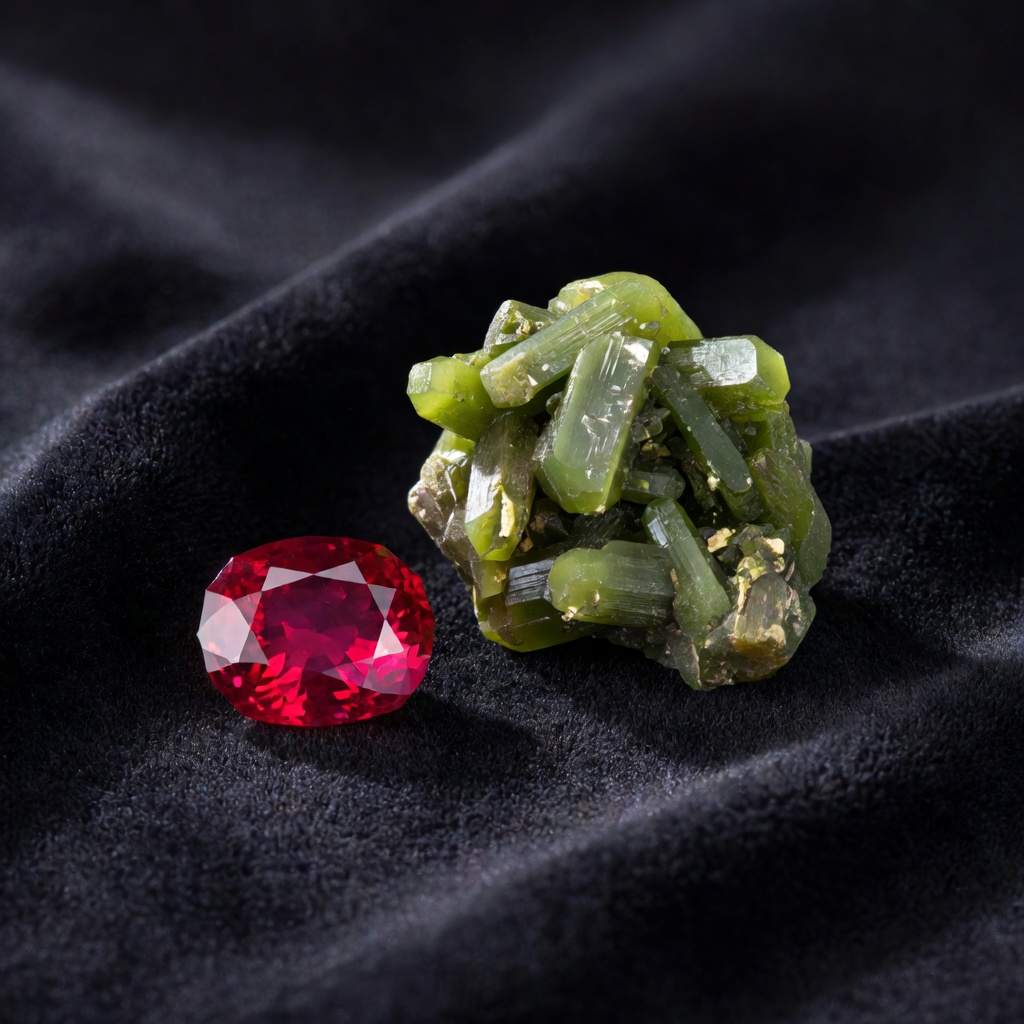
In contrast, peridot forms as magnesium iron silicate within volcanic environments and the upper mantle, often arriving at the surface through violent eruptions or tectonic activity that transports mantle rocks to the crust. Unlike ruby, which requires specific metamorphic conditions, peridot crystallizes in molten rock and exhibits a more consistent chemical composition across different global deposits. Primary mining locations include the San Carlos Reservation in Arizona, where Native American miners extract gem-quality stones from ancient lava flows, as well as the remote mountains of Pakistan and the Hawaiian islands, where olivine-rich basalt creates the "Hawaiian Diamond" deposits.
The crystal structure differences between corundum vs olivine significantly impact how lapidaries approach cutting and polishing these materials. Ruby's trigonal crystal system creates exceptional hardness and directional toughness, allowing cutters to fashion complex faceted designs that maximize brilliance. Peridot's orthorhombic crystal structure, while allowing for beautiful transparency, contains distinct cleavage planes that require careful orientation during cutting to prevent chipping or breakage, particularly when creating sharp facet junctions in jewelry designs.
Physical Properties and Durability Comparison
Understanding the gemstone hardness comparison between these two stones proves crucial when evaluating their suitability for different jewelry applications and wear patterns. Ruby ranks 9 on the Mohs hardness scale, making it second only to diamond in terms of scratch resistance and ideal for daily wear in engagement rings, bracelets, and other pieces subject to frequent impact. This exceptional hardness stems from the strong aluminum-oxygen bonds in corundum's crystal lattice, which resist abrasion from dust particles and everyday contact with hard surfaces.
Peridot durability presents more moderate characteristics, ranking 6.5 to 7 on the Mohs scale, which places it in a category similar to quartz and significantly softer than ruby. While this hardness level suffices for occasional wear, peridot exhibits poor toughness due to its distinct cleavage planes and sensitivity to thermal shock, meaning sudden temperature changes can cause internal fracturing. For active individuals or those seeking heirloom-quality pieces, ruby hardness provides peace of mind, whereas peridot requires protective settings and mindful wear patterns to prevent damage from household chemicals, sudden impacts, or abrasive surfaces.
When considering daily wear suitability, ruby emerges as the clear choice for rings and bracelets that encounter frequent contact with hard surfaces, while peridot performs better in pendants, earrings, and brooches that experience minimal physical stress. Practical testing reveals that peridot can develop surface scratches within months of daily ring wear, particularly along facet junctions, while ruby maintains its polish for decades even under rigorous conditions. This durability differential explains why vintage ruby jewelry often survives in excellent condition after a century of wear, whereas antique peridot pieces frequently show significant abrasion or require replacement stones.
Ruby vs Peridot: Detailed Comparison
| Characteristic | Ruby (Corundum) | Peridot (Olivine) |
|---|---|---|
| Mohs Hardness | 9 (Excellent) | 6.5-7 (Moderate) |
| Toughness | Very Good to Excellent | Fair to Good |
| Primary Color | Red to Pinkish-Red | Yellowish-Green to Olive |
| Price Range (per carat) | $1,000 - $100,000+ | $50 - $500 |
| Best Jewelry Use | Rings, Bracelets, Daily Wear | Earrings, Pendants, Occasional Wear |
| Heat Sensitivity | Highly Resistant | Sensitive to Thermal Shock |
| Common Inclusions | Rutile Needles (Silk) | Lily Pad Inclusions |
| Treatment | Often Heat Treated | Generally Untreated |
Color Spectrum: Pigeon Blood Red vs Lime Green
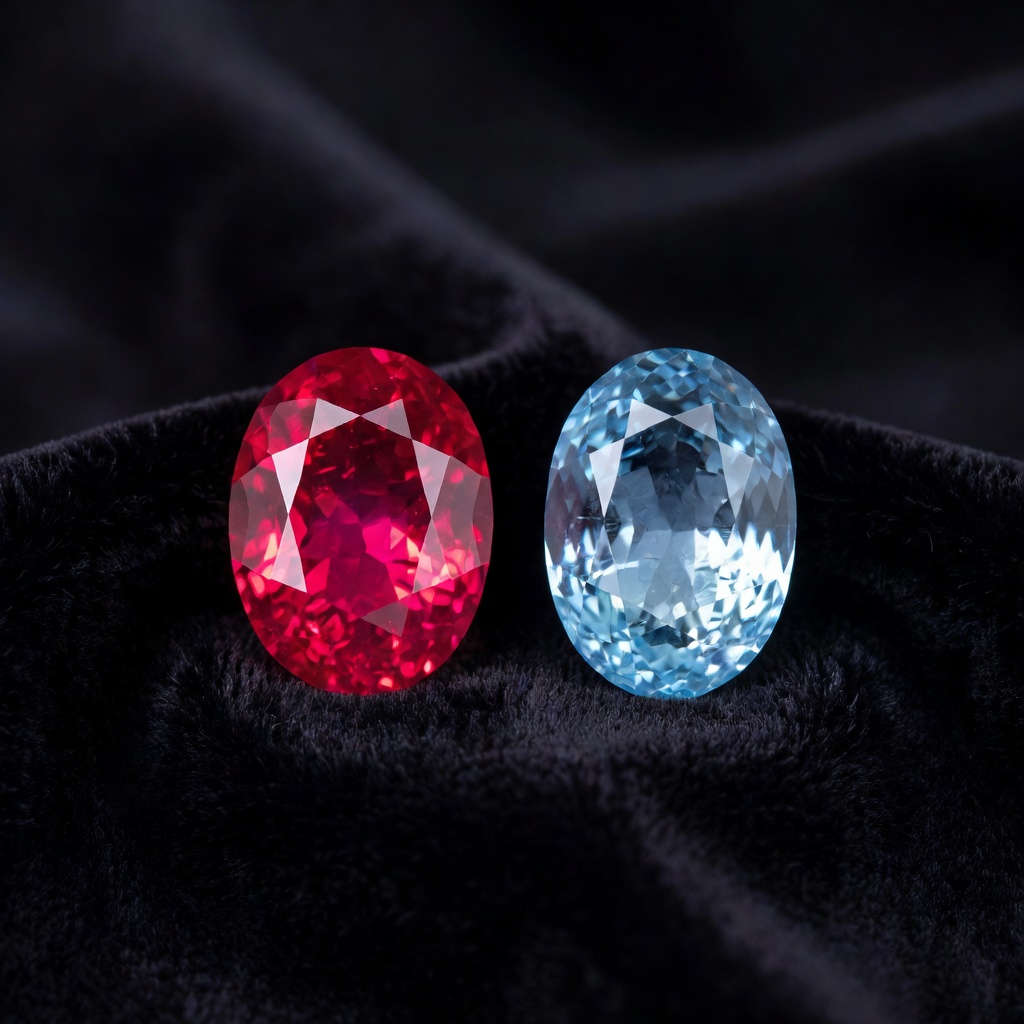
The visual distinction between these gemstones represents one of the most striking contrasts in the gem world, with pigeon blood ruby value reaching extraordinary heights for stones displaying the coveted pure red with blue undertones. Gemological laboratories use precise color grading systems to evaluate rubies, with the finest specimens exhibiting vivid saturation, medium to medium-dark tone, and the specific "pigeon blood" designation reserved for stones from Myanmar that show strong fluorescence and a distinctive crimson hue without brown or orange modifiers. Lesser qualities may display pinkish-red or purplish-red tones, which, while attractive, command significantly lower prices than the top-tier color grades.
Peridot green shades range from yellowish-green and olive to brownish-green, with the most valuable specimens displaying a pure lime green without yellow or brown undertones. Unlike ruby, which often requires heat treatment to enhance color and clarity, peridot typically enters the market in its natural state, as the gem's color derives from iron content within the crystal structure and generally resists enhancement attempts. However, peridot's color can appear oily or sleepy in larger specimens, and the finest Pakistani peridots from the Suppatt region display an intense grassy green that rivals emeralds in vibrancy while maintaining superior transparency.
Clarity characteristics further differentiate these stones, with rubies frequently containing rutile needle inclusions known as "silk" that can actually enhance value when they create asterism (star effects) or indicate untreated origins. Peridot typically presents as eye-clean to the unaided observer but often contains distinctive "lily pad" inclusions—disk-shaped cleavages surrounded by tension cracks—that serve as identifying characteristics for gemologists. When selecting either stone, examine the gem under magnification to assess how inclusions affect durability; while ruby inclusions rarely compromise structural integrity, peridot's lily pad inclusions may indicate weak points susceptible to cleaving under impact.
Birthstone Significance: July vs August Meanings
The July vs August birthstone distinction carries profound historical and cultural significance that influences many buyers' decisions when selecting personal jewelry. As the July birthstone, ruby has symbolized passion, protection, vitality, and nobility across civilizations, from ancient Hindu texts describing the "king of precious stones" to European royalty who believed rubies predicted danger by darkening in color. Medieval warriors wore rubies into battle believing the stones conferred invulnerability, while Burmese cultures inserted rubies beneath the skin to create a spiritual bond with the gem's protective powers, creating a legacy of warrior-stone associations that persist in modern metaphysical practices.
August's peridot carries equally rich symbolism, representing prosperity, growth, healing, and protection against nightmares and evil spirits. Ancient Egyptians mined peridot on the Red Sea island of Zabargad, calling it the "gem of the sun" and believing it protected against the terrors of the night. Cleopatra's famous emerald collection likely contained peridots, as the two gems were frequently confused until modern gemological testing. Today, peridot birthstone meanings emphasize renewal and compassion, making it a popular choice for those experiencing life transitions or seeking emotional healing, while its lime green color connects wearers to nature and agricultural abundance.
Beyond monthly associations, both stones carry specific anniversary designations that influence gift-giving traditions. Ruby represents both the 15th and 40th wedding anniversaries, marking milestone decades of marriage with a stone that symbolizes enduring passion and commitment. Peridot commemorates the 16th anniversary, offering a more accessible option for couples celebrating this lesser-known milestone. Zodiac connections further differentiate the stones, with ruby traditionally associated with Cancer and Leo signs, while peridot connects to Leo and Virgo, creating overlap for Leo birthdays (July 23-August 22) where either stone represents appropriate birth month choices depending on specific birth date.
Market Value and Investment Potential
The precious vs semi-precious stones classification becomes immediately apparent when examining market values, with fine rubies commanding prices that rival or exceed diamonds on a per-carat basis. Exceptional untreated Burmese rubies can fetch $10,000 to $100,000 or more per carat at auction, with record-breaking stones like the "Sunrise Ruby" selling for over $1 million per carat. This valuation reflects extreme scarcity, as less than 1% of mined rubies qualify as gem-quality without treatment, and untreated stones over five carats represent museum-grade rarities that appreciate consistently over decades.
In contrast, high-quality peridot typically ranges from $50 to $500 per carat, with exceptional Pakistani specimens rarely exceeding $1,000 per carat even in large sizes. This affordability stems from abundant deposits in Arizona and Pakistan that produce consistent commercial quantities, allowing fashion jewelry designers to incorporate genuine peridot without the prohibitive costs associated with precious gemstones. While peridot lacks the investment-grade status of ruby, it offers excellent value for those seeking sizable statement pieces, as a 10-carat peridot might cost less than $1,000 while a comparable ruby would command six or seven figures.
Treatment disclosure plays a crucial role in ruby valuation, as heat treatment represents an accepted industry practice that improves color and clarity in the majority of commercial rubies. However, untreated natural rubies command significant premiums and require certification from laboratories like GIA or Gübelin to verify their status. Peridot generally enters the market untreated, as heat treatment rarely improves the stone's appearance and may actually damage the gem. When building a jewelry collection with investment potential, focus on untreated Burmese or Mozambique rubies with documentation, while selecting peridot based on personal aesthetic preference rather than appreciation expectations.
Jewelry Design Applications and Settings
Successful ruby jewelry design leverages the stone's durability while maximizing its color intensity through strategic metal pairings and setting choices. Yellow and rose gold enhance the warm undertones of Burmese and Thai rubies, creating a cohesive look that references vintage royal aesthetics, while white gold or platinum settings provide contemporary contrast that makes the red appear more vivid through complementary color theory. Prong settings work excellently for rubies due to the stone's hardness, allowing maximum light exposure while maintaining security for daily wear engagement rings or anniversary bands.
Peridot settings require more protective approaches due to the gem's moderate hardness and cleavage sensitivity. Bezel settings, which surround the stone's perimeter with metal, provide superior protection against chips and scratches compared to prong settings, making them ideal for peridot rings intended for regular wear. White metals such as white gold, platinum, or sterling silver complement peridot's cool green tones, creating fresh, modern aesthetics popular in bohemian and nature-inspired jewelry collections. For statement pieces, designers often select larger peridot stones—ranging from 5 to 20 carats—that remain affordable despite their impressive size, creating dramatic cocktail rings or pendant centerpieces impossible to achieve with similarly sized rubies.
Design styles reflect the stones' cultural associations, with rubies dominating vintage-inspired Art Deco pieces, Victorian revival designs, and bridal jewelry that emphasizes timeless elegance and romantic passion. Peridot finds its niche in organic, asymmetrical designs that incorporate leaf motifs, floral elements, or rough crystal textures that emphasize the stone's volcanic origins. When combining both stones in a single piece—creating a Christmas color palette or nature-inspired contrast—ensure the setting prevents contact between the harder ruby (9 Mohs) and softer peridot (6.5-7 Mohs) to avoid scratching, typically by using raised gallery walls or separate mounting platforms within the same design.
Care, Cleaning, and Maintenance Requirements
Proper ruby jewelry care ensures these durable stones maintain their brilliance for generations with minimal maintenance requirements. Ruby tolerates ultrasonic and steam cleaning methods due to its exceptional hardness and lack of cleavage planes, allowing jewelers to safely remove accumulated lotion, soap scum, and environmental dirt using professional equipment. For at-home maintenance, warm water with mild dish soap and a soft toothbrush effectively cleans ruby jewelry, though owners should avoid harsh chemicals like chlorine bleach or hydrofluoric acid that can damage metal settings even if they don't harm the gem itself.
Peridot maintenance demands significantly more caution due to the stone's sensitivity to thermal shock and acids. Never subject peridot to ultrasonic or steam cleaning, as rapid temperature changes can cause internal fracturing along cleavage planes, potentially ruining the stone. Instead, clean peridot using only warm soapy water and a soft cloth, avoiding brushes that might scratch the relatively soft surface. Remove peridot jewelry before applying cosmetics, hairspray, or perfume, as these products can create a film on the stone that dulls its luster and may contain chemicals that etch the surface over time.
Storage practices differ substantially between these gems; store peridot separately in soft cloth pouches or individual compartments to prevent scratching from harder gemstones like ruby, diamond, or sapphire. Ruby can be stored with other hard stones but should still avoid direct contact with diamonds to prevent mutual abrasion. Professional maintenance schedules vary by wear patterns, with ruby rings benefitting from annual inspections to check for loose prongs and occasional repolishing every decade to remove surface scratches. Peridot may require more frequent replacement rather than repair, as significant abrasion or chipping often necessitates resetting a new stone rather than refinishing the damaged gem.
Making Your Decision: Which Gemstone Should You Choose?
Selecting between these beautiful stones ultimately requires honest assessment of your budget constraints, lifestyle demands, and personal aesthetic preferences. If you seek affordable luxury with vibrant color, peridot offers exceptional value, allowing you to purchase large, eye-clean stones for the price of a small commercial-grade ruby. However, if you desire an heirloom piece that withstands daily wear for decades while appreciating in value, investing in a high-quality ruby provides both practical durability and potential financial returns unavailable with peridot.
Lifestyle assessment proves crucial in this decision; active individuals who work with their hands, engage in sports, or maintain busy households should prioritize ruby's superior durability for rings and bracelets. Those seeking occasional statement pieces for evening wear or office-appropriate jewelry might find peridot perfectly suited to their needs, particularly in protected settings like earrings or pendants. Consider your color preference carefully—do you gravitate toward the bold, passionate statement of crimson red, or does the fresh, natural aesthetic of lime green better complement your wardrobe and skin tone?
Emotional connections often tip the scales in gemstone selection. If you or your loved one celebrates a July birthday, the ruby carries personal significance as a birthstone, while August birthdays naturally align with peridot. Anniversary celebrations, zodiac associations, or family traditions may also influence your choice. Ultimately, neither stone represents a "wrong" decision; rather, each serves different purposes within a comprehensive jewelry wardrobe. Many collectors eventually acquire both, appreciating ruby for its regal endurance and peridot for its accessible charm and distinctive verdant glow.
Frequently Asked Questions
Which is more valuable, ruby or peridot?
Ruby is significantly more valuable than peridot. Fine quality rubies, especially untreated Burmese stones, can command $10,000 to $100,000+ per carat, while high-quality peridot typically ranges from $50 to $500 per carat. This price difference reflects ruby's rarity, hardness, and status as one of the "precious four" gemstones alongside diamond, emerald, and sapphire.
Is ruby harder than peridot?
Yes, ruby is much harder than peridot. Ruby ranks 9 on the Mohs hardness scale (second only to diamond), making it extremely durable for daily wear. Peridot ranks 6.5-7 on the Mohs scale, making it softer and more susceptible to scratches and chips, particularly when worn in rings or bracelets.
Can you wear ruby and peridot together in the same jewelry piece?
Yes, ruby and peridot can be worn together, creating a striking Christmas color combination or nature-inspired design. However, due to hardness differences (9 vs 6.5-7), ensure settings prevent the harder ruby from scratching the peridot. This combination works best in pendants or earrings where stones don't rub against each other.
Which is better for an engagement ring, ruby or peridot?
Ruby is generally better suited for engagement rings due to its exceptional hardness (9 Mohs) and ability to withstand daily wear for decades. Peridot's moderate hardness (6.5-7) makes it vulnerable to scratching and abrasion from everyday activities. If choosing peridot for an engagement ring, select a protective bezel setting and reserve it for occasional wear.
Do ruby and peridot have different meanings and symbolism?
Yes, they carry distinct symbolic meanings. Ruby represents passion, love, courage, and nobility, often associated with the heart and blood. It has been prized by royalty for protection and power. Peridot symbolizes prosperity, growth, renewal, and compassion, associated with the sun and believed to ward off evil spirits and negative emotions.
Why is ruby considered precious while peridot is semi-precious?
Ruby is classified as "precious" due to its exceptional hardness (9 Mohs), extreme rarity in fine qualities, historical significance among royalty, and consistent high market value. Peridot is considered "semi-precious" because it's more abundant, softer, and more affordable, though these categories are increasingly viewed as outdated in the gem trade.
Can peridot be worn every day like ruby?
Peridot is not recommended for everyday wear like ruby due to its moderate hardness and poor toughness. Daily wear in rings exposes peridot to scratches, chips, and damage from household chemicals or thermal shock. Ruby, however, is ideal for daily wear including engagement rings due to its superior durability and resistance to damage.
Which birthstone is luckier, July ruby or August peridot?
Both stones are considered lucky but in different ways. July's ruby is believed to bring good fortune in love, protect against misfortune, and bestow wisdom and health. August's peridot is considered a money stone that attracts abundance, brings good luck in relationships, and protects against negative energy. The "luckier" stone depends on whether you seek passion and protection (ruby) or prosperity and growth (peridot).