Origins and Formation: Mineral vs Organic
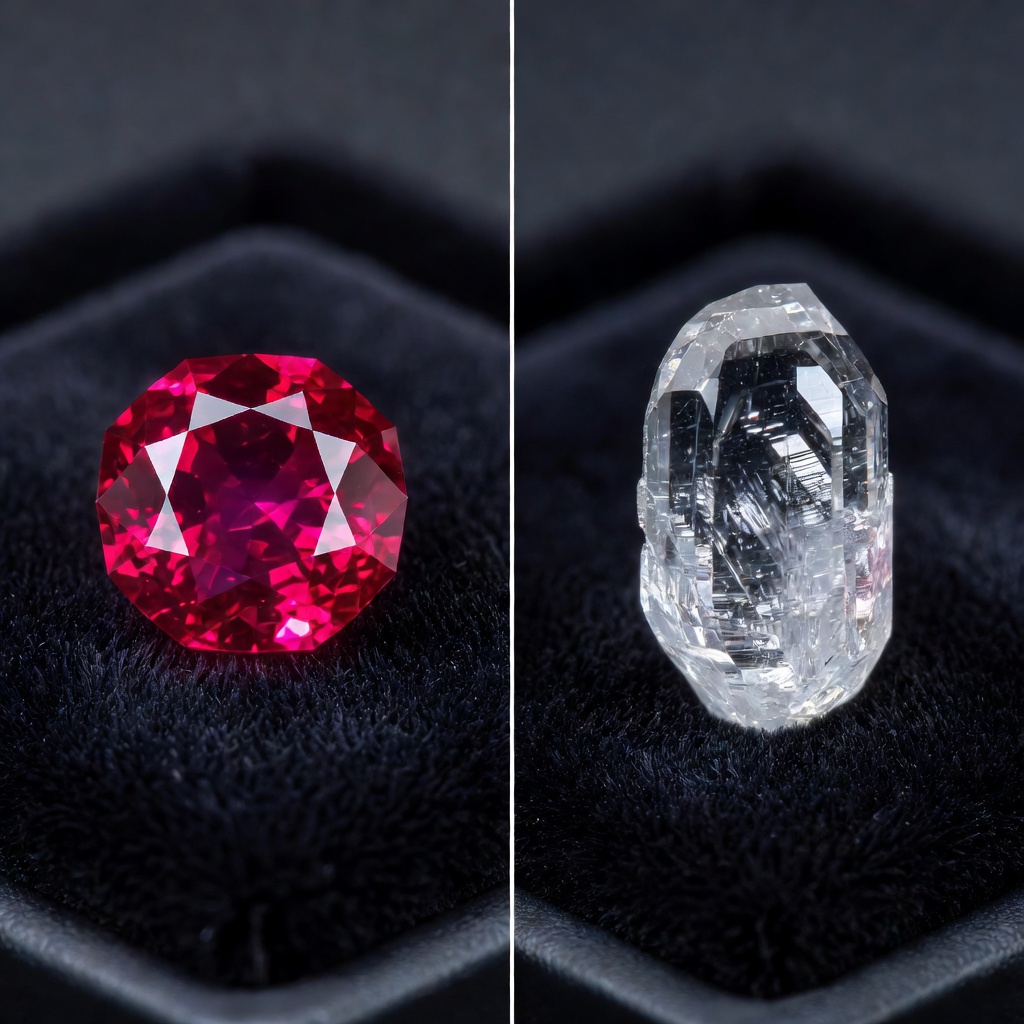
Rubies represent the pinnacle of mineral gemstones, forming deep within the Earth's crust through intense geological processes that span millions of years. As a variety of corundum (aluminum oxide), rubies crystallize under extreme heat and pressure conditions, typically in metamorphic rocks like marble or basalt. The distinctive red color emerges when chromium atoms replace aluminum in the crystal lattice, creating the passionate hue that has captivated civilizations for millennia. Major ruby deposits occur in Myanmar's legendary Mogok Valley, Thailand's Chanthaburi region, and more recently in Mozambique's Montepuez mines, where geological conditions created the perfect environment for these precious crystals to develop.
Pearls stand in stark contrast as organic gemstones, born from the biological defense mechanisms of living mollusks rather than geological forces. When an irritant such as a parasite or grain of sand enters the shell of an oyster, mussel, or clam, the creature secretes layers of nacre—calcium carbonate and conchiolin—to coat the foreign object, eventually forming a pearl. This process occurs in both saltwater environments (producing Akoya, Tahitian, and South Sea varieties) and freshwater lakes and rivers. Japan pioneered modern pearl cultivation techniques, while Australia and French Polynesia now lead in producing the largest and most lustrous South Sea and black Tahitian specimens.
The fundamental distinction between mineral and organic gemstones creates vastly different supply chains and ethical considerations for collectors. Ruby mining often involves challenging extraction methods including pit mining, tunneling, and alluvial collection from riverbeds, with significant environmental and social implications. Pearl farming, conversely, represents sustainable aquaculture that requires pristine water conditions; healthy oysters produce superior gems, incentivizing farmers to maintain clean marine ecosystems. When selecting between ruby vs pearl formation processes, buyers must consider not only the geological or biological rarity but also the environmental footprint of their chosen gemstone.
Physical Properties and Durability
Understanding gemstone hardness comparison metrics proves essential when evaluating the practical durability of rubies and pearls in jewelry applications. Rubies rank an impressive 9 on the Mohs hardness scale, making them second only to diamonds in resistance to scratching and suitable for generations of continuous wear. This exceptional hardness stems from the strong atomic bonds within corundum's trigonal crystal structure, which also contributes to the gem's remarkable toughness and resistance to chipping. Jewelers frequently recommend rubies for engagement rings and daily-wear bracelets precisely because they withstand the knocks, abrasions, and environmental exposure that accompany active lifestyles.
Pearls occupy the opposite end of the durability spectrum, registering merely 2.5 to 4.5 on the Mohs hardness scale depending on the specific type and nacre quality. This relative softness results from pearls' composition of microscopic calcium carbonate platelets held together by organic conchiolin protein, creating a material more akin to eggshell than crystalline mineral. The layered structure that creates pearls' beautiful luster also makes them vulnerable to scratching, cracking, and gradual erosion through normal wear. When examining mohs scale ruby pearl differences, the nearly five-point gap represents not just numerical variance but fundamentally different approaches to jewelry design and maintenance requirements.
Beyond hardness, additional physical properties distinguish these gems in practical applications. Rubies exhibit specific gravity values between 3.97 and 4.05, giving them substantial heft that conveys quality in hand, while pearls range from 2.60 to 2.85, feeling noticeably lighter. Rubies typically display dichroism, showing different colors when viewed from different angles, adding depth to their appearance, whereas pearls demonstrate orient—the iridescent shimmer caused by light diffraction through their nacre layers. These characteristics influence not only aesthetic preferences but also authentication methods, as gemologists use refractive indices and specific gravity tests to distinguish natural specimens from simulants.
Visual Characteristics and Color Variations
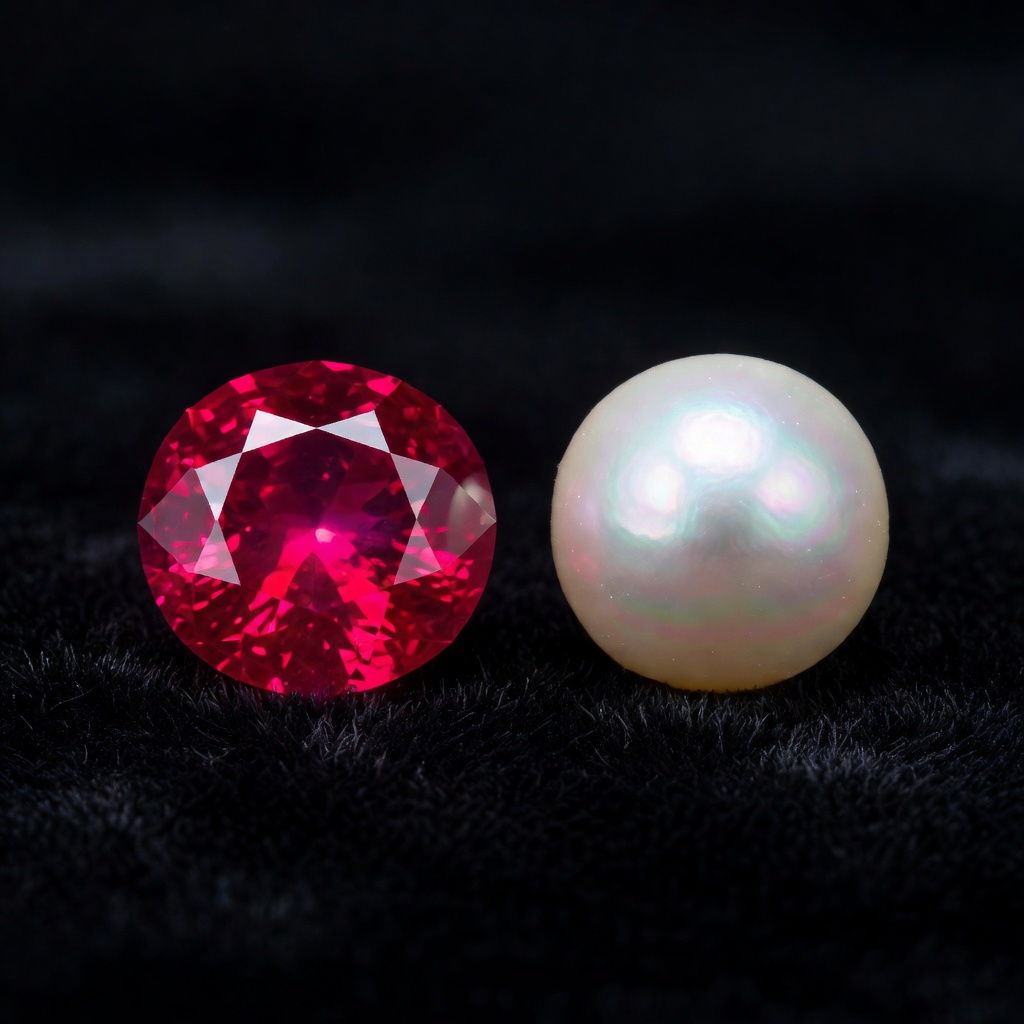
Rubies command attention through their intense, saturated red hues that range from the coveted pigeon blood red—characterized by vivid pure red with a hint of blue—to lighter pinkish-red shades sometimes marketed as pink sapphires. The finest specimens exhibit strong fluorescence under ultraviolet light, causing them to appear to glow from within, an effect particularly prized in Burmese stones from the Mogok region. Clarity characteristics include natural inclusions known as silk (rutile needles), which, when sparse, can enhance the gem's appearance by softening light transmission, though excessive inclusions reduce transparency and value. Unlike many gemstones where lighter tones diminish value, ruby color grades prioritize saturation and tone, with medium-dark vivid red commanding the highest prices regardless of slight clarity compromises.
Pearls offer a subtler, more nuanced visual experience defined by luster quality rather than saturated color. The finest pearls display mirror-like reflection and deep inner glow resulting from thick, uniform nacre deposition over years of cultivation. Color variations span the spectrum from classic white and cream to exotic black Tahitian pearls with peacock green overtones, golden South Sea varieties, and delicate pink Akoya specimens. Unlike rubies' transparency, pearls are opaque, with their beauty arising from surface glow and overtone play—the secondary colors visible when light interacts with the nacre layers. High-quality pearls also exhibit orient, an iridescent shimmer that moves across the surface as the gem rotates, creating an ethereal quality impossible to replicate in synthetic imitations.
When evaluating gemstone appearance for jewelry design, these visual differences dictate distinct aesthetic applications. Rubies excel in statement pieces where their vivid color and brilliance draw the eye, particularly in cocktail rings and pendant necklaces designed to catch light. Pearls dominate in sophisticated, understated designs where their soft luster complements rather than competes with the wearer's complexion and attire. Contemporary designers increasingly combine both gems in high jewelry parures, using rubies as bold center stones surrounded by pearl halos to create striking contrasts between passionate mineral fire and organic aqueous elegance.
Comparison Table: Ruby vs Pearl Characteristics
| Characteristic | Ruby | Pearl |
|---|---|---|
| Mohs Hardness | 9 (Excellent) | 2.5-4.5 (Poor) |
| Formation Type | Mineral (Corundum) | Organic (Nacre) |
| Primary Colors | Red, Pinkish-Red, Pigeon Blood | White, Cream, Black, Gold, Pink |
| Durability | Suitable for daily wear, impact resistant | Requires protection, vulnerable to scratches |
| Care Requirements | Ultrasonic cleaning safe, hardy | Wipe with damp cloth only, chemical sensitive |
| Price Range (High Quality) | $10,000-$100,000+ per carat | $100-$10,000+ per piece |
| Best Jewelry Applications | Engagement rings, tennis bracelets, statement pendants | Strand necklaces, stud earrings, occasional rings |
| Symbolic Meaning | Passion, courage, protection, love | Purity, wisdom, feminine energy, innocence |
| Birthstone Month | July | June |
Symbolism and Cultural Significance
Throughout history, ruby symbolism has centered on power, passion, and protection, earning the gemstone designation as the "King of Precious Stones" in ancient Sanskrit texts. Warriors in Burma and China inserted rubies into their flesh before battle, believing the stones would make them invulnerable to harm, while European royalty crowned their regalia with rubies to signify authority and divine right to rule. The gem's blood-red color naturally associates it with the heart and cardiovascular system, leading to beliefs that rubies could maintain physical vitality and emotional equilibrium. In contemporary crystal healing practices, rubies continue to represent courage, confidence, and the fire of creative inspiration, making them popular gifts for entrepreneurs and artists embarking on ambitious ventures.
Pearl meaning traverses cultural boundaries to represent purity, wisdom, and feminine energy across Eastern and Western traditions. Ancient Greek mythology held that pearls were the tears of joy shed by Aphrodite, the goddess of love, upon her birth from sea foam, while Chinese culture associated pearls with the wisdom of dragons and the moon's spiritual energy. The gem's organic origin from living creatures imbues it with associations of growth, patience, and the triumph of beauty over irritation—metaphors that resonate deeply in wedding traditions and coming-of-age ceremonies. Unlike the bold assertiveness of rubies, pearls convey sophistication through restraint, historically adorning political leaders and style icons who preferred subtle elegance to ostentatious display.
The birthstone comparison between these gems adds temporal significance to their symbolic profiles. As the July birthstone, rubies suit summer-born individuals with their association with the sun's peak energy, passion, and outdoor vitality, while the June birthstone pearl (along with alexandrite and moonstone) captures early summer's connection to water, fertility, and maritime traditions. This consecutive monthly placement creates interesting gifting patterns, with pearl jewelry commonly presented for June weddings and graduations, while ruby pieces mark July anniversaries and celebrate fifteen years of marriage in traditional gift guides. Collectors often acquire both stones to honor different life milestones or family members born in these summer months.
Durability for Daily Wear
When evaluating gemstone durability for everyday jewelry, rubies emerge as the undisputed champion among colored stones, capable of withstanding decades of continuous wear without showing significant wear patterns. Their 9/10 Mohs rating means they resist scratching from household dust (which contains silica at 7 hardness), metal jewelry components, and accidental impacts against door frames or desk surfaces. This resilience makes rubies ideal for engagement rings worn during gardening, cooking, and office work, as well as tennis bracelets that inevitably knock against desks and keyboards. Even high-impact activities pose minimal risk to well-set rubies, though prong settings should be checked periodically to prevent stone loss rather than stone damage.
Pearls demand an entirely different approach to wearability, functioning best as "occasion gems" rather than daily companions. Their soft nacre surfaces accumulate scratches from contact with metal jewelry, hard gemstones, and even clothing fabrics with stiff embroidery or sequins. Chemical vulnerability presents additional concerns, as pearls react adversely to acids in perspiration, cosmetics, hair products, and household cleaners, potentially etching the surface or dulling the luster irreparably. Practical examples illustrate these limitations: wearing pearl rings while applying hand sanitizer can permanently damage the nacre, while pearl necklaces worn against perfume-sprayed skin gradually lose their orient as alcohol evaporates and deposits residue.
Impact resistance further differentiates these gems in real-world scenarios. Rubies possess excellent toughness—the resistance to breaking and chipping—due to their crystalline structure lacking cleavage planes, meaning they withstand direct blows better than emeralds or even diamonds in certain orientations. Pearls, conversely, can crack, chip, or separate along nacre layer boundaries when dropped on hard surfaces or subjected to pressure. For active professionals or parents of young children, rubies offer worry-free wear, while pearls suit sedentary occasions, formal events, and environments where the wearer controls their physical interactions. This fundamental difference in daily wear suitability often dictates which gem collectors choose for milestone pieces intended to become family heirlooms.
Pricing and Investment Value
The precious gemstone values of fine rubies have reached extraordinary heights in the auction market, with untreated Burmese specimens exceeding $100,000 per carat for exceptional qualities, effectively rivaling the per-carat prices of colorless diamonds. The "Sunrise Ruby," a 25.59-carat Burmese stone, sold for over $30 million in 2015, demonstrating that investment-grade rubies command prices based on origin, color saturation, and lack of heat treatment rather than sheer size. Mozambique rubies have emerged as strong alternatives, offering slightly lower prices while maintaining excellent color, though they generally lack the fluorescence and historical prestige of Burmese material. When assessing ruby value, collectors prioritize the "three Cs" of color (pigeon blood preferred), clarity (eye-clean preferred), and carat weight (rarer above 3 carats), with origin documentation significantly impacting resale potential.
Pearl pricing operates on entirely different valuation metrics, creating a broader accessibility spectrum that ranges from affordable cultured freshwater strands to six-figure natural saltwater specimens. Most contemporary pearls are cultured through human intervention, making them genuine organic gemstones but more abundant than their naturally occurring counterparts, which form without human assistance in wild mollusks. Natural saltwater pearls, particularly those from the Persian Gulf or pre-20th century estate jewelry, can exceed ruby prices due to extreme rarity, though identifying truly natural pearls requires advanced laboratory testing. Akoya pearls from Japan typically range from $300 to $10,000 depending on size and quality, while South Sea and Tahitian varieties command $1,000 to $20,000+ for matched strands, making pearl investment accessible to modest budgets while still offering luxury options.
Long-term value appreciation trends favor rubies for pure investment purposes, particularly untreated stones with documented Burmese origin, as political instability in Myanmar restricts new supply while Asian demand continues growing. Pearls, while beautiful, generally depreciate from retail prices unless they represent exceptional natural specimens or historically significant vintage pieces, because cultured pearl production continues increasing and matching strands can be replicated. However, pearls offer better "value per wear" for fashion jewelry, allowing collectors to acquire multiple colors and sizes for the price of a single modest ruby. Savvy buyers often allocate budgets across both categories: investment-grade rubies for store-of-value purposes and high-quality cultured pearls for immediate wearable enjoyment and wardrobe versatility.
Jewelry Applications and Setting Styles
Rubies excel in gemstone jewelry design that maximizes their brilliance and color saturation through secure, light-enhancing settings. Prong settings, particularly four or six-prong configurations in platinum or white gold, allow maximum light entry while protecting the gem's pointed corners (culets) from chipping. Bezel settings offer alternatives for active wearers, surrounding the ruby's perimeter with a metal rim that provides superior protection against impact, though slightly reducing light return. Contemporary designers favor halo settings that surround central rubies with colorless diamonds, creating contrast that makes the red appear more vivid through optical illusion. For ruby ring settings specifically, low-profile designs with protective galleries prevent the gem from snagging on clothing while maintaining prominence on the finger.
Pearl necklace styles and earring designs require protective approaches that minimize abrasion while showcasing the gem's soft luster. Classic strand necklaces, ranging from 16-inch chokers to 36-inch opera lengths, remain the most popular pearl applications, with knots between each gem preventing friction damage and loss if the string breaks. Stud earrings feature pearls secured with friction backs or screw posts, while drop and dangle designs utilize cupped settings with small prongs that grip the drill hole without compressing the nacre. Pearl rings present the greatest setting challenges, requiring bezels or heavy halos that elevate the gem above the finger plane to prevent table-surface contact during wear. Unlike rubies, pearls should never be set with exposed prongs that might scratch their surfaces during setting or wearing.
Metal pairing preferences further distinguish these gems in finished jewelry. Yellow gold enhances ruby's warm red tones, creating a cohesive, regal appearance favored in Indian and traditional European designs, while white metals (platinum, white gold, palladium) create contrast that emphasizes the ruby's color intensity through complementary color theory. Rose gold has emerged as a contemporary favorite for rubies, harmonizing with the red while offering a modern alternative to classic yellow. Pearls complement cooler metals beautifully, with white gold and silver enhancing white and pink pearls' purity, while rose gold creates romantic warmth with cream and golden South Sea varieties. Yellow gold settings with pearls risk overwhelming the gem's subtle coloration unless the pearl itself exhibits strong golden overtones, making metal selection crucial for balanced design.
Care, Cleaning and Maintenance Requirements
Maintaining ruby jewelry requires minimal fuss compared to most colored stones, though specific gemstone care guide protocols ensure longevity. Standard cleaning involves warm soapy water (mild dish detergent) and a soft brush to remove accumulated oils and debris from behind the stone and within the setting. Ultrasonic cleaners generally prove safe for untreated rubies and heat-treated stones without significant fractures, as the high-frequency vibrations effectively dislodge dirt from pavilion facets and prong crevices. Steam cleaning similarly works well for durable rubies, though fracture-filled or lead glass-filled stones (common in lower-priced commercial goods) require gentle cloth cleaning only, as heat and vibration can damage treatments. Annual professional inspections ensure prongs remain tight and the gem shows no signs of abrasion from metal contact.
Pearl maintenance tips emphasize prevention over cleaning, as the porous nacre absorbs chemicals and suffers irreversible damage from standard jewelry cleaning methods. After each wearing, owners should wipe pearls with a soft, damp cloth—microfiber or cotton—to remove body oils, perspiration, and cosmetic residues before storage. Never submerge pearl strands in water, as silk or nylon threads stretch when wet and may rot if not dried properly, potentially causing strand breakage. Ultrasonic cleaners and steam machines destroy pearls by separating nacre layers and dulling luster, while chemical dips etch the surface permanently. The "last on, first off" rule applies strictly: pearls should be the final item added after cosmetics, perfume, and hair products have dried, and the first item removed before undressing or applying hand cream.
Storage solutions reflect the hardness differential between these gems. Rubies can be stored in standard jewelry boxes with individual compartments, though they should be separated from diamonds (which can scratch them) and from softer gems (which they might scratch). Cotton-lined boxes or soft pouches suffice for short-term storage. Pearls require breathable storage in silk or soft cotton pouches separate from all other jewelry, as contact with harder gemstones—even dust particles—creates surface scratches over time. Never store pearls in airtight plastic bags, which trap moisture and cause deterioration of the nacre and stringing material, or in bank vaults for extended periods, as the ultra-dry conditions dehydrate organic conchiolin protein. Instead, pearls benefit from occasional wearing, as the natural skin oils help maintain their luster, whereas rubies remain unchanged regardless of storage duration.
How to Choose Between Ruby and Pearl
Selecting between these magnificent gems requires honest assessment of lifestyle factors, beginning with activity level and occupation. Medical professionals, fitness instructors, parents of toddlers, and tradespeople should strongly favor rubies for primary jewelry pieces, as these stones withstand hand-washing sanitizers, accidental bumps against equipment, and the general chaos of physical work. Conversely, corporate executives, academics, and those with primarily social or ceremonial daily routines may find pearls perfectly suited to their environments, provided they maintain mindfulness about chemical exposure. Consider your typical day: if you type constantly, cook frequently, or engage in sports, ruby's durability provides peace of mind that pearl's delicacy cannot match.
Budget constraints influence the ruby vs pearl decision significantly, though both categories offer entry points and luxury tiers. Cultured freshwater pearls provide accessible luxury under $500 for quality strands, allowing buyers to acquire multiple pieces or larger sizes without substantial investment. High-quality rubies require considerably more capital, with even commercial-grade stones (heated, included) starting around $1,000 per carat for wearable quality, and fine specimens representing serious financial commitments. However, price-per-wear calculations may favor pearls for fashion versatility, as a $2,000 pearl strand worn weekly for decades costs less per use than a $20,000 ruby ring worn monthly. Investment-minded buyers should allocate ruby purchases for long-term value retention while enjoying pearls for immediate aesthetic gratification.
Personal style preferences ultimately determine satisfaction, as these gems convey radically different aesthetic messages. Bold personalities who favor statement pieces, vibrant colors, and architectural jewelry designs gravitate toward rubies, which announce their presence through saturated color and brilliance. Those drawn to classic elegance, minimalist aesthetics, and "quiet luxury" find pearls more aligned with their expression, as these gems complement rather than dominate an ensemble. Age and life stage also factor into choosing gemstones: young professionals building jewelry wardrobes might start with versatile pearls for workplace appropriateness, later adding rubies as they ascend to leadership roles requiring authority signifiers. Many collectors eventually acquire both, selecting rubies for daytime power dressing and pearls for evening sophistication, or alternating based on seasonal color palettes and social occasions.
Final Verdict: Which Gemstone Wins?
Declaring an absolute winner in the ruby vs pearl comparison proves impossible because these gems serve fundamentally different purposes in jewelry and personal expression. Rubies represent the pinnacle of mineral durability and color intensity, offering generational longevity and investment security for those seeking bold, passionate statements in their jewelry. Their geological origins and crystalline structure provide the confidence of near-indestructibility, allowing owners to wear their treasures daily without anxiety, while their historical associations with power and protection add metaphysical dimensions to their material value. For engagement rings, professional jewelry, and heirloom pieces intended to appreciate over decades, rubies clearly dominate the field.
Pearls, conversely, win categories of organic beauty, accessibility, and timeless elegance that transcends fashion trends. Their formation within living creatures connects wearers to biological processes and marine ecosystems, offering a gentler, more spiritual alternative to mineral extraction. While requiring mindful care and occasional wear, pearls reward attentive owners with soft luminescence that flatters all skin tones and complements both contemporary and vintage fashion. The question of superiority dissolves when recognizing that these gems occupy different niches: rubies for fire, permanence, and boldness; pearls for water, grace, and subtlety.
The wisest approach involves selecting based on intended use, maintenance willingness, and symbolic meaning rather than attempting to crown a single champion. Active lifestyles and daily wear requirements favor ruby acquisition, while special occasion wardrobes and classical tastes suit pearl investment. Many experienced collectors maintain that a complete jewelry wardrobe requires both—the ruby for moments requiring courage and conviction, the pearl for occasions demanding wisdom and serenity. Rather than choosing between these July and June birthstones, consider how each might serve different aspects of your life, personal evolution, and aesthetic journey.
Frequently Asked Questions About Ruby vs Pearl
Which is more expensive, ruby or pearl?
Fine-quality Burmese rubies are generally more expensive than most pearls, often exceeding $100,000 per carat for top specimens. However, rare natural saltwater pearls can command higher prices than commercial-grade rubies. Cultured pearls are typically more affordable than high-quality rubies, offering luxury at accessible price points.
Can you wear ruby and pearl jewelry together?
Yes, ruby and pearl can be worn together creating striking contrast between passionate red and pure white. Many high-end jewelry designs combine these gems for elegant parures. However, store them separately as ruby's hardness can scratch pearl's soft surface, and avoid wearing them in ways where they physically contact during wear.
Is ruby or pearl better for everyday wear?
Ruby is significantly better for everyday wear due to its 9/10 hardness rating on the Mohs scale, resisting scratches and impact. Pearl ranks only 2.5-4.5 and is vulnerable to scratching, acids from cosmetics, and dehydration. Reserve pearls for occasional wear and special occasions, while rubies can withstand daily activities including hand washing.
What is the difference between July and June birthstones?
Ruby is the July birthstone, representing passion, courage, and love with its fiery red color. Pearl is the primary June birthstone (along with alexandrite and moonstone), symbolizing purity, wisdom, and serenity. These consecutive months represent contrasting energies: June's gentle, water-associated pearl versus July's bold, fire-associated ruby.
How do I clean ruby vs pearl jewelry?
Clean rubies using warm soapy water, soft brushes, or ultrasonic cleaners (unless fracture-filled). For pearls, simply wipe with a soft, damp cloth after each wear—never use chemicals, ultrasonic cleaners, or submerge in water. Pearls should be the last item you put on and first you remove when dressing to avoid contact with perfumes and cosmetics.
Which gemstone is rarer, natural ruby or natural pearl?
Natural saltwater pearls are generally rarer than rubies, as natural pearl formation without human intervention is extremely uncommon. However, gem-quality rubies without heat treatment or inclusions are exceptionally rare. Most pearls today are cultured (farmed), making natural rubies rarer than cultured pearls in the current market.
Are cultured pearls considered real gemstones like rubies?
Yes, cultured pearls are real gemstones, unlike synthetic imitations. They form through the same biological process as natural pearls, just with human assistance in inserting the irritant. However, rubies are mineral gemstones while pearls are organic gems. Both are precious, though purists may value natural pearls over cultured, whereas most rubies are valued regardless of being natural or heated.
Can pearls be set in rings like rubies?
While pearls can be set in rings, they require protective settings like bezels or halos that shield the surface from impact and abrasion, unlike rubies which tolerate prong settings well. Pearl rings should be worn occasionally rather than daily to preserve luster. Consider rubies for everyday rings and reserve pearl rings for cocktail or special occasion wear.