Understanding Ruby and Painite Origins
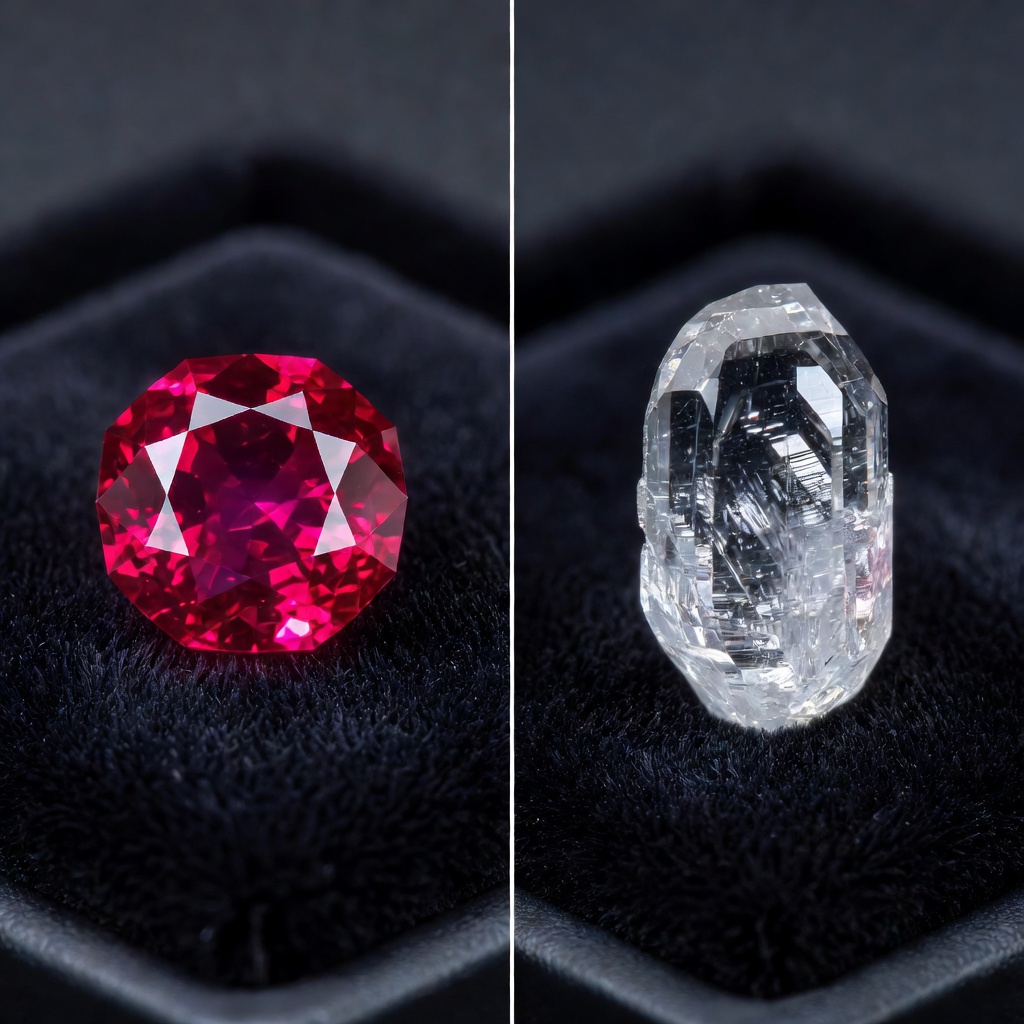
The ruby stands as one of the most historically significant gemstones in human civilization, belonging to the corundum mineral family and distinguished by its chromium-induced red coloration. Ancient Sanskrit texts referred to this precious stone as "Ratnaraj," meaning the King of Gems, establishing its dominance in royal regalia and religious artifacts across centuries of human history. In stark contrast, painite represents a relatively modern discovery in the gemological world, first identified by British mineralogist Arthur C.D. Pain in the 1950s in Myanmar's Mogok region. This calcium zirconium aluminoborate mineral remained so rare that for decades, only a handful of crystals existed in museum collections, creating an intriguing dynamic when comparing Ruby vs Painite for modern collectors and investors.
Both gemstones originate primarily from Myanmar, formerly known as Burma, which produces the world's finest specimens of each variety. The Mogok Stone Tract specifically has yielded both the legendary pigeon blood rubies and the few existing painite crystals known to science, making this Southeast Asian nation the epicenter of rare red gemstone discoveries. Understanding these geographical and historical contexts proves essential for anyone considering these minerals for investment or collection purposes, as provenance significantly impacts valuation and authenticity in the high-end gemstone market.
Rarity Showdown: Availability in the Modern Market
Painite rarity reached legendary status in the gemological community when, until 2001, fewer than 25 authenticated crystals existed worldwide, earning it recognition in the Guinness World Records as the planet's rarest mineral. The subsequent discovery of additional deposits in Myanmar's Ohngaing region temporarily increased availability, yet gem-quality painite remains extraordinarily scarce compared to virtually every other gemstone available commercially. Current mining statistics suggest that annual production of facet-grade painite measures in single digits, while high-quality rubies, though still considered rare precious stones, number in the thousands of carats annually from mines across Myanmar, Mozambique, and Madagascar.
This dramatic disparity in availability creates a fascinating rare minerals comparison for collectors seeking ultimate exclusivity. While a fine Burmese ruby might require significant financial investment and careful sourcing, obtaining a certified painite specimen often requires years of waiting and connections to specialized mineral dealers. The limited market presence of painite means that when specimens do appear at auction or through private sales, they command immediate attention from serious collectors, whereas ruby transactions, while still competitive, operate within more predictable commercial frameworks with established supply chains.
Physical Properties and Durability Analysis
When evaluating gemstones for practical applications, understanding their physical characteristics becomes paramount for making informed acquisition decisions. The Ruby hardness Mohs scale rating of 9 places it second only to diamond in terms of scratch resistance, making it exceptionally suitable for daily wear jewelry and heirloom pieces designed to last generations. Painite physical properties differ significantly, registering approximately 8 on the Mohs scale, which while still relatively hard, renders it susceptible to scratching from harder materials including corundum dust commonly found in household environments.
Crystal structure variations further distinguish these minerals, with rubies crystallizing in the trigonal system and painite forming in the orthorhombic system, differences that affect how each stone responds to cutting and setting stresses. Specific gravity measurements reveal painite as slightly denser (4.0) compared to ruby (3.99), though this minute difference requires laboratory precision to detect. Refractive index variations also impact brilliance, with painite exhibiting higher birefringence (0.029-0.036) than ruby (0.008), creating different optical effects that skilled lapidaries must consider when maximizing each stone's visual potential.
Color Variations and Aesthetic Appeal
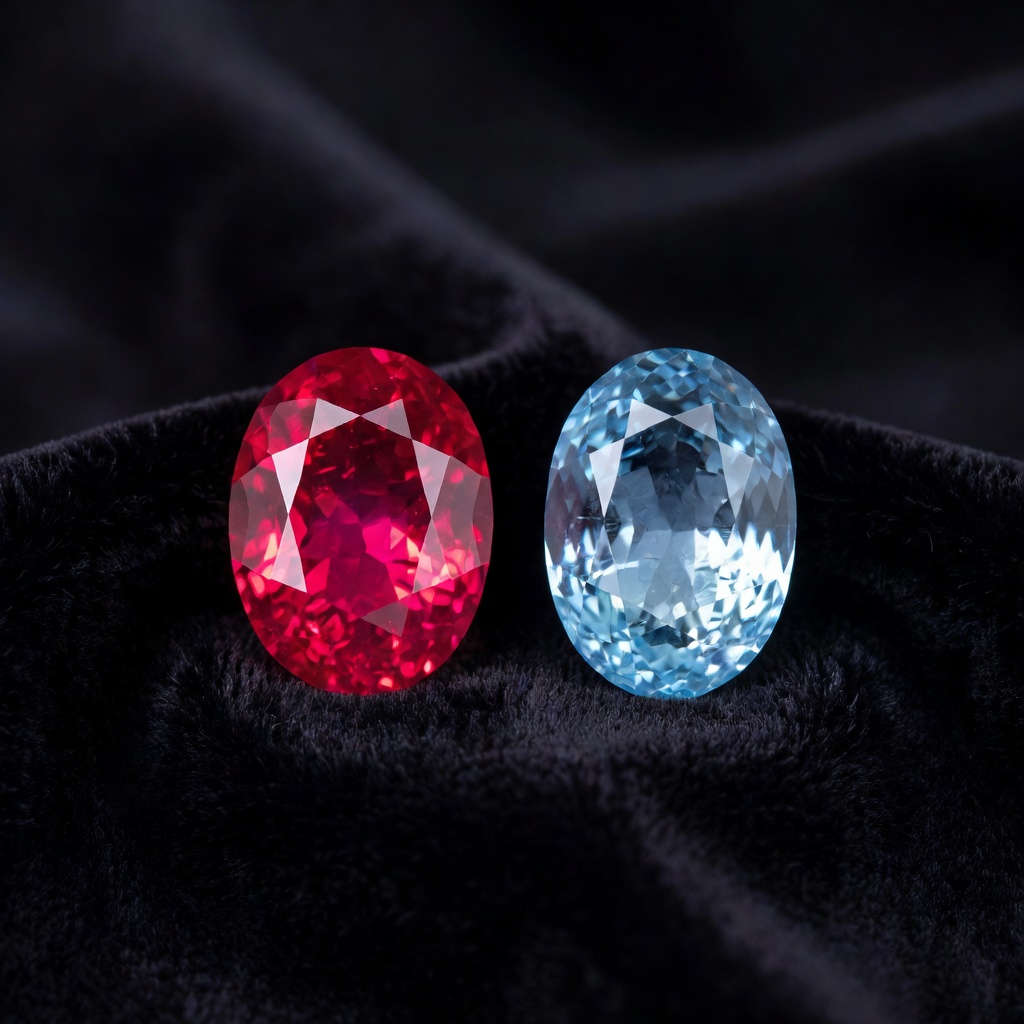
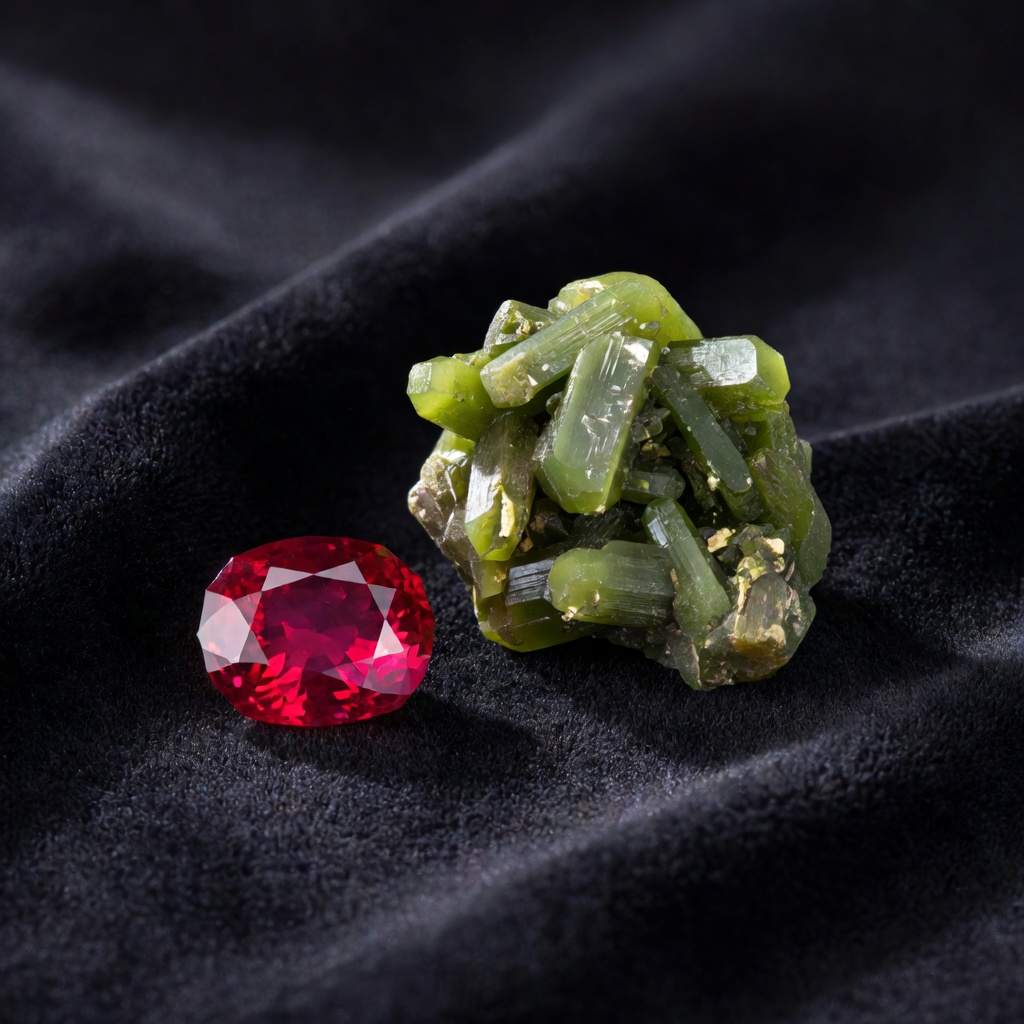
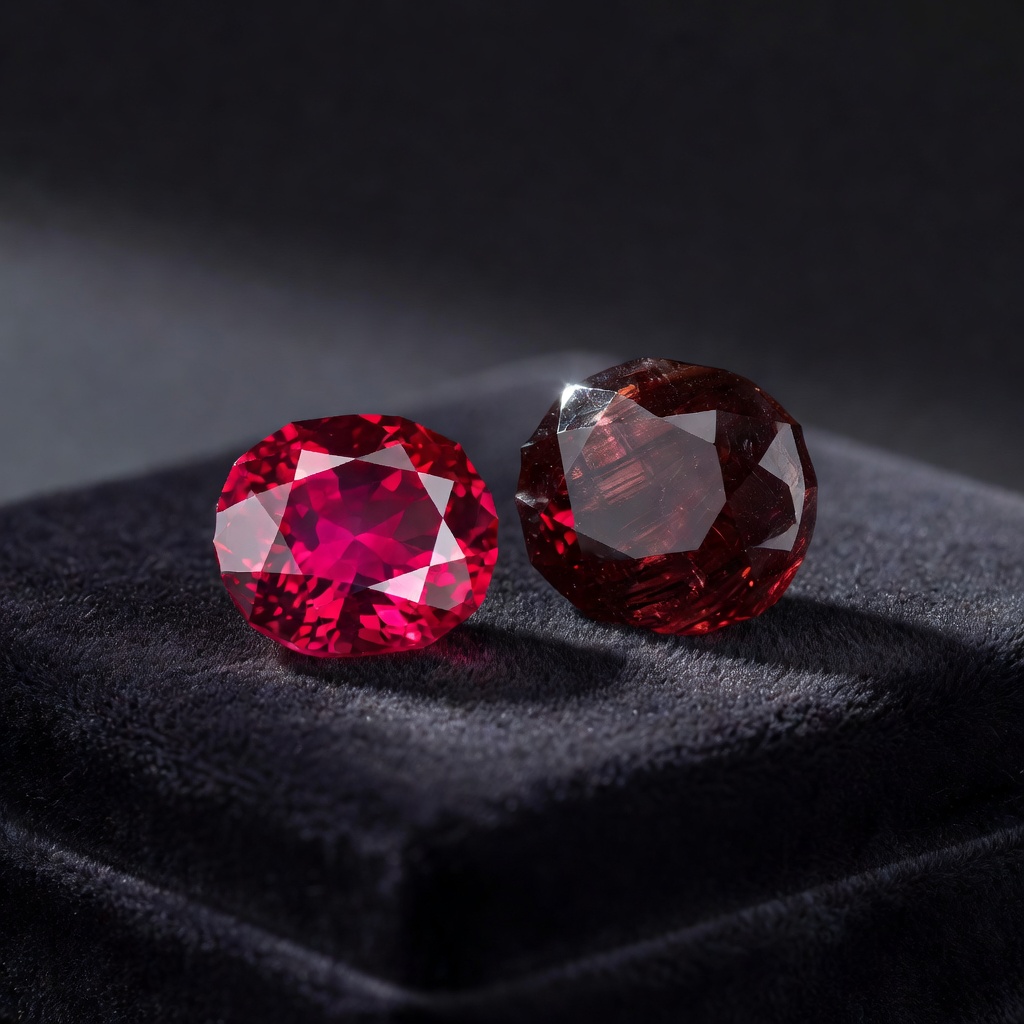
The visual distinction between these red gemstones extends beyond simple hue differences into complex interactions of saturation, tone, and optical phenomena. Ruby's coveted pigeon blood red represents the pinnacle of chromatic desirability, characterized by pure red tones with subtle blue undertones that create an inner glow under incandescent lighting. Painite color ranges typically include brownish-red to orange-red hues, occasionally approaching pinkish-orange tones, but rarely achieving the pure saturated red that commands premium prices in the ruby market.
Clarity characteristics present another crucial differentiator, as rubies often contain microscopic rutile needles known as silk, which can create desirable asterism in cabochon cuts or indicate untreated status in faceted stones. Painite specimens typically exhibit greater opacity and frequently contain complex inclusion patterns that challenge cutters attempting to maximize transparency. Pleochroism effects prove more pronounced in painite, displaying different colors when viewed from various angles, whereas high-quality rubies maintain remarkable color consistency across viewing angles, a property highly valued in fine jewelry applications.
Market Value and Pricing Structure
Understanding the financial landscape of these gemstones requires analyzing Painite value per carat alongside traditional ruby pricing models, revealing distinct market dynamics for each mineral. High-quality untreated Burmese rubies currently command prices ranging from $1,000 to over $100,000 per carat depending on size, color saturation, and clarity, with exceptional specimens breaking auction records regularly. Painite pricing operates differently, typically ranging from $2,000 to $60,000 per carat, though the market sees few standardized transactions due to the extreme scarcity of material available for sale.
Ruby pricing factors include treatment status (with untreated stones commanding 300-400% premiums over heated specimens), geographical origin certification, and the presence of optimal color zoning. Painite valuations depend heavily on crystal completeness and specimen quality rather than purely on carat weight, as mineral collectors often prize well-formed crystals over cut stones. Recent auction records demonstrate these trends clearly, with a 25.59-carat Burmese ruby selling for over $30 million at Sotheby's, while painite specimens rarely appear at major auctions but have achieved prices exceeding $10,000 for small crystals when offered through specialized mineral dealers.
Investment Potential and Collectibility
Red gemstone investment strategies must account for liquidity differences between these minerals, as rubies offer established resale markets through auction houses and high-end jewelers worldwide. Historical data spanning decades demonstrates consistent appreciation for untreated Burmese rubies, with prices increasing an average of 8-12% annually during stable economic periods, providing relatively predictable returns for portfolio diversification. Painite represents a more speculative venture within rare gemstones investment circles, appealing to specialized mineral collectors who prioritize exclusivity over liquidity and can hold assets for extended periods without requiring quick conversion to cash.
Portfolio diversification strategies using colored stones should balance these characteristics, perhaps allocating majority positions to rubies for stability while maintaining small painite holdings for potential appreciation as awareness grows. The niche appeal of painite means that finding buyers requires access to specialized networks, whereas ruby investments benefit from centuries of commercial infrastructure and consistent demand from Asian markets, particularly China and Thailand, where cultural significance drives sustained purchasing interest.
Jewelry Applications and Wearability Factors
Ruby jewelry dominates the high-end market for daily wear pieces, particularly engagement rings and anniversary bands, due to the stone's exceptional durability and resistance to chipping or scratching during normal activities. The superior hardness allows jewelers to create delicate settings including exposed prong mounts and tension settings without excessive risk of stone damage during wear. Conversely, Painite wearability concerns limit its applications primarily to protected settings such as bezel mounts or pendant designs where the stone faces minimal impact risk, as its brittleness makes it vulnerable to cleavage fractures if struck against hard surfaces.
Practical considerations for jewelers include selecting appropriate metal pairings to enhance each gemstone's unique characteristics. Yellow gold and platinum complement ruby's red tones beautifully, while rose gold can emphasize the subtle orange undertones sometimes present in painite. For collectors considering painite for jewelry, protective settings with substantial metal coverage prove essential, and insurance appraisals should account for the difficulty of replacement rather than simple carat-for-carat valuation, given the mineral's extreme scarcity.
Identification, Treatments, and Authentication
Gemstone identification processes reveal significant differences in treatment histories between these minerals, as rubies commonly undergo heat treatment, glass filling, or diffusion processes to enhance color and clarity. These treatments, while accepted in commercial markets, dramatically affect valuation, requiring sophisticated laboratory testing to detect. Painite authentication typically involves verifying natural origin, as the mineral's extreme rarity has precluded widespread synthetic production, though simulants and look-alike materials occasionally appear in unscrupulous markets.
Laboratory testing methods for definitive identification include spectroscopic analysis, which reveals distinct absorption patterns unique to each mineral's chemical composition. Ruby shows chromium absorption lines at 694.2 nm, while painite displays characteristic spectra related to its calcium zirconium aluminoborate structure. Certification importance cannot be overstated for either gemstone, with reports from GIA (Gemological Institute of America), SSEF (Swiss Gemmological Institute), or Gübelin providing essential documentation of origin, treatment status, and authenticity that protects both buyer and seller in high-value transactions.
Care, Maintenance, and Long-term Preservation
Proper gemstone care protocols differ significantly between these minerals due to their varying physical properties and typical inclusion patterns. Untreated rubies generally tolerate ultrasonic cleaning and steam cleaning methods, though filled or fracture-treated specimens require gentle cleaning with warm soapy water and soft brushes to avoid damaging enhancement materials. Painite maintenance demands more conservative approaches, avoiding ultrasonic vibrations that might exacerbate existing fractures or inclusions, with cleaning limited to damp cloth wiping and mild soap solutions applied with extreme gentleness.
Storage requirements necessitate separate compartments for each gemstone, as ruby's superior hardness would easily scratch painite if stored in direct contact. Environmental sensitivity comparisons reveal both stones resist heat damage better than many gemstones, though sudden temperature changes pose risks to painite's structural integrity. Professional maintenance schedules should include annual inspections by qualified jewelers who can check for loose settings or developing fractures, particularly important for painite specimens where replacement stones remain virtually unobtainable in the current market.
Final Verdict: Choosing Between Ruby and Painite
Selecting between these extraordinary red gemstones requires careful consideration of intended use, budget parameters, and long-term objectives. The following comparison table summarizes key differences to guide your decision-making process:
| Comparison Aspect | Ruby (Corundum) | Painite |
|---|---|---|
| Mohs Hardness | 9 | ~8 |
| Rarity Level | Rare | Extremely Rare (fewer than 100 gem-quality specimens) |
| Primary Color | Pigeon Blood Red to Pinkish-Red | Brownish-Red to Orange-Red |
| Crystal System | Trigonal | Orthorhombic |
| Typical Treatments | Heat, Glass Filling, Diffusion | Usually Untreated |
| Price Range per Carat | $1,000 - $100,000+ | $2,000 - $60,000+ |
| Best Use | Daily Wear Jewelry | Collector Specimens/Occasional Wear |
| Investment Liquidity | High | Low (Niche Market) |
| Geographic Origin | Myanmar, Mozambique, Madagascar | Myanmar (exclusive) |
For jewelry buyers prioritizing durability and timeless elegance, rubies offer the optimal combination of beauty, hardness, and established value retention suitable for generational inheritance. Mineral collectors seeking the ultimate in exclusivity and geological significance will find painite more aligned with their objectives, accepting the trade-offs in durability and liquidity for the distinction of owning one of earth's rarest minerals. Future market outlook suggests continued depletion of Myanmar's ruby mines may drive prices upward for both stones, though painite's scarcity likely insulates it from market volatility while limiting opportunities for acquisition.
When purchasing either gemstone, verification steps must include insisting on certificates from recognized laboratories, examining stones under magnification for characteristic inclusions, and purchasing only from dealers with established reputations in the colored stone trade. Whether selecting ruby for its regal history or painite for its geological uniqueness, both represent significant acquisitions worthy of careful consideration and professional guidance within any comprehensive gemstone collecting guide.
Frequently Asked Questions
Is painite actually rarer than ruby?
Yes, painite is significantly rarer than ruby. While high-quality rubies are scarce, painite was once considered the world's rarest mineral with fewer than 25 known crystals existing until 2001. Even with new discoveries in Myanmar, gem-quality painite remains exponentially rarer than fine rubies.
Why do rubies typically cost more than painite despite being less rare?
Rubies command higher prices due to established market demand, historical significance, and superior gemological properties. The ruby market has centuries of commercial infrastructure, while painite remains a niche collector's item with limited liquidity and smaller consumer awareness.
Can painite be worn in daily jewelry like ruby?
Painite is not recommended for daily wear jewelry. With a Mohs hardness of approximately 8 and brittle tenacity, painite scratches and chips more easily than ruby (hardness 9). Painite is best suited for protected settings in occasional-wear pieces or as mineral specimens.
How can gemologists distinguish between ruby and painite?
Gemologists use refractive index testing (painite: 1.78-1.81, ruby: 1.76-1.77), spectroscopic analysis, and examination of crystal structure. Painite exhibits different pleochroism and specific gravity (4.0) compared to ruby (3.99), requiring advanced laboratory equipment for definitive identification.
What makes painite so rare compared to other gemstones?
Painite's extreme rarity results from its unique chemical composition (calcium zirconium aluminoborate) requiring specific geological conditions rarely found in nature. Additionally, painite has only been discovered in specific locations in Myanmar, with very few crystals reaching gem quality.
Is painite harder than sapphire since ruby is a variety of sapphire?
No, painite is softer than both ruby and sapphire. While ruby and sapphire (both corundum) rank 9 on the Mohs hardness scale, painite ranks approximately 8. This makes painite susceptible to scratching from corundum dust and less suitable for high-wear applications.
Which gemstone is better for investment: ruby or painite?
Ruby offers better investment liquidity and stability due to established auction markets and consistent demand. Painite represents a speculative investment suitable for specialized mineral collectors willing to hold long-term. Untreated Burmese rubies historically appreciate more predictably than painite.
Where can I legally purchase authentic painite?
Authentic painite can be purchased through specialized mineral dealers, high-end auction houses like Sotheby's or Christie's, and select gemstone shows. Due to Myanmar sanctions in certain jurisdictions, buyers must verify legal import status and request certification from reputable laboratories like GIA or SSEF.