Ruby vs Padparadscha Sapphire: An Expert Introduction
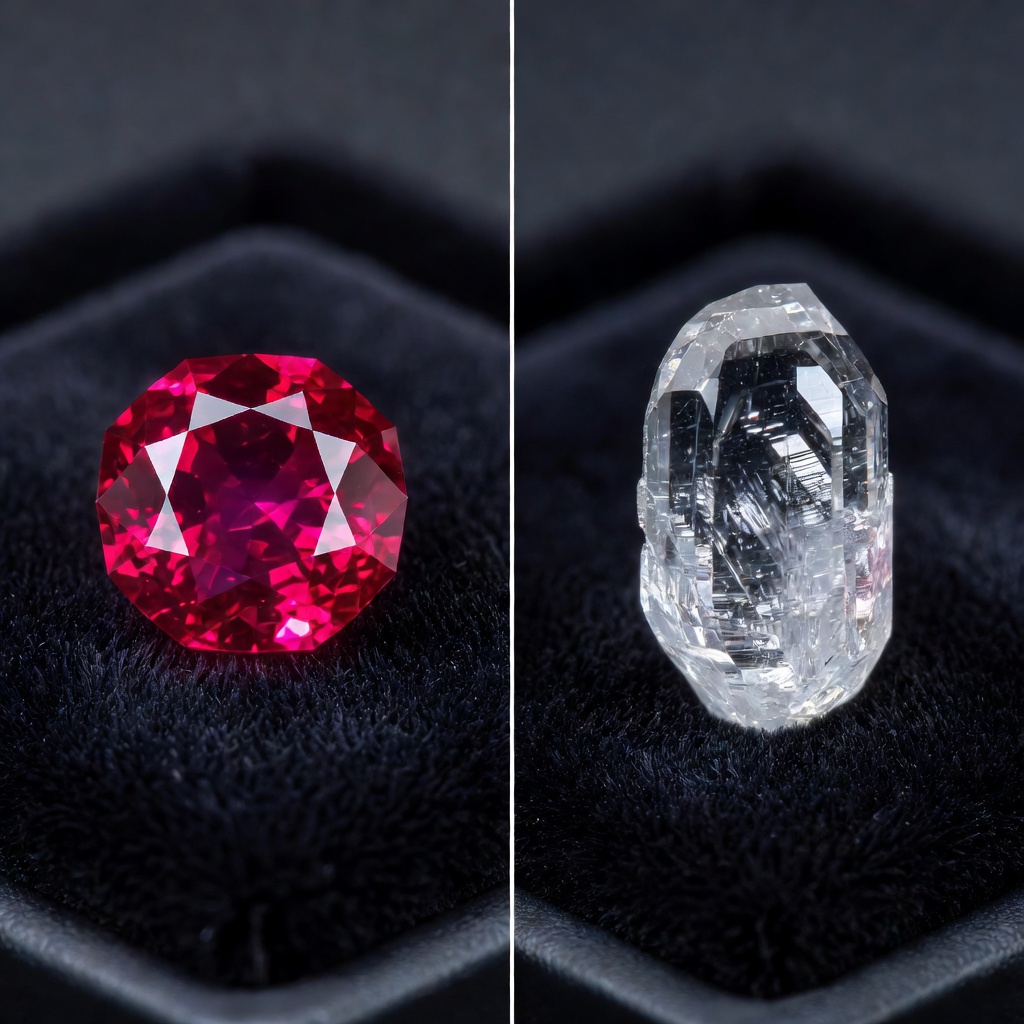
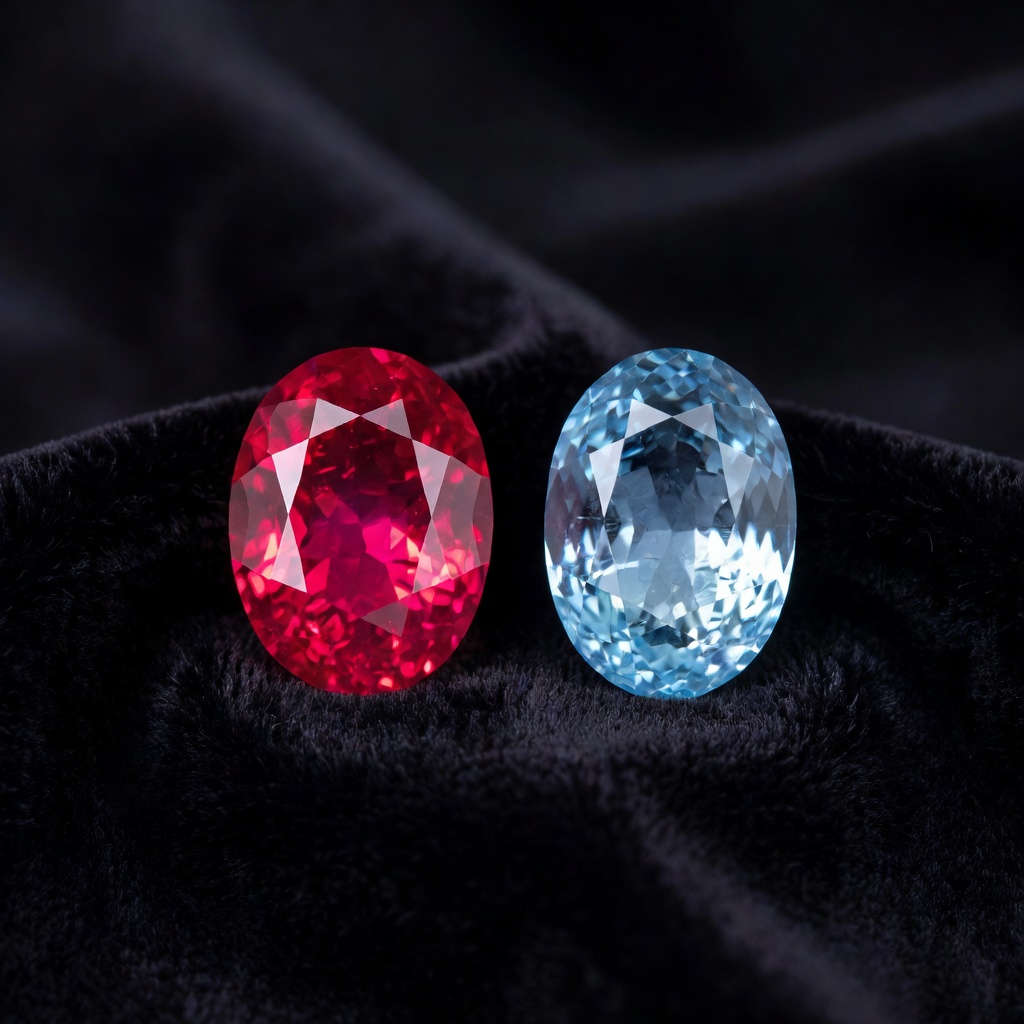
When collectors and connoisseurs discuss the pinnacle of colored gemstones, the comparison between Ruby vs Padparadscha Sapphire frequently emerges as one of the most fascinating debates in gemology. Both stones belong to the elite corundum family gemstones, sharing an identical mineral base yet occupying distinctly different aesthetic and market niches that appeal to varying collector sensibilities. While rubies have commanded royal reverence for millennia as symbols of passion and power, padparadscha sapphires represent the delicate intersection of pink and orange hues that capture the ephemeral beauty of a tropical sunset. Understanding why these two varieties spark such intense comparison requires examining not just their chemical similarities, but the crucial factors that differentiate red dominance from the subtle pink-orange balance that defines each category.
Collectors often find themselves choosing between these stones when seeking a centerpiece for significant jewelry investments, particularly engagement rings or heirloom pieces. The decision typically hinges on whether one prefers the dramatic, saturated intensity of fine red corundum or the subtle, shifting warmth of pink-orange sapphire varieties. Market dynamics have created interesting overlaps in pricing and rarity, with top specimens of both varieties commanding premiums that rival or exceed those of colorless diamonds. As we explore these remarkable stones, we will uncover why gemological laboratories maintain strict separation between these categories despite their shared mineral heritage.
The Corundum Connection: Shared Mineral Chemistry
At their fundamental core, both rubies and padparadscha sapphires represent crystalline aluminum oxide (Al2O3), ranking an impressive 9 on the Mohs hardness scale—second only to diamond in natural gemstone durability. This exceptional hardness makes both varieties ideal for daily wear in rings and bracelets, resisting scratching from everyday encounters with household dust and environmental particles. The distinction between Red corundum vs pink-orange sapphire emerges not from the base mineral structure, but from the specific trace elements incorporated during crystal formation deep within the earth's crust over millions of years.
The vibrant red hue characteristic of rubies results primarily from chromium (Cr) impurities replacing aluminum atoms within the crystal lattice, with higher concentrations producing the coveted saturated reds. In contrast, padparadscha sapphires develop their distinctive color through a delicate combination of iron (Fe) and chromium traces, creating the simultaneous pink and orange wavelengths that define this rare variety. Gemological laboratories utilize sophisticated spectroscopic analysis to differentiate these stones, examining absorption patterns to determine classification. Borderline cases present particular challenges for grading institutions, as stones exhibiting slight red dominance may be classified as pink sapphires rather than true padparadschas, while those showing too much orange might fall into the orange sapphire category instead.
Practical Identification Tips for Collectors
When examining potential acquisitions, collectors should request comprehensive laboratory reports from recognized institutions such as GIA, SSEF, or AGL to verify exact classification. Visual inspection under various lighting conditions reveals important differences: rubies typically display strong fluorescence under ultraviolet light due to their chromium content, often appearing to glow from within, while padparadscha sapphires show weaker or no fluorescence. Understanding these subtle distinctions helps buyers avoid misrepresented stones that might be marketed incorrectly to command higher prices associated with rarer categories.
Color Distinctions: Pigeon Blood Red vs Lotus Sunset
The color evaluation criteria for these gemstones represent some of the most stringent in the gemological world, with specific terminology defining the finest specimens in each category. Ruby color spectrum evaluation ranges from light pinkish-red through to the ultimate Pigeon blood ruby characteristics—a term reserved for stones displaying a vivid, saturated red with a slight blue undertone that appears to glow with internal fluorescence. This specific designation, originally coined to describe the finest stones from Myanmar's Mogok Valley, requires not just depth of color but a specific purity that lacks brownish or purplish overtones that might diminish the stone's brilliance.
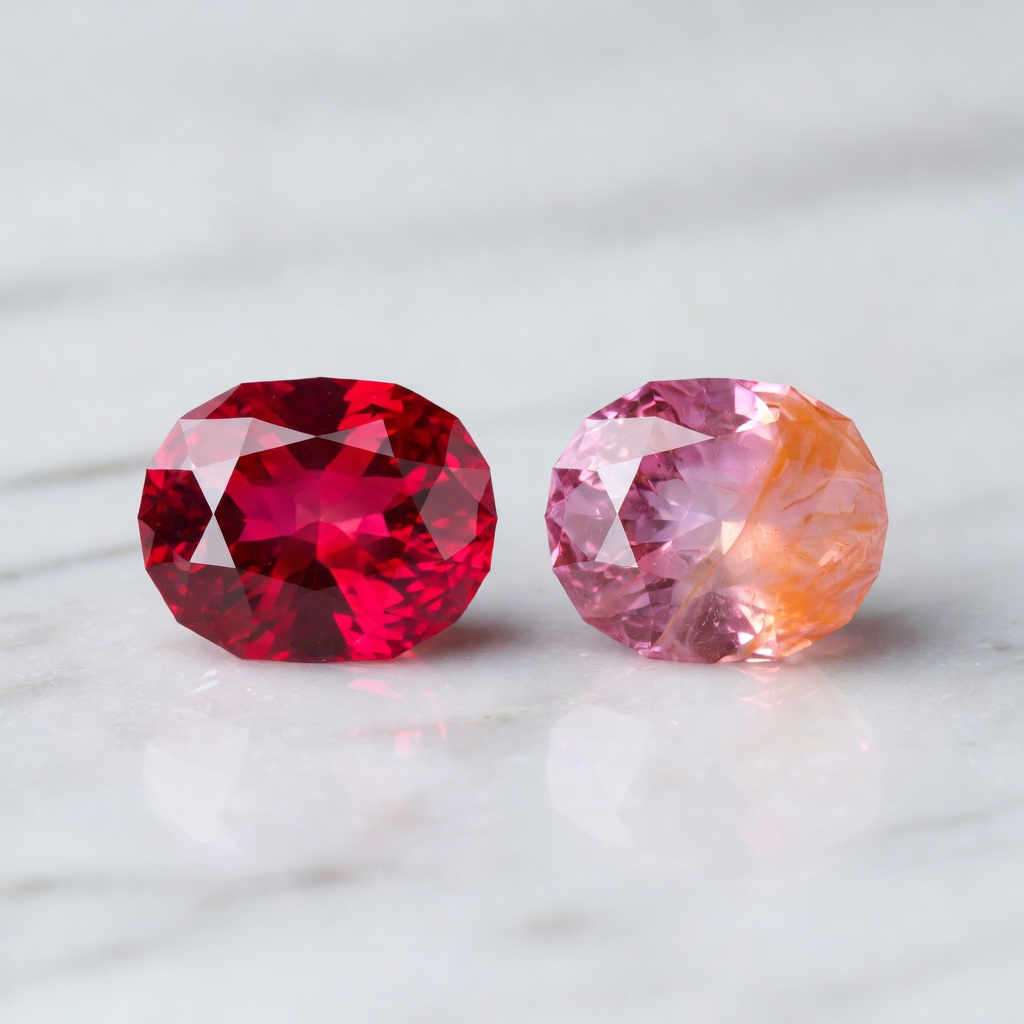
Conversely, Padparadscha sapphire color range demands an extremely specific and delicate balance of pink and orange tones in roughly equal proportions, ideally comprising a 50/50 distribution without dominance of either hue or intrusion of brown, gray, or red modifiers. The most prized specimens display what dealers call "sunset" or "lotus" color—a soft, salmon-pink that shifts subtly between pink and orange depending on the light source. This narrow color window makes true padparadschas extraordinarily rare, as most corundum crystals tend toward pure pink, orange, or red rather than maintaining this precise chromatic equilibrium.
Lighting Effects and Visual Perception
Both gemstones exhibit significant color shifts under different lighting environments, though in distinct ways that affect their practical wearability. Fine rubies often display improved color saturation under incandescent lighting, where their red depths intensify, while padparadscha sapphires may show more pink under daylight and shift toward orange under warm artificial light—a phenomenon collectors refer to as "the padparadscha dance." When selecting either stone, examine it under multiple light sources including natural daylight, fluorescent office lighting, and warm incandescent bulbs to ensure the color remains appealing across all conditions. This practical testing prevents disappointment when a stone appears dramatically different in various settings than it did under jewelry store spotlights.
Geographic Origins and Mining Rarity
The provenance of these gemstones significantly influences both their market value and their characteristic appearance, with specific localities commanding premium recognition among sophisticated buyers. The Burmese ruby vs Ceylon padparadscha comparison represents the classic geographic dichotomy in the corundum world: Myanmar (historically Burma) produces rubies with a distinctive "pigeon's blood" fluorescence and silk inclusions that create velvety textures highly prized by connoisseurs. These Mogok Valley stones have set auction records and established the benchmark against which all other rubies are measured, though political instability and trade restrictions have made sourcing these gems increasingly challenging.
Sri Lanka (formerly Ceylon) remains the traditional source for the finest padparadscha sapphires, with stones from the Ratnapura and Elahera regions displaying the classic delicate color balance that defines the variety. However, Madagascar has emerged as a significant producer of padparadscha material in recent decades, offering larger crystals but often with slightly different color characteristics—sometimes displaying more orange or pink dominance than the balanced Ceylon classics. Mining challenges affect both markets severely: Burmese ruby mines face depletion of primary deposits and ethical sourcing concerns, while Sri Lankan padparadscha production has declined precipitously as alluvial deposits become exhausted.
The Rarity Factor in Modern Markets
The Most expensive padparadscha sapphire sales often reflect this scarcity, with untreated Ceylon stones over five carats achieving prices that surprise even seasoned gem dealers. For example, a 20.84-carat untreated padparadscha from Sri Lanka sold for over $375,000 at auction, demonstrating how size premiums escalate dramatically for authenticated natural specimens. Similarly, Burmese rubies over ten carats with pigeon blood designation and no heat treatment have achieved prices exceeding $1 million per carat at major auction houses. These record sales underscore the investment potential of both varieties, though they require careful authentication due to the prevalence of treatments and synthetics in the market.
Market Value and Investment Analysis
Understanding the economic dynamics of these gemstones requires examining price-per-carat structures, which differ significantly between the two varieties and fluctuate based on treatment status and origin documentation. Fine untreated Burmese rubies typically command the highest absolute prices in the colored stone market, with exceptional pigeon blood specimens ranging from $50,000 to over $100,000 per carat for stones above five carats. However, fine untreated padparadscha sapphires, particularly those from Sri Lanka, can achieve $30,000 to $50,000 per carat, making them more expensive than mid-range rubies and creating an interesting value proposition for investors seeking entry into ultra-rare gemstones.
Record-breaking auction sales highlight the investment potential of both categories. The legendary Sunrise Ruby, a 25.59-carat Burmese pigeon blood ruby, sold for over $30 million in 2015, establishing a per-carat record for the variety. Meanwhile, exceptional padparadschas have achieved strong results at specialty auctions, with untreated stones consistently outperforming treated material by margins of 300-500%. Size premiums affect these markets differently: while rubies command exponentially higher prices as they exceed one carat, padparadschas show dramatic price escalations above three carats, as crystals large enough to cut fine gems in this variety are extraordinarily rare.
Comparative Analysis: Ruby vs Padparadscha Sapphire
| Characteristic | Ruby | Padparadscha Sapphire |
|---|---|---|
| Mineral Composition | Corundum (Al2O3) with Chromium | Corundum (Al2O3) with Iron/Chromium mix |
| Primary Color Range | Vivid red to pinkish-red | Delicate pink-orange balance (50/50) |
| Mohs Hardness | 9 | 9 |
| Premium Sources | Myanmar (Burma), Mozambique | Sri Lanka (Ceylon), Madagascar |
| Fluorescence | Strong red under UV | Weak to none |
| Common Treatments | Heat treatment, fracture filling | Heat treatment, beryllium diffusion |
| Investment Liquidity | High (established auction market) | Moderate to High (growing recognition) |
| Price Range (Fine Quality, Per Carat) | $15,000 - $100,000+ | $10,000 - $50,000+ |
| Optimal Metal Settings | Platinum, White Gold | Yellow Gold, Rose Gold |
| Size Premium Threshold | Dramatic increase above 1 carat | Dramatic increase above 3 carats |
Investment Strategies for Collectors
For those approaching these gemstones as alternative investments, diversification across both varieties offers interesting portfolio balance. Rubies provide established liquidity and historical price appreciation, having consistently outperformed traditional markets over the past three decades. Padparadschas offer higher risk-reward potential as the market increasingly recognizes their extreme rarity, particularly for untreated Ceylon material. When building a collection, prioritize stones accompanied by reports from prestigious laboratories like SSEF or Gübelin, which provide origin determination crucial for resale value. Avoid stones with significant inclusions that threaten durability, regardless of color quality, as these will not maintain value during economic downturns when only the finest specimens retain liquidity.
Durability, Treatments, and Certification
Both rubies and padparadscha sapphires share exceptional durability characteristics that make them suitable for generational heirloom pieces, but the market acceptance and impact of treatments vary significantly between the two varieties. Heated vs unheated rubies represents one of the most critical distinctions in the ruby market, with heat treatment being nearly ubiquitous in commercial-grade material. Low-temperature heat treatment to improve clarity and color is so common that untreated stones command premiums of 50-100% or more, particularly for Burmese material. However, fracture filling with lead glass represents a more invasive treatment that drastically reduces value and durability, requiring specific disclosure under FTC guidelines.
Padparadscha sapphires face similar treatment concerns, with heat enhancement being relatively accepted in the market but beryllium diffusion (lattice diffusion) presenting serious ethical and value concerns. Beryllium diffusion can create padparadscha-like colors in otherwise pale corundum, but these stones are essentially worthless for investment purposes and may be unstable over time. Natural padparadscha certification from independent laboratories becomes absolutely essential given these treatment risks, with reports specifically stating "no indications of heating" or "no heat" commanding significant premiums. Reputable labs such as GIA, AGL, SSEF, and Gübelin employ advanced spectroscopic techniques to detect these treatments, providing the authentication necessary for high-value transactions.
Maintenance Protocols for Treated vs. Untreated Stones
Owners should adjust care routines based on treatment status. Untreated stones of both varieties withstand ultrasonic cleaning and steam cleaning without issue, making maintenance straightforward for heirloom pieces. However, fracture-filled rubies require gentle cleaning with warm soapy water only, as ultrasonic vibrations can remove the glass filling and steam can cause damage to the treatment. When purchasing either variety, insist on explicit written disclosure of treatments from the seller, and factor treatment status into insurance valuations—untreated stones require higher coverage limits and specific riders to protect their replacement value adequately.
Historical Significance and Cultural Symbolism
The cultural narratives surrounding these gemstones reflect their distinct color personalities and the regions where they were first discovered and revered. Ruby's designation as the "King of Gems" in ancient Sanskrit texts and its prominence in Burmese and Indian royal regalia stems from its blood-red color associations with vitality, courage, and divine protection. Ancient Burmese warriors embedded rubies into their flesh before battle, believing the stones made them invincible, while Hindu texts described rubies as the "gem of the Sun" capable of ensuring peace with enemies and safety from evil spirits. This rich historical tapestry has established ruby as a birthstone for July and an anniversary stone for 15th and 40th celebrations, embedding it deeply in Western jewelry traditions.
Padparadscha carries equally profound but distinctly different cultural resonance, with Padparadscha meaning and origin rooted deeply in Sri Lankan Buddhist traditions. The name derives from the Sinhalese word "padma raga," meaning "lotus flower," specifically describing the aquatic blossom's delicate pink-orange petals that open at sunrise and sunset. Ancient Sri Lankan texts considered these stones sacred to the Buddha and associated them with enlightenment, purity, and the transition between spiritual states—fitting for a stone that visually bridges the gap between pink (ruby territory) and orange (sapphire territory). As a variety of sapphire, padparadscha shares September birthstone status, offering those born in that month an exotic alternative to the more common blue variety.
Symbolism in Modern Jewelry Design
Contemporary designers leverage these historical associations when creating meaningful pieces. Ruby engagement rings appeal to couples seeking symbols of passionate, enduring love with royal connotations, while padparadscha settings attract those drawn to spiritual significance and uniqueness. When selecting either stone for significant life events, consider the personal resonance of these ancient stories—whether the protective warrior energy of ruby or the enlightened serenity of padparadscha better reflects the intended wearer's personality and life journey. Many collectors choose to acquire both over time, appreciating the yin-yang balance of intense red versus gentle sunset hues in their jewelry wardrobes.
Jewelry Design and Daily Wear Practicality
Both rubies and padparadscha sapphires excel as centerpieces for engagement rings and daily-wear statement pieces, though their distinct color profiles suggest different setting strategies and metal choices. Ruby hardness and durability make these stones exceptionally practical for rings subjected to daily impacts, resisting scratches from common materials like household keys, countertops, and metal jewelry. However, despite their hardness, both varieties can chip if struck sharply against hard surfaces, necessitating protective settings that cover the girdle (the stone's widest part) for active wearers. Bezel settings or halo designs provide optimal protection while showcasing the gems' color effectively.
Metal selection significantly impacts the visual presentation of these stones. Platinum and white gold complement fine rubies beautifully, providing a cool backdrop that enhances the stone's red fluorescence and creates a classic, sophisticated appearance. In contrast, padparadscha engagement ring settings typically benefit from warmer metal choices—yellow gold or rose gold settings amplify the orange and pink tones, creating a cohesive warm glow that emphasizes the stone's sunset character. White metal settings with padparadschas can sometimes make the stone appear washed out or emphasize any brownish undertones, though exceptionally fine specimens can still dazzle in platinum.
Practical Wear Guidelines
For daily wear longevity, remove rings of either variety during activities involving harsh chemicals, extreme temperature changes, or potential impact risks. While both stones resist scratching, household chemicals like chlorine and bleach can damage metal settings and potentially affect certain treatments in lower-quality stones. Store pieces separately to prevent the ruby or sapphire from scratching softer gemstones in your collection, and have prongs checked every six months by a jeweler to prevent stone loss. Professional cleaning every six to twelve months maintains brilliance, though at-home cleaning with mild dish soap and a soft brush suffices for regular maintenance between professional services.
Making the Final Choice: Collector vs Fashion Buyer
The decision between these exceptional gemstones ultimately depends on the buyer's primary motivation—whether seeking a liquid investment asset, a unique fashion statement, or a combination of both. Choosing between ruby and sapphire varieties requires honest assessment of personal aesthetic preferences, as these stones evoke distinctly different emotional responses: rubies project confidence, power, and classic luxury, while padparadschas suggest individuality, subtlety, and artistic sensibility. Skin tone considerations also play a role; rubies generally flatter all complexions but particularly pop against fair or dark skin, while padparadschas complement warmer, peachy, or olive skin tones beautifully.
For investment-minded collectors, Ruby vs Padparadscha Sapphire buying guide considerations must include liquidity analysis. Rubies offer a more established secondary market with consistent auction presence and dealer recognition, making them easier to sell quickly if necessary. Padparadschas require more specialized buyers but reward patience with potentially higher percentage gains as awareness of their rarity increases. Budget optimization strategies differ between the categories: ruby buyers should prioritize color saturation and origin (Burmese preferred) over size, while padparadscha buyers must insist on the specific 50/50 color balance and untreated status, even if it means accepting a smaller carat weight.
Decision Framework for Different Buyer Profiles
First-time colored stone buyers often benefit from starting with a fine ruby, as the established market provides more pricing transparency and authentication standards. Fashion-forward buyers seeking distinctive pieces might prefer padparadscha for its rarity and conversation-starting uniqueness. Those building comprehensive collections should consider acquiring both, perhaps starting with a smaller, high-quality specimen of each to understand their distinct personalities before investing in larger statement pieces. Always view stones in person when possible, as photographic representations rarely capture the true color nuance that distinguishes exceptional specimens from mediocre ones in both categories.
Conclusion: Two Jewels, One Corundum Dynasty
Ruby vs Padparadscha Sapphire represents more than a simple comparison between two red-toned gemstones; it embodies the fascinating diversity possible within the corundum mineral family. While both stones share identical hardness, durability, and chemical foundations, they offer unique value propositions that cater to different collector sensibilities and aesthetic preferences. Rubies provide the ultimate expression of passionate red intensity backed by millennia of royal provenance and established investment liquidity. Padparadschas offer access to one of nature's rarest color phenomena—a delicate balance of pink and orange that captures ephemeral beauty in crystalline permanence.
Both varieties represent apex investments in the colored stone market when quality, treatment status, and documentation are prioritized over mere size or immediate availability. Whether selecting the warrior's stone of ancient Burma or the sacred lotus blossom of Sri Lanka, buyers acquire not just beautiful minerals but pieces of geological history capable of bridging generations. Final recommendations favor rubies for those seeking maximum liquidity and classic appeal, while padparadschas suit the connoisseur comfortable with specialized markets who values extreme rarity. Regardless of choice, either stone acquired with proper certification and care will provide decades of visual pleasure and potential appreciation, securing their place as crown jewels in any serious collection.
Frequently Asked Questions
What is the main difference between Ruby and Padparadscha Sapphire?
The primary distinction lies in color chemistry and classification standards. Rubies are red corundums colored predominantly by chromium, displaying hues from pinkish-red to deep 'pigeon blood' red. Padparadscha sapphires display a specific delicate mixture of pink and orange tones in roughly equal proportions, resembling a lotus flower sunset, without the dominant red saturation that defines rubies.
Which is more expensive, Ruby or Padparadscha Sapphire?
Top-quality Burmese rubies typically command higher absolute prices, often reaching $100,000+ per carat for exceptional untreated specimens. However, fine untreated padparadscha sapphires from Sri Lanka are extraordinarily rare and can command $30,000-$50,000+ per carat, making them more expensive per carat than most rubies except the finest pigeon blood varieties.
Can a Padparadscha Sapphire ever be classified as a Ruby?
No, gemological laboratories strictly separate these categories based on dominant color. If a stone displays predominant red wavelengths, it is classified as a ruby (or pink sapphire if the red is light). True padparadschas must maintain a distinct pink-orange balance without red dominance. Some borderline stones may be called 'pinkish-orange' sapphires, but they cannot simultaneously be padparadschas and rubies.
Are both Ruby and Padparadscha suitable for daily wear in engagement rings?
Yes, both rate 9 on the Mohs hardness scale, making them excellent for daily wear and resistant to scratching. However, rubies typically exhibit slightly better toughness due to their crystal structure. Both require protective settings (bezels or halos) for the girdle edges and should be removed during harsh physical activities. Professional cleaning every 6-12 months is recommended for both.
How do heat treatments affect the value of Ruby versus Padparadscha?
Heat treatment is common and market-accepted for both gemstones but reduces value compared to untreated specimens by 30-50%. For rubies, fracture filling with glass is a more serious treatment that significantly devalues stones. For padparadschas, beryllium diffusion (lattice diffusion) is particularly problematic and renders stones essentially worthless for investment. Always demand independent lab reports from GIA, SSEF, or AGL.
What does 'Padparadscha' mean compared to Ruby's name origin?
'Padparadscha' derives from the Sinhalese word 'padma raga' meaning 'lotus flower,' describing the gem's delicate sunset color. 'Ruby' comes from the Latin 'ruber,' simply meaning red. Both carry rich cultural histories—rubies symbolized power, passion, and protection in ancient Asian cultures, while padparadschas were considered sacred stones associated with enlightenment in Sri Lankan Buddhist traditions.
Which gemstone holds better investment potential long-term?
Historically, fine untreated Burmese rubies show stronger price appreciation and auction liquidity. However, untreated Ceylon padparadschas are increasingly scarce due to depleted mines, showing exceptional investment growth for top specimens. Both significantly outperform traditional investments when purchasing top-quality, certified stones, though rubies offer a more established resale market.
Is Padparadscha actually a type of Ruby since both are corundum?
No, despite both being corundum varieties, padparadscha is strictly classified as a sapphire. The distinction is based on color chemistry and spectral analysis—rubies require dominant red coloration, while padparadschas display pink-orange without red dominance. They are distinct commercial categories with different collector bases, pricing structures, and market positions in the gemstone industry.