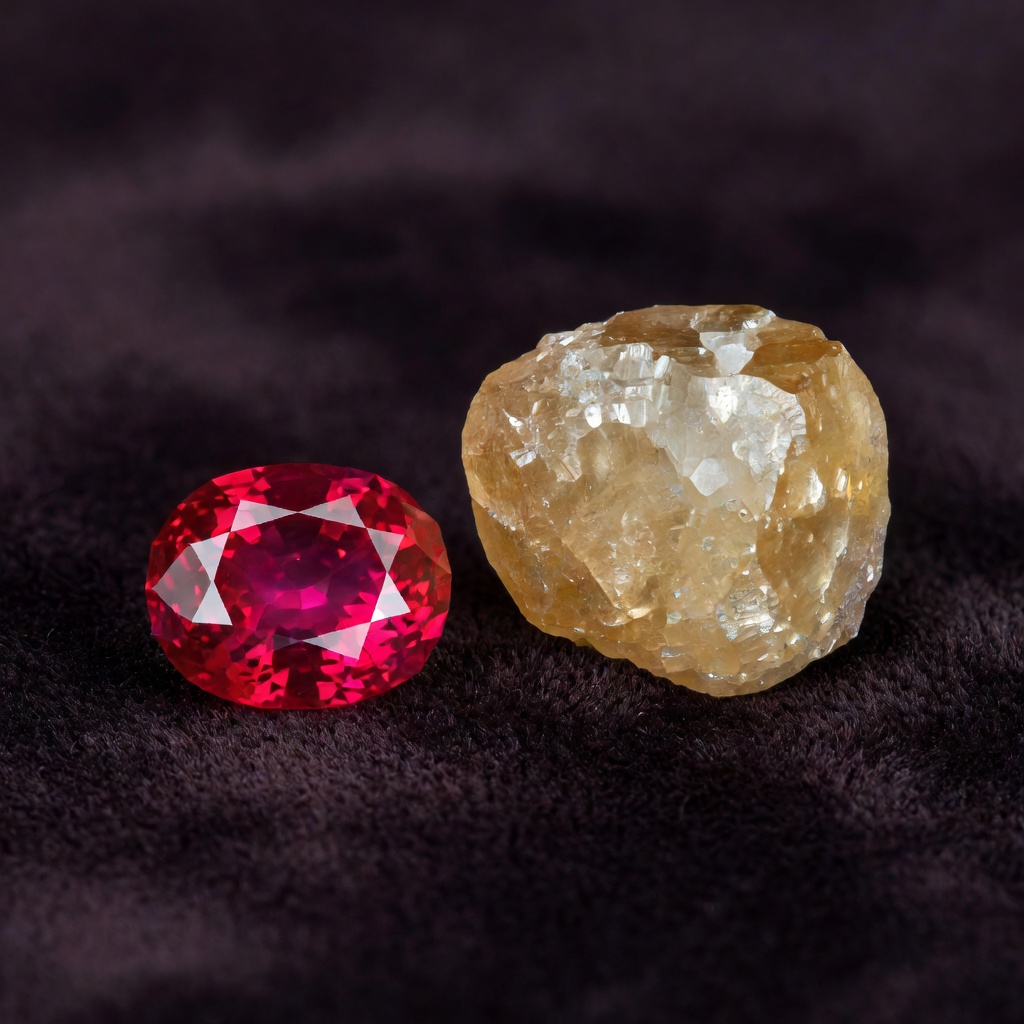
Ruby vs Orthoclase: Understanding These Distinct Gemstones
When exploring the fascinating world of colored gemstones, buyers often encounter the striking comparison between ruby and orthoclase, two minerals that share little in common beyond their crystalline beauty. Ruby stands as one of the most coveted precious gemstones, belonging to the corundum family and celebrated for its intense red coloration and remarkable durability that rivals even diamond. In contrast, orthoclase represents the feldspar mineral group, most commonly recognized as moonstone or sunstone, displaying ethereal optical effects like adularescence and aventurescence rather than saturated body color. Despite both appearing in jewelry collections worldwide, these gemstones serve fundamentally different purposes, and understanding their distinct characteristics prevents costly purchasing mistakes for collectors and everyday wearers alike.
Many jewelry enthusiasts confuse red orthoclase varieties with inferior rubies or wonder why moonstone commands lower prices than ruby despite its mesmerizing glow. This confusion stems from the broad spectrum of red gemstones available in the market, from spinel and garnet to tourmaline and ruby, each possessing unique properties that affect value and wearability. When conducting a thorough ruby vs orthoclase comparison, recognizing that ruby represents the pinnacle of precious gemstones while orthoclase offers accessible semi-precious beauty helps establish realistic expectations for durability, investment potential, and daily wear suitability. Savvy buyers should request certification from reputable laboratories like GIA or AGL when purchasing ruby to confirm corundum identity, while orthoclase typically requires less rigorous documentation due to its distinctive optical characteristics and lower price point.
Chemical Makeup: Corundum vs Feldspar Family
The fundamental differences between these gemstones originate at the molecular level, where ruby forms as aluminum oxide (Al₂O₃) with trace chromium elements replacing aluminum atoms to create its signature red hue. This corundum vs feldspar distinction places ruby in an entirely different mineral class than orthoclase, which crystallizes as potassium aluminum silicate (KAlSi₃O₈) within the expansive feldspar group that comprises approximately 60% of Earth's crust. While both minerals contain aluminum and oxygen, ruby's simple oxide composition creates an extremely dense, compact structure that contributes to its legendary hardness and brilliance, whereas orthoclase's complex silicate framework results in a softer, more layered crystalline formation susceptible to cleavage.
Crystal structure variations further distinguish these materials, with ruby organizing into a trigonal crystal system featuring threefold rotational symmetry that produces hexagonal prisms and pyramids. Orthoclase crystallizes in the monoclinic system, forming prismatic crystals with unequal axes and oblique angles that often display characteristic twinning patterns visible to the naked eye. For jewelry manufacturers, these structural differences dictate cutting approaches: ruby's trigonal symmetry allows precise facet alignment to maximize brilliance, while orthoclase cutters must navigate perfect cleavage planes at 90-degree angles to prevent fracturing during the lapidary process. Understanding these mineralogical foundations helps gemologists distinguish between the two using polariscopes and refractometers, as ruby exhibits uniaxial optical character while orthoclase shows biaxial properties.
Mohs Hardness Scale: Durability Face-Off
Durability represents the most dramatic divergence between these gemstones, with ruby hardness scoring an impressive 9 on the Mohs scale, making it second only to diamond among natural gems and exceptionally resistant to scratching during daily activities. This exceptional hardness stems from strong oxygen-aluminum bonds within the corundum structure, allowing ruby to maintain its polish and facet edges even after decades of continuous wear in rings and bracelets exposed to household dust and environmental debris. Conversely, orthoclase registers only 6 to 6.5 on the Mohs scale, similar to ordinary glass or steel, meaning it can be scratched by common materials like quartz particles found in beach sand, household dust, or even vigorous contact with metal jewelry components.
Beyond surface hardness, the concept of cleavage creates additional durability concerns that favor ruby for active lifestyles and high-impact jewelry applications. Ruby possesses no cleavage planes, meaning it lacks internal structural weaknesses along which the crystal can split, making it highly resistant to breaking or chipping when struck against hard surfaces. Orthoclase exhibits perfect cleavage in two directions at approximately 90-degree angles, creating inherent planes of weakness where the stone can fracture cleanly if subjected to sharp blows or extreme temperature changes. For consumers leading active lifestyles or seeking heirloom-quality pieces, this Mohs scale comparison proves crucial: a ruby ring can withstand gardening, cooking, and manual labor without damage, while orthoclase requires protective settings and mindful wearing to preserve its integrity beyond occasional evening events.
Color Variations: From Pigeon Blood to Golden Sheen
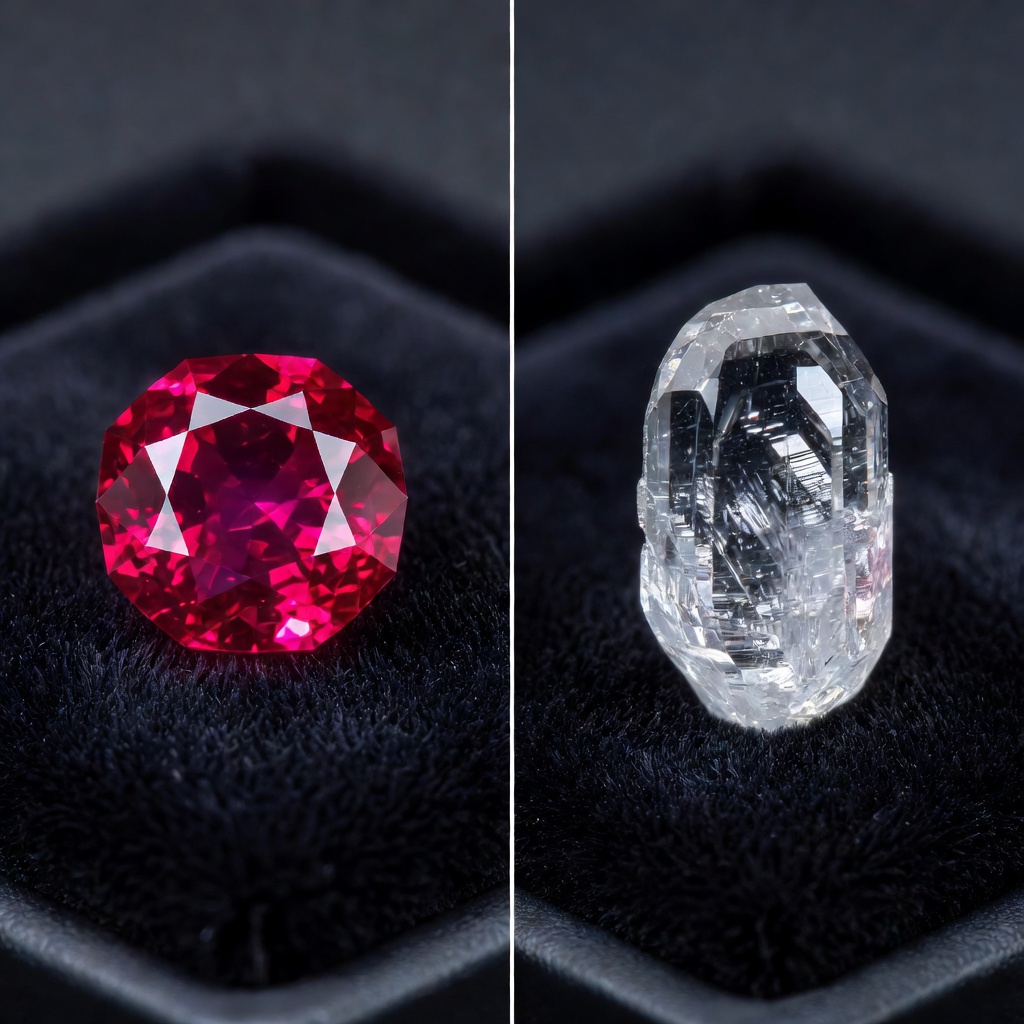
Ruby's color palette centers exclusively on red saturation, ranging from the legendary "pigeon blood" red of Burmese stones—characterized by pure red with a hint of blue undertone—to pinkish-red and orangish-red varieties influenced by trace element variations and geographic origin. Premium rubies display vivid saturation without excessive darkness or brownish overtones, though many stones exhibit color zoning where different red intensities appear in bands within the crystal, requiring skilled cutting to minimize visible variations. Unlike orthoclase, which derives value from optical phenomena rather than body color, ruby commands premium prices based solely on the intensity and purity of its red hue, with chromium content determining both color depth and fluorescence under ultraviolet light.
Orthoclase moonstone presents a completely different aesthetic, displaying adularescence—a billowy, floating light effect resembling moonlight on water—caused by alternating layers of orthoclase and albite feldspar scattering light within the stone. Sunstone varieties contain copper or hematite inclusions that create glittering aventurescence against backgrounds ranging from colorless to yellow, peach, or gray, while transparent orthoclase crystals occur in white, cream, or pale yellow shades suitable for faceted cutting. When comparing luster, ruby displays vitreous to adamantine brilliance resembling diamond-like sparkle, whereas orthoclase exhibits pearly luster on cleavage surfaces and vitreous luster on other facets, creating softer, more diffuse light reflection. Jewelry designers often pair these contrasting aesthetics in complementary pieces, using ruby for bold statement rings and orthoclase for ethereal, romantic pendants that showcase movement and light play.
Comparison Table: Ruby vs Orthoclase Specifications
| Characteristic | Ruby (Corundum) | Orthoclase (Feldspar) |
|---|---|---|
| Chemical Composition | Aluminum Oxide (Al₂O₃) with Chromium | Potassium Aluminum Silicate (KAlSi₃O₈) |
| Crystal System | Trigonal | Monoclinic |
| Mohs Hardness | 9/10 | 6-6.5/10 |
| Cleavage | None (conchoidal fracture) | Perfect in two directions |
| Primary Colors | Red to Pinkish-Red (Pigeon Blood to Rose) | White, Cream, Yellow, Peach, Gray (Moonstone/Sunstone) |
| Optical Effects | Asterism (Star Ruby), Color Shift | Adularescence (Moonstone), Aventurescence (Sunstone) |
| Luster | Vitreous to Adamantine | Pearly to Vitreous |
| Price Range (Per Carat) | $100 - $15,000+ (depending on origin/quality) | $10 - $500 (depending on variety/size) |
| Classification | Precious Gemstone | Semi-Precious Gemstone |
| Best Jewelry Applications | Engagement Rings, Daily Wear, Heirloom Pieces | Pendants, Earrings, Brooches, Occasional Wear |
| Cleaning Methods | Steam, Ultrasonic (if untreated), Warm Soapy Water | Mild Soap and Water Only (no ultrasonic) |
Market Value: Precious vs Semi-Precious Pricing
The economic disparity between these gemstones reflects their classification within the traditional precious vs semi-precious gemstones hierarchy, with fine rubies commanding prices rivaling colored diamonds and untreated Burmese stones regularly achieving $10,000 to $15,000 per carat at auction houses. Ruby pricing depends heavily on origin, with Myanmar (Burmese) stones historically commanding premiums due to their pure red fluorescence, while Mozambique and Madagascar origins offer slightly more accessible entry points for collectors seeking high-quality material. Heat-treated rubies, which comprise the majority of commercial inventory, typically range from $100 to $5,000 per carat depending on clarity and color intensity, though untreated specimens with certification from laboratories like Gübelin or SSEF can appreciate significantly as investment vehicles over decades.
Orthoclase maintains its position as an affordable luxury, with high-quality moonstones ranging from $10 to $100 per carat for cabochons displaying strong adularescence, while exceptional sunstone specimens with intense copper schiller might reach $200 to $500 per carat for large, clean stones. This accessibility makes orthoclase ideal for fashion jewelry and experimental designs where risk of loss or damage remains low, allowing consumers to own multiple pieces without substantial financial commitment. While orthoclase rarely serves as a serious investment vehicle compared to ruby's potential for appreciation, rare collector specimens exhibiting unusual optical effects or exceptional transparency from specific localities like Norway's Larvikite or Oregon sunstone can develop niche markets among mineral enthusiasts. Budget-conscious buyers seeking red gemstones should note that red spinel or garnet offer ruby-like aesthetics at orthoclase price points, whereas those prioritizing the specific corundum vs feldspar distinction must reconcile themselves to ruby's premium positioning in the marketplace.
Best Uses in Jewelry Design
Jewelry designers leverage ruby's superior durability by incorporating it into engagement rings, anniversary bands, and daily-wear tennis bracelets where the stone encounters frequent contact with hard surfaces and requires minimal protective settings to maintain beauty. Prong settings work exceptionally well for rubies, maximizing light entry to enhance brilliance while the stone's 9/10 hardness ensures the edges withstand the pressure of metal claws without chipping or cracking over time. For vintage-inspired designs, bezel-set rubies offer additional protection for the girdle while maintaining a low profile suitable for active professionals, with the metal rim providing a buffer against direct impacts that might damage softer gemstones.
Orthoclase demands more thoughtful placement within jewelry collections, excelling in pendants, earrings, and brooches where the stones remain relatively protected from physical trauma and environmental exposure. Bezel settings become essential for orthoclase rather than optional, as the metal wall protects the stone's vulnerable edges and girdle from the chipping and cleaving that can occur during accidental impacts against door frames or countertops. Designers often pair orthoclase with protective halos of harder stones like sapphire or diamond, creating visual interest while providing a sacrificial barrier that absorbs wear before reaching the softer central gem. When incorporating orthoclase into rings, reserve these pieces for cocktail events or special occasions rather than daily wear, and consider protective designs where the stone sits recessed within a metal cup rather than protruding prominently from the band.
Mining Locations: Myanmar to Madagascar
Ruby deposits concentrate in specific geological environments where marble metasomatism created the aluminum-rich conditions necessary for corundum crystallization, with Myanmar's Mogok Stone Tract historically producing the finest pigeon blood specimens prized by royalty and collectors for centuries. Modern mining operations in Mozambique's Montepuez region have emerged as significant sources, offering larger crystals with good clarity though often requiring heat treatment to achieve the saturated reds associated with Burmese material, while Thailand and Cambodia provide darker, more garnet-like rubies frequently used in commercial mass-market jewelry. Sri Lanka (Ceylon) produces lighter, pinkish-red rubies alongside star varieties, with alluvial mining methods yielding cleaner stones than primary rock excavations, though ethical sourcing concerns regarding environmental impact and labor practices increasingly influence buyer decisions in these regions.
Orthoclase occurs globally within granite pegmatites and metamorphic rocks, with India's Bihar and Odisha states historically supplying fine moonstone rough displaying the coveted blue sheen adularescence against colorless body material. Madagascar produces diverse orthoclase varieties including transparent yellow crystals suitable for faceting and decorative sunstone rough, while Norway's Larvikite region yields distinctive blue-sheen feldspars used primarily for architectural stone and ornamental objects rather than jewelry. The United States, particularly Oregon's Plush and Ponderosa mines, produces copper-bearing sunstone with unique red and green color zoning that commands premium prices among American collectors seeking domestically sourced gems. When evaluating either gemstone, request documentation regarding mining practices and origin, as Myanmar rubies face international trade restrictions in certain markets, while Oregon sunstone mining supports small-scale American artisanal operations with minimal environmental impact compared to large-scale industrial extractions.
Maintenance Requirements for Longevity
Maintaining ruby jewelry proves relatively straightforward due to the stone's chemical stability and hardness, allowing owners to use steam cleaners and ultrasonic devices for untreated stones, though treated rubies require gentler approaches to avoid damaging fracture fillings or glass residues within surface-reaching inclusions. Warm water mixed with mild dish soap and a soft brush effectively removes accumulated oils and lotions from ruby surfaces, with the stone's durability permitting vigorous scrubbing of pavilion facets where dirt typically accumulates and dulls brilliance. Store ruby pieces separately from other jewelry to prevent the corundum from scratching softer stones like emerald, opal, or pearl, though ruby can safely contact sapphire and diamond without mutual damage.
Orthoclase cleaning requires significantly more caution, limiting maintenance to lukewarm water and mild soap applied with a soft cloth or brush, strictly avoiding ultrasonic cleaners and steam devices that can exploit cleavage planes and cause internal fracturing or complete stone breakage. The porous nature of some orthoclase varieties, particularly moonstone, makes them susceptible to damage from harsh chemicals, perfumes, and sudden temperature changes, necessitating removal before applying cosmetics or engaging in activities involving rapid heat fluctuations. For storage, wrap orthoclase jewelry in soft cloth or place within individual padded compartments to prevent contact with harder gemstones that might scratch the surface, and consider removing orthoclase rings before washing hands or engaging in household chores where impact against ceramic sinks or granite countertops could split the stone along its perfect cleavage directions.
Which Gemstone Should You Choose?
Selecting between ruby and orthoclase requires honest assessment of your lifestyle, budget parameters, and intended wearing frequency, as these factors determine whether the investment in precious corundum justifies the cost compared to the accessible beauty of feldspar varieties. Active individuals, medical professionals who wash hands frequently, or those seeking heirloom engagement rings should prioritize ruby despite the higher price point, as the stone's 9/10 hardness and absence of cleavage ensure it survives decades of daily wear without requiring replacement or extensive repairs. Conversely, collectors who appreciate optical phenomena, jewelry enthusiasts who rotate pieces frequently, or budget-conscious buyers seeking unique aesthetic statements find orthoclase varieties like rainbow moonstone or Oregon sunstone offer distinctive beauty without the anxiety associated with wearing high-value gemstones in potentially damaging environments.
Beyond practical considerations, metaphysical properties influence many buyers' decisions, with ruby traditionally associated with passion, vitality, courage, and life force energy, stimulating the heart chakra and promoting enthusiasm for life according to crystal healing practitioners. Orthoclase, particularly in its moonstone variety, connects with feminine energy, emotional balance, intuition, and new beginnings, offering calming, receptive vibrations suited for meditation and stress relief rather than the stimulating energy attributed to ruby. When building a comprehensive jewelry wardrobe, consider acquiring both: a high-quality ruby for significant life events, anniversaries, and daily signature pieces, complemented by orthoclase earrings or pendants for casual elegance and spiritual work. This gemstone buying guide approach maximizes both practical durability and metaphysical diversity while accommodating varying budget allocations across different jewelry categories.
Final Thoughts on Ruby vs Orthoclase
The comparison between ruby and orthoclase ultimately illustrates the vast spectrum of beauty and functionality available within the mineral kingdom, demonstrating that value extends beyond price tags to encompass durability, rarity, and personal resonance with the wearer. Ruby represents the pinnacle of precious gemstone achievement, offering unparalleled hardness, intense color saturation, and investment potential for those seeking jewelry that transcends generations without losing aesthetic impact or structural integrity. Orthoclase, while occupying a different position within the corundum vs feldspar hierarchy, provides accessible entry into gemstone collecting, displaying mesmerizing optical effects and gentle color palettes that complement contemporary fashion trends and spiritual practices without demanding the vigilant care required by softer stones.
Neither gemstone inherently surpasses the other; rather, they serve complementary roles within a well-rounded jewelry collection, with ruby excelling in applications requiring resilience and traditional elegance while orthoclase offers experimental design possibilities and ethereal beauty for protected settings. When making your final selection, prioritize the specific demands of your daily routine, your comfort level with jewelry maintenance requirements, and the emotional connection you feel toward each stone's unique visual character. Whether choosing the fiery passion of ruby or the moonlit mystery of orthoclase, both minerals connect you to Earth's geological history while adorning your personal story with natural artistry that manufactured materials cannot replicate.
Frequently Asked Questions
Is orthoclase the same as moonstone?
Moonstone is a variety of orthoclase feldspar that exhibits adularescence—a billowy, moon-like glow. However, not all orthoclase is moonstone; orthoclase also includes sunstone (with glittering inclusions) and transparent yellow or white crystals without optical phenomena.
Can orthoclase be used in engagement rings like ruby?
While orthoclase can be used in engagement rings, it requires protective settings due to its 6-6.5 Mohs hardness and perfect cleavage. Ruby, with its 9/10 hardness, is far superior for daily wear in engagement rings as it resists scratching and chipping much better than orthoclase.
Why is ruby so much more expensive than orthoclase?
Ruby commands higher prices due to its classification as a precious gemstone, exceptional rarity in fine qualities, superior hardness (9 vs 6-6.5), and cultural significance. Orthoclase is a semi-precious feldspar mineral that is more abundant and softer, making it more affordable for jewelry enthusiasts.
How can I tell ruby and red orthoclase apart?
Ruby typically displays a more vivid, saturated red with a vitreous to adamantine luster, while orthoclase rarely occurs in true red and usually shows white, peach, or yellow tones with a pearly luster. A hardness test can confirm identification: ruby scratches orthoclase but not vice versa.
What is the spiritual difference between ruby and orthoclase?
Ruby is associated with passion, vitality, courage, and life force energy, often used to stimulate the heart chakra. Orthoclase, particularly as moonstone, is linked to emotional balance, intuition, feminine energy, and new beginnings, working to calm emotions rather than stimulate them.
Does orthoclase come in red like ruby?
True red orthoclase is extremely rare. Most orthoclase gemstones appear in white, cream, yellow, peach, or gray tones. While some orthoclase may show reddish schiller or inclusions, it does not naturally occur in the deep, saturated red colors characteristic of fine rubies.
Which is better for daily wear: ruby or orthoclase?
Ruby is significantly better for daily wear due to its 9/10 Mohs hardness, making it resistant to scratches from daily activities. Orthoclase, at 6-6.5 hardness with perfect cleavage, is prone to scratching and chipping if worn daily, especially in rings or bracelets.
Can heat treatment improve orthoclase like it does ruby?
Heat treatment is commonly used to enhance ruby color and clarity, but it is rarely applied to orthoclase. Instead, orthoclase may undergo faceting to maximize its natural adularescence or schiller effects. Most orthoclase on the market is untreated, unlike many commercial rubies.