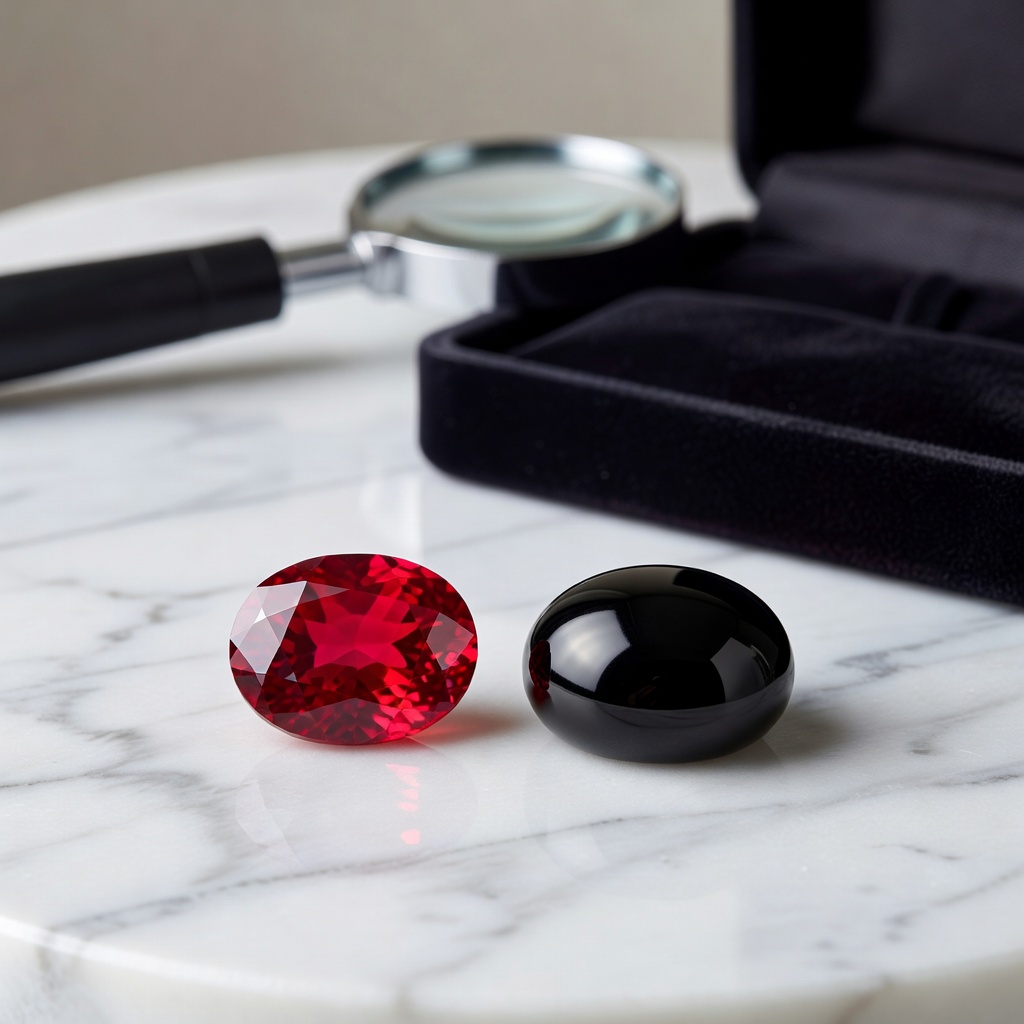
Understanding Ruby vs Onyx
When exploring the fascinating world of colored gemstones, the comparison between precious vs semi-precious stones offers valuable insights for both collectors and jewelry enthusiasts. Ruby stands as one of the four precious gemstones, belonging to the corundum family and celebrated for thousands of years by royalty and civilizations across Asia and Europe. In contrast, onyx represents an accessible yet sophisticated choice within the semi-precious category, a banded variety of chalcedony quartz prized for its deep, mysterious black appearance and versatility in modern jewelry design. Understanding the distinct characteristics, durability factors, and value propositions of these two stones empowers buyers to make informed decisions that align with their lifestyle needs, aesthetic preferences, and long-term investment goals.
Geological Origins and Formation
The journey of gemstones from deep within the earth to finished jewelry pieces reveals fascinating geological processes that directly impact their rarity and value. Both rubies and onyx undergo distinctly different formation processes that occur in separate geological environments, resulting in unique physical properties that jewelers and gemologists carefully evaluate. These natural creation stories not only explain the scarcity of certain varieties but also help identify authentic stones versus synthetic counterparts in today's market.
The Formation of Red Ruby Gemstone in Metamorphic Environments
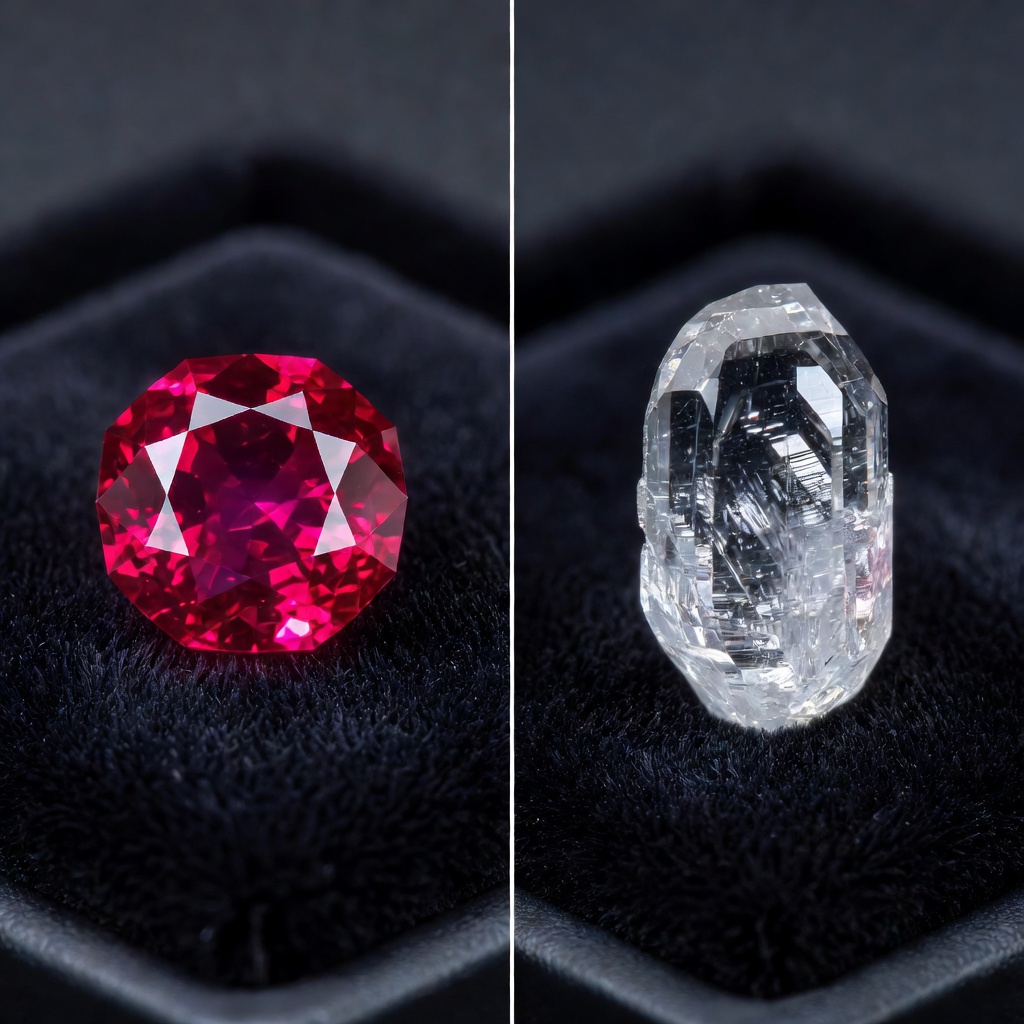
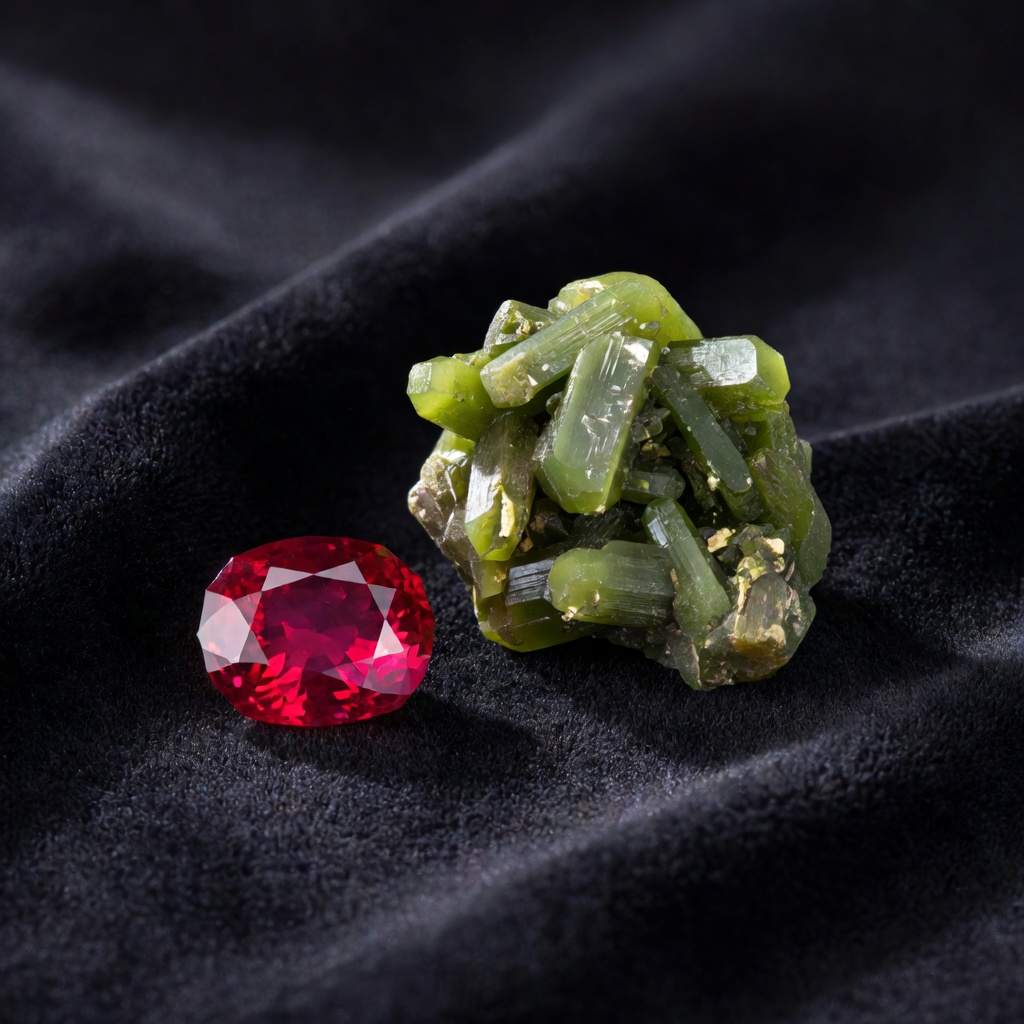
Red ruby gemstone formation occurs under extreme geological conditions within metamorphic rocks, specifically in marble deposits subjected to intense heat and pressure over millions of years. The presence of chromium during the crystallization process of aluminum oxide (corundum) creates the vivid red hues that distinguish rubies from other corundum varieties like sapphires. Myanmar (formerly Burma), Mozambique, and Thailand serve as the primary mining locations for high-quality rubies, with Burmese stones particularly prized for their exceptional "pigeon blood" red coloration and historical significance in imperial regalia. The specific marble host rocks required for ruby formation are relatively rare globally, contributing to the stone's status as one of the most valuable precious gems on the market.
How Black Onyx Stone Develops in Volcanic Cavities
Black onyx stone forms through a markedly different process, developing in the cavities and gas bubbles of volcanic rocks through the slow deposition of silica-rich solutions over extended periods. As successive layers of chalcedony quartz crystallize, they create the characteristic parallel banding that defines true onyx, though solid black varieties remain the most commercially sought after for jewelry applications. Brazil, India, and Madagascar dominate global production, with Brazilian deposits particularly noted for producing large quantities of material suitable for carving beads, cameos, and cabochon settings. Unlike the high-pressure metamorphic origins of rubies, onyx forms in relatively low-temperature hydrothermal environments, making it more abundant and accessible to jewelry manufacturers worldwide.
Physical Properties: Hardness and Durability
Gemstone hardness comparison represents a critical factor for consumers evaluating jewelry for daily wear versus occasional use, as durability directly impacts the longevity and maintenance requirements of finished pieces. The fundamental structural differences between these stones determine not only their resistance to scratching but also their suitability for specific jewelry applications ranging from engagement rings to statement pendants. Understanding these physical limitations helps prevent costly damage and ensures that selected gemstones match the wearer's activity level and lifestyle demands.
Corundum vs Chalcedony: Structural Differences
The debate of corundum vs chalcedony highlights two fundamentally different crystal systems that govern how these gemstones interact with light, resist damage, and respond to cutting and polishing techniques. Ruby crystallizes in the trigonal system, forming hard, durable crystals with excellent toughness that resists both scratching and chipping under normal wear conditions. Conversely, onyx belongs to the microcrystalline or cryptocrystalline quartz family, composed of tiny interlocking crystals that create a more porous, layered structure vulnerable to chemical damage and abrasion. These structural distinctions explain why rubies maintain their polish indefinitely while onyx requires more frequent repolishing and protective settings to preserve its surface luster.
Mohs Hardness and Practical Durability
Ruby ranks 9 on the Mohs hardness scale, placing it just below diamond as one of the hardest naturally occurring substances, which makes it exceptionally suitable for engagement rings and daily-wear jewelry subjected to frequent impact. Onyx ranks 7 on the Mohs scale, indicating good hardness but significantly less scratch resistance than corundum, meaning it can be scratched by common household dust (which contains quartz particles) or harder gemstones worn simultaneously. For active individuals or those working with their hands, ruby's superior durability translates to decades of wear without visible surface damage, while onyx jewelry requires removal during physical activities, cleaning tasks, or situations involving potential impact against hard surfaces.
| Characteristic | Ruby (Corundum) | Onyx (Chalcedony) |
|---|---|---|
| Chemical Composition | Aluminum Oxide (Al₂O₃) with Chromium | Silicon Dioxide (SiO₂) |
| Mohs Hardness | 9 | 7 |
| Crystal System | Trigonal | Hexagonal (Microcrystalline) |
| Primary Color Range | Vivid Red to Pinkish-Red | Solid Black or Banded Black/White |
| Typical Clarity | Often contains silk inclusions | Uniformly opaque |
| Price per Carat | $100 to $15,000+ (depending on quality) | $1 to $50 (depending on craftsmanship) |
| Best Jewelry Applications | Engagement rings, heirloom pieces | Cameos, beads, Art Deco designs |
| Cleaning Requirements | Ultrasonic cleaners generally safe | Soft cloth only; avoid chemicals |
| Primary Sources | Myanmar, Mozambique, Thailand | Brazil, India, Madagascar |
Visual Characteristics and Color Analysis
The aesthetic appeal of gemstones drives their desirability in jewelry markets, with color remaining the most significant factor influencing both beauty and valuation. While rubies and onyx occupy opposite ends of the color spectrum, each possesses distinct visual characteristics that appeal to different stylistic preferences and cultural associations. Understanding these visual nuances helps collectors identify high-quality specimens and appreciate the subtle variations that distinguish investment-grade stones from commercial quality material.
Ruby Color Grades and the Pursuit of Pigeon Blood Red
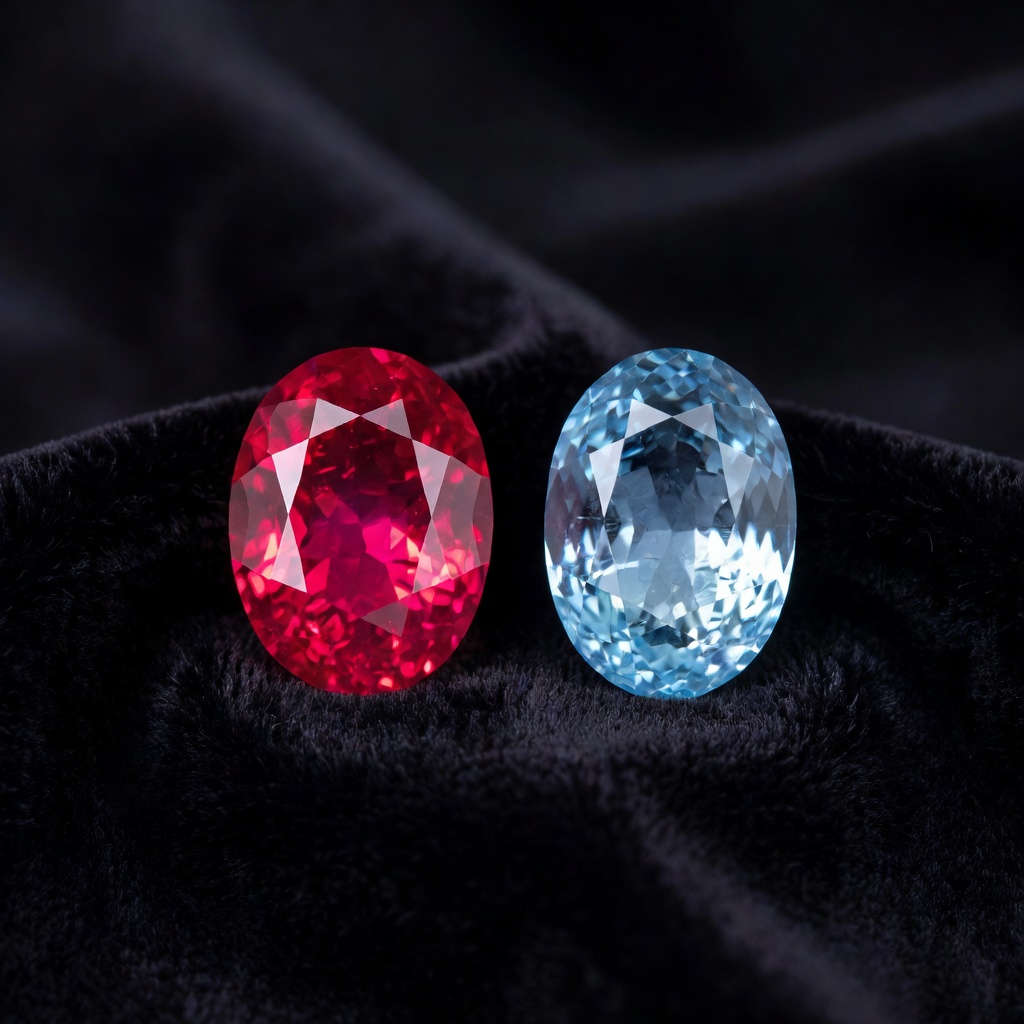
Ruby color grades range from pale pinkish-red to the highly coveted "pigeon blood" red, a vivid, pure red with slight blue undertones that commands premium prices in international markets. The chromium content responsible for ruby's color also creates fluorescence under ultraviolet light, causing fine stones to appear internally illuminated or "glowing" even in low-light conditions. Clarity characteristics in rubies often include "silk"—tiny rutile needle inclusions that, when properly oriented, can create desirable asterism (star effects) in cabochon-cut stones. Unlike diamonds where clarity significantly impacts value, rubies often accept minor inclusions as proof of natural origin, provided they do not severely impact transparency or durability.
Onyx Banding Patterns and Surface Luster
Onyx banding patterns present a study in contrasts, with high-quality black onyx displaying uniform opacity and a vitreous to waxy luster that provides an excellent background for engraving and intaglio work. While many consumers associate onyx exclusively with solid black, natural specimens often exhibit parallel white, brown, or red bands (the latter known as sardonyx), which skilled lapidaries utilize to create stunning cameos and relief carvings. The stone's ability to take a high polish makes it ideal for dramatic, sleek jewelry designs, though its opaque nature means it does not display the internal brilliance or fire associated with transparent gemstones like rubies. This opacity allows onyx to pair exceptionally well with both casual silver settings and formal platinum mountings without competing with metal finishes.
Value, Pricing, and Investment Potential
The economic distinctions between these gemstones reflect their relative rarity, mining difficulties, and cultural prestige accumulated over centuries of trade and royal patronage. While both stones offer aesthetic satisfaction, their financial trajectories differ dramatically, with one representing a potential appreciating asset and the other providing affordable luxury accessible to entry-level collectors. Understanding these value propositions prevents unrealistic expectations and guides purchases toward stones that align with both emotional desires and financial planning.
Natural rubies command exceptional prices in the global market, with high-quality unheated stones from Myanmar or Mozambique ranging from hundreds to thousands of dollars per carat, and exceptional pigeon blood specimens fetching tens of thousands per carat at auction houses. The ruby value per carat increases exponentially rather than linearly with size, meaning a five-carat fine ruby costs significantly more than five one-carat stones of similar quality due to extreme rarity in larger crystals. In contrast, affordable onyx jewelry remains accessible to most budgets, typically costing between one and fifty dollars per carat depending primarily on the quality of cutting and craftsmanship rather than the raw material itself. From an investment perspective, untreated, certified rubies from reputable mines appreciate steadily over time, particularly as Burmese sources face political and ethical mining restrictions, while onyx offers budget-friendly luxury suitable for fashion jewelry without significant resale appreciation.
Metaphysical Properties and Symbolism
Beyond their physical beauty, gemstones carry rich symbolic meanings and metaphysical associations that have influenced their use in talismans, royal regalia, and spiritual practices across diverse cultures. These symbolic dimensions often drive purchasing decisions for consumers seeking stones that resonate with personal intentions, birth month connections, or astrological alignments. The contrasting energetic profiles of ruby and onyx offer complementary rather than competing spiritual applications, making them suitable for different purposes or even combined use in protective and energizing jewelry.
Ruby represents passion, vitality, and courage, stimulating the heart chakra and promoting enthusiasm for life, love, and creative endeavors. As the July birthstone and a traditional birthstone for the Leo zodiac sign, ruby enhances confidence and leadership qualities while providing protective energy against misfortune and melancholy. Historical records indicate that medieval Europeans believed rubies could ensure health, wealth, wisdom, and success in love, while Burmese warriors implanted rubies into their flesh to make themselves invincible in battle. Onyx symbolizes protection, grounding, strength, and emotional stability, serving as a shield against negative energy and providing support during times of mental or physical stress. Associated with the zodiac signs Capricorn and Leo, onyx has served throughout history in mourning jewelry, cameo portraits, and as a stone of separation that helps release past relationships or negative patterns. Ancient Roman soldiers carried onyx amulets engraved with Mars, the god of war, believing the stone would enhance their stamina and bravery during combat.
Jewelry Applications and Design Versatility
The distinct physical properties and aesthetic qualities of rubies and onyx dictate their optimal uses in jewelry design, with each stone excelling in specific applications while presenting challenges in others. Master jewelers leverage these characteristics to create pieces that maximize beauty while ensuring longevity, often selecting settings and metal combinations that enhance the stone's natural advantages. Understanding these design applications helps consumers select appropriate pieces for different occasions and wearing frequencies.
Ruby jewelry vs onyx jewelry presents a study in luxury versus versatility, with rubies dominating high-end engagement rings, statement necklaces, and cocktail jewelry where their hardness supports secure prong settings and daily wear. Yellow gold enhances ruby's warmth and complements the red spectrum, creating classic, regal appearances suitable for formal events and heirloom pieces intended for generational transfer. Onyx dominates in men's jewelry markets, Art Deco revival designs, Victorian-style cameos, and beaded necklaces where its opaque darkness provides dramatic contrast to diamonds, pearls, or metalwork. Gemstone ring settings for onyx often feature protective bezels or channels that shield the stone's edges from impact, whereas rubies tolerate delicate prong settings that maximize light exposure and visual impact. Silver and white gold complement onyx's darkness, creating modern, sophisticated aesthetics that transition seamlessly from office wear to evening attire without the formality associated with yellow gold and ruby combinations.
Care, Cleaning, and Maintenance Requirements
Proper maintenance ensures that gemstone jewelry retains its beauty and structural integrity across decades of ownership, with different stones requiring specific care protocols based on their hardness, porosity, and chemical sensitivity. Neglecting these requirements can result in permanent damage, loss of polish, or structural weakening that compromises settings and endangers the stone. Establishing appropriate care routines protects both the emotional and financial investment represented by fine jewelry.
How to clean ruby gemstones involves relatively straightforward procedures due to their exceptional hardness and chemical stability, with warm soapy water and soft brushes effectively removing accumulated oils and debris without risking surface damage. Ultrasonic cleaners and steam cleaning generally prove safe for untreated rubies, though stones with fracture fillings, cavities, or significant inclusions require gentler hand-cleaning to avoid internal stress. Onyx stone care demands significantly more caution due to its porosity and chemical sensitivity, requiring only soft, damp cloths for cleaning while strictly avoiding acids, harsh chemicals, ammonia-based cleaners, and prolonged sun exposure that can cause fading or surface etching. Storage recommendations necessitate separating these gemstones in individual cloth pouches or compartmentalized jewelry boxes, as the harder ruby (9 Mohs) will inevitably scratch the softer onyx (7 Mohs) if stored in direct contact, particularly when pieces shift during travel or handling.
Making Your Choice: Lifestyle and Budget Considerations
Selecting between ruby and onyx ultimately requires honest assessment of lifestyle factors, financial parameters, and personal aesthetic preferences that will determine satisfaction with the purchase over time. Neither stone represents an objectively superior choice; rather, each serves distinct purposes within a comprehensive jewelry wardrobe. Practical considerations regarding durability, maintenance tolerance, and wearing frequency should outweigh impulse decisions based solely on initial visual appeal.
Active lifestyle considerations strongly favor ruby for pieces worn daily, such as engagement rings or bracelets, as its superior durability withstands the impacts, abrasions, and chemical exposures encountered during cooking, cleaning, and recreational activities. Budget constraints make onyx an attractive option for those seeking dramatic elegance at accessible price points, allowing collectors to acquire substantial, well-crafted pieces without the significant financial outlay required for quality rubies. Style matching considerations involve wardrobe coordination: ruby provides bold red statements that draw attention and signify luxury, working best with warm-toned clothing and formal occasions, while onyx offers classic black versatility that pairs effortlessly with professional attire, casual wear, and modern minimalist aesthetics. For collectors building comprehensive jewelry collections, rubies serve as investment-grade centerpieces suitable for milestone celebrations, while onyx pieces function as wearable art suitable for frequent rotation without anxiety regarding potential damage or loss.
Frequently Asked Questions
Which is more expensive, ruby or onyx?
Ruby is significantly more expensive than onyx, with the price differential reflecting fundamental differences in rarity, formation difficulty, and market demand established over centuries of trade. High-quality natural rubies can command thousands of dollars per carat, particularly for unheated stones over one carat displaying the coveted pigeon blood red color, while onyx typically ranges from one to fifty dollars per carat depending primarily on the quality of cutting, carving, and setting craftsmanship rather than the raw material value. Ruby's status as a precious gemstone, combined with limited supply from politically sensitive mining regions and increasing demand from Asian luxury markets, ensures that fine specimens appreciate steadily over time, whereas onyx remains a semi-precious stone accessible to most budgets without significant investment potential.
Is ruby harder than onyx?
Yes, ruby is considerably harder than onyx, ranking nine on the Mohs hardness scale compared to onyx's ranking of seven, which translates to substantial differences in scratch resistance and long-term durability. This hardness differential means ruby resists scratching from everyday materials including household dust, steel implements, and accidental contact with other jewelry items, making it suitable for daily wear rings and bracelets subjected to frequent impact. In contrast, onyx requires more careful handling to maintain its polished appearance, as it can be scratched by harder materials common in daily environments, including particles of quartz dust that settle on surfaces or the edges of ceramic and glass objects frequently encountered in home and office settings.
Can you wear ruby and onyx together in the same piece of jewelry?
Yes, ruby and onyx create a stunning contrast when worn together, combining fiery red with deep black for dramatic visual impact that has historical precedence in Art Deco jewelry, Victorian mourning pieces, and contemporary high-fashion designs. This combination creates a bold, sophisticated aesthetic that emphasizes the vividness of the ruby while providing a dark, grounding backdrop that makes the red appear even more intense by contrast. However, when combining these stones in a single piece, jewelers must ensure that settings protect the softer onyx from potential abrasion by the harder ruby, typically using bezels, raised settings, or physical separation to prevent the stones from contacting each other during wear, which would eventually damage the onyx surface.
Which gemstone is better for an engagement ring, ruby or onyx?
Ruby is generally better suited for engagement rings due to its superior hardness of nine on the Mohs scale and proven durability for daily wear over decades of continuous use, including during activities like hand washing, cooking, and exercising. While onyx creates beautiful statement pieces suitable for cocktail rings or occasional wear, its lower hardness of seven makes it more susceptible to scratching, chipping, and surface damage during everyday activities that engagement rings typically endure. Additionally, ruby holds better long-term value as an investment and carries stronger traditional associations with eternal love, passion, and commitment in Western and Eastern cultural traditions, whereas onyx associations with separation or mourning, while historically significant, may carry less positive symbolism for matrimonial jewelry in contemporary contexts.
Do ruby and onyx have different metaphysical meanings?
Yes, ruby and onyx possess distinct metaphysical properties that serve different energetic purposes, with ruby associated with passion, energy, love, and vitality, stimulating the heart chakra and promoting courage, enthusiasm, and dynamic action in the physical world. Ruby energizes the wearer, increases circulation of life force energy, and encourages risk-taking and leadership, making it ideal for those seeking motivation, romantic connection, or creative inspiration. Conversely, onyx represents protection, grounding, strength, and emotional stability, helping to absorb negative energy, provide support during difficult times, and promote mental focus and self-discipline by grounding excess energy into the earth. While ruby activates and energizes, onyx stabilizes and contains, making them complementary stones that can be used together to balance high energy with grounded stability, or separately depending on whether the wearer needs stimulation or calm.
Is black onyx actually black, or is it treated to achieve that color?
While natural black onyx does exist in nature, much of the commercially available black onyx sold in jewelry markets is actually gray chalcedony or banded agate that has been heat-treated or dyed to achieve a uniform deep black color that meets consumer expectations for the stone. This treatment is stable, permanent, and widely accepted in the jewelry industry as standard practice for enhancing the aesthetic appeal of otherwise less desirable gray or banded material. Natural solid black onyx without banding is relatively rare compared to its treated counterparts, and untreated specimens often command slightly higher prices among purist collectors, though the difference in value remains minimal compared to the vast price ranges seen in precious gems like rubies where natural vs. treated status significantly impacts valuation.
Can onyx be red like ruby, or are they always different colors?
Onyx and ruby are typically different colors due to their distinct chemical compositions, but there is some overlap in terminology and appearance that can confuse consumers, particularly regarding red varieties of chalcedony. While ruby is exclusively defined as red corundum colored by chromium, onyx technically refers to parallel-banded chalcedony that occurs in various colors including black, white, brown, and red, with the red variety sometimes called sardonyx when exhibiting banded patterns combining red and white layers. However, red onyx differs fundamentally from ruby in chemical composition (silicon dioxide vs. aluminum oxide), hardness (seven vs. nine Mohs), crystal structure, and value, though both display red hues that can appear similar to the untrained eye, particularly in cabochon cuts or opaque settings where brilliance and transparency differences are less apparent.