Understanding Ruby vs Musgravite
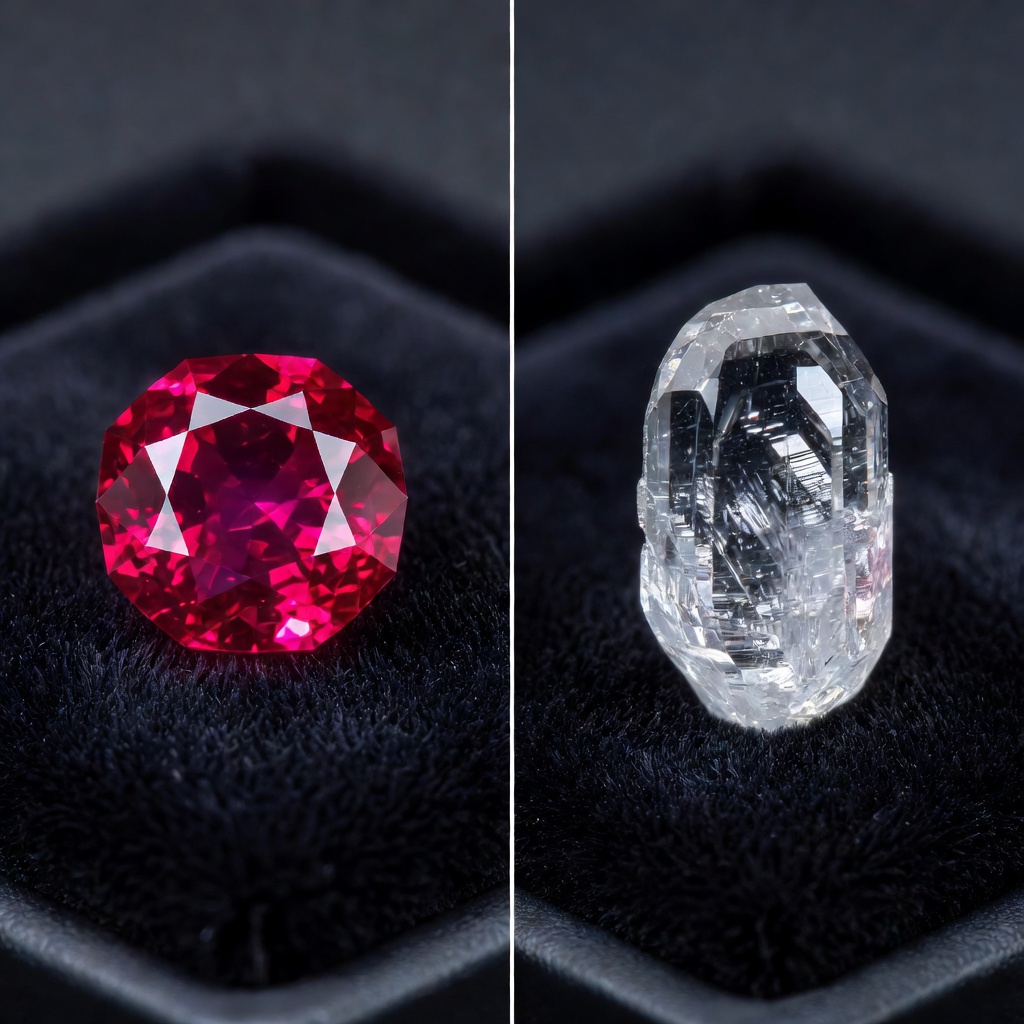
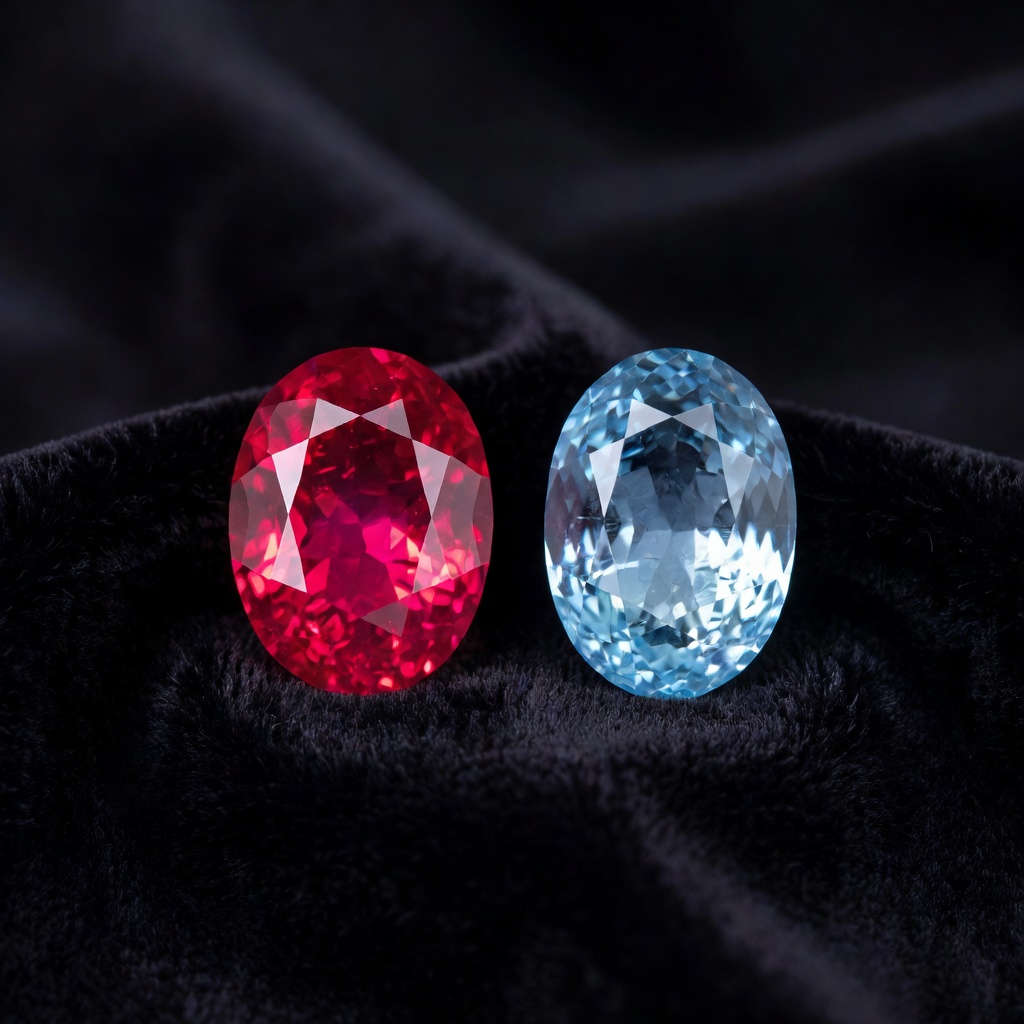
When collectors and investors explore the upper echelons of the gemstone market, the comparison between ruby and musgravite represents a fascinating study in contrasts. Ruby, the red variety of corundum and the traditional July birthstone, has captivated civilizations for millennia with its fiery crimson beauty and historical significance in royal regalia. In stark contrast stands musgravite, one of the world's rarest gemstones, first discovered in 1967 within Australia's remote Musgrave Ranges and representing such extreme scarcity that most jewelers will never handle a single specimen. Despite belonging to entirely different chemical families—the aluminum oxide family for rubies versus the beryllium aluminum magnesium oxide group for musgravite—these stones frequently appear in discussions among high-end collectors evaluating the ultimate rare gemstones comparison. The decision between these extraordinary minerals ultimately hinges on three critical differentiators: availability in the marketplace, dramatic price point variations, and distinctly different visual characteristics that appeal to different aesthetic sensibilities.
Geological Origins and Discovery History
The journey of a ruby from rough stone to polished gem typically begins in the ancient marble belts of Myanmar's legendary Mogok Valley, where mining operations have extracted these treasures for over 800 years. Modern ruby production extends across Mozambique's Montepuez deposits and Thailand's Chanthaburi province, with thousands of carats of gem-quality material entering the market annually through established mining consortiums. The story of musgravite origin differs dramatically, beginning with its 1967 discovery by Australian geologists exploring the Musgrave Ranges in Central Australia, where only eight tiny crystals were initially found. For decades afterward, musgravite remained virtually unobtainable, with gemologists believing fewer than 25 faceted specimens existed worldwide until 2005, when additional deposits were identified in Tanzania's Tunduru region and surprisingly, Myanmar's own Mogok mines. This stark disparity in production volumes—thousands of ruby carats versus a handful of musgravite crystals—establishes the foundation for their vastly different market positions.
Primary Source Locations and Mining Challenges
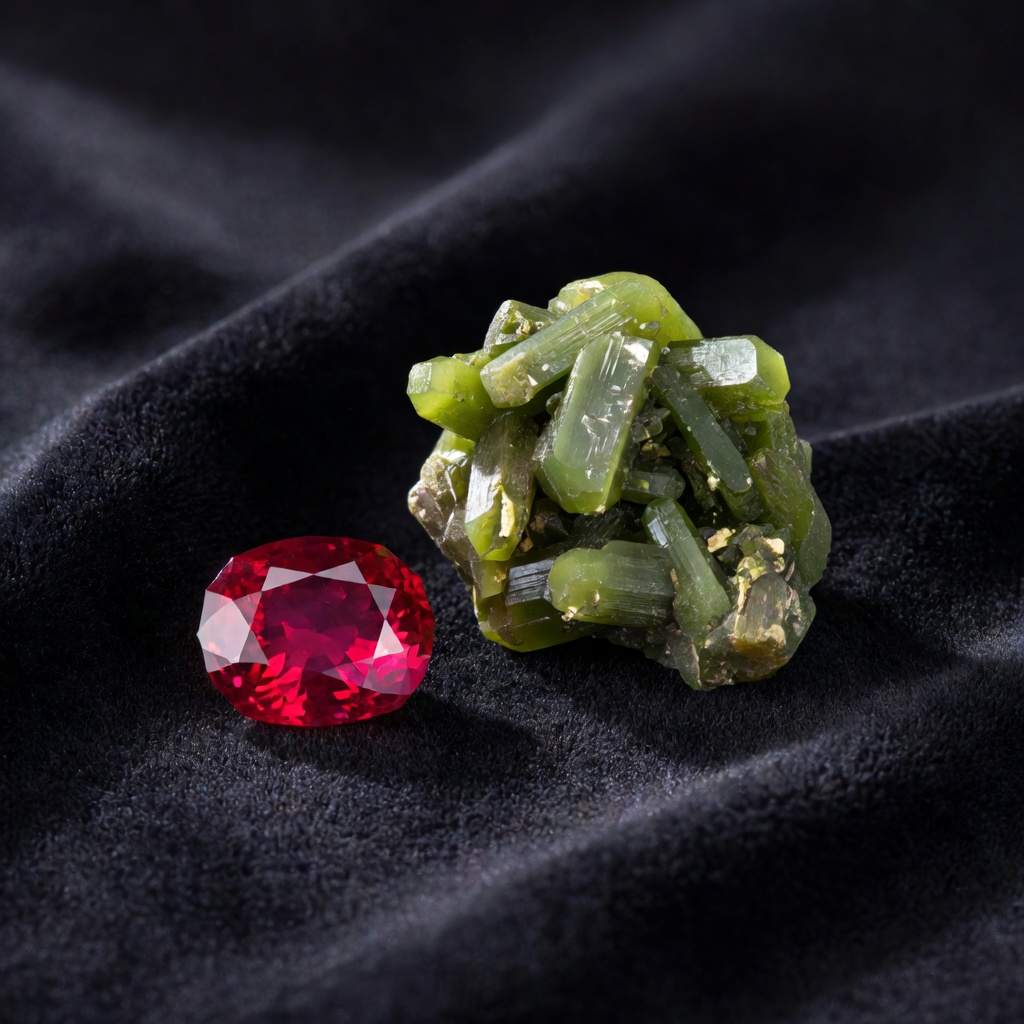
Ruby mining operations in Mogok utilize both traditional hand-dug tunnels and modern open-pit techniques to extract stones from marble and gneiss host rocks, with production continuing steadily despite political and environmental challenges. Musgravite extraction presents an entirely different scenario, as the original Australian source produced merely trace amounts, and current Tanzanian discoveries yield crystals rarely exceeding one carat in size, with most material suitable only for mineral specimens rather than faceted gems. Practical tip for collectors: When evaluating provenance documentation, verify that Burmese rubies come with mining licenses from specific townships like Mogok or Mong Hsu, while authentic musgravite should include documentation noting either the original Australian type locality or the more recent Tanzanian discoveries.
Chemical Composition and Physical Properties
At the molecular level, ruby consists of aluminum oxide (Al₂O₃) in the trigonal crystal system, with chromium impurities replacing aluminum atoms to create the signature red coloration that defines this precious gem. Musgravite presents a far more complex chemical structure as a member of the taaffeite family, specifically beryllium aluminum magnesium oxide with the formula Be(Mg,Fe,Zn)₂Al₆O₁₂, crystallizing in the hexagonal system and representing one of the most chemically intricate gem materials known to science. When evaluating musgravite hardness, collectors find it ranks 8 to 8.5 on the Mohs scale, making it suitably durable for jewelry though notably softer than ruby's exceptional 9 rating, which places it just below diamond in terms of scratch resistance. These structural differences explain why ruby maintains its position as a preferred choice for daily wear jewelry, while musgravite requires more careful consideration despite its respectable hardness.
Crystal Structure Implications for Cutters
Gem cutters working with ruby must navigate its trigonal crystal habit and perfect cleavage planes, requiring careful orientation to prevent fracturing during the faceting process, particularly when working with Mogok material that often contains rutile inclusions. Musgravite's hexagonal structure presents unique challenges due to its strong trichroism, meaning cutters must strategically orient the table facet to either emphasize or minimize the pleochroic colors ranging from green to violet-gray. Case study: A 2021 faceting project documented by the Gemological Institute of America revealed that a 2.3-carat musgravite rough from Tanzania required three weeks of study before cutting to maximize the purple-gray face-up color while minimizing the greenish body color, whereas a similar sized Burmese ruby could be optimized for cutting within days due to more predictable optical behavior.
Color Variations and Visual Identification
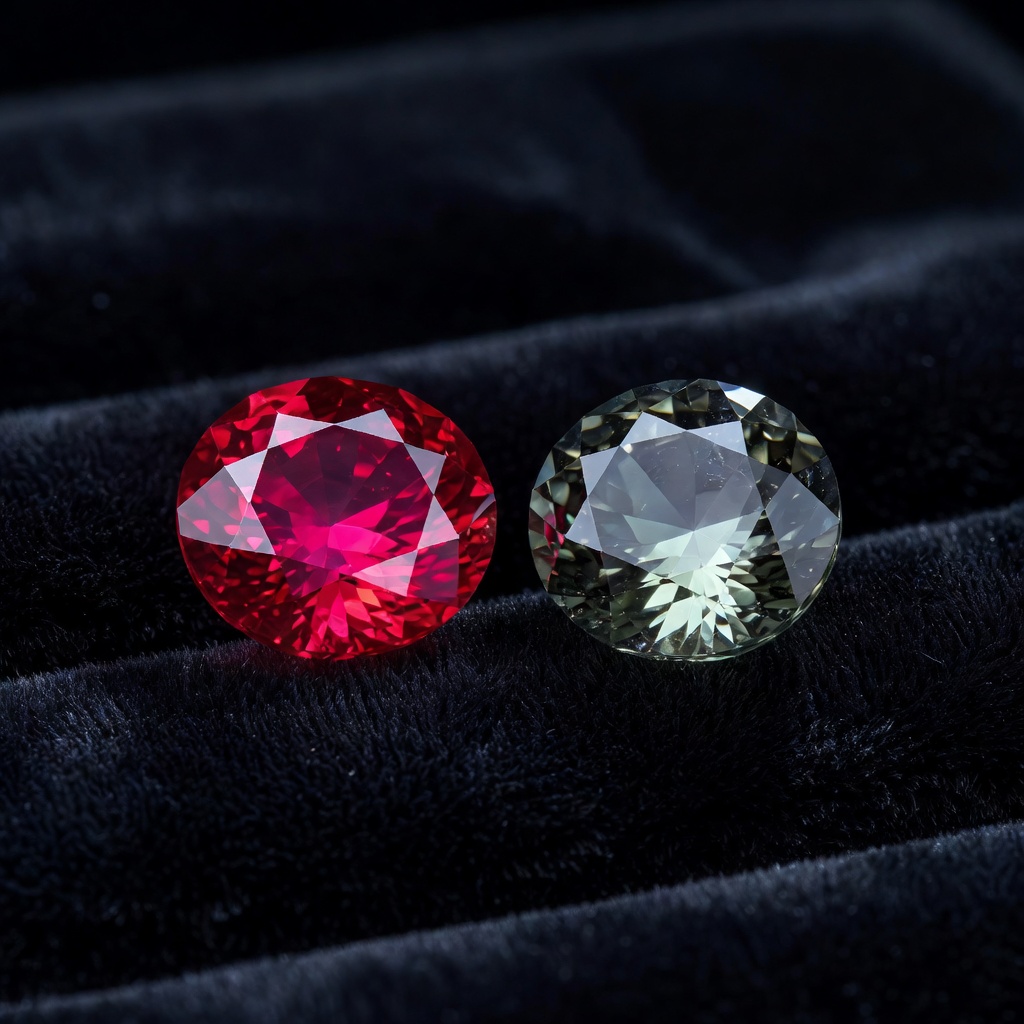
The color spectrum of fine rubies spans from delicate pinkish-red hues to the legendary pigeon blood ruby value tier, characterized by a pure red body color with a hint of blue that creates an almost glowing appearance under natural daylight, enhanced by strong red fluorescence. Musgravite color presents an entirely different aesthetic, displaying characteristic greenish-gray to purple-gray tones with distinctive trichroism that reveals green, blue-gray, and purple depending on viewing angle, creating a subtle, sophisticated appearance quite unlike ruby's passionate red. Transparency levels differ significantly between these gems, as the ruby market generally demands eye-clean clarity for top valuations, whereas musgravite specimens often contain visible inclusions and silk yet command premium prices due to their extreme rarity. Lighting conditions affect these stones dramatically: rubies typically intensify in color under incandescent lighting due to chromium fluorescence, while musgravite shows minimal fluorescence and may appear somewhat flat under warm lighting, performing best under daylight-equivalent LED illumination.
Practical Identification Tips for Collectors
When examining potential acquisitions, hold the stone under a diffused daylight LED and rotate it slowly; ruby will maintain a consistent red axis with potential silk inclusions appearing as intersecting lines at 60 and 120 degrees. Musgravite will show obvious color shifting from greenish to purplish tones as you rotate the stone, a phenomenon rarely seen in ruby except in certain lighting conditions with pink sapphires. Practical example: A collector in Singapore recently identified a mislabeled "gray spinel" as musgravite specifically by observing this trichroic behavior under polarized light filtering, subsequently confirmed by Raman spectroscopy, highlighting the importance of understanding optical properties beyond simple color observation.
The Rarity Factor: Availability and Market Scarcity
Quantifying the rarity of these gemstones reveals staggering differences that place them at opposite ends of the gemstone rarity scale, despite both being considered precious materials. Annual global production of gem-quality rubies reaches thousands of carats, with fine unheated Burmese stones representing perhaps 1% of this total, yet still available through regular high-end auctions and dealer networks. Musgravite exists in an entirely different category of scarcity, with gemological literature documenting fewer than ten original faceted specimens from the Australian source until the early 2000s, and even with Tanzanian discoveries, fewer than 50 faceted stones may exist worldwide today. This extreme shortage often leads to confusion between taaffeite vs musgravite, as both belong to the same mineral group and share similar colors, though musgravite contains magnesium and iron substitutions that distinguish it chemically and make it marginally more available than taaffeite, which remains even rarer.
The Collector's Dilemma: Accessibility vs. Exclusivity
For investors seeking the rarest gemstones available, musgravite offers a "museum-grade" acquisition opportunity where ownership places one in an exclusive club of perhaps two dozen collectors worldwide. Ruby, while still rare in fine qualities, offers the advantage of liquidity and established markets, with auction houses like Christie's and Sotheby's regularly featuring important rubies, whereas musgravite appears at auction perhaps once every five to ten years. Tip for serious collectors: When evaluating musgravite acquisitions, request documentation tracing the stone's cutting history, as many specimens were faceted by specific master cutters like those at Idar-Oberstein, Germany, adding provenance value that rubies rarely match due to their standardized cutting practices.
Price Analysis and Investment Potential
The financial landscape for these gemstones reflects their availability differences while revealing surprising overlaps at the highest tiers of the market. Commercial-grade rubies begin around $100 per carat for heated Thai or African material, with fine unheated Burmese stones reaching $15,000 to $50,000 per carat for exceptional pigeon blood specimens exceeding five carats. Musgravite price per carat starts where fine rubies leave off, with documented sales ranging from $35,000 to $150,000 per carat for faceted specimens, assuming one can locate a seller willing to part with material essentially considered irreplaceable. Auction records illustrate this disparity clearly: while the "Sunrise Ruby," a 25.59-carat Burmese stone, sold for $30.3 million in 2015 (approximately $1.19 million per carat), the few musgravite sales documented through private treaty have ranged between $800,000 to $2 million for single stones under five carats, reflecting scarcity premiums rather than size premiums.
| Characteristic | Ruby | Musgravite |
|---|---|---|
| Chemical Composition | Aluminum Oxide (Al₂O₃) with Chromium | Beryllium Aluminum Magnesium Oxide (Be(Mg,Fe,Zn)₂Al₆O₁₂) |
| Mohs Hardness | 9 | 8-8.5 |
| Color Range | Pinkish-red to Pigeon Blood Red | Greenish-gray to Purple-gray |
| Annual Production | Thousands of carats (gem quality) | Fewer than 50 known faceted specimens total |
| Price Per Carat | $100 - $1,000,000+ (exceptional cases) | $35,000 - $150,000+ (when available) |
| Primary Sources | Myanmar (Mogok), Mozambique, Thailand | Australia (type locality), Tanzania (Tunduru), Myanmar |
| Common Treatments | Heat treatment, flux healing, glass-filling | Typically untreated |
| Best Application | Daily wear jewelry, engagement rings, heirlooms | Investment collection, museum display, ultra-high-end pendants |
| Market Liquidity | High - established auction markets worldwide | Very Low - private treaty sales only |
| Identification Method | Standard gemological testing, refractive index 1.76-1.77 | Raman spectroscopy required (RI overlaps with taaffeite) |
Investment Strategy Considerations
Ruby offers investors a relatively liquid asset class with centuries of auction history, standardized grading criteria, and broad collector demand spanning Asian, European, and American markets, making it suitable for portfolio diversification with potential for appreciation. Musgravite functions more as an "alternative investment" comparable to rare stamps or vintage automobiles, where value preservation depends on finding the single right buyer when liquidation becomes necessary, often requiring 12-24 months to complete a sale through specialized mineral dealers. Case study: A private collector who purchased a 1.2-carat musgravite in 2010 for $45,000 attempted to liquidate in 2020; while the stone had theoretically appreciated to $80,000 based on rarity metrics, it required 18 months and specialized auction placement to achieve a $65,000 sale, whereas a comparable investment in Burmese ruby could have liquidated within weeks through any major auction house.
Durability and Jewelry Suitability
Evaluating gemstone durability reveals ruby as the clear champion for jewelry applications, combining exceptional hardness with good toughness and no cleavage planes that would risk chipping during daily wear, making it ideal for engagement rings and heirloom pieces passed through generations. Musgravite, while ranking respectably at 8-8.5 on the Mohs scale, presents a unique dilemma: physically capable of withstanding daily wear but financially and practically unsuitable due to replacement impossibility and extreme value concentration in tiny parcels. Setting recommendations differ dramatically between these stones, with rubies accommodating everything from delicate prong-set solitaires to elaborate pavé designs, while musgravite demands protective bezel settings or halo designs that minimize exposure to impact, often mounted as pendants rather than rings to reduce wear risk.
Practical Wear Guidelines
For those considering July birthstone alternatives that include musgravite, understand that wearing this gem in a ring setting exposes it to risks that could destroy a six-figure investment through a single impact against a countertop or door frame. Ruby's superior toughness regarding fracture resistance makes it suitable for tennis bracelets, rings, and earrings worn during active lifestyles, though even rubies require removal during heavy manual labor. Practical tip: If investing in musgravite jewelry, commission a custom pendant or brooch design featuring a protective bezel with a 0.5mm rim extending above the girdle, ensuring the stone never contacts surfaces directly, and secure specialized insurance riders that specifically cover "one-of-a-kind mineral specimens" rather than standard jewelry coverage.
Certification, Treatments and Authentication Challenges
The certification landscape for rubies follows established protocols through major laboratories like GIA, SSEF, and Gübelin, providing detailed reports on origin determination, heat treatment disclosure, and clarity enhancement identification using standard spectroscopic and microscopic techniques. Musgravite identification presents significantly greater challenges, as this gem shares refractive indices, specific gravity, and visual characteristics with its close cousin taaffeite, requiring advanced Raman spectroscopy or X-ray diffraction analysis to distinguish the magnesium-rich musgravite from magnesium-free taaffeite definitively. Ruby treatments vary widely from accepted heat enhancement to controversial flux healing and glass-filling, all of which must be disclosed under standard trade practices, whereas musgravite typically reaches the market untreated due to its rarity making enhancement economically illogical. Synthetic alternatives pose risks for both categories, with flux-grown and hydrothermal synthetic rubies requiring careful spectroscopic analysis, while synthetic musgravite has not been commercially produced, making simulants like gray spinel or synthetic corundum the primary fraud risks for the latter.
Authentication Best Practices
When acquiring high-value rubies, insist on "origin and treatment" reports from SSEF or Gübelin for stones over $10,000, as these laboratories maintain extensive reference databases of inclusion scenes specific to Mogok versus Mozambique mines. For musgravite acquisitions, accept only reports from GIA, GRS, or similar laboratories explicitly stating "musgravite" rather than "taaffeite group mineral," and request Raman spectroscopy data showing the characteristic peaks at 414, 555, and 645 cm⁻¹ that confirm musgravite specifically. Practical warning: A 2019 incident in Bangkok's gemstone district saw gray spinel being sold as musgravite to unwary tourists; protect yourself by verifying that the certification number on the report matches the laboratory's online database and includes a photomicrograph of the stone's inclusions.
Buying Guide: Choosing Between Ruby and Musgravite
Navigating the decision between these extraordinary gems requires honest assessment of budget parameters, lifestyle factors, and collecting objectives, as the ruby vs musgravite choice represents fundamentally different approaches to gemstone ownership. Budget considerations immediately stratify the market: with $10,000 to $50,000, collectors can acquire exceptional unheated Burmese rubies suitable for important jewelry, while the same budget might barely secure a 0.25-carat musgravite specimen suitable only for a collector's vault. Lifestyle analysis proves equally critical—active individuals who desire wearable art should gravitate toward ruby's durability and replaceability, while those seeking ultimate exclusivity might accept musgravite as a "trophy mineral" displayed under LED lighting rather than worn.
Decision Matrix for Buyers
Consider your primary motivation: if seeking a July birthstone alternatives piece that combines personal significance with investment potential, ruby offers established symbolism dating to Biblical texts and ancient Sanskrit writings, whereas musgravite carries no historical cultural associations but offers conversational exclusivity. Color preference plays a decisive role for visual impact; rubies command attention across rooms with their vivid red fluorescence, while musgravite rewards close inspection with subtle pleochroic shifts that only the owner and informed observers appreciate. Practical example: A Silicon Valley executive chose a 3-carat unheated Burmese ruby for an engagement ring after determining that musgravite's gray tones did not match his fiancée's preference for vivid colors, while a Hong Kong mineral collector specifically sought musgravite precisely because its subdued sophistication differentiated his collection from the ruby-heavy assemblages of his peers.
Making Your Rare Gemstone Decision
The final selection between these remarkable stones ultimately distills to a choice between accessible magnificence and unobtainable rarity, between wearable history and vault-worthy exclusivity. Ruby vs musgravite guide recommendations suggest choosing ruby when you desire a gem that combines breathtaking beauty with practical durability, established investment markets, and the ability to create heirloom jewelry enjoyed daily rather than stored in climate-controlled safes. Reserve musgravite acquisitions for serious mineral collectors with substantial discretionary budgets who understand that liquidity may require years to achieve, and who find satisfaction in owning something that perhaps fewer than twenty other people on Earth possess.
Regardless of your choice, working with reputable dealers remains paramount—seek out specialists with established histories in Burmese gems for ruby purchases, and engage only with dealers affiliated with the Mineralogical Association or similar bodies when sourcing musgravite. Request comprehensive documentation, verify laboratory certifications independently, and consider the emotional return on investment as carefully as the financial metrics. Whether you select the fiery passion of a pigeon blood ruby or the subtle mystery of a musgravite, you join an exclusive fellowship of connoisseurs who appreciate nature's rarest artistic creations.
Frequently Asked Questions
Is musgravite actually rarer than ruby?
Yes, musgravite is significantly rarer than even the finest Burmese ruby. While high-quality rubies are scarce, thousands of carats are mined annually. In contrast, fewer than 25 faceted musgravite specimens were documented in existence until 2005, making it one of the rarest gemstones on Earth.
Why is musgravite more expensive than ruby?
Musgravite commands $35,000 to $150,000+ per carat due to extreme scarcity and collector demand. While top pigeon blood rubies can exceed these prices, most rubies are more affordable. Musgravite's price reflects that it's essentially a museum-grade mineral rarely available on the open market.
Can musgravite be used in an engagement ring like ruby?
While musgravite has good hardness (8-8.5 Mohs), its extreme value and rarity make it impractical for daily wear. Rubies, with superior hardness (9 Mohs) and more reasonable replacement costs, are far better suited for engagement rings and daily jewelry.
How can I tell the difference between musgravite and ruby?
Visual inspection isn't reliable—rubies are distinctly red, while musgravite appears greenish-gray to purple. However, definitive identification requires laboratory testing using Raman spectroscopy or X-ray diffraction to distinguish musgravite's beryllium aluminum magnesium oxide structure from ruby's aluminum oxide composition.
What colors do musgravite and ruby come in?
Rubies range from pinkish-red to deep pigeon blood red. Musgravite displays grayish-green, blue-gray, or purple-gray colors with strong pleochroism (showing different colors from different angles). Unlike ruby, musgravite never occurs in red hues.
Is musgravite a better investment than ruby?
Musgravite offers extreme rarity but lacks liquidity—finding buyers requires specialized auction houses. Ruby offers a more established investment market with auction records dating centuries, easier certification standards, and broader collector demand, making it generally safer for investment purposes.
Where can I buy authentic musgravite?
Authentic musgravite is available only through high-end mineral dealers, specialized gemstone auction houses (like Christie's or Sotheby's), and select museums. Due to its confusion with taaffeite, only purchase musgravite with GIA or similar laboratory certification confirming its identity.
Which gemstone is harder: ruby or musgravite?
Ruby is harder, ranking 9 on the Mohs scale compared to musgravite's 8-8.5. This makes ruby more resistant to scratching and better suited for daily wear jewelry, while musgravite requires more careful handling despite being relatively durable.