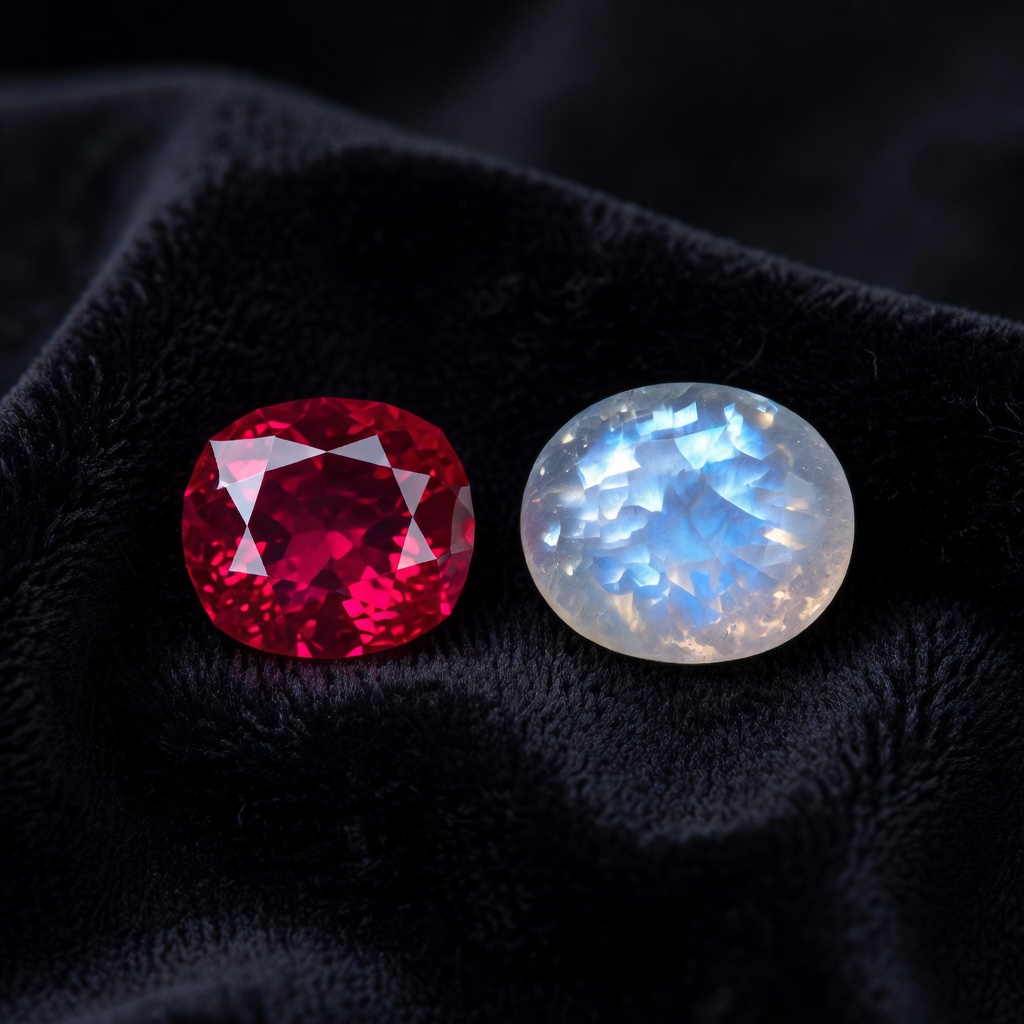
Two Distinct Paths in Gemstone Jewelry
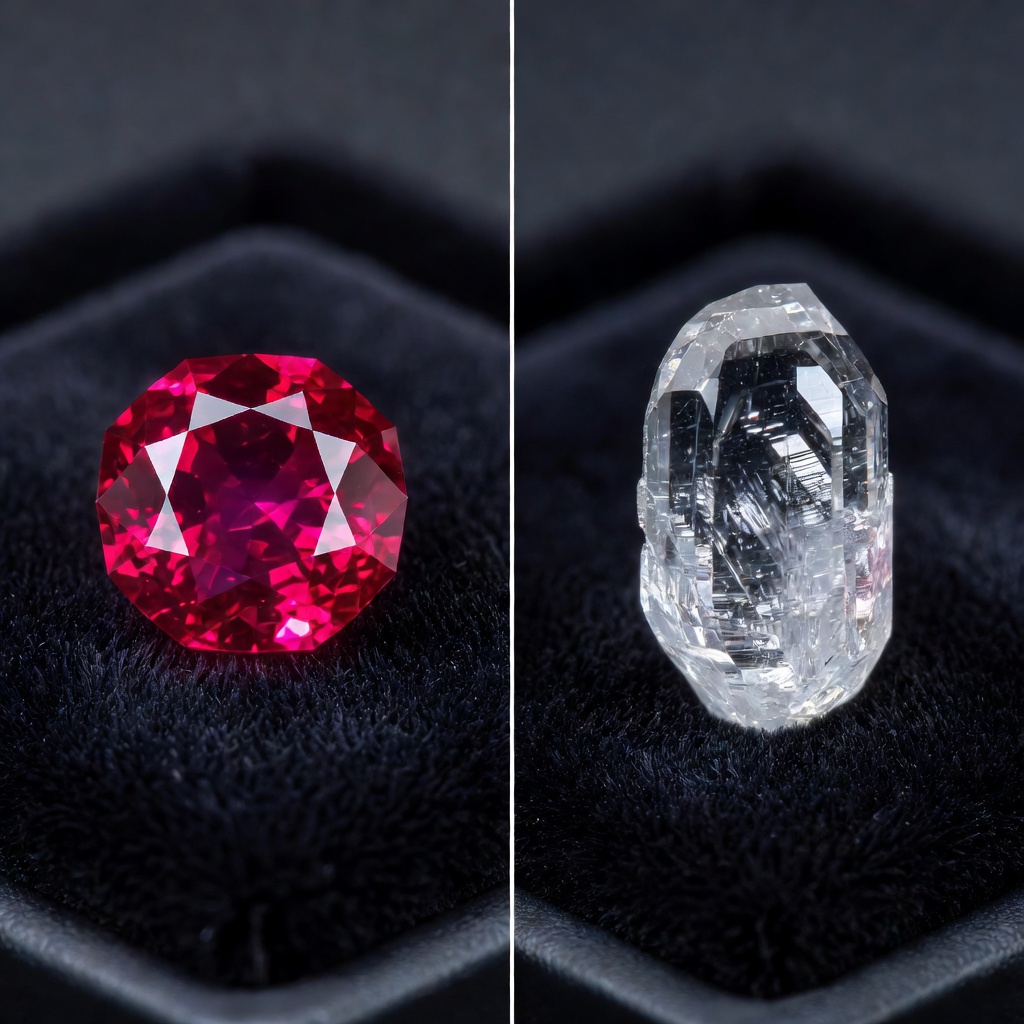
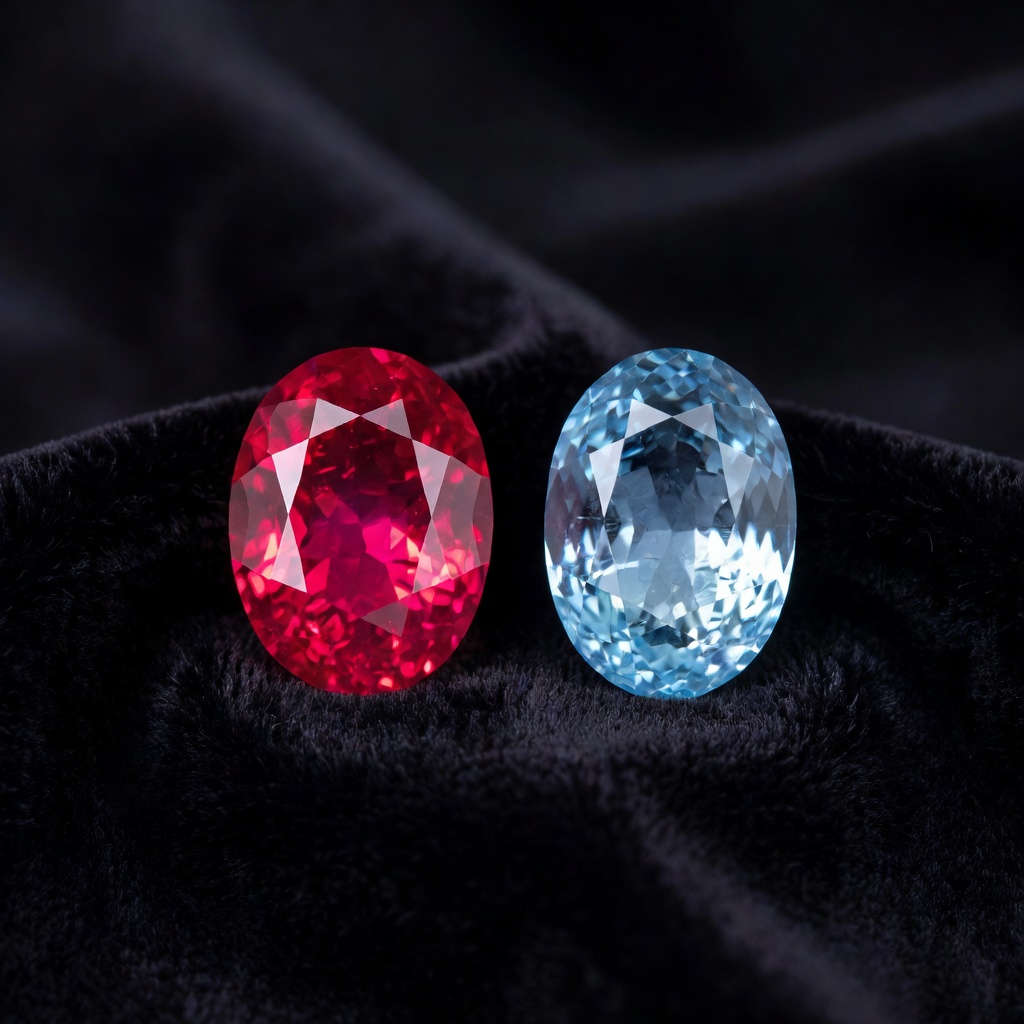
When exploring the enchanting world of colored gemstones, the Ruby vs Moonstone comparison presents a fascinating study in contrasts that captures the imagination of collectors and jewelry enthusiasts alike. Ruby, revered as the "King of Gems," embodies the fierce intensity of fire with its saturated crimson hues that seem to glow from within, representing passion, power, and unyielding vitality. In stark opposition, moonstone emerges as the ethereal mistress of mystery, displaying a water-element beauty characterized by billowy adularescence that shifts and shimmers like moonlight dancing on tranquil waters. These gemstones appeal to fundamentally different aesthetic sensibilities: the ruby demands attention as a bold statement of confidence and luxury, while moonstone whispers subtle secrets of intuition and emotional depth through its gentle, mysterious glow.
Selecting between these two treasures requires careful consideration of multiple critical factors that extend far beyond mere visual preference. Prospective buyers must evaluate durability differences that determine whether a stone can withstand daily wear or requires protective, occasional use, particularly when considering engagement rings or heirloom pieces. Value propositions differ dramatically between these gems, with investment potential and price accessibility varying by orders of magnitude depending on quality grades and origin localities. Additionally, metaphysical properties and birthstone significance play crucial roles for spiritually minded collectors seeking stones that align with their energetic needs or celebrate specific birth months.
Geological Origins and Mineral Composition
The fundamental distinction between these gemstones begins at the molecular level, where their divergent chemical structures tell stories of dramatically different formation environments deep within the earth. Ruby belongs to the corundum family, consisting of aluminum oxide (Al₂O₃) crystals that form under extreme heat and pressure conditions typically found in metamorphic rocks or specific igneous environments. This Corundum vs feldspar distinction matters significantly because corundum's dense, hexagonal crystal structure creates exceptional hardness and durability that few other gemstones can match. Trace amounts of chromium replace aluminum atoms within the crystal lattice to create ruby's signature red color, with higher chromium concentrations producing the coveted "pigeon blood" saturation prized by connoisseurs.
Moonstone, conversely, originates from the feldspar mineral group, specifically orthoclase or adularia varieties that form through the cooling of magma and the slow deposition of mineral layers over geological timescales. Unlike ruby's uniform crystalline structure, moonstone develops through the intergrowth of two distinct feldspar species—orthoclase and albite—that separate into microscopic, alternating layers as the rock cools, creating the unique optical phenomena that define this gem. Primary mining locations reflect these geological differences: Myanmar (Burma), Mozambique, and Thailand yield the world's finest rubies from marble-hosted deposits, while India, Sri Lanka, and Madagascar produce the most prized moonstones from pegmatite and granitic formations. Understanding these Ruby mineral composition basics helps collectors appreciate why rubies command premium prices for untreated specimens while moonstones remain more accessible to entry-level collectors.
Durability and Wearability Factors
Practical jewelry selection demands honest assessment of how different gemstones withstand the rigors of daily life, and the disparity between these two stones could not be more pronounced. On the Mohs hardness scale, ruby ranks an impressive 9, making it second only to diamond in terms of scratch resistance and suitable for heirloom jewelry intended for generational transfer. This exceptional hardness means ruby rings can withstand accidental knocks against doorframes, desk surfaces, and everyday hazards without showing surface damage, maintaining their polish and brilliance through decades of continuous wear. Conversely, Moonstone durability presents significant concerns for active wearers, as this gem registers only 6 to 6.5 on the Mohs scale, making it susceptible to scratching from common materials like household dust (which often contains quartz particles ranking 7 on the scale).
Beyond surface hardness, toughness—the resistance to breaking and chipping—reveals another critical vulnerability in moonstone that ruby does not share. Moonstone possesses perfect cleavage in two directions, meaning it can split cleanly along specific planes within its crystal structure when subjected to impact or pressure, much like a diamond though far more prone to accidental damage. Ruby's structural integrity lacks such cleavage planes, allowing it to absorb impacts without catastrophic failure, though extremely hard blows can still cause fractures in any gemstone. Heat sensitivity further differentiates these stones: while ruby tolerates standard jewelry repair temperatures, moonstone's layered internal structure can separate or "craze" when exposed to sudden temperature changes or ultrasonic cleaning, making it better suited for pendants and earrings than rings for those seeking daily-wear pieces.
Visual Characteristics: Color Saturation vs Adularescence
The optical phenomena displayed by these gemstones represent opposite ends of the visual spectrum, appealing to different aesthetic preferences and stylistic sensibilities. Ruby color grades follow a strict hierarchy where "pigeon blood red"—a pure, vivid red with a hint of blue—commands the highest premiums, followed by vibrant red, pinkish-red, and orangish-red varieties that decrease in value accordingly. The presence of strong fluorescence under daylight or UV light significantly enhances a ruby's apparent color saturation, causing fine Burmese stones to appear almost internally illuminated with a mesmerizing "glow" that synthetic or heat-treated stones rarely replicate perfectly. When selecting rubies, collectors should examine stones under various lighting conditions, as incandescent lighting tends to emphasize red tones while fluorescent lighting may reveal underlying purple or brown tints that affect value.
Moonstone adularescence creates an entirely different visual experience that captivates through subtlety rather than saturation. This phenomenon occurs when light scatters between the microscopic layers of orthoclase and albite feldspar, creating a billowy, floating sheen that appears to move across the stone's surface as you tilt it—resembling moonlight filtering through thin clouds. Premium blue moonstones display a sharp, electric blue adularescence against a colorless to slightly milky body, while rainbow moonstones (technically labradorite feldspar but often marketed as moonstone) exhibit multicolored flashes including peach, yellow, and green. Clarity expectations differ markedly between these gems: whereas rubies often contain desirable "silk" inclusions that indicate natural origin and can soften harsh lighting, moonstones should appear nearly transparent with the adularescence centered and unobscured by turbidity or internal fractures that would diminish the effect.
Birthstone Significance and Metaphysical Properties
Beyond their physical beauty, these gemstones carry profound symbolic weight that influences purchasing decisions for birthday gifts, spiritual talismans, and meaningful jewelry commemorating life milestones. The July birthstone vs June birthstone distinction places ruby as the midsummer gem representing the zenith of solar energy, vitality, and unbridled passion, while moonstone governs June with its connection to lunar cycles, intuition, and emotional renewal. Ancient Burmese warriors embedded rubies into their flesh before battle, believing the stones would render them invincible, while Hindu mythology connects moonstone to lunar deities and holds that placing the stone in one's mouth during a full moon enables prophecy and vision. These historical associations continue to influence modern metaphysical practices where practitioners select stones based on energetic resonance rather than aesthetics alone.
Contemporary crystal healing traditions assign distinct chakra associations to these gems that reflect their elemental natures. Ruby stimulates the root chakra (Muladhara), grounding spiritual energy into physical action, enhancing confidence, courage, and life force energy—qualities associated with masculine yang energy and the fire element. Moonstone meaning and benefits center on the crown and third eye chakras, promoting psychic awareness, emotional balance, and connection to feminine yin energy and natural cycles. Many healers recommend moonstone for new beginnings, fertility, and soothing emotional instability, while ruby addresses lethargy, low self-esteem, and lack of motivation. Some practitioners intentionally pair these stones to balance masculine and feminine energies within the body, creating harmony between action and intuition, passion and reflection.
Market Value and Investment Considerations
The financial disparity between these gemstones reflects their relative rarity, durability, and cultural prestige, with Ruby price per carat often reaching stratospheric heights unavailable to average collectors. Fine untreated Burmese rubies exceeding five carats can command $10,000 to over $1 million per carat at auction, depending on color saturation, clarity, and the presence of origin certificates verifying Mogok Valley provenance. Mozambique rubies offer slightly more accessible entry points at $5,000-$15,000 per carat for premium qualities, while heated or fracture-filled rubies provide budget options ranging from $100 to $2,000 per carat depending on treatment extent. Investment potential strongly favors natural, untreated rubies, which have consistently appreciated over decades and maintain robust resale markets through major auction houses.
Moonstone occupies a decidedly different market position, with premium blue moonstones from Sri Lanka or India typically ranging from $50 to $500 per carat for exceptional specimens with strong, centered adularescence. Rare collector-grade rainbow moonstones or large, clean blue specimens exceeding ten carats may reach $1,000 per carat, but these represent the absolute top of the market rather than standard pricing. Gemstone investment value for moonstone remains limited compared to ruby, as abundant global deposits and the stone's relative softness prevent it from achieving blue-chip investment status. However, vintage moonstone jewelry from the Art Nouveau period commands premiums among collectors, suggesting that exceptional antique pieces may retain value better than contemporary mass-produced items.
Comparative Analysis: Ruby vs Moonstone
| Characteristic | Ruby (Corundum) | Moonstone (Feldspar) |
|---|---|---|
| Mohs Hardness | 9.0 (Excellent) | 6.0-6.5 (Moderate) |
| Price Range per Carat | $1,000-$1,000,000+ | $10-$1,000 |
| Durability for Daily Wear | Ideal for rings and bracelets | Best for pendants and earrings |
| Primary Visual Feature | Color saturation and fluorescence | Adularescence (billowy sheen) |
| Best Setting Style | Prong, bezel, or tension settings | Protective bezel settings required |
| Birthstone Month | July | June |
| Care Requirements | Standard cleaning; steam OK | Gentle only; avoid ultrasound/steam |
| Investment Potential | High appreciation for fine specimens | Stable; limited appreciation |
| Primary Origins | Myanmar, Mozambique, Thailand | India, Sri Lanka, Madagascar |
| Metaphysical Association | Root chakra; passion; vitality | Crown chakra; intuition; balance |
Jewelry Design Applications and Styling
Successful jewelry design requires matching gemstone properties to appropriate settings and metal choices that enhance natural beauty while ensuring longevity. Ruby engagement rings have gained significant popularity among couples seeking alternatives to diamonds, with designers utilizing the stone's durability to create intricate prong settings, channel bands, and halo designs that showcase the gem's brilliance without compromising security. Metal pairing recommendations favor yellow and rose gold to enhance ruby's warmth and complement its red tones, though white metals create striking contemporary contrasts that emphasize the stone's vivid color saturation. For cocktail rings and statement pieces, rubies accommodate dramatic, elevated settings that expose the stone to potential knocks, whereas such designs would court disaster with more fragile gems.
Moonstone jewelry settings demand more conservative approaches that prioritize protection over dramatic display, particularly for rings intended for regular wear. Bezel settings that wrap the stone's circumference provide essential protection against side impacts that could exploit moonstone's cleavage planes, while also enhancing the adularescence by creating a frame that focuses light into the stone. White gold and sterling silver settings complement moonstone's cool, watery appearance and blue adularescence, creating cohesive designs that emphasize the gem's ethereal qualities. Design versatility for moonstone excels in bohemian-inspired pendants, drop earrings, and stackable rings where the stones can be protected from harsh impacts while still displaying their mesmerizing optical effects. When combining both stones in a single piece, designers must ensure the harder ruby cannot scratch the adjacent moonstone by using spacer beads or distinct setting compartments.
Care, Cleaning, and Maintenance Protocols
Proper maintenance protocols differ significantly between these stones due to their structural differences, with moonstone requiring considerably more cautious handling to preserve its beauty. For routine cleaning, warm soapy water using mild dish detergent and a soft brush remains safe for both gemstones, effectively removing oils, lotions, and environmental residues that dull their surfaces. However, how to clean Moonstone requires strict avoidance of ultrasonic cleaners and steam cleaning devices, as the internal stress fractures and cleavage planes common in feldspar structures can expand or cause the stone to shatter under vibrational stress or thermal shock. Ruby jewelry care allows for more aggressive cleaning methods, with ultrasonic baths generally safe for untreated stones, though fracture-filled or heavily included rubies should avoid these methods to prevent damage to enhancement materials.
Storage precautions prevent accidental damage when jewelry is not being worn, requiring separate soft pouches or compartmentalized boxes that prevent harder stones from scratching softer ones. Ruby's extreme hardness means it can easily scratch moonstone, quartz, or softer gems if tossed together in a jewelry box, while moonstone itself can scratch organic materials like pearls or opals. Professional maintenance schedules should include annual inspections for loose settings, particularly for moonstone rings where tiny impacts may gradually loosen prongs or bezels without the owner's awareness. Warning signs requiring immediate professional attention include visible cracks developing along moonstone's cleavage planes, sudden cloudiness indicating internal fracturing, or rubies that appear to have shifted in their settings, suggesting worn prongs that risk stone loss.
Final Decision: Which Gemstone Suits You Best
Choosing between Ruby and Moonstone ultimately requires honest assessment of your lifestyle, budget parameters, and personal aesthetic preferences rather than simply following trends or traditional associations. Active individuals with hands-on careers or hobbies involving physical contact should strongly favor ruby for rings and bracelets, as its Mohs 9 hardness withstands the inevitable bumps and scrapes of daily life without requiring constant vigilance. Those seeking daily-wear jewelry with spiritual significance might select ruby for its energizing, confidence-boosting properties, while reserving moonstone for special occasions, meditation practices, or protected pendant settings where its delicate beauty can be appreciated without risk.
Budget considerations heavily favor moonstone for gift-givers seeking substantial visual impact without investment-grade expenditures, allowing for larger carat weights and custom designs at accessible price points. However, buyers viewing jewelry as long-term investment vehicles should recognize that fine untreated rubies appreciate significantly over time while moonstones maintain stable but limited resale value. Personal style alignment plays a crucial role: bold, dramatic fashion sensibilities pair naturally with ruby's fiery presence, while romantic, mystical, or minimalist aesthetics find perfect expression in moonstone's subtle glow. For engagement rings marking lifetime commitments, ruby offers the durability necessary for decades of daily wear, while moonstone better serves as an anniversary gift, promise ring, or ceremonial piece for couples prioritizing symbolic meaning over practical longevity.
Frequently Asked Questions
Which is more valuable, Ruby or Moonstone?
Rubies are significantly more valuable than moonstones. High-quality untreated Burmese rubies can command $10,000 to $1 million per carat depending on size and color intensity, while even premium blue moonstones rarely exceed $500 per carat. However, rare rainbow moonstones with strong adularescence can reach $1,000+ per carat in larger sizes.
Can I wear Moonstone every day like Ruby?
Moonstone is not recommended for daily wear in rings due to its 6-6.5 Mohs hardness and perfect cleavage, making it susceptible to scratching and breaking from impact. Ruby, with a hardness of 9, is ideal for daily wear including engagement rings. If you prefer moonstone, consider pendant or earring settings for everyday use.
Is Ruby or Moonstone better for an engagement ring?
Ruby is the superior choice for engagement rings due to its exceptional durability (9/10 Mohs scale) and resistance to scratching. While moonstone offers unique beauty, its relative softness and cleavage planes make it risky for a ring worn daily. Reserve moonstone for ceremonial or occasional-wear rings, or choose protective bezel settings.
Do Ruby and Moonstone have different meanings in crystal healing?
Yes, they possess distinct energetic properties. Ruby stimulates the root chakra, promoting vitality, courage, passion, and physical energy. It's associated with fire elements and masculine yang energy. Moonstone connects to the crown and third eye chakras, enhancing intuition, emotional healing, feminine yin energy, and lunar cycles. Many practitioners use them together to balance masculine and feminine energies.
Which stone is rarer, Ruby or Moonstone?
Fine-quality untreated rubies are significantly rarer than moonstones. While moonstone deposits exist globally and new sources are regularly discovered, gem-quality rubies over 5 carats without heat treatment or inclusions are exceptionally scarce. However, specific moonstone varieties displaying rare rainbow adularescence or large clean specimens with strong blue sheen are considered collectible rarities.
Can Ruby and Moonstone be worn together in jewelry?
Absolutely. Ruby and moonstone create striking complementary combinations in jewelry designs, balancing fire and water elements. When pairing them, ensure the harder ruby (9 Mohs) doesn't scratch the softer moonstone (6-6.5) by using protective settings or designs where stones don't touch. Many designers use them together to symbolize the union of passion and intuition.
How can I tell if my Ruby or Moonstone is real?
For rubies, look for natural inclusions (silk, crystals, fingerprint patterns) under magnification; glass imitations will show bubbles or swirl marks. Real rubies also fluoresce red under UV light. For moonstone, genuine specimens display true adularescence—the billowy light appears to move across the surface as you tilt the stone, while imitations like opalite show static, milky iridescence without depth.
Which gemstone is better for sensitive skin or allergies?
Both rubies and moonstones are generally hypoallergenic as natural minerals. However, reactions typically stem from metal settings rather than the stones themselves. Ruby's hardness makes it less likely to trap dirt and bacteria against skin compared to moonstone's slightly porous surface. If you have extremely sensitive skin, ensure both are set in hypoallergenic metals like platinum or high-karat gold.