Understanding Ruby and Milky Quartz: A Comprehensive Gemstone Comparison Guide
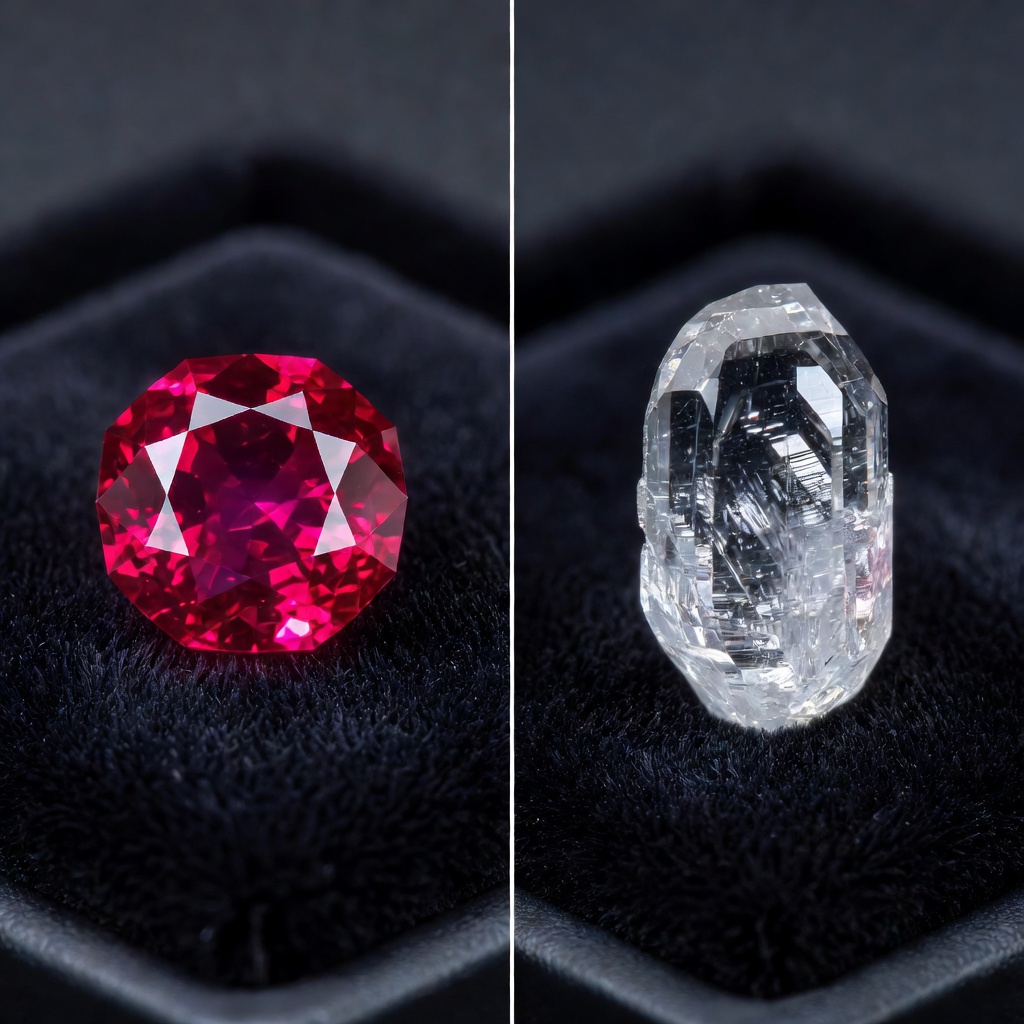
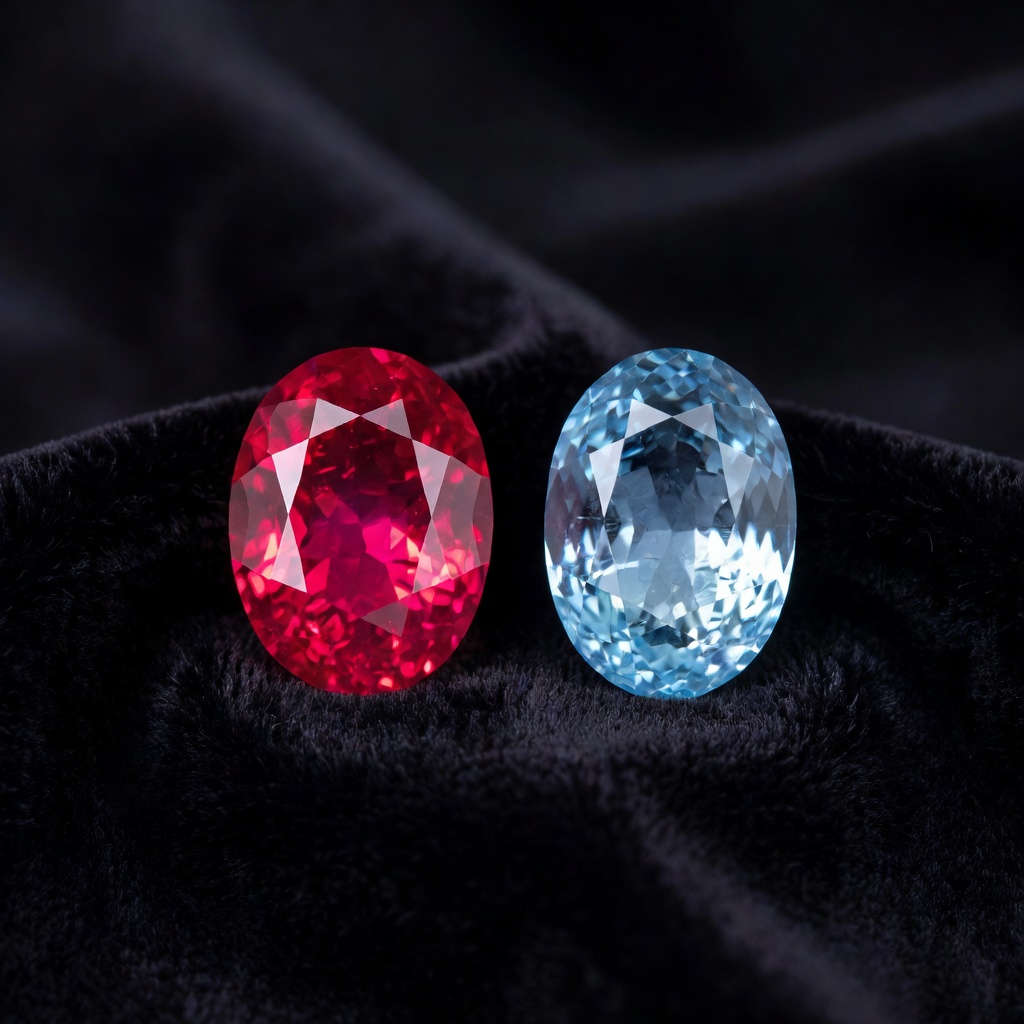
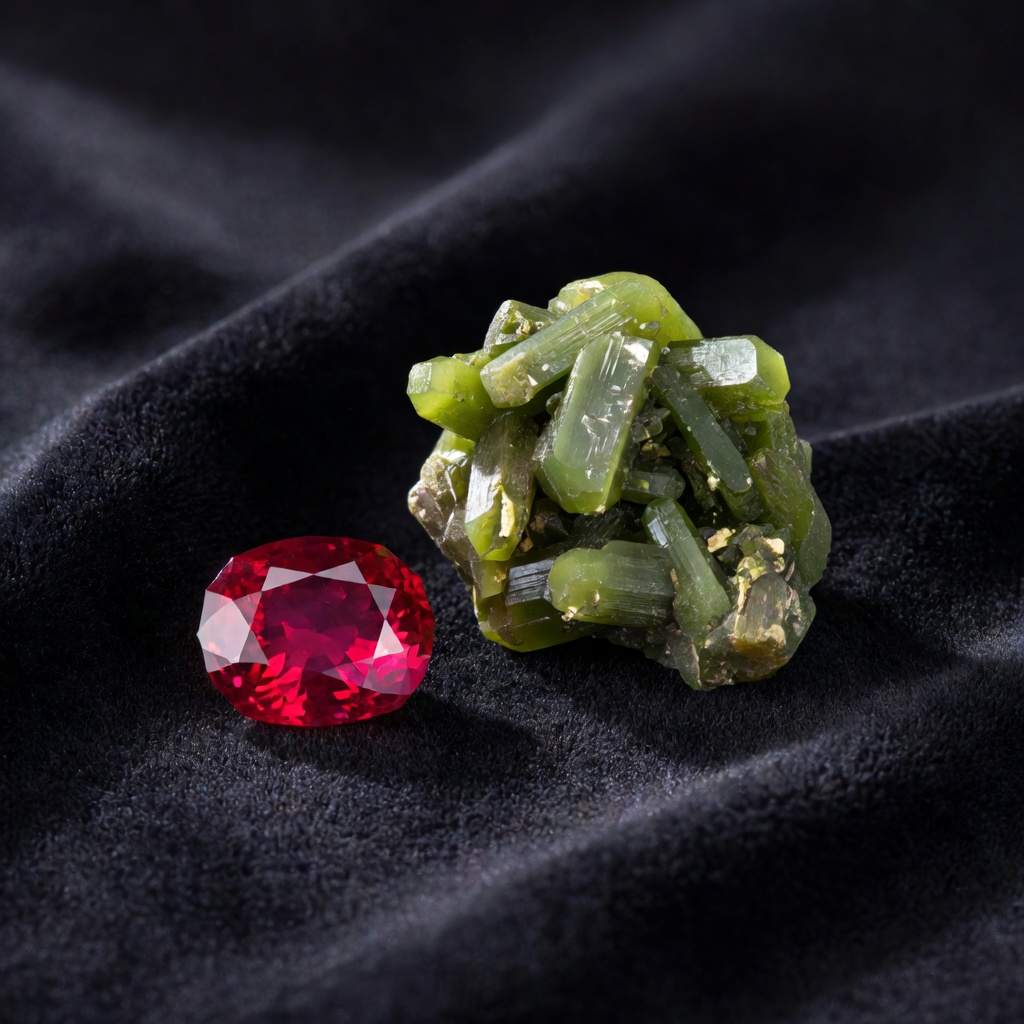
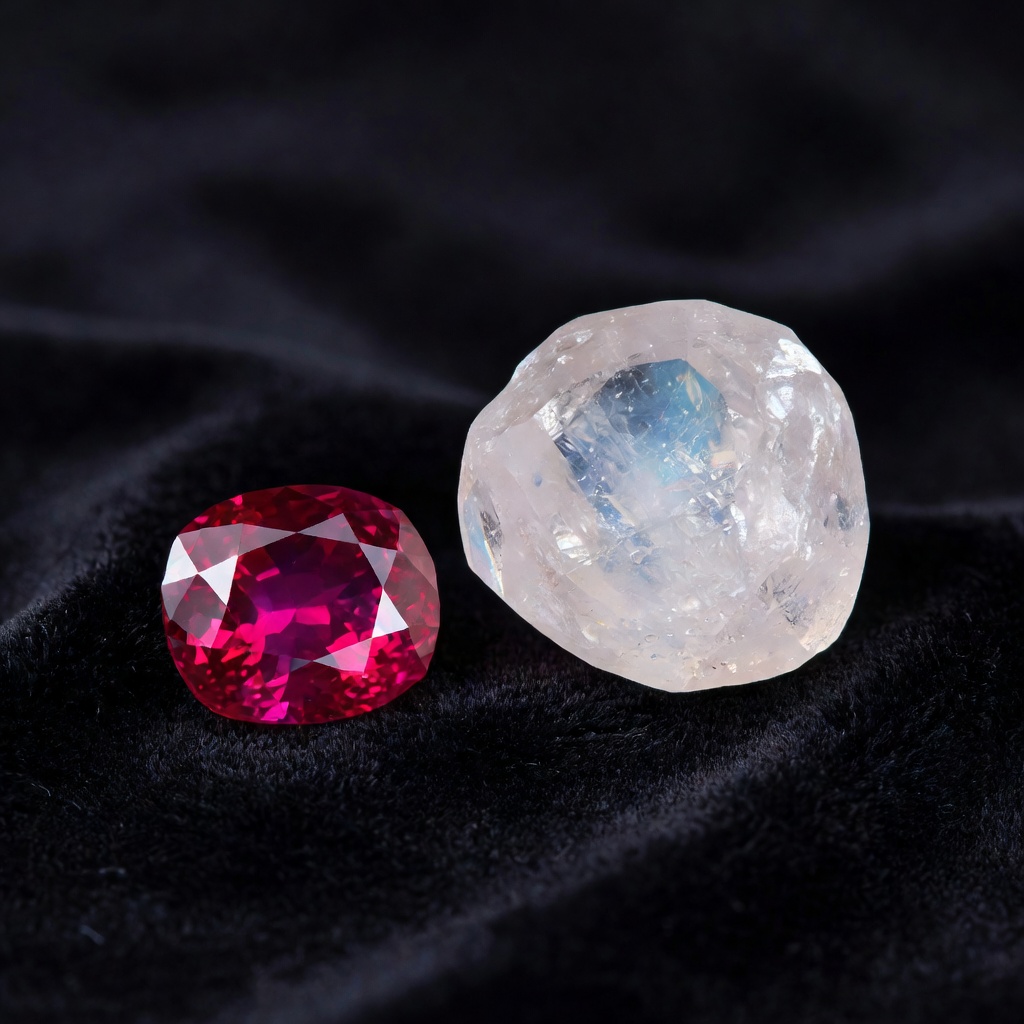
When exploring the vast world of colored gemstones, the comparison between Ruby vs Milky Quartz represents one of the most striking contrasts in mineralogy, value, and application. Ruby stands as a precious corundum variety belonging to the elite "big three" colored stones alongside sapphire and emerald, commanding prices that can exceed one million dollars per carat for exceptional specimens. In stark opposition, milky quartz emerges as one of Earth's most abundant minerals, a silicon dioxide variety characterized by microscopic fluid inclusions that create its signature cloudy, ethereal appearance. This dramatic divergence in rarity, formation processes, and market positioning makes these two stones perfect subjects for understanding how geological factors translate into wearable art and investment assets.
Both gemstones serve distinctly different purposes in jewelry collections and spiritual practices, yet each holds legitimate appeal depending on the wearer's priorities, budget constraints, and aesthetic preferences. Whether you seek a July birthstone alternative with exceptional durability or an affordable entry point into crystal healing traditions, understanding the fundamental differences between these minerals ensures informed purchasing decisions. This comprehensive guide examines every facet of these fascinating stones, from their atomic structures to their suitability for daily wear, providing actionable insights for collectors, jewelry designers, and spiritual practitioners alike.
Geological Origins and Chemical Composition
The fundamental distinction between ruby and milky quartz begins at the molecular level, where their chemical architectures dictate everything from color development to durability characteristics. Ruby constitutes a variety of corundum, an aluminum oxide (Al₂O₃) mineral that crystallizes in the trigonal crystal system, deriving its coveted red coloration from chromium ions substituting for aluminum within the crystal lattice. This substitution process requires specific geological conditions found primarily in metamorphic environments where limestone or dolomite marbles undergo intense heat and pressure, allowing chromium-rich fluids to permeate the developing corundum crystals. The most prized specimens originate from Myanmar's Mogok Stone Tract, Thailand's Chanthaburi mines, and more recently, Mozambique's Montepuez deposits, where unique combinations of trace elements produce the legendary "pigeon blood" red hue.
Milky quartz, conversely, represents the most common crystalline variety of silicon dioxide (SiO₂), forming in virtually every geological environment from hydrothermal veins to pegmatites and sedimentary deposits. Its distinctive cloudy appearance results from countless microscopic fluid inclusions—trapped bubbles of gas and liquid that scatter light passing through the crystal, preventing the transparency seen in rock crystal quartz. Unlike ruby's demanding formation requirements, milky quartz crystallizes readily wherever silica-rich solutions cool slowly, explaining its abundance in locations such as Brazil's Minas Gerais region, Madagascar's highlands, and the famous quartz deposits of Arkansas' Ouachita Mountains. This widespread availability makes milky quartz an accessible choice for beginning collectors, while ruby's restricted geological occurrence maintains its status as a true precious gemstone.
Formation Processes and Mining Locations
Ruby formation demands specific metamorphic conditions where aluminum-rich rocks interact with chromium-bearing solutions at temperatures between 800-1200°C, creating the hexagonal crystal structure that gives ruby its exceptional hardness. Primary ruby deposits occur within marble host rocks in Myanmar, where mining operations often involve primitive but effective methods tunneling into mountainsides, while secondary alluvial deposits in places like Sri Lanka require riverbed excavation and panning techniques. The geological rarity of suitable chromium-rich environments explains why high-quality rubies command premium prices, with untreated Burmese stones representing the pinnacle of collector desirability.
Milky quartz forms through simpler hydrothermal processes where silica-saturated water cools within rock cavities, gradually depositing layers of quartz crystals that trap fluid inclusions during rapid growth phases. Commercial mining operations in Brazil utilize open-pit methods to extract massive quartz crystals weighing several tons, while Arkansas's Coleman Mine allows fee-based collecting where enthusiasts can unearth their own specimens. Unlike ruby mining, which often involves complex geopolitical considerations and limited yield, milky quartz extraction supports sustainable, large-scale operations that keep prices accessible for jewelry makers and crystal healers worldwide.
Physical Properties and Durability Comparison
Understanding the corundum vs quartz hardness differential proves essential when selecting gemstones for specific jewelry applications, as durability directly impacts longevity and maintenance requirements. Ruby ranks 9 on the Mohs hardness scale, making it second only to diamond in scratch resistance and capable of withstanding decades of daily wear without showing surface abrasion. This exceptional hardness stems from the strong aluminum-oxygen bonds within corundum's crystal structure, combined with the absence of cleavage planes that would create natural breaking points. However, ruby exhibits distinct cleavage in three directions, meaning that while it resists scratching admirably, sharp impacts along these planes can cause fractures or chips if the stone strikes hard surfaces at specific angles.
Milky quartz registers 7 on the Mohs scale, providing adequate hardness for jewelry use but requiring more careful handling than its precious counterpart. While quartz resists scratching from common household materials like steel or glass, it remains vulnerable to abrasion from harder substances including topaz, sapphire, and diamond dust. More significantly, quartz possesses conchoidal fracture characteristics rather than true cleavage, meaning it breaks with curved, shell-like patterns when subjected to impact, potentially creating chips that compromise aesthetic appeal. For active individuals seeking daily wear gemstones, these physical differences make ruby the superior choice for rings and bracelets, while milky quartz better suits protected settings in pendants or earrings.
Crystal Systems and Structural Integrity
Ruby crystallizes in the trigonal system, forming hexagonal prisms terminated by basal planes, a structure that contributes to its exceptional toughness and ability to maintain sharp facet edges even after generations of wear. Gem cutters must orient ruby rough carefully to minimize the visibility of included crystals and optimize color display, as the dichroic nature of corundum shows different color intensities depending on viewing angle. This structural stability allows ruby to withstand the high temperatures involved in jewelry repair work, though sudden thermal shock should still be avoided to prevent internal fracturing.
Milky quartz belongs to the trigonal crystal system as well, but its massive fluid inclusion content creates internal stress points that compromise structural integrity compared to transparent quartz varieties. These inclusions, while creating the stone's desirable cloudy aesthetic, act as weak points where fractures can propagate under pressure or temperature changes. When evaluating milky quartz for jewelry applications, examine specimens under magnification for visible internal cracks or "feathers" that might expand during setting or daily wear, choosing instead stones with uniform cloudiness distributed evenly throughout the crystal.
Visual Characteristics: Color, Clarity, and Cut
Red gemstone identification relies heavily on understanding the subtle variations that distinguish ruby from other red stones like spinel, garnet, or pink quartz. True rubies display a pure, vivid red to slightly purplish-red hue, with the most valuable "pigeon blood" specimens from Myanmar showing a saturated red with subtle blue undertones that appear to glow from within. Under UV light, natural rubies typically exhibit strong red fluorescence due to chromium content, a diagnostic feature that helps distinguish them from synthetic stones or simulants. Clarity standards for ruby allow for some inclusion content—often described as "silk" when composed of rutile needles—as these inclusions can indicate natural origin and sometimes create desirable asterism (star effects) when properly oriented.
Milky quartz appearance offers a completely different aesthetic paradigm, prioritizing ethereal softness over brilliant transparency. The stone ranges from completely opaque white to translucent, with the finest specimens showing a uniform, creamy consistency reminiscent of moonlight or soft clouds. Unlike ruby, where inclusions typically decrease value, milky quartz derives its charm precisely from these microscopic fluid inclusions that scatter light and create a gentle, diffused glow. When cut as cabochons, milky quartz displays a soft, milky luster rather than the adamantine brilliance of faceted gems, making it ideal for bohemian or spiritual jewelry designs that emphasize organic, natural beauty over geometric precision.
Cutting Styles and Optical Performance
Master gem cutters typically facet high-quality rubies into brilliant cuts, step cuts, or mixed designs that maximize light return and color saturation while minimizing the windowing effect (light leakage through the pavilion). The refractive index of 1.76-1.77 allows ruby to display excellent brilliance and fire when properly proportioned, with common shapes including oval, cushion, and emerald cuts that preserve weight while optimizing color. Star rubies receive cabochon cuts oriented to center the asterism, creating a three or six-rayed star that moves across the dome as the stone is tilted.
Milky quartz responds best to cabochon cuts, beads, or freeform shapes that showcase its cloudiness and avoid the light leakage that occurs when translucent materials receive brilliant faceting. Carvers favor milky quartz for intricate sculptures and fetishes, as the uniform opacity helps hide internal tool marks and emphasizes form over optical performance. When faceted, milky quartz typically receives step cuts or checkerboard patterns that create interesting light patterns through the cloudy matrix, though these cuts never achieve the sparkle of transparent quartz or corundum varieties.
Metaphysical Properties and Symbolic Meanings
In crystal healing traditions, ruby meaning centers on vitality, passion, and life force energy, earning its reputation as the "Stone of Kings" across ancient cultures from India to Burma. Associated with the root chakra (Muladhara), ruby stimulates physical energy, enhances motivation, and encourages courageous action, making it a favorite among entrepreneurs, athletes, and leaders seeking to overcome apathy or fear. As the traditional July birthstone, ruby resonates with Leo zodiac energies, promoting self-confidence and the ability to manifest one's desires through focused willpower. Historical texts suggest that medieval Europeans believed rubies could predict danger by darkening in color, while Burmese warriors implanted rubies beneath their skin to render them invincible in battle.
Milky quartz healing properties emphasize mental clarity, emotional calm, and spiritual purification, offering a gentler energetic signature than its crystalline counterpart clear quartz. Associated with the crown chakra (Sahasrara) and sometimes the third eye, milky quartz facilitates connection to higher consciousness while grounding spiritual insights into practical wisdom. Healers utilize this stone for meditation practices, as its yin energy balances excessive mental chatter and promotes restful sleep when placed beneath pillows. Unlike ruby's stimulating yang properties, milky quartz absorbs negative energy and electromagnetic pollution, making it ideal for placement near computers or in healing grids designed to create peaceful environments.
Energy Dynamics and Chakra Alignment
Ruby's stimulating energy works directly on the physical body, increasing heart rate, blood circulation, and metabolic function, which explains its traditional use for treating fatigue and low vitality. Crystal practitioners recommend ruby for individuals experiencing depression or lethargy, as its fiery vibration literally warms the energy field and encourages physical movement and passionate engagement with life. However, those with naturally high energy or hypertension should use ruby cautiously, as its intensity can exacerbate anxiety or irritability in sensitive individuals.
Milky quartz offers a cooling, soothing vibration that calms the nervous system and facilitates deep emotional healing, particularly for those processing grief or trauma. Its connection to water element energy (despite being silicon dioxide) helps release stagnant emotional patterns and promotes the flow of intuitive insights. When used in combination with ruby, milky quartz can balance the intense activation of the root chakra, creating a grounded yet spiritually open state ideal for shamanic journeying or creative visualization practices.
Jewelry Applications and Wearability
Ruby engagement rings represent a sophisticated alternative to diamonds for couples seeking colored stones that withstand daily wear without compromising brilliance or structural integrity. The gemstone's 9/10 hardness rating ensures that anniversary rings, tennis bracelets, and statement pendants maintain their polish indefinitely, resisting the micro-scratches that cloud softer stones over time. When designing ruby jewelry, yellow gold settings complement the warm red tones beautifully, while platinum or white gold create striking contemporary contrasts that emphasize the stone's saturation. Prong settings work well for rubies due to their durability, though bezel settings offer additional protection for active lifestyles, preventing edge chips during sports or manual labor.
Milky quartz jewelry suits those drawn to organic, bohemian aesthetics or seeking affordable alternatives to moonstone or opal for spiritual jewelry collections. Best utilized in pendants, drop earrings, and cocktail rings worn on special occasions rather than daily, milky quartz pairs exquisitely with sterling silver or white gold that enhances its cool, cloud-white appearance. The stone's affordability allows designers to create bold, oversized statement pieces without prohibitive costs, though wearers should remove milky quartz jewelry before swimming, cleaning with chemicals, or engaging in high-impact activities. For July birthstone alternatives on a budget, milky quartz offers a white stone option that contrasts with ruby's red while maintaining a connection to quartz's amplifying properties.
Design Considerations and Metal Pairings
High-end ruby jewelry often features accent diamonds or complementary blue sapphires in three-stone designs symbolizing past, present, and future, with the contrast between red and white stones maximizing visual impact. Victorian and Art Deco reproduction settings particularly suit rubies, as these periods historically favored colored gemstones in intricate filigree work. When commissioning custom ruby pieces, consider the stone's fluorescence under artificial lighting; some Burmese rubies glow intensely under LED or fluorescent bulbs, creating different effects than seen in natural daylight.
Milky quartz lends itself to artisanal, hand-fabricated settings that emphasize organic textures and matte finishes over high-polish commercial designs. Wire-wrapping techniques showcase milky quartz cabochons effectively, as the metalwork complements the stone's natural, unrefined aesthetic. For metaphysical jewelry, combining milky quartz with amethyst or selenite enhances its crown chakra properties, while pairing with black tourmaline creates protective talismans suitable for empaths and healers.
Market Value, Rarity, and Investment Potential
Ruby value assessment depends on a complex matrix of factors including origin, color saturation, clarity, cut quality, and treatment history, with untreated Burmese specimens representing the apex of the colored gemstone market. Top-quality untreated rubies exceeding five carats can command prices exceeding $100,000 per carat at auction, with record-breaking stones like the Sunrise Ruby (25.59 carats) selling for over $30 million, translating to approximately $1.18 million per carat. Heat-treated rubies, which constitute the majority of commercial market offerings, provide more accessible entry points ranging from $1,000 to $10,000 per carat depending on quality, while fracture-filled or lead-glass filled rubies offer budget options under $500 per carat though with compromised durability. As July birthstone alternatives, fine rubies appreciate consistently, serving as portable wealth stores similar to diamonds but with greater rarity.
Milky quartz occupies the opposite end of the investment spectrum, classified as an affordable gemstone or semi-precious material with prices typically ranging from $5 to $50 per carat regardless of size. Unlike ruby, where larger stones command exponential price increases due to rarity, milky quartz boulders weighing hundreds of pounds exist in nature, making size irrelevant to value calculation. Instead, pricing depends on craftsmanship quality, carving intricacy, or jewelry setting materials rather than the raw material itself. While unsuitable for financial investment purposes, milky quartz offers excellent value for metaphysical practitioners or fashion jewelry collectors seeking quantity and variety over appreciation potential.
Collector Considerations and Long-Term Value
Serious gem investors prioritize untreated, unheated rubies with documented Burmese or Mogok origins, storing these assets in climate-controlled environments with professional appraisals updated every three to five years. The scarcity of new ruby discoveries, combined with increasing demand from Asian markets, suggests continued price appreciation for museum-quality specimens, though treated stones show minimal investment potential. When purchasing rubies for value retention, insist on certification from recognized laboratories such as GIA, SSEF, or Gubelin, verifying both natural origin and absence of heat treatment or filling materials.
Milky quartz collecting focuses on aesthetic appeal, unusual formations, or historical significance rather than monetary appreciation. Specimens featuring rare inclusions like gold, pyrite, or copper create interesting collector pieces, while massive crystal clusters from specific localities like Arkansas or Herkimer County carry modest premiums for locality collectors. For jewelry purposes, prioritize well-cut stones free of surface-reaching fractures that could compromise setting durability, accepting that resale values will remain minimal regardless of purchase price.
Care, Cleaning, and Maintenance Requirements
Ruby maintenance proves relatively straightforward due to the stone's chemical stability and hardness, allowing most ultrasonic cleaning devices to safely remove accumulated dirt and oils from jewelry settings. Steam cleaning remains generally safe for untreated rubies, though stones with significant inclusions or fracture fillings should avoid extreme temperature changes that might expand internal flaws. For routine care, warm soapy water and a soft brush effectively restore ruby brilliance without risking damage to the stone or setting. Store ruby jewelry separately from softer gems to prevent scratching other pieces, and remove rings before handling harsh chemicals like chlorine or hydrofluoric acid that could potentially etch metal settings or damage certain treatments.
Cleaning milky quartz requires significantly more caution due to the stone's sensitivity to thermal shock and chemical reactions with its fluid inclusions. Never expose milky quartz to ultrasonic cleaners, as the vibrations can expand trapped gas bubbles and create internal fractures or surface-reaching cracks. Similarly, steam cleaning causes rapid heating of fluid inclusions, potentially leading to "exploding" inclusions that shatter the stone from within. Instead, clean milky quartz using only lukewarm water and mild soap, drying immediately with a soft cloth to prevent water spots. Prolonged sunlight exposure can cause some milky quartz varieties to develop a slight yellowish tint or become brittle, suggesting storage in jewelry boxes rather than display cases near windows.
Storage and Protection Strategies
When storing mixed gemstone collections, always separate ruby pieces from milky quartz and other softer stones to prevent accidental scratching; the 9 vs 7 hardness differential means ruby will readily abrade quartz surfaces during contact. Utilize individual cloth pouches or compartmentalized jewelry boxes with padded dividers, ensuring that rings cannot knock against pendants or bracelets during drawer opening. For travel, carry ruby engagement rings in rigid boxes that prevent crushing impacts, while milky quartz pieces benefit from soft wrapping that cushions against temperature fluctuations in luggage holds.
Professional maintenance schedules should include annual inspections of ruby prongs and settings to ensure security, particularly for daily-worn engagement rings subject to snag risks. Milky quartz jewelry requires less frequent professional attention but benefits from periodic restringing if used in beads, as the silk or nylon cords degrade faster than the stone itself. When having jewelry repaired, always inform jewelers about the presence of milky quartz, as standard repair bench procedures involving heat application could damage the stone irreparably.
How to Choose Between Ruby and Milky Quartz
Selecting between these gemstones ultimately depends on aligning your priorities regarding budget, lifestyle requirements, and personal energy preferences. For those seeking gemstone investment value with heirloom potential, ruby offers unparalleled durability and appreciation potential, provided you select untreated, certified stones from reputable dealers. Active individuals requiring daily wear gemstones for hands-on professions should prioritize ruby's superior hardness, while those seeking spiritual tools for meditation or energy work might find milky quartz's calming vibrations and affordability more aligned with their intentions. Consider your color psychology preferences as well: ruby's intense red stimulates appetite for life and romance, while milky quartz's neutral white promotes mental clarity and pairs effortlessly with any wardrobe palette.
Budget-conscious beginners exploring crystal healing or fashion jewelry find milky quartz an excellent entry point, allowing experimentation with large statement pieces without financial risk. For significant life events like engagements or milestone anniversaries, however, ruby's precious status and durability justify the higher investment, creating legacy pieces that transmit through generations. When choosing gemstones for specific chakra work, assess whether you need root chakra grounding and activation (ruby) or crown chakra expansion and purification (milky quartz), though many practitioners eventually acquire both to balance different energetic needs.
Lifestyle Matching and Practical Applications
Medical professionals, chefs, and athletes should strongly consider ruby for rings and bracelets that withstand constant hand washing, impact, and temperature changes without degradation. Conversely, office workers, meditation practitioners, and those seeking "crystal jewelry" for occasional wear find milky quartz perfectly adequate for their gentler usage patterns. If you frequently travel to beach destinations or engage in water sports, ruby's resistance to saltwater and sand abrasion makes it the practical choice, while milky quartz requires removal before such activities to prevent thermal shock from sun-heated sand or cold ocean water.
From a color therapy perspective, individuals experiencing burnout or adrenal fatigue should approach ruby cautiously despite its vitality-boosting reputation, as its intense energy might prove overstimulating. These individuals often benefit more from milky quartz's gentle, nourishing energy that supports recovery without demanding performance. Ultimately, the ideal gem collection includes both varieties: ruby for special occasions and daily wear when maximum impact and durability matter, and milky quartz for spiritual practices, casual fashion statements, and moments requiring calm introspection.
Comprehensive Comparison: Ruby vs Milky Quartz
| Characteristic | Ruby | Milky Quartz |
|---|---|---|
| Chemical Composition | Aluminum Oxide (Al₂O₃) with Chromium | Silicon Dioxide (SiO₂) with fluid inclusions |
| Mohs Hardness | 9 (Excellent scratch resistance) | 7 (Moderate, vulnerable to harder materials) |
| Color and Appearance | Deep red to pinkish-red, transparent to translucent, high brilliance | Cloudy white to translucent, opaque with milky luster |
| Primary Sources | Myanmar, Thailand, Mozambique, Sri Lanka | Brazil, Madagascar, Arkansas (USA), worldwide abundance |
| Price Range per Carat | $1,000 to $1,000,000+ (depending on quality and treatment) | $5 to $50 (craftsmanship-dependent, size irrelevant) |
| Best Jewelry Applications | Engagement rings, daily wear rings, tennis bracelets, heirlooms | Pendants, earrings, occasional wear rings, beads, carvings |
| Metaphysical Associations | Root chakra, passion, vitality, courage, July birthstone | Crown chakra, mental clarity, peace, emotional calming |
| Cleaning Methods | Ultrasonic safe, steam cleaning acceptable, warm soapy water | Lukewarm water only, no ultrasonic or steam, avoid chemicals |
| Investment Potential | High appreciation for untreated, certified stones | Minimal to none, purchased for aesthetic or spiritual value |
| Durability Concerns | Resistant to scratching, avoid sharp impacts along cleavage planes | Sensitive to heat, thermal shock, and prolonged sun exposure |
Frequently Asked Questions
Which is more valuable, ruby or milky quartz?
Ruby is significantly more valuable, often commanding thousands to millions of dollars per carat for high-quality specimens, while milky quartz is abundant and affordable, typically ranging from $5 to $50 per carat depending on size and craftsmanship. The value differential stems from ruby's geological rarity, restricted formation conditions, and centuries of cultural prestige as a precious gemstone, whereas milky quartz represents one of Earth's most common minerals found across every continent in massive quantities.
Can milky quartz withstand daily wear like ruby?
No, milky quartz (Mohs 7) is less suitable for daily wear than ruby (Mohs 9). While quartz is reasonably hard, it can scratch and chip more easily than ruby, making ruby the better choice for engagement rings and bracelets subjected to frequent impact. Additionally, milky quartz contains microscopic fluid inclusions that expand and contract with temperature changes, creating internal stress that can lead to cracking during activities like dishwashing, swimming, or exposure to rapid environmental shifts.
Do ruby and milky quartz have different spiritual meanings?
Yes, ruby is associated with passion, courage, vitality, and root chakra energy, while milky quartz represents mental clarity, peace, and crown chakra connection. Ruby stimulates energy and motivation, enhancing physical stamina and the will to achieve goals, whereas milky quartz promotes calmness and spiritual purification, helping to quiet mental chatter and facilitate meditation. These complementary energies allow the stones to work synergistically when used together in healing grids or jewelry combinations.
How can I tell the difference between a ruby and pink quartz?
Rubies display deep red to pinkish-red colors with high brilliance when faceted, often showing fluorescence under UV light, and have a specific gravity of 4.0 that makes them feel substantial in the hand. Milky quartz appears cloudy white or translucent rather than transparent red, lacks fluorescence under UV light, feels lighter with a specific gravity of 2.65, and shows conchoidal fracture patterns rather than ruby's hexagonal crystal structure when rough. Additionally, ruby possesses double refraction visible under magnification, while quartz shows single refraction.
Which gemstone is better for an engagement ring?
Ruby is the superior choice for engagement rings due to its exceptional hardness (9 on Mohs scale), durability, and resistance to scratching. Milky quartz requires more careful handling and is better suited for pendants or earrings that experience less physical contact. The daily wear demands of engagement rings—including hand washing, household cleaning, and potential bumps against hard surfaces—make ruby's toughness essential for maintaining beauty over decades of marriage.
Are heat-treated rubies still more valuable than natural milky quartz?
Yes, even heat-treated rubies maintain significantly higher value than milky quartz. While heat treatment affects ruby's price compared to untreated stones, reducing values by 30-50% depending on extent, the inherent rarity of corundum keeps values substantially above quartz, which is one of Earth's most common minerals. A commercial-quality heat-treated ruby might cost $1,000 per carat, while an exceptional milky quartz carving rarely exceeds $50 per carat regardless of artistic merit.
Can I wear ruby and milky quartz together in the same jewelry piece?
Yes, but with caution. Store them separately to prevent the harder ruby (Mohs 9) from scratching the softer milky quartz (Mohs 7). In combined settings, ensure protective bezels separate the stones to avoid contact damage during wear. Some designers intentionally pair these stones to balance ruby's stimulating yang energy with milky quartz's calming yin properties, creating jewelry that grounds spiritual insight into passionate action.
Which stone requires more maintenance and cleaning care?
Milky quartz requires more careful maintenance as it is sensitive to heat, harsh chemicals, and prolonged sunlight exposure which can cause cracking or fading. Rubies are more resilient and can typically withstand ultrasonic cleaning and standard jewelry maintenance procedures. The fluid inclusions within milky quartz react adversely to thermal shock and vibration, necessitating gentle cleaning with lukewarm water only, while rubies tolerate professional jewelry cleaning methods without degradation.