Introduction to Ruby and Mali Garnet
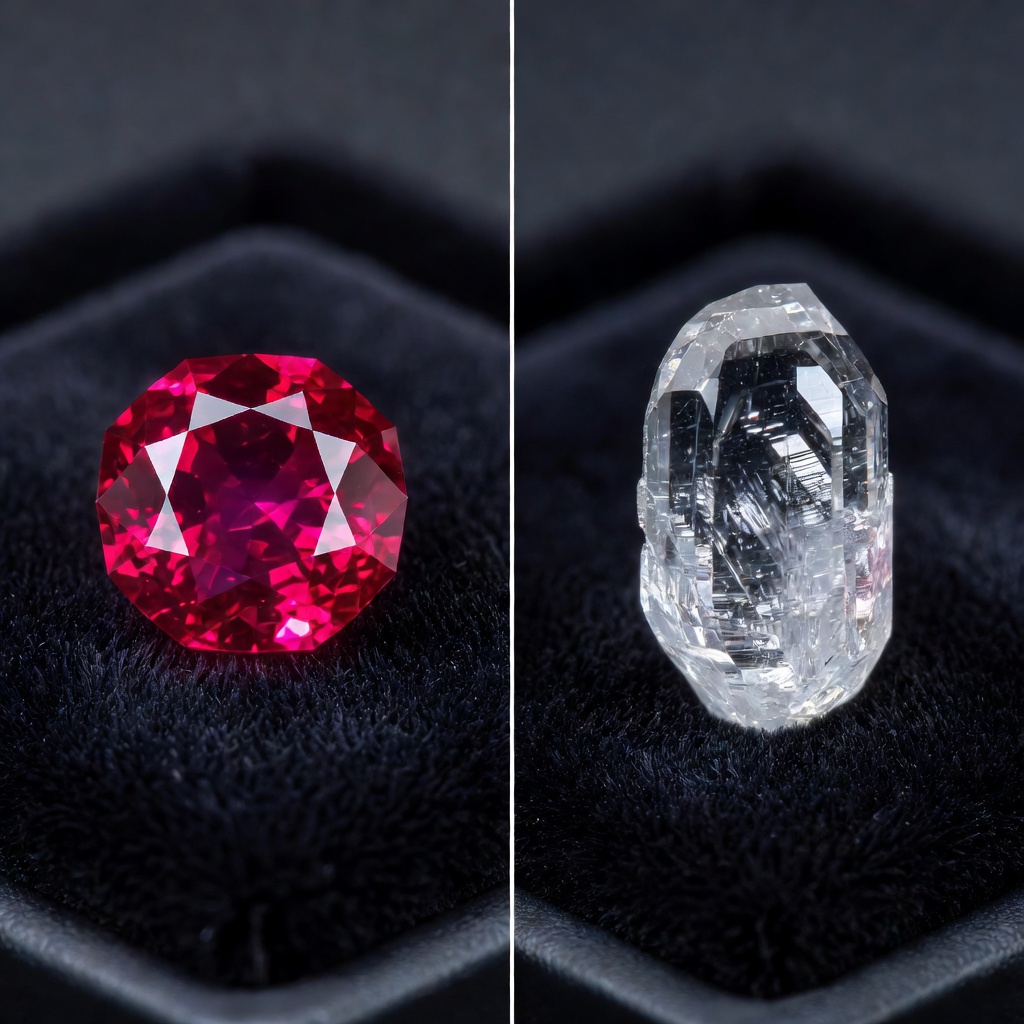
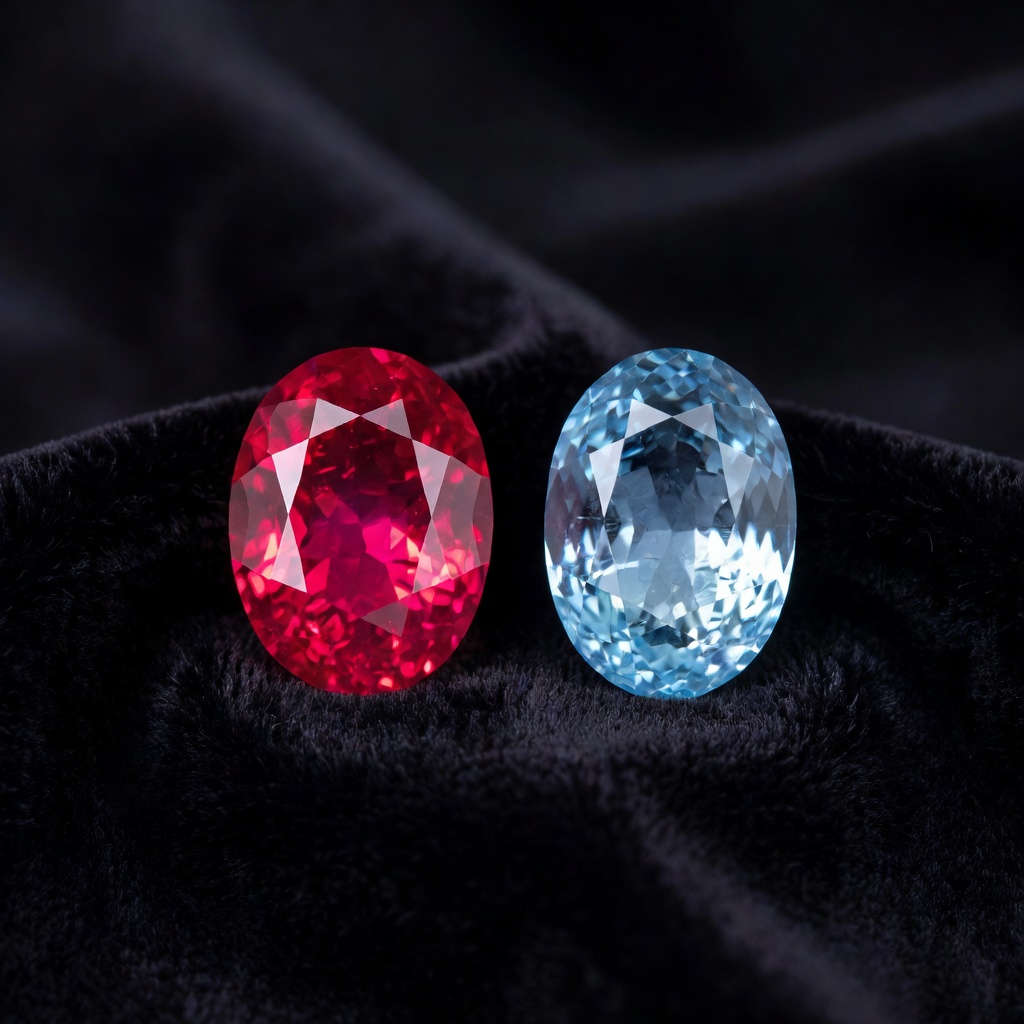
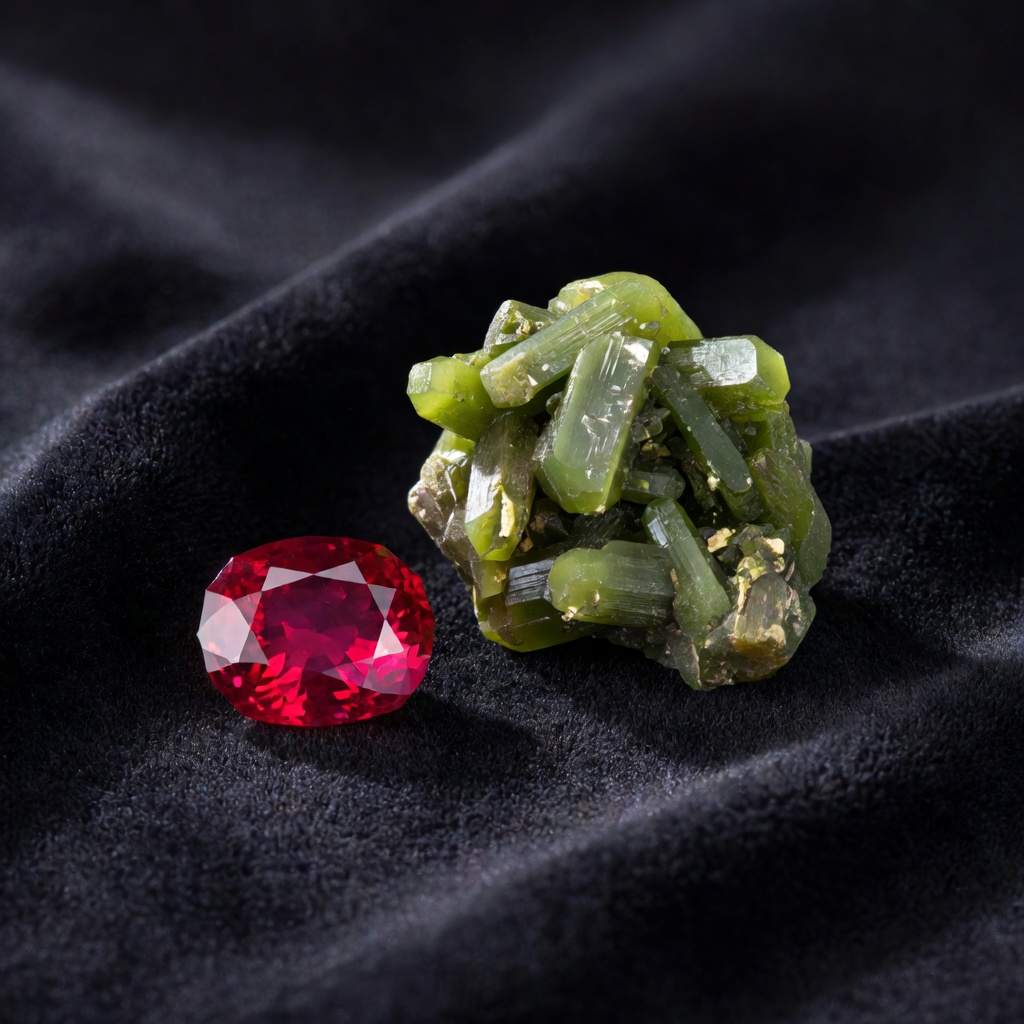
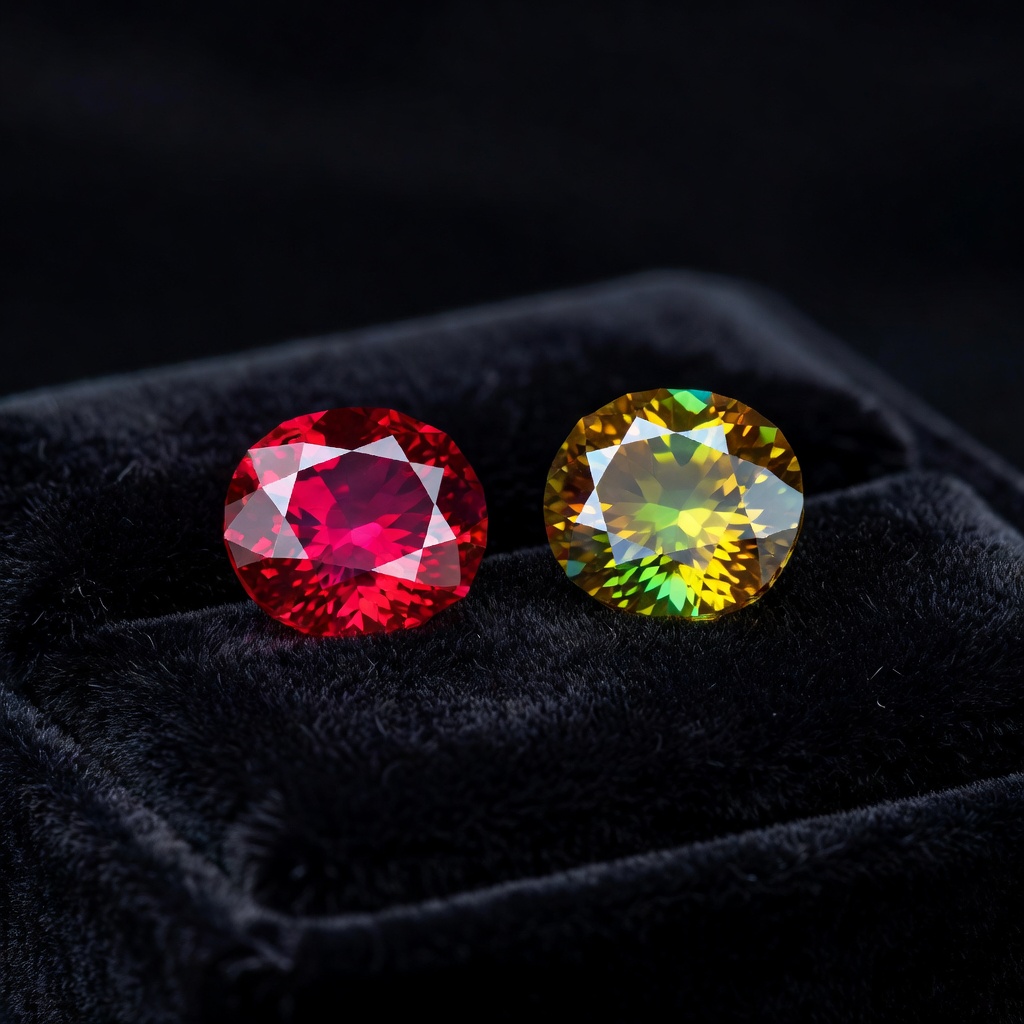
When selecting a gemstone for fine jewelry, understanding the fundamental differences between popular options ensures you make an informed investment that aligns with your lifestyle and aesthetic preferences. Ruby represents the pinnacle of red corundum gemstone varieties, composed primarily of aluminum oxide with chromium trace elements that create its iconic crimson hue. In contrast, Mali garnet emerges as a fascinating hybrid belonging to the grossular andradite garnet family, offering a distinctive golden-green to yellowish appearance that distinguishes it from traditional garnet varieties. This comprehensive Ruby vs Mali Garnet comparison examines every critical aspect from geological formation to market valuation, providing collectors and jewelry enthusiasts with the technical knowledge necessary to distinguish between these visually captivating yet fundamentally different gemstones.
While both stones can exhibit warm, fiery tones under certain lighting conditions that occasionally cause confusion among novice buyers, their chemical compositions, durability ratings, and price points differ dramatically. Rubies command premium prices due to their extreme rarity and historical significance spanning millennia, whereas Mali garnets provide an accessible entry point into high-quality colored gemstones without the prohibitive cost barriers. Whether you seek a daily-wear heirloom piece or a special-occasion statement stone, understanding these distinctions prevents costly purchasing mistakes and ensures your selection matches both your practical needs and emotional connection to the gem.
Geological Origins and Formation
Ruby Formation in Metamorphic Environments
Rubies develop deep within the Earth's crust under intense pressure and temperature conditions specifically within metamorphic marble deposits found in select regions across Asia and Africa. The most prized specimens originate from Myanmar's legendary Mogok Valley, where limestone metamorphism creates the perfect aluminum-rich environment for chromium-bearing corundum crystallization. Thailand, Sri Lanka, and Mozambique also produce significant ruby deposits, though each locality imparts subtle chemical variations that influence color saturation and fluorescence characteristics. Modern mining operations in these regions range from traditional artisanal panning methods to sophisticated tunnel systems, with increasing emphasis on ethical sourcing and fair-trade practices to address historical concerns regarding mining conditions.
Mali Garnet Discovery and Chemical Composition
Mali garnet represents a relatively recent addition to the gemstone world, discovered in 1994 within the Republic of Mali's Kayes Region in West Africa, specifically near the border with Senegal. Unlike pure species garnets, Mali garnet constitutes a unique intermediate variety containing both grossular (calcium aluminum silicate) and andradite (calcium iron silicate) components, creating the chemical formula Ca₃Al₂Si₃O₁₂-Ca₃Fe₂Si₃O₁₂. This hybrid composition results from specific geological conditions where skarn deposits—metasomatic rocks formed by hot chemically active fluids—interacted with surrounding limestone and dolomite. The limited geographic distribution makes Mali garnet origin significant for collectors, as no other region currently produces this specific grossular-andradite combination in gem-quality quantities.
Color Variations and Visual Characteristics
The Spectrum of Red Corundum
Rubies display a remarkable range of red hues determined primarily by chromium content and trace amounts of iron, spanning from the highly coveted "pigeon blood" red—a vivid, pure red with subtle blue undertones—to pinkish-red and purplish modifications. The most valuable specimens exhibit strong fluorescence under daylight, creating an inner glow that seems to illuminate the stone from within, particularly in Burmese material. Color zoning occasionally appears in natural rubies, though master cutters minimize these variations through precise orientation. When evaluating red corundum characteristics, gemologists prioritize saturation and tone over specific locality, though Burmese stones traditionally command premiums due to their superior fluorescence and historical cachet.
Mali Garnet's Distinctive Color Range
Mali garnet color range encompasses yellow-green, golden-yellow, honey-brown, and occasionally brownish-green tones that immediately distinguish it from ruby's red palette. The most desirable specimens display a bright, energetic yellow-green hue reminiscent of fine chrysoberyl or light peridot, though with greater brilliance due to higher refractive indices. Unlike ruby's singly refractive nature, Mali garnet exhibits strong pleochroism, meaning the stone displays different colors—typically yellow-green and brownish-yellow—when viewed from different crystallographic angles. This optical phenomenon requires careful cutting orientation to maximize the more desirable yellow-green face-up color while minimizing brownish secondary tones that can appear when viewing the stone from the side.
Hardness, Durability, and Wearability
Gemstone durability comparison represents perhaps the most practical consideration when choosing between these two stones for jewelry applications. Ruby Mohs hardness 9 places it second only to diamond on the mineral hardness scale, making it exceptionally resistant to scratching and suitable for daily wear in engagement rings, bracelets, and other high-impact jewelry pieces. This superior hardness stems from corundum's tightly packed hexagonal crystal structure and strong aluminum-oxygen bonds. Mali garnet, ranking 6.5 to 7.5 on the Mohs scale, while reasonably hard, lacks the scratch resistance necessary for worry-free daily wear in rings or bracelets, requiring protective settings and more careful handling to prevent surface damage.
Beyond hardness, toughness—the resistance to breaking and chipping—differs significantly between these materials. Ruby possesses excellent toughness despite its hardness, resisting cleavage and fracturing under normal wear conditions, though it can chip if struck against hard surfaces at specific angles. Mali garnet demonstrates moderate to good toughness but tends toward brittleness compared to ruby, particularly in specimens with higher andradite content. Both stones resist heat damage reasonably well, though ruby tolerates jewelry repair temperatures better than Mali garnet, which may suffer thermal shock during soldering if proper precautions aren't taken.
| Characteristic | Ruby (Red Corundum) | Mali Garnet |
|---|---|---|
| Chemical Composition | Aluminum Oxide (Al₂O₃) with Chromium | Calcium Aluminum-Iron Silicate (Grossular-Andradite Mix) |
| Mohs Hardness | 9.0 | 6.5 - 7.5 |
| Color Range | Red, Pinkish-Red, Purplish-Red | Yellow-Green, Golden-Yellow, Brownish-Green |
| Refractive Index | 1.762 - 1.770 | 1.752 - 1.816 |
| Optical Phenomena | Fluorescence (Red under UV) | Pleochroism (Yellow-Green to Brown) |
| Price per Carat | $1,000 - $100,000+ (depending on quality/origin) | $100 - $500 (gem quality) |
| Primary Sources | Myanmar, Thailand, Mozambique, Madagascar | Mali (West Africa) exclusively |
| Typical Clarity | Included (silk, needles common) | Eye-clean to slightly included |
| Best Jewelry Applications | Rings, Bracelets, Daily Wear Pieces | Earrings, Pendants, Occasional Wear Rings |
Clarity, Cut, and Carat Weight Considerations
Ruby Inclusions and Value Impact
Gemstone clarity grades for rubies acknowledge that completely flawless specimens remain exceptionally rare and command astronomical prices when they appear on the market. Typical ruby inclusions include rutile needles (silk), which can actually enhance value when they create asterism in star rubies or indicate unheated origin in transparent stones. Other common internal features include crystal inclusions, fingerprint patterns, and color zoning that require skilled cutting to minimize visible imperfections. Unlike diamonds where clarity significantly impacts pricing across all grades, ruby valuation prioritizes color above clarity, meaning slightly included stones with superior red saturation often outperform eye-clean specimens with weaker color.
Mali Garnet Cutting Styles and Size Availability
Mali garnet typically exhibits higher clarity than ruby, frequently appearing eye-clean even in larger sizes, allowing cutters to maximize brilliance through precision faceting without compromising transparency. Optimal cuts for this material include round brilliants that maximize light return and emerald cuts that showcase the stone's clarity while minimizing color windowing, though oval and cushion shapes remain popular for pendants and brooches. Unlike rubies, where specimens exceeding five carats in fine quality represent museum-grade rarities, Mali garnet occurs in larger crystals, making substantial stones available to collectors without exponential price increases per carat. When comparing Mali garnet vs tsavorite, another green grossular variety, Mali garnet generally offers larger available sizes and different color tones leaning toward yellow-green rather than tsavorite's intense emerald green.
Market Value and Investment Analysis
Understanding Mali garnet value per carat requires recognizing its position as a specialty collector's stone rather than a mainstream investment vehicle like fine ruby. Current market pricing places high-quality Mali garnets between $100 and $500 per carat, with exceptional large specimens or unusual colors occasionally commanding higher premiums. This accessibility makes Mali garnet attractive for jewelry designers and collectors seeking unique gemstones without the financial commitment required for precious corundum. However, the stone's limited recognition outside gemological circles means resale markets remain narrow compared to rubies, affecting liquidity for investors seeking quick returns.
Ruby investment grade material, particularly untreated Burmese stones with pigeon blood coloration, represents one of the most concentrated stores of value in the gem world, with top specimens fetching $10,000 to $100,000 per carat at international auctions. The vast price differential stems from ruby's four millennia of cultural significance, extreme geological rarity, and consistent demand across global markets. Treatment disclosures significantly impact valuation, as heat-treated rubies, while common and accepted in the trade, command substantially lower prices than untreated natural specimens. Conversely, Mali garnets typically enter the market untreated, their colors being entirely natural, which appeals to purists seeking unenhanced gemstones without the premium associated with unheated ruby.
Symbolism, Meaning, and Cultural Significance
Ruby as a Stone of Passion and Power
Ruby meaning symbolism spans countless civilizations and centuries, establishing this red corundum gemstone as one of humanity's most culturally significant minerals. As the July birthstone and traditional gift for 15th and 40th wedding anniversaries, ruby represents passion, protection, and prosperity across Western and Eastern traditions. Ancient Burmese warriors implanted rubies beneath their skin to render them invincible in battle, while Hindu texts describe ruby as the "king of precious stones" and associate it with the sun's life-giving energy. European royalty historically adorned crown jewels with large Burmese rubies, believing the stones protected against evil and illness while ensuring wisdom and success in love.
Mali Garnet's Contemporary Energy
Mali garnet lacks the deep historical precedent of ruby, given its 1994 discovery date, but has quickly accumulated metaphysical associations reflecting its vibrant golden-green coloration. Modern crystal practitioners associate Mali garnet with joy, abundance, and creative energy, suggesting it stimulates the solar plexus and heart chakras simultaneously. Unlike ruby's intense, fiery energy, Mali garnet reputedly offers a lighter, more uplifting vibration that encourages optimism and attracts prosperity. While it cannot claim placement in ancient crown jewels or religious artifacts, Mali garnet appeals to contemporary collectors seeking stones with positive energetic properties without the heavy historical baggage or occult associations sometimes attributed to darker gemstones.
Jewelry Applications and Setting Recommendations
Durable Settings for Daily Wear
Gemstone jewelry settings must account for the significant hardness differential between these materials to ensure longevity and security. Ruby's exceptional durability allows for versatile setting styles including delicate prong settings, tension mounts, and pave arrangements suitable for engagement rings and bracelets subject to daily impact. Four or six-prong settings in platinum or gold secure ruby center stones effectively while maximizing light exposure to enhance the stone's natural fluorescence. For active wearers, bezel settings offer additional protection without significantly compromising brilliance, making them ideal for ruby rings worn during physical activities.
Protective Designs for Mali Garnet
Mali garnet ring design requires more defensive strategies to accommodate the stone's softer nature and susceptibility to chipping along facet junctions. Bezel settings, half-bezels, or halo designs with protective surrounding metalwork prove essential for Mali garnet rings intended for regular wear, preventing direct impact to the stone's edges. This material excels in earrings and pendant designs where physical contact with hard surfaces remains minimal, allowing for more open settings that showcase the gem's brilliance. Metal pairing suggestions include yellow gold to complement warm honey-colored specimens or white gold and platinum to enhance the yellow-green tones found in high-quality rough. When set alongside harder stones like diamonds or sapphires, jewelers must ensure Mali garnets don't contact these materials during wear to prevent scratching.
Care and Maintenance Guidelines
Proper gemstone care tips vary significantly between these stones due to their different physical properties and typical treatments. Ruby cleaning generally proves straightforward, with untreated or heat-only treated specimens safely tolerating ultrasonic cleaners and steam cleaning systems commonly found in jewelry stores. The stone's hardness prevents damage from these mechanical cleaning methods, though stones with significant inclusions or fracture fillings require gentler approaches to avoid exacerbating existing weaknesses. Regular cleaning with mild dish soap, warm water, and a soft brush maintains ruby's brilliance between professional servicing, removing accumulated oils and lotions that can dull the surface.
Cleaning Mali garnet demands more cautious approaches due to its lower hardness and potential brittleness. Restrict maintenance to gentle soap and water solutions with soft brushes only, avoiding ultrasonic vibrations that might loosen stones in their settings or exacerbate existing inclusions. Steam cleaning poses risks for Mali garnet due to thermal shock potential and should be avoided entirely. Storage recommendations include keeping Mali garnet pieces separate from harder gemstones like diamonds, rubies, and sapphires to prevent scratching, ideally in individual soft cloth pouches or compartmentalized jewelry boxes. Both stones benefit from annual professional inspections to check for loose prongs, worn settings, or developing chips, though ruby requires these checks less frequently due to its superior durability.
Final Verdict: Choosing Your Perfect Gemstone
Selecting between these distinctive materials ultimately depends on aligning your specific needs with each stone's inherent characteristics. Budget considerations play a significant role, as choosing gemstones in the ruby category requires substantial financial investment for quality specimens, while Mali garnet offers affordable access to rare grossular-andradite material with unique optical properties. Lifestyle factors heavily influence this decision: active individuals or those seeking everyday wear pieces should prioritize ruby's superior hardness and toughness, while collectors desiring special-occasion statement pieces might prefer Mali garnet's distinctive color and exceptional clarity at accessible price points.
Color preference represents the most subjective yet decisive factor, pitting ruby's classic red elegance and historical prestige against Mali garnet's contemporary golden-green rarity. Those drawn to traditional luxury, birthstone connections, or investment potential gravitate naturally toward ruby, accepting the premium pricing as justified by millennia of cultural significance and superior durability. Conversely, collectors seeking something unusual, modern, and conversation-worthy without compromising on brilliance find Mali garnet's unique pleochroism and limited geographic origin compelling reasons to choose this hybrid garnet variety. Whether you prioritize the enduring legacy of red corundum or the fresh energy of West African grossular-andradite, understanding these distinctions ensures your selection brings decades of satisfaction and beauty.
Frequently Asked Questions
Is Mali garnet as valuable as ruby?
No, Mali garnet is significantly less valuable than ruby. While high-quality Mali garnets range from $100-$500 per carat, fine untreated Burmese rubies can command $10,000-$100,000+ per carat due to ruby's rarity, historical significance, and superior hardness.
Can Mali garnet look like a ruby?
Generally no, as Mali garnet typically displays yellow-green to golden-brown colors, while ruby is distinctly red. However, under certain lighting conditions, orange-red Mali garnet specimens might be confused with lighter rubies or pink sapphires, though pleochroism usually distinguishes them.
Which is better for an engagement ring, ruby or Mali garnet?
Ruby is superior for engagement rings due to its 9/10 Mohs hardness rating, resisting scratches and chips during daily wear. Mali garnet (6.5-7.5 hardness) requires protective bezel settings and is better suited for pendants or earrings rather than rings subject to daily impact.
How can I tell ruby and Mali garnet apart?
Rubies display singly refractive red fluorescence under UV light and lack pleochroism, while Mali garnets show doubly refractive pleochroism (yellow-green to brownish tones) and different crystal structure. Professional gemological testing with a refractometer provides definitive identification.
Why is ruby more expensive than Mali garnet?
Ruby commands higher prices due to extreme rarity of gem-quality specimens, particularly those over 3 carats, combined with 4,000+ years of cultural significance and demand. Mali garnet, discovered in 1994, has more abundant supply and lacks the historical premium of rubies.
Does Mali garnet change color like alexandrite?
No, Mali garnet does not display true color change like alexandrite. However, it shows strong pleochroism, appearing yellow-green from one angle and brownish-yellow from another. Some Mali garnets with high andradite content may show slight shifts in different lighting but not true alexandrite effect.
Is Mali garnet considered a rare gemstone?
Mali garnet is moderately rare, found only in Mali's Kayes Region, but it is more available than fine ruby. High-quality specimens over 5 carats with intense yellow-green color are considered collectable, though the deposit produces more material than Myanmar's Mogok ruby mines.
Can you wear Mali garnet every day?
Daily wear is not recommended for Mali garnet rings due to 6.5-7.5 hardness making it susceptible to scratching and chipping. However, Mali garnet earrings or pendants are suitable for daily wear as they encounter less physical impact than rings or bracelets.