Two Distinctive Blue and Red Gemstones
When selecting a gemstone for fine jewelry, buyers often find themselves weighing the dramatic allure of precious stones against the accessible beauty of semi-precious alternatives. Ruby and London Blue Topaz represent two distinctly different paths in the gemstone world, offering contrasting color palettes, durability profiles, and investment potential. While ruby stands as one of the cardinal precious gemstones commanding premium prices, London Blue Topaz provides an affordable entry point into sophisticated blue jewelry with its deep oceanic hues. This comprehensive ruby vs london blue topaz comparison will guide collectors and first-time buyers through the essential differences in formation, value, and practical wearability to ensure you make an informed decision suited to your lifestyle and budget.
Red Fire vs Deep Ocean Blue
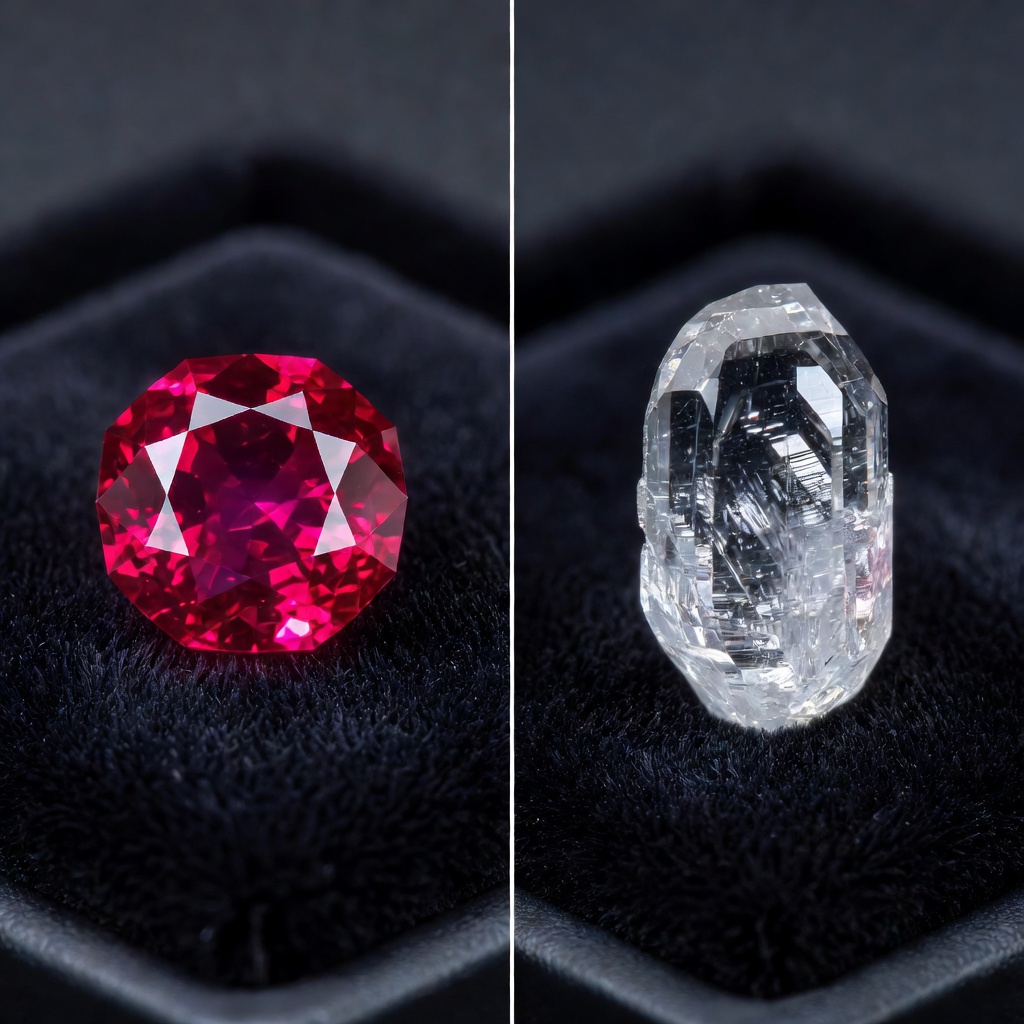
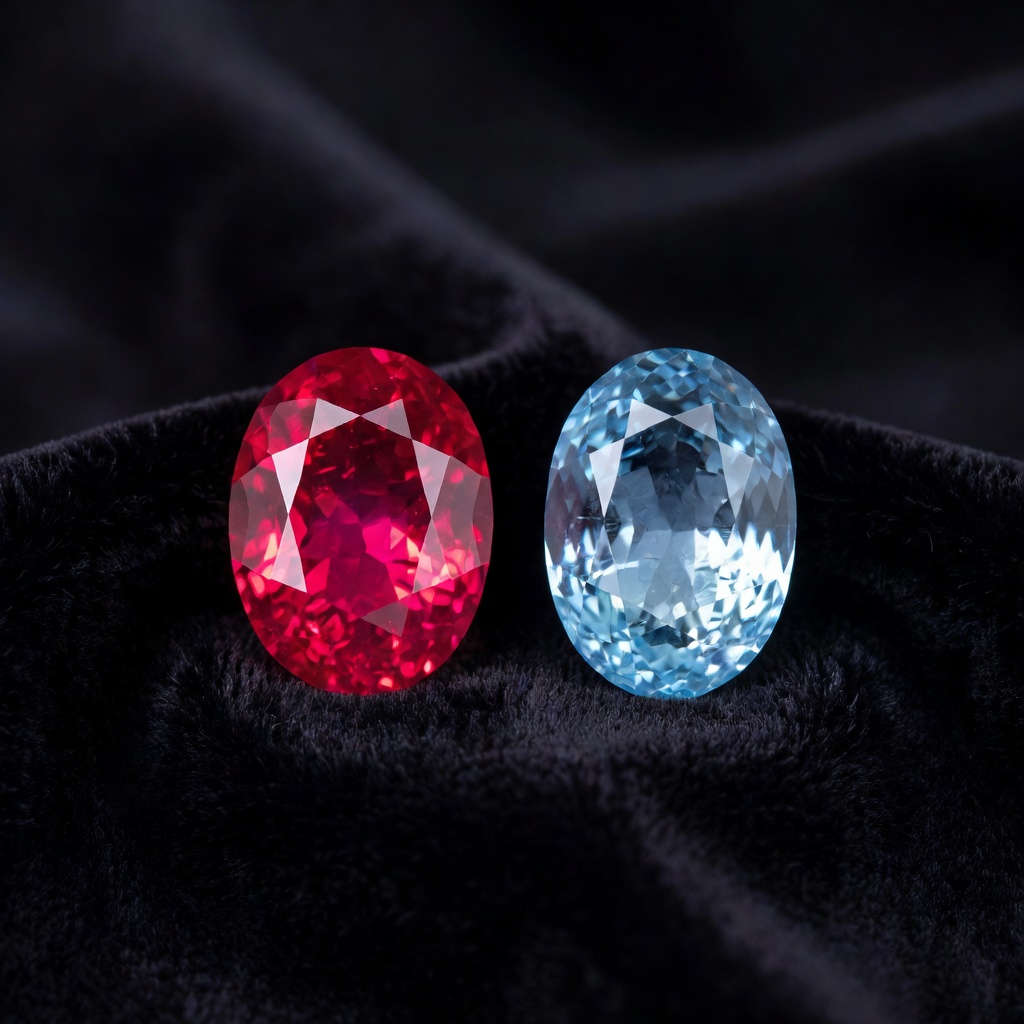
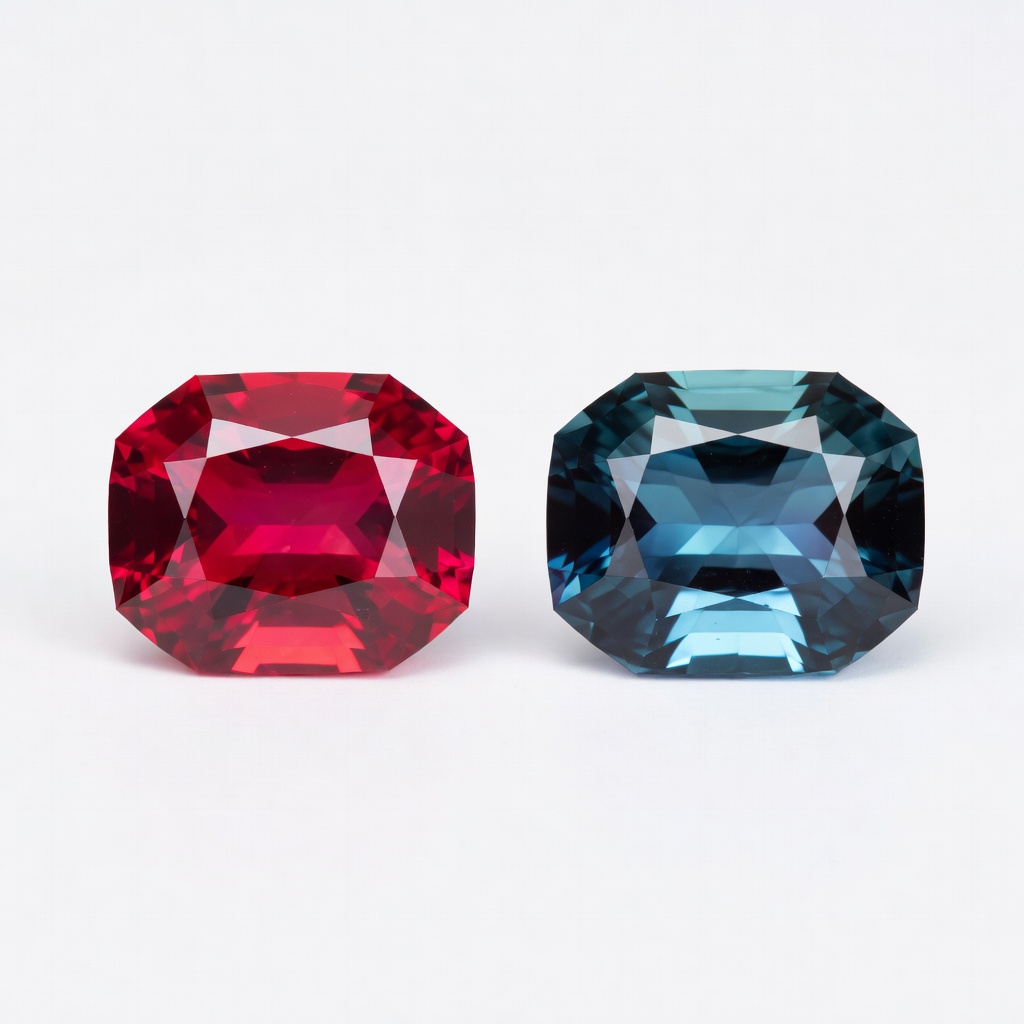
The most immediate distinction between these gemstones lies in their spectacular color presentations and optical properties. Ruby derives its signature pigeon blood red to pinkish-red hues from chromium impurities within the corundum crystal structure, creating an intense saturation that symbolizes passion and vitality across cultures. In contrast, London Blue Topaz showcases characteristic dark teal-blue to steely blue-gray tones achieved through specialized treatment processes, offering a moody, sophisticated alternative to lighter sky blue varieties that appeals to modern aesthetic sensibilities. When examined under various lighting conditions, ruby color exhibits strong fluorescence under ultraviolet light, often glowing with an inner fire that seems to emanate from within the stone itself and enhancing its visibility in evening settings. London Blue Topaz demonstrates pleochroism, displaying different colors when viewed from various angles—typically shifting between deep blue and lighter teal or grayish tones—which creates a fascinating dimensional quality unlike the consistent chromatic presence of ruby, making london blue topaz appearance particularly captivating in larger carat sizes where this effect becomes pronounced.
Geological Origins and Natural Formation
Understanding how these stones form beneath the earth reveals why they occupy different positions in the gemstone hierarchy and value chain. Ruby formation occurs as aluminum oxide (corundum) within metamorphic rocks such as marble and basalt, requiring specific conditions of high pressure and temperature over millions of years to develop gem-quality crystals free from excessive inclusions. London Blue Topaz origin begins as natural colorless topaz crystallizing within igneous formations and pegmatites, later undergoing treatment to achieve its distinctive color rather than forming with that hue naturally. Primary mining locations for rubies include the legendary Mogok mines of Myanmar, the border regions of Thailand and Cambodia, and increasingly important deposits in Mozambique and Madagascar, with Burmese stones commanding particular prestige among collectors. London Blue Topaz sources predominantly from Brazil's Minas Gerais region and Nigeria, where abundant colorless topaz deposits provide the raw material for this treated gemstone, making supply chains more consistent than ruby mining. Geologically, fine rubies are typically older and exponentially rarer than topaz, with significant deposits becoming increasingly depleted, whereas colorless topaz remains relatively abundant in nature, directly influencing their market availability and pricing structures.
Hardness, Durability, and Daily Wearability
Practical wearability represents one of the most significant differences when evaluating these stones for everyday jewelry and active lifestyles. Ruby hardness scores an impressive 9 on the Mohs scale, making it the second hardest natural gemstone after diamond, which allows it to resist scratching and maintain polish even with constant daily wear and exposure to environmental factors. London Blue Topaz registers at 8 on the Mohs scale, which might suggest reasonable durability, but it possesses a critical weakness known as perfect basal cleavage, meaning the crystal can split cleanly along specific planes when struck with sufficient force or dropped on hard surfaces. This structural vulnerability makes London Blue Topaz particularly susceptible to chipping and breaking if knocked against hard surfaces or subjected to sharp impacts, unlike ruby which lacks cleavage planes and offers superior toughness against mechanical stress. For active individuals or those seeking engagement rings and bracelets that withstand daily rigors, ruby's exceptional durability makes it the clear winner in any gemstone durability comparison, while London Blue Topaz performs better in protected settings such as pendants and earrings where impact risks remain minimal and the stone receives less physical abuse.
Value, Pricing, and Investment Potential
The financial investment required for these gemstones diverges dramatically, reflecting their different classifications within the industry and rarity levels. Fine quality rubies command ruby value prices ranging from $1,000 to $15,000 or more per carat, with exceptional Burmese specimens occasionally exceeding diamond prices on a per-carat basis, firmly establishing ruby as a precious gemstone with significant investment potential and portfolio diversification benefits. London Blue Topaz price points offer remarkable affordability, typically ranging between $20 and $200 per carat depending on size and quality, positioning it as an accessible semi-precious option for fashion-forward jewelry enthusiasts who prioritize aesthetics over appreciation. Price determination for rubies depends heavily on origin (with Myanmar and Mozambique stones commanding premiums), color saturation (pigeon blood reds being most valuable), and clarity, while London Blue Topaz pricing focuses primarily on the depth and evenness of the blue color achieved through treatment rather than rarity factors. From an investment perspective, untreated or properly disclosed heat-treated rubies from prestigious origins appreciate over time and function as crisis-resistant assets, whereas London Blue Topaz, despite its beauty, functions primarily as an aesthetic purchase rather than a store of value due to its treatment history and relative abundance in the market.
Treatments and Industry Enhancement Practices
Modern gemstone commerce relies heavily on treatment processes to enhance the appearance of both these popular jewelry stones, making disclosure essential for informed purchasing. Over 95% of rubies available on the market undergo high-temperature ruby heat treatment to improve color saturation, reduce purple or brown overtones, and dissolve rutile inclusions that otherwise cloud the crystal, with these enhancements being permanent and stable under normal wear conditions. London Blue Topaz represents an entirely treated gemstone product, created when natural colorless topaz undergoes controlled irradiation followed by heat treatment to develop its signature dark teal-blue coloration that rarely occurs naturally in marketable quantities. Reputable gemological laboratories such as GIA, AGL, and GRS provide certification documents disclosing these treatments, which buyers should always request to ensure transparency and proper valuation when purchasing significant pieces. While treatments make these beautiful gems accessible to broader markets, they affect long-term value considerations, with untreated rubies commanding significant premiums in collector circles and London Blue Topaz requiring clear disclosure that it is a treated gemstone, though both remain stable under normal jewelry wearing conditions with no special care requirements beyond standard precautions.
Symbolism, Metaphysical Meaning, and Birthstone Status
Beyond their physical properties, these gemstones carry distinct cultural and metaphysical associations that influence buyer preferences and gifting traditions. Ruby serves as the July birthstone and has symbolized passion, courage, and romantic love throughout human history, adorning royal regalia from ancient Indian maharajas to European monarchs who believed the stone conferred protection and prosperity upon its wearer. London Blue Topaz associates with clear communication, emotional calmness, and mental clarity, serving as an alternative December birthstone alongside turquoise and zircon, making it popular among those seeking stones that support throat chakra healing and articulate expression. The birthstone differences between these gems make them suitable for different recipients based on birth month, though both transcend these associations to serve as meaningful gifts regardless of calendar alignment. Contemporary crystal healing practitioners recommend ruby for boosting energy levels, confidence, and vitality, whereas they prescribe London Blue Topaz for meditation practices aimed at reducing stress, facilitating honest dialogue in relationships, and promoting serene mental states during challenging conversations.
Jewelry Applications and Style Recommendations
The distinct characteristics of these gems dictate their optimal use in various jewelry designs and settings based on durability and aesthetic goals. Ruby excels in engagement rings, heirloom pieces, and statement jewelry, particularly when set in yellow gold which enhances the stone's warm red tones and creates a classic, timeless aesthetic that has remained fashionable for centuries across different design eras. London Blue Topaz rings perform beautifully in fashion-forward cocktail jewelry and contemporary designs where its dramatic blue color provides striking contrast against sterling silver or white gold settings at accessible price points that allow for larger stone sizes. Metal pairing recommendations favor yellow and rose gold for rubies to amplify their fiery warmth and vintage appeal, while platinum and white gold complement London Blue Topaz by emphasizing its cool, steely undertones and modern sophistication. Current jewelry trends show renewed interest in vintage-inspired ruby jewelry featuring milgrain details and halo settings, while London Blue Topaz dominates contemporary minimalist designs and bold statement earrings favored by younger demographics seeking affordable luxury with high visual impact.
Care, Cleaning, and Long-Term Maintenance
Proper maintenance protocols differ significantly between these stones due to their varying durability characteristics and structural vulnerabilities. Ruby tolerates ultrasonic and steam cleaning methods exceptionally well thanks to its superior hardness and lack of cleavage, though jewelry containing fracture-filled stones (a rare treatment) requires gentler handling to avoid damaging fillers or causing internal stress. London Blue Topaz maintenance demands more cautious care, requiring only mild soap and warm water with a soft brush for cleaning ruby and topaz pieces, as ultrasonic vibrations and steam can potentially exacerbate existing fractures or cause damage along cleavage planes in the topaz. Gemstone care storage recommendations include keeping both gemstones in separate compartments or soft pouches to prevent harder stones like ruby from scratching the topaz, and ensuring London Blue Topaz pieces never contact harder gems that might cause abrasions or chips during storage. Professional inspection should occur annually for both gemstone types, with particular attention paid to prong settings on London Blue Topaz rings to ensure the stone remains secure, as its brittleness makes it more vulnerable to loss if settings become loose during wear, whereas ruby settings primarily require checking for wear on the metal itself.
Final Verdict: How to Choose the Right Gemstone for You
Selecting between these distinctive gems requires honest assessment of your priorities, lifestyle, and budget constraints to ensure satisfaction with your purchase for years to come. For milestone purchases such as engagement rings or anniversary gifts where longevity matters most, splurging on ruby provides a durable precious gemstone that withstands daily wear while appreciating in value over generations, making it suitable for heirloom creation. Active individuals or those with hands-on professions should prioritize ruby's superior toughness and resistance to impact, while London Blue Topaz suits occasional wearers seeking trendy, fashionable pieces that deliver high visual impact without substantial financial commitment or insurance concerns. Sentiment plays a crucial role in the decision, with ruby representing deep romantic love and passionate commitment perfect for expressing intense emotions, whereas London Blue Topaz embodies calm communication and serene emotional balance ideal for professional achievements or friendship celebrations.
Side-by-Side Comparison
| Characteristic | Ruby | London Blue Topaz |
|---|---|---|
| Category | Precious Gemstone | Semi-Precious Gemstone |
| Mohs Hardness | 9 (Excellent) | 8 (Good, but fragile) |
| Primary Color | Pigeon Blood Red to Pinkish-Red | Dark Teal-Blue to Steely Blue-Gray |
| Natural vs Treated | Usually Heat Treated (95%+) | Irradiation and Heat Treated (100%) |
| Price Range | $1,000 – $15,000+ per carat | $20 – $200 per carat |
| Durability | Excellent for daily wear, no cleavage | Moderate, perfect cleavage causes chipping risk |
| Best Jewelry Use | Engagement rings, bracelets, heirlooms | Earrings, pendants, occasional wear rings |
| Birthstone Month | July | December (alternative) |
| Investment Potential | High appreciation over time | Minimal, primarily aesthetic value |
| Cleaning Method | Ultrasonic and steam safe | Mild soap and water only |
| Origin | Myanmar, Thailand, Mozambique | Brazil, Nigeria (treated) |
This ruby vs topaz buying guide demonstrates that while both stones offer exceptional beauty, they serve different purposes in a well-rounded jewelry collection. When you choose gemstone pieces for your personal collection, consider acquiring both: select ruby for significant life events and daily wear pieces that must last decades, and incorporate London Blue Topaz for fashion-forward designs that allow you to enjoy current trends without compromising your investment portfolio or risking high-value stones during travel and casual activities.
Frequently Asked Questions
Which Gemstone Is More Expensive, Ruby or London Blue Topaz?
Ruby is significantly more expensive, ranging from $1,000 to $15,000+ per carat for fine qualities, while London Blue Topaz costs only $20-$200 per carat. Rubies are precious gemstones and much rarer in gem quality, whereas London Blue Topaz is a treated semi-precious stone that's widely available. The price difference reflects not only rarity but also the geological difficulty in finding rubies without heavy inclusions or color zoning that detract from their value.
Can London Blue Topaz Be Worn Daily Like Ruby?
London Blue Topaz is not ideal for daily wear despite its 8 Mohs hardness. It has perfect cleavage, making it vulnerable to chipping from sharp impacts or accidental blows against hard surfaces. Ruby, with 9 Mohs hardness and no cleavage, is much more durable and suitable for everyday rings and bracelets that withstand the rigors of active lifestyles and manual activities.
Are Rubies and London Blue Topaz Natural Colors or Treated?
Both are typically treated. Over 95% of rubies undergo heat treatment to enhance color and clarity. London Blue Topaz starts as natural colorless topaz and is treated through irradiation and heat to achieve its signature dark blue color. These treatments are permanent and industry-standard but should always be disclosed by reputable dealers and indicated on certification documents.
Which Is Better for an Engagement Ring, Ruby or London Blue Topaz?
Ruby is the superior choice for engagement rings due to its exceptional durability (9 Mohs) and symbolism of eternal love and passion. London Blue Topaz can be used but requires protective settings such as bezels or halos and is better suited for occasional wear rather than lifelong daily use, as it may chip or crack during activities that rubies would withstand without damage.
What Is the Main Visual Difference Between Ruby and London Blue Topaz?
The most obvious difference is color: rubies display deep red to pinkish-red hues caused by chromium, while London Blue Topaz features dark teal-blue to steely blue-gray tones. Rubies also exhibit strong fluorescence under UV light, glowing with an internal red fire, while topaz shows pleochroism (color changes from different angles), shifting between blue and teal depending on viewing direction.
Is London Blue Topaz Considered a Precious Gemstone?
No, London Blue Topaz is classified as semi-precious. Only diamond, ruby, sapphire, and emerald are traditionally considered precious gemstones. London Blue Topaz is an affordable, treated variety of topaz that offers beautiful color at a fraction of the cost of precious gems, making it accessible for fashion jewelry and statement pieces.
Do Rubies and London Blue Topaz Have Similar Hardness?
No, ruby is significantly harder at 9 on the Mohs scale, while London Blue Topaz is 8. More importantly, topaz has perfect cleavage, meaning it can split along crystal planes when struck, making it more fragile despite its relatively high hardness rating. Ruby lacks cleavage entirely, contributing to its superior toughness and resistance to breaking under impact.
Which Gemstone Is More Rare, Ruby or London Blue Topaz?
Ruby is exponentially more rare, especially in fine gem quality over 2 carats. Natural colorless topaz is abundant, and the London Blue color is created through treatment. High-quality rubies from locations like Myanmar can command prices higher than diamonds of similar size due to their rarity, whereas London Blue Topaz remains consistently available in the market with stable supply chains from Brazilian and Nigerian mines.