Understanding Ruby vs Lapis Lazuli
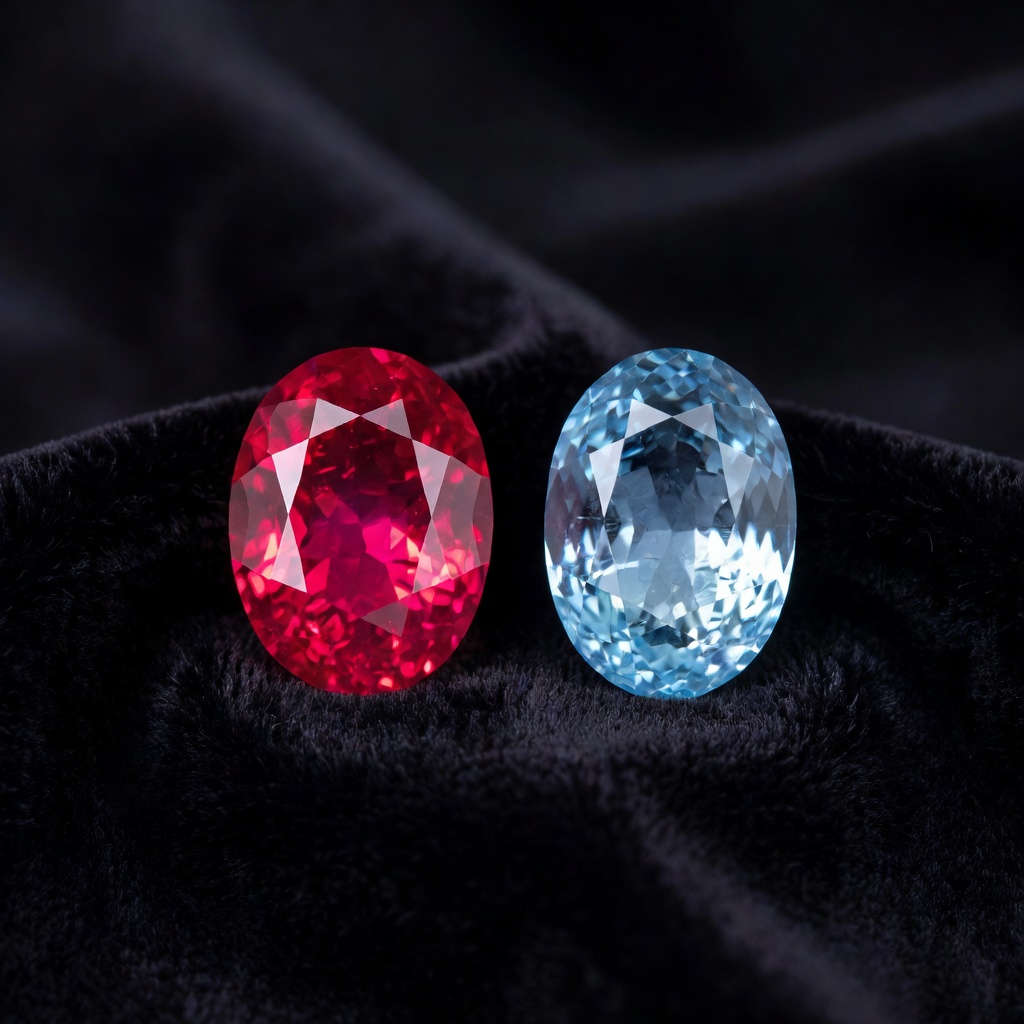
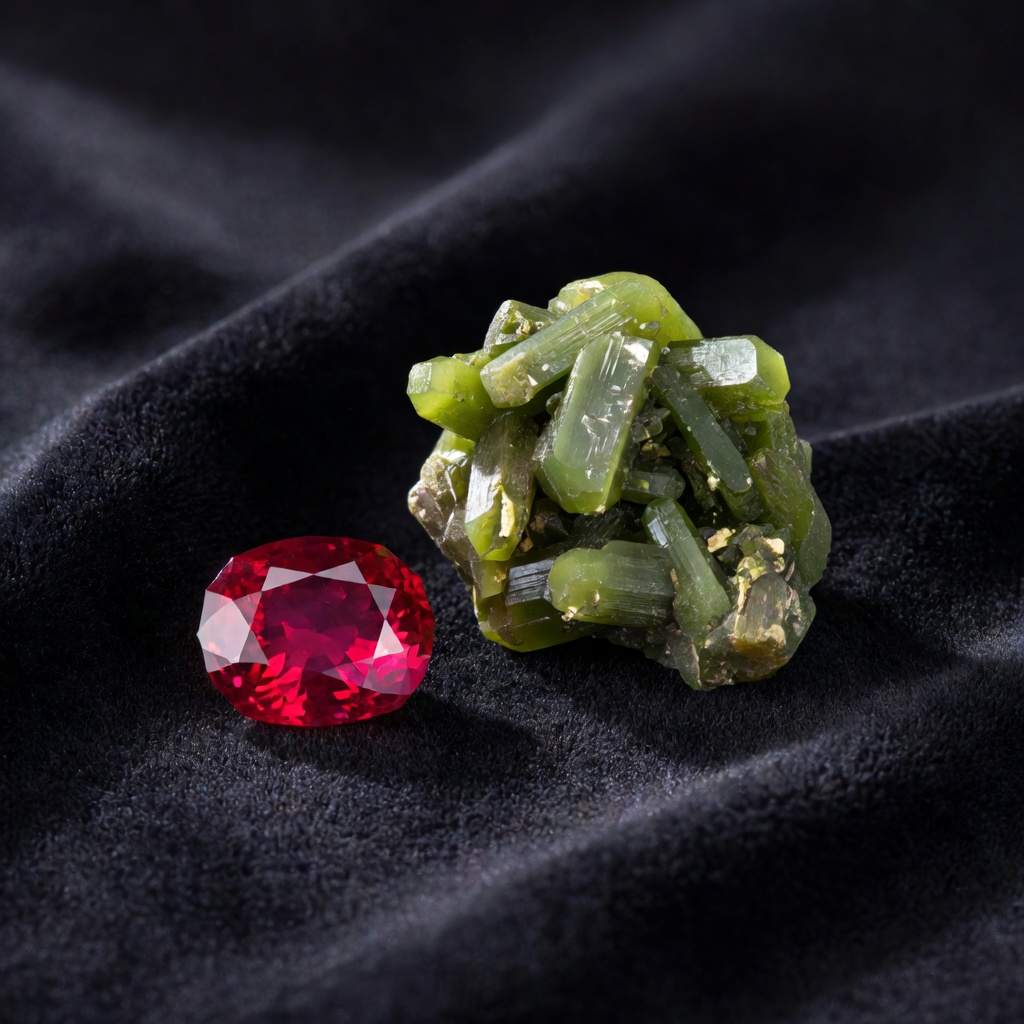
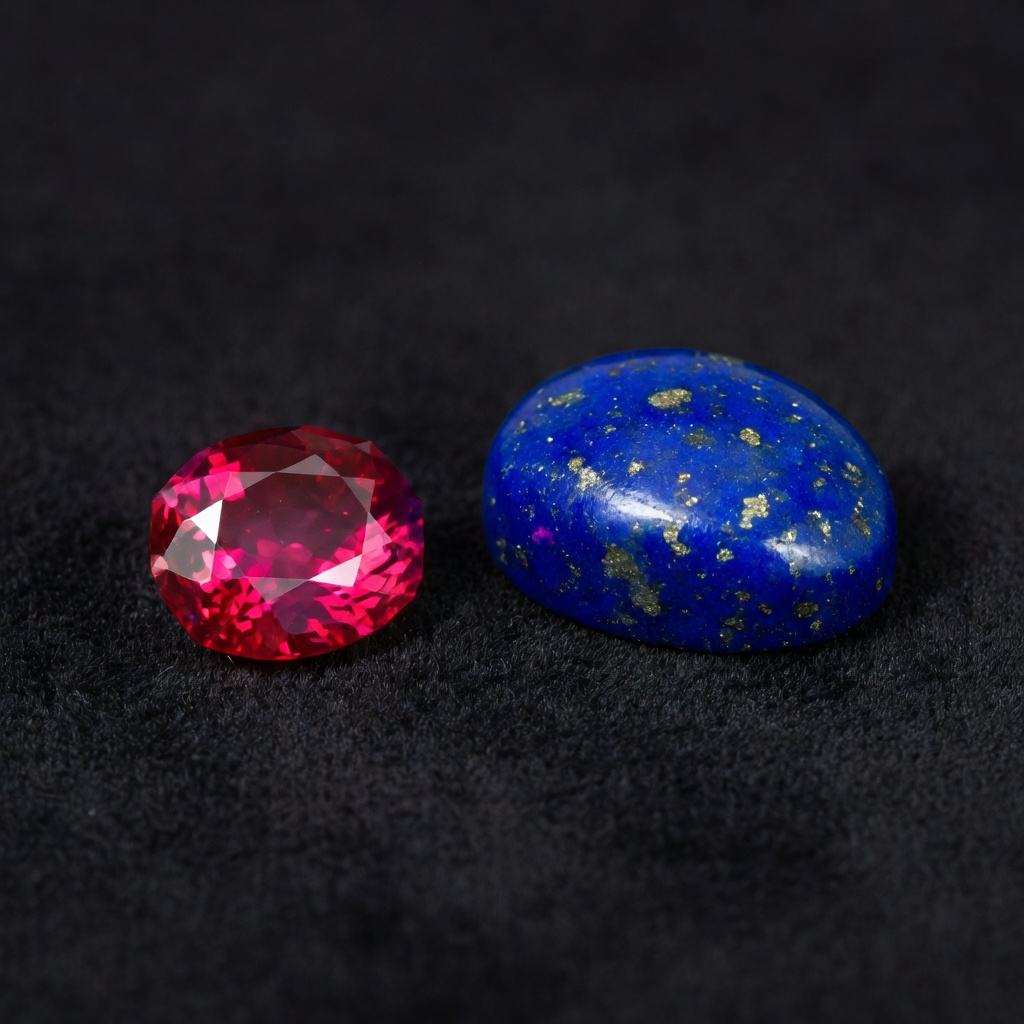
When exploring the vast world of colored gemstones, the comparison between Ruby vs Lapis Lazuli presents a fascinating study in contrasts that illuminates the full spectrum of gemological classifications. Ruby stands as the quintessential precious gemstone, a variety of red corundum prized for its exceptional hardness and the intensity of its crimson hues that have captivated royalty and collectors for millennia. In stark opposition, lapis lazuli emerges as a metamorphic rock rather than a single mineral, treasured since antiquity for its celestial ultramarine blue punctuated by golden pyrite inclusions that resemble stars scattered across the night sky. These two stones represent opposite ends of the gemstone spectrum, differing fundamentally in their chemical composition, structural integrity, market valuation, and practical applications in jewelry design. Understanding these distinctions is essential for any collector or jewelry enthusiast seeking to make informed decisions about acquisition, wearability, and long-term care of these distinctively beautiful materials.
Geological Origins and Mineral Composition
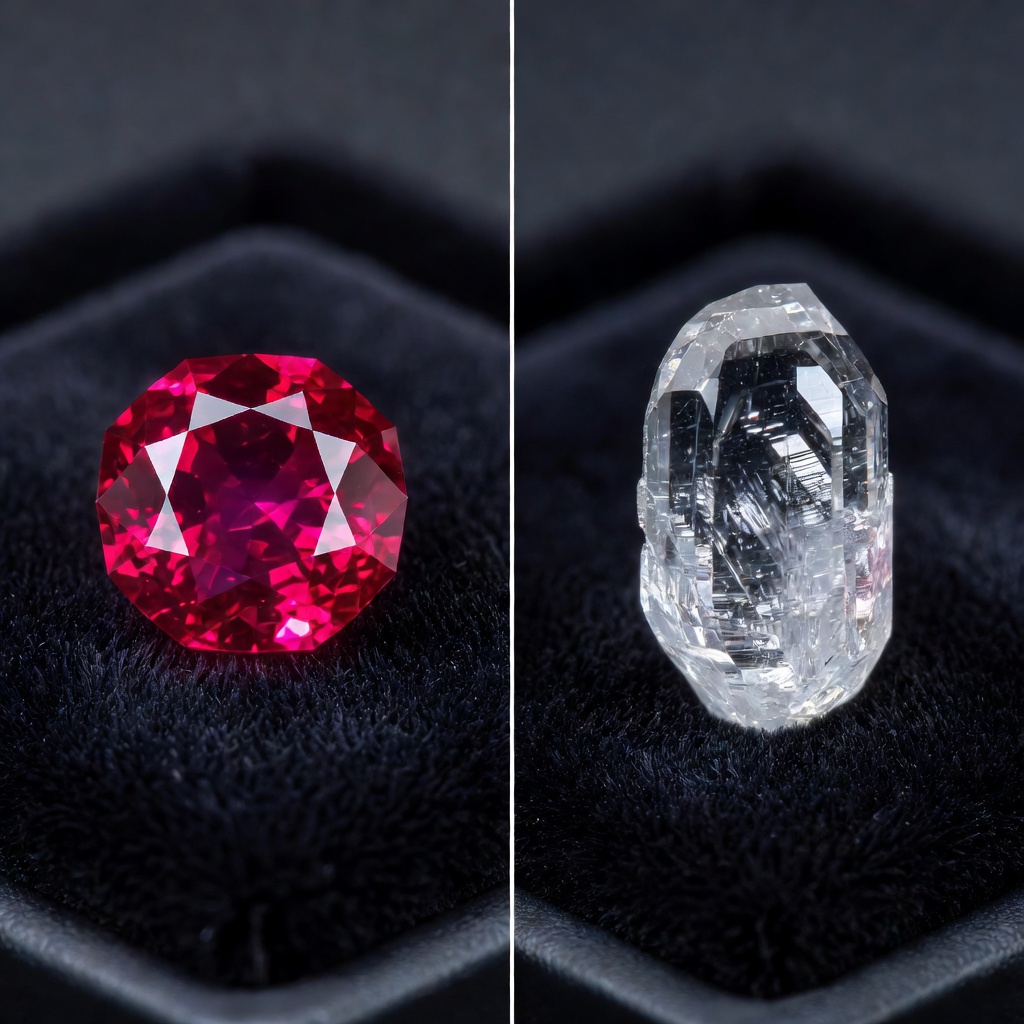
The formation of ruby involves a complex geological process requiring aluminum oxide crystallization under extreme heat and pressure conditions typically found in metamorphic or igneous rock environments. This Red corundum formation occurs primarily within marble or basalt host rocks where chromium impurities replace aluminum atoms in the crystal lattice, creating the gem's signature red coloration through a process that can take millions of years. Conversely, Lapis lazuli mineral composition reveals a contact metamorphic rock containing multiple minerals, predominantly lazurite (25-40%), along with calcite, pyrite, and minor amounts of diopside and mica, creating its characteristic aggregate structure. The most prized specimens originate from the Sar-e-Sang mines in Afghanistan's Badakhshan province, where mining traditions date back over 6,000 years, while high-quality rubies are extracted from the Mogok region of Myanmar, the Montepuez mines of Mozambique, and alluvial deposits in Thailand and Madagascar. These distinct geological origins fundamentally influence each stone's physical properties, with ruby's singular crystal structure providing exceptional durability compared to lapis's composite aggregate nature.
Physical Properties and Durability Analysis
Examining the Ruby hardness Mohs scale reveals a ranking of 9, placing this precious corundum second only to diamond in terms of scratch resistance and making it exceptionally suitable for daily wear in rings, bracelets, and other high-impact jewelry pieces. In contrast, lapis lazuli durability presents significant limitations with a Mohs hardness rating of merely 5-5.5, comparable to tooth enamel or window glass, necessitating protective settings and careful handling to prevent surface abrasion or structural damage. The gemstone toughness comparison extends beyond hardness to structural integrity, as ruby possesses a trigonal crystal system with excellent toughness and no cleavage planes, meaning it resists chipping and breaking even when subjected to accidental impacts. Lapis lazuli, however, consists of an aggregate composition where multiple mineral grains are cemented together, creating potential weak points along calcite-rich zones that can fracture under stress or dissolve when exposed to acids, making it significantly more vulnerable during the jewelry setting process and everyday wear.
Color Characteristics and Visual Identification
The visual distinction between these gemstones begins with ruby's extraordinary color spectrum, ranging from delicate pinkish-red hues to the highly coveted Pigeon blood ruby shade characterized by a pure, vivid red with a hint of blue that appears to glow from within. This coloration results from chromium content within the corundum structure, which also causes natural fluorescence under UV light, creating an inner fire that distinguishes genuine rubies from simulants or other red gemstones. Lapis lazuli presents an entirely different aesthetic with its signature ultramarine lapis lazuli coloration spanning from deep violet-blue to occasionally greenish-blue tones, valued most highly when displaying an intense, uniform azure without visible calcite contamination. Gemstone inclusions identification provides crucial differentiation, as rubies typically contain rutile needles known as silk, along with mineral crystals and fingerprint inclusions, while authentic lapis displays characteristic metallic pyrite specks resembling gold dust and occasional white calcite veins that prove its natural origin rather than synthetic manufacture.
Historical Significance and Cultural Symbolism
Throughout Asian history, Ruby symbolism has elevated this gemstone to the status of "King of Gems" in Indian, Burmese, and Chinese cultures, where it represented the Sun, passion, protection, and vital life force energy capable of warding off evil and bringing good fortune to warriors and rulers alike. Ancient Burmese warriors believed inserting rubies into their flesh made them invincible in battle, while Hindu traditions associated the stone with the base chakra and blood circulation, prescribing it for energizing the physical body and stimulating the heart. Lapis lazuli historical significance traces equally profound roots through Ancient Egyptian civilization, where the stone was ground into ultramarine pigment for pharaohs' tombs and the funerary mask of Tutankhamun, and Medieval European artists paid fortunes for this blue powder to paint the Virgin Mary's robes, symbolizing wisdom, truth, and divine favor. The July birthstone vs September birthstone distinction highlights ruby's association with summer vitality and Leo zodiac characteristics, while lapis serves as an alternative September birthstone alongside sapphire and connects strongly to Sagittarius, representing the pursuit of knowledge and honest communication rather than passionate action.
Jewelry Applications and Setting Considerations
The exceptional hardness of corundum makes Ruby jewelry settings incredibly versatile, allowing for secure prong settings in engagement rings, channel settings in tennis bracelets, and elaborate pavé work in statement necklaces that withstand decades of daily wear without significant abrasion. High jewelry houses like Cartier and Van Cleef & Arpels frequently feature Burmese rubies in their most important creations, setting them in yellow gold to enhance the stone's warm red tones while ensuring the metal's malleability accommodates the gem's durability requirements. Conversely, lapis lazuli jewelry design requires more protective approaches, with bezel settings, cabochon cuts, and inlay work proving optimal for showcasing the stone's artistic qualities while protecting its softer surface from direct impact and scratching. Jewelry designers often pair lapis with silver or white gold to complement its cool blue tones, reserving it for pendants, earrings, and occasional-wear rings rather than daily wear pieces, clearly illustrating the practical divide between Precious vs semi-precious gemstones in commercial jewelry applications.
Market Value, Pricing, and Investment Potential
The Ruby price per carat demonstrates the gemstone's position at the pinnacle of colored stone investment, with fine untreated Burmese specimens commanding $1,000 to over $100,000 per carat depending on size, color saturation, and clarity, occasionally exceeding diamond prices for exceptional stones over five carats. This valuation reflects extreme rarity factors, as gem-quality rubies with pigeon blood color and no heat treatment represent a tiny fraction of global production, with major deposits depleting and political instability affecting Myanmar supply chains. Lapis lazuli value operates on an entirely different economic scale, typically ranging from $1 to $100 per carat based on color intensity, pyrite distribution, and calcite content, with the highest grade Afghan material displaying deep blue with minimal white veining commanding premium prices within this accessible range. Gemstone investment comparison clearly favors rubies for long-term value appreciation and liquidity, though treated stones (heat-treated) and composite rubies require careful disclosure, while lapis lazuli, despite being affordable, rarely appreciates significantly unless possessing exceptional provenance or antiquity, with treatments like dyeing and waxing common in lower-grade specimens requiring buyer awareness.
| Characteristic | Ruby (Red Corundum) | Lapis Lazuli |
|---|---|---|
| Chemical Composition | Aluminum Oxide (Al₂O₃) with Chromium | Rock aggregate: Lazurite, Calcite, Pyrite |
| Mohs Hardness | 9 (Excellent for daily wear) | 5-5.5 (Requires protection) |
| Primary Sources | Myanmar, Mozambique, Thailand, Madagascar | Afghanistan (Badakhshan), Chile, Russia |
| Color Range | Pinkish-red to Pigeon Blood Red | Ultramarine blue to Violet-blue with Pyrite |
| Key Inclusions | Rutile needles (silk), mineral crystals | Golden pyrite flecks, white calcite veins |
| Price Range | $1,000 - $100,000+ per carat | $1 - $100 per carat |
| Best Jewelry Use | Engagement rings, bracelets, daily wear | Pendants, earrings, inlay, occasional wear |
| Maintenance Level | Low (Ultrasonic safe) | High (Avoid water/chemicals) |
Care, Cleaning, and Maintenance Requirements
Learning How to clean ruby gemstone properly ensures these durable stones maintain their brilliance for generations, with untreated stones safely tolerating ultrasonic cleaners and steam cleaning systems that remove accumulated dirt from setting crevices, though warm soapy water with a soft brush remains the universal standard for all ruby varieties. The low maintenance requirements of corundum allow owners to wear ruby jewelry during most daily activities without special precautions, though protection from harsh chemicals and hard blows remains advisable even for these tough gemstones. In contrast, lapis lazuli care tips demand meticulous attention due to the stone's calcite content and potential dye treatments, requiring owners to avoid water entirely, as moisture can dissolve calcite components or cause dyes to bleed, and absolutely prohibiting exposure to acids, perfumes, or ultrasonic cleaning that could destroy the stone's integrity. The gemstone maintenance guide for lapis extends to storage recommendations, necessitating separate soft pouches or lined jewelry boxes to prevent harder stones like rubies, sapphires, or diamonds from scratching the relatively soft surface, while rubies can be stored in standard compartments or even together without risk of mutual damage.
How to Choose Between Ruby and Lapis Lazuli
When Choosing between ruby and lapis, begin with an honest lifestyle assessment that evaluates your daily activities, work environment, and wearing habits, as active individuals or those working with their hands should gravitate toward ruby's superior durability for rings and bracelets, while those seeking occasional statement pieces might appreciate lapis's artistic qualities for evening wear. Consider color psychology preferences carefully, as ruby's red spectrum stimulates feelings of passion, energy, confidence, and vitality, making it ideal for those seeking to project power and warmth, whereas lapis's deep blue promotes calm, enhances communication, and supports meditation practices, suiting individuals prioritizing intellectual pursuits and tranquility. Budget considerations play a significant role in this gemstone buying guide, with rubies representing substantial investments that appreciate over time and can be passed down as heirlooms, while lapis offers accessible luxury for fashion jewelry enthusiasts who desire the aesthetic of blue gemstones without the sapphire price point. Ultimately, the Ruby vs Lapis Lazuli decision should prioritize intended use over prestige alone, recognizing that ruby excels in longevity and financial retention while lapis provides unique artistic expression that, despite requiring careful handling, offers immediate visual impact and historical resonance at a fraction of the cost.
Conclusion: Appreciating Both Gemstones
This Ruby vs Lapis Lazuli comparison summary reveals that while these materials occupy opposite ends of the gemstone hierarchy, both offer distinct values that transcend simple categorization as precious versus ornamental. Ruby, as crystallized red corundum, provides unmatched durability for daily adornment, significant investment potential, and the fiery symbolism of vitality and protection that has made it one of civilization's most treasured materials for millennia. Lapis lazuli, despite its aggregate composition and relative softness, delivers extraordinary aesthetic impact through its celestial blue coloring and golden pyrite inclusions, offering affordable access to ancient artistic traditions and spiritual practices centered on wisdom and truth. Rather than viewing these stones as competitors, collectors should recognize that ruby excels in applications requiring resilience and long-term value retention, while lapis triumphs in artistic expression and metaphysical significance, with the ideal jewelry collection potentially featuring both to serve different occasions, moods, and maintenance commitments.
Frequently Asked Questions
Which is more valuable, ruby or lapis lazuli?
Ruby is significantly more valuable than lapis lazuli. Fine-quality rubies can command $1,000 to over $100,000 per carat, especially untreated Burmese stones, making them among the most valuable colored gemstones. Lapis lazuli is considered a semi-precious stone, typically ranging from $1 to $100 per carat depending on color intensity and pyrite content.
Can I wear lapis lazuli every day like ruby?
No, lapis lazuli is not suitable for daily wear like ruby. With a Mohs hardness of only 5-5.5, lapis can scratch easily and may be damaged by water or chemicals. Ruby, ranking 9 on the Mohs scale, is excellent for daily wear including rings and bracelets. Reserve lapis for occasional wear, pendants, or earrings where it faces less impact.
Is ruby or lapis lazuli better for an engagement ring?
Ruby is the superior choice for engagement rings due to its exceptional hardness (9 Mohs) and durability for daily wear over decades. Lapis lazuli is too soft (5-5.5 Mohs) and susceptible to scratching, chipping, and water damage, making it unsuitable for the rigorous demands of everyday engagement ring wear.
What is the spiritual meaning difference between ruby and lapis lazuli?
Ruby symbolizes passion, vitality, courage, and protection, associated with the base chakra and life force energy (Sun). Lapis lazuli represents wisdom, truth, inner peace, and communication, linked to the throat and third eye chakras. While ruby energizes and motivates action, lapis calms and enhances intellectual and spiritual insight.
Which stone is rarer, ruby or lapis lazuli?
Fine-quality rubies are significantly rarer than lapis lazuli. Exceptional untreated rubies, especially those over 5 carats with pigeon blood color, are extraordinarily scarce. While high-grade Afghan lapis with minimal calcite is less common, commercial-grade lapis is relatively abundant. Gem-quality large rubies are rarer than diamonds of comparable size.
Can ruby and lapis lazuli be worn together in jewelry?
Yes, ruby and lapis lazuli create a striking color combination of red and blue that offers bold visual contrast. However, store them separately when not worn, as ruby's hardness can easily scratch the softer lapis. In jewelry designs, ensure lapis is protected by bezel settings and avoid pieces where the stones contact each other.
How can I tell if my ruby or lapis lazuli is real?
Real rubies often show natural inclusions like rutile needles, have a distinctive red fluorescence under UV light, and feel cool and heavy. Real lapis lazuli displays natural pyrite flecks (not uniform glitter), may show calcite white veins, and will not fade when rubbed with acetone (unlike dyed imitations). Professional gemological testing provides definitive identification.
Which requires more maintenance, ruby or lapis lazuli?
Lapis lazuli requires significantly more maintenance than ruby. Lapis must avoid water, acids, perfumes, and ultrasonic cleaning, requiring only dry or slightly damp cloth cleaning. Ruby is low-maintenance, tolerating ultrasonic and steam cleaning (if untreated), warm soapy water, and normal wear without special precautions beyond standard jewelry care.