Understanding Corundum: The Mineral Connection Between Ruby and Sapphire
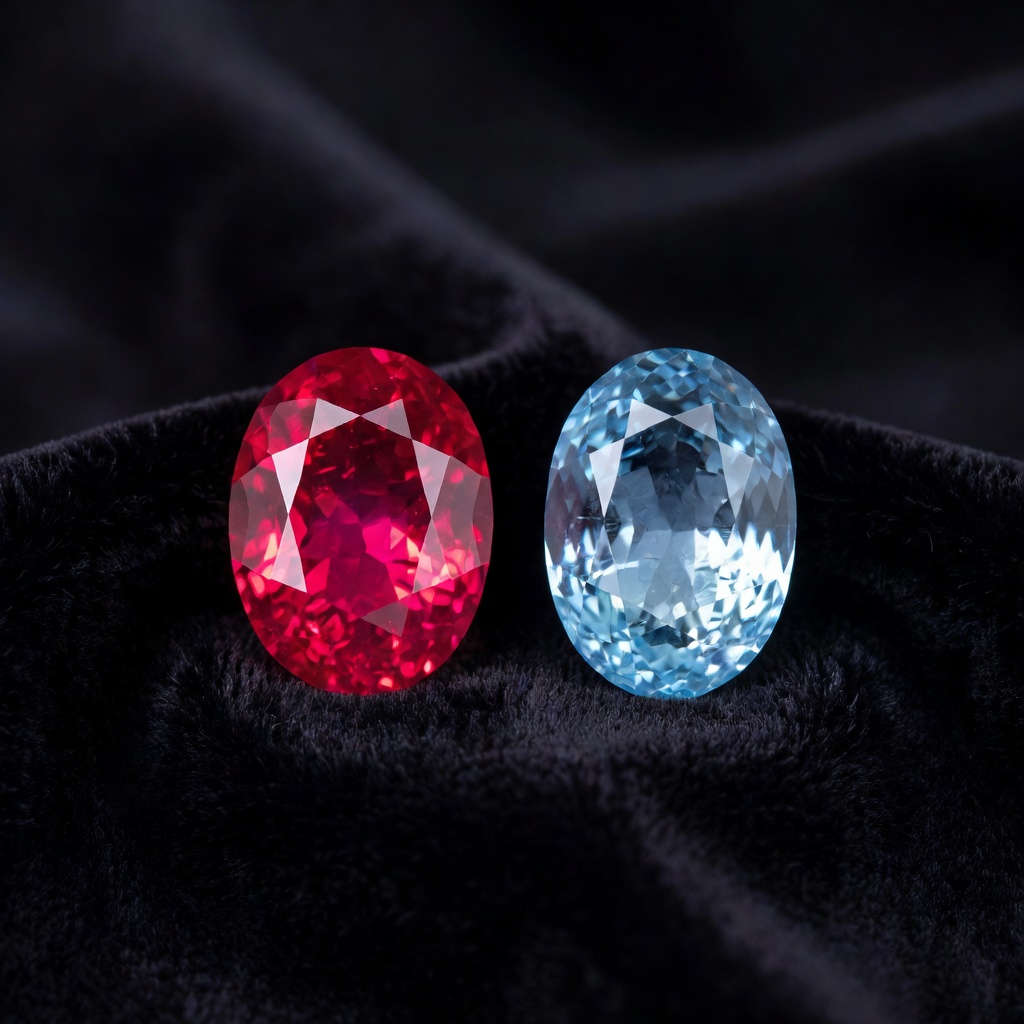
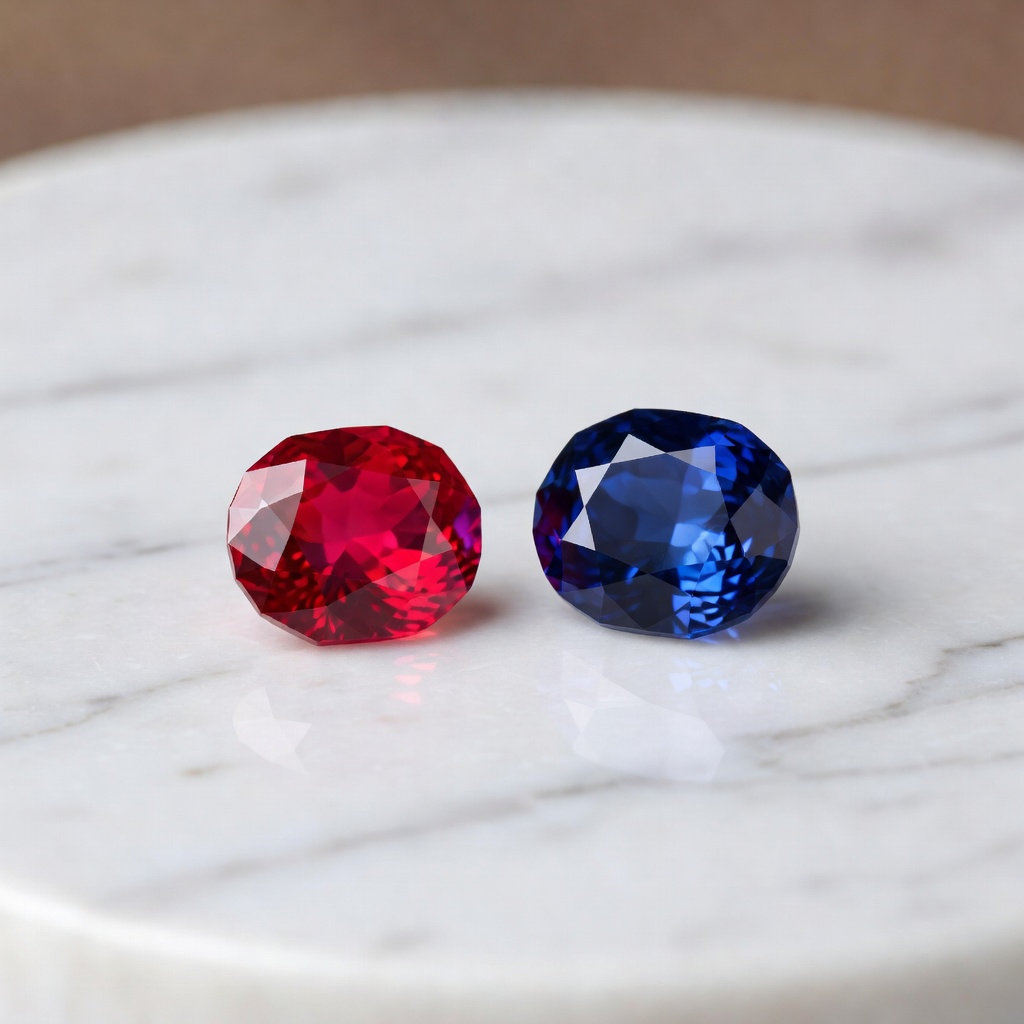
When examining ruby vs lab-created sapphire, the fundamental relationship begins at the mineralogical level with corundum, a crystalline form of aluminum oxide (Al₂O₃) that represents one of Earth's most durable natural substances. Both gemstones share this identical base composition, making them essentially siblings in the gemological family tree, distinguished solely by trace elements that create their signature colors. Ruby specifically earns its classification when chromium ions infiltrate the crystal lattice during formation, producing the coveted red spectrum that ranges from delicate pinkish-red to the highly prized pigeon blood variety. Conversely, sapphire encompasses all other color variations of corundum, including blue, yellow, pink, and colorless stones, each tinted by different trace elements such as iron, titanium, or vanadium.
The corundum gemstones comparison extends beyond color distinctions into the realm of laboratory creation, where scientists replicate natural formation conditions to produce stones with chemically, physically, and optically identical properties to their mined counterparts. Modern laboratory techniques successfully recreate the aluminum oxide structure with such precision that even professional gemologists require specialized equipment to distinguish between natural and synthetic specimens. This scientific achievement means that when you select a lab-created sapphire, you are acquiring genuine corundum rather than a simulant or imitation, with the only differentiating factor being the controlled environment of its birth versus the chaotic geological processes of the Earth.
Visual Characteristics: Color Saturation and Clarity Differences
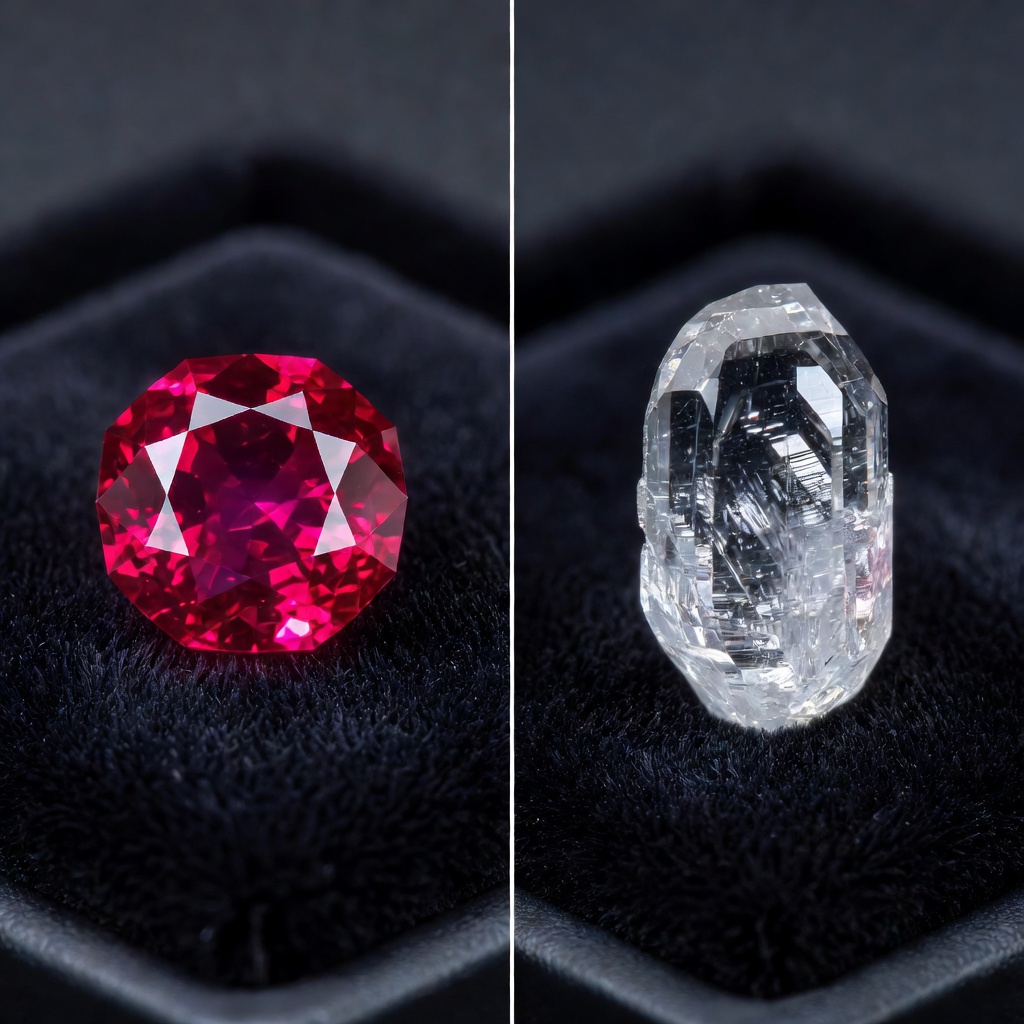
Natural rubies exhibit a color palette that reflects millions of years of geological complexity, displaying hues that shift subtly under different lighting conditions and often showing zoning variations that tell the story of their formation. The most valuable specimens demonstrate pure, vibrant red saturation with minimal secondary purple or orange overtones, though even high-quality stones typically contain some degree of color inconsistency that gemologists use for identification purposes. When evaluating ruby color vs sapphire options, collectors often note that natural rubies possess a certain depth and vitality that comes from the random distribution of chromium throughout the crystal structure during natural growth.
Lab-created sapphires, while available in various colors including fancy pinks that might resemble rubies, typically display remarkable color uniformity that distinguishes them from natural specimens. Under magnification, these laboratory-grown stones frequently reveal curved growth lines or striations resulting from the manufacturing process, whereas natural rubies characteristically show straight rutile needle inclusions, silk patterns, or fingerprint-like healing fractures. Fluorescence patterns also differ significantly, with natural rubies often showing stronger red fluorescence under ultraviolet light due to chromium content, while lab-created sapphires may exhibit different fluorescence reactions depending on their specific manufacturing method and any dopants used during creation.
Durability Analysis: Hardness and Toughness on the Mohs Scale
Both natural rubies and lab-created sapphires register an impressive 9 on the gemstone hardness Mohs scale, making them second only to diamond in terms of scratch resistance and suitable for heirloom-quality jewelry intended for daily wear. This exceptional hardness stems from the strong atomic bonding within the corundum crystal structure, ensuring that engagement rings, bracelets, and earrings maintain their polish and surface integrity even after decades of regular use. However, hardness should not be confused with toughness, as these stones possess distinct cleavage planes that can make them susceptible to chipping or fracturing upon sharp impact, particularly along the girdle edges or pointed corners of fancy cuts.
When assessing lab-grown sapphire durability against natural ruby toughness, laboratory-created stones often demonstrate superior structural consistency due to the controlled environment of their formation, which minimizes the internal stress points and inclusions that can weaken natural specimens. Natural rubies frequently contain silk, crystals, or other inclusions that, while adding character and proving natural origin, can create planes of weakness within the stone, particularly in heavily included commercial grades. For active individuals or those seeking jewelry for high-impact environments such as laboratory work or athletics, lab-created sapphires may offer practical advantages in terms of predictable structural integrity, though both materials remain excellent choices for rings and bracelets when set with protective mounting styles.
Origins and Manufacturing Processes: From Earth to Laboratory
Natural ruby formation represents one of geology's most extraordinary slow-cooking processes, occurring deep within metamorphic rocks under extreme heat and pressure over millions of years as aluminum and oxygen atoms arrange themselves into crystalline structures while chromium impurities create the distinctive red coloration. Major mining operations currently extract these precious stones from locations including Myanmar's Mogok Valley, Mozambique's Montepuez mines, and Madagascar's newer deposits, each region producing stones with slightly different characteristics based on local geological conditions. The rarity of gem-quality natural rubies continues to increase as accessible deposits deplete, making the discovery of new sources an economically significant event in the gemstone industry.
Conversely, sapphire creation methods in laboratory settings dramatically compress this timeline from geological epochs to mere weeks through sophisticated technologies such as the Verneuil flame fusion process or the Czochralski pulling method. The Verneuil technique involves dropping powdered aluminum oxide through an oxyhydrogen flame where it melts and crystallizes on a rotating pedestal, while Czochralski growth pulls a seed crystal from a molten bath to create large, high-quality boules. These controlled processes allow manufacturers to produce stones with specific color targets and clarity levels consistently, eliminating the uncertainty and waste associated with traditional mining while ensuring a steady supply for industrial applications and jewelry markets.
Price Comparison and Investment Value Analysis
The economic disparity between these gemstone options reflects fundamental market dynamics surrounding rarity, with high-quality natural rubies commanding prices that can exceed tens of thousands of dollars per carat for exceptional specimens, particularly those over three carats with untreated, vivid red saturation. This premium pricing stems from the genuine scarcity of fine natural material, as most mined rubies require heat treatment to improve clarity and color, while untreated stones of significant size represent extreme rarities that appreciate steadily in value over time. When evaluating ruby vs sapphire value, collectors should note that Burmese pigeon blood rubies have historically outperformed many traditional investments, showing consistent appreciation even during economic downturns.
Lab-created sapphires offer an accessible entry point into fine jewelry, typically retailing for 10-20% of the cost of comparable natural stones while providing identical aesthetic appeal and durability characteristics. This affordability allows buyers to select larger center stones or more elaborate settings without compromising on quality, making them particularly popular for fashion jewelry, initial engagement rings for budget-conscious couples, or pieces where the design rather than the material rarity takes precedence. While lab-created stones generally do not appreciate in value and offer minimal resale potential compared to natural rubies, they provide excellent cost-per-wear value for everyday jewelry items and allow for easier replacement if stones are lost or damaged during active lifestyles.
Ethical Sourcing and Environmental Impact Considerations
The natural gemstone industry has faced increasing scrutiny regarding mining practices, with concerns ranging from environmental degradation caused by open-pit mining operations to potential labor exploitation in unregulated artisanal mining sectors throughout Southeast Asia and East Africa. Ethical gemstone choices now represent a primary consideration for many modern consumers, who seek transparency regarding the journey their jewelry takes from mine to market, including fair wages for miners and environmental rehabilitation of extraction sites. While certification systems like the Responsible Jewellery Council and Fairmined standards work to improve conditions in natural ruby mining, tracing individual stones through complex supply chains remains challenging, particularly with material that passes through multiple trading centers before reaching cutting facilities.
Lab-created sapphires offer a compelling alternative for ethically-minded buyers, providing guaranteed conflict-free provenance and significantly reduced environmental footprints compared to traditional mining operations. Laboratory production eliminates the need for habitat disruption, water table contamination, and fossil fuel consumption associated with heavy mining equipment, while ensuring that no human rights violations contribute to the final product. As climate consciousness grows among luxury consumers, the predictable origin and transparent creation process of laboratory-grown stones increasingly appeal to those seeking beauty without compromise, allowing wearers to enjoy stunning jewelry with complete confidence in their ethical implications.
Jewelry Design Applications and Optimal Settings
Rubies have long commanded center stage in statement jewelry pieces, lending their fiery presence to vintage-inspired cocktail rings, Art Deco brooches, and royal regalia that leverages the stone's association with passion, power, and protection. Jewelry designers often pair natural rubies with yellow gold settings to enhance their warm red undertones, creating classic combinations that reference historical pieces from the Victorian, Edwardian, and Retro periods. When setting these valuable stones, experienced jewelers typically recommend protective prong settings or bezel mountings that safeguard the girdle while maximizing light return, particularly important for natural stones where preserving the original weight and avoiding chips takes precedence over daring cutting styles.
Lab-created sapphires excel in contemporary gemstone jewelry applications, particularly modern engagement rings where couples prioritize durability, size, and budget flexibility over rarity metrics. These versatile stones pair beautifully with white metals such as platinum or white gold, creating sleek, modern aesthetics that complement the cool tones of blue sapphires or the delicate blush of pink laboratory varieties. Because replacement costs remain reasonable, designers can experiment with more exposed settings, tension mounts, or delicate pavé arrangements that might prove too risky for irreplaceable natural rubies, allowing for greater creative freedom in fashion-forward pieces intended for regular rotation.
Professional Care and Maintenance Protocols
Despite their impressive hardness ratings, both natural rubies and lab-created sapphires require thoughtful maintenance to preserve their brilliance and structural integrity over generations of wear. While these stones resist scratching from everyday contact with household dust or metal objects, they remain vulnerable to damage from hard impacts against granite countertops, steel door handles, or pavement if dropped. Professional jewelers generally consider ultrasonic cleaners safe for untreated stones, though steam cleaning poses risks for heat-treated natural rubies or fracture-filled stones, where extreme temperature changes might exacerbate existing internal stress points or damage clarity enhancements.
The safest cleaning method for both gemstone care tips involves soaking jewelry in warm water mixed with mild dish soap, followed by gentle scrubbing with a soft-bristled toothbrush to remove accumulated oils and debris from the setting. Annual professional inspections remain essential for prong-set pieces, as the metalwork securing these hard gemstones often wears faster than the stones themselves, potentially leading to loss if clasps loosen or prongs thin over time. For laboratory-created sapphires set in fashion jewelry, the lower replacement cost should not encourage neglect, as proper care ensures these durable stones maintain their optical performance and setting security indefinitely.
Making Your Selection: A Comprehensive Decision Framework
Choosing between ruby vs lab-created sapphire ultimately depends on aligning your purchase with personal values, lifestyle requirements, and long-term intentions for the piece. Select natural ruby when you prioritize geological rarity, traditional investment potential, and the romantic narrative of owning a piece of ancient Earth history that formed millions of years before human civilization. These stones suit collectors, those marking significant milestones with heirloom intentions, or individuals who view their jewelry as alternative investment vehicles alongside traditional portfolios.
Opt for natural ruby vs synthetic sapphire alternatives when budget constraints, ethical sourcing priorities, or active lifestyle considerations dominate your decision-making process. Laboratory-created sapphires provide peace of mind for those working in environments where jewelry might suffer damage, offering affordable replacement options without sacrificing the durability or beauty essential for daily wear. Regardless of your choice, always request documentation from GIA-certified gemologists who can provide authentication reports, verify treatments or synthetic origins, and ensure fair valuation for insurance or resale purposes. This professional guidance proves invaluable when navigating the nuanced differences between these remarkable corundum varieties, ensuring your final selection brings lasting satisfaction and aligns perfectly with your individual needs.
Comparison Table: Ruby vs Lab-Created Sapphire
| Characteristic | Natural Ruby | Lab-Created Sapphire |
|---|---|---|
| Chemical Composition | Aluminum oxide (Al₂O₃) with chromium traces | Identical aluminum oxide (Al₂O₃) composition |
| Mohs Hardness | 9 | 9 |
| Primary Color Range | Red to pinkish-red (pigeon blood to rose) | Blue, pink, yellow, colorless (varies by doping) |
| Typical Inclusions | Straight rutile needles, silk, fingerprint patterns | Curved growth lines, gas bubbles, uniform clarity |
| Price per Carat | $1,000-$100,000+ (depending on quality) | $50-$500 (typically 10-20% of natural) |
| Formation Time | Millions of years (geological processes) | 2-4 weeks (controlled laboratory growth) |
| Investment Potential | High appreciation for fine, untreated stones | Minimal to no resale value |
| Environmental Impact | Significant mining footprint, habitat disruption | Reduced carbon footprint, no mining waste |
| Ethical Certification | Requires chain-of-custody documentation | Guaranteed conflict-free origin |
| Durability Concerns | Inclusions may create weak points | Superior structural consistency |
Frequently Asked Questions About Ruby and Lab-Created Sapphire
Is lab-created sapphire as durable as natural ruby?
Yes, both lab-created sapphire and natural ruby rank 9 on the Mohs hardness scale, making them equally resistant to scratching and suitable for daily wear jewelry. However, natural rubies may have inclusions that slightly affect structural integrity compared to the more uniform composition of lab-grown sapphires. Both gemstones can chip if struck hard at certain angles due to their crystalline cleavage planes, so protective settings remain recommended for active wearers regardless of origin.
Can lab-created sapphires be red like rubies?
No, red corundum is always classified as ruby regardless of whether it is natural or lab-created. If a laboratory produces red corundum, gemological laboratories identify it as synthetic ruby, not sapphire. Blue or other colored lab-created corundum is classified as sapphire. This distinction maintains the traditional gemological classification system where color determines the variety name within the corundum family, regardless of the creation method employed.
Which gemstone offers better value for engagement rings?
Lab-created sapphires offer superior value for budget-conscious buyers, providing larger stones for less cost while maintaining durability. Natural rubies offer better long-term investment potential and rarity appeal. The choice depends on whether you prioritize initial cost savings or potential appreciation. For couples seeking a balance of beauty and practicality, lab-created sapphires allow for elaborate settings or larger center stones that might be financially prohibitive with natural rubies of equivalent size.
How can I tell the difference between ruby and lab-created sapphire visually?
The most obvious difference is color: rubies display red hues while sapphires exhibit blue or other colors. Under magnification, lab-created sapphires may show curved growth lines or gas bubbles, whereas natural rubies typically display straight rutile needle inclusions or silk. Professional gemological testing using spectroscopy provides definitive identification. For the untrained eye, fluorescence testing under UV light can also provide clues, as natural rubies typically fluoresce more strongly red than their laboratory counterparts.
Are lab-created sapphires considered 'real' gemstones?
Yes, lab-created sapphires are chemically, physically, and optically identical to natural sapphires. The Federal Trade Commission recognizes them as genuine gemstones, distinguishing them from simulants or imitations. The only difference is their origin: laboratory versus natural geological formation. This means they possess the same refractive index, specific gravity, and hardness as mined stones, requiring advanced testing equipment to distinguish between natural and synthetic origins definitively.
Which is more ethical: natural ruby or lab-created sapphire?
Lab-created sapphires generally offer a more ethical choice as they eliminate mining-related environmental damage and potential labor exploitation. While some natural ruby mines practice responsible sourcing, lab-grown stones provide guaranteed conflict-free assurance and significantly reduced ecological impact. Consumers concerned about sustainability often appreciate that laboratory production avoids habitat destruction, water pollution, and the carbon emissions associated with heavy mining equipment and international shipping of rough material through multiple trading centers.
Do rubies and sapphires require different care routines?
Both gemstones require similar care due to their shared corundum composition. Clean with mild soap and warm water using a soft brush. Avoid harsh chemicals and extreme temperature changes. However, treated natural rubies may require extra caution with ultrasonic cleaners compared to untreated lab sapphires. Specifically, fracture-filled rubies or those with glass-like residues in surface-reaching fissures should never be subjected to ultrasonic vibrations or steam cleaning, as these treatments can be damaged, whereas untreated lab sapphires tolerate these cleaning methods well.
Can a jeweler distinguish between these stones without specialized equipment?
Experienced jewelers can often identify obvious color differences (red vs blue), but distinguishing natural ruby from lab-created sapphire of similar color, or identifying lab-grown origins, requires specialized equipment like refractometers, polariscopes, or spectrometers available at gemological laboratories. While some visual clues such as curved striations in lab-grown material or natural inclusion patterns might suggest origin to highly trained eyes, definitive identification always requires advanced testing to verify growth structures and chemical signatures that distinguish natural geological formation from laboratory processes.