Understanding the Ruby Debate
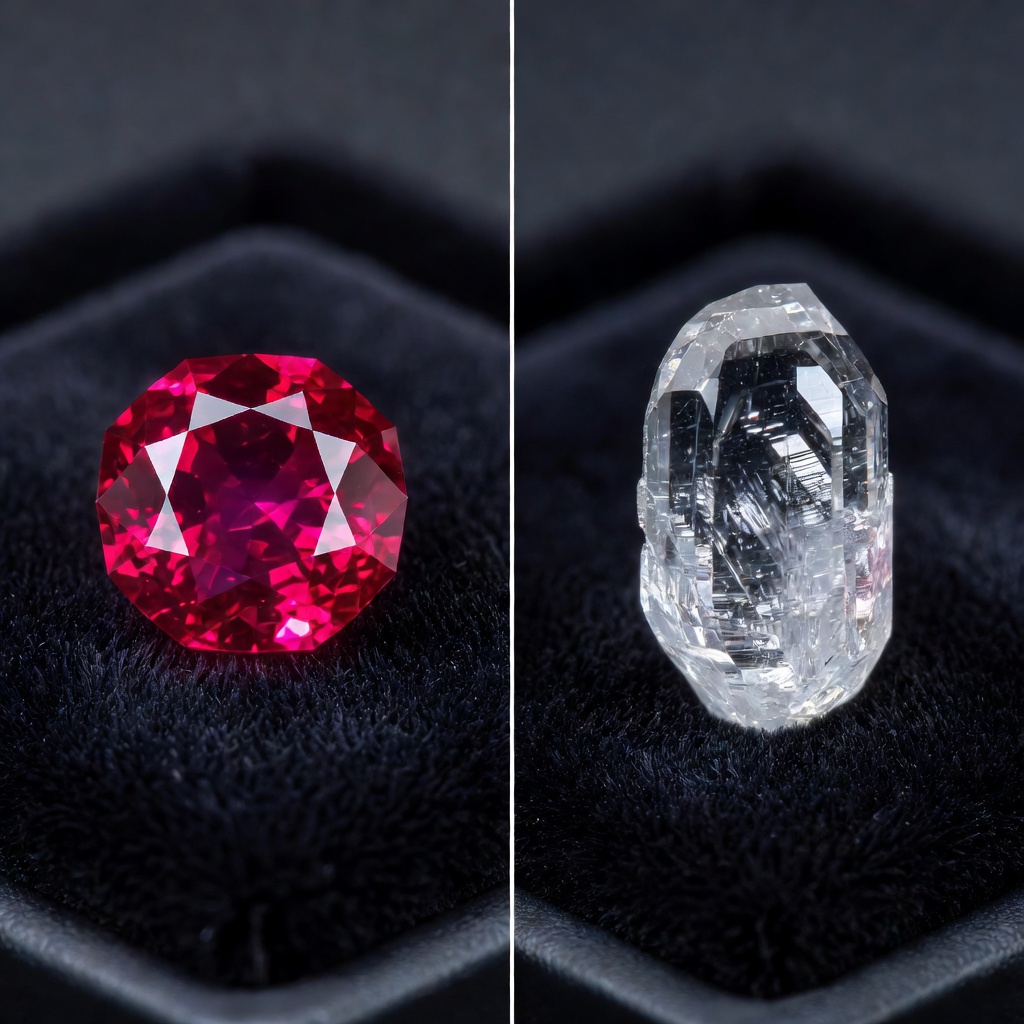
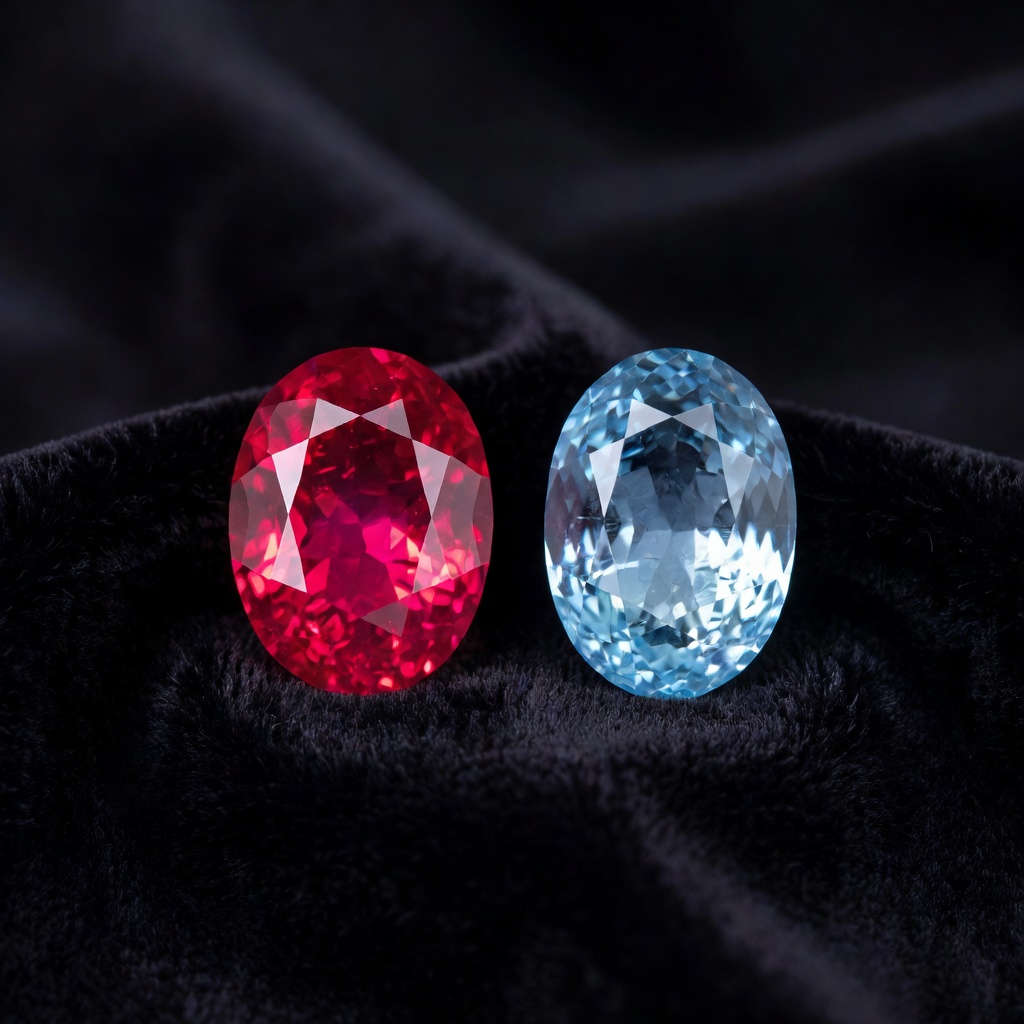
When selecting a ruby for fine jewelry, consumers increasingly face a pivotal choice between gems forged deep within the Earth over millions of years and those cultivated in state-of-the-art laboratories within months. Natural rubies represent extraordinary geological formations, requiring precise combinations of aluminum oxide, chromium, heat, and pressure beneath the Earth's crust to develop their legendary red hue. In contrast, lab-created rubies emerge from controlled environments where scientists replicate these exact conditions, producing crystals that are chemically, physically, and optically identical to their natural counterparts. Understanding the distinction between these two origins is essential for making an informed purchase, whether you are selecting an engagement ring, anniversary gift, or investment piece, as each option carries distinct implications for budget, ethics, and long-term value.
Many consumers mistakenly equate "lab-created" or "synthetic" with "fake," yet this misconception overlooks fundamental gemological realities. Synthetic rubies are not simulants like cubic zirconia or glass; rather, they are genuine corundum crystals grown through advanced technological processes such as flux growth or hydrothermal synthesis. Both varieties rank nine on the Mohs hardness scale, exhibit the same refractive index, and possess the characteristic red fluorescence under ultraviolet light that defines ruby identity. When evaluating Ruby vs Lab-Created Ruby, the decision ultimately hinges on personal priorities regarding rarity, provenance, and financial investment rather than concerns about authenticity or durability.
Formation and Origin: Earth vs Laboratory
The Geological Journey of Natural Rubies
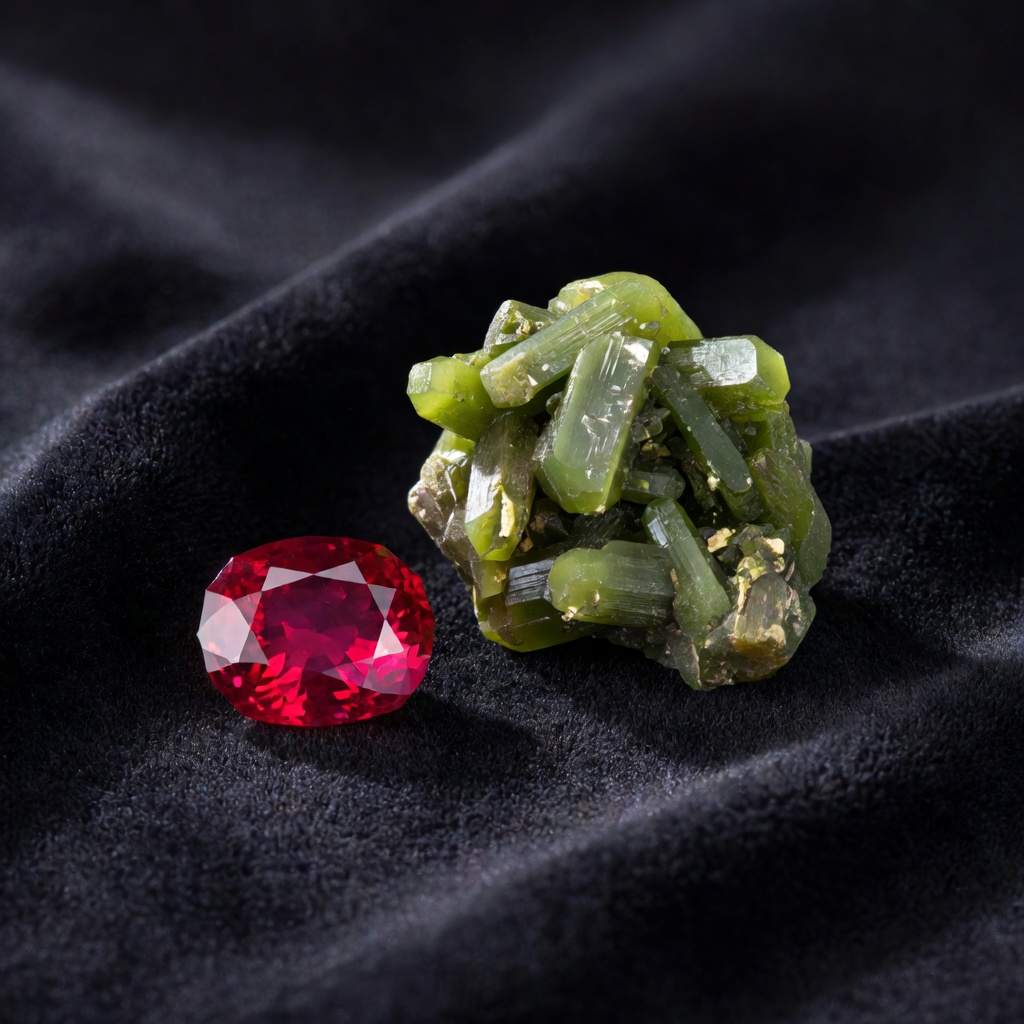
Natural ruby gemstones begin their existence as aluminum oxide molecules deep within metamorphic rock formations, specifically marble or basalt environments, where tectonic activity generates intense heat exceeding 800 degrees Celsius and immense pressure over millions of years. Chromium impurities replace aluminum atoms in the crystal lattice during this prolonged formation period, creating the signature pigeon's blood red coloration that collectors covet. The geological specificity required for natural ruby formation makes these gems extraordinarily rare; suitable deposits exist in only a handful of locations globally, with Myanmar (Burma), Mozambique, and Thailand producing the majority of high-quality specimens available in today's market.
Laboratory Creation Methods
Synthetic ruby formation employs two primary techniques to accelerate natural processes: the flux growth method and the hydrothermal process. Flux growth dissolves aluminum oxide in a molten flux solution at approximately 1,200 degrees Celsius, allowing ruby crystals to form as the solution slowly cools over six to twelve months. The hydrothermal process mimics natural geological conditions more closely by dissolving nutrients in water under high pressure and temperature within an autoclave, creating crystals that often display fewer inclusions than their natural counterparts. Both methods require precise monitoring of chemical environments to ensure the resulting stones meet gemological standards for hardness, clarity, and color saturation.
Timeline and Geographic Considerations
While natural rubies require geological timeframes spanning 20 to 500 million years to develop suitable size and clarity, laboratory processes condense this timeline to less than one year without compromising structural integrity. Natural stones carry provenance narratives tied to specific mines, such as the Mogok Valley in Myanmar or the Montepuez deposits in Mozambique, factors that significantly influence valuation and collector interest. Conversely, lab-created rubies offer complete traceability from facility to finished jewelry, eliminating concerns about conflict zones or questionable mining practices while providing consistent quality across larger carat weights that would be prohibitively expensive in natural specimens.
Physical Properties and Durability
Hardness and Daily Wear Suitability
Both natural and laboratory-grown rubies possess identical crystalline structures composed of aluminum oxide (corundum), ranking nine on the Mohs hardness scale—second only to diamonds in mineral hardness. This exceptional durability makes either variety suitable for daily wear in ruby engagement rings, bracelets, and earrings that withstand regular impacts without scratching or chipping. Jewelers frequently recommend rubies for active lifestyles because they resist abrasion from household dust (quartz, hardness 7) and maintain their polish longer than softer colored gemstones like emeralds or opals.
Optical Characteristics and Thermal Behavior
When examining corundum differences between natural and synthetic origins, gemologists find virtually no variation in thermal conductivity, refractive index (1.76-1.77), or specific gravity (3.99-4.00). Both varieties exhibit pleochroism, displaying different shades of red when viewed from different angles, and both fluoresce red under long-wave ultraviolet light due to chromium content. However, both types share sensitivity to extreme thermal shock; sudden temperature changes from hot tubs, saunas, or cooking can cause internal fractures, necessitating protective settings and mindful wear during temperature-variant activities.
Setting Considerations for Heirloom Pieces
The uniform durability of both ruby types allows for versatile jewelry designs, though setting choices should reflect lifestyle considerations. Bezel settings offer superior protection for stones worn during manual labor or sports, while prong settings maximize light exposure for optimal brilliance in formal wear. When designing generational heirlooms, consider that both natural and lab-created rubies will maintain their structural integrity for centuries with proper care, though the setting metal (platinum versus gold) may require maintenance before the gemstone itself shows wear.
Visual Identification and Inclusions
Natural Inclusion Patterns
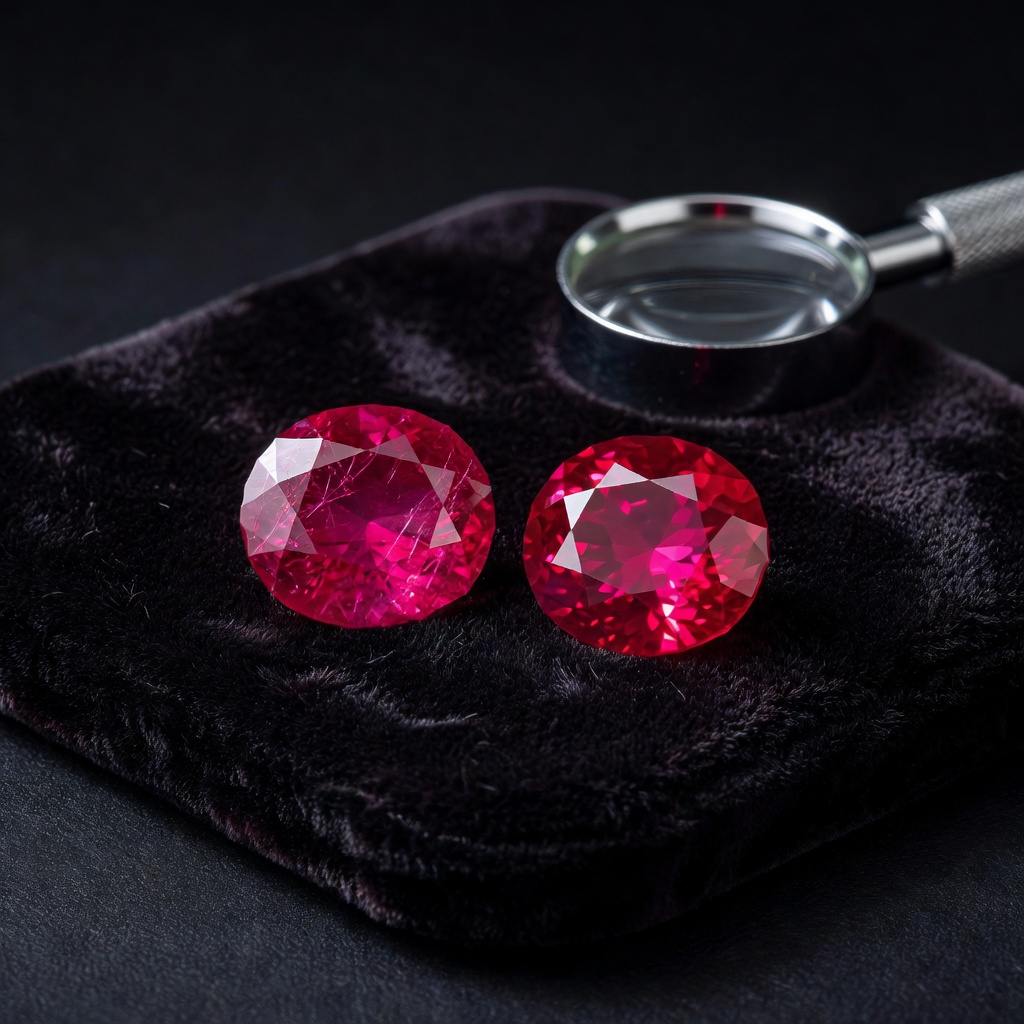
Natural rubies typically contain distinctive internal characteristics known as inclusions, which serve as fingerprints of their geological formation. Rutile needle inclusions, commonly called "silk," create a soft, velvety appearance in Burmese rubies and can indicate untreated stones, while fingerprint-like healed fractures suggest the gem survived tectonic stresses during its million-year journey. Color zoning—areas of varying red intensity within a single crystal—often appears in natural stones, particularly those from marble-hosted deposits, though master cutters minimize these variations through strategic orientation during the faceting process.
Laboratory Growth Signatures
Ruby inclusion patterns in laboratory specimens differ significantly from natural formations, displaying curved growth lines (striations) visible under magnification in flame-fusion synthetic rubies, or angular flux inclusions resembling tiny metallic plates in flux-grown varieties. Hydrothermal synthetic rubies may contain nail-head spicules or wispy veil-like inclusions distinct from natural silk. These characteristics require examination using 10x magnification loupes or gemological microscopes, as they remain invisible to the naked eye and do not affect the stone's beauty when viewed without magnification.
Professional Authentication Requirements
Distinguishing between natural and synthetic origins requires sophisticated gemological equipment including refractometers, polariscopes, and spectrometers that analyze absorption patterns. Advanced techniques such as laser ablation inductively coupled plasma mass spectrometry (LA-ICP-MS) can detect trace element differences in origin, though reputable laboratories primarily rely on inclusion analysis and growth structure examination. Consumers should never attempt to authenticate stones themselves based on internet photographs; instead, insist on certification from recognized laboratories like GIA, AGS, or IGI when purchasing high-value rubies of either origin.
Price Analysis and Value Retention
Current Market Pricing Structures
The lab-grown ruby value proposition becomes immediately apparent when comparing price per carat across quality grades. High-quality natural rubies from prestigious origins command $1,000 to $15,000 per carat, with exceptional untreated Burmese stones exceeding $100,000 per carat at auction. In contrast, visually flawless lab-created rubies typically range from $100 to $800 per carat regardless of size, enabling consumers to purchase three to five carat statement pieces for the price of a modest natural stone under one carat. This dramatic price differential stems from supply constraints; natural ruby mining yields approximately one gem-quality crystal per 400 tons of rock processed.
Investment and Resale Considerations
Natural rubies generally appreciate over decades, particularly those accompanied by documentation verifying Burmese or Mozambique origin and absence of heat treatment, making them suitable for investment portfolios and estate jewelry. Laboratory-created rubies, while permanent in beauty, possess minimal resale value in secondary markets due to unlimited production potential and technological improvements that may render current synthetics obsolete. However, for jewelry intended primarily for adornment rather than speculation, the 80-90% cost savings of lab-created stones often outweigh considerations of future liquidation value.
Cost-Per-Wear Analysis for Different Lifestyles
Calculating cost-per-wear reveals practical advantages for both categories depending on usage patterns. A $3,000 natural ruby pendant worn monthly for twenty years costs approximately $12.50 per wear, while a $300 lab-created equivalent worn daily costs merely $0.04 per wear over the same period. For travel jewelry or pieces worn in high-risk environments (gymnasiums, hospitals, outdoor activities), lab-created rubies eliminate anxiety about loss or damage while maintaining aesthetic standards. Conversely, milestone anniversary gifts or ceremonial pieces often warrant natural stone investment due to symbolic significance and potential for family legacy transfer.
Certification and Grading Standards
Major Laboratory Certification Differences
Reputable gemological laboratories apply identical grading criteria for color, clarity, cut, and carat weight (the 4Cs) to both natural and synthetic rubies, ensuring consistent quality assessment across origins. However, certification reports differ significantly in documentation; GIA reports for natural stones specify geographic origin and treatment history when determinable, while reports for laboratory-grown specimens prominently display "Laboratory-Grown" or "Synthetic" notations to prevent misrepresentation. AGS and IGI similarly maintain strict protocols distinguishing between formation methods, with IGI specifically noting growth technique (flux vs. hydrothermal) on synthetic certificates.
Understanding Origin Disclosure Documentation
When reviewing Ruby vs Lab-Created Ruby certification documents, consumers should verify that origin statements appear on the report's front page rather than buried in supplemental comments. Natural ruby certificates should indicate specific mines when possible (Mogok, Montepuez, Mong Hsu) and disclose any heat treatment or glass filling, while lab certificates must include manufacturer information for warranty purposes. Insurance appraisals require explicit origin notation; failing to disclose synthetic origins on documentation constitutes material misrepresentation that could void coverage claims or create legal liability during resale.
Ethical and Environmental Impact
Environmental Footprint Comparison
Traditional ruby mining involves significant environmental disruption including deforestation, soil erosion, and water table contamination from processing chemicals, with artisanal operations in Madagascar and Myanmar particularly vulnerable to ecological damage. Laboratory production requires substantial electrical energy—approximately 250 kWh per carat for crystal growth—but generates no tailings, requires no landscape excavation, and produces 95% less carbon dioxide per carat compared to open-pit mining operations when powered by renewable energy sources. Modern laboratories increasingly utilize solar and hydroelectric power, further reducing the ecological impact of ethical ruby sourcing through synthetic production.
Human Rights and Traceability Considerations
Natural ruby supply chains occasionally involve concerning labor practices including child labor in informal mining sectors and funding of regional conflicts, particularly in jurisdictions with limited regulatory oversight. Laboratory-created rubies offer guaranteed conflict-free provenance with transparent chain-of-custody documentation from facility to consumer, eliminating risks of supporting human rights violations. For ethically conscious consumers prioritizing ethical ruby sourcing, lab-created stones provide absolute certainty regarding working conditions and environmental compliance, while natural stone purchases should specify Fair Trade or responsibly mined certifications from traceable operations like Gemfields' Montepuez mine.
Making Your Selection: Occasion and Budget Guide
Comparative Analysis: Key Decision Factors
| Characteristic | Natural Ruby | Lab-Created Ruby |
|---|---|---|
| Price per Carat (High Quality) | $1,000 - $15,000+ | $100 - $800 |
| Hardness (Mohs Scale) | 9 | 9 |
| Typical Inclusions | Rutile needles, fingerprints, color zoning | Curved growth lines, flux inclusions |
| Formation Time | 20-500 million years | 6-12 months |
| Resale Value | High (appreciates over time) | Minimal to none |
| Environmental Impact | Mining footprint, habitat disruption | Energy consumption, no excavation |
| Size Availability | Limited over 2 carats | Abundant up to 10+ carats |
| Symbolism | Geological rarity, earth's history | Technological achievement, sustainability |
When to Choose Lab-Created Rubies
Consider laboratory-grown specimens when seeking fashion jewelry for frequent rotation, travel pieces that minimize loss anxiety, or statement rings requiring stones exceeding three carats within modest budgets. A marketing executive traveling weekly for client presentations might select a five-carat lab-created ruby cocktail ring ($1,500) rather than risking a $25,000 natural equivalent in airport security lines and hotel safes. Similarly, trend-conscious consumers updating jewelry wardrobes seasonally benefit from the accessibility of lab-created stones, allowing acquisition of multiple colors and cuts without investment-level expenditures.
When Natural Rubies Are Worth the Investment
Select natural rubies for significant milestone celebrations—40th wedding anniversaries, major career achievements, or birth celebrations—where geological rarity enhances emotional significance and commemorative value. Collectors building investment portfolios or families creating generational inheritance pieces should prioritize certified natural stones from documented origins, as these retain liquidity in estate markets and auction houses. A couple selecting a ruby engagement ring with explicit intention to pass the piece to grandchildren should consider natural origins despite higher initial cost, as the stone's journey from ancient earth to modern finger carries narrative weight that laboratory origins cannot replicate.
Decision Matrix by Carat Size and Budget
For budgets under $2,000, lab-created rubies offer superior visual impact, enabling purchases of two to three carat stones with exceptional clarity. Between $2,000 and $10,000, consumers face meaningful trade-offs: natural rubies under one carat versus lab-created stones over five carats, with choice depending on whether priority lies in rarity or presence. Above $10,000, natural rubies become viable for significant carat weights, though stones over two carats with untreated, vivid red coloration remain exceptionally rare and expensive. Middle-ground options include heat-treated natural rubies, which offer improved color and clarity at 30-40% discounts compared to untreated specimens while maintaining natural origin prestige.
Care, Cleaning, and Long-term Maintenance
Safe Cleaning Protocols
Both natural and synthetic rubies tolerate ultrasonic cleaning when set in secure mountings without significant fractures, though steam cleaning requires caution due to thermal expansion risks. For routine maintenance, soak jewelry in warm water with mild dish soap for 15 minutes, then gently brush with a soft-bristled toothbrush to remove accumulated oils and cosmetics from pavilion facets. Avoid exposure to chlorine bleach, hydrofluoric acid, or prolonged contact with cosmetics and hairsprays, as these substances can etch surface-reaching inclusions or dull the polish over time regardless of ruby origin.
Storage and Professional Maintenance
Store ruby jewelry separately from diamonds (hardness 10), which can scratch ruby surfaces, and away from softer gems that rubies might damage. Use individual cloth pouches or compartmentalized jewelry boxes to prevent contact with other pieces. Schedule professional inspections every 12 months for frequently worn items, particularly ruby engagement rings or bracelets, to check for loose prongs, worn mountings, or chips that may have occurred during daily activities. Professional jewelers can also perform deep cleaning using steam or ultrasonic methods safely, identifying potential issues before stones become loose or lost.
Frequently Asked Questions
Is a lab-created ruby considered a real ruby?
Yes, lab-created rubies are real rubies. They share the exact same chemical composition (aluminum oxide with chromium), crystal structure, and physical properties as natural rubies. The only difference is their origin—laboratory versus nature. Gemologically, both are classified as corundum.
Can you tell the difference between natural and lab-created ruby with the naked eye?
No, visual identification requires professional gemological equipment. While natural rubies typically contain specific inclusions like rutile needles or fingerprint patterns, and lab rubies may show curved growth lines or flux inclusions, these differences are only visible under magnification by trained gemologists.
How much cheaper are lab-created rubies compared to natural rubies?
Lab-created rubies typically cost 80-90% less than natural rubies of comparable quality. While a high-quality natural ruby might cost $5,000-$15,000 per carat, a visually identical lab-created ruby ranges from $100-$500 per carat, making larger stones significantly more accessible.
Do lab-created rubies fade or change color over time?
No, lab-created rubies are permanently color-stable. Like natural rubies, they will not fade, change color, or deteriorate over time with normal wear and exposure to light. Both varieties require protection from harsh chemicals and extreme thermal shock to maintain their brilliance.
Which is better for an engagement ring: natural or lab-created ruby?
The choice depends on priorities. Lab-created rubies offer larger stones, flawless clarity, and lower cost—ideal for budget-conscious couples. Natural rubies appeal to those seeking geological rarity, investment potential, and traditional symbolism. Both are equally durable (9/10 Mohs hardness) for daily wear.
Do lab-created rubies have any resale value?
Lab-created rubies have minimal to no resale value compared to natural rubies. While they retain their beauty indefinitely, the secondary market favors natural gemstones due to rarity. Natural rubies, especially certified Burmese or Mozambique origins, typically appreciate or maintain value over decades.
What are the ethical advantages of choosing lab-created rubies?
Lab-created rubies eliminate concerns about conflict mining, child labor, and environmental degradation associated with some mining operations. They offer guaranteed traceability, reduced carbon footprint compared to traditional mining, and ensure no human rights violations occurred during production.
Should I disclose that my ruby is lab-created when selling or insuring it?
Yes, full disclosure is legally and ethically required. Reputable jewelers must disclose lab-created origins at the point of sale, and this information should appear on all appraisals and insurance documents. Failing to disclose could constitute fraud and void insurance coverage.