Why Compare These Distinctive Gems
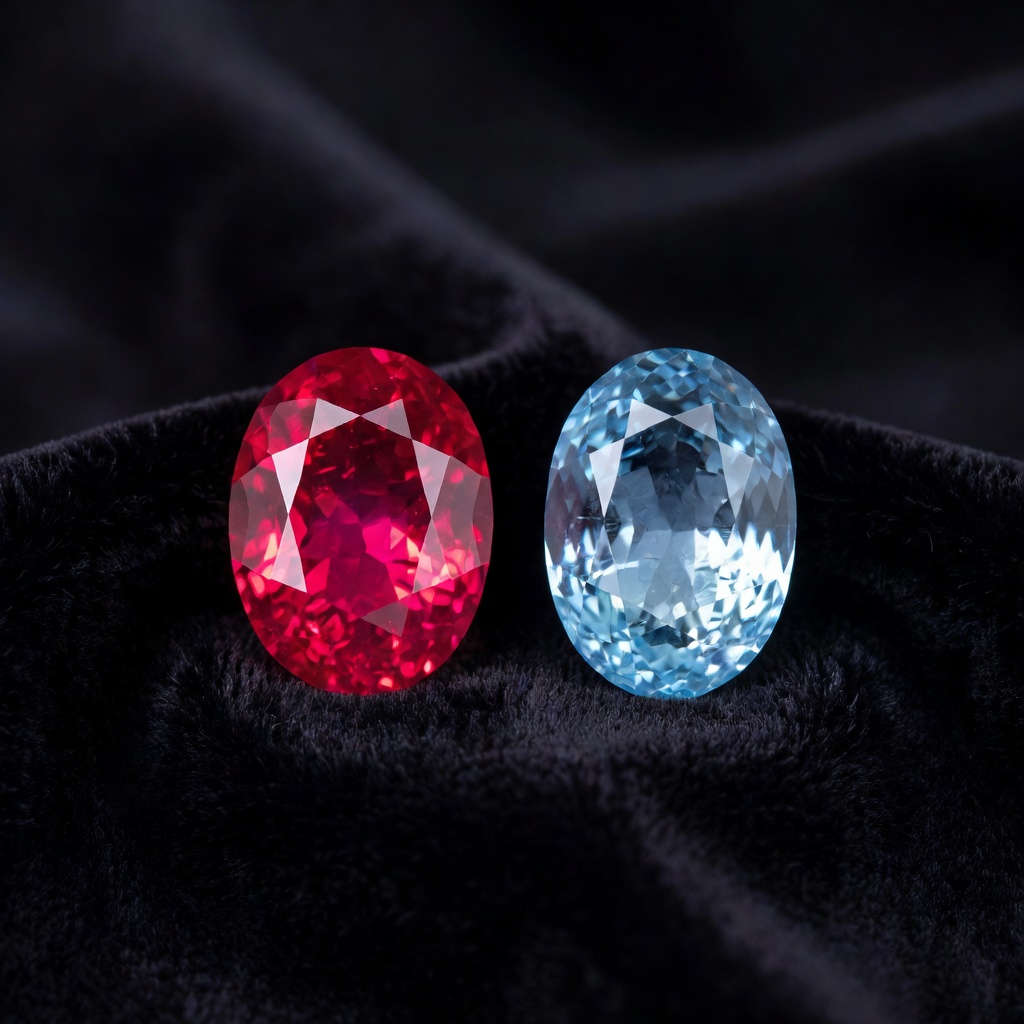
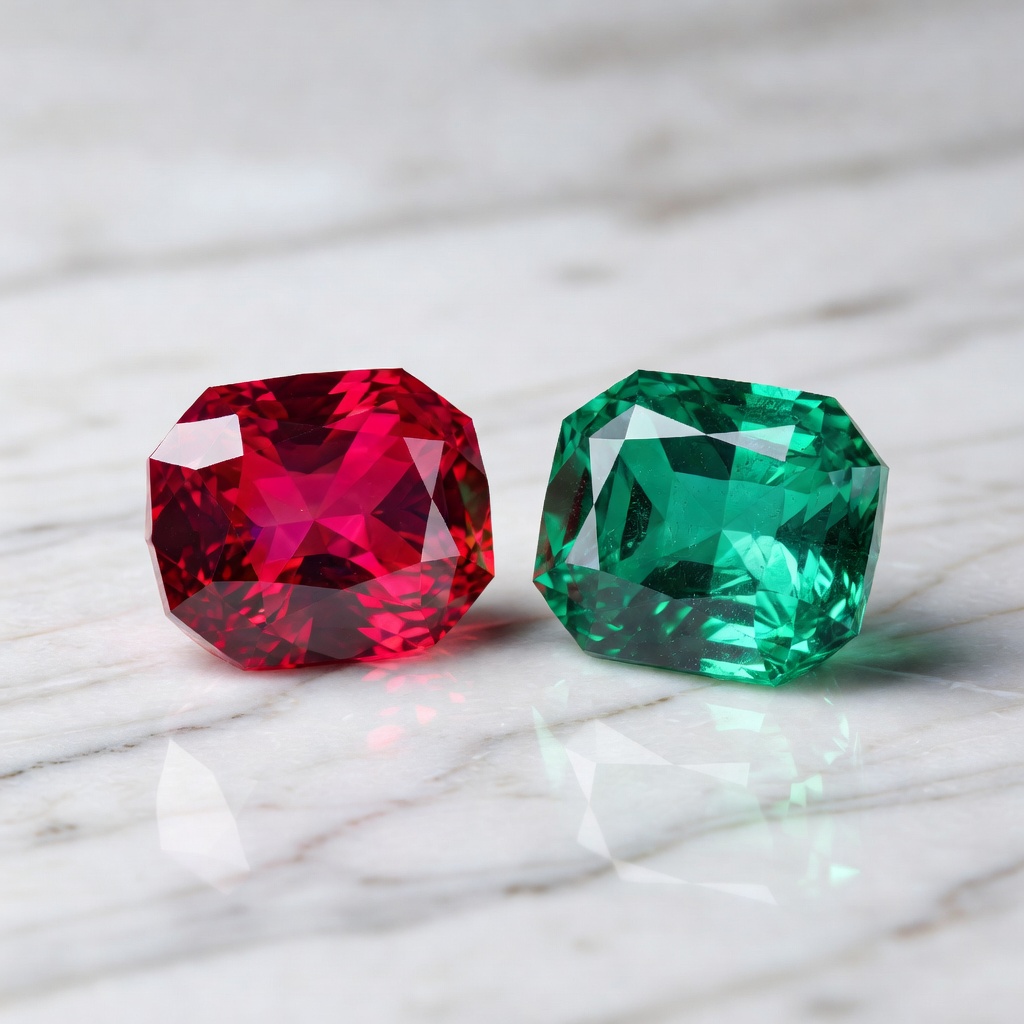
When selecting the perfect center stone for an engagement ring or statement jewelry piece, buyers increasingly face the intriguing decision of pitting a Ruby vs Lab-Created Emerald against one another. At first glance, comparing a natural corundum gemstone with a laboratory-grown beryl crystal might seem unusual, yet this juxtaposition addresses modern jewelry trends where traditional birthstone symbolism meets contemporary ethical sourcing preferences. The contrast between July's fiery red ruby and May's verdant emerald—especially when the latter is crafted in controlled laboratory environments—creates a fascinating study in color psychology, durability requirements, and personal value systems.
The psychological impact of red versus green gemstones plays a significant role in selection processes. Rubies radiate intensity, passion, and commanding presence, making them ideal for individuals who embrace bold self-expression and dramatic fashion statements. Conversely, lab-created emeralds offer the soothing, balanced energy associated with growth and renewal, appealing to those who prefer organic-inspired aesthetics without the geological imperfections found in mined stones. Understanding these distinct personalities helps collectors determine which gemstone aligns with their lifestyle, wardrobe, and emotional connections to jewelry.
Origins and Formation: Earth vs Laboratory
Natural Ruby Formation Under Extreme Conditions
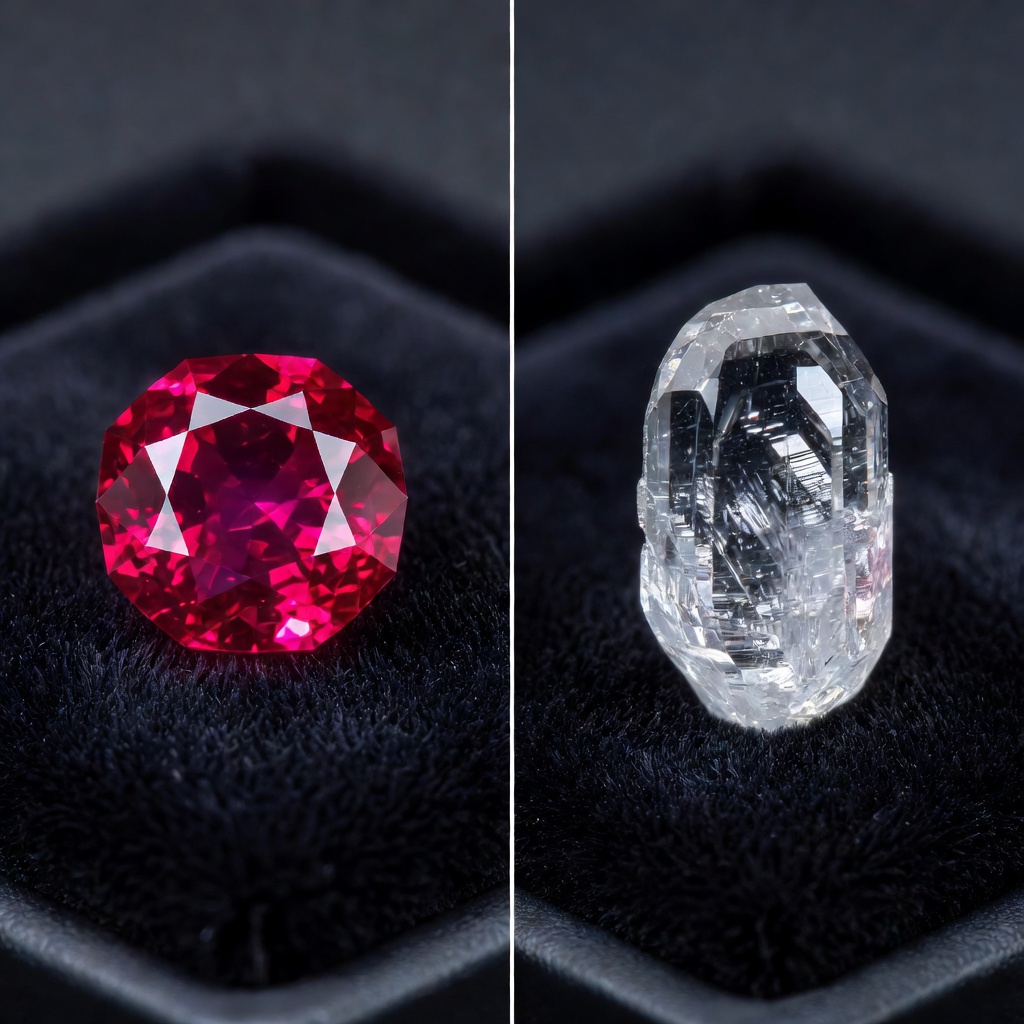
Natural rubies emerge from the Earth's mantle through geological processes that span millions of years, requiring specific conditions that remain relatively rare globally. These precious corundum crystals develop primarily within marble deposits in regions like Myanmar (Burma), Mozambique, and Thailand, where aluminum oxide molecules crystallize under intense heat exceeding 1,200 degrees Celsius and tremendous pressure. The presence of chromium during formation creates the signature red coloration, with trace elements determining whether the stone displays the coveted "pigeon blood" red or lighter pinkish-red saturations.
Basalt-hosted rubies, commonly found in Thailand and Cambodia, form through different metamorphic processes involving basaltic rocks and alluvial deposits. These stones often contain higher iron content, resulting in darker, sometimes garnet-like appearances compared to their marble-hosted counterparts. The extraction of these natural treasures involves significant mining operations, often in challenging terrains, which contributes to their premium pricing and the romantic narrative of wearing a piece of ancient geological history.
Lab-Created Emerald Growth Methods
Lab-created emeralds, by contrast, materialize through sophisticated technological processes that compress formation timelines from millions of years to mere weeks or months. The two primary methods—flux fusion and hydrothermal growth—replicate natural conditions within controlled environments. Flux fusion involves dissolving beryl nutrients in molten flux chemicals at approximately 800 degrees Celsius, allowing crystals to form as the solution cools slowly over several months. Hydrothermal methods simulate the superheated water-rich environments of natural emerald formation by placing beryl seeds in water solutions under high pressure and temperature, encouraging crystal growth layer by layer.
These laboratory processes produce gem-quality emeralds that are chemically, physically, and optically identical to their mined counterparts, containing the same beryllium aluminum silicate composition and hexagonal crystal structure. However, lab-grown specimens typically exhibit fewer inclusions than natural emeralds, though manufacturers sometimes intentionally introduce characteristic "jardin" (garden-like) inclusions to mimic natural appearance and prove authenticity to gemologists.
Physical Properties and Durability
Understanding the mechanical differences between these gemstones proves crucial for making informed jewelry investments, particularly when considering corundum vs beryl durability in daily wear scenarios. Ruby, composed of aluminum oxide (corundum), ranks an impressive 9 on the Mohs hardness scale, making it second only to diamond in natural mineral hardness. This exceptional hardness results from strong atomic bonding within the trigonal crystal system, creating a gemstone highly resistant to scratching and surface abrasion.
Lab-created emeralds, despite being manufactured in controlled environments, maintain the inherent properties of natural beryl, ranking 7.5 to 8 on the Mohs scale. While this hardness level suits most jewelry applications, emerald's hexagonal crystal structure contains natural cleavage planes and internal stresses that create vulnerability to chipping and cracking under impact. The laboratory growth process does not eliminate these structural characteristics, meaning that even perfect lab-created emeralds retain the brittleness associated with their mineral family.
Crystal Structure and Toughness Analysis
The trigonal crystal system of ruby contributes to its exceptional toughness—the resistance to breaking, chipping, or cracking—making it ideal for rings subjected to daily bumps and knocks. Ruby lacks cleavage planes, meaning it does not have natural directions of structural weakness where the stone might split under pressure. This structural integrity explains why rubies have adorned royal crowns and warrior armor throughout history, surviving centuries of wear without significant damage.
Conversely, emeralds possess distinct cleavage in one direction and typically contain internal features that create stress points. When comparing ruby hardness emerald characteristics for active lifestyles, rubies clearly outperform emeralds in fracture resistance. Lab-created emeralds, while often displaying better clarity than natural specimens, still contain growth patterns and potential flux inclusions that can act as weak points under mechanical stress, requiring careful consideration for jewelry settings and wearing habits.
Color Characteristics and Visual Appeal
The visual distinction between these gemstones extends beyond their obvious red versus green color differences into subtle nuances of saturation, tone, and light performance that significantly impact their desirability in fine jewelry. Rubies offer a spectrum ranging from pinkish-red to the legendary pigeon blood red—a vivid, pure red with a hint of blue that commands the highest prices in the gem market. Color consistency in natural rubies varies dramatically based on origin, with Burmese stones typically displaying the most coveted fluorescence and saturation levels.
Lab-created emeralds provide remarkable color consistency unattainable in natural stones, delivering vivid, saturated greens that range from slightly bluish-green to pure green without the color zoning common in mined emeralds. However, these laboratory specimens sometimes appear "too perfect," lacking the subtle variations that gem enthusiasts prize in natural stones. The chromium and vanadium content in lab emeralds can be precisely controlled, resulting in colors that match the finest Colombian emeralds but with uniform saturation throughout the crystal.
Light Performance and Brilliance
Rubies typically exhibit higher refractive indices (1.76-1.77) compared to emeralds (1.56-1.60), resulting in superior brilliance and "fire" when expertly cut. This optical property allows rubies to sparkle intensely even under dim lighting conditions, making them particularly effective in evening wear and statement pieces. The crystal's transparency ranges from transparent to translucent, with high-quality stones displaying excellent luster that rivals fine diamonds.
Emeralds, including laboratory-grown varieties, possess lower refractive indices and often display a "sleepy" or velvety appearance due to internal inclusions and the material's natural characteristics. While lab-created emeralds generally achieve better clarity than natural stones, they rarely match the brilliance of rubies. Instead, emeralds captivate through depth of color and the mesmerizing "garden" patterns within the stone, offering a more subdued, sophisticated glow rather than brilliant sparkle.
| Characteristic | Natural Ruby | Lab-Created Emerald |
|---|---|---|
| Mohs Hardness | 9 (Excellent) | 7.5-8 (Good) |
| Chemical Composition | Aluminum Oxide (Corundum) | Beryllium Aluminum Silicate (Beryl) |
| Crystal System | Trigonal | Hexagonal |
| Primary Color Range | Red to Pinkish-Red (Pigeon Blood to Rose) | Vivid Green (Bluish-Green to Pure Green) |
| Formation Time | Millions of Years | Weeks to Months |
| Typical Clarity | Included to Eye-Clean (Silk, Mineral Inclusions) | Moderately Included to Eye-Clean (Flux, Growth Patterns) |
| Price per Carat (High Quality) | $5,000 - $25,000+ | $200 - $800 |
| Best Jewelry Applications | Engagement Rings, Daily Wear, Heirloom Pieces | Earrings, Pendants, Occasional Wear Rings |
| Toughness | Excellent (No Cleavage) | Poor to Fair (Distinct Cleavage) |
| Refractive Index | 1.76 - 1.77 | 1.56 - 1.60 |
Durability for Daily Wear and Jewelry Settings
When evaluating lab-grown emerald jewelry against natural ruby options for everyday pieces, the disparity in physical resilience becomes immediately apparent. Ruby's superior hardness and toughness make it an exceptional candidate for engagement rings, wedding bands, and other jewelry subjected to constant wear. Professional jewelers frequently recommend rubies for active individuals, healthcare workers, or those who rarely remove their jewelry, as these stones withstand impacts, abrasive surfaces, and temperature fluctuations without sustaining damage.
Lab-created emeralds, despite their flawless appearance and attractive pricing, require more protective considerations even for laboratory-grown specimens. The inherent brittleness of the beryl family means that these green gemstones remain susceptible to chipping along girdle edges or at points where prongs grip the stone. Case studies from jewelry repair facilities indicate that emerald rings account for significantly higher damage rates than ruby rings, regardless of whether the emeralds are natural or laboratory-created. This vulnerability necessitates thoughtful setting selection and lifestyle assessment before purchase.
Recommended Setting Styles and Protective Measures
For ruby jewelry, versatile prong settings in platinum or gold provide excellent security while maximizing light exposure to enhance the stone's brilliance. Six-prong settings offer optimal protection for larger rubies, while bezel settings work beautifully for cabochon cuts or vintage-inspired designs. Rubies tolerate tension settings and flush mounts better than emeralds, allowing for modern, minimalist designs that would prove too risky for softer gemstones.
Lab-created emeralds demand protective settings that shield vulnerable edges and corners from direct impact. Bezel settings, halo designs with surrounding diamond buffers, and V-prong arrangements that protect pointed corners prove essential for longevity. Jewelry designers specializing in emerald pieces often recommend higher profile settings that raise the stone above the finger, reducing contact with hard surfaces during daily activities. For those insisting on emerald engagement rings, choosing a protective gypsy or flush setting, or reserving the stone for pendant or earring applications, significantly reduces damage risk.
Price, Value, and Investment Potential
The economic comparison between these gemstones reveals stark differences in pricing structures, availability, and long-term value retention that influence purchasing decisions across various budget ranges. Natural rubies command premium prices based on origin, with untreated Burmese pigeon blood rubies representing the pinnacle of the market, often exceeding $20,000 per carat for exceptional specimens. Mozambican rubies offer slightly more accessible entry points while maintaining investment-grade status, whereas Thai rubies typically provide budget-friendly options with darker, more garnet-like colorations.
Lab-created emeralds present an attractive value proposition for collectors prioritizing size and visual impact over geological rarity. These stones typically retail between $200 to $800 per carat for high-quality specimens, allowing buyers to acquire larger, eye-clean stones for the price of a modest natural ruby. However, this affordability comes with caveats regarding resale value and investment potential, as laboratory-grown gemstones lack the scarcity that drives appreciation in natural stone markets.
Resale Value and Long-Term Considerations
Natural rubies, particularly those accompanied by certificates from prestigious laboratories like GIA or SSEF verifying Burmese origin and lack of heat treatment, often appreciate over time, functioning as tangible assets similar to fine art or rare wines. Auction records consistently demonstrate strong demand for exceptional natural rubies, with historical pieces achieving prices rivaling colored diamonds. For buyers viewing jewelry as investment vehicles or future heirlooms, natural rubies offer demonstrable advantages over synthetic alternatives.
Lab-created emeralds, while chemically identical to natural stones, face depreciation challenges similar to other manufactured luxury goods. The reproducibility of laboratory processes means these stones lack scarcity premiums, and secondary markets typically offer significantly reduced prices compared to retail. However, for buyers prioritizing immediate aesthetic gratification and ethical sourcing over investment returns, lab-grown emerald jewelry provides exceptional beauty at accessible price points, allowing for larger statement pieces that might otherwise remain financially out of reach.
Ethical and Environmental Considerations
Modern consumers increasingly weigh the ethical implications of their precious gemstone comparison choices, examining mining practices, labor conditions, and environmental footprints associated with their jewelry selections. Natural ruby mining, particularly in Myanmar (formerly Burma), presents complex ethical challenges despite recent regulatory improvements. Artisanal mining operations in Mogok and Mong Hsu have historically faced scrutiny regarding labor practices, though blockchain traceability initiatives and certified ethical mining programs now offer conscientious buyers verified conflict-free options from specific operations.
African ruby mining in Mozambique and Madagascar presents different ecological considerations, involving open-pit mining techniques that alter local landscapes and potentially affect water tables. While many modern operations implement rehabilitation programs and community benefit sharing, the extraction of natural rubies inevitably involves environmental disruption, energy-intensive processing, and carbon emissions associated with international transport and cutting operations.
Laboratory Production Footprints and Sustainability
Lab-created emerald production eliminates mining-related environmental degradation and potential human rights concerns associated with extraction industries. However, these facilities require significant energy inputs, particularly for hydrothermal growth methods involving sustained high temperatures and pressures. Progressive laboratories increasingly utilize renewable energy sources and closed-loop water systems to minimize environmental impact, though carbon footprints vary significantly between manufacturers.
The traceability advantage of laboratory emeralds appeals to consumers demanding complete supply chain transparency. Unlike natural stones, which may pass through numerous intermediaries between mine and market, lab-created gems offer direct provenance from facility to jeweler, ensuring conflict-free guarantees without complex certification chains. This transparency, combined with the absence of habitat disruption, positions natural ruby vs synthetic emerald debates within broader conversations about sustainable luxury and conscious consumerism.
Styling and Metal Pairings
The distinct color palettes of rubies and emeralds dictate different approaches to metal selection and design aesthetics, influencing how these gemstones integrate into personal jewelry collections and wardrobe choices. Rubies demonstrate remarkable versatility across metal colors, with yellow gold enhancing their warm, fiery undertones and creating classic, vintage-inspired appearances reminiscent of Victorian or Art Deco periods. Rose gold settings complement pinkish-red ruby varieties, softening the overall effect while maintaining romantic elegance, whereas platinum and white gold settings provide contemporary frameworks that emphasize the stone's pure red saturation.
Lab-created emeralds find their strongest expressions in white metals, particularly platinum and white gold, which accentuate the cool, bluish-green undertones associated with high-quality Colombian-style emeralds. Yellow gold settings create bold, dramatic contrasts that evoke ancient Egyptian or Byzantine aesthetics, though these combinations require careful color balancing to prevent the metal from overwhelming the green stone. Vintage-inspired designs featuring milgrain detailing, filigree work, and halo settings particularly suit emeralds, echoing the gemstone's historical associations with Art Nouveau and Retro period jewelry.
Fashion Versatility and Occasion Appropriateness
Rubies transition seamlessly from day to evening wear, their intense color providing sufficient presence for formal occasions while maintaining sophistication for professional environments. A three-stone ruby ring in platinum serves equally well as a boardroom accessory or gala centerpiece, while ruby stud earrings offer timeless elegance suitable for daily wear. The gemstone's association with power and passion makes it particularly appropriate for milestone celebrations, anniversary gifts, and tokens of romantic commitment.
Lab-created emeralds excel in statement pieces designed for specific occasions rather than continuous wear. Emerald drop earrings or pendant necklaces showcase the stone's verdant beauty while minimizing damage risk compared to rings. For fashion-forward collectors, lab emeralds offer opportunities to experiment with larger carat weights and bold designs—such as emerald cuff bracelets or cocktail rings—without the financial risk associated with investing in sizable natural emeralds. These pieces particularly shine during spring and summer months, complementing seasonal color palettes and outdoor garden events.
How to Choose: Decision Matrix for Buyers
Selecting between a July birthstone vs May birthstone requires systematic evaluation of lifestyle factors, symbolic preferences, and practical constraints that extend beyond simple aesthetic appeal. Active individuals who engage in manual labor, sports, or frequent travel should prioritize ruby's durability, whereas those seeking occasional statement pieces for social events might find lab-created emeralds perfectly suited to their needs. Consider your daily routine honestly: if you rarely remove your rings during household chores, exercise, or work activities, ruby provides worry-free longevity that emerald cannot guarantee.
Budget allocation strategies differ significantly between these options. Buyers with limited resources might choose a smaller, high-quality natural ruby as a center stone supplemented by diamond or moissanite accents, or alternatively select a substantial lab-created emerald for maximum visual impact at lower cost points. Those prioritizing investment value should allocate funds toward natural rubies with documented provenance, while fashion-focused buyers might prefer diversifying with multiple lab-created emerald pieces in various cuts and styles.
Symbolic Meaning and Personal Resonance
The emotional and metaphysical associations of these gemstones often drive final decisions more than physical properties. Rubies carry millennia of symbolic weight representing passion, protection, courage, and vitality—attributes associated with the heart and blood in numerous cultural traditions. As July's birthstone, ruby resonates with summer energy, leadership qualities, and romantic intensity, making it ideal for individuals identifying with these characteristics or seeking talismans of strength.
Emeralds, whether natural or laboratory-created, embody growth, renewal, fertility, and wisdom—concepts aligned with springtime and nature's cycles. As May's birthstone, emerald appeals to those celebrating new beginnings, personal development, or connections to natural world harmony. When choosing between these stones, consider which symbolic narrative aligns with your personal story: the fiery, protective energy of ruby or the balanced, growth-oriented vibration of emerald.
Final Verdict: Which Gemstone Is Right for You
The ultimate choice between Ruby vs Lab-Created Emerald hinges on prioritizing durability and investment value against aesthetic preferences and ethical considerations. For engagement rings intended for daily wear across decades, heirloom pieces meant for generational transfer, or jewelry investments expected to appreciate, natural rubies offer unmatched advantages in hardness, toughness, and market value retention. Their ability to withstand active lifestyles while maintaining brilliance makes them superior choices for wedding jewelry and pieces worn with minimal removal.
Lab-created emeralds suit buyers prioritizing ethical sourcing, budget flexibility, and the specific aesthetic of vivid green gemstones without the inclusions and fragility premiums of natural emeralds. These stones excel in earrings, pendants, and occasional-wear rings where impact risk remains minimal, allowing collectors to enjoy substantial, eye-clean gems at accessible prices. For fashion jewelry, trend-responsive pieces, or gifts symbolizing growth and renewal, laboratory emeralds provide compelling alternatives to natural stones.
Care instructions for both gemstones require attention despite their different durability profiles. Rubies tolerate ultrasonic cleaning and steam treatments when free of fractures or fillings, though warm soapy water and soft brushes remain safest for routine maintenance. Lab-created emeralds, like their natural counterparts, require gentler care: avoid ultrasonic cleaners, steam, and harsh chemicals; clean using lukewarm water with mild soap and soft cloths only; and store separately to prevent scratching from harder gemstones. With proper setting selection and realistic expectations regarding wearing frequency, both gemstones provide lasting beauty and personal significance.
Frequently Asked Questions
Is natural ruby harder than lab-created emerald?
Yes, natural ruby ranks 9 on the Mohs hardness scale while lab-created emerald ranks 7.5-8. Despite being laboratory-grown, emeralds maintain the same chemical composition and hardness as natural emeralds, making rubies significantly more durable for daily wear and resistant to scratching. This hardness difference means rubies better withstand the abrasions and impacts common in everyday activities, while emeralds require more careful handling regardless of their origin.
Which is more expensive, a natural ruby or lab-created emerald?
Natural rubies are typically far more expensive than lab-created emeralds. High-quality natural rubies can command thousands of dollars per carat due to rarity, while lab-created emeralds offer an affordable alternative usually costing hundreds per carat despite having identical chemical properties to natural emeralds. Burmese pigeon blood rubies represent the pinnacle of pricing, often exceeding $20,000 per carat, whereas even premium lab emeralds rarely surpass $1,000 per carat.
Can you tell the difference between a ruby and a lab-created emerald just by looking?
Absolutely. Rubies display red to pinkish-red hues while lab-created emeralds exhibit vivid green colors. Additionally, rubies often show higher brilliance and clarity, whereas even lab-created emeralds frequently contain visible inclusions (jardin) that mimic natural emerald characteristics, making them distinguishable by color alone. The refractive properties differ significantly as well, with rubies displaying more sparkle and fire compared to the softer, more subdued glow of emeralds.
Is a lab-created emerald still considered a real emerald?
Yes, lab-created emeralds are chemically, physically, and optically identical to natural emeralds. The FTC recognizes them as genuine emeralds, though they must be disclosed as laboratory-grown. They possess the same beryl composition and crystal structure as mined emeralds, unlike simulants such as green glass or cubic zirconia. This distinction matters significantly for collectors and investors, as lab emeralds hold intrinsic value as genuine gemstones rather than imitations, despite lacking the rarity premiums of natural specimens.
Which is better for an engagement ring, ruby or lab-created emerald?
Ruby is generally better suited for engagement rings due to its superior hardness (9 Mohs) and toughness, resisting chips and scratches from daily wear. While lab-created emeralds are beautiful, their 7.5-8 hardness and inherent brittleness make them riskier for rings worn daily, though they work well in protective settings or occasional wear pieces. For active individuals or those seeking heirloom-quality engagement jewelry, ruby provides longevity and security that emerald cannot match, while emerald suits those prioritizing green aesthetics for ceremonial or occasional wear.
Do lab-created emeralds have inclusions like natural rubies?
Lab-created emeralds often contain inclusions similar to natural emeralds, though typically different in character. While natural rubies contain rutile needles (silk) or mineral inclusions, lab emeralds may show flux inclusions or growth patterns from their creation process. However, lab emeralds generally have fewer inclusions than their natural counterparts. These manufactured inclusions sometimes appear as wispy veil-like patterns or tiny flux particles rather than the jardin (garden-like) patterns seen in natural emeralds, though skilled gemologists can usually distinguish between natural and synthetic inclusions under magnification.
What do ruby and emerald symbolize differently?
Rubies symbolize passion, protection, courage, and romantic love, associated with the heart and blood. Emeralds represent growth, renewal, fertility, and wisdom. While rubies convey intensity and power, emeralds communicate harmony and balance, making the choice between them deeply personal based on which symbolic resonates with the wearer. Historical traditions associate ruby with vitality and life force, particularly in Asian cultures where they were buried beneath building foundations for protection, while emerald connects to springtime, rebirth, and the verdant life cycle in Western and Middle Eastern traditions.
Can lab-created emeralds be worn every day?
While possible with extreme care, daily wear of lab-created emerald jewelry is not recommended for active lifestyles. Despite being laboratory-grown, they retain emerald's natural brittleness and susceptibility to chipping from impacts. For daily wear, rubies or sapphires are safer choices, while lab emeralds excel in earrings, pendants, or occasional wear rings. If daily wear proves essential, protective bezel settings, removal during physical activities, and regular professional inspections become mandatory maintenance practices to prevent catastrophic stone loss or damage.