Understanding the Basics: Ruby vs Lab-Created Diamond
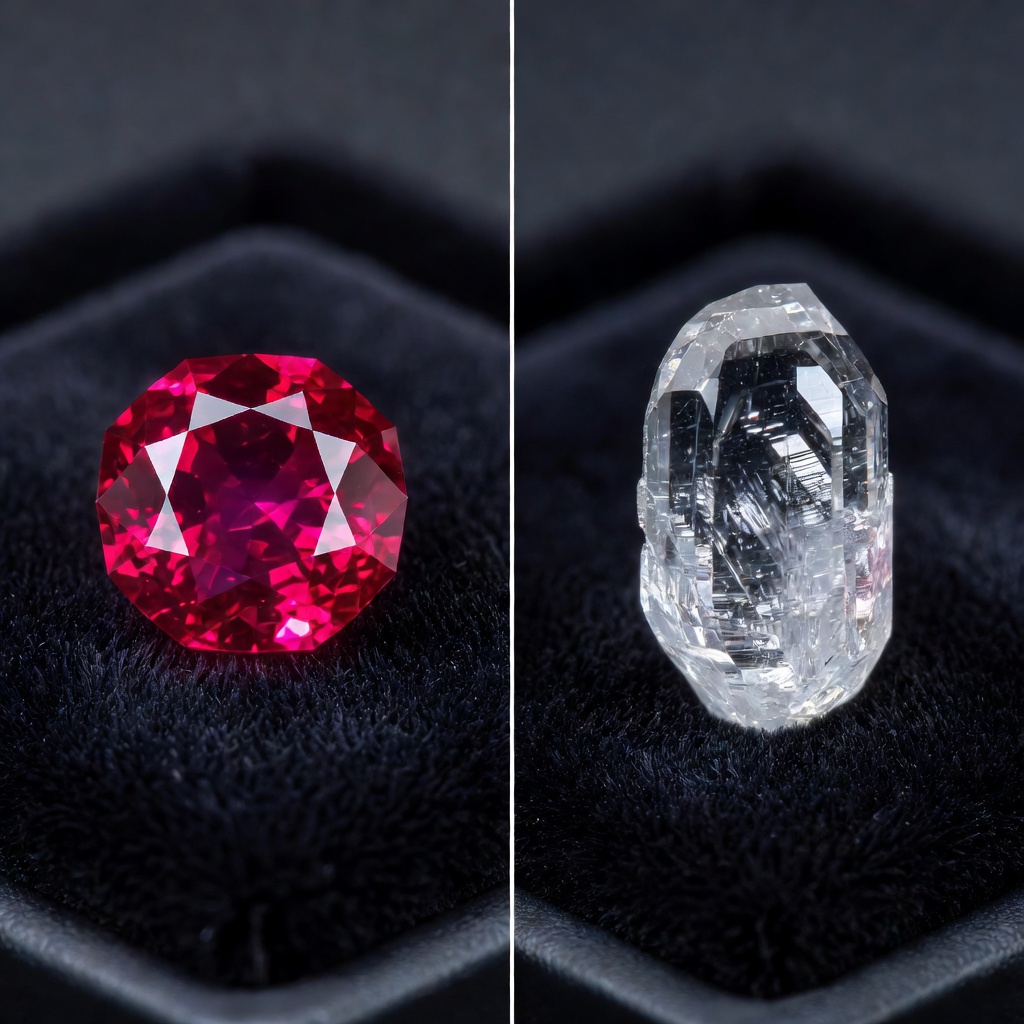
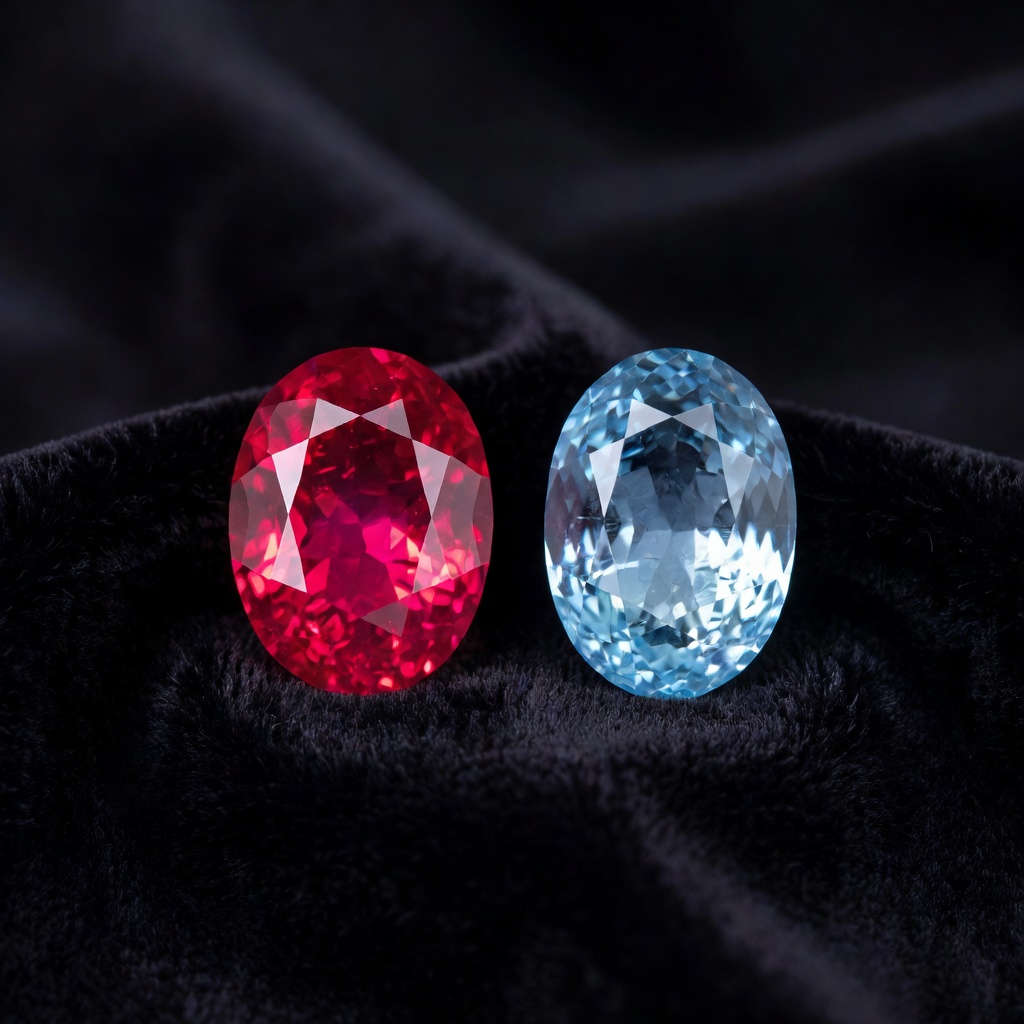
When selecting a centerpiece for fine jewelry or engagement rings, discerning buyers increasingly find themselves weighing the merits of a Ruby vs Lab-Created Diamond. At first glance, these stones occupy entirely different aesthetic territories—one radiates intense crimson passion while the other offers icy, colorless brilliance. Yet both serve as compelling center stones for significant jewelry investments, creating a genuine dilemma for those seeking durability, beauty, and value. The fundamental distinction lies in their mineralogical DNA: rubies belong to the corundum family (aluminum oxide), while lab-created diamonds are chemically identical to mined diamonds, consisting of pure carbon arranged in an isometric crystal structure.
Consumers often compare these gemstones despite their different color profiles because both represent premium options in the fine jewelry market with comparable price points in certain carat ranges. Natural rubies rank among the "Big Three" colored gemstones alongside sapphires and emeralds, commanding respect for their rarity and historical significance. Conversely, lab-created diamonds have revolutionized the bridal industry by offering mined-diamond beauty without geological scarcity constraints. Understanding these distinct gemstone categories requires examining their formation processes, optical properties, and practical performance characteristics to make an informed purchasing decision aligned with your lifestyle and aesthetic preferences.
Origins and Chemical Composition
The journey from raw material to polished gemstone differs dramatically between natural rubies and laboratory-grown diamonds, creating distinct narratives of origin that influence both value and consumer perception. Natural rubies form deep within the Earth's crust under extreme heat and pressure over millions of years, crystallizing from aluminum oxide (Al₂O₃) infused with chromium traces that produce their signature red hues. These gemstones typically emerge from marble-hosted deposits in Myanmar (Burma), Mozambique, or Thailand, where specific geological conditions allow corundum crystals to grow while excluding silica that would otherwise destabilize the formation.
Lab-created diamonds emerge from sophisticated technological processes rather than geological timeframes, utilizing either High Pressure High Temperature (HPHT) or Chemical Vapor Deposition (CVD) methods. HPHT technology mimics natural diamond formation by subjecting carbon seeds to temperatures exceeding 1,500°C and pressures of 1.5 million pounds per square inch, while CVD grows diamonds layer by layer in vacuum chambers using carbon-rich gas plasma. These processes create genuine diamonds with the same carbon lattice structures as mined stones, fundamentally distinguishing them from simulants like cubic zirconia. When considering natural ruby vs synthetic diamond options, buyers choose between aluminum oxide crystals forged by tectonic forces versus carbon gemstones cultivated through human engineering precision.
Structural Differences Between Crystal Systems
Examining these gemstones at the molecular level reveals why they behave differently under light and stress. Corundum crystallizes in the trigonal system, forming hexagonal barrel-shaped crystals that occasionally display asterism (the star effect) when rutile inclusions align properly. This crystalline structure contributes to ruby's pleochroism, showing different colors when viewed from different angles—typically purplish-red and orangish-red. Diamond's isometric cubic structure allows light to perform uniformly in all directions, creating the predictable brilliance that defines modern diamond cutting standards. These corundum vs carbon gemstone distinctions explain why rubies often appear more velvety and depth-rich while diamonds maximize light return and scintillation.
Visual Characteristics and Aesthetic Appeal
The visual dichotomy between these gemstones creates fundamentally different jewelry statements, with rubies offering warmth and romantic intensity against the cool, spectral precision of lab-created diamonds. Fine rubies exhibit the coveted "pigeon blood" red—a vivid, slightly bluish-red saturation that appears to glow from within due to chromium's fluorescence under ultraviolet light. Unlike the stark clarity sought in diamonds, rubies often contain "silk" inclusions (tiny rutile needles) that soften the stone's appearance and indicate natural origin, sometimes creating the rare star ruby phenomenon where a six-rayed star floats across the surface when properly oriented and cut en cabochon.
Lab-created diamonds excel in optical performance metrics that emphasize precision and light physics, displaying exceptional brilliance (white light reflection), fire (spectral color dispersion), and scintillation (sparkle with movement). Because laboratory conditions allow for controlled growth, these diamonds typically achieve higher clarity grades than mined diamonds at equivalent price points, appearing eye-clean even under magnification. When comparing Red gemstone vs white lab diamond aesthetics, consider how lighting environments affect each: rubies appear most vibrant in warm, incandescent lighting that enhances their red saturation, while diamonds maximize their performance under bright, direct light sources that highlight their refractive capabilities.
Transparency and Setting Considerations
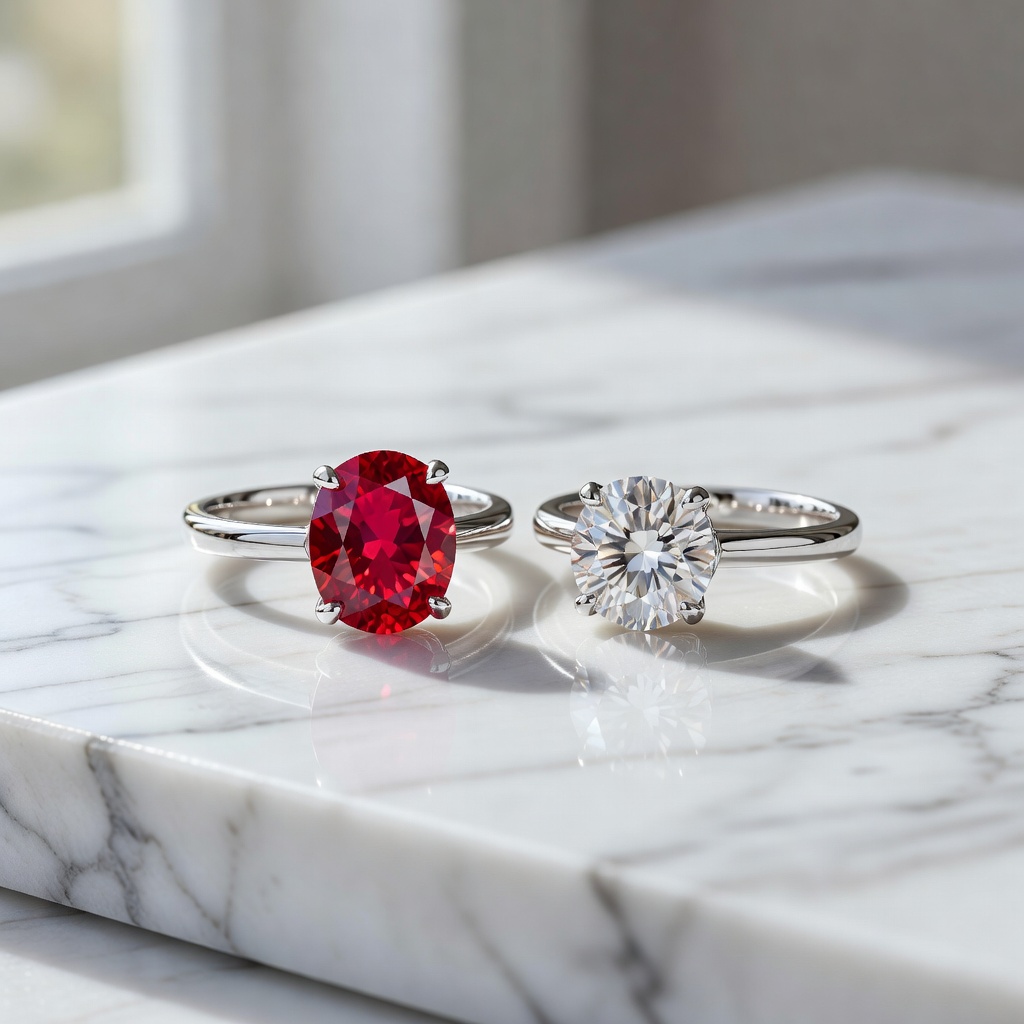
Transparency levels create distinct setting opportunities and styling requirements for each gemstone type. Rubies range from transparent to translucent, with heavily included specimens sometimes appearing milky or cloudy, necessitating closed-back settings or strategic metalwork to enhance color depth. Lab diamonds typically achieve flawless to internally flawless clarity grades, requiring open settings like four-prong solitaires or tension settings that maximize light entry from all angles. For practical styling, pair rubies with yellow or rose gold to complement their warm undertones, while lab diamonds perform beautifully in white metals like platinum or white gold that emphasize their colorless purity.
Durability and Hardness: The Mohs Scale Reality
Long-term wearability depends significantly on a gemstone's ability to resist scratching, chipping, and environmental degradation, making the Ruby durability Mohs scale assessment crucial for active jewelry wearers. Rubies score 9 on the Mohs hardness scale, making them the second-hardest natural substance after diamonds and suitable for daily wear in protective settings. However, hardness measures only scratch resistance; toughness—the resistance to breaking and chipping—presents different considerations. While diamonds rank 10 on the Mohs scale, their perfect cleavage along four planes creates vulnerability to sharp impacts, whereas rubies lack cleavage planes but may develop fractures under extreme pressure due to their hexagonal crystal structure.
For engagement rings and daily-wear jewelry, both gemstones offer excellent longevity, though practical considerations favor different lifestyles. Lab-created diamonds withstand abrasive environments better than any other gemstone, resisting scratches from household dust (which contains silica at 7 on the Mohs scale) and maintaining polish indefinitely. Rubies require slightly more cautious treatment; while resistant to scratching, they may show surface abrasions over decades of continuous wear, particularly along facet junctions. When selecting between these stones for rings, consider bezel or halo settings for rubies to protect girdle edges, whereas lab diamonds tolerate exposed prong settings due to their superior hardness and edge stability.
| Characteristic | Natural Ruby | Lab-Created Diamond |
|---|---|---|
| Chemical Composition | Aluminum Oxide (Al₂O₃) with Chromium | Carbon (C) - Crystalline Structure |
| Mohs Hardness | 9.0 | 10.0 |
| Toughness | Good to Excellent (no cleavage) | Good (perfect cleavage planes present) |
| Color Range | Red to Pinkish-Red (Pigeon Blood most valued) | Colorless to Fancy Colors (D-Z scale) |
| Refractive Index | 1.76 - 1.77 | 2.42 |
| Price per Carat (High Quality) | $1,000 - $15,000+ (Burmese premium) | $800 - $4,000 (decreasing trends) |
| Origin | Myanmar, Mozambique, Thailand | HPHT or CVD Laboratory Growth |
| Ideal Setting Style | Bezel or Halo (protection recommended) | Prong or Tension (maximum light exposure) |
| Heat Sensitivity | High (risk of alteration in extreme heat) | Extremely High (resistant to heat damage) |
Pricing, Value, and Investment Potential
Market dynamics create vastly different value propositions for these gemstones, with Lab-grown diamond value trends diverging significantly from natural ruby appreciation patterns. High-quality natural rubies—particularly unheated Burmese specimens exceeding one carat—command extraordinary prices due to extreme scarcity, often achieving $10,000 to $100,000 per carat for exceptional pigeon blood examples. These stones function as alternative investments, historically appreciating during economic uncertainty due to their status as tangible, finite luxury assets. Conversely, lab-created diamonds offer immediate affordability, typically costing 60-85% less than equivalent mined diamonds, though their resale value remains minimal due to unlimited production capacity and rapidly falling wholesale prices.
Budget optimization strategies differ dramatically between these options. Ruby buyers should prioritize color saturation and origin certification over size, as a smaller, vivid red stone outperforms a larger, pinkish or heavily included specimen in both beauty and value retention. Lab diamond shoppers can maximize carat weight and clarity specifications within modest budgets, selecting near-colorless (G-H) grades and VS clarity to optimize visual impact without premium pricing. When considering gemstone investment potential, natural rubies historically outperform lab diamonds, though both serve primarily as wearable luxury items rather than liquid financial instruments.
Resale Market Realities
Secondary market behavior highlights the divergence between these gemstone categories. Estate jewelry dealers and auction houses actively seek fine natural rubies with documented provenance, often paying premiums for vintage pieces from renowned mines. Lab-created diamonds currently face depreciation curves similar to consumer electronics, with newer production methods continuously improving quality while reducing costs. For buyers prioritizing long-term value retention, natural rubies offer tangible asset characteristics, while lab diamonds provide maximum immediate visual impact for minimal initial outlay.
Ethical Sourcing and Environmental Impact
Modern consumers increasingly scrutinize the ethical implications of their gemstone purchases, examining both mining impacts and manufacturing footprints. Natural ruby extraction, particularly from Myanmar's Mogok region, has faced scrutiny regarding labor practices and military junta associations, though blockchain traceability initiatives now offer verified ethical sourcing channels. African ruby mining in Mozambique and Madagascar presents different challenges, including habitat disruption and artisanal mining safety concerns. Reputable dealers now offer fair-trade rubies with documented chain-of-custody certificates, ensuring community benefit and environmental restoration funds.
Lab-created diamonds promote themselves as sustainable alternatives, though environmental claims require nuanced examination. CVD and HPHT processes consume significant electricity—approximately 250-750 kilowatt-hours per carat—though this footprint remains substantially lower than open-pit mining operations that displace thousands of tons of earth per carat recovered. However, if production facilities rely on coal-powered grids, the carbon advantage diminishes compared to renewable-powered facilities. For ethically conscious buyers, both categories offer virtuous options: responsibly sourced natural rubies support mining communities directly, while sustainably produced lab diamonds minimize ecological disruption entirely.
Ideal Applications: Engagement Rings and Fine Jewelry
Design applications for these gemstones reflect their distinct personalities, with Ruby engagement ring alternatives gaining popularity among non-traditional couples seeking unique expression. Rubies excel in vintage-inspired settings, particularly Art Deco designs featuring geometric milgrain details, halo surrounds, and yellow gold mountings that complement their warm coloration. Their historical association with passion, protection, and prosperity makes them meaningful center stones for anniversary rings or July birthstone celebrations. When set as engagement rings, rubies typically perform best in protective bezel settings or surrounded by diamond halos that buffer the girdle from impact while enhancing color through contrast.
Lab-created diamonds dominate modern bridal jewelry through their versatility and traditional appeal, shining in minimalist solitaire settings, three-stone arrangements, and contemporary east-west orientations. Their neutral coloration allows seamless pairing with any metal type, though platinum and white gold remain bridal standards for maximizing brilliance. For practical jewelry wardrobes, lab diamonds transition effortlessly from daytime professional settings to evening formal wear without color-clashing concerns. Current trends show increasing interest in fancy-colored lab diamonds (particularly pink and blue) as alternatives to prohibitively expensive natural colored diamonds, offering accessibility to previously exclusive color palettes.
Metal Pairing Strategies
Strategic metal selection enhances each gemstone's inherent characteristics. Rubies achieve maximum color saturation when set in 18k yellow gold, which amplifies their red intensity through complementary color theory, or in rose gold for romantic, vintage aesthetics. White metals like platinum create striking contrast that makes the red pop dramatically, particularly effective for three-stone designs featuring colorless side diamonds. Lab diamonds perform optimally in white metals that mask any subtle body color and maximize light return, though yellow gold settings create fashionable, warm-toned contemporary looks currently trending in bridal fashion.
Care, Maintenance, and Longevity
Preserving the beauty of fine gemstone jewelry requires species-specific care protocols that acknowledge the distinct vulnerabilities of corundum versus carbon. Lab-created diamonds tolerate aggressive cleaning methods including ultrasonic baths, steam cleaners, and commercial jewelry solutions without risk of damage, making them ideal for low-maintenance lifestyles. Their chemical inertness resists damage from household cleaners, chlorinated pools, and cosmetic products. However, despite their hardness, diamonds can chip if struck against hard surfaces at specific angles, necessitating periodic prong inspections to prevent stone loss.
Ruby maintenance demands gentler approaches, particularly for heat-treated or fracture-filled specimens common in modern jewelry markets. While natural rubies withstand ultrasonic cleaning, treated stones may suffer damage from vibration or heat, making warm soapy water and soft-bristled brushes the safest cleaning method. Avoid exposing rubies to harsh chemicals, sudden temperature changes, or steam cleaning that might affect filler materials in included stones. Professional jewelers should inspect ruby settings every six months, checking for loose prongs or abrasion wear on the stone's surface, whereas diamond settings require annual inspection unless trauma occurs.
Storage and Wear Recommendations
Proper storage prevents accidental damage when jewelry isn't being worn. Store ruby pieces separately from diamonds to prevent the harder stones from scratching the corundum surface, ideally in soft cloth pouches or lined jewelry boxes with individual compartments. Remove ruby rings before engaging in household cleaning, gardening, or gym activities to prevent impact damage or chemical exposure. Lab diamonds withstand more abuse but should still be removed during contact sports or heavy manual labor to protect the setting integrity and prevent catastrophic loss.
Making Your Final Decision
Selecting between these exceptional gemstones ultimately requires honest assessment of your lifestyle, aesthetic preferences, and value priorities. Active individuals with hands-on careers or athletic hobbies may prefer lab-created diamonds for their superior scratch resistance and setting durability, while those drawn to unique color expression and historical significance might find rubies more emotionally resonant. Consider your existing jewelry wardrobe: if you primarily wear silver tones and neutral colors, a lab diamond integrates seamlessly, whereas those with warm-toned collections might find rubies more versatile for mixing and matching.
Budget allocation strategies should reflect each stone's value proposition. With rubies, invest primarily in color quality—seek vivid saturation with minimal brown or orange modifiers—even if this means selecting a smaller carat weight. For lab diamonds, prioritize cut quality and carat weight since color and clarity grades offer diminishing returns in laboratory-grown stones. Symbolic meaning also influences this choice: diamonds traditionally represent eternal love and unbreakable bonds, while rubies symbolize passion, vitality, and courage. Whether choosing the crystalline purity of carbon or the fiery depth of corundum, both gemstones offer legitimate pathways to owning extraordinary, durable fine jewelry that reflects personal style and values.
Frequently Asked Questions
Is a natural ruby more expensive than a lab-created diamond?
High-quality natural rubies often command higher prices per carat than lab-created diamonds due to extreme rarity, especially Burmese pigeon blood varieties. However, lab diamonds can be expensive in larger carat weights, while commercial-grade rubies may cost less than premium lab diamonds.
Can you tell the difference between a ruby and a lab diamond just by looking?
Yes, immediately and obviously. Rubies display rich red colors with possible silk inclusions or asterism, while lab diamonds are colorless (typically) with superior brilliance and fire. They are fundamentally different in color, refractive index, and optical performance.
Which is better for an engagement ring: a ruby or lab-created diamond?
Lab-created diamonds offer superior hardness (10 vs 9) and traditional bridal appeal for daily wear. However, rubies provide unique color personality and vintage charm for those wanting non-traditional rings, though they require more careful setting protection.
Do lab-created diamonds last as long as natural rubies?
Both last indefinitely with proper care, but diamonds (including lab-created) resist scratching better than rubies. Rubies may develop surface abrasions over decades of daily wear due to their slightly lower hardness, though both are excellent heirloom materials.
Are lab-created diamonds considered 'real' compared to natural rubies?
Lab-created diamonds are chemically, physically, and optically identical to mined diamonds—they are real diamonds. Rubies are a completely different mineral species (corundum). The comparison isn't about authenticity but rather preference between two distinct gemstone types.
Which gemstone holds its value better: ruby or lab-created diamond?
Fine natural rubies historically appreciate and hold value due to scarcity. Lab-created diamonds currently depreciate significantly after purchase due to unlimited production potential and falling wholesale prices, making them poor investment vehicles compared to precious rubies.
Can I wear a ruby ring every day like a diamond ring?
Rubies are durable enough for daily wear at 9 on the Mohs scale, but require protective settings (bezels or halos) better than diamonds due to slightly lower toughness. Avoid wearing rubies during rough activities, while lab diamonds withstand more abuse.
Do rubies and lab diamonds require different cleaning methods?
Lab diamonds tolerate ultrasonic cleaners and steam, while rubies—especially heat-treated or fracture-filled varieties—risk damage in ultrasonic baths. Clean rubies with mild soap and soft brushes, whereas lab diamonds accept most jewelry cleaning technologies.