Introduction: Understanding These Distinct Precious Gems
When exploring the fascinating world of precious gemstones, the comparison between Ruby vs Lab-Created Alexandrite presents a compelling study in contrasts that captivates both collectors and jewelry enthusiasts. While these stones occupy different mineral families—ruby belonging to the corundum group and alexandrite to the chrysoberyl family—they frequently appear side by side in high-end jewelry boutiques and engagement ring consultations. Consumers naturally gravitate toward comparing these gems because both offer exceptional durability, rich historical significance, and association with summer birthstones, despite possessing fundamentally different optical characteristics and formation methods.
The distinction between natural ruby vs synthetic alexandrite extends far beyond their laboratory or geological origins. Natural rubies represent the pinnacle of aluminum oxide crystallization formed deep within the earth's crust, displaying an intense stable red that has symbolized passion for millennia. Conversely, lab-created alexandrite offers a modern technological marvel, delivering the rare and coveted color-change phenomenon originally discovered in Russia's Ural Mountains, but now consistently reproduced in controlled laboratory environments. Understanding these differences in formation, appearance, and intrinsic rarity helps discerning buyers make informed decisions that align with their aesthetic preferences, ethical values, and long-term investment goals.
Origins and Formation: Earth vs Laboratory
The Geological Journey of Natural Rubies
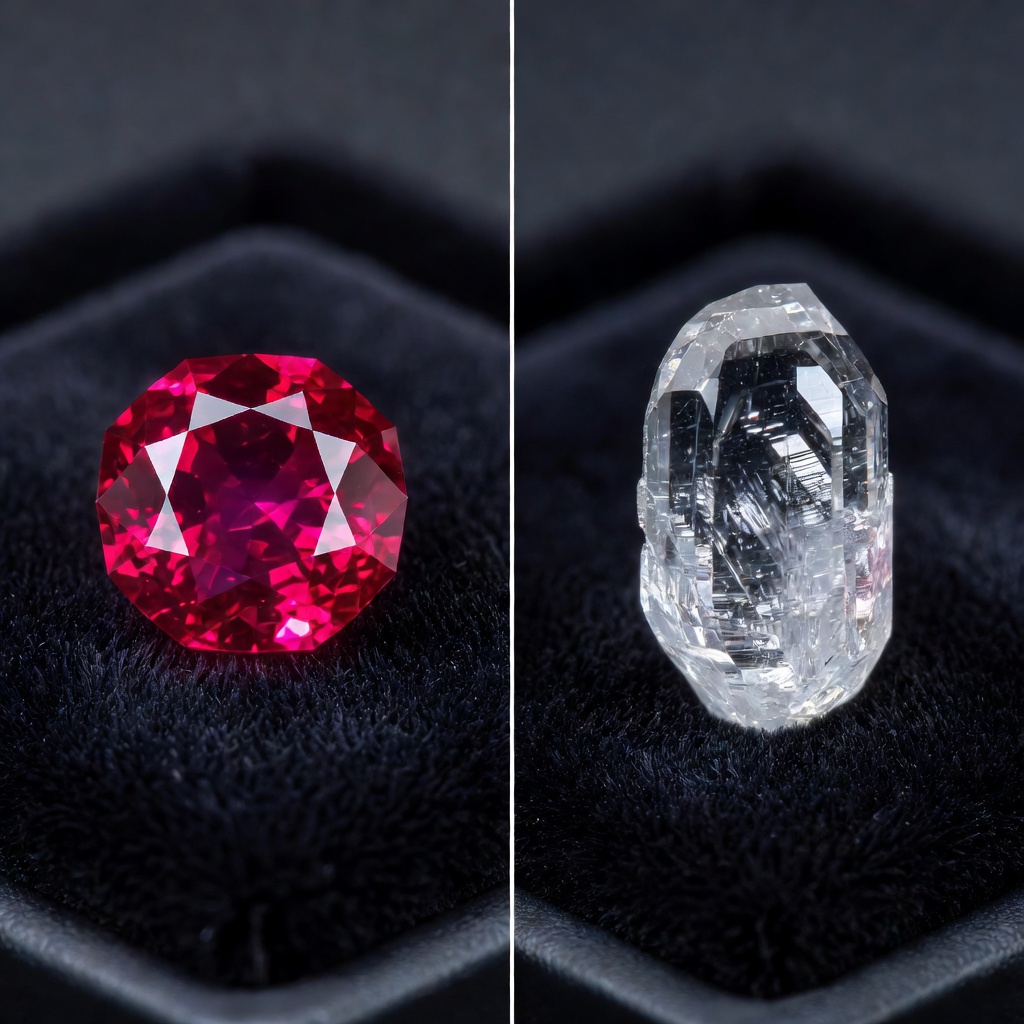
Natural rubies emerge from specific geological conditions that occur in only a handful of locations worldwide, primarily within marble and basalt deposits found in Myanmar (Burma), Mozambique, Thailand, and Sri Lanka. Marble-hosted rubies, considered the most prestigious variety, form when limestone undergoes metamorphism under intense heat and pressure, creating an aluminum-rich environment where chromium impurities replace aluminum atoms in the corundum crystal structure. This process requires specific tectonic plate interactions and takes millions of years to complete, resulting in the formation of rough crystals that miners must carefully extract from marble matrix without causing damage to the delicate specimens.
Basalt-origin rubies, while more abundant, typically contain higher iron content that suppresses the fluorescence and pure red saturation seen in marble-hosted stones. These deposits result from alkali basalt magmas bringing corundum crystals from deep mantle sources to the earth's surface through volcanic pipes. The mining of these natural deposits involves significant environmental considerations, including habitat disruption, water usage, and the socio-economic complexities of artisanal mining communities in regions like Madagascar and Tanzania.
Laboratory Synthesis of Alexandrite
Lab-created alexandrite represents a triumph of modern crystal growth technology, utilizing either hydrothermal or flux growth methods to replicate the conditions that create natural chrysoberyl in a fraction of the time. The hydrothermal method suspends nutrient-rich solutions in high-pressure autoclaves, allowing crystals to grow slowly over six to twelve months as temperature differentials cause dissolved materials to precipitate onto seed crystals. This technique produces stones with inclusions and growth patterns nearly identical to their natural counterparts, requiring expert gemological analysis to distinguish from rare Uralian alexandrite.
Flux growth methods involve dissolving aluminum and beryllium oxides in molten chemical fluxes at temperatures exceeding 1,000 degrees Celsius, then slowly cooling the solution to allow chrysoberyl crystals to form over several months. While faster than hydrothermal processes, flux-grown alexandrite often displays characteristic inclusions such as platinum platelets from the crucible or veil-like structures that differ from natural stones. From an ethical sourcing perspective, laboratory creation eliminates mining-related environmental degradation and potential human rights concerns, though it requires significant energy consumption that buyers should weigh against the ecological impact of traditional mining operations.
Physical Properties and Durability Analysis
Understanding the gemstone durability comparison between these materials requires examining both hardness and toughness, characteristics that determine how well jewelry withstands daily wear and accidental impacts. Ruby ranks 9 on the ruby hardness Mohs scale, making it second only to diamond in resistance to scratching and surface abrasion. This exceptional hardness results from the strong chemical bonds within the trigonal crystal system of corundum, allowing ruby jewelry to maintain its polish and surface integrity even after decades of continuous wear. However, ruby possesses imperfect cleavage in one direction, meaning that while it resists scratching excellently, it can fracture if struck with sufficient force along specific crystal planes.
Alexandrite, whether natural or laboratory-created, ranks 8.5 on the Mohs scale, placing it slightly below ruby but still well within the range considered excellent for daily wear jewelry. The corundum vs chrysoberyl distinction becomes apparent when examining crystal structure: while ruby forms in the trigonal system, alexandrite crystallizes in the orthorhombic system with no true cleavage planes. This structural difference means alexandrite actually demonstrates superior toughness—the resistance to breaking, chipping, or cracking—making it less likely to suffer catastrophic damage from accidental knocks against hard surfaces. For active individuals or those working with their hands, alexandrite's combination of high hardness and excellent toughness provides practical durability advantages, while ruby offers superior scratch resistance ideal for pieces worn frequently against other materials.
| Characteristic | Natural Ruby | Lab-Created Alexandrite |
|---|---|---|
| Mineral Family | Corundum (Aluminum Oxide) | Chrysoberyl (Beryllium Aluminum Oxide) |
| Mohs Hardness | 9.0 | 8.5 |
| Crystal System | Trigonal | Orthorhombic |
| Color Behavior | Stable red to pinkish-red | Color-changing (green to red/purple) |
| Primary Formation | Marble and basalt deposits | Hydrothermal or flux growth laboratories |
| Price Range (per carat) | $1,000 - $100,000+ | $100 - $800 |
| Birthstone Month | July | June (modern) |
| Toughness | Good (cleavage present) | Excellent (no cleavage) |
| Investment Potential | High appreciation potential | Limited resale value |
Color Characteristics and Optical Phenomena
The Saturated Spectrum of Ruby
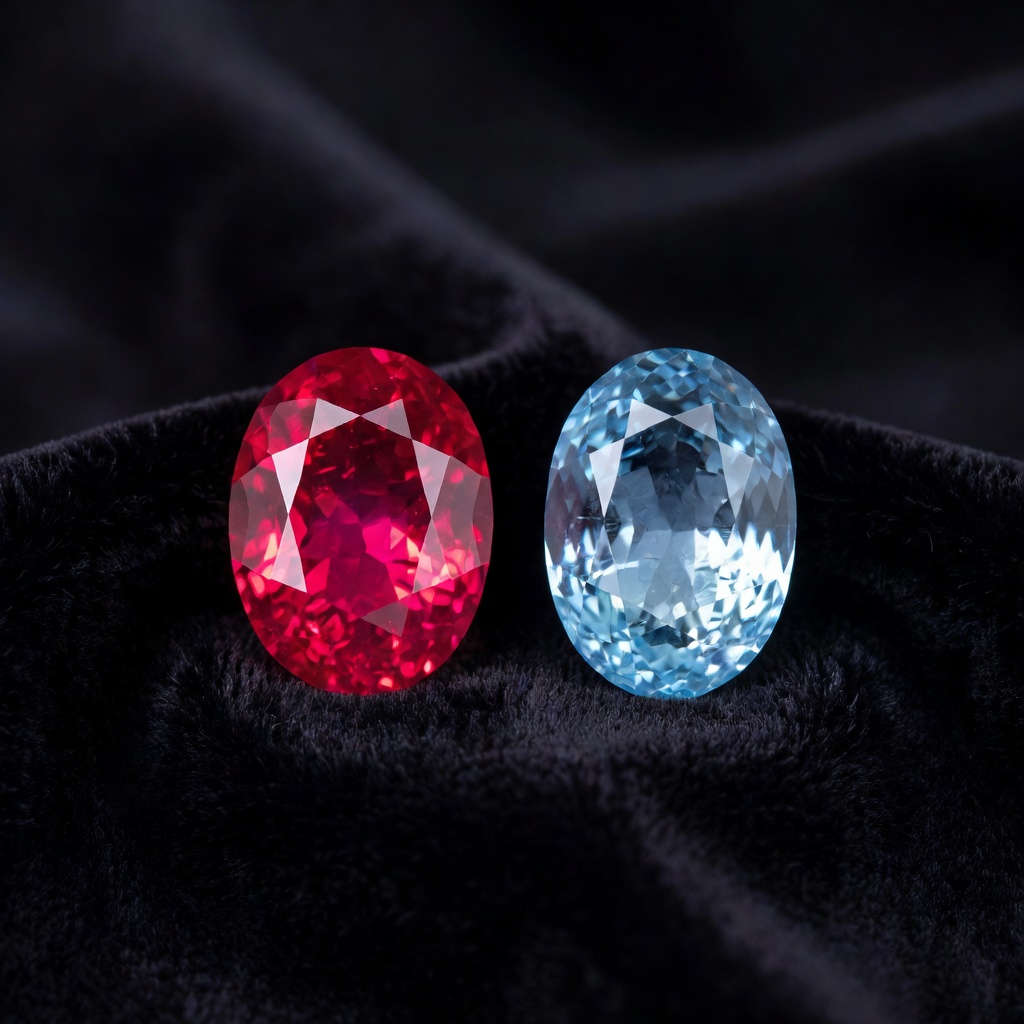
Ruby's color grading focuses entirely on the saturation and tone of red, ranging from delicate pinkish-red hues to the highly coveted "pigeon blood" red that commands premium prices in international markets. The most valuable rubies display a pure, vivid red with medium to medium-dark tone and high saturation, often described as having a fluorescent or "glowing" quality caused by chromium content interacting with ultraviolet light. Stones from the Mogok region of Myanmar frequently exhibit this ideal color due to low iron content that doesn't suppress the chromium-induced red fluorescence, whereas Thai rubies tend toward darker, garnet-like tones with less vivid saturation.
Color zoning presents a practical consideration for jewelry designers working with ruby, as many stones display uneven color distribution requiring careful orientation during cutting to maximize the face-up red appearance. Heat treatment, a common and accepted practice in the ruby trade, can improve color saturation by dissolving rutile silk inclusions and enhancing the transparency of otherwise cloudy stones, though untreated specimens with exceptional color command significant premiums among collectors and investors seeking natural rarity.
Alexandrite's Remarkable Color-Change Effect
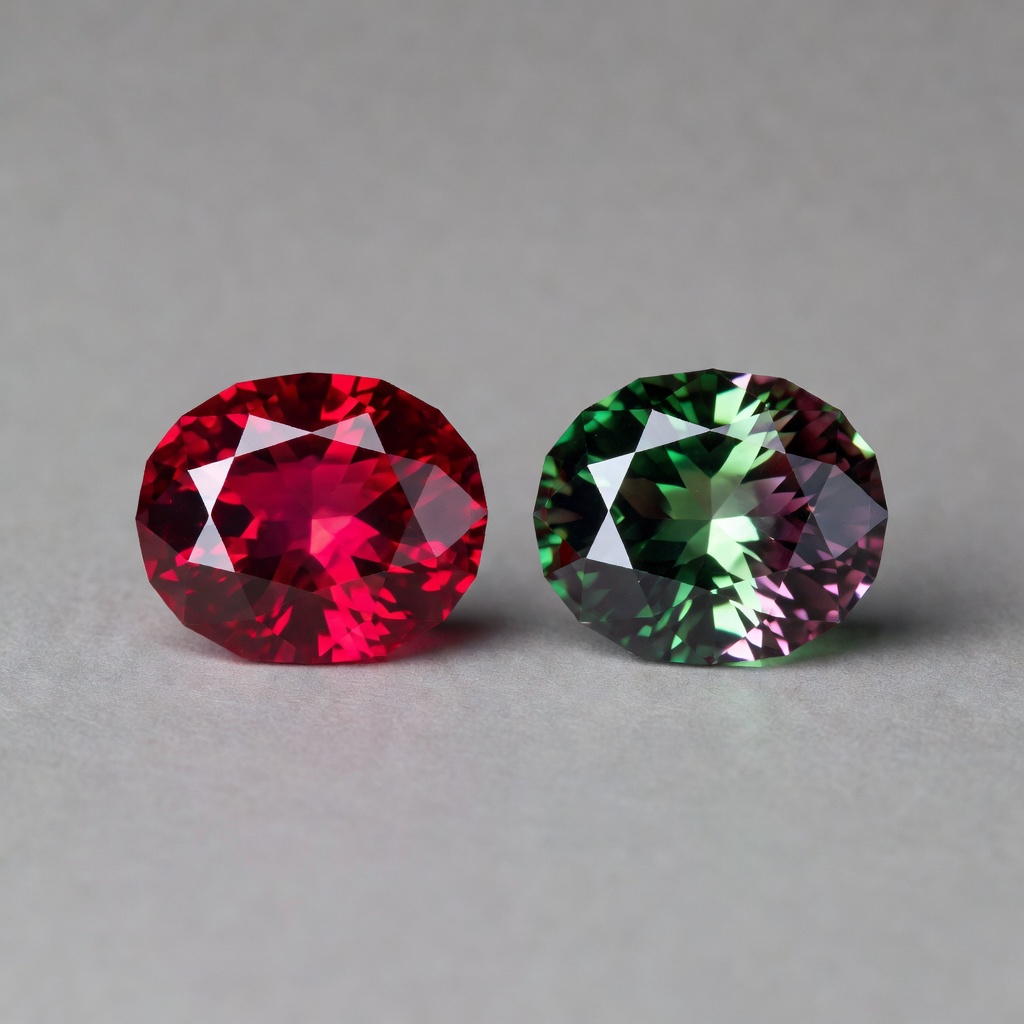
The defining characteristic of color changing alexandrite lies in its unique ability to display different colors under various lighting conditions, appearing green to blue-green in daylight or fluorescent lighting while shifting to red, purple, or raspberry tones under incandescent or candlelight. This phenomenon results from the presence of chromium ions in the chrysoberyl crystal lattice, which absorb specific wavelengths of light differently depending on the spectral output of the light source. Daylight contains more blue wavelengths that the stone transmits, while incandescent light emphasizes red transmission, creating the dramatic color shift that makes alexandrite one of the most fascinating gemstones for collectors.
Beyond the color-change effect, alexandrite pleochroism adds another layer of optical complexity, as the crystal displays different colors—typically green, orange, and purple-red—when viewed from different crystallographic directions. Master cutters must orient alexandrite rough carefully to ensure the table facet displays the strongest color change rather than simply showing pleochroic colors. Under ultraviolet light, natural alexandrite typically shows weak red fluorescence, while some lab-created varieties may show stronger reactions depending on the specific growth method and chromium concentration used during synthesis.
Symbolism, History, and Birthstone Significance
The comparison of July birthstone vs June birthstone reveals rich cultural narratives that have shaped jewelry traditions across civilizations and centuries. Ruby, designated as the July birthstone, carries associations with passion, protection, and vitality that date back to ancient Sanskrit texts describing the "ratnaraj" or king of precious stones. Medieval Europeans believed rubies conferred wisdom, health, and success in love, while Burmese warriors literally implanted rubies beneath their skin before battle, believing the stones would render them invincible in combat. This deep crimson gem has adorned the crowns and regalia of monarchs from England's Black Prince's Ruby (actually a spinel) to modern royal engagement rings, cementing its status as a symbol of power and undying devotion.
Alexandrite's history, while more recent, proves equally compelling as the modern June birthstone alongside pearls and moonstones. Discovered in Russia's Ural Mountains around 1830 and named in honor of Tsar Alexander II, this stone became the national gem of Imperial Russia due to its remarkable coincidence of displaying the colors of the old Russian imperial military—red and green. Russian aristocracy coveted alexandrite during the 19th century, associating it with good fortune and balance. Metaphysically, alexandrite represents the ability to see both sides of any issue, promoting emotional maturity and joy during life transitions, while ruby connects to the root and heart chakras, stimulating life force energy and courageous action.
Pricing, Value, and Investment Considerations
Understanding lab-grown alexandrite value requires distinguishing between the intrinsic worth of rarity versus the practical value of beauty and durability. Natural rubies, particularly untreated specimens from Burma or Mozambique with pigeon blood coloration, command prices ranging from $10,000 to over $100,000 per carat for exceptional stones, making them serious investment vehicles comparable to fine art or real estate. The value of natural ruby depends heavily on origin certification, with Burmese stones commanding premiums over African or Thai origins, while treatment status significantly impacts price—unheated rubies may cost three to ten times more than heat-treated equivalents of similar appearance.
Lab-created alexandrite offers an accessible entry point into fine jewelry, typically ranging from $100 to $800 per carat depending on the quality of the color change and clarity of the crystal. While laboratory stones lack the investment appreciation potential of natural gems, they allow buyers to acquire larger, visually striking center stones for engagement rings or statement pieces without the six-figure investment required for equivalent-sized natural rubies. From a financial perspective, natural rubies retain and potentially appreciate in value over generations, making them suitable heirlooms and wealth preservation vehicles, whereas lab-created alexandrite provides immediate aesthetic gratification and wearability without expectation of resale profit.
Jewelry Applications and Design Considerations
Strategic Setting Selection
When designing ruby engagement rings, jewelers often recommend protective bezel settings or partial bezel designs that shield the gem's edges from impact, acknowledging ruby's cleavage vulnerability despite its high hardness. Bezel settings in yellow or rose gold not only provide physical protection but also enhance the warmth of ruby's red tones, creating a cohesive color story that flatters most skin tones. For those seeking maximum light return and brilliance, prong settings work beautifully with rubies but require more frequent maintenance checks to ensure the stone remains secure, particularly for stones over two carats where weight increases stress on the mounting.
Alexandrite jewelry design typically favors open prong settings or tension settings that maximize light exposure from multiple angles, allowing the wearer to observe the full color-change phenomenon as the stone moves between different lighting environments throughout the day. White metals such as platinum, white gold, or palladium complement alexandrite's cool green daylight appearance, creating a contemporary aesthetic that highlights the stone's unique optical properties. Because lab-created alexandrite offers excellent toughness without cleavage concerns, designers can employ more delicate, openwork settings that might prove risky with other gemstones, enabling intricate vintage-inspired filigree or modern minimalist designs that showcase the stone's chameleon-like behavior.
Application-Specific Recommendations
Earrings and pendants present ideal applications for both stones, as these jewelry types experience less mechanical stress than rings while still displaying the gems' beauty prominently. Alexandrite earrings prove particularly engaging as the stones change color when moving from outdoor settings to indoor dinner parties, creating a dynamic accessory that prompts conversation. For vintage-inspired designs, rubies pair magnificently with accent diamonds in Art Deco geometric patterns, while alexandrite suits mid-century modern settings that emphasize clean lines and architectural elements. When designing stackable rings or wedding sets, consider that ruby's slightly higher hardness could potentially scratch alexandrite over time if the stones contact each other, suggesting the use of spacer bands or protective design elements in multi-stone pieces.
Making Your Decision: Lifestyle and Preference Factors
Selecting between these gems ultimately depends on lifestyle requirements, aesthetic preferences, and budget parameters that vary significantly among individual buyers. For those with highly active lifestyles or occupations involving manual labor, ruby's superior scratch resistance on the Mohs scale provides long-term surface integrity, though alexandrite's superior toughness offers better resistance to chipping if the wearer frequently knocks their hands against hard surfaces. Consider your daily lighting environments: office workers under fluorescent lighting will see alexandrite's green side predominantly, while those who frequent restaurants with warm incandescent lighting will enjoy the dramatic red transformation, whereas ruby maintains its consistent crimson appearance regardless of setting.
Budget-conscious buyers seeking large statement pieces often find that lab-grown alexandrite value allows acquisition of three to five carat stones for the price of a one-carat natural ruby of comparable clarity. Color preference plays a crucial role in this decision—those drawn to classic, timeless elegance and traditional romantic symbolism typically gravitate toward ruby's stable intense red, while individuals seeking unique, conversation-starting jewelry appreciate alexandrite's dynamic color-shifting phenomenon. Consider also the heirloom aspect: if passing the piece to future generations holds importance, natural ruby offers provenance and potential appreciation, while lab alexandrite provides immediate beauty with less concern about loss or damage due to its replaceable nature and lower initial cost.
Care, Maintenance, and Longevity
Both ruby and lab-created alexandrite respond well to standard ruby care tips and maintenance routines that preserve their brilliance and structural integrity over decades of wear. Clean both stones using warm water with mild dish soap and a soft-bristled toothbrush, gently scrubbing the pavilion and crown to remove accumulated oils and debris from daily wear. While ultrasonic cleaners prove generally safe for untreated rubies and alexandrite, exercise caution with fracture-filled or lead-glass-filled rubies (common in lower-priced market segments) as the vibrations and heat can damage these treatments, potentially altering the stone's appearance or causing structural failure.
Store these gemstones separately in soft cloth pouches or individual compartments within jewelry boxes to prevent harder stones like diamond, moissanite, or even ruby itself from scratching the slightly softer alexandrite. Schedule professional inspections with a qualified jeweler every six to twelve months for rings worn daily, checking for loose prongs, worn mountings, or chips that might compromise the stone's security. With proper care, natural rubies easily become multi-generational heirlooms lasting centuries, while lab-created alexandrite offers similar longevity for the wearer's lifetime, though the synthetic origin means future generations may view the piece as costume rather than investment-grade jewelry unless maintained for sentimental value.
Frequently Asked Questions
Is lab-created alexandrite as valuable as natural ruby?
Generally, no. Natural rubies, especially untreated Burmese stones, command significantly higher prices per carat due to natural rarity. Lab-created alexandrite offers excellent optical properties at a fraction of the cost, making it affordable for larger statement pieces, but it lacks the investment appreciation potential of fine natural rubies.
Which is harder and more durable for daily wear rings?
Ruby ranks 9 on the Mohs hardness scale, while alexandrite ranks 8.5. Both are excellent for daily wear, but ruby has slightly superior scratch resistance. However, alexandrite possesses better toughness (resistance to breaking), making both suitable for engagement rings with proper settings.
Why does alexandrite change color while ruby stays red?
Alexandrite contains chromium ions that absorb specific wavelengths of light differently depending on the light source (daylight vs incandescent), causing the color-shift phenomenon. Ruby also contains chromium, but its crystal structure absorbs light consistently, resulting in stable red coloration regardless of lighting conditions.
Can you tell the difference between lab alexandrite and natural ruby with the naked eye?
Yes, easily. They differ in color behavior (alexandrite changes color, ruby doesn't), crystal structure, and often subtle differences in clarity patterns. Lab alexandrite may show curved growth lines or flux inclusions under magnification, while natural rubies display characteristic mineral inclusions like rutile needles.
Which gemstone is better for an engagement ring?
Ruby is traditionally preferred for engagement rings due to its exceptional hardness (9 Mohs) and classic romantic symbolism. However, lab-created alexandrite offers unique color-change appeal and excellent durability (8.5 Mohs) at a lower price point, making it ideal for those seeking something distinctive and budget-friendly.
Is ruby more expensive than lab-created alexandrite?
Typically yes. High-quality natural rubies can cost thousands per carat, while lab-created alexandrite usually ranges from hundreds per carat depending on quality. Even lower-grade natural rubies often exceed the price of premium lab alexandrite, though treated rubies may compete closely in price with fine lab alexandrite.
Do both stones have the same spiritual meanings?
No, they carry distinct metaphysical properties. Ruby is associated with passion, courage, heart energy, and life force (root and heart chakras). Alexandrite represents balance, adaptability, joy, and intuition, believed to enhance the ability to see both sides of situations and strengthen intuition during transitions.
Can ruby and alexandrite be worn together in the same jewelry piece?
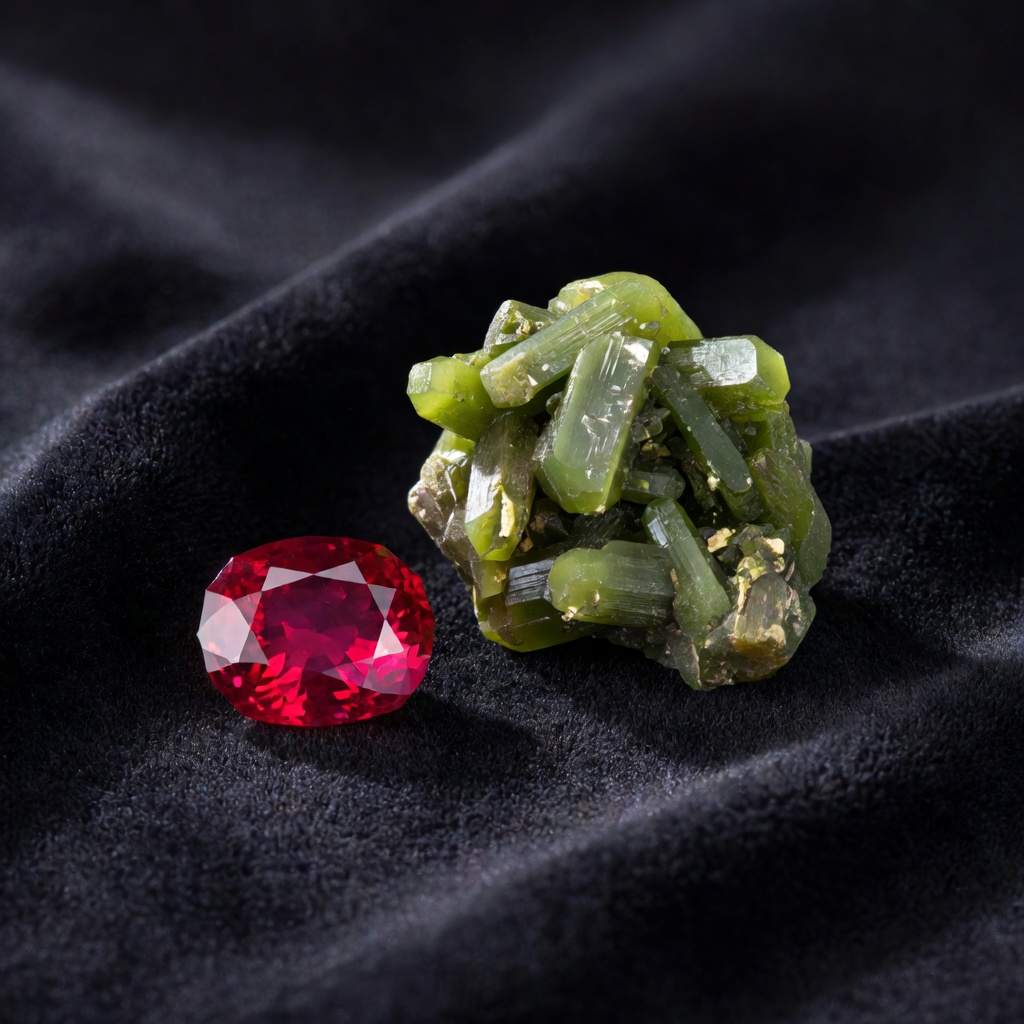
Absolutely. Both stones complement each other beautifully, with ruby providing stable red contrast to alexandrite's color-changing nature. They work well in multi-stone rings or earrings, though designers should consider that ruby's slightly higher hardness could potentially scratch alexandrite over time if they rub together.