Understanding the Ruby vs Kyanite Debate
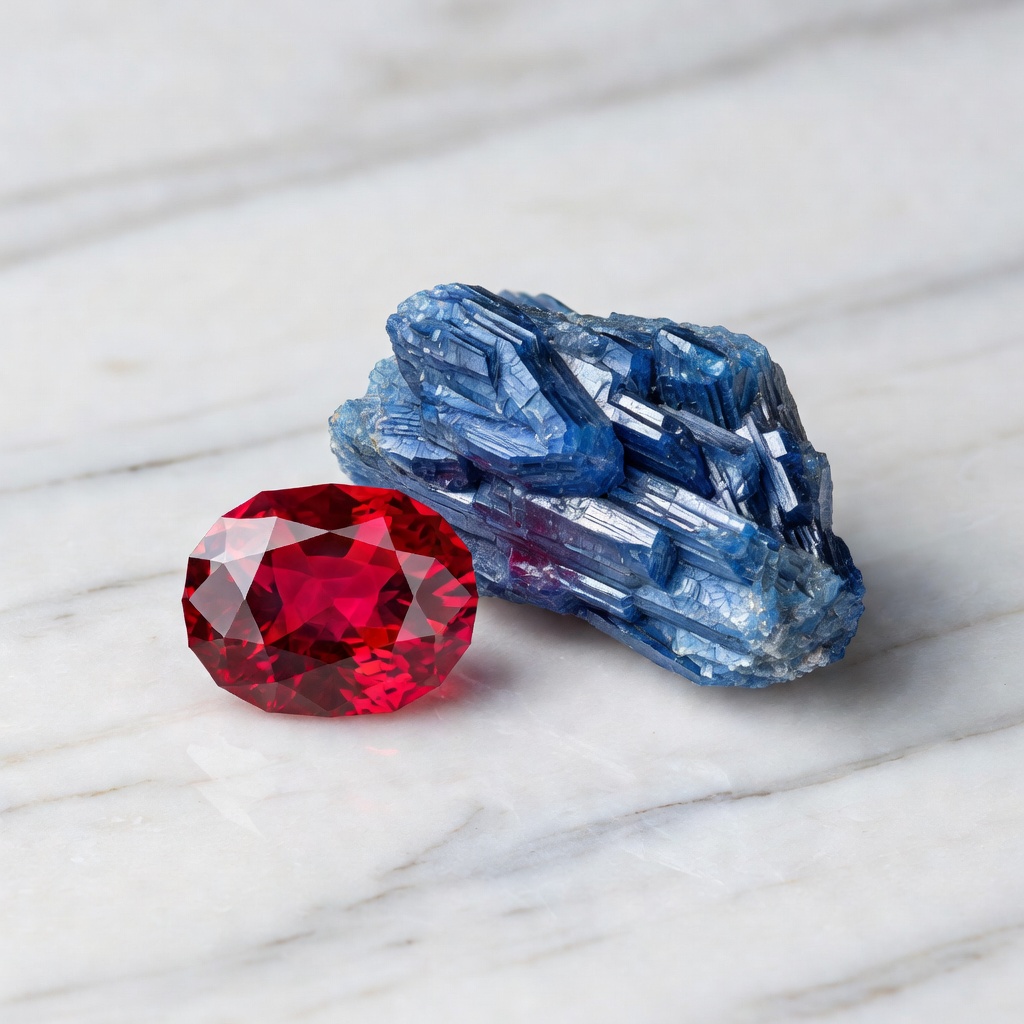
When collectors and jewelry enthusiasts explore the Ruby vs Kyanite comparison, they often encounter two gemstones that couldn't be more different in character despite both commanding attention in the jewelry market. Ruby stands as the king of precious stones, a variety of corundum that has adorned royal crowns and engagement rings for millennia, while kyanite presents itself as an accessible aluminosilicate mineral prized for its ethereal blue hues and spiritual significance. Common misconceptions abound regarding these red and blue gemstones, particularly concerning their durability and value propositions, leading many buyers to make ill-informed purchasing decisions. Understanding the fundamental distinctions between these stones—from their geological formation to their practical applications—provides essential knowledge for anyone building a serious gemstone collection or selecting meaningful jewelry pieces.
Geological Origins and Chemical Composition
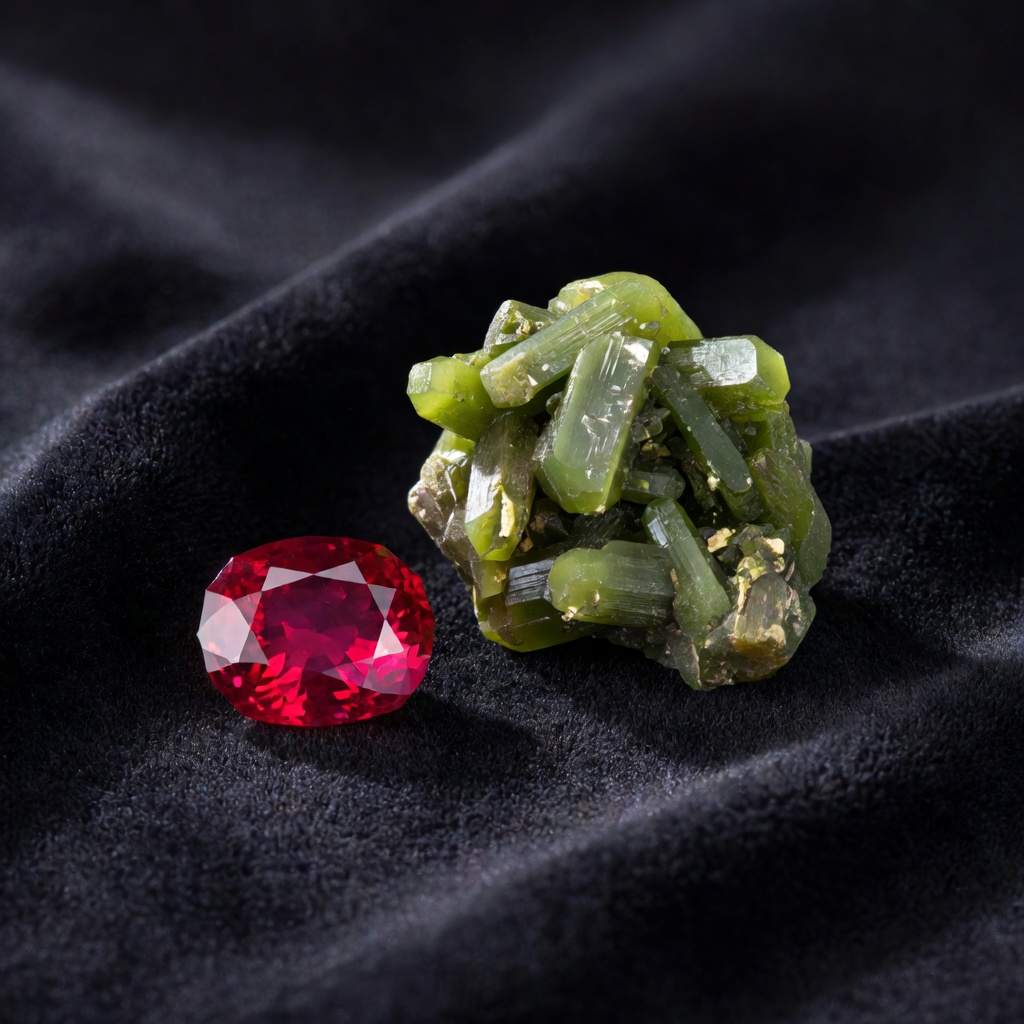
The Corundum vs Kyanite geological story begins deep within Earth's crust under vastly different metamorphic conditions that create distinctly different crystal structures. Rubies form primarily in metamorphic marble and high-pressure basalt environments where intense heat transforms aluminum oxide (Al₂O₃) into trigonal crystals belonging to the hexagonal scalenohedral class, with significant deposits found in Myanmar's Mogok Valley and Mozambique's Montepuez region yielding the finest specimens. Conversely, kyanite emerges through regional metamorphism of clay-rich sediments under moderate pressure and temperature, creating triclinic aluminum silicate (Al₂SiO₅) crystals that develop characteristic bladed formations in locations such as Nepal's Kali Gandaki region, Brazil's Minas Gerais, and the Appalachian Mountains of the United States.
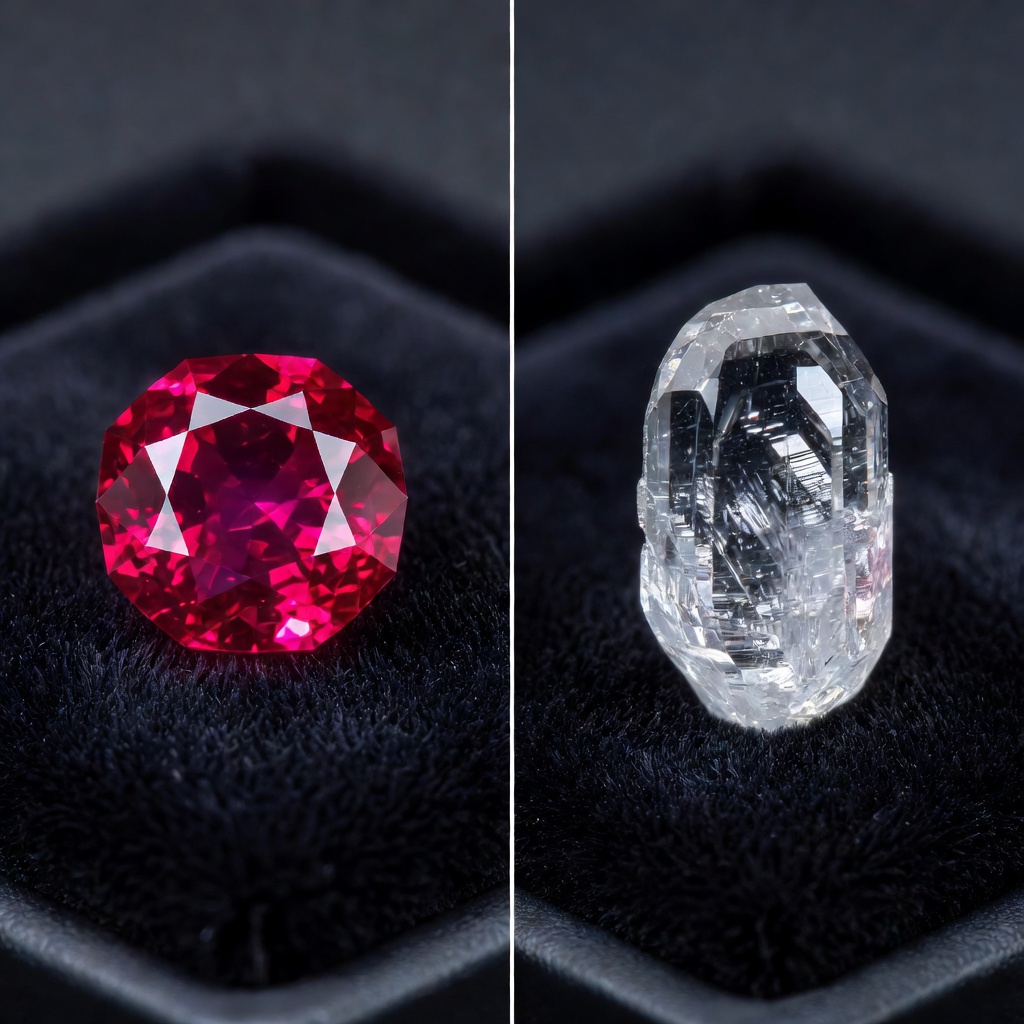
Crystal system differences significantly impact how these gemstones behave during cutting and setting procedures. Ruby's trigonal structure allows for consistent hardness in all directions and excellent toughness, while kyanite's triclinic structure creates perfect cleavage in one direction and variable hardness depending on crystallographic orientation. Geologists often identify kyanite specimens by their distinctive blue bladed crystals found in schists and gneisses, whereas ruby crystals typically appear as hexagonal prisms with distinct growth zoning visible under magnification.
Physical Properties and Hardness Analysis
When conducting a comprehensive gemstone hardness comparison, the differences between these minerals become immediately apparent and practically significant for jewelry applications. Ruby maintains a consistent Mohs hardness of 9 across all crystallographic directions, making it second only to diamond in durability and capable of resisting scratches from nearly any other material encountered in daily life. This exceptional hardness stems from the strong oxygen-aluminum bonds in corundum's trigonal crystal lattice, creating a gem suitable for heirloom pieces that withstand decades of continuous wear without showing surface damage.
Kyanite presents a unique challenge with its anisotropic hardness, registering 4.5 when tested parallel to its long axis or cleavage planes but achieving 7 when tested perpendicular to them, creating variable durability that requires specialized cutting techniques and protective settings. Specific gravity measurements further distinguish these stones, with ruby ranging from 3.97 to 4.05 (feeling noticeably heavy for its size) while kyanite remains lighter at 3.53 to 3.65. Kyanite's perfect cleavage along the {100} plane means it can split cleanly with a single sharp blow, whereas ruby's conchoidal fracture and lack of cleavage make it significantly tougher and more resistant to breaking under impact.
Color Variations and Visual Characteristics
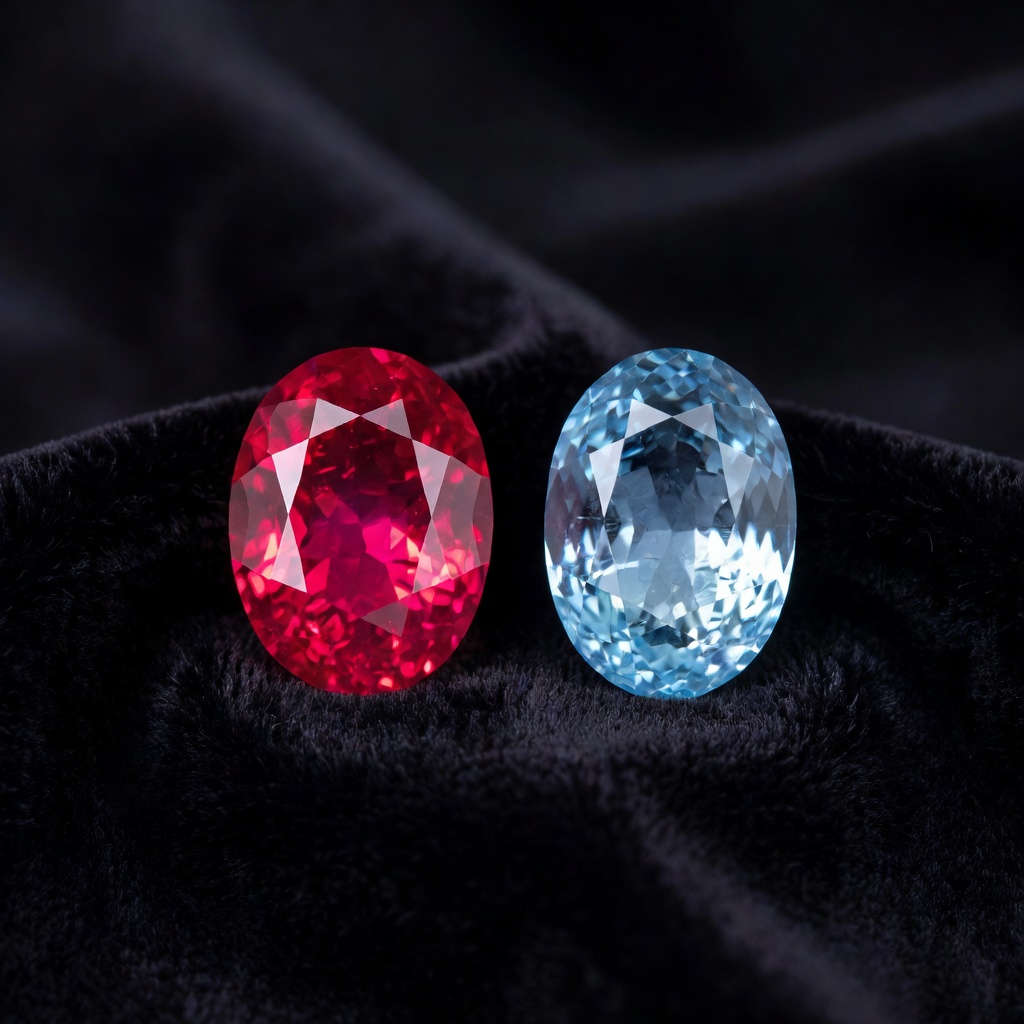
The visual distinction between red ruby vs blue kyanite extends beyond simple color preferences into complex optical properties that significantly affect value and desirability in the marketplace. Ruby's coveted pigeon blood red hue results from chromium substitution within the corundum lattice, with the most valuable specimens displaying a pure, vivid red with a hint of blue that appears to glow from within, often enhanced by strong red fluorescence under UV light. This fluorescence, caused by chromium content, makes fine rubies appear particularly vibrant in sunlight, creating the "pigeon's blood" effect that commands premium prices at auction.
Kyanite derives its distinctive royal blue coloration from iron and titanium impurities distributed throughout the aluminum silicate structure while exhibiting pronounced pleochroism, showing deep sapphire-blue when viewed perpendicular to the c-axis and nearly colorless or pale blue when viewed parallel to it. Unlike ruby's single refraction, kyanite's triclinic structure creates double refraction with a birefringence of 0.015, requiring cutters to orient stones carefully to minimize windowing and maximize color display. Clarity expectations differ markedly between these gems; while the market accepts eye-clean rubies as the standard and heavily discounts included stones, kyanite typically contains visible inclusions and internal characteristics that collectors accept as evidence of natural formation rather than flaws.
Comprehensive Gemstone Comparison
| Characteristic | Ruby (Precious) | Kyanite (Semi-Precious) |
|---|---|---|
| Chemical Formula | Aluminum Oxide (Al₂O₃) | Aluminum Silicate (Al₂SiO₅) |
| Mohs Hardness | 9 (Uniform) | 4.5 - 7 (Anisotropic) |
| Specific Gravity | 3.97 - 4.05 | 3.53 - 3.65 |
| Primary Color Range | Pigeon Blood Red to Pinkish-Red | Royal Blue to Blue-Green |
| Crystal System | Trigonal (Hexagonal) | Triclinic |
| Price per Carat | $1,000 - $100,000+ | $10 - $100 |
| Best Jewelry Use | Rings, Bracelets, Daily Wear | Pendants, Earrings, Occasional Wear |
| Metaphysical Association | Root Chakra, Vitality, Passion | Throat Chakra, Communication, Meditation |
| Cleaning Methods | Ultrasonic, Steam, Warm Soapy Water | Damp Cloth Only (No Chemicals) |
| Investment Potential | High (Historical Appreciation) | Low (Collector Interest Only) |
Durability and Jewelry Suitability
Regarding kyanite jewelry durability, collectors must understand that this beautiful blue stone requires protective settings and careful handling despite occasionally testing at hardness 7 on certain crystal faces. Ruby's exceptional toughness and uniform hardness make it ideal for engagement rings, tennis bracelets, and other pieces subject to constant impact and abrasion without risk of surface scratching or chipping. The mineralogical distinction between precious vs semi-precious stones becomes practically relevant here, as ruby's durability justifies its precious status while kyanite's fragility limits it to protected jewelry applications.
Setting recommendations reflect these durability differences significantly, with kyanite requiring bezel settings, protective halos, or channel settings that shield the stone's edges from direct impact, while ruby displays beautifully in classic prong settings that maximize light return and showcase the gem's brilliance. Long-term wear expectations vary dramatically; a ruby ring passed down through generations typically maintains its polish and structural integrity, whereas kyanite pieces often show surface abrasion, chipped edges, or cleavage fractures within years of regular wear if not properly protected.
Market Value and Investment Potential
The ruby gemstone value proposition reflects its status as one of the "big three" colored gemstones alongside sapphire and emerald, with fine Burmese specimens commanding $1,000 to $100,000 or more per carat depending on size, clarity, color saturation, and origin documentation. Record-breaking sales such as the 25.59-carat Sunrise Ruby, which sold for over $30 million at Sotheby's Geneva in 2015, demonstrate the investment potential of exceptional rubies, particularly those originating from Myanmar's Mogok mines with documented pedigrees. Mozambique rubies have emerged as significant investment alternatives, offering slightly lower price points but exceptional quality that appreciates steadily in the collector market.
Kyanite occupies the semi-precious category with prices ranging from $10 to $100 per carat for fine blue specimens, making it accessible for statement pieces and fashion jewelry without significant investment risk or insurance concerns. While kyanite's collector market remains active among mineral enthusiasts seeking exceptional crystal specimens for display, the gem lacks the liquidity and appreciation trajectory of fine ruby, primarily due to its abundance in nature and limitations regarding durability in fine jewelry. Rarity factors heavily favor ruby in the investment context, as transparent, inclusion-free crystals over five carats represent geological anomalies, whereas quality kyanite of similar size remains relatively accessible in the marketplace.
Metaphysical Properties and Crystal Healing
Exploring blue kyanite properties reveals a stone aligned with the throat chakra, facilitating clear communication, meditation alignment, and energetic bridging between the conscious and subconscious mind without requiring cleansing like other crystals. Crystal healers value kyanite for its ability to align all chakras automatically, creating pathways for energy flow that enhance psychic abilities and promote tranquility during stressful situations. The stone's high vibration and rapid energy transfer make it particularly useful for public speakers, teachers, and therapists seeking to enhance their communication clarity and maintain energetic boundaries with clients.
Ruby stimulates the root chakra, enhancing life force energy, passion, vitality, and courage in ways that ground and activate the physical body while stimulating the heart toward bravery and decisive action. Practical applications in crystal therapy differ markedly; practitioners might place ruby at the base of the spine during meditation to increase circulation and vitality, while positioning kyanite at the throat to clear blockages in self-expression. Ruby energizes and activates, making it ideal for those overcoming lethargy or depression, while kyanite calms and balances, serving those experiencing anxiety or communication difficulties.
Care, Cleaning, and Maintenance Requirements
Proper kyanite jewelry care requires particular attention to water sensitivity and chemical vulnerability, as this aluminosilicate can deteriorate when exposed to harsh cleaning agents, ultrasonic vibrations, or prolonged moisture that seeps into cleavage planes. Ruby tolerates ultrasonic cleaners and steam cleaning due to its hardness and chemical stability, though stones with significant inclusions or fracture fillings require gentler treatment to prevent internal damage. Home cleaning for ruby jewelry involves simple solutions of warm water with mild dish soap and a soft brush, effectively removing accumulated oils and dirt without risking the stone's surface integrity.
Storage solutions must account for the significant hardness disparity between these gems, requiring separate compartments or individual soft pouches to prevent ruby (hardness 9) from scratching kyanite (hardness 4.5-7) when stored together in jewelry boxes. Professional maintenance schedules should include annual inspections for kyanite pieces to check for loose settings or developing cleavage fractures, while ruby pieces require less frequent monitoring unless subjected to hard impacts. When traveling, pack kyanite jewelry in rigid, padded containers that prevent pressure on the stone's cleavage planes, whereas ruby can travel in standard jewelry rolls with moderate protection.
Making Your Choice: Lifestyle and Budget Considerations
When choosing between ruby and kyanite, budget constraints often dictate initial selections, with kyanite offering affordable beauty for fashion jewelry and spiritual practice while ruby represents a generational investment requiring significant capital outlay and insurance considerations. Lifestyle matching proves crucial for long-term satisfaction; active individuals requiring daily-wear durability for wedding jewelry or professional attire should gravitate toward ruby's resilience, while those seeking occasional statement pieces, meditation tools, or collector specimens may find kyanite perfectly suited to their needs at a fraction of the cost.
Symbolic meaning preferences play a significant role in selection, with ruby traditionally representing love, power, protection, and prosperity across numerous cultures, making it ideal for romantic gifts or milestone celebrations. Kyanite embodies truth, tranquility, and alignment, appealing to those prioritizing spiritual growth, honest communication, and meditative practices over material status. Rather than viewing these stones as competitors, sophisticated collectors often build complementary collections utilizing ruby for significant ceremonial pieces and heirloom jewelry while incorporating kyanite for artistic, spiritual, and fashion-forward designs that showcase the unique beauty of aluminum silicate crystals.
Frequently Asked Questions
Is kyanite as valuable as ruby?
No, kyanite is significantly less valuable than ruby. While high-quality rubies can command thousands to hundreds of thousands of dollars per carat, kyanite remains an affordable semi-precious stone typically ranging from $10 to $100 per carat. Ruby's precious gemstone status, exceptional hardness, and historical significance contribute to its premium pricing compared to the more abundant kyanite.
Can you wear kyanite every day like ruby?
Kyanite is not recommended for daily wear, especially in rings or bracelets, due to its variable hardness (4.5-7 on the Mohs scale) and perfect cleavage, making it prone to chipping and breaking. Ruby, with its hardness of 9 and excellent toughness, is ideal for everyday jewelry including engagement rings and daily-worn pieces that withstand constant impact and abrasion.
Which is better for engagement rings, ruby or kyanite?
Ruby is the superior choice for engagement rings due to its exceptional durability (Mohs 9), resistance to scratching, and ability to withstand daily wear for decades. Kyanite is too fragile for the constant impact that rings endure; if you prefer blue stones for engagement jewelry, consider sapphire (also corundum) instead of kyanite for longevity.
Do ruby and kyanite have similar healing properties?
While both stones offer metaphysical benefits, their properties differ significantly. Ruby stimulates the root chakra, enhancing energy, passion, courage, and life force. Kyanite works primarily with the throat chakra, promoting communication, meditation, and energetic alignment. Ruby energizes and activates, while kyanite calms and balances, making them complementary rather than similar healing tools.
Why is kyanite cheaper than ruby despite being rare?
Kyanite is actually more abundant in nature than fine-quality ruby, and its perfect cleavage and variable hardness make it challenging to cut and polish, limiting its use in fine jewelry. Additionally, ruby possesses the coveted pigeon blood red color that has been prized by royalty for centuries, creating demand that far outstrips the limited supply of gem-quality crystals, whereas kyanite's market remains primarily among mineral collectors rather than high-end jewelry consumers.
Can ruby and kyanite be worn together in jewelry?
Yes, ruby and kyanite can be worn together as complementary gemstones, but protective settings are essential for the kyanite. The combination balances ruby's fiery energy with kyanite's calming vibration. However, store them separately when not worn, as ruby's hardness (9) can easily scratch kyanite's softer surfaces, causing permanent damage to the blue stone.
Which stone is rarer, ruby or kyanite?
Fine gem-quality ruby is significantly rarer than kyanite. While kyanite occurs in metamorphic rocks worldwide, transparent, inclusion-free ruby crystals of significant size are exceptionally scarce. High-quality Burmese rubies over 5 carats are among the rarest gemstones on Earth, whereas quality kyanite specimens, while beautiful, are relatively more accessible in the marketplace.
How can I tell ruby and kyanite apart?
Distinguishing features include hardness testing (ruby scratches glass easily, kyanite does not), specific gravity (ruby feels heavier), and optical properties. Under UV light, ruby typically shows strong red fluorescence, while kyanite shows none. Kyanite displays distinct bladed crystal formations and pleochroism (color shifting from blue to colorless), whereas ruby shows single refraction and hexagonal crystal growth patterns.