Ruby vs Kunzite: The Complete Guide to Choosing Between These Pink to Red Gemstones
When selecting a pink or red gemstone for fine jewelry, collectors and enthusiasts frequently encounter the compelling comparison of Ruby vs Kunzite. Revered as the "King of Gems," ruby has captivated civilizations for millennia with its fiery red intensity, while kunzite, discovered in 1902 and known as the "Evening Stone," offers a delicate lilac-pink alternative that has gained significant traction in contemporary jewelry design. This pink gemstone comparison addresses the growing demand for colored stones in engagement rings and fashion pieces, yet these two minerals differ dramatically in durability, value, and long-term wearability. Understanding their distinct geological properties, maintenance requirements, and investment potential will help you make an informed decision whether you seek a daily wear heirloom or an occasional statement piece.
Geological Origins and Chemical Composition
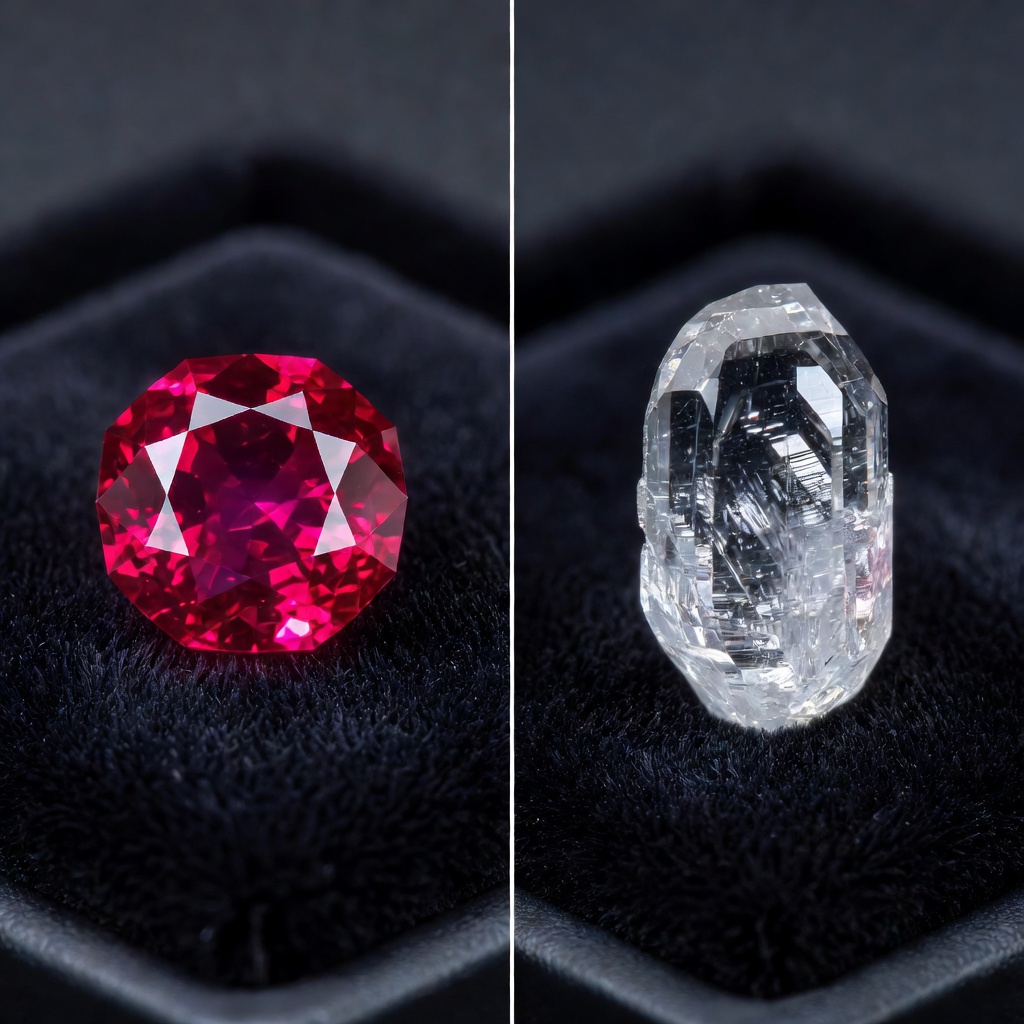
Rubies belong to the corundum family, consisting of aluminum oxide (Al₂O₃) crystallized in a trigonal system under extreme heat and pressure within metamorphic rocks. This fundamental composition creates one of nature's hardest substances, second only to diamond, allowing rubies to form exceptional hexagonal crystals prized by lapidaries worldwide. In contrast, kunzite represents the pink to lilac variety of spodumene, a lithium aluminum silicate (LiAlSi₂O₆) crystallizing in the monoclinic system, which explains its different optical properties and structural vulnerabilities compared to corundum specimens.
The primary mining locations for these gemstones reflect their distinct geological requirements, with exceptional rubies emerging from Myanmar's Mogok Valley, Thailand's Chanthaburi region, and Madagascar's newer deposits. Kunzite sources concentrate in Afghanistan's Nuristan Province, Brazil's Minas Gerais region, and Pakistan's Skardu Valley, with each location imparting subtle variations in color saturation and crystal clarity. While humans have treasured rubies since ancient Sanskrit texts and Biblical references, kunzite remained hidden until 1902 when Tiffany & Co. mineralogist George Kunz identified this pink spodumene variety in California's Pala District, naming it after himself.
These divergent crystal structures fundamentally affect how jewelers approach cutting and setting each stone, as corundum's trigonal symmetry provides excellent toughness despite brittleness, while spodumene's monoclinic structure features perfect cleavage in two directions. This perfect cleavage in kunzite creates natural planes where the crystal can split cleanly, requiring cutters to orient facets carefully to avoid breakage during polishing or setting, whereas ruby cutters focus primarily on optimizing color and brilliance without worrying about cleavage-related failures.
Color Variations and Optical Properties
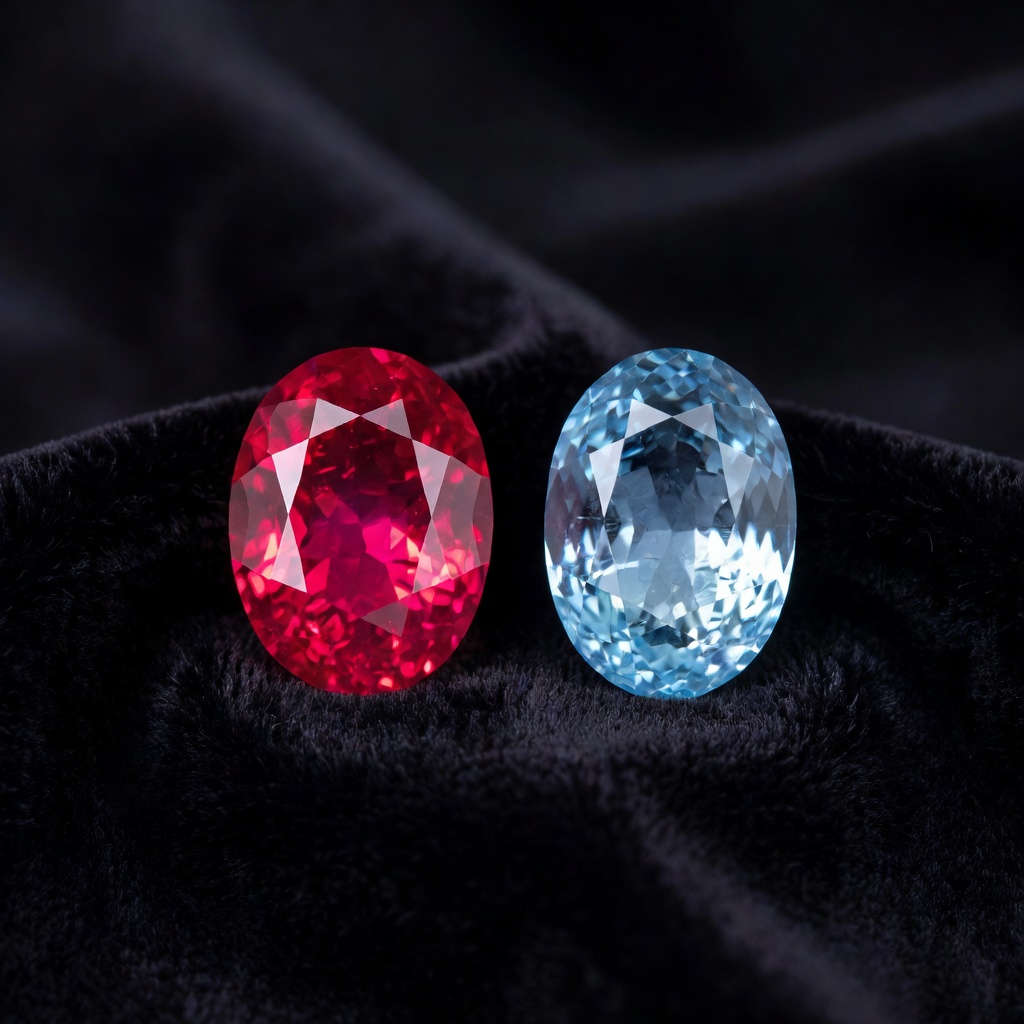
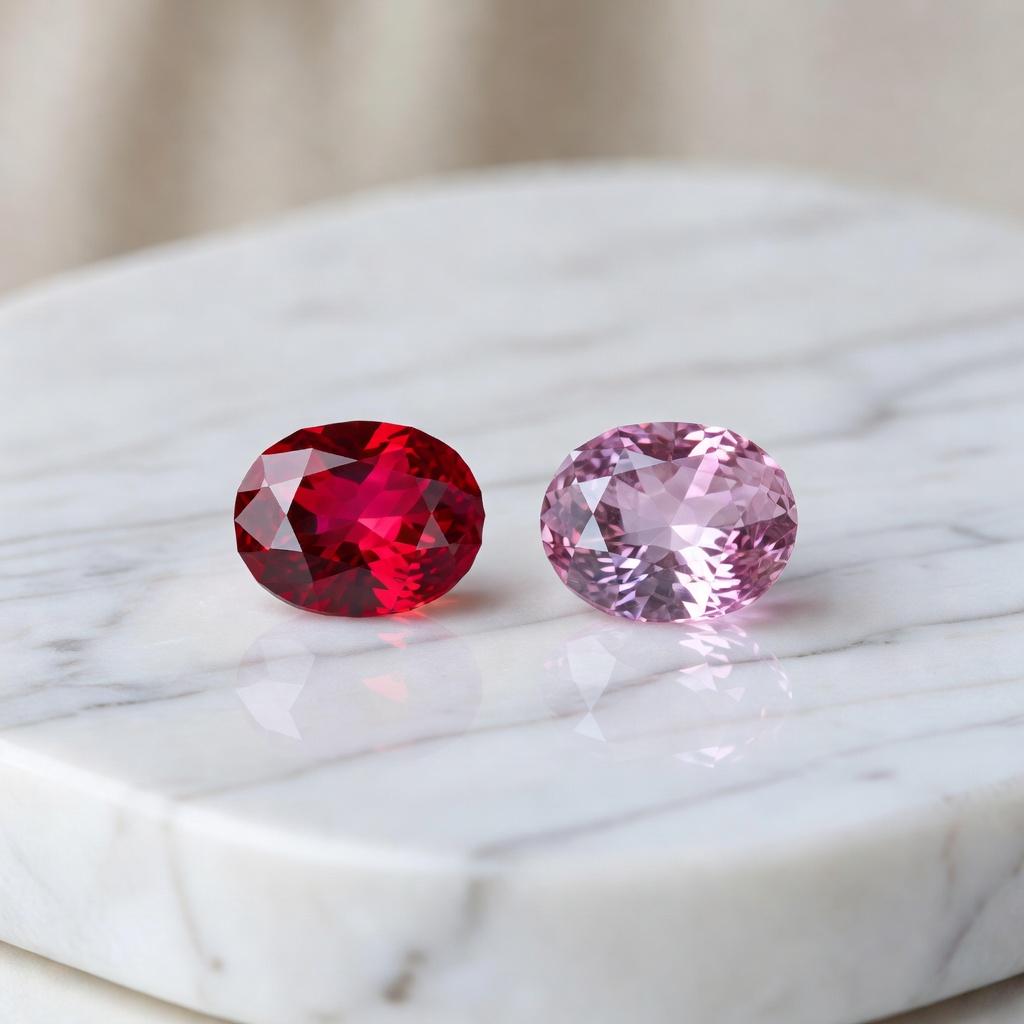
Rubies derive their coveted red spectrum from chromium ions replacing aluminum within the crystal lattice, creating hues ranging from pinkish-red to the legendary "pigeon blood" red most prized in Burmese specimens. The concentration of chromium directly correlates with color intensity, though excessive amounts can cause fluorescence that appears to glow from within the stone under natural light. Kunzite owes its characteristic pastel colors to manganese impurities within the spodumene structure, displaying a delicate range from colorless to pink, with the most valuable stones exhibiting an intense lilac hue that distinguishes fine specimens from paler varieties.
One of kunzite's most fascinating optical characteristics is its strong pleochroism, meaning the gemstone displays different colors when viewed from different crystallographic directions, typically showing clear colorless tones alongside pink or violet hues. This property requires skilled cutters to orient the table facet perpendicular to the main crystal axis to maximize the pink color face-up, whereas rubies exhibit only weak pleochroism and present more consistent color regardless of viewing angle. When examining clarity expectations, rubies typically contain more inclusions—rutile needles known as "silk" that can create asterism in star rubies—while kunzite frequently appears eye-clean with exceptional transparency due to its typical formation in pegmatite environments with fewer inclusions.
Light performance differs significantly between these stones, with rubies possessing a higher refractive index (1.76-1.77) that creates greater brilliance and "life" within the cut gemstone. Kunzite's lower refractive index (1.66-1.68) produces a softer, more subtle glow rather than intense sparkle, which many collectors find appealing for evening wear or romantic jewelry designs. Understanding these optical differences helps buyers select appropriate cuts; rubies excel in brilliant cuts that maximize light return, while kunzite often looks best in step cuts that emphasize its clarity and color rather than attempting to create sparkle where the material naturally performs differently.
Hardness, Durability and Daily Wear Suitability
The Mohs hardness scale reveals the most critical practical difference between these gemstones, with ruby ranking 9—surpassed only by diamond at 10—while kunzite measures 6.5 to 7. This distinction means ruby resists scratching from daily contact with household dust (which contains silica at 7 hardness) and maintains its polish indefinitely even in high-wear jewelry like engagement rings. Kunzite's softer nature makes it susceptible to surface abrasion and scratching over time, potentially requiring professional repolishing after several years of regular wear to restore its original luster.
Beyond surface hardness, kunzite durability concerns center on its perfect cleavage in two directions, creating planes of structural weakness that can cause the stone to split or chip upon sharp impact. Rubies lack cleavage planes entirely, exhibiting instead a conchoidal fracture pattern when broken, which makes them significantly tougher and more resistant to accidental damage during daily activities. For active individuals or those working with their hands, ruby jewelry durability provides peace of mind that the stone will withstand bumps against door frames, desk edges, or exercise equipment without structural compromise.
Jewelry professionals generally recommend reserving kunzite for earrings, pendants, and brooches where impact risk remains minimal, while endorsing ruby for rings, bracelets, and daily wear pieces subject to mechanical stress. If selecting kunzite for a ring, consider protective settings such as bezels or substantial halos that provide physical barriers against direct blows, whereas ruby settings can prioritize aesthetic design over physical protection due to the stone's inherent toughness. Case studies from insurance claims demonstrate that kunzite rings suffer damage rates approximately eight times higher than ruby rings when worn daily, emphasizing the importance of matching gemstone choice to lifestyle requirements.
Pricing, Rarity and Investment Potential
When evaluating gemstone buying guide recommendations, price differentials between these stones prove striking, with fine rubies commanding $1,000 to $15,000 or more per carat depending on origin, color, and clarity, while kunzite typically ranges from $50 to $500 per carat for exceptional specimens. This twenty-to-one price ratio reflects ruby's status as one of the "Big Three" colored gemstones alongside sapphire and emerald, combined with the extreme rarity of untreated, high-color material from classic localities like Myanmar. Kunzite's more recent discovery and relative abundance in larger crystal sizes make it accessible to collectors seeking impressive carat weights without significant investment, though this abundance limits appreciation potential compared to ruby.
Rarity factors affecting long-term value include the depletion of Myanmar's Mogok mines, which has driven prices for fine Burmese rubies upward consistently over decades, while kunzite deposits continue yielding substantial material from Afghanistan and Brazil. Investment-grade rubies, particularly those over five carats with pigeon blood color and no heat treatment, represent portable wealth stores comparable to fine art, whereas kunzite remains primarily a collector's curiosity or fashion gemstone without established investment markets. When purchasing either stone, treatment disclosure requirements remain essential: approximately 95% of commercial rubies undergo heat treatment to improve color and clarity, a permanent and accepted practice that should be disclosed but does not dramatically affect value for moderate qualities, while kunzite rarely receives treatment beyond cutting.
Market demand trends show sustained collector interest for unheated Burmese rubies at auction houses, with record prices exceeding $1 million per carat for exceptional specimens, while kunzite maintains steady popularity in Art Deco reproduction jewelry and feminine, romantic designs targeting younger demographics. For budget-conscious buyers seeking pink gemstones, kunzite offers an affordable entry point into colored stone collecting, allowing acquisition of large, clean stones that would cost prohibitive amounts in ruby, sapphire, or pink diamond equivalents. However, buyers should view kunzite as a decorative purchase rather than a store of value, while fine rubies represent generational assets capable of appreciating significantly over holding periods of ten years or more.
| Characteristic | Ruby (Corundum) | Kunzite (Spodumene) |
|---|---|---|
| Chemical Composition | Aluminum Oxide (Al₂O₃) | Lithium Aluminum Silicate (LiAlSi₂O₆) |
| Mohs Hardness | 9 (Excellent) | 6.5-7 (Moderate) |
| Primary Colors | Pinkish-red to Pigeon Blood Red | Lilac to Pink (Pastel) |
| Cleavage | None (Conchoidal Fracture) | Perfect in Two Directions |
| Light Sensitivity | Stable Indefinitely | Fades in Prolonged Sunlight |
| Price Range (Per Carat) | $1,000 - $15,000+ | $50 - $500 |
| Best Setting Types | Prong, Tension, Bezel (Versatile) | Bezel, Halo, Protective |
| Common Treatments | Heat Treatment (Standard) | Typically Untreated |
| Optical Phenomenon | Weak Pleochroism | Strong Pleochroism (Color Shift) |
| Ideal Jewelry Type | Rings, Bracelets, Daily Wear | Earrings, Pendants, Occasional Wear |
Jewelry Setting Recommendations and Metal Pairings
Protective setting styles prove essential for kunzite due to its cleavage and moderate hardness, with bezel settings providing the maximum security by surrounding the girdle with metal that absorbs impact before reaching the stone. Halo settings featuring diamond or moissanite surrounds offer additional protection while enhancing the visual size of the center kunzite, though designers must ensure the halo does not create pressure points that could trigger cleavage failure. For rubies, setting versatility expands dramatically to include tension settings, delicate prong arrangements, and mixed metal designs that showcase the stone without requiring extensive protective metalwork, as the gem's toughness accommodates more adventurous designs.
Metal selection significantly affects the overall aesthetic when pairing with these colored stones, with yellow gold and rose gold enhancing ruby's warmth and creating a cohesive look that references classical Indian and Victorian jewelry traditions. Kunzite performs beautifully in white gold or platinum settings that complement its cool lilac tones, though yellow gold can create an attractive vintage effect reminiscent of 1950s cocktail jewelry. When designing kunzite ring settings, consider low-profile designs that minimize the stone's exposure to accidental strikes against hard surfaces, whereas ruby rings can feature high, dramatic settings that maximize light exposure without compromising structural integrity.
Ring versus necklace suitability depends heavily on durability concerns, with ruby jewelry durability supporting any jewelry category including heavy signet rings and tennis bracelets subjected to constant wrist contact. Kunzite finds its safest expression in pendant necklaces where the stone hangs protected against the body, or in earrings where gravity works with the setting rather than exposing the gem to desk impacts during typing. For engagement ring considerations, couples selecting kunzite must accept that the stone requires eventual replacement or resetting due to wear patterns, while ruby engagement rings offer heirloom potential capable of withstanding decades of daily wear and passing to future generations intact.
Symbolism, History and Metaphysical Properties
Ruby meaning extends across millennia of human civilization, with ancient Hindus calling ratnaraj or "King of Precious Stones," believing that offering rubies to Krishna ensured rebirth as an emperor. Burmese warriors implanted rubies into their flesh to make them invincible in battle, while medieval Europeans associated the stone with prophecy and protection against plague, witchcraft, and misfortune. This historical association with passion, vitality, and prosperity continues today, with ruby representing the 40th wedding anniversary gemstone and serving as the birthstone for July, symbolizing the height of summer's energy and life's fullest intensity.
Kunzite healing properties center on emotional healing and the opening of the heart to unconditional love, with crystal practitioners recommending the stone for releasing emotional blockages and reducing anxiety or depression. Discovered during the height of the Arts and Crafts movement, kunzite quickly became associated with feminine energy, spiritual awakening, and the dissolution of negativity, earning its nickname "Evening Stone" for its reputation of bringing peace during twilight meditation. While lacking ancient historical precedent due to its recent discovery, kunzite has established itself in modern metaphysical practices as a stone of romantic love particularly suited for attracting soulmate relationships and healing heartbreak.
Chakra alignment differs between these stones, with ruby resonating strongly with the Root Chakra (Muladhara), grounding spiritual energy into physical action and enhancing vitality, sexual energy, and survival instincts. Kunzite connects primarily with the Heart Chakra (Anahata) and higher heart vibrations, facilitating emotional expression, compassion, and connection to divine love. Some practitioners recommend kunzite for the Crown Chakra as well, citing its lithium content as beneficial for calming mental chatter and accessing meditative states, whereas ruby stimulates rather than calms, making it ideal for those needing motivation and courage rather than relaxation.
Care Requirements and Maintenance Differences
The phenomenon of kunzite fading sunlight represents one of the most critical care considerations for owners of this delicate gemstone, as prolonged exposure to direct UV rays or strong indoor lighting can permanently bleach the manganese-induced pink color to near-colorlessness. This photosensitivity requires storing kunzite jewelry in closed boxes or dark jewelry armoires when not worn, and avoiding wearing kunzite rings or bracelets during beach vacations, outdoor sports, or extended daytime events in bright sunshine. Ruby, conversely, exhibits exceptional light stability, with even century-old specimens maintaining their original color intensity despite decades of daily wear in sunny climates, making them ideal for jewelry worn during outdoor activities.
Cleaning methods diverge significantly between these stones due to their hardness differences and structural properties, with rubies generally tolerating ultrasonic cleaning and steam cleaning when untreated, though heat-treated stones should avoid extreme thermal shock. Kunzite requires exclusively gentle care using lukewarm water with mild dish soap and a soft-bristled brush, as ultrasonic vibrations can exploit cleavage planes and cause internal fracturing or complete breakage. Never expose kunzite to steam cleaning, harsh chemicals including chlorine or ammonia, or mechanical cleaning systems, as these can cause immediate damage or gradual degradation of the surface polish.
Storage recommendations emphasize keeping kunzite separate from harder gemstones to prevent scratching, ideally in individual soft cloth pouches rather than mixed jewelry boxes where contact with diamonds, sapphires, or rubies could abrade the surface. Ruby jewelry can be stored alongside most other gemstones except diamonds without significant risk, though wrapping individual pieces prevents metal-on-metal scratching. Professional maintenance schedules should include annual inspections for both stones, with ruby rings checking for loose prongs and kunzite pieces examining for developing chips or scratches that might compromise structural integrity, allowing for timely repairs before catastrophic failure occurs.
Final Verdict: Which Gemstone Should You Choose?
Choosing gemstone jewelry ultimately requires an honest lifestyle assessment, with active professionals, parents of young children, or outdoor enthusiasts finding ruby the only practical choice for daily wear rings or bracelets that must survive constant physical contact. Those with sedentary office work or who reserve fine jewelry for special occasions may find kunzite perfectly suitable, particularly for earrings or pendants where the stone remains protected during wear. Budget considerations favor kunzite for those seeking large, impressive center stones without five-figure investments, while ruby represents a luxury purchase requiring significant financial commitment but offering superior value retention and heirloom potential.
Color preference between deep red intensity and soft pink elegance often determines the final selection, with ruby suiting individuals drawn to bold, classic statements and kunzite appealing to those preferring subtle, romantic aesthetics. The red vs lilac gemstones decision also involves wardrobe coordination, as ruby's warmth complements autumn color palettes and earth tones, while kunzite's cool pastels pair beautifully with spring wardrobes and silver accessories. Consider whether you seek a fashion-forward statement piece for current trends or a timeless heirloom; kunzite's recent discovery and sensitivity issues limit its heirloom status, while ruby has proven its staying power across thousands of years of human history.
For engagement rings specifically, the choice carries particular weight, as this piece receives daily wear for decades. Ruby engagement rings offer the durability and symbolism appropriate for lifelong commitment, with historical precedent including royal collections and celebrity choices. Kunzite engagement rings, while beautiful and affordable, require the owner to accept eventual replacement or significant restoration work, making them better suited as promise rings or right-hand fashion rings rather than primary bridal jewelry. Ultimately, both stones offer genuine beauty and emotional resonance, but only ruby combines aesthetic appeal with the mechanical properties necessary for worry-free daily wear across generations.
Frequently Asked Questions
Is kunzite durable enough for an engagement ring?
Kunzite (6.5-7 Mohs hardness) is softer than ideal for daily-wear engagement rings. While beautiful, it requires protective settings like bezels and careful wear. Ruby (9 Mohs hardness) is significantly more durable and better suited for everyday engagement rings that withstand active lifestyles.
Why is ruby so much more expensive than kunzite?
Ruby commands higher prices due to exceptional rarity of fine specimens, historical prestige as one of the 'Big Three' colored gemstones, and superior durability. Kunzite, discovered in 1902, is more abundant and softer, making it an affordable alternative despite its beauty, typically costing 10-20 times less per carat.
Does kunzite fade in sunlight like some other gemstones?
Yes, kunzite exhibits photosensitivity and can fade when exposed to prolonged direct sunlight or strong UV light, potentially losing its characteristic lilac-pink color over time. Ruby, conversely, is extremely light-stable and maintains its color indefinitely, even with daily sun exposure.
Can you tell the difference between a pink ruby and kunzite by appearance?
While both can appear pink, rubies typically display deeper, more saturated red-pink tones with higher brilliance and refractive index. Kunzite shows softer lilac-pink hues with noticeable pleochroism (color change when viewed from different angles) and often appears more translucent rather than transparent.
Which stone is better for someone with an active lifestyle?
Ruby is significantly better for active lifestyles due to its 9/10 hardness rating and excellent toughness. It resists scratching and chipping during daily activities. Kunzite's 6.5-7 hardness and perfect cleavage make it prone to scratching and breaking with impact, making it better suited for occasional wear or protected settings.
How should I clean and care for kunzite versus ruby jewelry?
Clean rubies using warm soapy water, ultrasonic cleaners (if untreated), or steam—avoid harsh chemicals. Kunzite requires gentler care: lukewarm soapy water with a soft brush only, never ultrasonic or steam cleaning. Store kunzite away from direct light and harder gemstones to prevent fading and scratches.
Are both rubies and kunzites treated to enhance their color?
Most commercial rubies undergo heat treatment to improve color and clarity, which is standard industry practice and permanent. Kunzite is rarely treated, as its natural pink-to-lilac color is generally accepted as-is. Always request treatment disclosure when purchasing either gemstone.
Can ruby and kunzite be worn together in the same jewelry piece?
While aesthetically possible, wearing ruby and kunzite together is not recommended due to hardness differences (9 vs 6.5-7). The harder ruby will eventually scratch and abrade the softer kunzite. If combined, ensure settings prevent contact between the stones and consider protective barriers.