Understanding Ruby vs Jasper: A Comprehensive Guide for Gemstone Enthusiasts
When exploring the vibrant world of red gemstones, collectors and jewelry buyers often encounter the striking similarity between ruby and jasper, two stones that share overlapping color spectrums yet occupy vastly different positions in the gemstone hierarchy. While both stones can display captivating red hues that catch the eye and ignite the imagination, understanding the fundamental distinctions between these minerals is crucial for making informed purchasing decisions, whether you are investing in fine jewelry or building a mineral collection. This detailed comparison of Ruby vs Jasper will explore their geological origins, physical properties, value propositions, and metaphysical associations to help you determine which stone best suits your aesthetic preferences, lifestyle needs, and budget constraints.
Geological Origins and Chemical Composition: Corundum vs Chalcedony
The fundamental difference between these gemstones begins at the molecular level, where their distinct chemical compositions and formation processes create two entirely different categories of minerals. Ruby belongs to the corundum family, consisting of crystalline aluminum oxide (Al₂O₃) that forms deep within the Earth's crust under extreme pressure and temperature conditions, typically in metamorphic environments such as marble or basalt deposits where specific trace elements of chromium create its signature red coloration. In contrast, jasper represents a variety of chalcedony, which is microcrystalline or cryptocrystalline quartz (SiO₂) formed through sedimentary or volcanic processes where silica-rich fluids percolate through rock cavities and slowly deposit microscopic quartz crystals that aggregate into dense, opaque masses.
The structural differences between Corundum vs Chalcedony become apparent when examining their crystal systems and transparency levels, as ruby forms distinct hexagonal crystals that can achieve remarkable clarity and size, while jasper lacks visible crystalline structure and remains consistently opaque due to the inclusion of various mineral impurities and microscopic grains. Geologically, rubies are often found in specific locations such as Myanmar (Burma), Mozambique, and Sri Lanka, where ancient tectonic activity created the necessary conditions for their formation, whereas jasper occurs globally in volcanic regions and sedimentary basins, making it significantly more abundant and geographically diverse. Understanding these formation processes helps explain why ruby commands precious gemstone status while jasper remains classified as semi-precious, despite both being naturally beautiful expressions of geological forces.
Physical Properties and Mohs Hardness Comparison
Durability represents one of the most significant practical differences between these two red stones, directly impacting their suitability for various jewelry applications and daily wear scenarios. Ruby ranks an impressive 9 on the Mohs hardness scale, making it second only to diamond in terms of natural mineral hardness, which grants it exceptional resistance to scratching, chipping, and abrasion even when worn daily in high-impact settings such as engagement rings or bracelets. Jasper, while reasonably durable for a semi-precious stone, ranks between 6.5 and 7 on the Mohs hardness scale, placing it in a category where it can be scratched by harder materials including quartz, steel, and of course, corundum varieties like ruby and sapphire.
Beyond simple hardness measurements, the Mohs hardness scale differences translate into distinct toughness characteristics and fracture patterns that affect how these stones behave under stress. Ruby possesses excellent toughness with no cleavage planes, meaning it resists breaking along specific structural lines and can withstand significant impact without fracturing, though it may exhibit conchoidal fracture patterns when subjected to extreme force. Jasper, being microcrystalline quartz, also displays good toughness and typically fractures in a conchoidal or uneven manner, but its porosity and aggregate structure make it more susceptible to damage from sudden temperature changes and chemical exposure. For practical application, these properties mean that ruby jewelry can accompany you during active lifestyles without constant worry, while jasper pieces require more mindful handling and protection from harder stones in your jewelry box.
Visual Characteristics: Color, Clarity, and Cut Styles
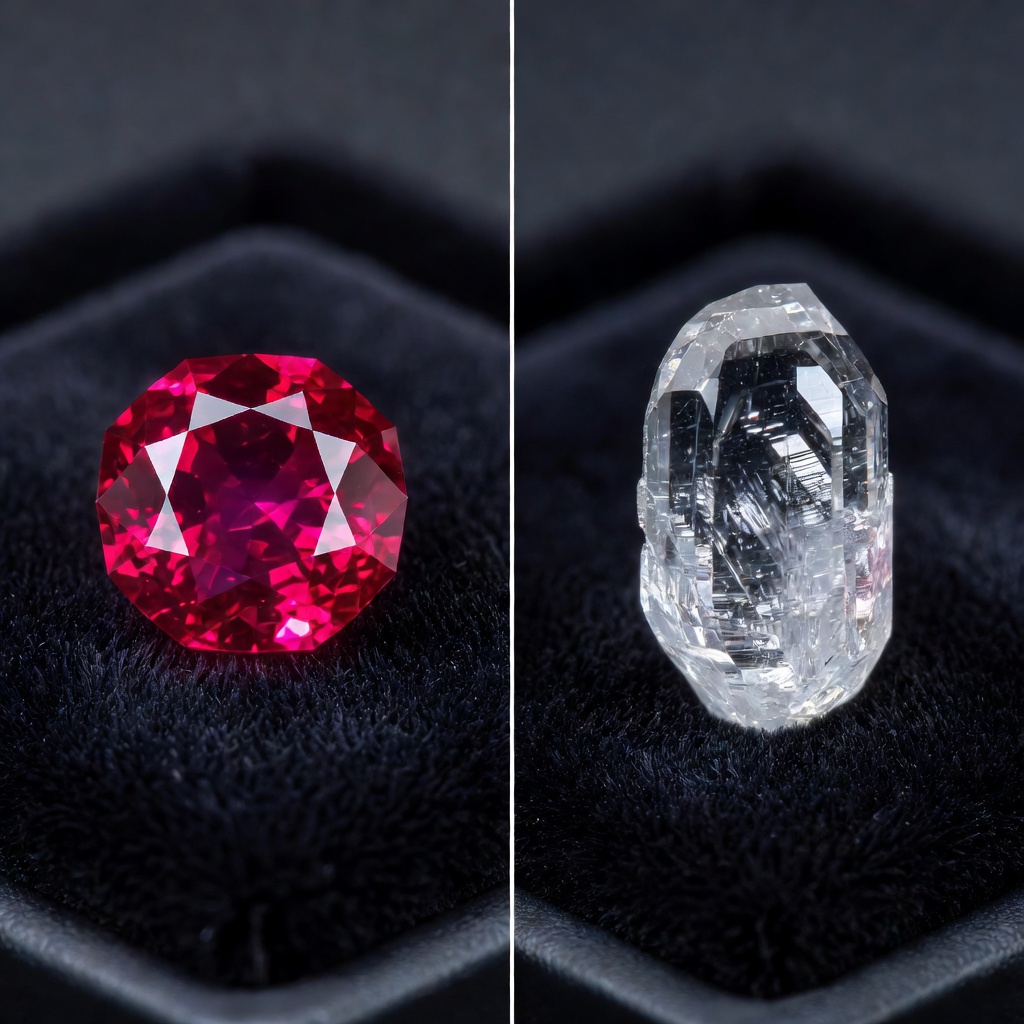
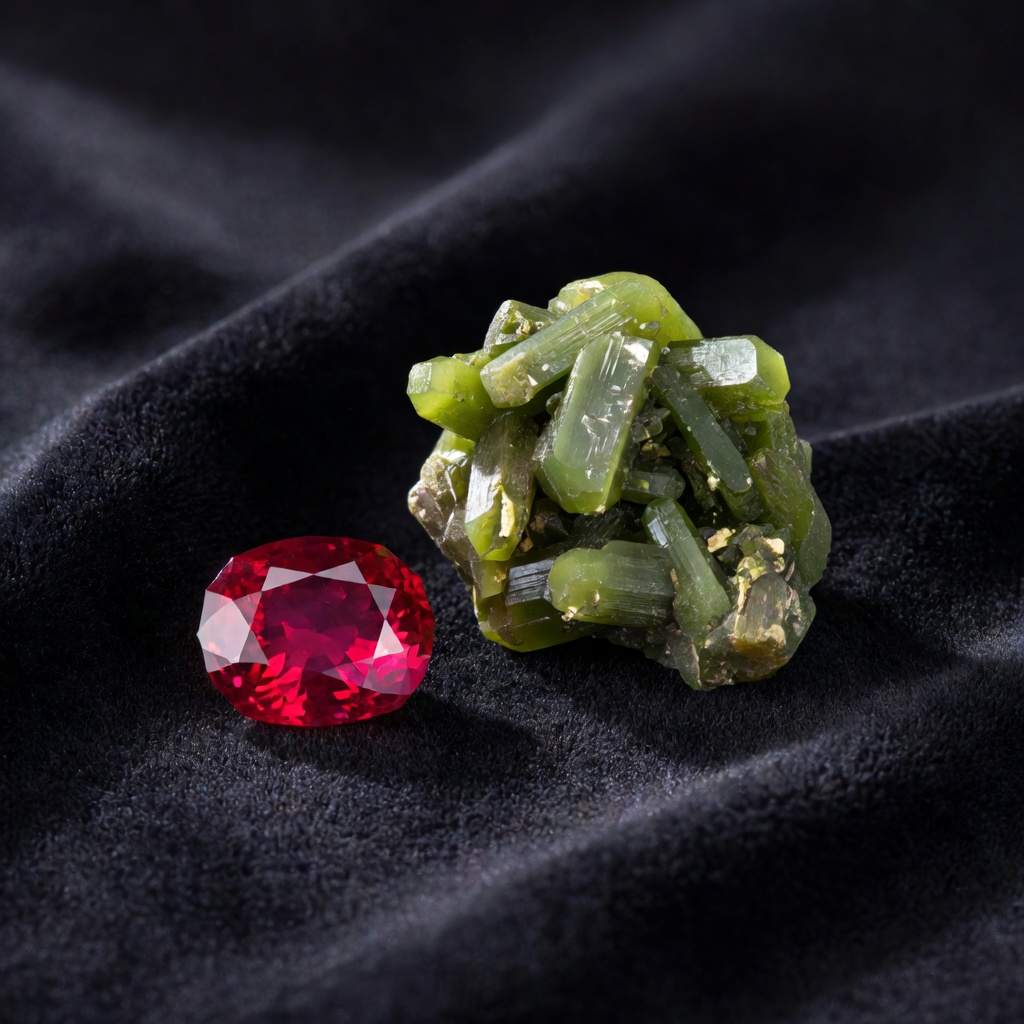
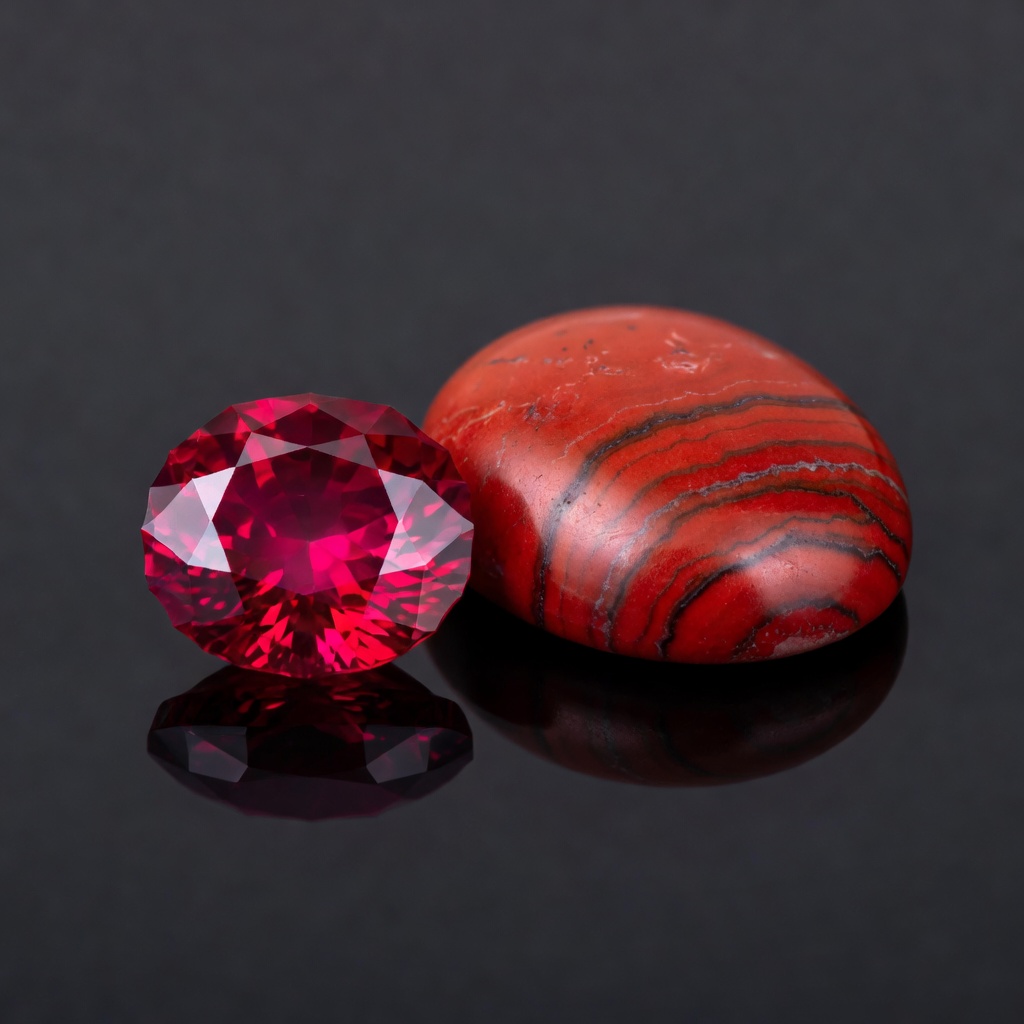
The visual distinction between these gemstones becomes immediately apparent when examining their luster, transparency, and color presentation, offering clear indicators for identification even to the untrained eye. Ruby exhibits a vitreous or glass-like luster combined with transparency that ranges from transparent to translucent, allowing light to penetrate the stone and create the internal brilliance and fire that make fine specimens so valuable, particularly those displaying the coveted "pigeon blood" red hue with subtle blue undertones that command premium prices in the gem market. Conversely, jasper displays an opaque body with a waxy, dull, or earthy luster that absorbs rather than transmits light, frequently presenting in various red tones ranging from brick red to deep crimson, often accompanied by characteristic banding, spotted patterns, or orbicular formations that reflect its formation history.
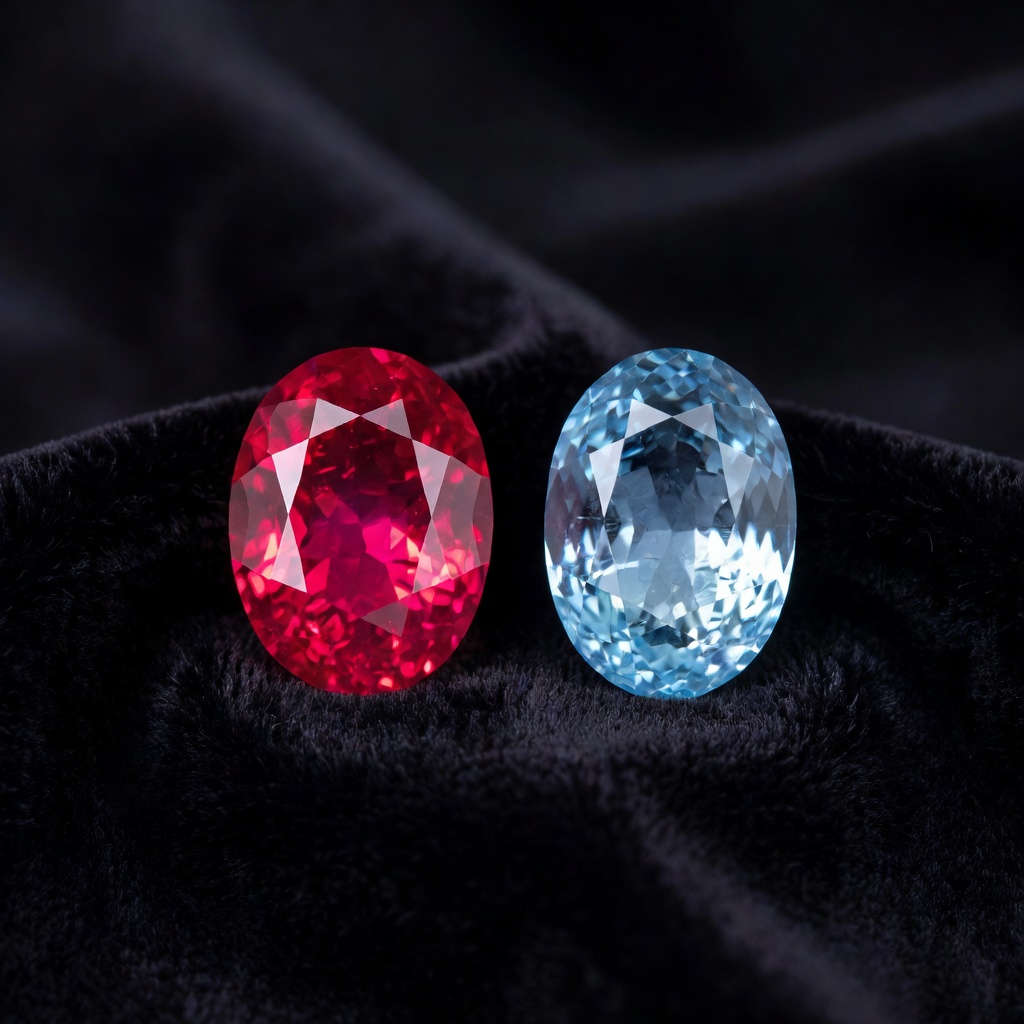
In the realm of Red gemstone comparison, cutting styles diverge significantly based on each stone's optical properties and structural characteristics. Ruby is traditionally cut into faceted shapes including rounds, ovals, cushions, and emerald cuts designed to maximize light return, brilliance, and the stone's natural transparency, with master cutters often spending hours orienting the crystal to achieve optimal color zoning and symmetry. Jasper, due to its opacity and pattern variations, is almost exclusively cut into cabochons (domed, unfaceted shapes), beads, or carved forms that showcase its unique color patterns and earthy textures, with designers often selecting pieces that highlight specific landscape-like imagery or banding sequences. When shopping for either stone, examine how the cut interacts with the material: faceted stones with high brilliance indicate ruby, while smooth, domed surfaces displaying organic patterns suggest jasper.
Value, Rarity, and Investment Considerations
The economic disparity between these stones reflects their relative rarity, cultural significance, and position within the gemstone market's hierarchy of precious versus semi-precious materials. Ruby gemstone value is substantial, as it stands alongside sapphire and emerald as one of the "big three" colored gemstones, with untreated, high-quality specimens from legendary sources like Myanmar's Mogok Valley or newer deposits in Mozambique potentially commanding thousands of dollars per carat, particularly for stones exceeding one carat with exceptional color saturation and minimal inclusions. Investment-grade rubies appreciate consistently over time, making them not only beautiful adornments but also tangible assets that can be passed down through generations as family heirlooms with maintained or increased monetary worth.
Jasper remains remarkably affordable and accessible, typically priced by the piece, strand, or carat weight at rates ranging from $5 to $50 for most specimens, with rare varieties such as Imperial Jasper or specific picture jaspers commanding higher but still modest prices compared to precious gemstones. For beginning collectors or those seeking to experiment with bold, statement jewelry without significant financial risk, jasper offers an excellent entry point into the world of lapidary arts and gemstone appreciation. When evaluating ruby purchases specifically for investment purposes, consider factors such as origin documentation (Burmese rubies often carry premium prestige), treatment disclosure (untreated stones hold significantly more value than heated or filled specimens), and color consistency, whereas jasper valuation focuses more on pattern uniqueness, cutting quality, and the artistic merit of finished pieces rather than geological rarity.
Jewelry Applications and Setting Recommendations
Selecting appropriate settings and jewelry styles requires careful consideration of each stone's physical limitations and aesthetic strengths to ensure both beauty and longevity. Ruby's superior hardness makes it ideal for engagement rings, eternity bands, and daily wear pieces that must withstand constant contact with various surfaces, with protective settings such as bezels or six-prong arrangements offering additional security for valuable stones while allowing maximum light exposure to enhance their brilliance. When pairing metals with ruby, white gold and platinum create striking contrast that emphasizes the stone's red saturation, while yellow gold can warm the appearance of stones with slightly purplish undertones, offering versatile design possibilities for both classic and contemporary jewelry styles.
Jasper performs best in jewelry applications that minimize exposure to hard impacts and abrasive surfaces, making it excellent for pendants, earrings, brooches, and occasional wear rings rather than daily wear bands or bracelets that knock against desks and countertops. The organic, earthy nature of jasper pairs beautifully with warm metals such as copper, bronze, or sterling silver, which complement its natural color palette and enhance its bohemian or rustic aesthetic appeal. For mixed-stone jewelry designs, avoid setting jasper directly adjacent to harder gemstones like ruby, diamond, or sapphire without protective barriers, as the hardness differential can cause the jasper to scratch or abrade over time, diminishing its polished surface and pattern clarity.
Metaphysical Properties and Crystal Healing Energy
Beyond their physical attributes, these stones diverge significantly in their attributed metaphysical properties and vibrational energies, serving different purposes in crystal healing practices and spiritual traditions. Ruby is associated with the base and heart chakras, embodying passionate energy, vitality, and life force that practitioners believe can stimulate blood circulation, enhance motivation, and ignite the fire of creativity and leadership within the wearer, making it a stone of manifestation and personal power. Crystal healing properties attributed to ruby include protection against psychic attack, support for emotional healing after trauma, and the amplification of life force energy that encourages boldness and courage in pursuing one's dreams and desires.
Jasper, particularly red jasper, connects primarily with the root chakra, offering grounding, stabilizing, and nurturing earth energies that promote feelings of safety, security, and physical vitality through steady, sustained support rather than intense stimulation. In meditation practices, jasper stone meaning encompasses endurance, persistence, and the ability to remain calm and centered during stressful situations, with different varieties such as Brecciated Jasper or Poppy Jasper offering specific nuances ranging from organizational clarity to joy and celebration. When selecting between these stones for spiritual work, choose ruby when seeking to activate passion, overcome lethargy, or open the heart to romantic love, and select jasper when needing to ground scattered energies, establish boundaries, or connect deeply with earth-centered consciousness during nature-based spiritual practices.
Care, Cleaning, and Maintenance Requirements
Proper maintenance protocols differ substantially between these minerals due to their varying porosity, chemical resistance, and hardness characteristics. Ruby's exceptional durability and chemical stability allow for relatively aggressive cleaning methods including ultrasonic cleaners and steam cleaning, provided the stone has no significant fractures or cavity fillings, though warm soapy water and a soft brush remain the safest universal method for routine maintenance. Store ruby jewelry separately from softer stones to prevent accidental scratching of other pieces, as ruby's hardness of 9 can damage virtually any other gemstone in your collection including pearls, opals, and yes, jasper.
Jasper requires significantly gentler care due to its porous nature and potential treatments such as dyeing or sealing that common commercial specimens may undergo to enhance their color. Clean jasper using only mild soap and lukewarm water with a soft cloth or brush, avoiding ultrasonic cleaners, steam, harsh chemicals, acids, and prolonged soaking that could penetrate microscopic pores and alter the stone's appearance or stability. When storing jasper, wrap pieces individually in soft cloth or place them in padded compartments away from harder gemstones, particularly keeping them separated from ruby jewelry that could scratch their surfaces during drawer movement or travel, preserving their polished finish and natural patterns for years of enjoyment.
Making Your Decision: Which Gemstone Is Right for You
Choosing between Ruby vs Jasper ultimately depends on aligning your specific needs, lifestyle factors, and aesthetic preferences with the inherent characteristics of each stone. If your budget allows for significant investment and you seek a durable, brilliant gemstone for daily wear that potentially appreciates in value while symbolizing passion and commitment, ruby represents the superior choice despite its higher price point and maintenance requirements. Consider your activity level and intended use carefully: active professionals, outdoor enthusiasts, or those seeking engagement stones should prioritize ruby's resilience, while those desiring artistic, statement pieces for special occasions or spiritual practice might find jasper's unique patterns and grounding energy more aligned with their intentions.
Aesthetic preferences play a crucial role in this decision, as ruby offers brilliant sparkle, transparency, and refined elegance suited to formal occasions and classic jewelry designs, whereas jasper provides organic textures, earthy warmth, and one-of-a-kind patterns that appeal to bohemian, artisanal, or nature-inspired sensibilities. For collectors, owning both stones allows for diverse expression across different contexts—ruby for moments requiring confidence and vitality, jasper for times needing stability and connection to natural rhythms. Whatever your choice, purchasing from reputable dealers who provide certification for rubies and disclosure of any treatments for jasper ensures you receive authentic, quality specimens worthy of your investment and appreciation.
Ruby vs Jasper: Detailed Comparison Table
| Characteristic | Ruby | Jasper |
|---|---|---|
| Chemical Composition | Aluminum Oxide (Corundum) | Microcrystalline Quartz (Chalcedony) |
| Mohs Hardness | 9 | 6.5 - 7 |
| Transparency | Transparent to Translucent | Opaque |
| Luster | Vitreous (Glass-like) | Waxy to Dull |
| Typical Colors | Red (Pigeon Blood to Pinkish) | Red, Brown, Yellow, Green, Banded Patterns |
| Value Range | $1,000 - $100,000+ per carat | $5 - $50 per piece (varies by size/quality) |
| Best Jewelry Use | Engagement Rings, Daily Wear | Pendants, Earrings, Occasional Wear |
| Cleaning Method | Ultrasonic, Steam, or Soap and Water | Mild Soap and Water Only |
| Primary Chakra | Heart and Root | Root |
Frequently Asked Questions
Is Jasper a type of Ruby?
No, jasper is not a type of ruby. While both can appear red, ruby is corundum (aluminum oxide) and jasper is chalcedony (microcrystalline quartz). They have completely different chemical compositions, crystal structures, and physical properties.
Which is more valuable, Ruby or Jasper?
Ruby is significantly more valuable than jasper. As one of the four precious gemstones, high-quality rubies can command thousands of dollars per carat, while jasper is a semi-precious stone typically priced by the piece rather than per carat, usually ranging from $5-$50 for most specimens.
How can I tell the difference between Ruby and Red Jasper?
Rubies are transparent to translucent with a glass-like (vitreous) luster and often show fluorescence under UV light. Jasper is opaque with a waxy or dull luster and frequently displays banding, spots, or patterns. Ruby is also much harder (9 vs 6.5-7) and will scratch jasper.
Can Ruby and Jasper be worn together in jewelry?
Yes, ruby and jasper can be combined in jewelry designs, but care must be taken because ruby's superior hardness (9) can scratch jasper (6.5-7) over time. It's best to set them in ways that minimize direct contact or use protective settings.
Is Jasper suitable for engagement rings like Ruby?
While jasper can be used for engagement rings, it is not recommended for daily wear due to its lower hardness (6.5-7) which makes it susceptible to scratching and chipping. Ruby, with its hardness of 9, is an excellent choice for engagement rings that withstand daily wear.
Which stone is better for crystal healing, Ruby or Jasper?
Both serve different healing purposes: ruby is associated with passion, vitality, and heart chakra work, while jasper excels in grounding, stability, and root chakra support. The 'better' choice depends on whether you need energizing (ruby) or stabilizing (jasper) energy.
Do Ruby and Jasper have the same birthstone associations?
No, ruby is the traditional birthstone for July, while jasper is not a traditional birthstone for any month, though it is sometimes associated with March as an alternative. Red jasper is often considered a zodiac stone for Aries and Scorpio.
Why is Ruby more expensive than Jasper despite both being red stones?
Ruby commands higher prices due to its rarity as a precious gemstone, exceptional hardness (9), transparency, and cultural significance. Jasper is abundant, opaque, softer, and more commonly available, making it an affordable semi-precious alternative for those seeking red earthy tones.