Understanding Ruby vs Ivory
When collectors and jewelry enthusiasts explore the fascinating world of precious materials, the comparison between Ruby vs Ivory often emerges as a study in contrasts. A natural ruby gemstone represents the pinnacle of mineral creation, formed deep within the earth's crust through intense geological processes that span millions of years. This precious corundum variety captivates with its vivid red hues derived from chromium inclusions, standing as one of the four cardinal gems alongside diamond, sapphire, and emerald. In stark contrast, ivory constitutes an organic material harvested from the dentin of animal tusks and teeth, historically sourced from elephants, walruses, and extinct mammoths, carrying with it both cultural heritage and complex ethical considerations.
The fundamental classification difference between these materials creates distinct categories in gemology and collecting circles. While rubies belong to the mineral kingdom as crystalline aluminum oxide, ivory represents biological matter composed of collagen and hydroxyapatite that grew organically throughout an animal's lifetime. Despite occupying different material classifications, collectors frequently compare Ruby vs Ivory when evaluating historical jewelry collections, estate pieces, and investment-grade artifacts. This comparison illuminates broader discussions about durability, ethics, and sustainability in the luxury goods market, offering insights that guide both novice collectors and seasoned connoisseurs in making informed acquisition decisions.
Origins and Formation: Geological vs Biological
The Geological Birth of Rubies
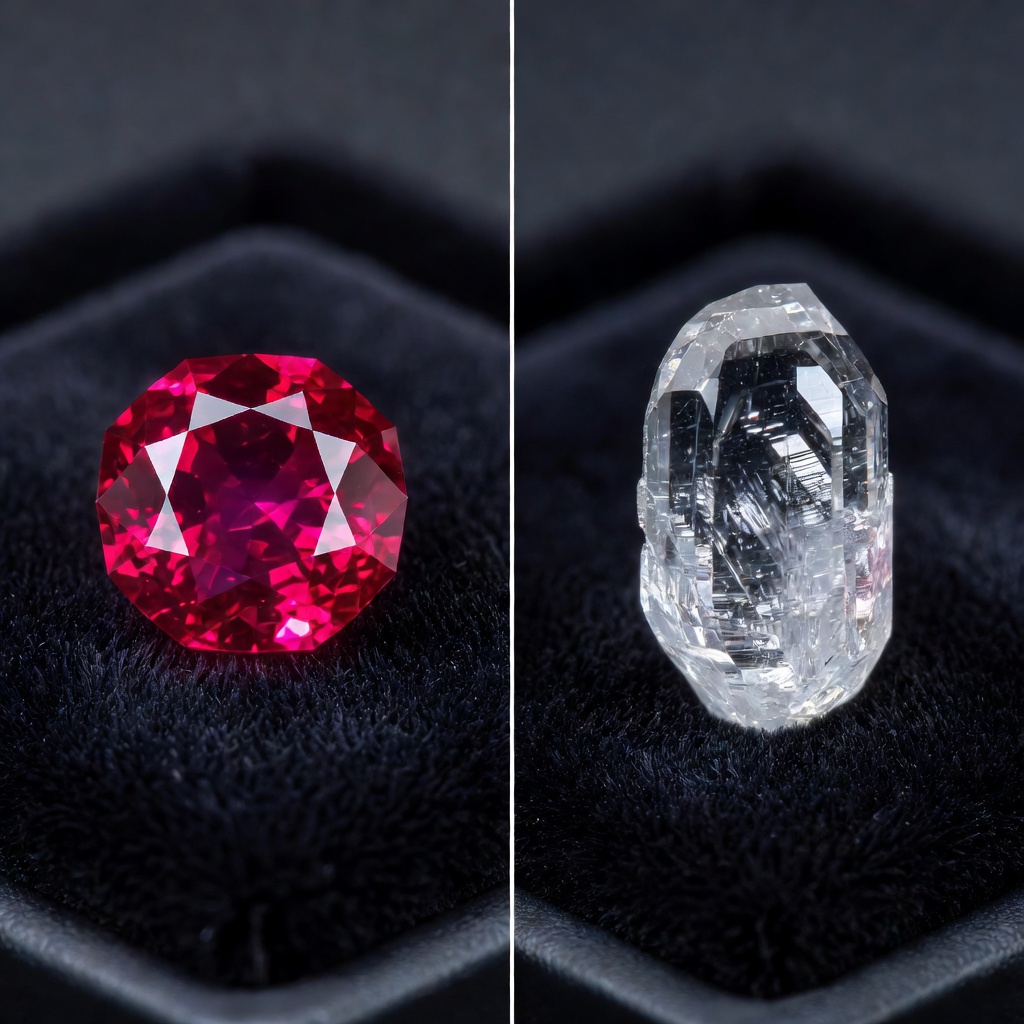
Natural ruby gemstones emerge from the earth through extraordinary metamorphic processes that subject aluminum oxide to extreme heat and pressure conditions. These corundum mineral properties develop when chromium atoms replace aluminum in the crystal lattice, creating the signature red coloration that ranges from pinkish-red to deep pigeon blood hues. Most significant deposits form within marble or basalt matrices, with primary sources including the legendary Mogok mines of Myanmar, the Montepuez deposits in Mozambique, and alluvial fields in Thailand and Madagascar. The geological formation requires specific temperature ranges between 600-800 degrees Celsius and substantial pressure over millions of years, resulting in the hexagonal crystalline structure that gives rubies their exceptional durability.
The Organic Development of Ivory
Unlike the mineral formation of gemstones, ivory develops as dental tissue that grows continuously throughout an animal's lifetime, creating distinctive layered structures visible under magnification. Elephant ivory, the most historically significant variety, forms in upper incisors that can grow several inches annually, incorporating environmental elements and dietary minerals into its organic matrix. When examining Mammoth ivory vs elephant ivory distinctions, collectors note that fossilized mammoth ivory, sourced from extinct species preserved in Siberian permafrost for millennia, displays distinctive blue or green mineral staining absent in contemporary elephant specimens. Other ivory sources include Pacific walrus tusks, which exhibit a distinctive core pattern, and wild boar tusks, each carrying unique Schreger line patterns that experts use for identification and authentication purposes.
Physical Properties and Durability Comparison
Understanding the Mohs hardness scale proves essential when comparing these materials for jewelry applications, as their durability characteristics differ dramatically. Ruby ranks 9 on the Mohs hardness scale, making it second only to diamond and exceptionally suitable for daily wear jewelry including engagement rings and bracelets. This exceptional hardness stems from the strong covalent bonds within the corundum crystal lattice, which resist scratching from almost all other materials except diamond itself. Conversely, ivory ranks merely 2.5 to 3 on the Mohs hardness scale, comparable to calcite or gold, rendering it soft and susceptible to scratching from fingernails, household dust, or accidental impacts.
Beyond surface hardness, these materials exhibit vastly different chemical stabilities that affect their longevity and care requirements. Natural ruby gemstone specimens demonstrate remarkable resistance to acids, heat, and environmental chemicals, allowing them to withstand ultrasonic cleaning and exposure to common household substances without degradation. Ivory, however, remains chemically sensitive, reacting adversely to acidic environments, extreme temperature fluctuations, and dehydration that can cause cracking or warping. The structural integrity of ruby relies on a rigid crystalline lattice, while ivory depends on organic collagen fibers bound with hydroxyapatite minerals, creating a material that remains technically responsive to humidity changes long after harvesting.
Comparative Analysis of Material Properties
| Property | Natural Ruby | Ivory |
|---|---|---|
| Mohs Hardness | 9 (Excellent) | 2.5-3 (Very Soft) |
| Chemical Composition | Aluminum Oxide (Al₂O₃) | Dentin (Collagen + Hydroxyapatite) |
| Heat Resistance | High (melting point 2,054°C) | Low (burns at 200°C) |
| Daily Wear Suitability | Excellent for rings/bracelets | Poor (brooches/pendants only) |
| Aging Characteristics | Stable, no degradation | Yellows, cracks, dries out |
| Specific Gravity | 4.0 (heavy) | 1.7-2.0 (buoyant) |
| UV Reaction | Strong red fluorescence | No fluorescence |
Visual Characteristics and Identification
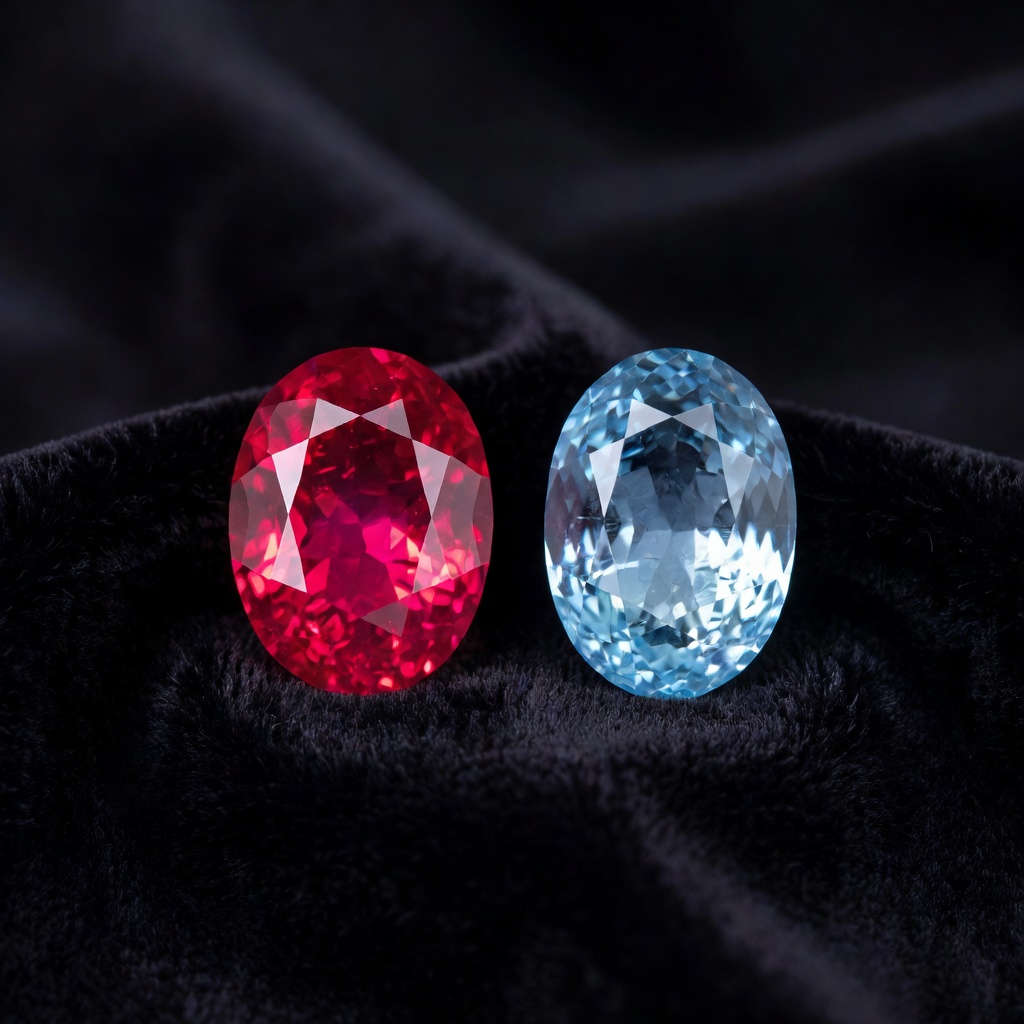
Distinguishing between these materials requires understanding their unique optical properties and surface characteristics under various lighting conditions. Natural ruby gemstones exhibit a vitreous to adamantine luster that creates brilliant reflections, particularly in well-cut stones that maximize light return through the pavilion facets. The most prized specimens display "pigeon blood" red coloration—a vivid, slightly purplish-red hue with medium-dark tone and strong saturation—accompanied by characteristic fluorescence under ultraviolet light that appears bright red. Gemologists often identify natural rubies by examining internal features such as rutile silk (fine needle-like inclusions), crystal inclusions, and growth zoning patterns visible under 10x magnification.
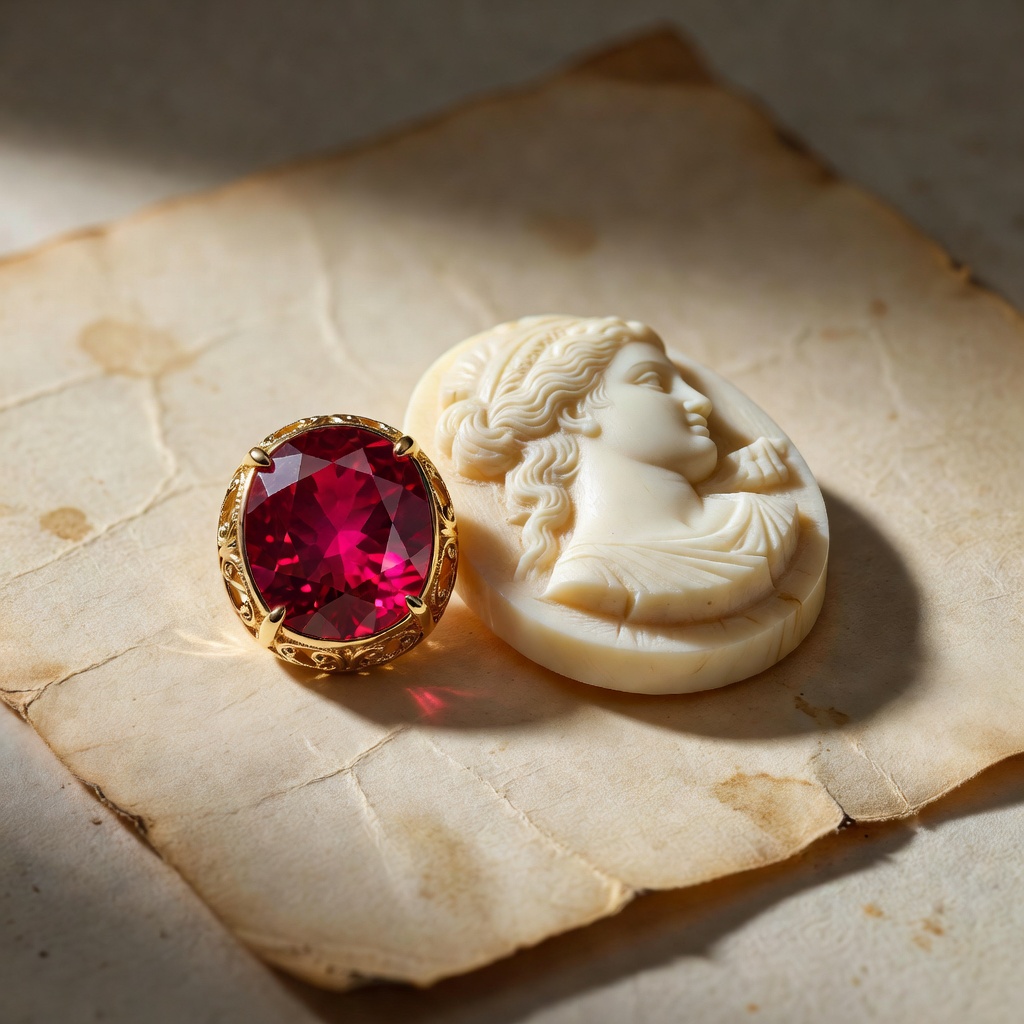
Antique ivory jewelry presents distinctly different visual cues that reflect its organic origins and historical aging processes. Fresh ivory appears creamy white to pale yellow, developing a warm honey patina over decades due to oxidation and natural oils, though excessive yellowing often indicates poor storage or artificial staining. The definitive identification feature remains the Schreger lines—intersecting cross-hatching patterns visible when examining cross-sections under magnification, created by the intersection of dentin tubules and incremental growth lines. Unlike the crystalline brilliance of ruby, ivory possesses a resinous or waxy luster that feels warm to the touch rather than cool, and it lacks the sharp facet edges seen in cut gemstones, instead displaying smooth, organic curves in carved pieces.
Ethical Considerations and Legal Regulations
Navigating the ethical landscape of Ruby vs Ivory requires understanding fundamentally different supply chains and conservation implications. Natural ruby gemstone mining raises concerns regarding environmental degradation, including habitat destruction and water pollution from alluvial mining operations, alongside labor practice issues in certain regions where small-scale mining dominates. However, ethical gemstone alternatives exist through Fair Trade certification programs that ensure miners receive living wages while implementing environmental restoration projects. Responsible ruby sourcing now emphasizes traceability from mine to market, with countries like Mozambique developing frameworks for sustainable extraction that minimize ecological footprints while supporting local economies.
The ivory trade operates under dramatically different legal constraints due to conservation crises affecting elephant populations worldwide. International trade in modern elephant ivory has been banned under CITES (Convention on International Trade in Endangered Species) Appendix I regulations since 1989, with additional domestic bans implemented in major markets including the United States, China, and European Union nations. When evaluating Mammoth ivory vs elephant ivory distinctions, collectors encounter a legal gray area where fossilized mammoth ivory remains technically legal in most jurisdictions since the species is extinct, though some regions have enacted specific restrictions to prevent laundering of illegal elephant ivory. Antique ivory jewelry predating 1970s trade restrictions may be legally traded with proper documentation proving provenance, though ethical considerations increasingly discourage even legal ivory acquisition due to the material's association with poaching and animal exploitation.
Market Value and Investment Potential
Investment advisors and collectors approach Ruby vs Ivory with markedly different strategies reflecting their divergent market trajectories. Natural ruby gemstone valuation follows the traditional 4Cs framework: Color commands premium pricing, with untreated Burmese pigeon blood rubies fetching $100,000+ per carat at auction, while clarity, cut, and carat weight establish baseline values. The ruby market maintains strong liquidity through established trading centers in Bangkok, Geneva, and New York, with untreated stones from classic localities showing consistent appreciation outpacing inflation and many traditional investments. Notable sales include the Sunrise Ruby, a 25.59-carat Burmese stone that sold for $30.3 million in 2015, demonstrating the category's investment-grade potential.
Conversely, antique ivory jewelry markets have contracted significantly over the past two decades due to legal restrictions and shifting consumer sentiment away from animal-derived materials. While historically significant carved pieces by renowned artisans or imperial Chinese carvings still command six-figure sums at specialized auctions, the buyer pool has shrunk considerably, creating illiquidity risks for investors. The documentation burden for legal ivory—requiring proof of age, provenance, and pre-ban status—adds transaction costs and legal risks that diminish investment appeal. Modern collectors increasingly view ivory as a depreciating asset class, with values expected to decline further as international restrictions tighten and ethical consumerism drives demand toward sustainable jewelry materials that avoid ecological controversy.
Jewelry Applications and Wearability
Practical applications for these materials diverge sharply based on their physical properties and durability constraints. Natural ruby gemstones excel in high-impact jewelry categories including engagement rings, tennis bracelets, and statement earrings designed for daily wear across generations. Their resistance to scratching allows jewelers to utilize versatile prong settings that maximize light exposure while maintaining security, though bezel settings offer additional protection for particularly valuable specimens. Case studies from major jewelry houses like Cartier and Van Cleef & Arpels demonstrate rubies set in platinum and gold mounting that remain pristine after decades of wear, requiring only occasional cleaning to maintain brilliance.
Antique ivory jewelry demands protective settings and limited wear scenarios due to its softness and environmental sensitivity. Jewelers typically mount ivory in protective bezel settings or frame carvings in metal borders that absorb impact, restricting designs primarily to brooches, pendants, and earrings that avoid direct contact with hard surfaces. Ivory rings and bracelets prove impractical for regular use, as the 2.5-3 Mohs hardness cannot withstand the abrasion and impact inherent in hand jewelry. Weight considerations also influence design choices: ruby's specific gravity of 4.0 creates substantial heft in larger pieces, while ivory's buoyant nature (specific gravity 1.7-2.0) allows for larger carved statement pieces without excessive weight, making it suitable for elaborate figural brooches or netsuke carvings where size matters more than durability.
Care, Maintenance, and Longevity
Maintaining the beauty of these materials requires tailored approaches reflecting their distinct compositions and vulnerabilities. Natural ruby gemstones tolerate aggressive cleaning methods including ultrasonic baths and steam cleaning, provided the stones lack significant fracture fillings or glass residue treatments that could be damaged by vibration or heat. Routine maintenance involves simple warm soapy water washing with a soft brush to remove accumulated oils and dirt, followed by storage in soft cloth pouches separate from other gemstones to prevent scratching. Rubies essentially offer eternal durability under normal conditions, retaining their brilliance and structural integrity for centuries without degradation, making them ideal for multi-generational heirloom jewelry.
Ivory demands meticulous environmental control and gentle handling to prevent the deterioration that afflicts organic materials over time. Owners must maintain relative humidity between 40-60% to prevent the dehydration that causes cracking or the excess moisture that promotes mold growth, often requiring climate-controlled display cases or storage with silica gel packets. Direct sunlight exposure proves particularly damaging, accelerating the yellowing process and causing surface checking (fine cracks) that permanently mars the material. Unlike rubies, ivory requires regular conditioning with mineral oil or specialized conservation waxes to replace natural oils lost over time, and cleaning must be limited to gentle wiping with damp cloths rather than immersion in water. These maintenance demands make ivory unsuitable for heirloom jewelry intended for regular wear, as the material inevitably develops age cracks and color shifts regardless of care quality.
Sustainable Alternatives and Modern Substitutes
Contemporary jewelry markets offer numerous ethical gemstone alternatives that satisfy aesthetic desires while avoiding the controversies associated with traditional materials. For those seeking the red brilliance of ruby at accessible price points or with guaranteed ethical sourcing, lab-created corundum offers identical chemical composition and optical properties to mined stones at fraction of the cost. Natural alternatives include red spinel, historically confused with ruby and found in similar geological environments, alongside rhodolite garnet and red tourmaline, which provide excellent durability and color without mining concerns associated with certain ruby localities. These substitutes allow consumers to enjoy red gemstone jewelry while supporting transparent supply chains and reduced environmental impact.
The search for sustainable jewelry materials to replace ivory has generated innovative solutions that replicate organic aesthetics without ecological devastation. Vegetable ivory derived from tagua nuts (Phytelephas species) offers a renewable, biodegradable alternative that carves similarly to animal ivory and develops a comparable patina over time, supporting rainforest conservation efforts in South America. Other ethical options include bone from naturally deceased animals, synthetic ivorite composites, and fossil mammoth ivory—though the latter remains controversial despite legality. Bio-engineered materials utilizing collagen matrices and 3D printing technologies represent the cutting edge of ivory substitutes, promising to eventually replicate dentin's microscopic structure without any animal involvement. These innovations respond to growing consumer demand for Ruby vs Ivory comparisons that prioritize planetary health and animal welfare alongside aesthetic considerations.
Conclusion: Making the Right Choice
When evaluating Ruby vs Ivory for personal collections or investment portfolios, the decision ultimately hinges on intended use, ethical values, and long-term preservation goals. Natural ruby gemstones offer unmatched durability, legal clarity, and liquidity for those seeking heirloom jewelry that withstands daily wear and appreciates financially over generations. The mineral hardness and chemical stability of corundum ensure that ruby pieces require minimal maintenance while retaining their beauty indefinitely, aligning with sustainable consumption principles that prioritize longevity over disposability. For engagement rings, anniversary gifts, or statement jewelry intended for regular use, rubies provide the only practical choice between these two materials.
Antique ivory jewelry retains value primarily within specialized collecting niches focused on historical artistry, ethnographic significance, or sculptural merit rather than wearable jewelry applications. The organic heritage of ivory carries undeniable cultural weight, particularly in carved netsuke, religious artifacts, or Victorian-era jewelry, yet legal restrictions and ethical concerns increasingly marginalize the material in mainstream markets. Future market predictions suggest continued appreciation for untreated Burmese rubies as supplies dwindle, while ivory faces increasingly restrictive trade regulations and shrinking collector bases. Ultimately, modern consumers benefit from choosing ruby—a material that combines geological wonder with ethical wearability—while appreciating ivory primarily as a historical artifact best preserved in museums rather than worn on the body.
Frequently Asked Questions
Is Ivory More Valuable Than Ruby?
No, high-quality rubies typically command higher prices per carat than ivory. While rare antique ivory carvings can be valuable to collectors, the ivory market has declined significantly due to trade restrictions, whereas fine untreated Burmese rubies continue appreciating in value. Top-tier pigeon blood rubies often sell for tens or hundreds of thousands of dollars per carat at auction, while even exceptional antique ivory pieces rarely achieve comparable per-gram valuations in current markets.
Is It Legal to Buy Ivory Jewelry?
It depends on the source and age. Modern elephant ivory trade is banned under international CITES regulations, but antique ivory (pre-1970s with proper documentation) and fossil mammoth ivory are legal in most jurisdictions. Always verify provenance documentation before purchasing, as laws vary significantly between countries and even between states within the United States. Recent regulatory trends increasingly restrict all ivory trade regardless of age, suggesting potential future difficulties in reselling even legally acquired pieces.
What Is the Hardness Difference Between Ruby and Ivory?
Ruby ranks 9 on the Mohs hardness scale (second only to diamond), making it extremely durable for daily wear. Ivory ranks only 2.5-3 on the Mohs scale, making it soft, easily scratched, and unsuitable for rings or bracelets that receive impact. This dramatic difference means ruby can scratch glass and withstand household abrasion, while ivory can be damaged by fingernails, dust particles, or accidental bumps against doorframes.
How Can You Tell the Difference Between Ruby and Ivory in Vintage Pieces?
Rubies display vitreous luster, red fluorescence under UV light, and may show crystalline inclusions. Ivory exhibits distinctive Schreger lines (cross-hatch patterns) when viewed under magnification, has a warmer creamy color, and shows organic grain structure rather than crystalline facets. Additionally, ruby feels cool and heavy to the touch with sharp facet edges, while ivory feels warm, lightweight, and displays smooth organic curves without geometric faceting.
Why Is Ruby Considered Ethical While Ivory Is Controversial?
Rubies are minerals mined from the earth, and while mining has environmental impacts, it doesn't involve animal exploitation. Ivory requires killing elephants or other tusked animals (except fossil mammoth), driving poaching and endangerment, making it ethically problematic despite historical cultural use. Modern ethical frameworks increasingly prioritize animal welfare and biodiversity conservation, positioning ruby as a conflict-free mineral resource compared to ivory's direct connection to wildlife mortality and population decline.
Which Material Is Better for Heirloom Jewelry: Ruby or Ivory?
Ruby is significantly better for heirloom jewelry due to its durability (9 Mohs), chemical stability, and ability to withstand daily wear for generations. Ivory is too soft, sensitive to environmental changes, and legally complicated to pass down across borders or generations. Ruby pieces require minimal maintenance and face no legal restrictions on inheritance or resale, while ivory heirlooms may become legally untransferable or require complex documentation that burdens future generations.
What Are Ethical Alternatives to Ivory That Look Similar?
Vegetable ivory from tagua nuts offers a sustainable, cruelty-free alternative with similar appearance and carving properties. Other options include bone (from already deceased animals), synthetic ivorite, or fossil mammoth ivory (extinct species, legal but controversial). For jewelry applications, cream-colored pearls, white coral (where legally harvested), or carved mother-of-pearl provide organic aesthetics without elephant exploitation, while resin composites effectively mimic ivory's visual characteristics at lower costs.
Does Ruby or Ivory Require More Maintenance?
Ivory requires significantly more maintenance than ruby. Ivory needs controlled humidity (40-60%), protection from direct sunlight, and regular conditioning to prevent cracking. Rubies only need occasional cleaning with warm soapy water and can withstand normal environmental conditions without degradation. The maintenance burden for ivory essentially disqualifies it from practical jewelry use, requiring museum-quality environmental control that proves impractical for personal adornment worn outside climate-controlled environments.