Introduction: Understanding Ruby vs Indicolite
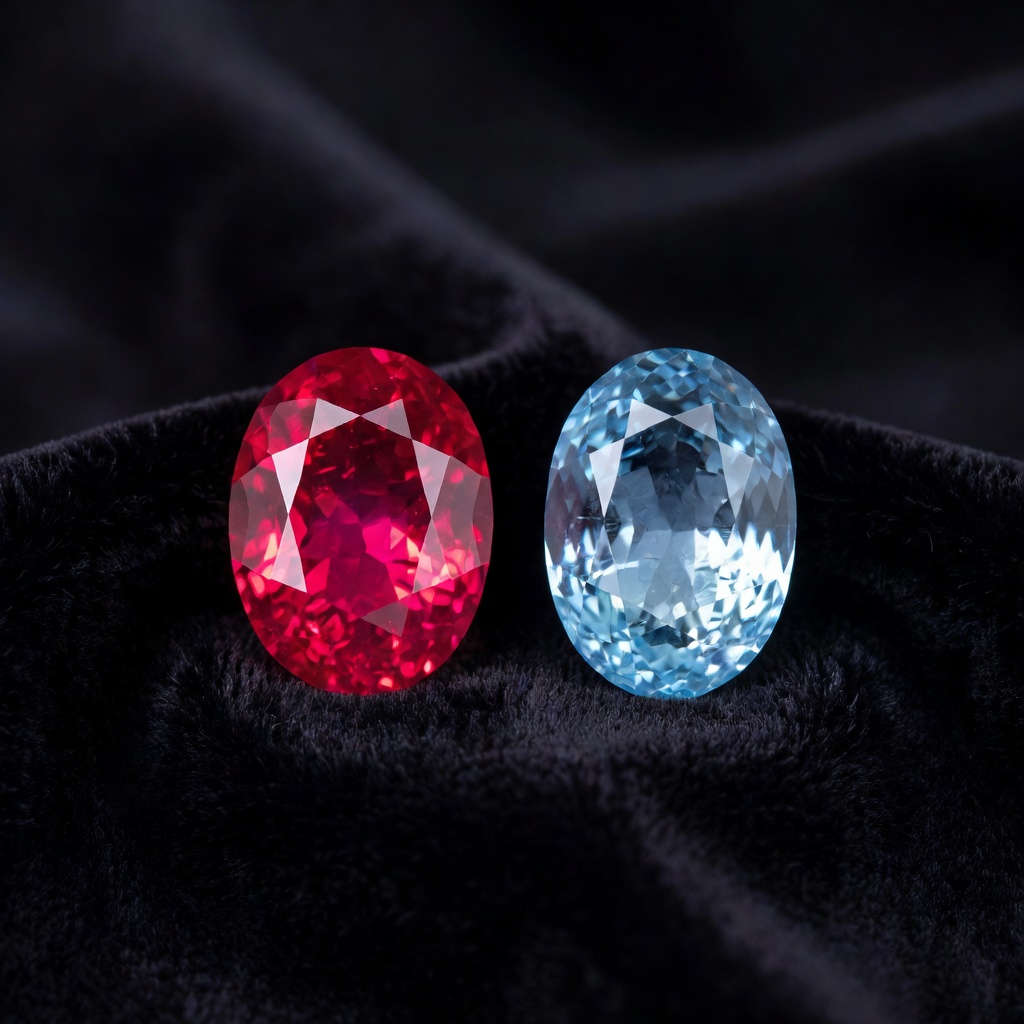
When collectors evaluate precious colored stones, the comparison of ruby vs indicolite represents a fascinating study in contrasts between two of nature's most captivating creations. Ruby, scientifically classified as red corundum or aluminum oxide colored by chromium traces, stands as one of the traditional "big three" colored gemstones alongside sapphire and emerald, commanding respect for millennia as the "King of Gems." Indicolite, conversely, represents the rare blue variety of tourmaline specifically from the elbaite species, displaying hues that range from deep oceanic blues to sophisticated teals that rival fine aquamarine and blue sapphire in intensity and saturation.
These gemstones frequently attract comparison from serious collectors and jewelry designers despite their dramatically different chemical compositions because both offer intense color saturation and rarity in the upper echelons of the gem market. However, they diverge significantly in hardness, long-term value retention, and overall rarity metrics, making the choice between them dependent on intended use, budget constraints, and lifestyle considerations rather than aesthetic appeal alone. Understanding these fundamental differences helps buyers make informed decisions when investing in high-quality colored gemstones for personal collections or meaningful jewelry pieces.
Color Characteristics and Visual Appeal
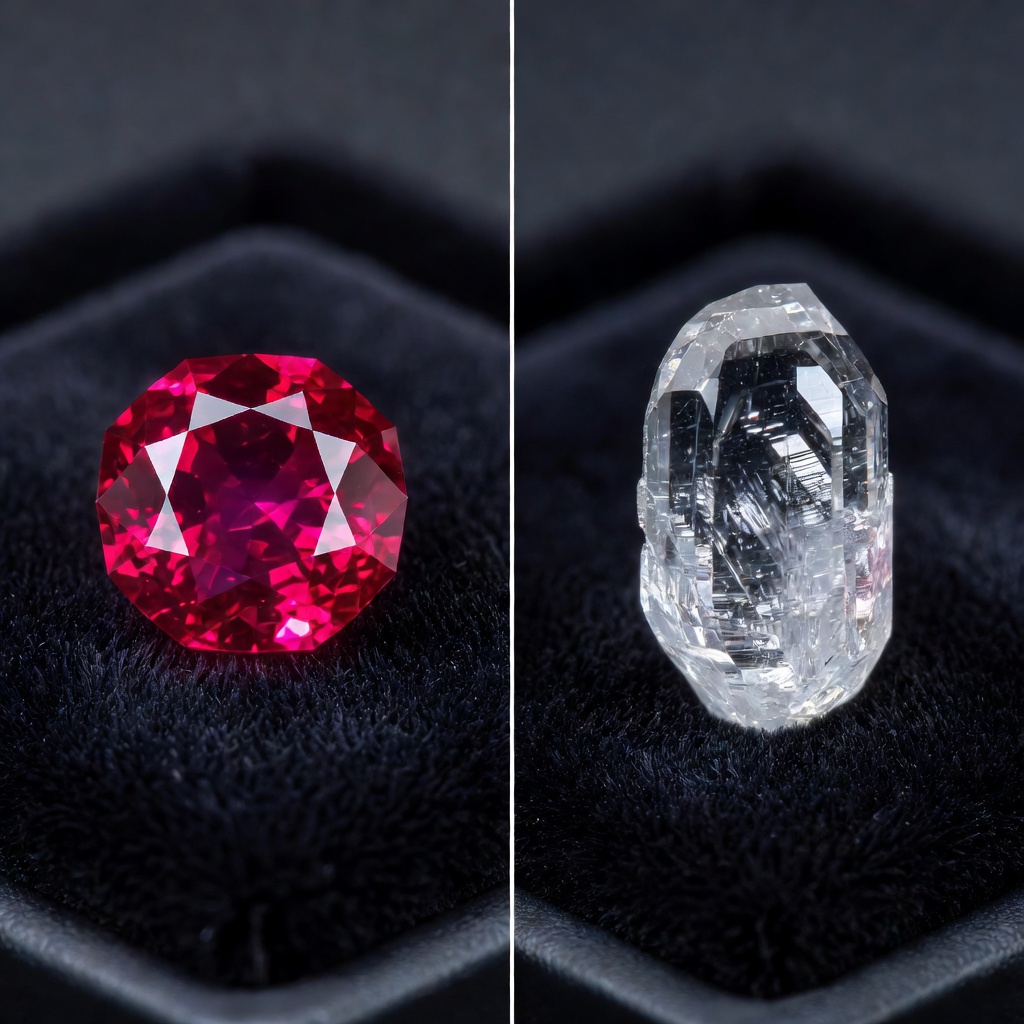
The visual distinction between these gemstones begins with their fundamental color chemistry, where pigeon blood ruby represents the pinnacle of desirability with its pure, vivid red hue that appears to glow from within with almost fluorescent intensity. Lesser rubies may display pinkish-red or slightly purplish undertones depending on their geographic origin and chromium content, with Burmese stones typically commanding premium prices for their pure red "pigeon's blood" coloration that lacks secondary purple or orange modifiers. This specific shade results from balanced chromium content combined with the absence of iron, creating the legendary "stoplight red" that has captivated royalty and collectors for centuries.
Indicolite color presents an entirely different emotional resonance, spanning from deep midnight blue reminiscent of the Atlantic depths to lighter blue-green and teal variations that shift dramatically under different lighting conditions, particularly fluorescent versus incandescent illumination. Unlike ruby's singular color presentation, indicolite exhibits strong pleochroism, an optical phenomenon where the stone displays different colors—typically dark blue, light blue, and sometimes greenish tones—when viewed from different crystallographic directions, requiring master cutters to orient the table facet carefully to maximize the preferred blue hue while minimizing green extinction. This complexity makes each indicolite unique, with stones often showing fascinating color shifts as the wearer moves.
Clarity expectations differ substantially between these gems, as rubies are classified as Type II gemstones typically containing natural inclusions known as "silk" that can actually enhance value when they create asterism or star effects, whereas high-quality indicolite often achieves exceptional transparency with minimal inclusions. When selecting indicolite, collectors should prioritize eye-clean specimens that allow light to pass through unimpeded, maximizing the stone's aquatic brilliance, while ruby buyers must balance the desire for clarity against the reality that completely inclusion-free natural rubies over one carat are extraordinarily rare and often command astronomical premiums that reflect their exceptional nature.
Durability and Hardness Comparison
Understanding the practical durability differences between these stones requires examining the gemstone hardness comparison where ruby ranks 9 on the Mohs scale compared to indicolite's 7 to 7.5, a distinction that significantly impacts their suitability for various jewelry applications and daily wear scenarios. While hardness specifically measures scratch resistance, toughness—the resistance to breaking and chipping—reveals another critical difference, as ruby possesses excellent toughness due to its corundum structure lacking cleavage planes, whereas indicolite belongs to the tourmaline group characterized by moderate brittleness and distinct cleavage that makes it vulnerable to sharp impacts and thermal shock.
For engagement rings and jewelry subjected to daily wear, ruby's superior hardness and toughness make it an ideal candidate for heirloom pieces that can withstand decades of continuous use without significant abrasion or structural damage. Indicolite demands protective settings and occasional wear to prevent damage from accidental knocks against hard surfaces, making it better suited for pendants and earrings where impact risk remains minimal rather than rings that encounter daily hazards. The vulnerability to scratches and chips increases substantially for indicolite when worn in rings, as its 7-7.5 hardness means common household dust containing quartz (hardness 7) can potentially abrade the surface over time, unlike ruby which resists virtually all scratches except from diamond or moissanite.
| Characteristic | Ruby (Corundum) | Indicolite (Tourmaline) |
|---|---|---|
| Chemical Composition | Aluminum Oxide with Chromium Traces | Complex Borosilicate (Elbaite Species) |
| Mohs Hardness | 9 | 7 - 7.5 |
| Toughness | Excellent (No Cleavage Planes) | Moderate (Distinct Cleavage) |
| Color Range | Pigeon Blood Red to Pinkish-Red | Deep Blue to Blue-Green, Teal |
| Optical Properties | Singly Refractive | Doubly Refractive with Strong Pleochroism |
| Primary Sources | Myanmar, Mozambique, Thailand, Madagascar | Brazil, Afghanistan, Nigeria, Namibia |
| Price Range (Fine Quality) | $10,000 - $100,000+ per carat | $500 - $3,000 per carat |
| Ideal Jewelry Applications | Engagement Rings, Daily Wear Pieces | Pendants, Earrings, Occasional Rings |
| Common Enhancements | Heat Treatment, Glass Filling | Oiling, Clarity Enhancement |
Geographic Origins and Rarity Factors
The geographic provenance of these gemstones significantly influences their rarity and market positioning, with premium ruby sources historically centered in Myanmar's Mogok region, where the legendary pigeon blood variety commands the highest prices due to centuries of exhausted mining and political complications affecting supply. Modern production increasingly comes from Mozambique, Thailand, and Madagascar, with Mozambican rubies now representing significant market share, though they typically contain higher iron content that produces darker, less fluorescent reds compared to classic Burmese material. These origin differences create distinct market tiers, with untreated Mogok rubies achieving prices ten to twenty times higher than heated African stones of similar apparent quality.
Indicolite mining locations present a different geographic distribution, with significant deposits found in Brazil's historic tourmaline regions (distinct from the copper-bearing Paraiba tourmaline localities), Afghanistan's rugged mountainous regions, Nigeria, and Namibia, each producing stones with slightly different color profiles and clarity characteristics. Brazilian indicolite typically shows the purest blue tones, while Afghan material often displays the deepest saturation, and African sources frequently produce larger crystals suitable for substantial statement pieces. When comparing rarity, fine unheated rubies exceeding two carats with true pigeon blood color represent some of the rarest gemstones on earth, frequently outstripping diamond scarcity, while high-clarity deep blue indicolite without greenish undertones remains scarce but generally more available in the current market through specialized dealers.
Environmental and ethical mining considerations increasingly influence collector decisions, as Myanmar's ruby trade faces ongoing scrutiny regarding human rights practices and military-controlled mining operations, whereas indicolite sources in Brazil and Africa present their own complex challenges regarding artisanal mining conditions and environmental restoration efforts. Conscious buyers must navigate these concerns through certified dealers who provide documentation regarding ethical sourcing, with fair-trade indicolite from specific Nigerian cooperatives and responsibly mined Mozambican rubies offering alternatives for ethically minded collectors who refuse to support exploitative practices regardless of gemstone beauty.
Market Value and Investment Potential
Market valuation reveals stark contrasts between these gemstones, with untreated Burmese rubies commanding $10,000 to $100,000 or more per carat for fine specimens over three carats, while Brazilian indicolite typically ranges from $500 to $3,000 per carat depending on color intensity and clarity, making the blue tourmaline significantly more accessible for budget-conscious collectors seeking rare blue gemstones. Investment trends favor ruby as a traditional blue-chip gem asset that has maintained value appreciation for centuries, particularly documented unheated stones with Burmese origin that appreciate reliably even during economic downturns, whereas indicolite represents an emerging market opportunity for speculators betting on increasing scarcity as Brazilian deposits deplete, though with higher volatility and lower liquidity that makes it less suitable as a pure investment vehicle.
The impact of treatments on value cannot be overstated in the tourmaline vs corundum markets, as heat treatment in rubies—while common and accepted—reduces value by 30 to 50 percent compared to unheated specimens, while oiling or clarity enhancement in indicolite, though less prevalent, similarly affects pricing structures and requires explicit disclosure in laboratory reports to maintain market transparency. Resale market liquidity strongly favors ruby, which enjoys established auction house records at Christie's and Sotheby's plus dedicated collector networks worldwide that facilitate quick sales at fair market prices, while indicolite requires more specialized venues and longer marketing periods to achieve optimal returns, making it better suited for long-term personal enjoyment rather than short-term speculation despite its aesthetic merits.
Symbolism, History, and Cultural Significance
The cultural resonance of these stones spans millennia, with ruby earning titles such as the "stone of kings" in Sanskrit texts and serving as the ultimate symbol of passion, protection, and vitality across Hindu, Burmese, and European royal traditions, while also serving as the July birthstone and traditional gift for 40th wedding anniversaries representing enduring flame and commitment. Ancient Burmese warriors believed inserting rubies into their flesh made them invincible in battle, while Hindu traditions considered rubies the "ratnaraj" or king of gems, capable of reconciling disputes and warning owners of impending danger by darkening in color. This rich history creates emotional value that transcends mere material worth, making ruby the preferred choice for those seeking jewelry with deep historical resonance and provenance.
Indicolite gemstone properties in metaphysical traditions connect primarily to the throat chakra and third eye, promoting clear communication, psychic awareness, emotional healing, and the calm expression of inner truth, offering cooling, soothing vibrations that contrast sharply with ruby's fiery stimulation of the root chakra and life force energy. Unlike the blue tourmaline vs ruby distinction in physical properties, their energetic purposes prove complementary rather than competing, with practitioners typically recommending ruby for individuals seeking motivation, leadership qualities, or enhanced physical vitality, while indicolite suits those working through communication blocks, seeking meditation aids, or requiring assistance with public speaking and emotional expression. Anniversary gemstone traditions clearly differentiate these stones, with ruby celebrating four decades of marriage representing enduring passion, while tourmaline honors eighth anniversaries, giving couples multiple opportunities to incorporate these meaningful stones into their jewelry wardrobes at different life stages.
Jewelry Design and Setting Considerations
Jewelry design considerations necessitate different approaches for each stone, with protective setting requirements demanding bezel settings or protective halos for indicolite to shield its vulnerable edges and cleavage planes from impact during daily activities, while ruby's durability allows for versatile prong settings that maximize light return and showcase the stone's brilliance securely without constant risk of damage. When designing with indicolite, jewelers often recommend V-prongs or full bezel mounts that cover the girdle and corners, particularly for emerald cuts or other step-cut styles that expose vulnerable edges, whereas ruby accommodates delicate claw prongs and tension settings that would prove disastrous for softer stones. This practical difference affects not only the aesthetic outcome but also the long-term security of the investment, with indicolite requiring more metal protection that may slightly obscure the stone compared to ruby's ability to shine in minimal settings.
Metal color pairings follow traditional warm versus cool aesthetics, where yellow gold and rose gold enhance the warm red undertones of ruby, creating classic, regal appearances that have dominated jewelry design for centuries and complement vintage-inspired settings beautifully, whereas white gold or platinum settings optimize indicolite color by complementing its cool blue tones and preventing any warm metal reflection that might muddy the stone's clarity or emphasize unwanted green secondary hues. Cut styles that maximize color differ between these gems, with oval and cushion cuts proving ideal for ruby to concentrate color and minimize the extinction often seen in darker stones, while emerald cuts and step cuts frequently suit indicolite by emphasizing its clarity and creating dramatic flashes of blue light that highlight its pleochroic nature and crystal quality. Pairing with accent stones allows for creative expression, with diamonds providing traditional contrast to ruby's red fire, while aquamarine, moonstone, or even blue sapphire can create sophisticated monochromatic or complementary palettes with indicolite that emphasize its oceanic color story and ethereal glow.
Authentication, Treatments, and Lab Certification
Authentication processes reveal significant differences in common enhancement methods, where lead glass filling (fracture filling) in rubies represents a major concern in lower-quality material, creating stones that require special care and cleaning methods to prevent glass damage, while indicolite more commonly undergoes oiling or resin filling to improve clarity appearance, though heating is less common in blue tourmaline than in its pink rubellite counterparts. Laboratory certification importance cannot be overstated for high-value specimens, with reports from GIA (Gemological Institute of America), AGL (American Gemological Laboratories), or GRS (GemResearch Swisslab) providing essential documentation regarding origin, treatment status, and authenticity that protects buyers from misrepresentation in the complex colored stone market where undisclosed enhancements can reduce value by thousands of dollars. These certificates provide peace of mind and essential documentation for insurance and resale purposes, making them non-negotiable for significant purchases of either gemstone variety.
Visual identification tips include using a dichroscope to detect indicolite's strong pleochroism, which reveals two distinct colors (typically blue and green or colorless) when viewed through the instrument, whereas ruby shows only one color due to its singly refractive nature as corundum, providing a quick field test for gemologists and advanced collectors that requires minimal equipment. Red flags for synthetic or simulant stones include unusually low prices for apparent high-quality material, bubble inclusions in flux-grown synthetic rubies, and the presence of curved growth patterns or "V" shaped inclusions visible under magnification that distinguish lab-created stones from their natural counterparts in both gem varieties. Buyers should insist on magnification loupe examination before purchasing, looking for natural inclusion patterns that confirm geological origin rather than manufacturing artifacts that betray synthetic production.
Making Your Choice: Lifestyle and Budget Guide
Making the final decision between these gemstones requires honest lifestyle assessment, as active individuals who work with their hands, engage in sports, or maintain busy households should strongly prefer ruby for its ability to withstand daily knocks and abrasion without showing wear, while indicolite suits those seeking occasional statement pieces for social occasions rather than everyday wear that exposes the stone to unnecessary risk. Budget optimization strategies favor indicolite for collectors desiring substantial carat weights and visual presence, as a $5,000 budget might acquire a 3-5 carat fine indicolite with excellent color versus a sub-carat commercial-quality ruby or small accent stone, allowing for impressive jewelry pieces without the extreme premium associated with tourmaline vs corundum rarity differences. This value proposition makes indicolite particularly appealing for cocktail rings and pendant designs where size matters more than hardness.
Color wardrobe coordination plays a crucial role in the ruby vs indicolite decision, with warm skin tones and wardrobes featuring earth tones, reds, oranges, and autumn palettes harmonizing beautifully with ruby's fiery warmth, while cool skin tones and wardrobes dominated by blues, grays, silvers, and winter colors find natural complementarity with indicolite's aquatic hues and teal undertones. Long-term care commitment differs significantly between these stones, as ruby requires minimal maintenance beyond occasional professional cleaning and prong checks every few years, while indicolite demands more vigilant care including removal during household cleaning, avoidance of ultrasonic cleaners and steam cleaning, and careful storage separate from harder gemstones to prevent surface abrasion and chipping that could compromise its beauty over time.
Frequently Asked Questions
Is Indicolite More Expensive Than Ruby?
Generally speaking, high-quality untreated Burmese rubies command significantly higher prices per carat than even the finest indicolite specimens available in the current market, with top pigeon blood rubies regularly achieving prices exceeding $10,000 per carat while comparable indicolite typically ranges between $500 and $3,000 per carat depending on quality. However, rare Paraiba-type indicolite containing copper and manganese from specific Brazilian mines, particularly those exhibiting intense neon-blue coloration, can approach ruby prices especially in larger sizes over three carats where crystal rarity becomes a significant factor. The price disparity reflects both the historical prestige associated with ruby as one of the cardinal gems and the fundamental differences in hardness and durability that make ruby more suitable for long-term jewelry applications, though indicolite remains an excellent value proposition for collectors seeking rare blue gemstones without the extreme premium commanded by fine corundum.
Can Indicolite Be Worn Daily Like Ruby?
Indicolite is not recommended for daily wear in rings or bracelets due to its 7-7.5 Mohs hardness and inherently brittle nature that makes it susceptible to chipping and breaking when subjected to the impacts common in everyday activities such as typing, cooking, or manual labor. Ruby, with a hardness of 9 and excellent toughness derived from its corundum crystal structure, stands as one of the few colored gemstones truly suitable for everyday jewelry like engagement rings that must withstand decades of continuous wear without significant degradation. Indicolite performs admirably in pendants and earrings where it faces minimal risk of direct impact, but ring settings require protective bezel mounts and removal during physical activities to preserve the stone's integrity, whereas ruby can tolerate prong settings and active lifestyles with minimal risk of damage.
How Can I Tell the Difference Between Indicolite and Blue Sapphire?
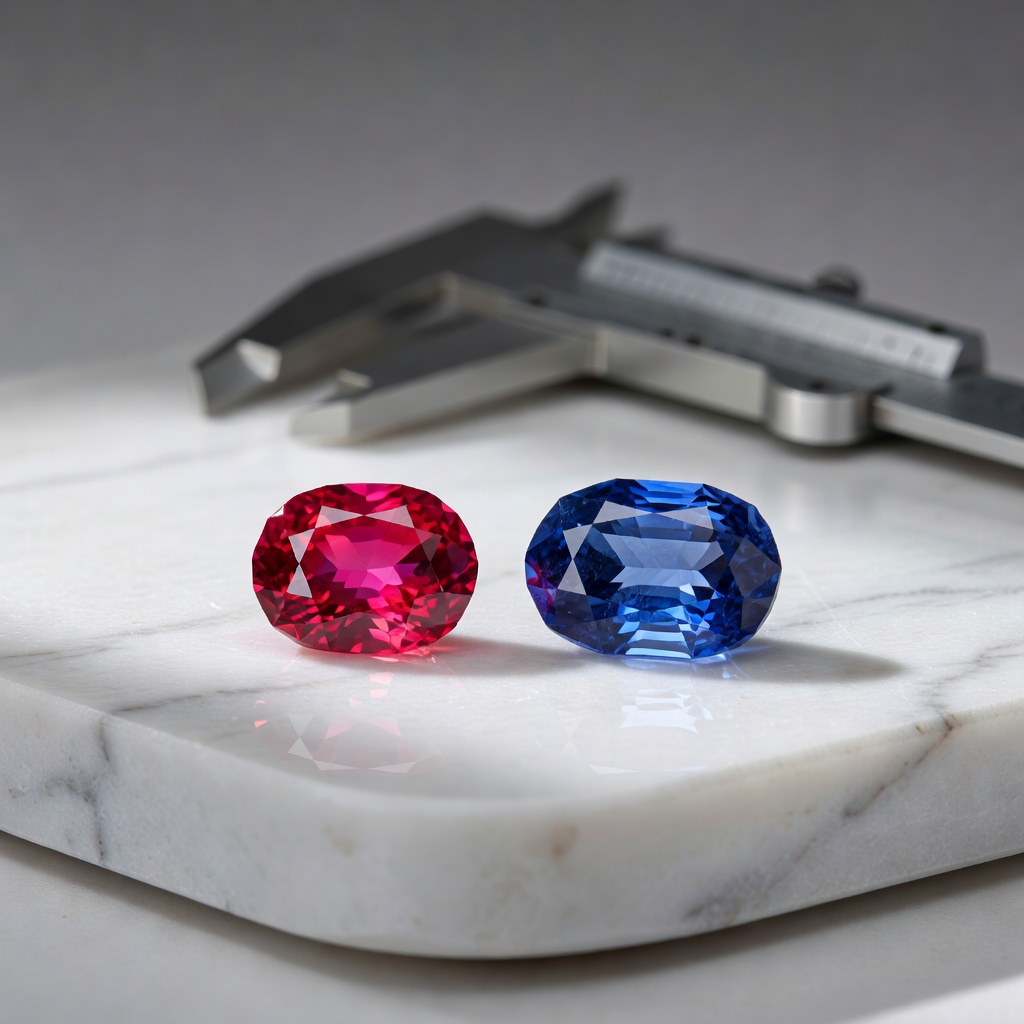
Indicolite, being a variety of blue tourmaline, displays strong pleochroism showing different colors—typically dark blue and lighter blue or greenish tones—from different viewing angles, while sapphire maintains uniform color regardless of orientation due to its different crystal structure. Indicolite often exhibits a distinctive teal or greenish undertone compared to sapphire's pure blue or violet-blue coloration, and under magnification, tourmaline frequently shows distinctive elongated gas-liquid inclusions or growth tubes unlike sapphire's fingerprint inclusions or silk. A dichroscope or polariscope can readily confirm tourmaline's optical properties, as the instrument will reveal two distinct colors when viewing indicolite versus one color for sapphire, providing gemologists and educated consumers with definitive identification tools to distinguish these similar-looking blue gemstones.
Which Is Rarer: Pigeon Blood Ruby or Fine Indicolite?
Untreated pigeon blood rubies from Myanmar's Mogok region represent some of the rarest gemstones on Earth, significantly outstripping fine indicolite in both absolute scarcity and market availability, particularly for specimens exceeding two carats without heat treatment or significant inclusions. While high-clarity deep blue indicolite without green undertones and with excellent transparency remains genuinely scarce in the marketplace, it is more readily available through specialized dealers than top-tier unheated rubies of comparable quality, which may appear at major auction houses only a handful of times per year. The rarity differential explains much of the price divergence between these stones, as pigeon blood rubies have achieved legendary status among collectors seeking the absolute pinnacle of red gemstones, whereas indicolite, though beautiful and uncommon, does not occupy the same mythical status in gemological history.
Do Rubies and Indicolite Have Different Meanings in Crystal Healing?
Yes, these gemstones serve completely different energetic purposes in metaphysical traditions, with ruby associated with the root chakra, vitality, passion, and protection, stimulating life force energy and confidence while grounding the wearer in physical reality and courage. Indicolite connects primarily to the throat and third eye chakras, promoting clear communication, psychic awareness, emotional calm, and the expression of inner truth, offering cooling, soothing vibrations that contrast with ruby's warming, activating energy. Practitioners typically recommend ruby for individuals seeking motivation, leadership qualities, or enhanced circulation and physical vitality, while indicolite suits those working through communication blocks, seeking meditation aids, or requiring assistance with public speaking and emotional expression, making them complementary rather than competing stones in healing crystal collections.
What Metal Setting Works Best for Indicolite vs Ruby?
Rubies traditionally pair beautifully with yellow gold, which enhances their warm red tones and creates a classic, regal aesthetic that has dominated jewelry design for centuries, though white metals like platinum or white gold create striking modern contrast that emphasizes the stone's color purity and contemporary appeal. Indicolite performs best in white gold or platinum settings that enhance its cool blue tones and prevent any warm metal reflection that might detract from the stone's aquatic color clarity, though innovative designers increasingly use rose gold to create striking contemporary designs that juxtapose warm metal against cool blue stone for artistic effect. The choice ultimately depends on personal color preference and wardrobe coordination, but traditionalists favoring timeless elegance typically select yellow gold for ruby while those seeking sleek, modern aesthetics or Celtic-inspired designs gravitate toward white metals for indicolite settings.
Are There Synthetic Versions of Ruby and Indicolite on the Market?
Yes, flux-grown and hydrothermal synthetic rubies flood the market and require sophisticated lab testing including spectroscopy and inclusion analysis to distinguish from natural stones, as these manufactured corundum crystals duplicate natural chemical and physical properties while lacking the geological history that commands premium prices. Synthetic blue tourmaline (indicolite) exists but remains less common than synthetic ruby due to lower market demand and the relative availability of natural material, though buyers should remain vigilant for look-alikes such as irradiated blue quartz or glass imitations that lack the optical properties and specific gravity of genuine tourmaline. Additionally, composite stones present significant concerns, including garnet-topped doublets for ruby that combine a red garnet crown with a glass pavilion to simulate ruby's appearance, and irradiated or coated quartz sold as inexpensive indicolite alternatives, making certification from reputable laboratories essential for significant purchases.
Is Indicolite a Good Alternative to Blue Sapphire?
Indicolite serves as an excellent alternative to blue sapphire for collectors seeking a unique blue gemstone at a more accessible price point, offering distinctive teal-blue and oceanic tones rarely found in natural sapphire while providing a different optical character through its pleochroic nature. However, prospective buyers must accept the significant trade-off in durability, as indicolite's 7-7.5 hardness versus sapphire's 9 rating means the tourmaline requires more careful handling and protective settings to prevent damage during daily wear, unlike sapphire's nearly invincible nature. Indicolite particularly appeals to those desiring stones in the 2-5 carat range where fine sapphire becomes prohibitively expensive, or individuals drawn to the blue-green color spectrum that indicolite often displays, providing a fresh aesthetic alternative to the traditional royal blue associated with fine sapphire while maintaining respectable gemstone status.