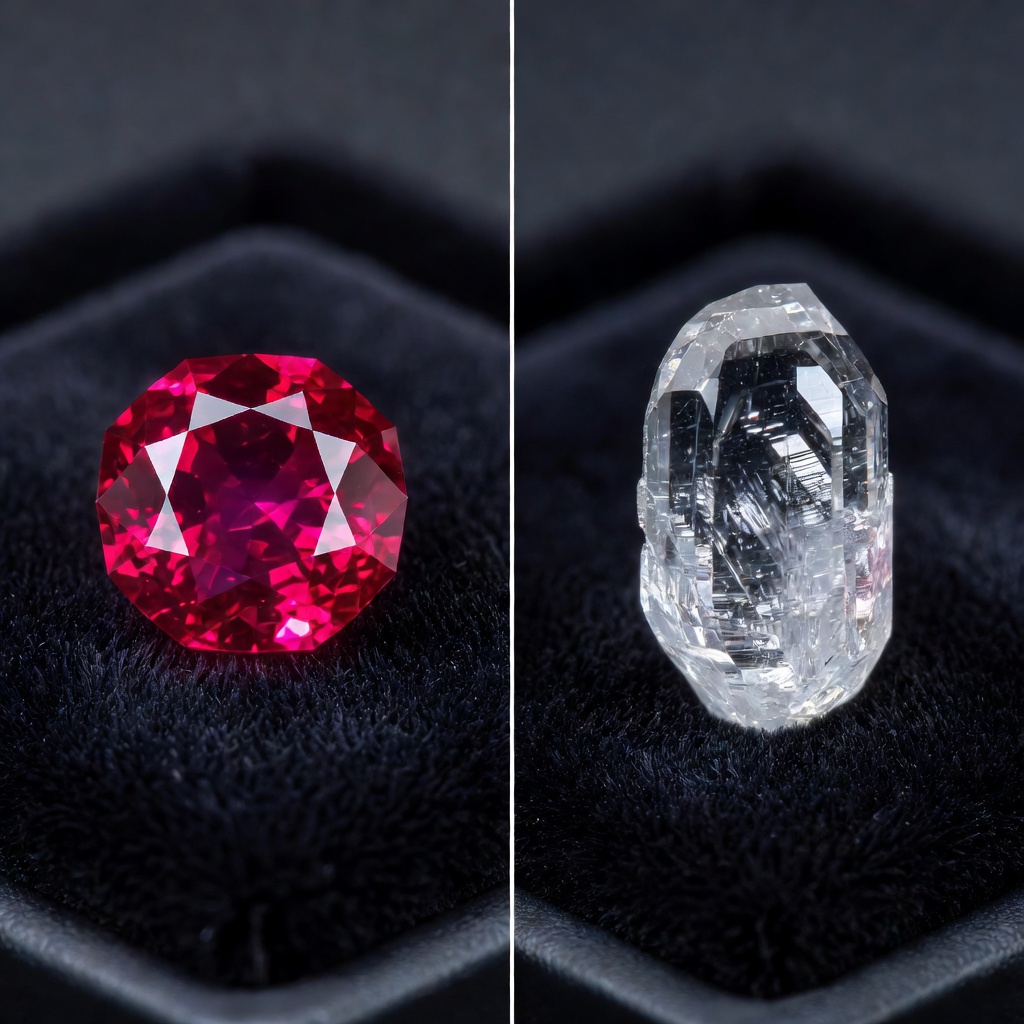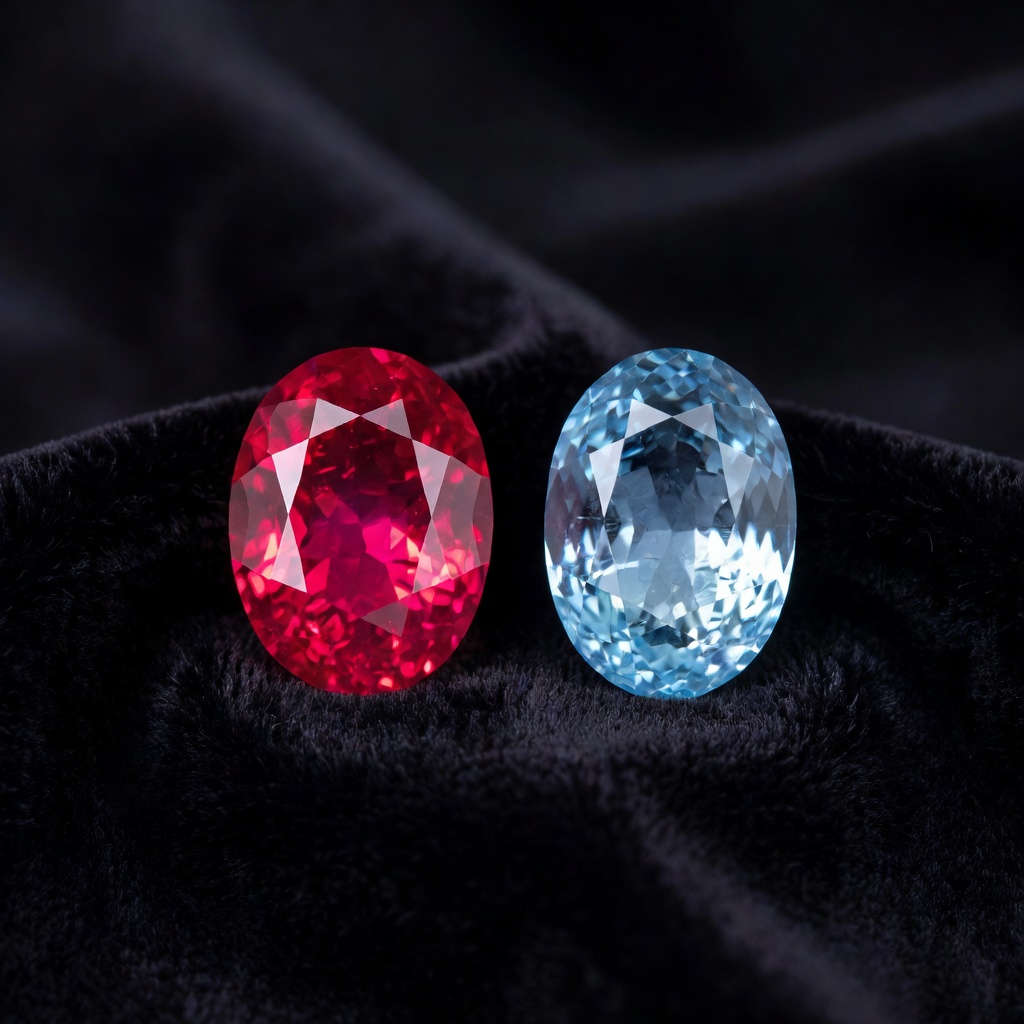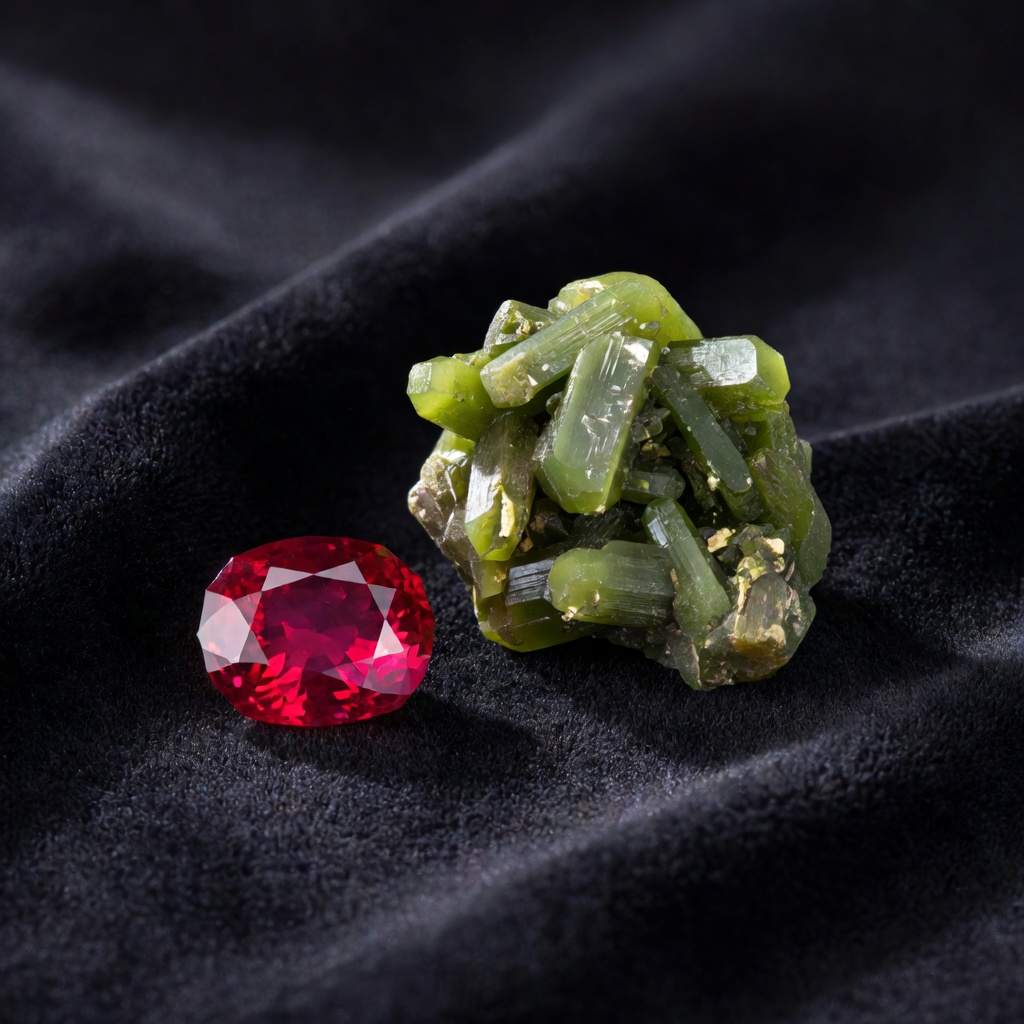
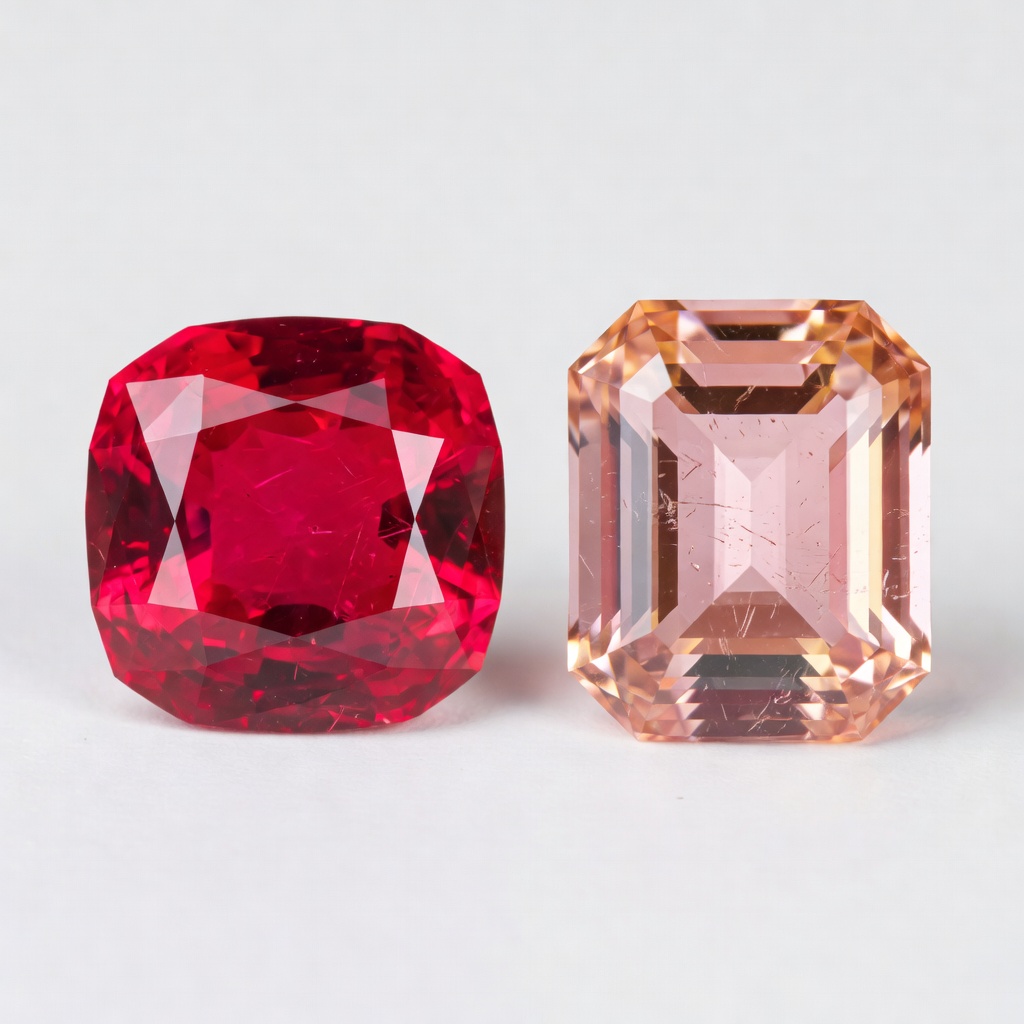
Introduction: Understanding Ruby and Imperial Topaz
When evaluating precious stones for fine jewelry or investment portfolios, the comparison between Ruby vs Imperial Topaz presents a fascinating study in contrasts within the gemological world. Ruby, a variety of corundum (Al₂O₃) colored by chromium ions, stands as one of the cardinal gems with a Mohs hardness rating of 9, making it second only to diamond in durability. This ruby gemstone has commanded royal reverence for millennia, with its vivid red hues symbolizing passion and power across virtually every culture. Conversely, Imperial Topaz represents the rarest and most valuable variety of topaz, an aluminum fluorosilicate mineral colored by trace elements that creates distinctive peach-to-salmon pink tones rarely found in nature.
Both gems occupy premium positions within their respective mineral families, yet they appeal to distinctly different sensibilities and budgets. While ruby maintains its status as one of the "big three" colored gemstones alongside emerald and sapphire, commanding exceptional prices per carat that often exceed those of diamonds, Imperial Topaz offers collectors an opportunity to own extraordinarily rare natural gemstones at relatively more accessible price points. The dichotomy between these stones extends beyond mere chemical composition; it encompasses durability, cultural significance, treatment history, and investment potential. Understanding these nuances is essential for any serious collector or buyer navigating the complex landscape of high-end gemstone acquisition.
Color Characteristics and Grading
The visual distinction between these natural gemstones forms the primary basis for collector preference, with each stone offering unique optical properties that appeal to different aesthetic sensibilities. Color grading for both gems involves sophisticated analysis of hue, tone, and saturation, yet the criteria and rarity factors differ substantially between the chromium-based reds of ruby and the delicate sunset hues of imperial topaz.
The Pigeon Blood Phenomenon in Rubies
The finest ruby gemstone specimens display what trade experts term "pigeon blood" red, a vivid, saturated pure red with a hint of blue that exhibits strong fluorescence under daylight conditions. This extraordinary color results from specific chromium content combined with low iron levels, creating a glowing, almost internal radiance that seems to illuminate the stone from within. Gemological laboratories grade rubies based on the intensity of this red saturation, with stones showing pure red without brown or orange modifiers commanding the highest imperial topaz value equivalents in the ruby market. Geographic origin significantly influences color perception and value, with Burmese rubies historically setting the standard for this coveted pigeon blood hue, while newer deposits from Mozambique and Madagascar offer slightly different tonal variations that appeal to modern collectors.
The Unique Peach-to-Salmon Spectrum of Imperial Topaz
Authentic Imperial Topaz derives its name and value from displaying a distinctive range of colors from sherry-orange to delicate peach and salmon-pink hues, completely absent of brown or yellow modifiers that would classify the stone merely as precious topaz. Unlike ruby's singular color direction, imperial topaz exhibits pleochroism, showing different colors when viewed along different crystal axes—typically orange-yellow to pink-orange—which creates a subtle, shifting luminosity that captivates connoisseurs. The most valuable specimens display a balance of pink and orange tones reminiscent of a tropical sunset, with larger stones generally showing more saturated color than smaller fragments. It is crucial for buyers to note that imperial topaz can fade with prolonged exposure to ultraviolet light or strong sunlight, requiring protective settings and storage conditions that preserve its delicate natural coloration.
Hardness, Durability and Wearability
Practical considerations regarding gemstone hardness comparison must guide any purchasing decision, particularly for jewelry pieces intended for daily wear versus occasional display. The structural differences between corundum and topaz extend beyond mere numerical ratings on the Mohs scale, encompassing toughness, cleavage planes, and thermal stability that directly impact longevity and maintenance requirements.
Ruby's Superior Toughness for Daily Wear
Ranking 9 on the Mohs hardness scale, ruby possesses exceptional durability that makes it ideal for engagement rings, bracelets, and other high-impact jewelry subjected to constant wear. Unlike many hard gemstones that suffer from brittleness, ruby lacks cleavage planes—meaning it has no natural direction of weakness where the crystal might split under stress—contributing to its legendary toughness throughout centuries of royal regalia use. This durability extends to thermal properties; ruby withstands high temperatures encountered during jewelry repairs, allowing bench jewelers to resize rings or retip prongs without removing the stone. For active individuals seeking a July birthstone that can endure daily activities without scratching or chipping, ruby remains the premier choice among colored gemstones.
Imperial Topaz's Cleavage Considerations
While Imperial Topaz ranks 8 on the Mohs scale—still significantly harder than most household dust and debris—it possesses perfect basal cleavage, meaning the crystal can split cleanly along one specific plane if struck at the correct angle. This characteristic necessitates protective bezel settings or halo designs that shield the girdle edges, particularly for ring applications where impact against hard surfaces presents genuine risk. Additionally, imperial topaz demonstrates sensitivity to rapid temperature changes; sudden shifts from hot to cold environments can create internal stress fractures, making this November birthstone better suited for pendants, earrings, and brooches that experience less thermal variation and physical trauma. Collectors should consider these limitations when designing custom pieces, ensuring that the setting architecture accommodates the stone's structural vulnerabilities while maximizing its display.
Origins, Mining Locations and Rarity
Geographic provenance dramatically influences both the value and characteristics of these precious stones, with specific mining regions producing distinctive qualities that command premium recognition in international markets. The concentration of high-quality deposits varies significantly between these gems, with implications for long-term availability and investment scarcity.
Myanmar's Mogok Valley and Modern Ruby Sources
Premium ruby gemstone production historically centers on Myanmar's Mogok Valley, where alluvial deposits have yielded the legendary "pigeon blood" stones that define the category's pinnacle. These Burmese mines, operating for over 800 years, produce rubies with a distinctive fluorescence and color saturation resulting from specific geological conditions involving marble host rocks and low-iron environments. In recent decades, significant new production has emerged from Mozambique's Montepuez mines and Madagascar deposits, offering the market alternatives to Burmese material while often requiring heat treatment to achieve comparable color intensity. The political and ethical complexities surrounding Myanmar's gemstone trade have elevated the importance of these newer origins, though untreated Burmese rubies remain the undisputed aristocrats of the category.
Brazil's Ouro Preto: The Sole Source of True Imperial Topaz
Authentic Imperial Topaz originates exclusively from the Ouro Preto region of Minas Gerais, Brazil, specifically from the Vermelhao and Capao mines that produce the world's only consistent supply of natural peach-pink material. Historical Russian deposits, which allegedly supplied the Czar's court and inspired the "imperial" designation, have been depleted for over a century, rendering Brazilian material the only source for new specimens. While imperial topaz crystals frequently occur in larger sizes than ruby rough—sometimes yielding faceted stones exceeding 50 carats—truly gem-quality specimens with saturated color and clarity above 5 carats remain exceptionally scarce. This geographic singularity creates supply vulnerability; any disruption to Brazilian mining operations or depletion of existing veins would immediately impact global availability, potentially accelerating the price appreciation already observed in fine specimens.
Value, Price and Market Comparison
Understanding the economic dynamics of gemstone investment requires careful analysis of price structures, market liquidity, and value drivers that differentiate these two premium offerings. While both represent significant financial commitments, the entry points and appreciation trajectories vary substantially between ruby's established luxury market and imperial topaz's emerging collector niche.
| Characteristic | Ruby | Imperial Topaz |
|---|---|---|
| Chemical Composition | Corundum (Al₂O₃) with Chromium | Aluminum Fluorosilicate with Trace Elements |
| Mohs Hardness | 9 (Excellent for daily wear) | 8 (Requires protective settings) |
| Primary Color Range | Pigeon Blood Red to Pinkish-Red | Peach-Orange to Salmon-Pink |
| Primary Origin | Myanmar, Mozambique, Madagascar | Brazil (Ouro Preto exclusively) |
| Price per Carat (Fine Quality) | $10,000 - $100,000+ | $500 - $3,000 (Exceptional: $5,000+) |
| Treatment Prevalence | Over 90% heat-treated | Virtually untreated (Natural color prized) |
| Optimal Jewelry Use | Engagement rings, daily wear pieces | Pendants, earrings, occasional-wear rings |
| Investment Liquidity | High (Established auction market) | Moderate (Specialized collectors) |
| Birthstone Month | July | November (Premium alternative) |
Ruby's Premium Market Position
Fine untreated rubies from Burma command prices ranging from $10,000 to over $100,000 per carat, with record-breaking sales at major auction houses exceeding $1 million per carat for exceptional stones above five carats. This pricing reflects not only rarity but also intense demand from Asian markets, particularly China and Thailand, where ruby holds deep cultural significance as a symbol of prosperity and protection. The gemstone buying guide for ruby investors emphasizes the critical importance of origin documentation and treatment disclosure; untreated Burmese stones typically achieve 300-500% premiums over heated material of similar appearance. For collectors seeking precious stones investment vehicles with proven track records, ruby offers historical stability and liquidity unmatched by most alternative assets.
Imperial Topaz Value Proposition
Top-quality Imperial Topaz typically ranges from $500 to $3,000 per carat, with exceptional specimens featuring intense saturation and sizes above 10 carats occasionally reaching $5,000 to $8,000 per carat. This significant price differential compared to ruby reflects the gemstone's lesser-known status among general consumers, despite its superior rarity in nature. Price drivers for imperial topaz emphasize color saturation (with pink-dominant hues commanding premiums over orange), clarity, and size, rather than the origin premiums that dominate ruby valuation. For collectors with budgets that might acquire a modest heated ruby, imperial topaz offers the opportunity to own a completely natural, untreated rare gemstone of substantial size and unique beauty, presenting a compelling value argument for connoisseurs prioritizing natural integrity over brand recognition.
Treatments, Enhancements and Authenticity
The divergence in treatment history between these gems creates distinct authentication challenges and value implications that every buyer must understand before purchase. While the gemstone industry has accepted certain enhancement practices as standard, the untreated status of imperial topaz versus the treated norm in rubies creates different paradigms for valuation and verification.
Heat Treatment in Rubies
Approximately 90% of rubies entering the market undergo high-temperature heat treatment (800-1800°C) to dissolve rutile silk inclusions, improve color saturation, and reduce blue or purple overtones. This treatment is considered permanent and stable, distinguishing it from temporary surface enhancements, yet untreated stones command extraordinary premiums—sometimes 10 to 20 times the price of heated equivalents. Advanced spectroscopic analysis, including laser-induced breakdown spectroscopy (LIBS) and detailed inclusion study under magnification, remains necessary to detect subtle heat treatment in high-quality stones. Buyers seeking natural gemstones for investment purposes should insist on certificates from laboratories such as GIA, SSEF, or Gübelin specifically stating "no indications of heating," as this documentation significantly impacts resale value and collector interest.
The Untreated Integrity of Imperial Topaz
Genuine Imperial Topaz is virtually never treated; any heat treatment would typically convert the stone to colorless material or destroy the delicate peach-pink hues that define its value. This natural status means that buyers can acquire a completely untreated gemstone at price points where untreated ruby would be financially prohibitive. Authentication focuses primarily on distinguishing imperial topaz from similar-looking but less valuable stones such as heat-treated citrine or morganite. Visual inspection for pleochroism, measurement of refractive index (1.609-1.643 for topaz versus 1.544-1.553 for citrine), and verification of Brazilian origin through inclusion patterns provide reliable verification methods. The gemstone buying guide for imperial topaz should emphasize the importance of origin certification from Ouro Preto, as stones from other localities claiming "imperial" color rarely match the quality or value of true Brazilian material.
Symbolism, Meaning and Historical Significance
Beyond their physical properties, these gems carry rich cultural narratives that influence gifting traditions, birthstone selections, and personal connections to jewelry. The symbolic weight of each stone reflects centuries of lore, royal association, and metaphysical belief systems that continue to resonate with modern consumers.
Ruby: The King of Gems
Known in Sanskrit as "ratnaraj" or "king of gems," ruby has maintained preeminent status across Indian, Chinese, and European royal traditions as a talisman of passion, protection, and prosperity. Ancient Burmese warriors implanted rubies beneath their skin to render themselves invulnerable in battle, while medieval Europeans associated the stone with wisdom, health, and divine love. As the July birthstone, ruby connects to the zodiac signs of Cancer and Leo, symbolizing the heat and vitality of mid-summer. This universal recognition makes ruby an ideal choice for significant milestone gifts, particularly 15th and 40th wedding anniversaries, where its enduring hardness mirrors the resilience of long-term commitment.
Imperial Topaz: Nobility and Divine Connection
The designation "Imperial" derives from 19th-century Russian royal edicts reserving the finest pink topaz exclusively for the Czar's family, creating an immediate association with luxury and exclusivity. Metaphysically, this November birthstone symbolizes nobility, love, and divine connection, with ancient Greeks believing it increased strength and the Renaissance courts associating it with breaking enchantments. Unlike ruby's broad popular recognition, imperial topaz carries an insider's prestige—appreciated primarily by connoisseurs who understand its rarity and natural beauty. For those born in November seeking an alternative to the more common citrine or yellow topaz, imperial topaz offers a distinctive choice that signals sophisticated taste and gemological knowledge.
Jewelry Applications and Design Considerations
Practical jewelry design must accommodate the distinct physical properties and size availability of each gemstone, influencing setting choices, metal pairings, and intended wearing frequency. Understanding these parameters ensures that the finished piece both displays the gem optimally and preserves it for future generations.
Ruby's Versatility in High-Impact Designs
Ruby's exceptional hardness and toughness make it suitable for any jewelry application, from delicate pave settings to substantial solitaire rings subjected to daily wear. Classic designs include the Burmese ruby three-stone ring flanked by diamonds, tennis bracelets featuring matched pigeon blood stones, and stud earrings that showcase the gem's fluorescence near the face. Contemporary designers increasingly pair rubies with rose gold to enhance the stone's warmth, or with platinum for crisp, modern contrast. The rarity of large rubies—stones over 3 carats of fine quality being virtually museum-grade—means that most wearable jewelry features gems between 1-2 carats, with significant price escalation for larger specimens.
Protective Settings for Imperial Topaz
Given imperial topaz's perfect cleavage, jewelry applications favor protective bezel settings, substantial prong configurations, or halo designs that shield the girdle from direct impact. This gemstone excels in pendant necklaces where it rests against clothing rather than hard surfaces, or in earrings where movement is controlled. The availability of larger crystals—commonly yielding finished stones of 5-20 carats—makes imperial topaz ideal for statement pieces and cocktail rings intended for occasional wear rather than daily utility. Design considerations should include basket settings that allow light penetration to display pleochroism, while avoiding exposed culet points that might chip during wear. For collectors seeking a gemstone buying guide specific to imperial topaz, the recommendation is always to prioritize protective architecture over minimalist designs that might expose the stone to damage.
Investment Potential and Market Outlook
The precious stones investment landscape treats these gems distinctly, with ruby representing an established blue-chip asset while imperial topaz offers emerging market potential with corresponding risk and reward profiles. Understanding these market dynamics helps collectors align purchases with financial goals and liquidity needs.
Ruby's Established Investment Credentials
Ruby demonstrates proven appreciation over decades, with untreated Burmese stones consistently breaking auction records and showing resilience during economic downturns that affect discretionary luxury spending. Major auction houses like Christie's and Sotheby's maintain dedicated colored gemstone sales where fine rubies achieve competitive bidding from Asian collectors, ensuring liquidity for quality specimens. Investment-grade rubies require specific characteristics: untreated status, Burmese origin (or exceptional Mozambique material), pigeon blood color, and weights above 3 carats. These stones function similarly to fine art or rare wine, appreciating steadily while providing portable, confidential wealth storage. The established infrastructure for ruby trading, including standardized grading and international certification, reduces buyer risk compared to more speculative gem investments.
Imperial Topaz as an Emerging Opportunity
Imperial Topaz presents a compelling narrative for contrarian investors willing to accept reduced liquidity in exchange for potential appreciation as Brazilian mines face depletion. Market data indicates steady price increases of 10-15% annually for top-color specimens over the past decade, with larger stones showing the strongest gains as collectors recognize their rarity. Unlike ruby's saturated market, imperial topaz offers entry points where collectors can acquire significant, museum-quality specimens without seven-figure investments. However, the resale market requires specialized knowledge; liquidation typically occurs through high-end gem dealers or dedicated colored stone auctions rather than general jewelry buyers. For investors prioritizing natural gemstones with documented rarity and increasing scarcity, imperial topaz represents a tangible asset with strong fundamentals but requires longer holding periods to realize optimal returns.
Frequently Asked Questions
Which gemstone is better for an engagement ring, ruby or imperial topaz?
Ruby is superior for engagement rings due to its Mohs 9 hardness, exceptional durability, and resistance to daily wear. The stone's lack of cleavage planes means it can withstand the impacts and abrasion encountered in daily activities without risk of splitting. Imperial topaz, while beautiful, has perfect cleavage and requires protective settings, making it better suited for pendants or occasional-wear rings rather than daily engagement ring use where constant exposure to hard surfaces presents genuine risk of damage.
Why is imperial topaz so much cheaper than ruby if it's also rare?
Imperial topaz is rarer in nature but commands lower prices due to lesser-known prestige, smaller collector market, and larger crystal sizes available. Ruby benefits from centuries of cultural significance, extreme demand in Asian markets, and historical royal associations that drive premium pricing despite treatment prevalence. Additionally, the jewelry industry's marketing focus on the "big three" gemstones (ruby, sapphire, emerald) has created a perception hierarchy that undervalues imperial topaz relative to its actual scarcity, though this gap is narrowing as collectors recognize its unique attributes.
Can imperial topaz be worn every day like ruby?
Imperial topaz requires more careful wear due to its basal cleavage plane, which makes it vulnerable to sharp impacts that could cause the stone to split cleanly along its crystal structure. While durable enough for occasional wear at social events or professional settings, it's not recommended for daily rings that might knock against kitchen counters, car doors, or gym equipment. Ruby's superior toughness and lack of cleavage make it ideal for everyday jewelry including rings and bracelets that encounter regular physical stress.
How can I verify I'm buying genuine imperial topaz and not treated citrine?
Genuine imperial topaz shows pleochroism (different colors from different angles), higher refractive index (1.63 vs citrine's 1.54), and natural inclusions like tiny healing fractures that differ from citrine's typically clean appearance. Always request a GIA or AGS certification specifying 'Imperial Topaz' with no treatment noted, and purchase from reputable dealers who provide Brazilian origin documentation from the Ouro Preto region. Be particularly wary of stones labeled "imperial topaz" at unusually low prices, as heat-treated citrine or irradiated material often masquerades as the rarer genuine article.
Do rubies and imperial topaz require different cleaning methods?
Both can be cleaned with warm soapy water and soft brushes, but ruby withstands ultrasonic and steam cleaners safely due to its structural stability and lack of cleavage. Imperial topaz should never be subjected to ultrasonic cleaning due to cleavage risk, and steam cleaning should be avoided to prevent thermal shock. Both gems should avoid harsh chemicals and prolonged exposure to direct sunlight, though ruby is more chemically resistant overall and shows no color fading under UV exposure.
Which gemstone holds its value better over time?
Ruby historically demonstrates stronger value retention and appreciation, especially untreated stones with documented Burmese origin that achieve record prices at auction. The established collector base and cultural significance of ruby create a robust resale market through major auction houses and private dealers. Imperial topaz shows promising appreciation as mines deplete, with prices steadily increasing for fine material, but the resale market is less liquid and requires specialized collectors or gem dealers. For pure investment, ruby remains the safer choice; imperial topaz suits collectors seeking unique beauty with moderate investment potential and longer holding timelines.
Is imperial topaz a good alternative birthstone for July instead of ruby?
While imperial topaz isn't the traditional July birthstone, it's an excellent alternative for those born in July who prefer its unique peach-pink hues or more moderate pricing compared to fine ruby. Its rarity and completely natural untreated status make it a distinctive choice that stands out from more common July birthstone jewelry. However, purists and those seeking traditional symbolism should opt for ruby, as the rich red color and historical associations with passion and protection align specifically with July's birthstone traditions rather than November's alternatives.