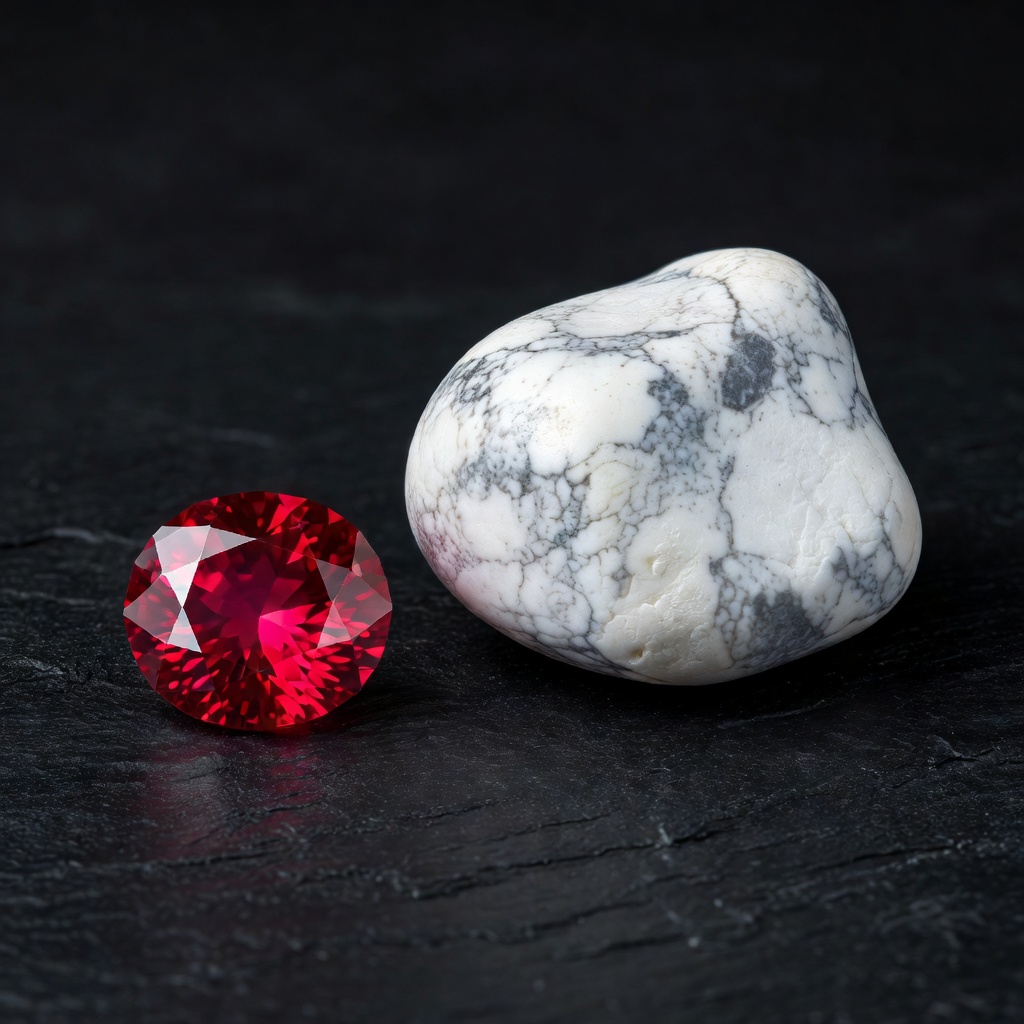
Understanding Ruby and Howlite in the Gemstone World
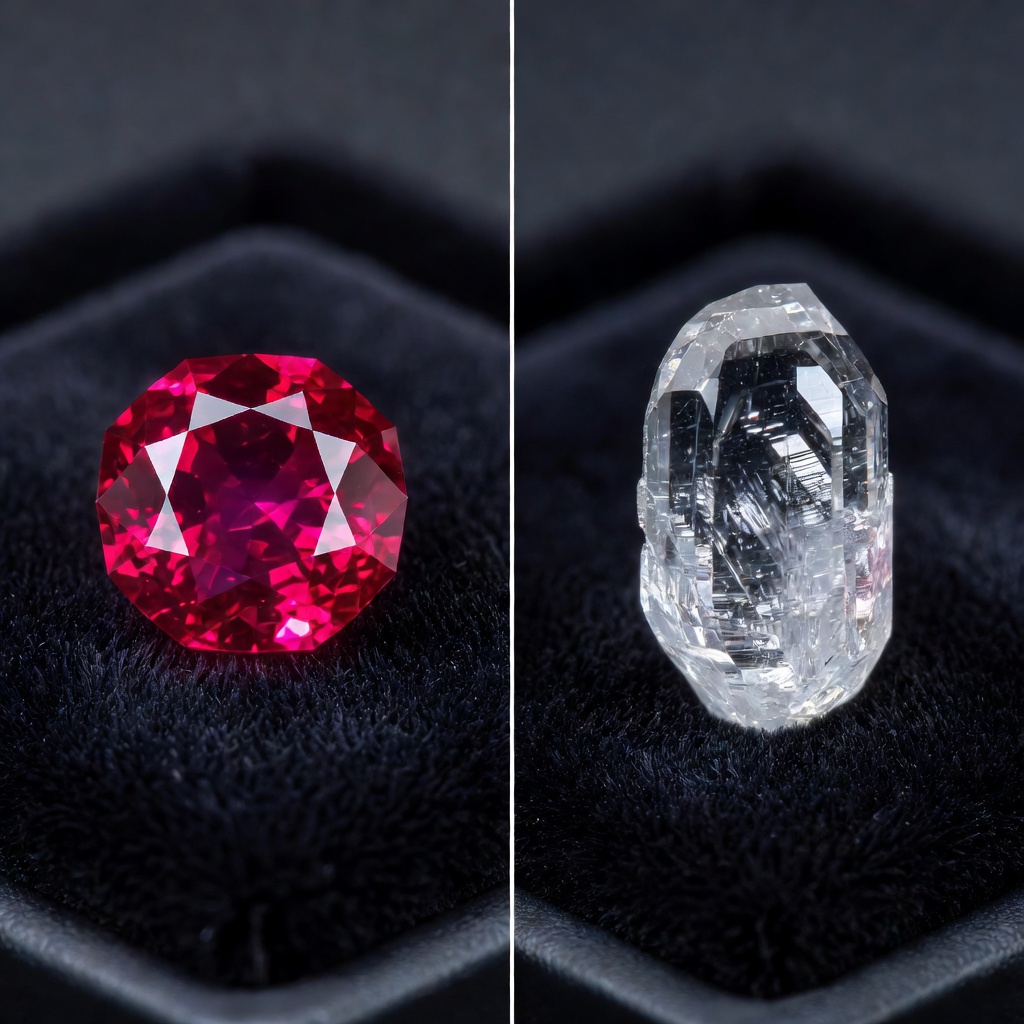
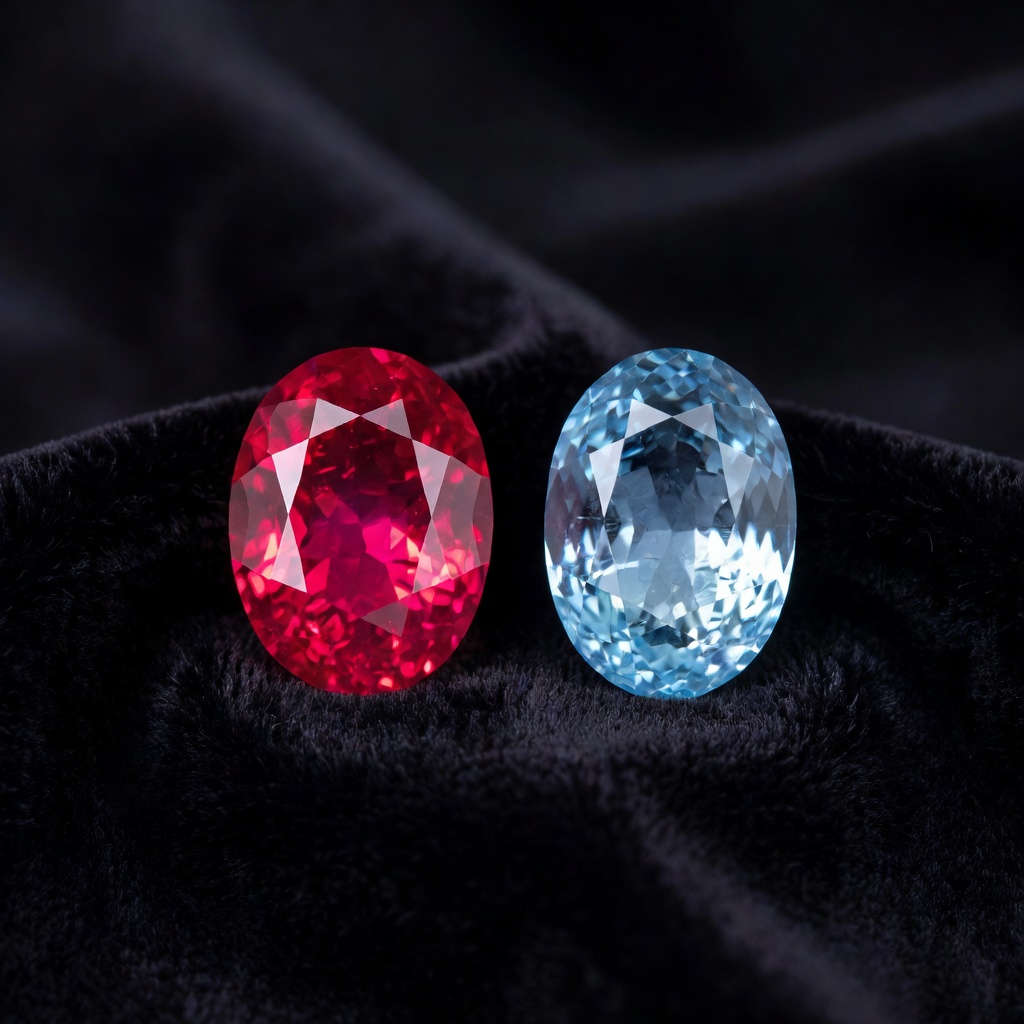
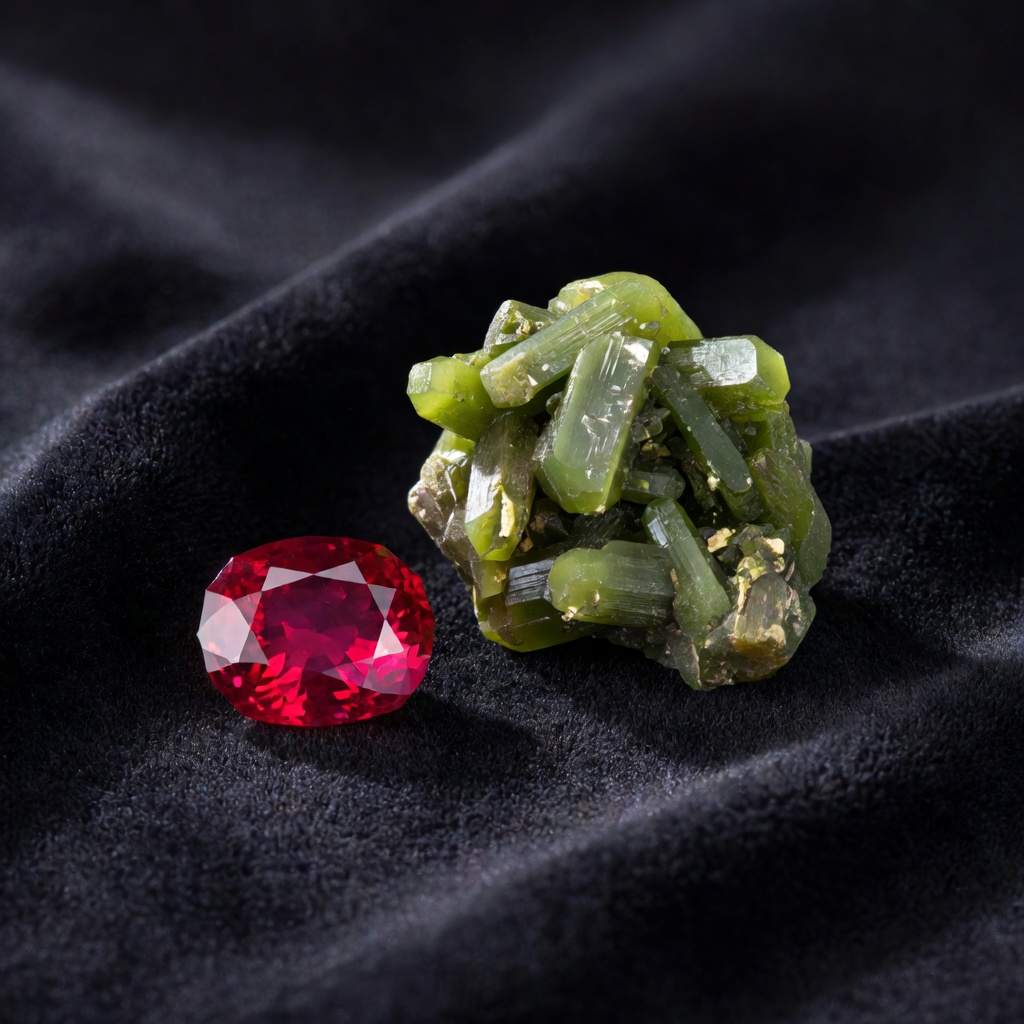
When exploring the fascinating world of colored gemstones, few comparisons illustrate the vast spectrum of mineral diversity quite like Ruby versus Howlite. Ruby stands as one of the four precious gemstones, a coveted variety of corundum celebrated for its intense red hues and exceptional rarity that has captivated royalty and collectors for millennia. In stark contrast, Howlite exists as a calcium borosilicate mineral prized primarily for its distinctive white to grey appearance with characteristic matrix patterns, occupying a humble position among ornamental and semi-precious stones.
The reason these two vastly different minerals frequently appear in comparative discussions stems from a persistent issue in the gemstone market: the widespread practice of dyeing Howlite red to imitate Ruby. Unscrupulous sellers often market these dyed stones as "natural Ruby" or simply "red stone," exploiting Howlite's porous structure to deceive unwary buyers seeking affordable alternatives to expensive red gems. This guide examines the critical differences between these stones across hardness, value, appearance, and practical applications to ensure you make informed purchasing decisions whether investing in fine jewelry or collecting mineral specimens.
Geological Origins and Chemical Composition
Ruby forms deep within the Earth's crust under extreme heat and pressure conditions characteristic of metamorphic rock environments, specifically in marble or basalt deposits rich in aluminum and chromium. Chemically classified as aluminum oxide (Al₂O₃) with trace chromium elements responsible for its signature red coloration, Ruby crystallizes in the hexagonal crystal system, creating the six-sided prismatic formations prized by gemologists. Major mining operations extract gem-quality Rubies from Myanmar's Mogok Valley, Thailand's Chanthaburi region, and Mozambique's Montepuez deposits, with each location producing stones possessing distinct color characteristics and inclusion patterns that experienced dealers can often identify by origin.
Howlite emerges from entirely different geological circumstances, forming in evaporite deposits where borate-rich waters evaporate in arid environments, leaving behind layered sedimentary formations. Composed of calcium borosilicate hydroxide with the chemical formula Ca₂B₅SiO₉(OH)₅, Howlite crystallizes in the monoclinic or monoclinic-pseudo-orthorhombic crystal system, typically appearing as nodules or cauliflower-like masses rather than distinct crystalline structures. Significant deposits occur in Nova Scotia, Canada, and California's Death Valley region, where the mineral often associates with gypsum and ulexite, making it considerably more abundant and accessible than the rare geological conditions required for Ruby formation.
Physical Properties: The Hardness Factor
The disparity between these gemstones becomes immediately apparent when examining their positions on the Mohs hardness scale, the standard measurement of mineral resistance to scratching. Ruby achieves an impressive rating of 9, making it second only to diamond in hardness among natural gemstones, which translates to exceptional durability for daily wear and resistance to surface abrasion from household dust and environmental contact. This remarkable hardness stems from the strong atomic bonding within the corundum crystal structure, allowing Ruby jewelry to maintain its polish and facet edges even after decades of regular wear, making it an ideal candidate for heirloom pieces and engagement rings meant to last generations.
Howlite presents a dramatically different physical profile, rating only 3 to 3.5 on the Mohs hardness scale, comparable to materials like calcite or copper pennies, indicating significant vulnerability to scratching and surface damage. This relative softness results from Howlite's porous, somewhat chalky composition containing hydroxyl groups that create weaker internal bonding compared to corundum's dense structure. Practical implications for jewelry wear are substantial: while Ruby can withstand the rigors of daily activities including handwashing, typing, and minor impacts, Howlite scratches easily from contact with household surfaces, harder gemstones, and even microscopic dust particles, rendering it unsuitable for rings or bracelets intended for regular wear.
Toughness considerations further differentiate these materials, as Ruby, despite its hardness, can fracture along specific cleavage planes under sharp impacts, requiring protective settings for large stones. Howlite presents even greater fragility concerns, displaying poor toughness due to its porous nature, making it prone to chipping, cracking, and crumbling when subjected to pressure or temperature changes, necessitating extremely careful handling during jewelry setting processes that experienced lapidaries approach with specialized techniques to prevent material loss.
Visual Characteristics and Color Variations
Natural Ruby exhibits a color range from pinkish-red to deep purplish-red, with the most coveted specimens displaying "pigeon blood" red—a vivid, saturated hue with subtle blue undertones found primarily in Burmese mines. Under ultraviolet light, genuine Rubies typically fluoresce strong red due to chromium content, a diagnostic feature absent in imitations, while natural inclusions known as "silk" (rutile needle formations) create desirable optical phenomena like asterism in star Rubies. The gemstone displays vitreous to adamantine luster, creating brilliant reflections from well-cut facets, and typically contains characteristic fingerprints, crystal inclusions, or color zoning visible under magnification that actually confirm natural origin rather than detract from value.
Howlite naturally occurs in opaque white to light grey shades marked by distinctive black, grey, or dark brown spider-web veining patterns resulting from mineral impurities and formation irregularities, displaying a dull to sub-vitreous luster that appears waxy or earthy rather than brilliantly reflective. The stone's porosity makes it exceptionally receptive to dye treatments, leading to the prevalence of red dyed Howlite marketed deceptively as affordable Ruby alternatives, though these imitations reveal their artificial nature through color concentrations along cracks and veins, unnaturally uniform coloration lacking Ruby's depth and vitality, and complete absence of fluorescence under UV examination.
Practical identification requires careful observation of surface characteristics: natural Ruby maintains consistent color saturation even at facet junctions and within microscopic fissures, while dyed Howlite shows darker pooling in fractures and may display surface dye residue that acetone testing can reveal through color bleeding onto cotton swabs. Additionally, Ruby's superior hardness creates sharp, precise facet edges that resist rounding, whereas Howlite's softness often results in slightly rounded facet junctions and a generally softer overall appearance even when newly cut.
Market Value and Investment Potential
The economic distinction between precious vs semi-precious stones becomes strikingly evident when comparing Ruby and Howlite market values, reflecting their disparate rarity, durability, and cultural significance. Fine-quality Rubies command prices ranging from $1,000 per carat for commercial-grade stones to over $1 million per carat for exceptional, untreated Burmese specimens exceeding five carats, placing them among the most valuable colored gemstones per carat, often exceeding diamond prices for top-tier material. Investment-grade Rubies typically appreciate over time, particularly those accompanied by certificates from prestigious laboratories like GIA or AGL verifying untreated, Burmese or Mozambican origin, making them suitable for portfolio diversification and legacy asset transfer.
Howlite occupies the opposite end of the value spectrum, retailing typically between $0.50 and $10 per carat depending on size, matrix pattern attractiveness, and whether the piece has been artistically carved or polished, positioning it firmly within the affordable ornamental stone category alongside materials like magnesite or common opal. The abundant nature of Howlite deposits, ease of extraction, and minimal processing requirements contribute to its accessibility for budget-conscious jewelry enthusiasts and crystal collectors, though the material possesses virtually no investment potential or resale value appreciation, functioning primarily as a consumable decorative item rather than a store of value.
Rarity factors driving Ruby's premium include the specific geological coincidence required for chromium-rich marble formation under precise temperature and pressure conditions, with fewer than ten significant gem-quality deposits existing globally, whereas Howlite occurs in extensive, easily mined evaporite deposits across multiple continents with consistent supply chains. Heirloom considerations strongly favor Ruby, as pieces purchased today can realistically be worn and appreciated by great-grandchildren, while Howlite jewelry typically requires replacement within years due to wear damage, making Ruby the clear choice for commemorative pieces marking significant life events.
Jewelry Applications and Wearability
Ruby's exceptional hardness and durability make it supremely suitable for Ruby engagement rings and daily wear jewelry including wedding bands, cocktail rings, and bracelets subjected to regular physical contact. Professional jewelers frequently recommend Rubies for active lifestyles, as the stone resists scratching from household activities, maintains its polish against clothing fabrics, and withstands exposure to sunlight and common environmental conditions without degradation. Common treatments include heat enhancement, an industry-standard practice accepted by gemological institutions that improves color and clarity without compromising durability, allowing consumers to acquire beautiful stones at various price points while ensuring longevity.
Howlite jewelry demands significantly more restrictive design considerations due to the stone's fragility, limiting appropriate applications primarily to pendants, earrings, and occasional-wear brooches where impact risks remain minimal. Even in these protected settings, Howlite requires bezel or halo mountings that shield edges from contact, with metal pairing recommendations favoring softer metals like sterling silver or copper that won't scratch the stone during setting, as opposed to the platinum or high-karat gold typically paired with Ruby to complement its prestige and ensure secure prong settings for active wear.
Designers working with Howlite must account for its ubiquitous dye treatments, as the material rarely appears in jewelry in its natural white state, with red dyed Howlite particularly prevalent in tourist markets and discount jewelry venues. When creating custom pieces, lapidaries often stabilize Howlite with polymer resins to prevent crumbling during cutting, a treatment that should always be disclosed to buyers, while Ruby treatments require disclosure regarding heating but never involve the structural stabilization necessary for softer ornamental materials.
Metaphysical Properties and Symbolism
Ruby crystal healing traditions span centuries and cultures, with the stone historically associated with passion, vitality, courage, and life-force energy, believed to activate and balance both the root chakra (Muladhara) for grounding and the heart chakra (Anahata) for emotional warmth. Practitioners utilize Ruby to stimulate motivation, enhance concentration, and overcome exhaustion, with the stone's intense red color symbolizing blood, fire, and the essence of life itself in many metaphysical systems. As the official July birthstone, Ruby carries particular significance for Cancer and Leo zodiac signs, traditionally given for 15th and 40th wedding anniversaries to rekindle marital passion and commitment.
Howlite stone meaning centers on markedly different energetic qualities, with the mineral renowned for promoting calmness, patience, awareness, and emotional expression while facilitating connection to the crown chakra (Sahasrara) for spiritual insight and meditation depth. Unlike Ruby's stimulating vibrations, Howlite emits tranquil, soothing energies that aid sleep improvement, stress reduction, and anger management, making it popular among individuals seeking relief from anxiety or insomnia rather than those requiring energetic activation. While Howlite holds no official birthstone status, some contemporary crystal practitioners associate it with Gemini and Virgo as an alternative zodiac stone, recommending placement under pillows or meditation altars rather than constant wear to preserve the physical stone while benefiting from its metaphysical properties.
Energy workers often combine both stones in therapeutic layouts, placing Ruby at the feet or base of the spine to ground and energize while positioning Howlite at the crown to facilitate higher consciousness, creating a balanced energetic circuit between stimulation and relaxation. However, for daily metaphysical wear, the choice depends entirely on personal needs: select Ruby when facing challenges requiring courage, confidence, and physical vitality, or choose Howlite during periods requiring reflection, sleep support, and emotional cooling.
Care, Cleaning, and Maintenance Requirements
Ruby maintenance follows relatively straightforward protocols due to the gem's chemical stability and hardness, with cleaning safely accomplished through ultrasonic cleaners, steam cleaning systems, or simply warm soapy water with soft brushes to remove accumulated oils and debris. The stone resists damage from mild household chemicals, though prolonged exposure to harsh acids or hydrofluoric solutions should be avoided, and sudden extreme temperature changes may cause thermal shock in heavily included specimens. Storage recommendations suggest keeping Ruby pieces separately from other jewelry not to protect the Ruby—which scratches nearly everything else—but to prevent the Ruby from damaging softer gemstones like emerald, opal, or pearl that might contact it in a jewelry box.
Howlite care instructions require significantly more stringent protocols reflecting the material's porous, dye-sensitive nature, with cleaning limited to wiping with a barely damp soft cloth immediately dried, strictly avoiding ultrasonic cleaners, steam, immersion in water, or exposure to cleaning chemicals including commercial jewelry dips. The stone's absorbency makes it vulnerable to staining from perfumes, lotions, hair products, and even skin oils, necessitating application of cosmetics before donning Howlite jewelry and removal before bathing, swimming, or exercising to prevent both physical damage and chemical interaction with dyes.
Long-term maintenance concerns for Howlite include the inevitable fading of dyed specimens, as red dyed Howlite gradually loses color saturation through exposure to sunlight, body heat, and environmental moisture, often requiring professional re-dyeing or replacement within several years of regular wear. Storage requires wrapping Howlite in soft cloth or placing in padded individual compartments, isolated from harder gemstones that would scratch its surface, with particular attention to avoiding contact with metal edges or sharp objects that could chip the brittle material.
Authentication: Spotting Fake Rubies and Dyed Howlite
Fake ruby identification requires vigilance and preferably professional verification, as synthetic Rubies and imitations pervade the market at various quality levels. Laboratory certification from recognized institutions like GIA (Gemological Institute of America), AGL (American Gemological Laboratories), or SSEF provides definitive authentication, detailing treatments, origin, and whether the stone is natural, synthetic, or a simulant like dyed Howlite. Price red flags serve as initial indicators: natural Ruby will never cost less than $100 per carat for even modest quality, with fine specimens commanding thousands, so "Rubies" priced at $20-$50 per carat invariably represent glass, synthetic corundum, or dyed Howlite misrepresentations.
Home testing methods provide preliminary screening before professional appraisal, starting with the hot needle test where a heated pin touched to an inconspicuous area releases acrid plastic or chemical smells from dyed Howlite while natural Ruby remains odorless. The acetone test involves rubbing a cotton swab soaked in nail polish remover against the stone's surface; dyed Howlite transfers red color to the cotton, whereas natural Ruby shows no bleeding. Magnification examination reveals critical differences: natural Ruby displays characteristic inclusions like silk, crystals, or fingerprint patterns, while dyed Howlite shows color concentrations along natural grey veining, gas bubbles from dye penetration, or unnaturally uniform color lacking the depth and zoning of genuine corundum.
Physical scratch testing, while potentially damaging to suspect stones, demonstrates that Ruby easily scratches glass and steel, whereas Howlite cannot mark these materials and instead shows scratches from a steel knife blade. Professional appraisal remains essential before major purchases, as sophisticated synthetic Rubies and composite stones require advanced spectroscopic analysis and specific gravity testing available only in gemological laboratories to definitively distinguish from natural material.
Final Verdict: Which Gemstone Should You Choose?
Selecting between Ruby and Howlite ultimately depends on your specific requirements regarding budget, wearability expectations, investment goals, and aesthetic preferences, though the two materials serve fundamentally different purposes in jewelry and collections. The following comparison table summarizes key distinctions to guide your decision-making process:
| Characteristic | Ruby | Howlite |
|---|---|---|
| Mohs Hardness | 9 (Excellent for daily wear) | 3-3.5 (Very soft, fragile) |
| Price Range | $1,000 - $1,000,000+ per carat | $0.50 - $10 per carat |
| Care Requirements | Ultrasonic and steam safe | Damp cloth only, no chemicals |
| Best Jewelry Uses | Engagement rings, daily wear, heirlooms | Pendants, earrings, occasional wear |
| Color Stability | Permanent, UV fluorescent | Fades if dyed, no fluorescence |
| Investment Value | High appreciation potential | No resale value |
| Metaphysical Energy | Stimulating, passionate, energizing | Calming, soothing, sleep aid |
Choose Ruby when seeking investment-grade gemstones suitable for daily wear engagement rings, July birthstone celebrations, or energetic support for vitality and courage, provided your budget accommodates precious gemstone pricing and you desire jewelry that appreciates over generations. Ruby suits individuals with active lifestyles who refuse to compromise on durability while demanding the prestige and beauty associated with historically significant gems worn by royalty and collectors worldwide.
Select Howlite when working with limited budgets under $50 for statement pieces, specifically seeking calming metaphysical properties for meditation or sleep support, or appreciating the artistic white and grey matrix aesthetic in bohemian or artisan jewelry designs. However, exercise extreme caution regarding red dyed Howlite marketed as Ruby, as this misrepresentation constitutes fraud that leaves buyers with worthless, rapidly fading stones rather than the precious gems they believed they purchased. For affordable red alternatives to genuine Ruby, consider legitimate gemstones like garnet, red spinel, or red tourmaline rather than dyed simulants.
Frequently Asked Questions
Can Howlite be dyed to look like Ruby?
Yes, Howlite is frequently dyed red to imitate Ruby due to its porous structure that absorbs dye easily. However, dyed Howlite lacks Ruby's fluorescence, natural inclusions, and hardness. The dye often concentrates in cracks and veins, and the color appears unnaturally uniform compared to natural Ruby's depth.
How do I test if my red gemstone is real Ruby or dyed Howlite?
Perform a hot needle test (dyed Howlite smells acrid or plastic-like), check for dye bleeding with acetone on a cotton swab, or examine under magnification for gas bubbles or color concentrations in cracks. Real Ruby shows natural silk inclusions, strong fluorescence under UV light, and will scratch glass easily while Howlite cannot.
Is Ruby more durable than Howlite for engagement rings?
Absolutely. Ruby rates 9 on the Mohs hardness scale, making it excellent for daily wear and engagement rings that last generations. Howlite rates only 3-3.5, meaning it scratches easily from daily activities, household dust, and cannot withstand the abrasion of regular wear as a ring stone.
Why is Howlite so much cheaper than Ruby?
Howlite is abundant, found in large deposits globally, and requires minimal processing. Ruby is extremely rare in gem-quality form, requires dangerous mining conditions, and only specific chromium-rich geological environments produce the red color. Supply scarcity and demand for Ruby's beauty drive its premium pricing.
Can you wear Howlite every day?
Howlite is not recommended for daily wear, especially in rings or bracelets. Its softness (3-3.5 Mohs) means it scratches from contact with household surfaces, harder gemstones, and even dust particles. It's best reserved for occasional wear in protected settings like pendants or earrings.
What are the spiritual differences between Ruby and Howlite?
Ruby is associated with the root and heart chakras, promoting passion, vitality, courage, and life force energy. Howlite connects to the crown chakra, encouraging calmness, patience, awareness, and sleep improvement. They serve opposite energetic purposes—Ruby stimulates while Howlite tranquilizes.
Will dyed red Howlite fade over time?
Yes, dyed Howlite will fade with exposure to sunlight, sweat, perfume, cleaning chemicals, and even water. The dye sits in the porous surface and gradually washes out or oxidizes. This is a key indicator that you have dyed Howlite rather than natural Ruby, which maintains its color permanently.
Is Howlite ever a good alternative to Ruby?
Only if you want the white/grey aesthetic or specifically seek Howlite's calming properties at a budget price. As a red stone alternative, dyed Howlite is misleading and disappointing. For affordable red alternatives to Ruby, consider garnet, red spinel, or red tourmaline instead of dyed Howlite.